

Magnesium for High Blood Pressure: A Complete Guide to Benefits, Foods & Dosage
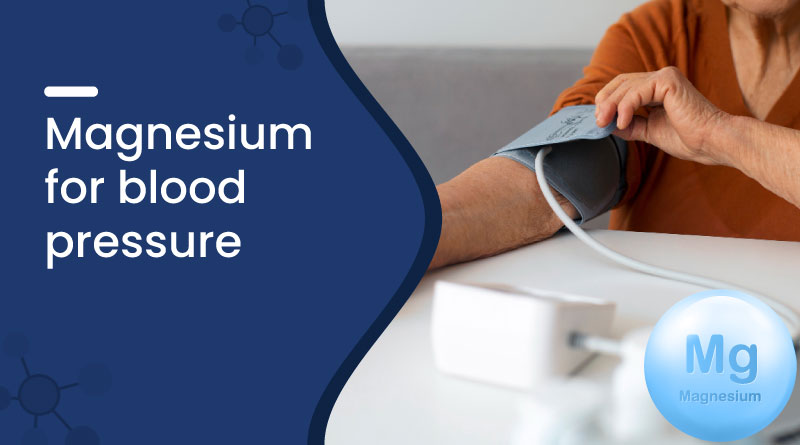
Maintaining healthy blood pressure is essential for overall cardiovascular health. Persistently high blood pressure (hypertension) increases the risk of serious conditions such as heart disease and stroke.
In recent years, magnesium for blood pressure management has gained attention due to its role in relaxing blood vessels, improving circulation, and supporting heart function naturally.
This blog explores how magnesium works, its benefits, best food sources, and how to include it safely in your routine.
Magnesium for Blood Pressure Control
Magnesium is an essential mineral involved in more than 300 biochemical reactions also plays a vital role in maintaining normal blood pressure and overall cardiovascular health. It helps regulate muscle and nerve function, including the relaxation of blood vessels, which is crucial for healthy blood flow.
- Muscle relaxation
- Nerve signaling
- Maintaining a steady heartbeat
- Supporting blood vessel function
It also contributes to proper blood circulation and helps regulate blood pressure by maintaining vascular tone and electrolyte balance.
How Does Magnesium Help Lower Blood Pressure?
Magnesium contributes to blood pressure regulation through several physiological mechanisms:
- Promotes blood vessel relaxation: Supports smooth muscle relaxation, reducing vascular resistance.
- Improves circulation: Enhances blood flow throughout the body
- Maintains electrolyte balance: Works with sodium and potassium to regulate fluid balance.
- Supports nerve and muscle function: Ensures proper contraction and relaxation of blood vessels.
These combined effects contribute to healthier blood pressure levels over time.
Scientific Evidence on Magnesium and Blood Pressure
Clinical studies suggest that magnesium intake may lead to modest but meaningful reductions in blood pressure:
- May reduce systolic blood pressure by 2–4 mmHg
- More effective in individuals with magnesium deficiency
- Supports endothelial function and vascular health
Although magnesium is not a replacement for medication, it plays a supportive role in long-term blood pressure management.
Signs and Symptoms of Magnesium Deficiency
From the above sections, you are now aware of the importance of magnesium in our bodies. A deficiency of this nutrient will also result in significant complications, such as:
- High blood pressure
- Twitching, tightness, or cramping of muscles
- Fatigue and weakness
- Irregular heartbeat or Palpitations
- Numbness or tingling (Unusual sensations in hands or feet)
- Mood changes
Who is at Risk of Magnesium Deficiency?
Magnesium deficiency is more common than expected, especially among individuals with poor dietary intake, chronic health conditions, or increased nutrient requirements.
- Older adults
- Individuals with diabetes
- People taking diuretics or certain medications
- Diets high in processed foods
- Excess alcohol consumption
Benefits of Magnesium for Blood Pressure Control
You may take magnesium for high BP management because of its several benefits, like regulating blood vessel functions, improving circulation, and maintaining electrolyte balance. All these advantages promote a healthy cardiovascular system.
- Helps maintain normal Blood Pressure: Helps to maintain a healthy tone in the blood vessels, thus keeping blood pressure in a balanced range.
- Promotes blood vessel relaxation: Aids in relaxing the smooth muscles of blood vessels, reducing stiffness and easing pressure on artery walls.
- Improves circulation: Encourages better blood flow, ensuring efficient delivery of oxygen and nutrients throughout the body.
- Supports heart function: Helps to maintain a regular heartbeat, which is vital in maintaining blood pressure.
- Balances electrolytes: Works with sodium and potassium to balance fluids in the body, thus ensuring nerve signals are transmitted in an efficient manner.
Best Magnesium-Rich Foods for Blood Pressure
Magnesium has many different benefits and can also maintain healthy BP levels in the body. But when you suspect a magnesium deficiency, don’t directly go for supplements, but instead try to include natural magnesium-rich foods like the following in your diet
- Leafy greens: Spinach and kale are rich in magnesium and antioxidants. These help relax blood vessels and promote heart health.
- Nuts and seeds: Almonds and pumpkin seeds are a good source of healthy fats and magnesium. These can improve circulation and regulate blood pressure.
- Whole grains: Brown rice and oats can provide sustained energy and promote vascular health.
- Bananas: Rich in magnesium and potassium. Both are necessary for maintaining a balance of electrolytes and regulating blood pressure.
- Avocados: Rich in healthy fats and minerals that are necessary for heart health and vascular function.
- Dark chocolate (in moderation): Dark chocolate is a good source of magnesium and flavonoids. These can improve blood flow and regulate blood pressure.
Also Read: Best Foods for Hypertension
Best Types of Magnesium Supplements for Blood Pressure
Not all magnesium supplements are the same. Different forms vary in absorption (bioavailability), effectiveness, and specific health benefits. Choosing the right type is important for achieving optimal results in blood pressure management.
- Magnesium Glycinate: Well-absorbed, supports relaxation and sleep
- Magnesium Citrate: Good absorption, may aid digestion
- Magnesium Taurate: Supports heart and cardiovascular health
- Magnesium Oxide: Lower absorption, commonly used in supplements
Choosing the right form depends on individual needs and tolerance.
Recommended Daily Intake of Magnesium
It is important to get the appropriate amount of Magnesium dosage for blood pressure to support heart health. The appropriate daily intake of Magnesium helps to regulate blood vessel function, circulatory health, and normal blood pressure levels.
|
Category |
Recommended Daily Intake |
|
Adult Men |
400–420 mg per day |
|
Adult Women |
310–320 mg per day |
Best Time to Take Magnesium for Blood Pressure
Magnesium can be taken at any time of the day, but many people prefer taking it in the evening. This is because magnesium may promote relaxation, improve sleep quality, and help reduce stress—key benefits also associated with magnesium for sleep, which indirectly support healthy blood pressure.
If you are taking magnesium supplements:
- Take them with food to improve absorption and reduce stomach discomfort
- Follow a consistent routine for better results
The best time may vary depending on individual needs, so it is important to follow your doctor’s advice.
Also Read: How magnesium helps reduce anxiety naturally
Magnesium Supplements: Should You Take Them?
Magnesium supplements can help support healthy blood pressure, especially when dietary intake is insufficient. They work by promoting blood vessel relaxation and improving overall circulation.
Common forms like magnesium citrate and glycinate are often better absorbed and easier on the stomach. However, supplements should be taken in appropriate doses, as excess intake may cause side effects.
It is advisable to consult a healthcare professional before starting supplementation.
Side Effects of Taking Magnesium for Blood Pressure
Magnesium is generally safe when taken in recommended amounts, but excessive intake—especially from supplements—may cause side effects.
Common side effects include:
- Diarrhoea or loose stools
- Nausea or stomach discomfort
- Abdominal cramping
In rare cases, very high doses may lead to:
- Low blood pressure
- Irregular heartbeat
- Weakness or confusion
People with kidney problems or those taking medications should consult a doctor before using magnesium supplements to avoid complications.
How Long Does Magnesium Take to Lower Blood Pressure?
The effects of magnesium on blood pressure are gradual and cumulative, rather than immediate. How quickly you notice benefits depends on several factors, including your current magnesium levels, dosage, supplement type, and overall health.
- 1–2 weeks: Initial improvements in muscle relaxation and sleep
- 4–8 weeks: Noticeable effects on blood pressure
Consistency is key for long-term benefits.
Also Read: Benefits of magnesium for digestion and constipation relief
Lifestyle Tips to Naturally Control Blood Pressure
Healthy lifestyle habits play a key role in managing blood pressure. Simple daily changes can support heart health, improve circulation, and help maintain stable blood pressure levels.
- Eat a balanced diet: Include fruits, vegetables, whole grains, and magnesium-rich foods while limiting excess salt and processed foods.
- Stay physically active: Regular exercise like walking, cycling, or yoga helps improve circulation and maintain healthy blood pressure.
- Manage stress levels: Practice relaxation techniques such as meditation, deep breathing, or mindfulness.
- Maintain a healthy weight: Keeping weight in a healthy range reduces strain on the heart and blood vessels.
- Limit alcohol and avoid smoking: Both can negatively impact blood pressure and cardiovascular health.
- Monitor blood pressure regularly: Keeping track helps in early detection and better management.
Also Read: Magnesium benefits for weight loss and fat metabolism
When Should You Consult a Doctor?
It is important to consult a doctor if you notice that your blood pressure readings are consistently high or if you experience any of the following:
- Frequent headaches
- Dizziness
- Chest discomfort
- Shortness of breath
- Individuals with underlying medical conditions, for example, heart disease, diabetes, and kidney problems, need medical advice.
Medical advice is important when lifestyle changes are not improving your blood pressure levels.
If you are planning on taking any magnesium supplements together with your medications, it is important to seek medical advice.
Conclusion
Magnesium plays an important role in supporting healthy blood pressure by helping relax blood vessels, improving circulation, and maintaining electrolyte balance.
The best way to ensure a healthy heart is to include magnesium-rich foods in your daily meals, providing a natural and effective way to support heart health and overall well-being.
Although supplements can provide positive results in some cases, it is always recommended to avoid them without a doctor’s advice.
A mindful approach that combines nutrition and medical guidance can help maintain stable blood pressure.
Frequently Asked Questions (FAQs)
Ans.Magnesium may help reduce the risk of developing high blood pressure by supporting healthy blood vessel function and maintaining electrolyte balance when consumed regularly as part of a balanced diet.
Ans.No, magnesium does not lower blood pressure immediately. It works gradually by relaxing blood vessels and improving circulation. Consistent intake over time may help support healthier blood pressure levels.
Ans.Magnesium helps manage hypertension by relaxing blood vessels, improving blood flow, and balancing electrolytes like sodium and potassium. These effects support better blood pressure control and overall cardiovascular health.
Ans.Magnesium can interact with certain medications. It is important to consult a healthcare professional before combining magnesium supplements with blood pressure medicines to ensure safe and effective use.
Ans.Magnesium citrate and magnesium glycinate are commonly recommended for blood pressure support due to their good absorption and gentle effect on the stomach, making them suitable for regular use under medical guidance.
Ans.Magnesium citrate may help lower blood pressure by promoting blood vessel relaxation and improving circulation. It is well absorbed, but should be taken in appropriate doses under medical guidance for best results.
Ans.Leafy greens, nuts, seeds, whole grains, bananas, avocados, and dark chocolate are rich in magnesium. These foods support blood vessel relaxation and help maintain healthy blood pressure levels naturally.
Ans.The recommended daily intake is around 310–320 mg for women and 400–420 mg for men. However, the exact dosage for high blood pressure should be decided by a healthcare professional.
Ans.Magnesium can be taken at any time, but many people prefer taking it in the evening as it may promote relaxation and better sleep, which indirectly supports blood pressure control.
Ans.It is best to get magnesium from natural food sources like leafy greens and nuts. Supplements can be used when needed, but only under medical advice to avoid excess intake.
Ans.Magnesium may interact with some blood pressure medications and affect their action. It’s best to consult your doctor before using them together.
Recent Blogs






Disclaimer : Zeelab Pharmacy provides health information for knowledge only. Do not self-medicate. Always consult a qualified doctor before starting, stopping, or changing any medicine or treatment.


₹ 0
0
Items added
Quick Links
Categories
Our Policies

Our Socials


Subscribe

2026 Copyright By © Zeelab Pharmacy Private Limited. All Rights Reserved
Our Payment Partners

 Added!