

Best Medicine for High Blood Pressure in India: BP Control Medicine Names List
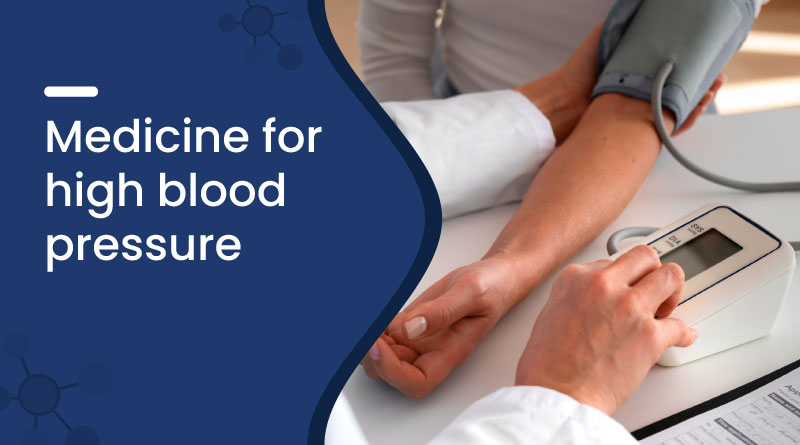
High blood pressure, or hypertension, is a major public health concern in India, with over 220 million cases reported.
To manage the condition and reduce the risk of serious complications, such as heart disease, stroke, and kidney problems, doctors prescribe blood pressure-lowering medications. Along with these medications, adopting healthy lifestyle changes is also important.
The right medication is selected after considering a patient’s blood pressure readings, age, overall health, and other existing medical conditions.
Amlodipine, atenolol, telmisartan, metoprolol, and hydrochlorothiazide are some of the commonly prescribed medicines for high blood pressure in India.
In this blog, we’ll discuss some of the most commonly prescribed medicines for high blood pressure in India and explain how they work.
What are High Blood Pressure Medicines?
Medications for high blood pressure are used to lower blood pressure and reduce the strain on the heart and blood vessels.
These medicines work in different ways. For example, they may relax blood vessels, remove excess salt and fluid from the body, or slow the heart rate when needed.
High blood pressure medicines help to:
- Maintain blood pressure within the recommended target range.
- Reduce the risk of heart attacks and strokes.
- Prevent long-term damage to the heart, kidneys, and blood vessels.
- Reduce the risk of complications associated with uncontrolled high blood pressure.
Types of Medicines Used to Control High Blood Pressure
Hypertension medications are available in different types, each working through a specific mechanism in the body to help control high blood pressure.
Some commonly used classes of antihypertensive medicines include:
- ACE Inhibitors: Reduce the production of a substance that tightens blood vessels.
- Angiotensin II Receptor Blockers (ARBs): Block the action of a hormone that narrows blood vessels.
- Calcium Channel Blockers (CCBs): Relax blood vessels and improve blood flow.
- Beta Blockers: Reduce the heart rate and the heart's workload.
- Diuretics (Water Pills): Help the body remove excess salt and water through urine.
- Vasodilators: Relax the muscles in blood vessel walls for easier blood flow.
- Central Acting Agents: Reduce nerve signals that can raise blood pressure.
- Alpha Blockers: Block certain nerve signals that tighten blood vessels.
Common High Blood Pressure Medicine Names in India
Several prescription medicines are available to treat high blood pressure. However, the choice of medication depends on factors such as blood pressure levels, medical history, age, overall health, and response to treatment.
Some commonly prescribed medicines for high blood pressure and how they work are discussed below:
|
Medicine name |
Common Mechanism |
|
Amlodipine |
Relaxes blood vessels |
|
Telmisartan, Losartan |
Blocks angiotensin II receptors |
|
Hydralazine |
Moderate-to-severe or persistent hypertension |
|
Enalapril, Ramipril |
Inhibits the ACE enzyme |
|
Prazosin |
Prevents blood vessel narrowing |
|
Hydrochlorothiazide, Chlorthalidone |
Removes the body’s excess salt and water. |
|
Clonidine |
Relaxes blood vessels and slows the heart rate. |
|
Metoprolol |
Reduces heart rate and its workload |
List of Commonly Prescribed BP Tablets in India
Several tablets are prescribed to manage high blood pressure in India, depending on an individual's blood pressure levels and overall health needs.
The following list highlights some commonly prescribed medicines, their compositions, and how they work.
|
Tablet Name |
Composition |
|
Amoline 5 |
Amlodipine 5 mg |
|
Telmizem 40 |
Telmisartan 40 mg |
|
Tenolzee 50 |
Atenolol 50 mg |
|
Clozipres |
Clonidine 100 mcg |
|
Losarum 25 |
Losartan 25 mg |
|
Ramnil 2.5 |
Ramipril 2.5 mg |
|
Zosimin 2 ER |
Prazosin 2 mg (extended-release) |
|
Hydrozide 12.5 |
Hydrochlorothiazide 12.5 mg |
|
Metolash 25 XL |
Metoprolol succinate 23.75 mg |
Amoline 5 Tablet
Amoline 5 is a prescription high BP tablet containing amlodipine, a calcium channel blocker that relaxes blood vessels and lowers high blood pressure.
- Composition: Amlodipine 5 mg
- Benefits: Helps control high blood pressure and manage angina (chest pain).
Telmizem 40 Tablet
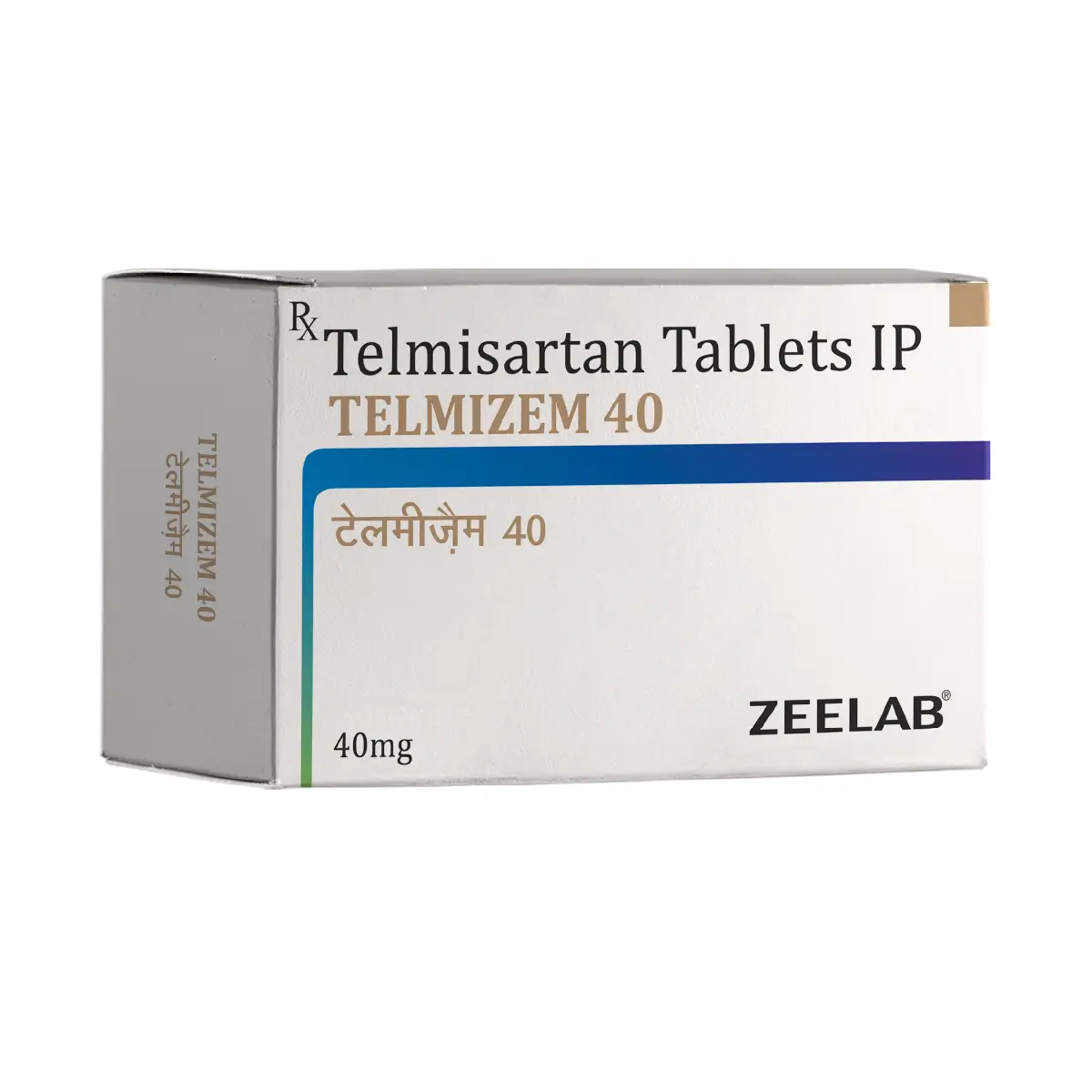
Telmizem 40 is commonly used as a high blood pressure tablet that contains telmisartan. Being an angiotensin II receptor blocker (ARB), it relaxes blood vessels and is prescribed for hypertension management.
- Composition: Telmisartan 40 mg
- Benefits: Helps lower high blood pressure and supports cardiovascular health when used as prescribed
Tenolzee 50 Tablet
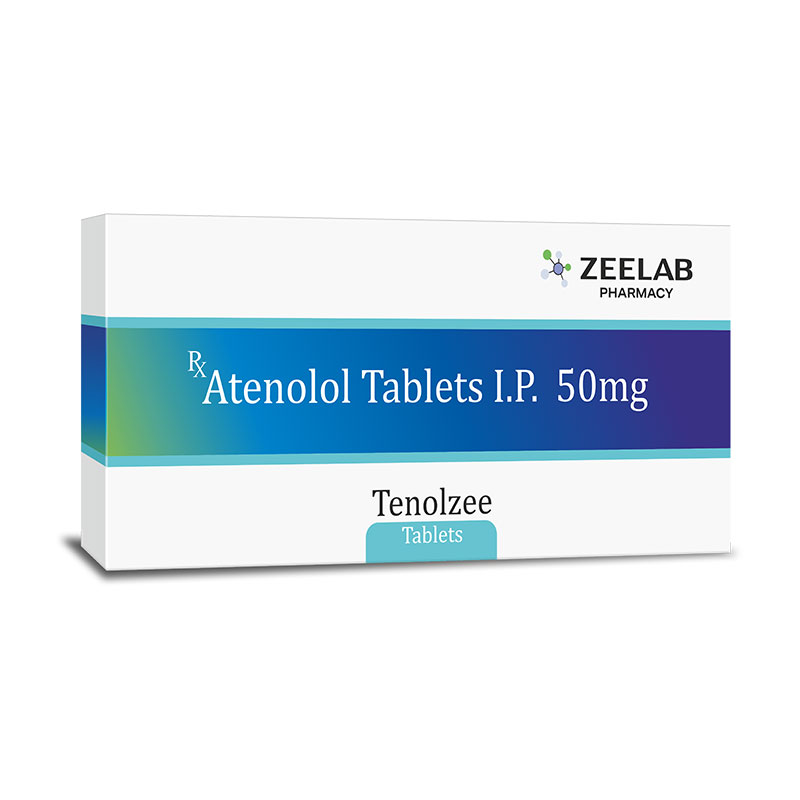
Tenolzee 50 is a prescription tablet for hypertension. It contains a beta-blocker called atenolol that reduces heart rate and contraction force and is used in high blood pressure treatment.
- Composition: Atenolol 50 mg
- Benefits: Helps control high blood pressure and manage angina when prescribed.
Clozipres Tablet

Clozipres is a prescription antihypertensive medicine containing clonidine, which acts on certain brain nerve signals to reduce blood pressure.
- Composition: Clonidine 100 mcg
- Benefits: Helps manage high blood pressure under medical supervision.
Losarum 25 Tablet
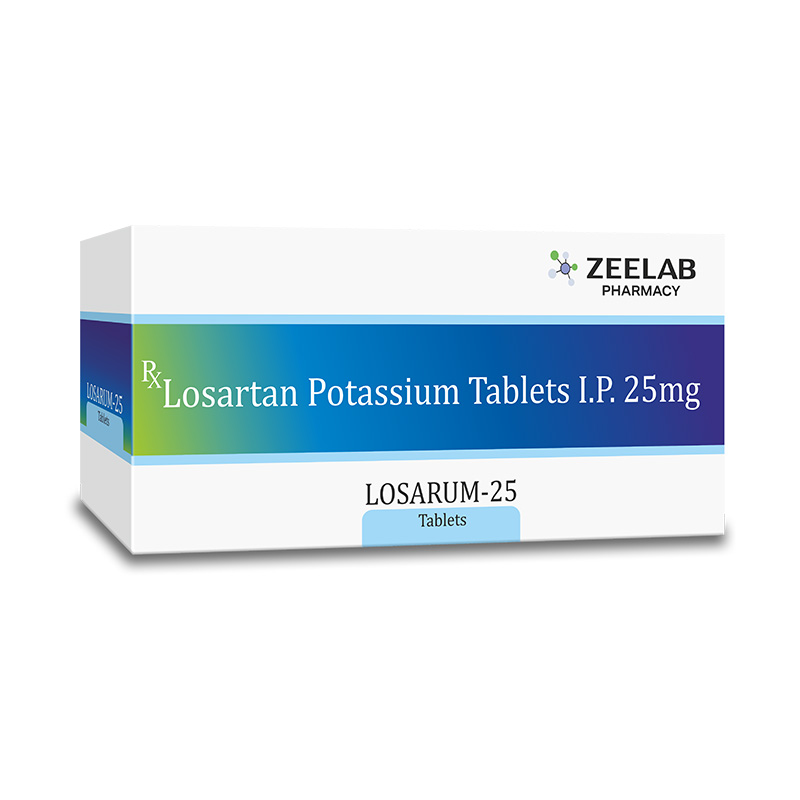
Losarum 25 is a prescription antihypertensive medicine containing losartan, an ARB that blocks angiotensin II to help relax blood vessels.
- Composition: Losartan 25 mg
- Benefits: Helps manage hypertension and may support kidney protection in certain patients with diabetes.
Ramnil 2.5 Tablet
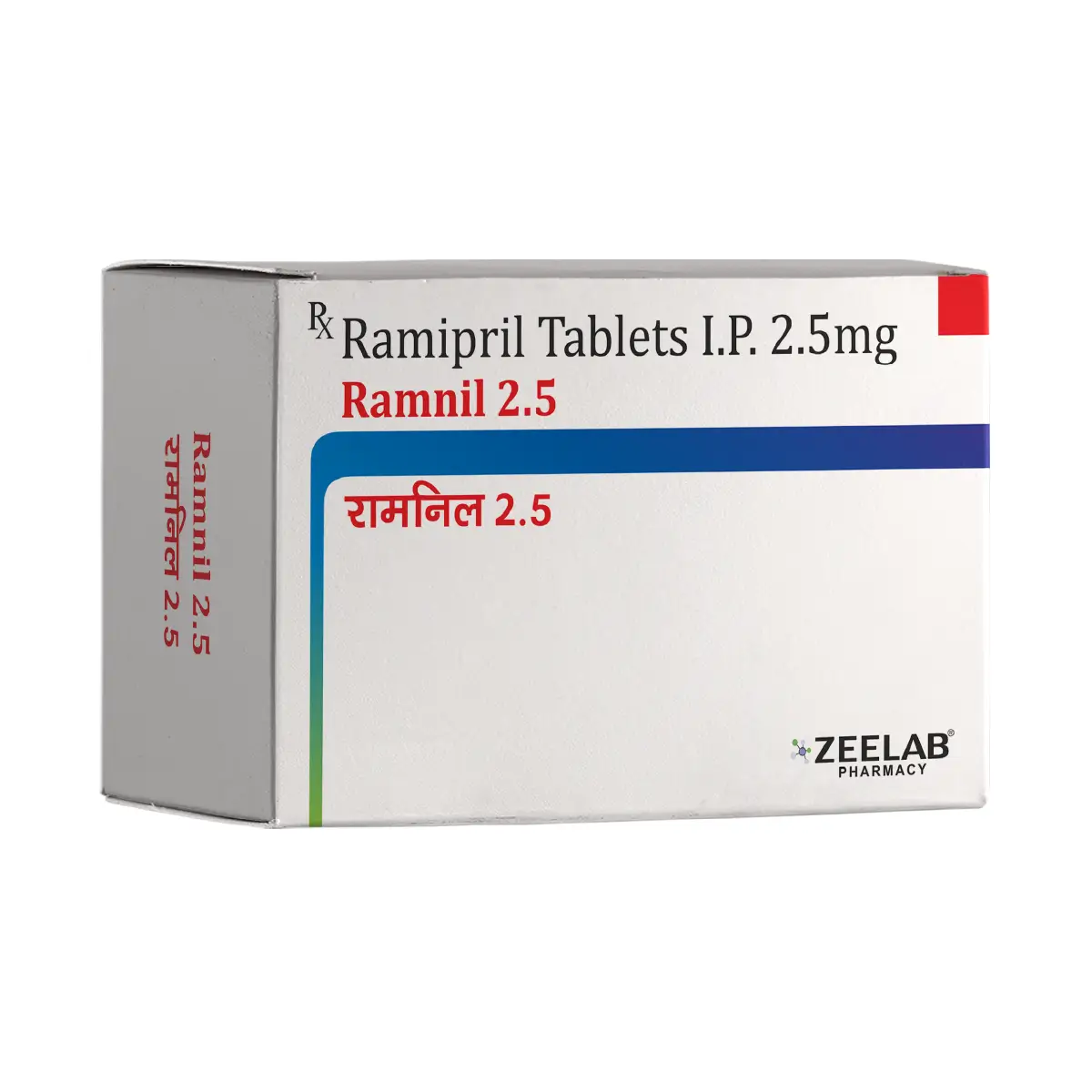
Used in hypertension treatment, Ramnil 2.5 contains ramipril, an ACE inhibitor that reduces the formation of substances that narrow blood vessels.
- Composition: Ramipril 2.5 mg
- Benefits: Helps control blood pressure and may support heart health in selected patients.
Zosimin 2 ER Tablet

Zosimin 2 ER is an extended-release prescription medicine containing prazosin. As an alpha-blocker, it is commonly used as a medication for hypertension that relaxes blood vessels.
- Composition: Prazosin 2 mg (extended-release)
- Benefits: Helps lower blood pressure when prescribed as part of an appropriate treatment plan.
Hydrozide 12.5 Tablet
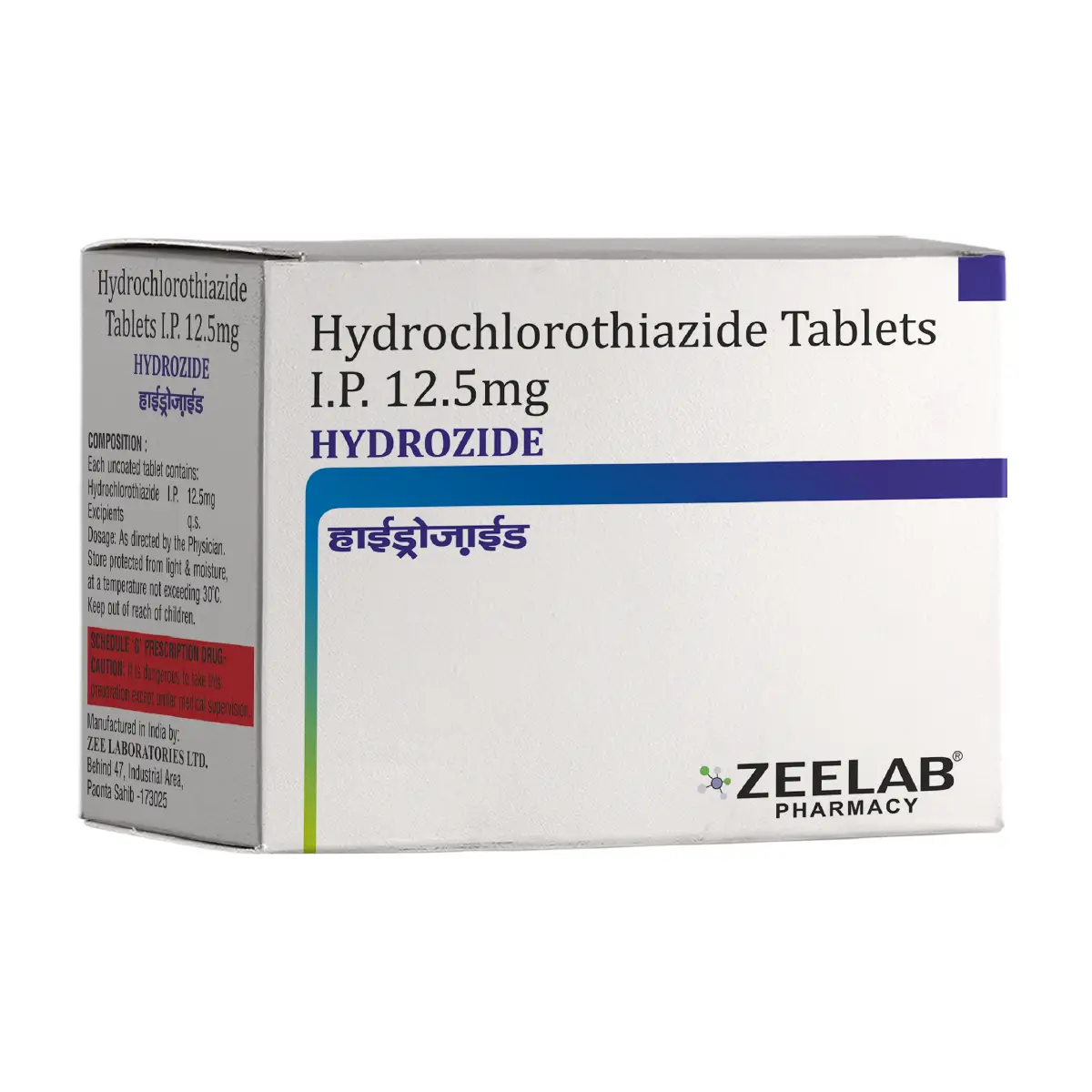
Hydrozide 12.5 contains hydrochlorothiazide, a thiazide diuretic for hypertension management that increases salt and water removal through urine.
- Composition: Hydrochlorothiazide 12.5 mg
- Benefits: Helps control high blood pressure and manage fluid retention in appropriate cases.
Metolash 25 XL Tablet
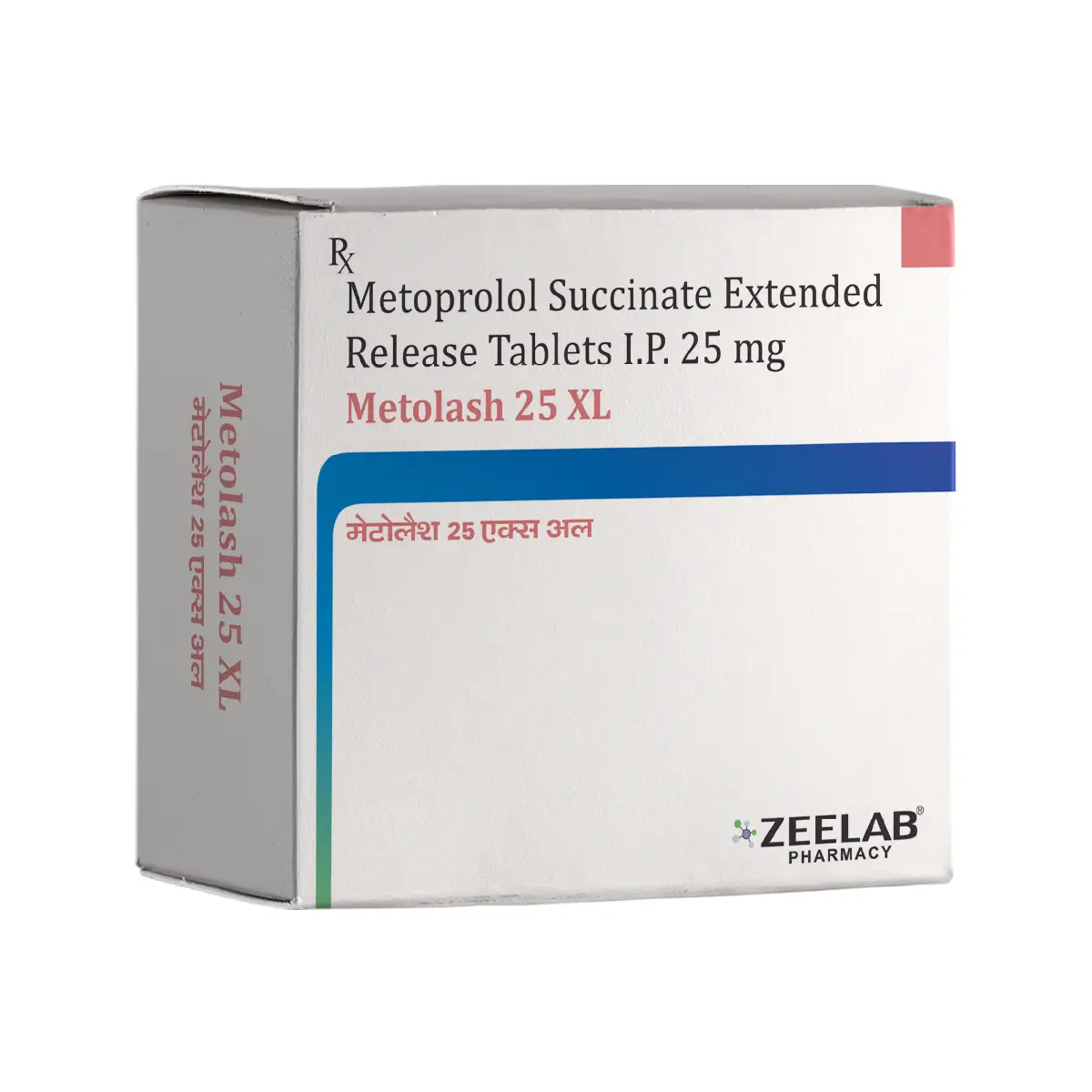
Metolash 25 XL is an extended-release prescription medicine containing metoprolol succinate, a beta-blocker that slows the heart rate and reduces its workload.
- Composition: Metoprolol succinate 25 mg
- Benefits: Helps manage high blood pressure and certain heart conditions when prescribed.
How to Take Blood Pressure Medicines Safely?
Taking blood pressure medicines correctly helps manage hypertension and reduces the risk of complications. Follow these precautions to use your medicines safely:
- Take your medicines exactly as prescribed by your doctor.
- Try to take your medicines at the same time each day.
- Never stop taking your medicines or change the dosage just because your blood pressure has returned to normal.
- Consult your doctor before taking any other medications or supplements that may affect blood pressure.
Side Effects of High Blood Pressure Medicines
Blood pressure medications are generally safe when taken as prescribed. However, some people may experience side effects depending on the type of medication and their individual response to treatment.
Common side effects of blood pressure medicines include:
- Dizziness or lightheadedness.
- Headache.
- Fatigue or tiredness.
- Swelling in the ankles or feet.
- Dry cough (with ACE inhibitors).
- Increased urination (with diuretics).
- Slow heart rate (with beta-blockers).
- Nausea or mild stomach discomfort.
Lifestyle Changes to Support Blood Pressure Control
Medicines work best when combined with healthy lifestyle habits. These changes help manage hypertension effectively and reduce long-term health risks.
- Reduce salt intake.
- Eat a balanced and nutritious diet.
- Exercise regularly.
- Maintain a healthy body weight.
- Limit alcohol consumption and avoid smoking.
- Manage stress through relaxation techniques and other healthy habits
What to Avoid While Taking BP Medicines?
Patients taking blood pressure medications should be mindful of their dietary choices and lifestyle habits to manage their blood pressure effectively.
They should avoid:
- Foods high in sodium and highly processed foods. Eat these food for hypertension.
- Alcohol and smoking.
- A sedentary lifestyle.
- Excessive caffeine consumption.
When to See a Doctor for High BP?
You should consult a doctor if your blood pressure readings are consistently higher than the recommended range or if you experience unusual symptoms.
Seek immediate medical attention if:
- BP readings consistently above 140/90 mmHg
- Severe headache, chest pain or difficulty breathing
- Already have diabetes, kidney disease, or heart problems
- BP suddenly rises to 180/120 mmHg or higher (medical emergency)
Conclusion
Managing hypertension involves taking prescribed blood pressure medications correctly, adopting healthy lifestyle habits, and attending regular medical checkups.
There are no suitable over-the-counter medicines for managing high blood pressure without medical guidance.
These medications should only be taken when prescribed by a doctor after carefully evaluating factors such as blood pressure levels, medical history, age, and potential health risks.
Always follow your doctor's advice and stay consistent with your treatment routine. Small, daily efforts can lead to significant improvements, helping you maintain a healthier and more active life.
Frequently Asked Questions (FAQs)
Ans.Amlodipine, atenolol, telmisartan, metoprolol, and hydrochlorothiazide are some commonly prescribed medicines for high blood pressure in India. The right choice depends on your blood pressure levels, medical history, overall health, and your doctor's recommendation.
Ans.Hypertension can often be controlled effectively with medications and lifestyle changes. However, it usually requires long-term management. Do not stop taking your prescribed medicines without consulting your doctor.
Ans.Yes, many people can achieve blood pressure control with a single medication. However, others may require a combination of medicines, depending on their blood pressure readings, existing health conditions, and response to treatment.
Ans.Yes, many blood pressure medicines are suitable for people with diabetes. Doctors may prefer ACE inhibitors or angiotensin receptor blockers (ARBs) in certain patients, particularly those with kidney disease or albumin in their urine.
Ans.Many people need long-term or lifelong treatment for hypertension. Some may reduce medication under medical supervision after sustained improvement through lifestyle changes.
Ans.The best time depends on the medicine and your routine. Take it consistently as prescribed; morning dosing is not universally better than evening dosing.
Ans.It depends on the specific medicine. Some can be taken with or without food, while others have particular instructions. Check the label or ask your pharmacist.
Ans.Some blood pressure medicines begin working within hours, while their full effect may take days or weeks. The timing depends on the medicine and dose.
Ans.Follow the medicine's instructions or ask your pharmacist. Usually, take it when remembered unless the next dose is near; never double the dose.
Ans.No, do not stop blood pressure medicines just because your readings become normal. Treatment often keeps blood pressure controlled, and stopping may cause it to rise again.
Ans.Common side effects include dizziness, headache, ankle swelling, tiredness, and frequent urination. Effects vary by medicine; consult your doctor if symptoms persist or worsen.
Ans.Yes, some blood pressure medicines can cause dizziness, particularly after starting treatment or increasing the dose. Rise slowly and contact your doctor if it persists.
Ans.Blood pressure may remain high because of missed doses, inadequate treatment, excess salt, interacting medicines, or other conditions. Consult your doctor for an assessment and treatment review.
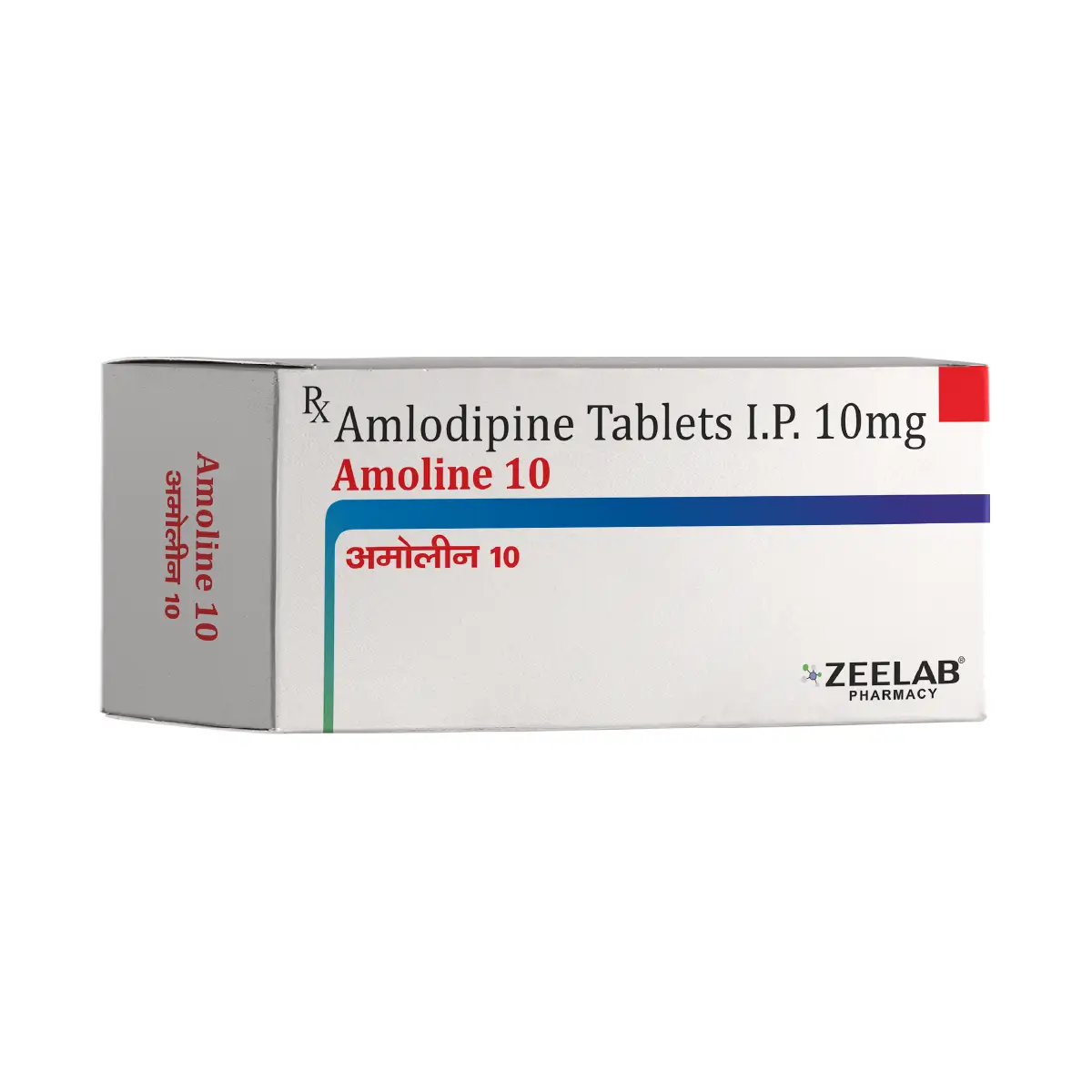
Amlodipine (10mg)
10 Tablets In 1 Strip

Amlodipine (5mg)
10 Tablets In 1 Strip
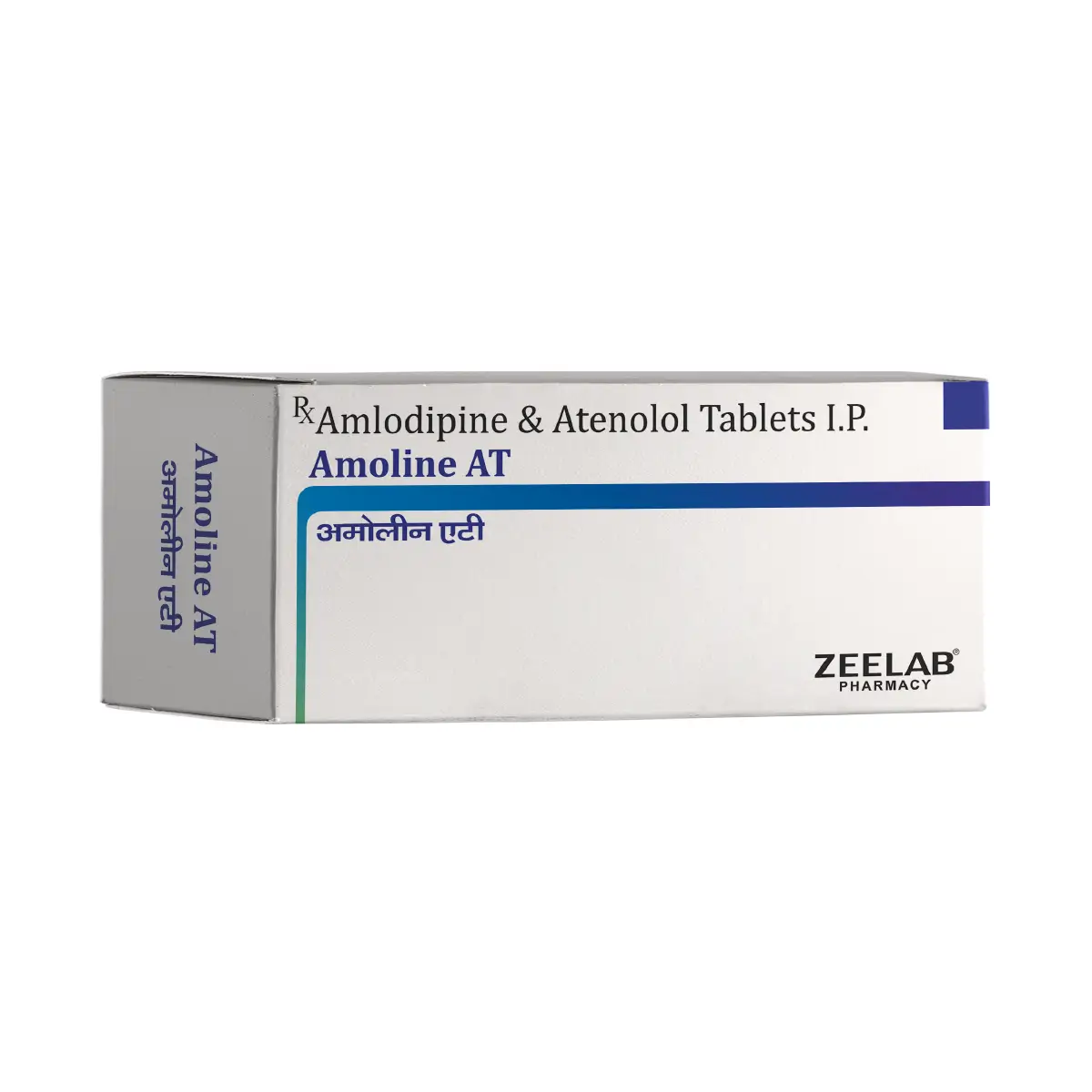
Amlodipine (5mg) + Atenolol (50mg)
10 Tablets In 1 Strip
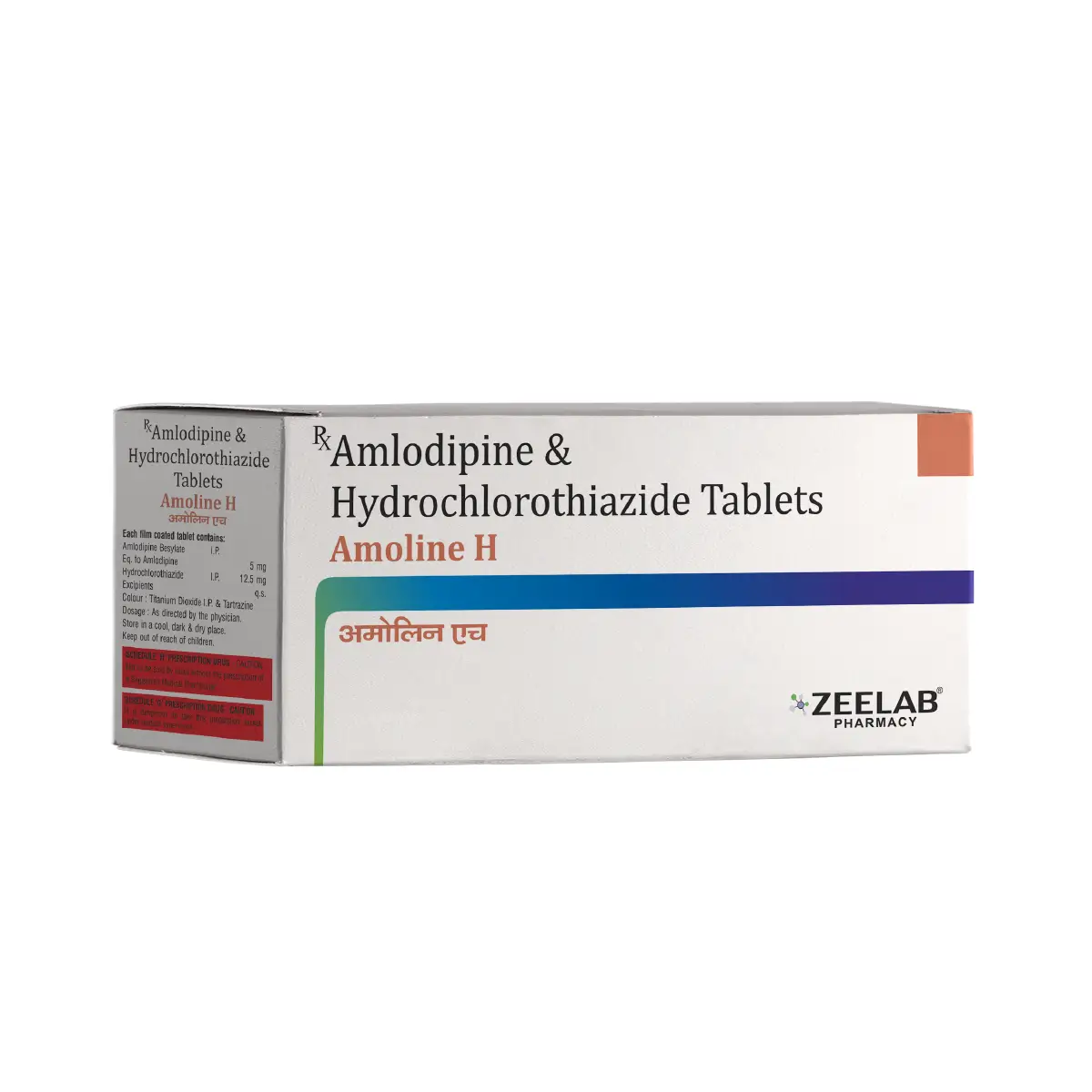
Amlodipine (5mg) + Hydrochlorothiazide (12.5mg)
10 Tablets In 1 Strip
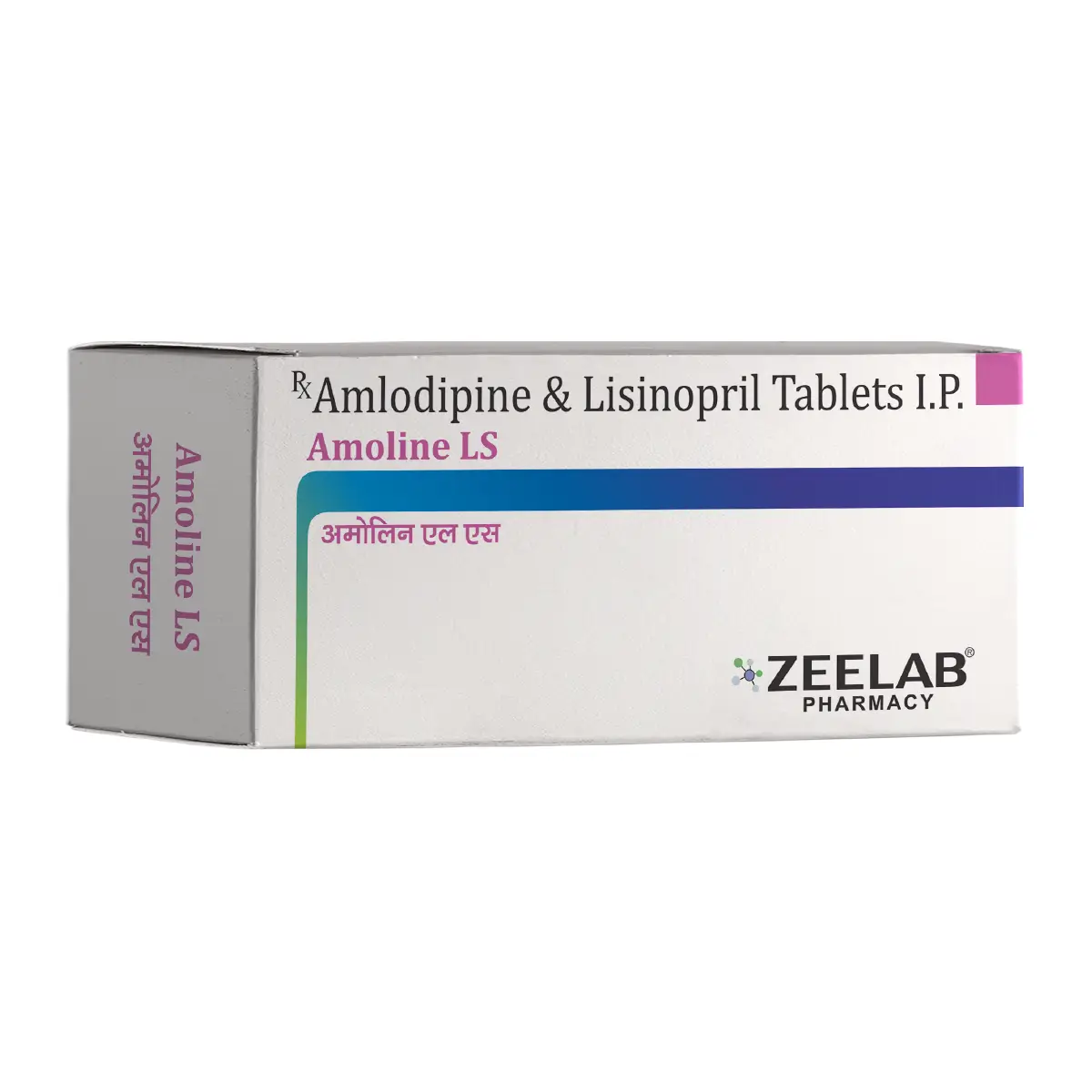
Amlodipine (5mg) + Lisinopril (5mg)
10 Tablets In 1 Strip
Losartan (50mg) + Amlodipine (5mg)
10 Tablets In 1 Strip
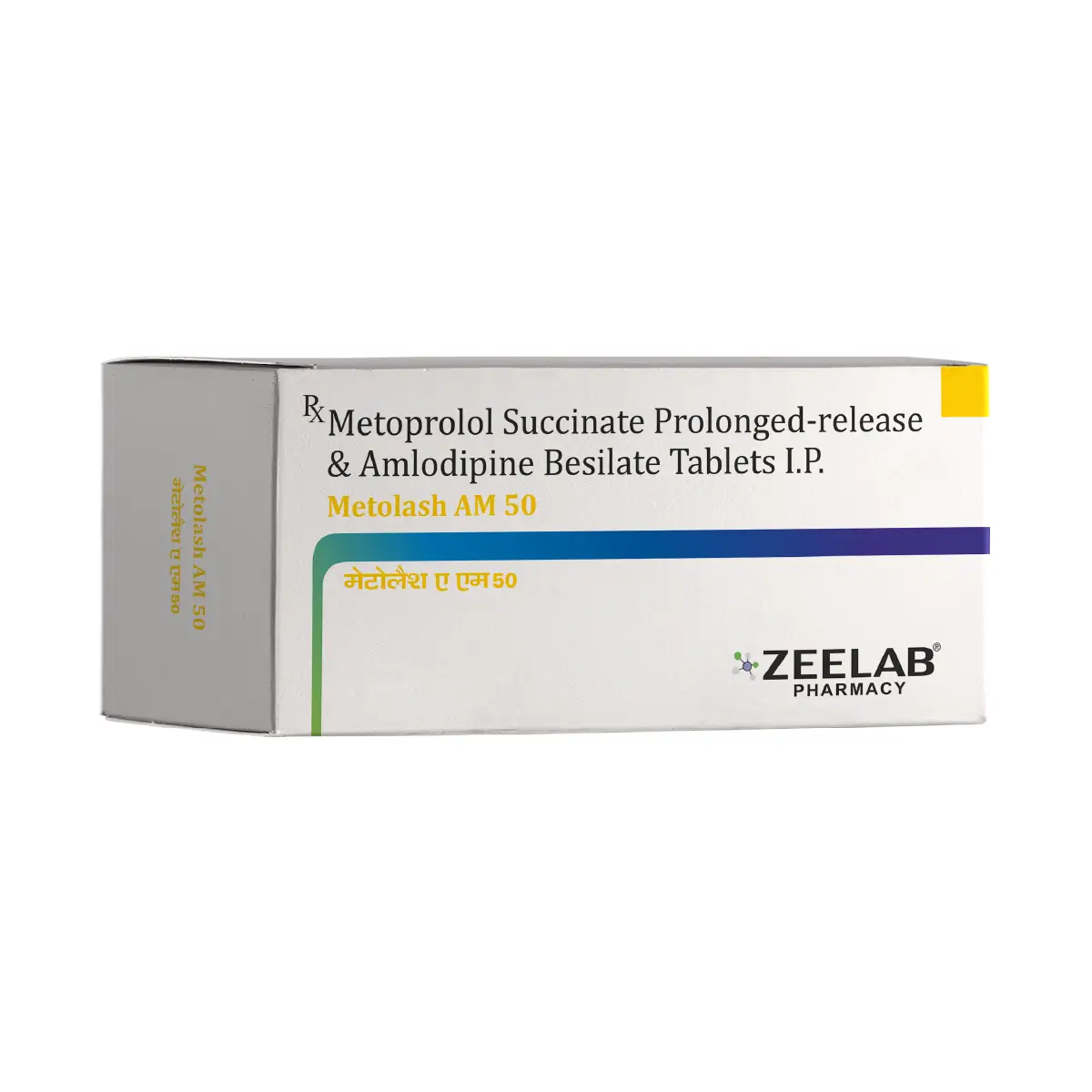
Amlodipine (5mg) + Metoprolol Succinate (47.5mg) (Eq. to Metoprolol Tartrate 50mg)
10 Tablets In 1 Strip
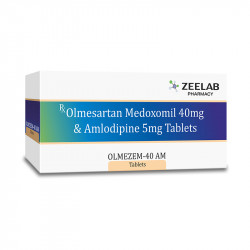
Olmesartan Medoxomil (40mg) + Amlodipine (5mg)
10 Tablets In 1 Strip
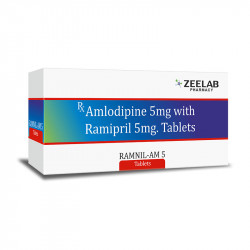
Amlodipine (5mg) + Ramipril (5mg)
10 Tablets In 1 Strip
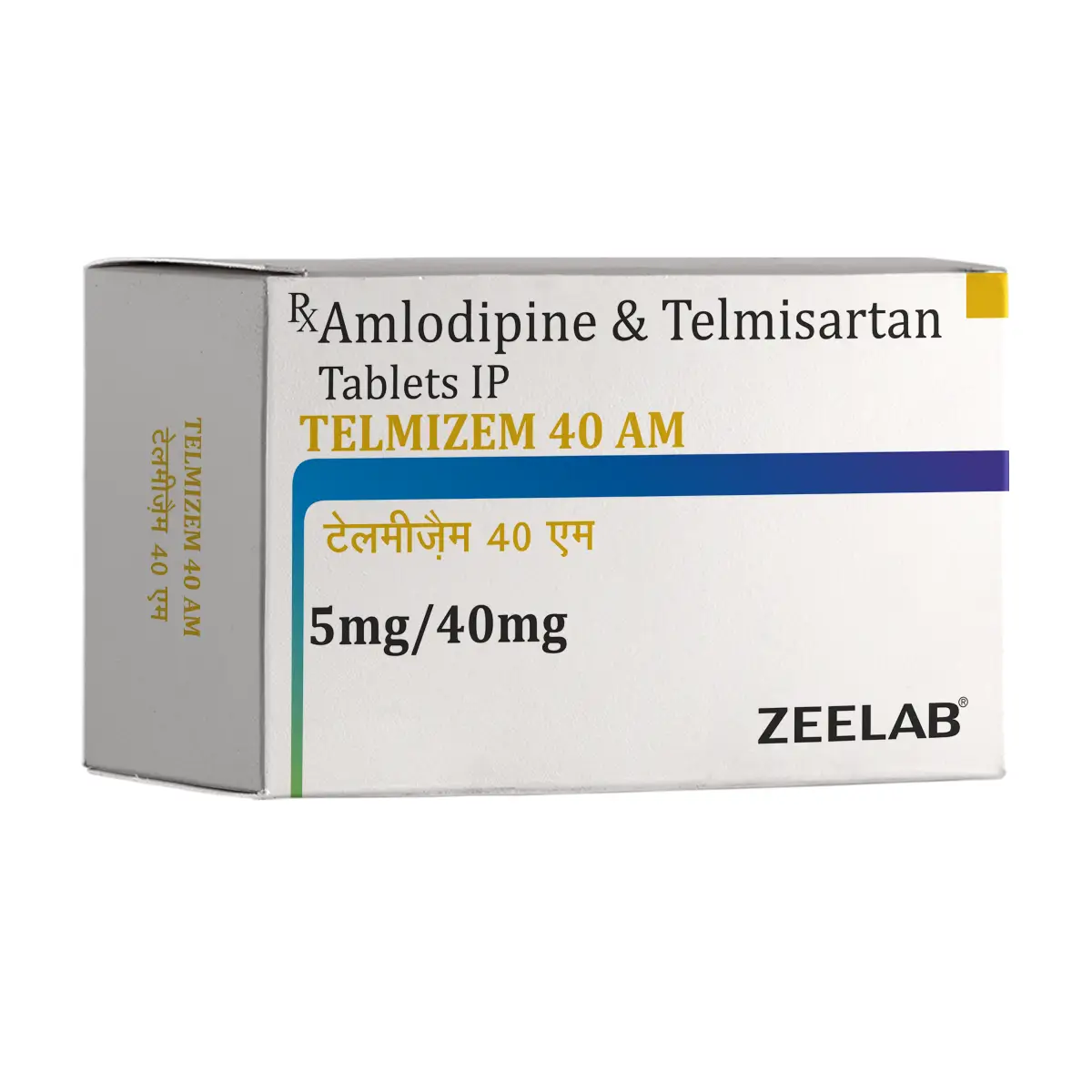
Telmisartan (40mg) + Amlodipine (5mg)
15 Tablets In 1 Strip
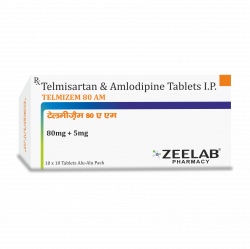
Telmisartan (80mg) + Amlodipine (5mg)
10 Tablets In 1 Strip
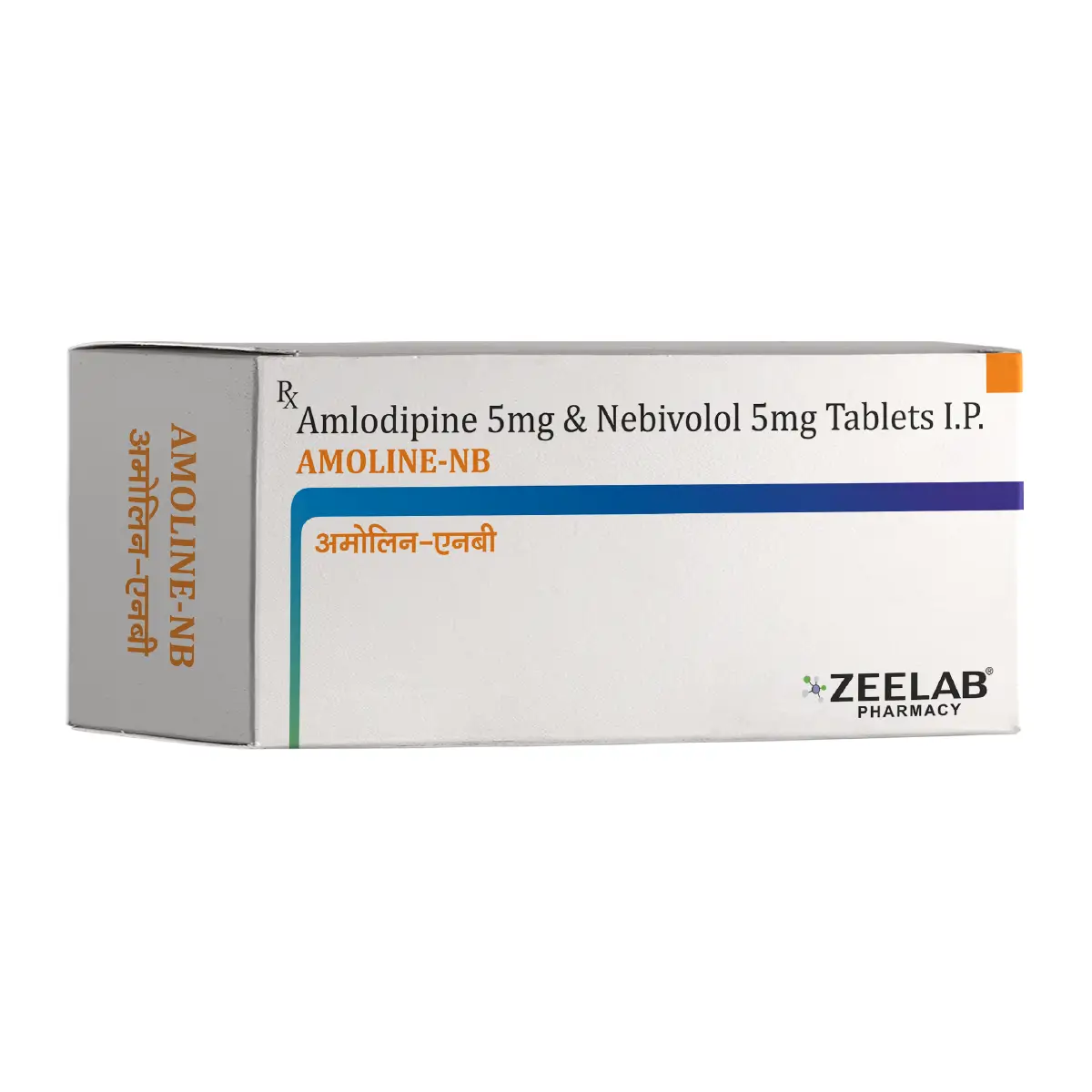
Nebivolol (5mg) + Amlodipine (5mg)
10 Tablets In 1 Strip
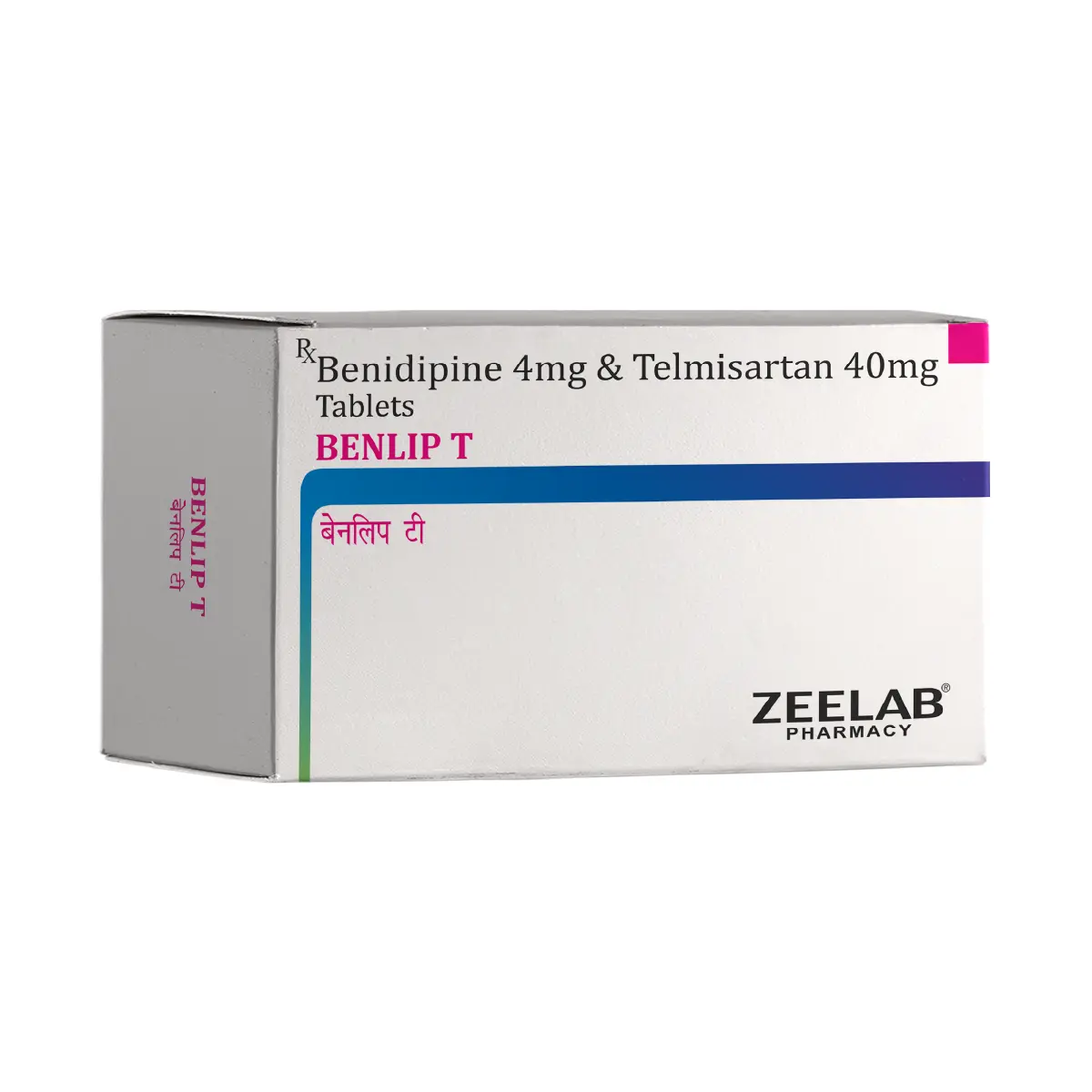
Benidipine (4mg) + Telmisartan (40mg)
15 Tablets in 1 Strip
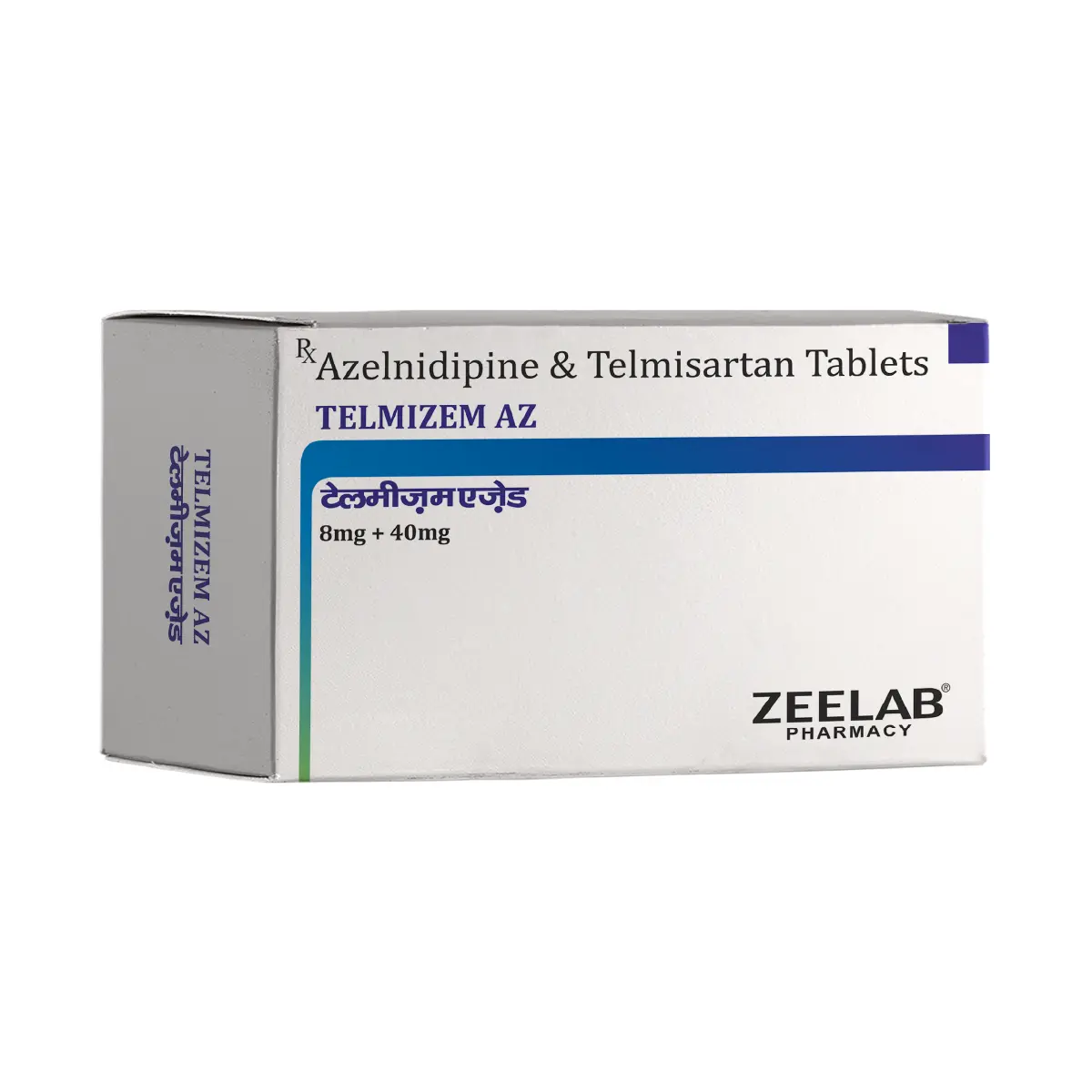
Azelnidipine (8mg) + Telmisartan (40mg)
15 Tablets in 1 Strip
References
- https://www.who.int/india/health-topics/hypertension
- https://www.ahajournals.org/doi/10.1161/HYP.0000000000000065
- https://www.who.int/publications/i/item/9789240033986
- https://www.who.int/news-room/fact-sheets/detail/hypertension
- https://www.nhlbi.nih.gov/health/high-blood-pressure/treatment
- https://medlineplus.gov/ency/article/007484.htm
Recent Blogs






Disclaimer : Zeelab Pharmacy provides health information for knowledge only. Do not self-medicate. Always consult a qualified doctor before starting, stopping, or changing any medicine or treatment.
Related Products


₹ 0
0
Items added
Quick Links
Categories
Our Policies

Our Socials


Subscribe

2026 Copyright By © Zeelab Pharmacy Private Limited. All Rights Reserved
Our Payment Partners

 Added!