

Best Medicine for Stomach Pain in India: A Complete Guide to Stomach Ache Medicine and Treatment

Stomach pain is a kind of discomfort that you may experience for different reasons. It can come on suddenly or develop over time, but in either case, it can cause discomfort that interferes with your daily life.
The best stomach pain medicine suitable for you mainly depends on the reason for your pain, whether it is gas, acidity, indigestion, constipation, or cramps.
Dicyclomine, pantoprazole, and antacid-simethicone combinations are among the best medicines for stomach pain in adults for conditions such as muscle cramps, high stomach acid production, and trapped gas or bloating.
This blog will guide you on which medicine is best for stomach pain according to your symptoms and overall health condition.
What is Stomach Pain?
Stomach pain or abdominal pain is a type of discomfort felt in the area between your chest and pelvis or lower abdomen. The pain can be mild, sharp, temporary, or recurring, and it may affect your daily comfort.
Different Types of Stomach Pain
The type of pain you experience and the exact location where you feel it can help identify the possible cause of the pain.
- Burning pain: Can be associated with acid reflux or indigestion.
- Cramping pain: May be caused by gas, intestinal spasms, or diarrhoea.
- Bloating pain: May indicate gas or indigestion.
- Vomiting/diarrhoea pain: Can occur due to stomach infections or food poisoning.
- Severe pain: Requires medical attention.
Causes of Stomach Pain
Stomach pain can occur for different reasons, ranging from a mild digestive issue to a more serious health condition.
Paying attention to your symptoms can help you understand the possible cause of your stomach pain.
|
Cause |
Common symptoms |
|
Gas and bloating |
Cramping, fullness, burping, bloating |
|
Indigestion |
Upper abdominal discomfort, burning, nausea, belching |
|
Acidity/acid reflux |
Heartburn, sour taste, burning sensation |
|
Constipation |
Abdominal discomfort, bloating, difficulty passing stools |
|
Stomach infection |
Pain, diarrhoea, vomiting, fever |
|
Food poisoning |
Cramps, vomiting, diarrhoea |
|
Gastritis or ulcer |
Burning or recurring upper abdominal pain |
|
IBS |
Repeated cramps with bloating, diarrhoea, or constipation |
|
Menstrual cramps |
Lower abdominal cramps during periods |
Common Medicines Used for Stomach Pain
As stomach pain can be caused by a variety of factors, managing it requires choosing the right type of medicine.
Different medicines for stomach pain may be used depending on the underlying cause, including:
|
Category |
Medicine |
Description |
|
Antacids |
Calcium Carbonate, Sodium bicarbonate, and Magnesium hydroxide |
Stomach pain relief medicines that help reduce acidity |
|
Antispasmodics |
Hyoscine butylbromide and Dicyclomine |
Work as stomach cramp medicines which relieve cramps and spasms. |
|
PPIs |
Pantoprazole and Omeprazole |
Reduce the amount of acid produced in the stomach |
|
Gas Relievers |
Simethicone |
May help relieve stomach pain due to gas and bloating |
|
Constipation Medicines |
Laxatives or Stool Softeners |
Can be used for stomach pain associated with constipation. |
List of Stomach Pain Tablets in India
Zeelab Pharmacy offers affordable medicines for stomach pain, including options for acidity, cramps, bloating, and digestive discomfort.
Some commonly used stomach pain tablets in India include:
Zeeftal Abdominal Pain Tablet
Zeeftal Tablet combines dicyclomine and paracetamol, making it a good option for stomach pain or abdominal pain caused by muscle spasms. It may also work for severe stomach pain.
- Composition: Dicyclomine (20mg) + Paracetamol (325mg)
- How it may help: Helps reduce intestinal muscle spasms and associated abdominal pain.
- Best for: Stomach pain accompanied by abdominal cramps.
Alumcid Tablet
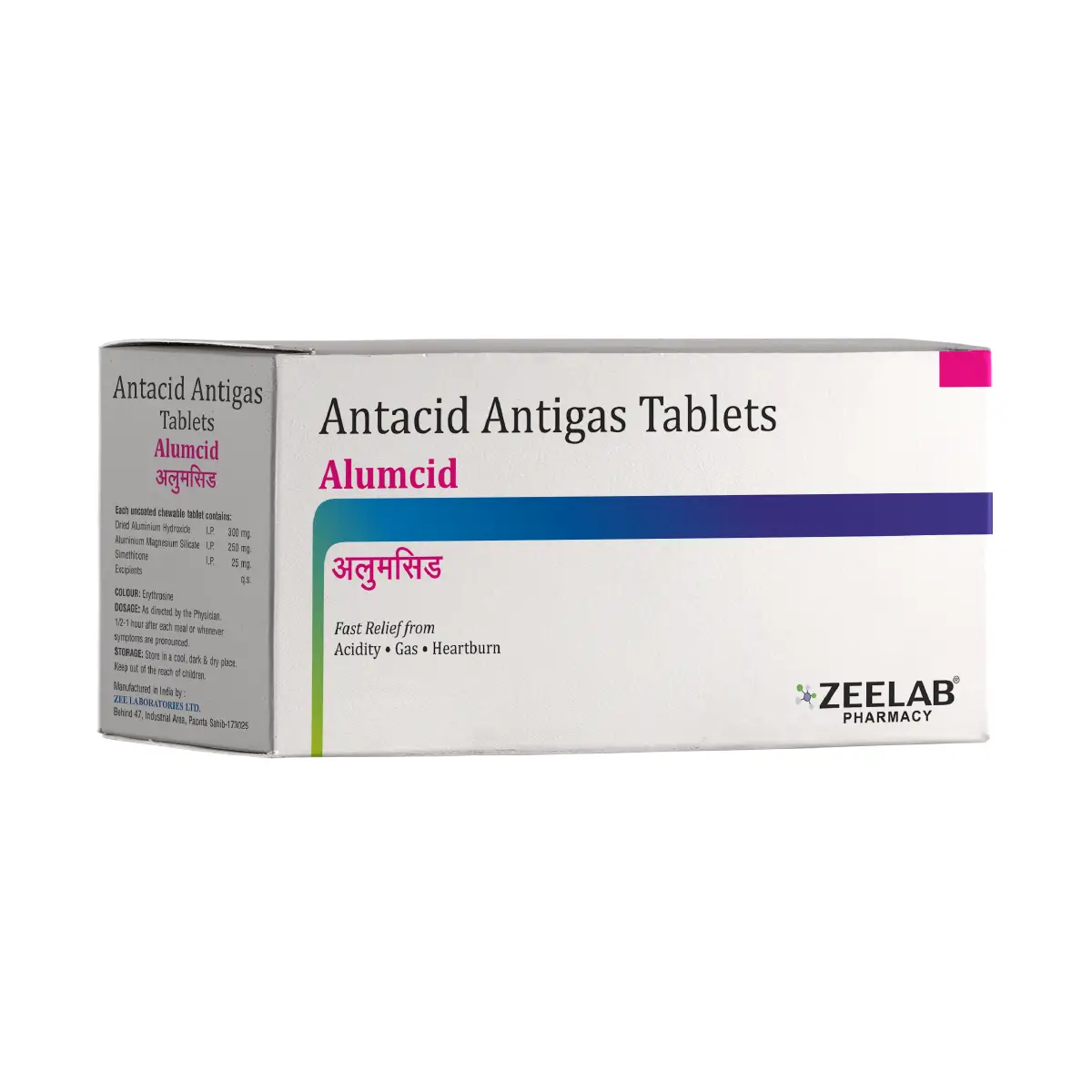
The antacid and antigas combination of Alumcid tablet makes it a great tablet for stomach pain due to gas. It can neutralise excess acid in the stomach and disperse trapped gas, which can lead to discomfort.
- Composition: Dried Aluminium Hydroxide (300 mg) + Aluminium Magnesium Silicate (250 mg) + Simethicone (25 mg)
- How it may help: It helps neutralise stomach acid and reduce discomfort from trapped gas.
- Best for: Stomach discomfort associated with acidity, gas, bloating, or indigestion.
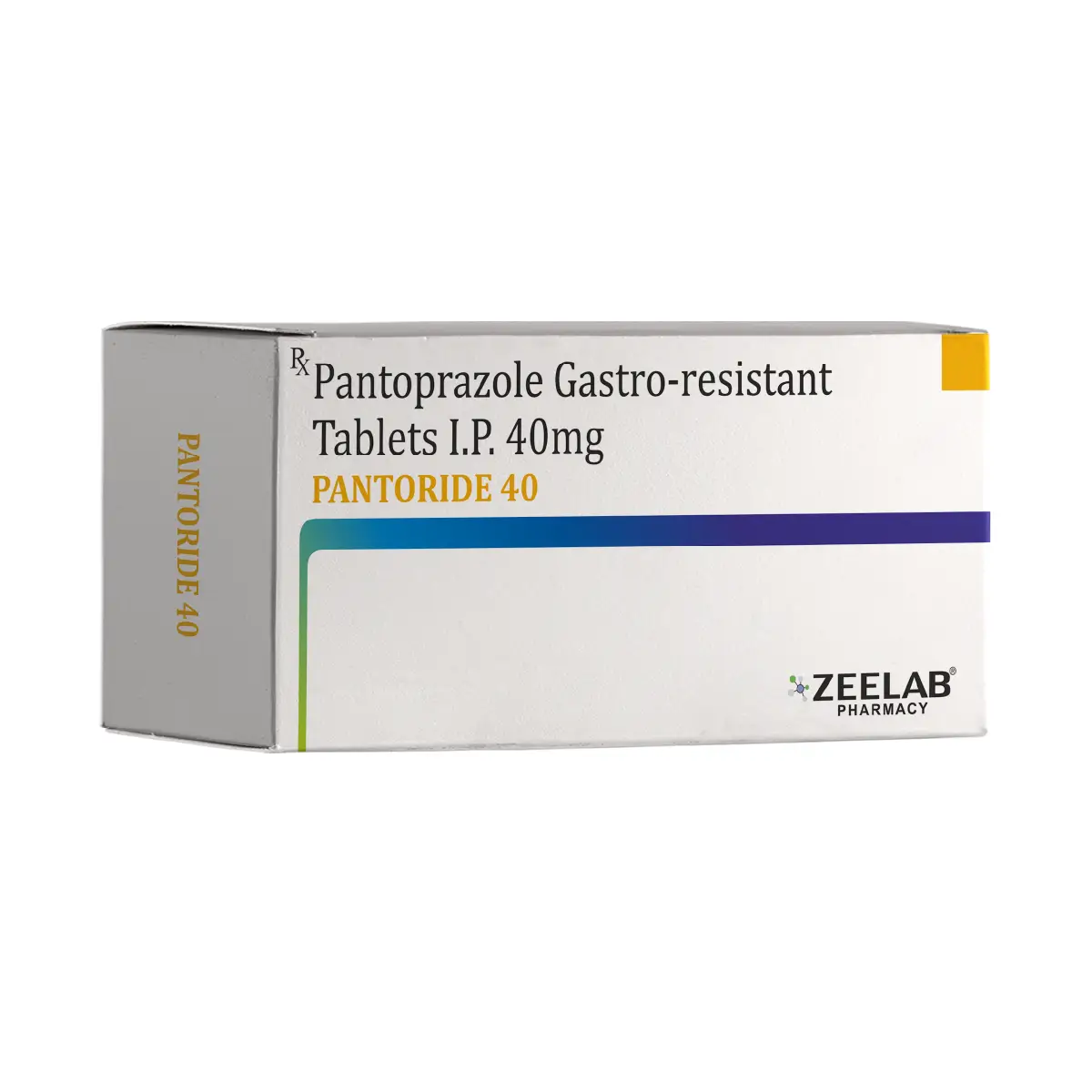
Pantoride 40 Tablet
Pantoride 40 can be used as a stomach pain tablet containing pantoprazole, depending on the condition. It decreases the production of stomach acid that causes discomfort.
- Composition: Pantoprazole (40mg)
- How it may help: Reduces the production of stomach acid.
- Best for: Stomach discomfort associated with acidity and other acid-related conditions.
Buscozee 10 Tablet
Buscozee 10 Tablet is a common tablet used for stomach pain. It is formulated with hyoscine butylbromide that relaxes gut muscles and helps manage stomach pain associated with cramps and spasms.
- Composition: Hyoscine butylbromide (10mg)
- How it may help: Relaxes smooth muscles and helps reduce cramp-related abdominal discomfort.
- Best for: Stomach pain associated with abdominal cramps or spasms.
Omeride 20 Capsule
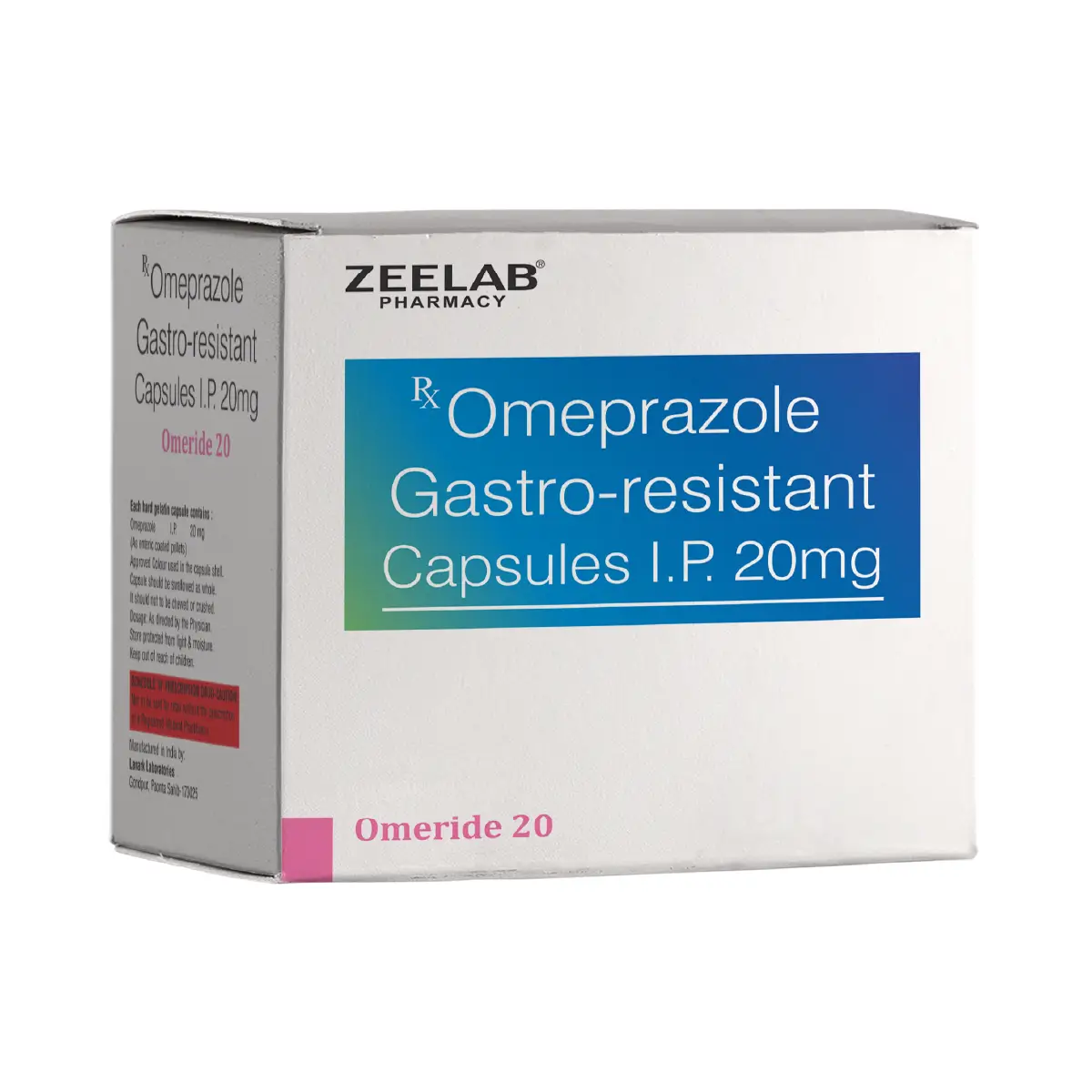
Omeride 20 Capsule contains omeprazole, a proton pump inhibitor that reduces stomach acid production and is used for acid-related stomach discomfort.
- Composition: Omeprazole (20mg)
- How it may help: Suppresses stomach acid production.
- Best for: Stomach discomfort associated with acidity and acid-related conditions.
Alumcid Mps Oral Suspension Pineapple
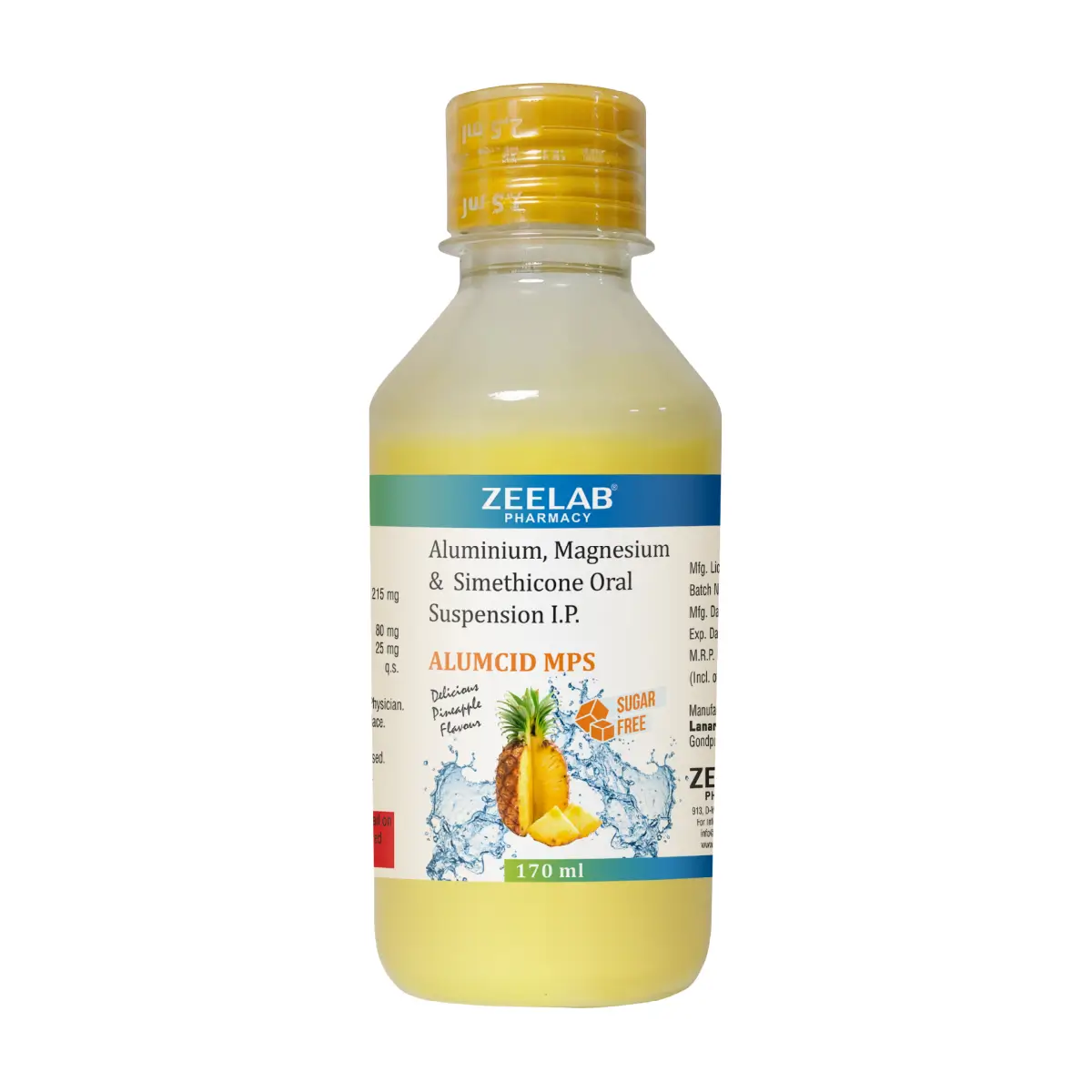
Alumcid MPS Oral Suspension is the liquid medicine for stomach pain that neutralises stomach acid and helps reduce gas-related stomach discomfort with antacid and antigas ingredients.
- Composition: Aluminium Hydroxide (215mg) + Magnesium (80mg) + Simethicone (25mg)
- How it may help: Neutralises excess stomach acid and helps reduce trapped gas and bloating.
- Best for: Stomach discomfort associated with acidity, indigestion, gas, or bloating.
How Long Does Stomach Pain Medicine Take to Work?
The time taken to show effectiveness varies for each stomach ache medicine. This time also depends on the condition of the patient, based on symptom type, severity, and more.
|
Medicine Type |
Expected Relief Time |
|
Standard pain relievers |
30 to 60 minutes |
|
Antacids |
5 to 15 minutes |
|
Antispasmodics |
30 to 60 minutes |
|
PPIs |
1 or 2 days |
|
Gas relievers |
30 minutes |
How to Choose the Right Stomach Pain Medicine?
Knowing the cause, severity, and expected time for relief is important when choosing the right medicine for stomach pain. Always consult a doctor for proper treatment.
- Cause of pain: Determine whether the discomfort is related to acidity, gas, a stomach infection, or another condition.
- Assess the severity: Mild symptoms may be treated with antacids, while more severe discomfort may require prescription medication.
- Consider symptoms: Treatment may depend on symptoms such as nausea, bloating, or heartburn.
- See a doctor if necessary: Consult a doctor if you have chronic, recurring, or severe stomach discomfort.
How to Prevent Stomach Pain?
Certain lifestyle habits can help reduce the risk of stomach pain and digestive discomfort. Try to follow these simple habits and lifestyle changes to help prevent discomfort:
- Eat your meals on time.
- Chew your food properly and avoid eating too quickly.
- Maintain good personal hygiene and food hygiene.
- Drink plenty of water.
- Include fibre-rich foods in your diet.
- Avoid excessive alcohol and tobacco.
- Avoid foods that repeatedly trigger indigestion.
- Avoid unnecessary use of analgesics.
Home Remedies and Self-Care for Mild Stomach Pain
Many people choose simple home remedies for mild stomach pain or use them alongside medicines for additional comfort. Some popular remedies in Indian homes include:
- Ginger Tea: May support digestion and provide soothing effects.
- Peppermint: May help relieve abdominal cramps, although it can worsen reflux in some people.
- Water with Lemon: May support digestion, but avoid it if it triggers acidity or reflux.
- Fennel Seeds (Saunf): May help reduce gas and flatulence.
- Banana and Yoghurt: Banana may be soothing, while yoghurt can provide beneficial bacteria for gut health.
- Chamomile Tea: May help relax the digestive tract and provide soothing effects.
Also Read: Home Remedies for Acidity
When Should You See a Doctor for Stomach Pain?
While some cases of stomach pain may be managed at home with over-the-counter medicines, certain signs may indicate a serious condition and require immediate medical attention, including:
- Acute or severe abdominal pain with fever
- Recurring or worsening stomach pain
- Blood in vomit or stool
- Black, tar-like stools
- Persistent vomiting
- Unexplained weight loss
- Difficulty swallowing
- A bloated or swollen abdomen
- Inability to pass stool or gas
- Shortness of breath or chest pain
Conclusion
Stomach pain can range from mild discomfort to a sign of a serious health condition. Therefore, it is important to understand your symptoms and what they may indicate.
Stomach pain medicines should be used carefully and only as recommended by a doctor after properly evaluating the possible cause of the pain.
Simple lifestyle changes, timely treatment, and awareness of the warning signs of stomach pain can help manage the condition effectively and maintain a healthy digestive system.
Frequently Asked Questions (FAQs)
Ans.Dicyclomine, pantoprazole, and antacid-simethicone combinations are commonly used stomach pain medicines for specific causes, such as muscle spasms, excess stomach acid, acidity, gas, or bloating. The right medicine for stomach pain depends on the underlying cause and symptoms.
Ans.Antacid-simethicone medicines may help relieve stomach ache caused by acidity or gas. Consult a healthcare professional if symptoms persist or worsen.
Ans.Common causes of stomach pain include gas, indigestion, acidity, constipation, infections, food intolerance, menstrual cramps, and other digestive conditions.
Ans.Painkillers are not always suitable for stomach pain; some NSAIDs can irritate the stomach lining and worsen acidity, gastritis, or ulcers.
Ans.Yes, acidity can cause upper abdominal discomfort or burning, especially when stomach acid irritates the food pipe or stomach lining.
Ans.Lower abdominal pain can occur due to constipation, gas, menstrual cramps, urinary problems, or digestive conditions, depending on the symptoms and cause.
Ans.Yes, constipation can cause abdominal pain, cramping, bloating, and discomfort because stool builds up and becomes difficult to pass.
Ans.Antispasmodics may help certain stomach cramps, but their suitability depends on the cause, health condition, and other medicines you take.
Ans.Some medicines may help period-related abdominal cramps, but choose them according to your symptoms and seek medical advice when pain is severe.
Ans.Home remedies may provide temporary relief from mild digestive discomfort, but persistent, severe, or unexplained stomach pain needs medical evaluation.
Ans.Avoid foods that trigger your symptoms, particularly very spicy, oily, fatty, or acidic foods, along with excess caffeine and alcohol.
Ans.Yes, stomach pain can sometimes indicate a serious condition, particularly when it is severe, persistent, sudden, or accompanied by vomiting or bleeding.
Ans.See a doctor for severe or persistent stomach pain, especially with fever, repeated vomiting, blood in stools, black stools, swelling, or unexplained weight loss.
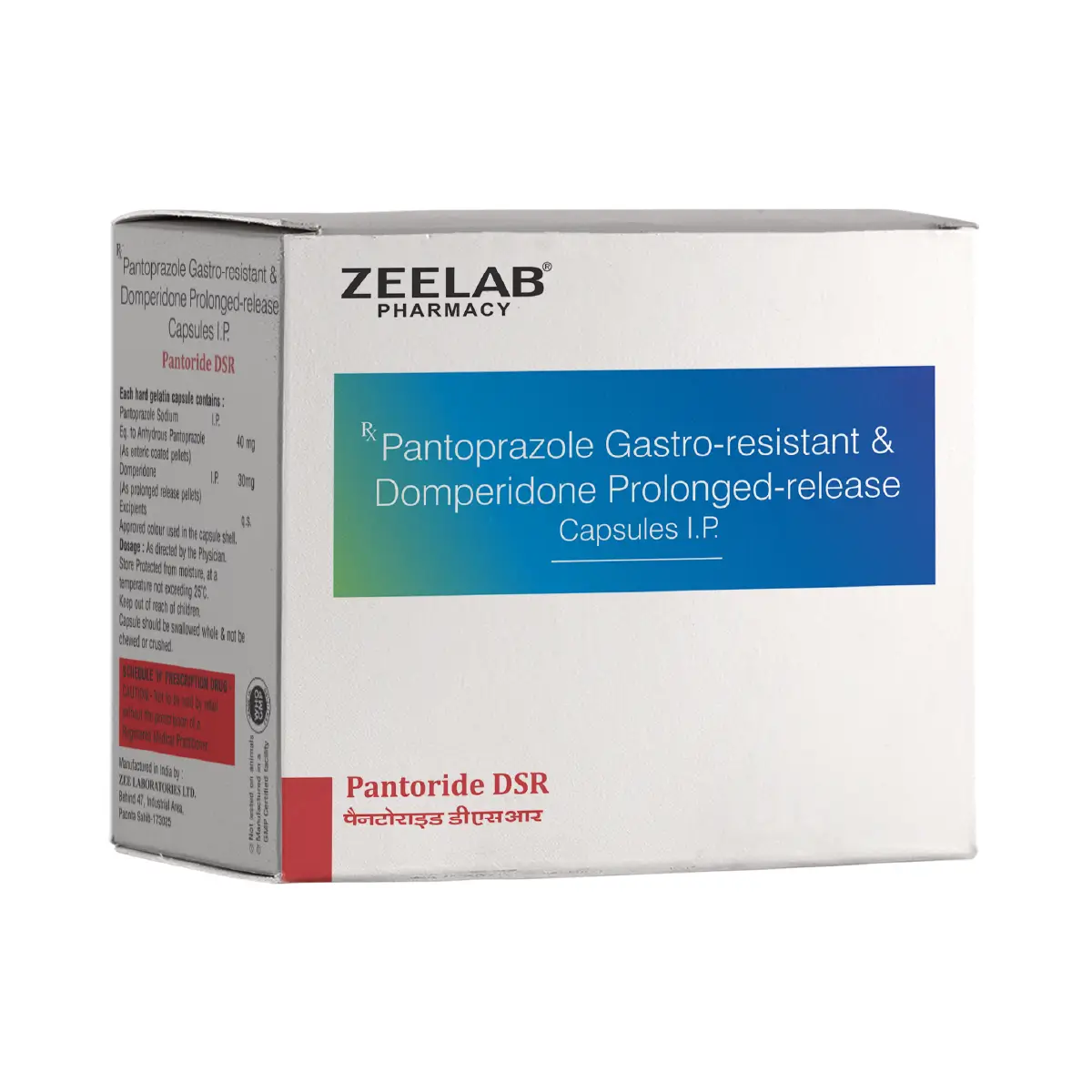
Pantoprazole (40mg) + Domperidone (30mg)
15 Capsules In 1 Strip
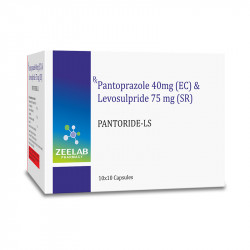
Levosulpiride (75mg) + Pantoprazole (40mg)
10 Capsules In 1 Strip
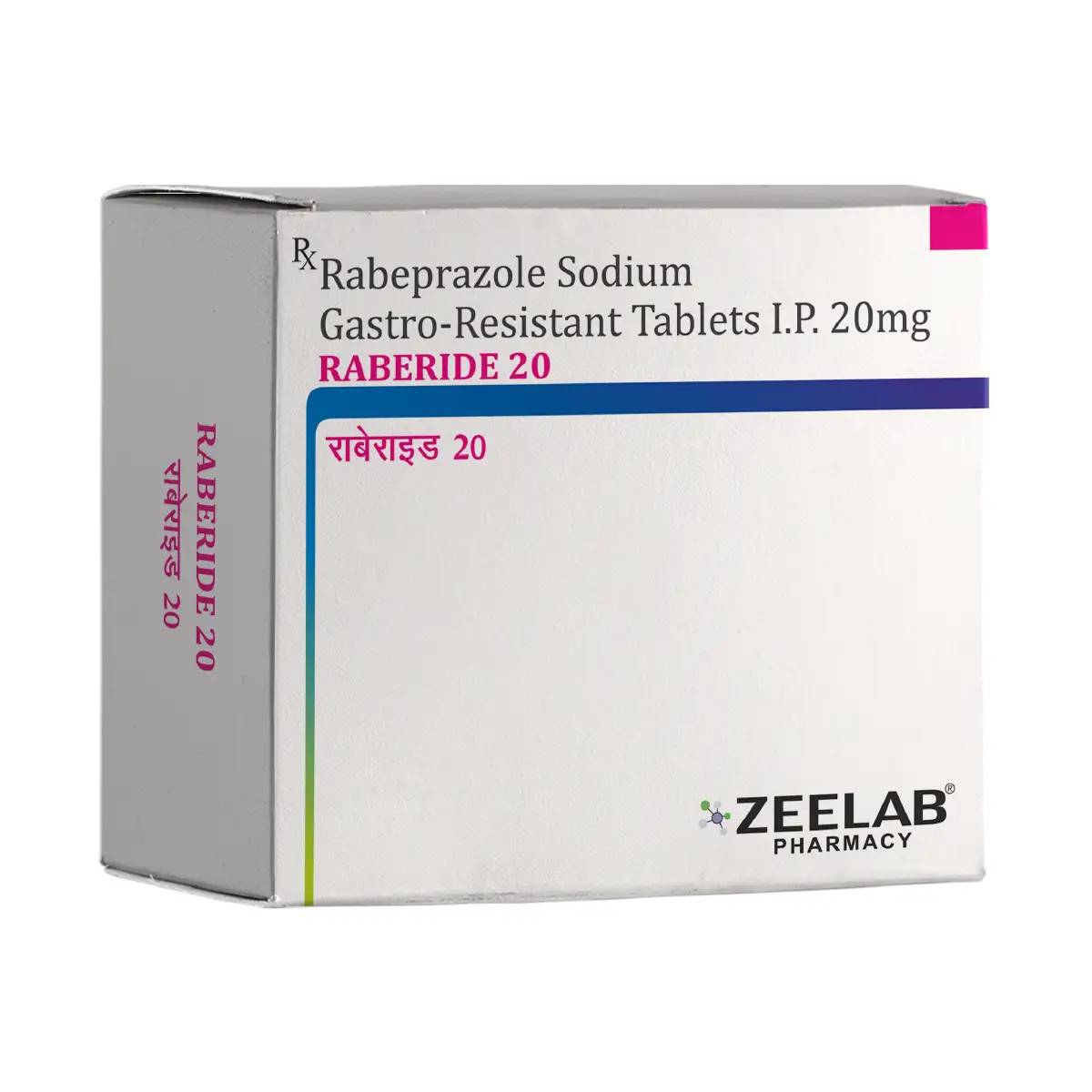
Rabeprazole (20mg)
10 Tablets In 1 Strip
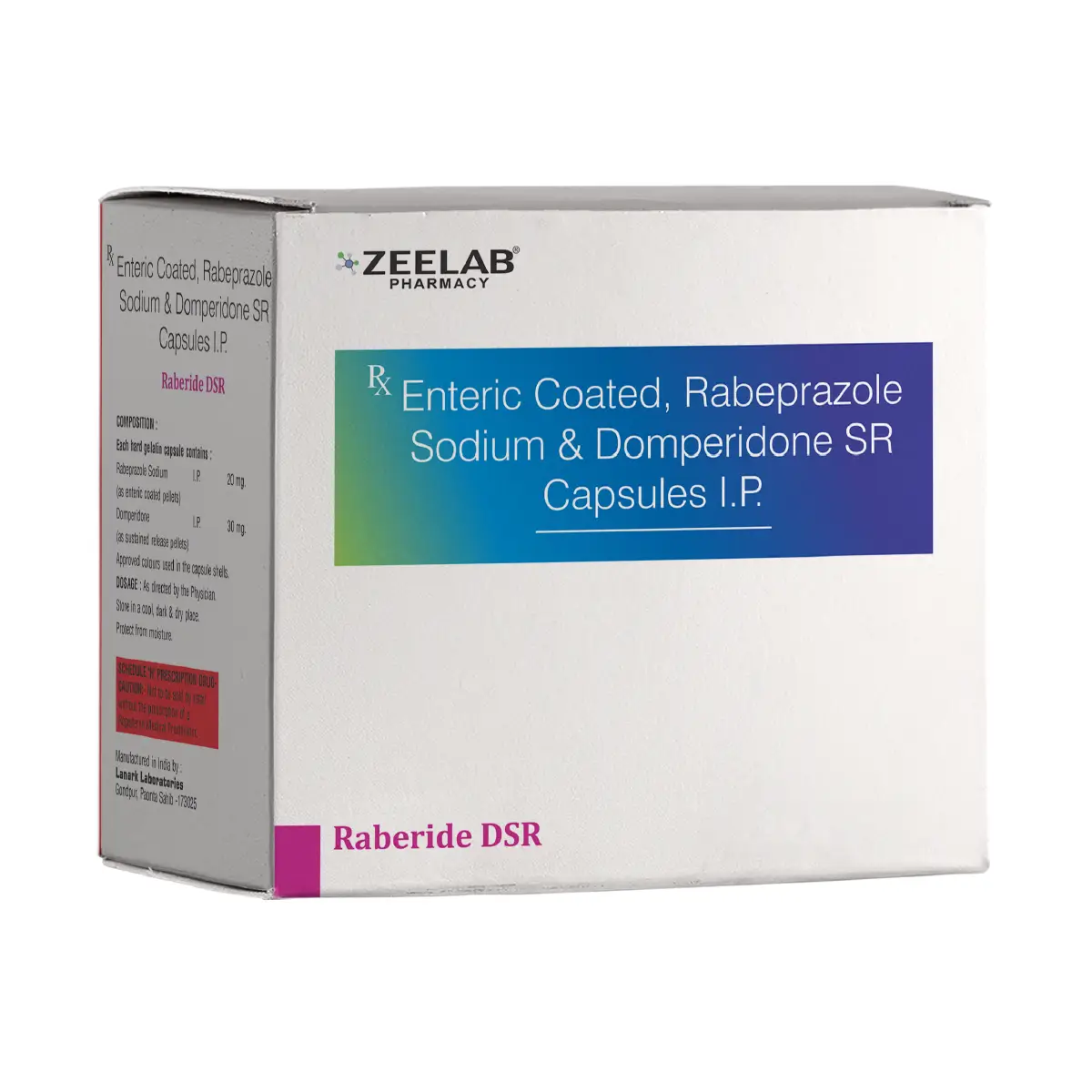
Domperidone (30mg) + Rabeprazole (20mg)
10 Capsules In 1 Strip
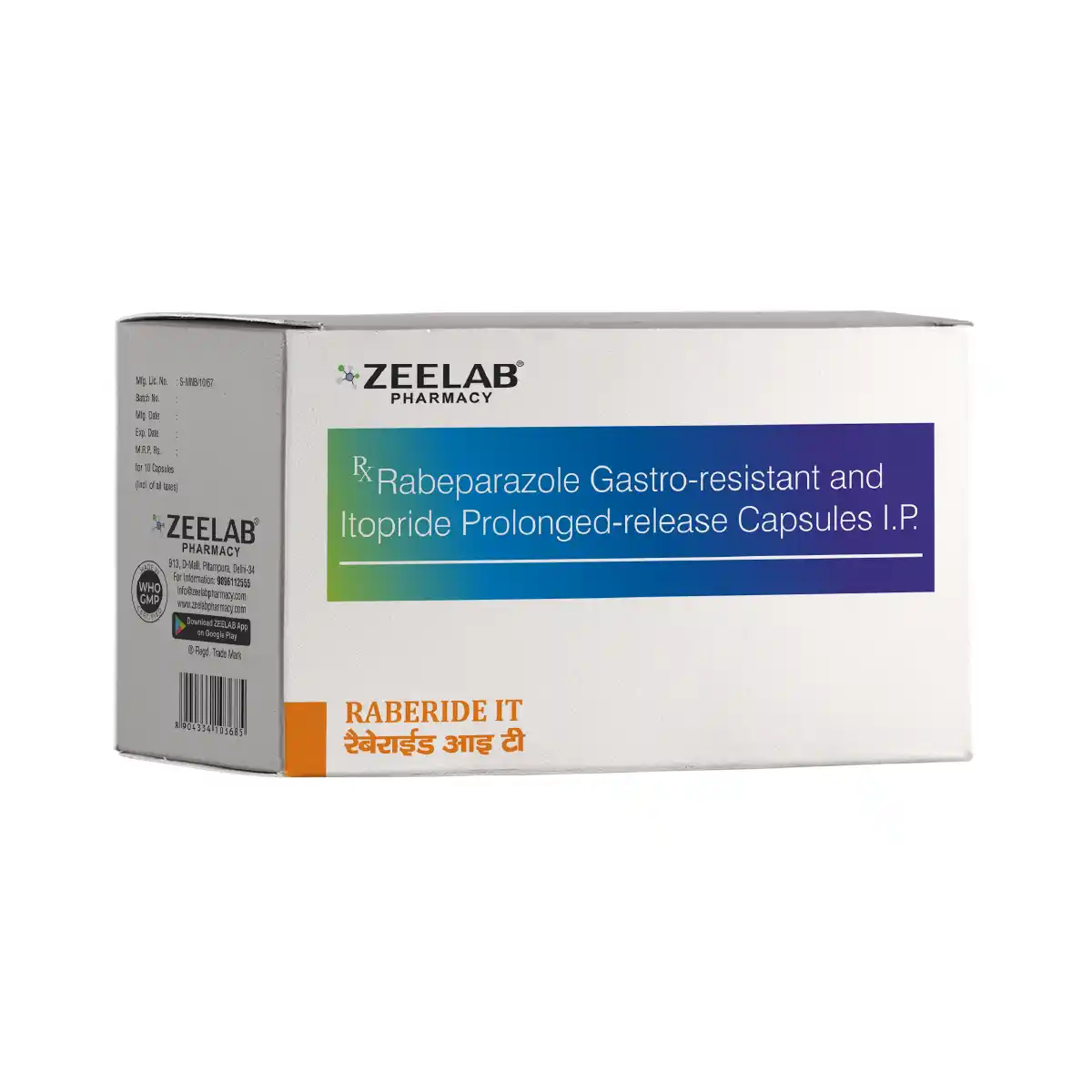
Rabeprazole (20mg) + Itopride (150mg)
10 Capsules In 1 Strip
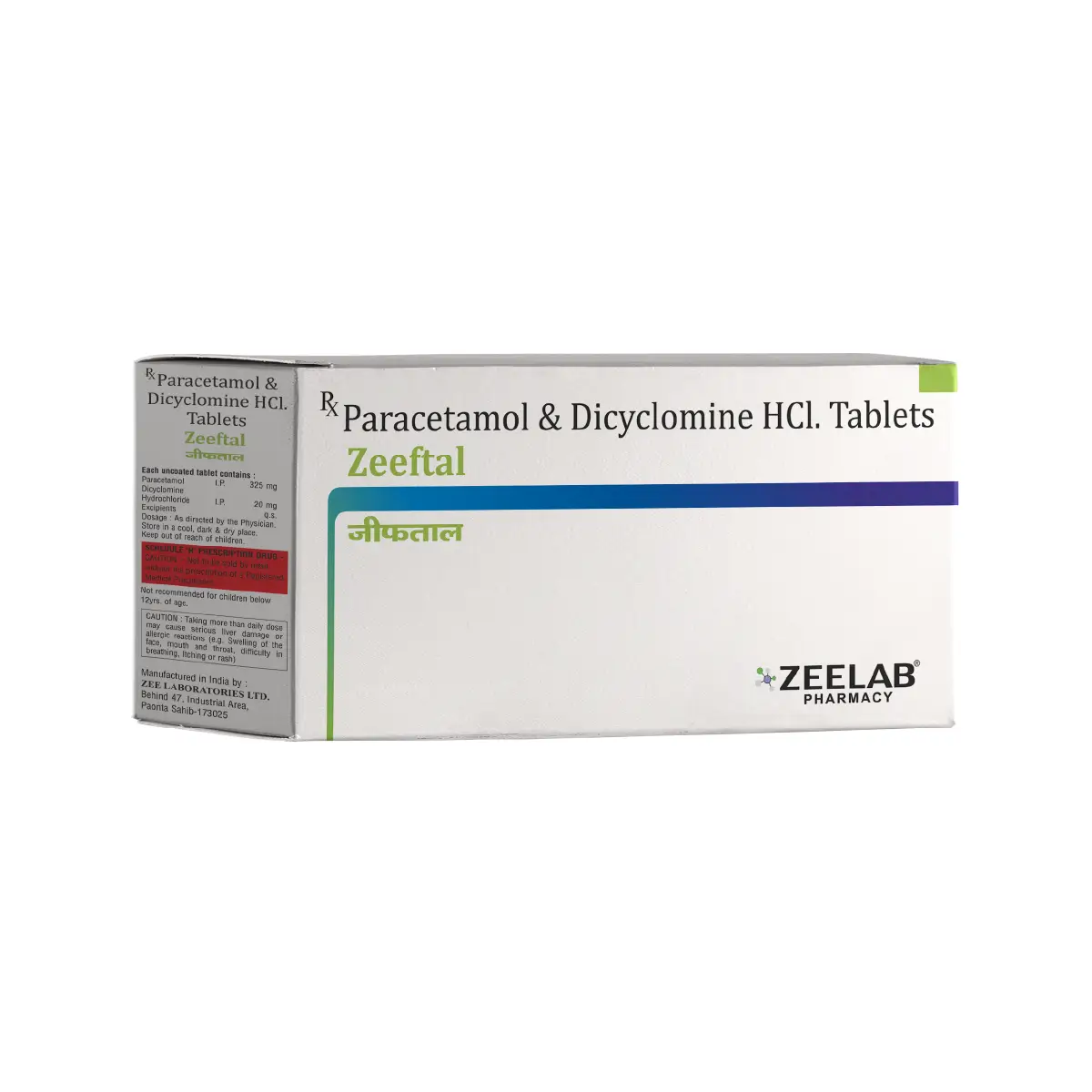
Dicyclomine (20mg) + Paracetamol (325mg)
10 Tablets In 1 Strip

Domperidone (30mg) + Dexrabeprazole (10mg)
10 Capsules In 1 Strip
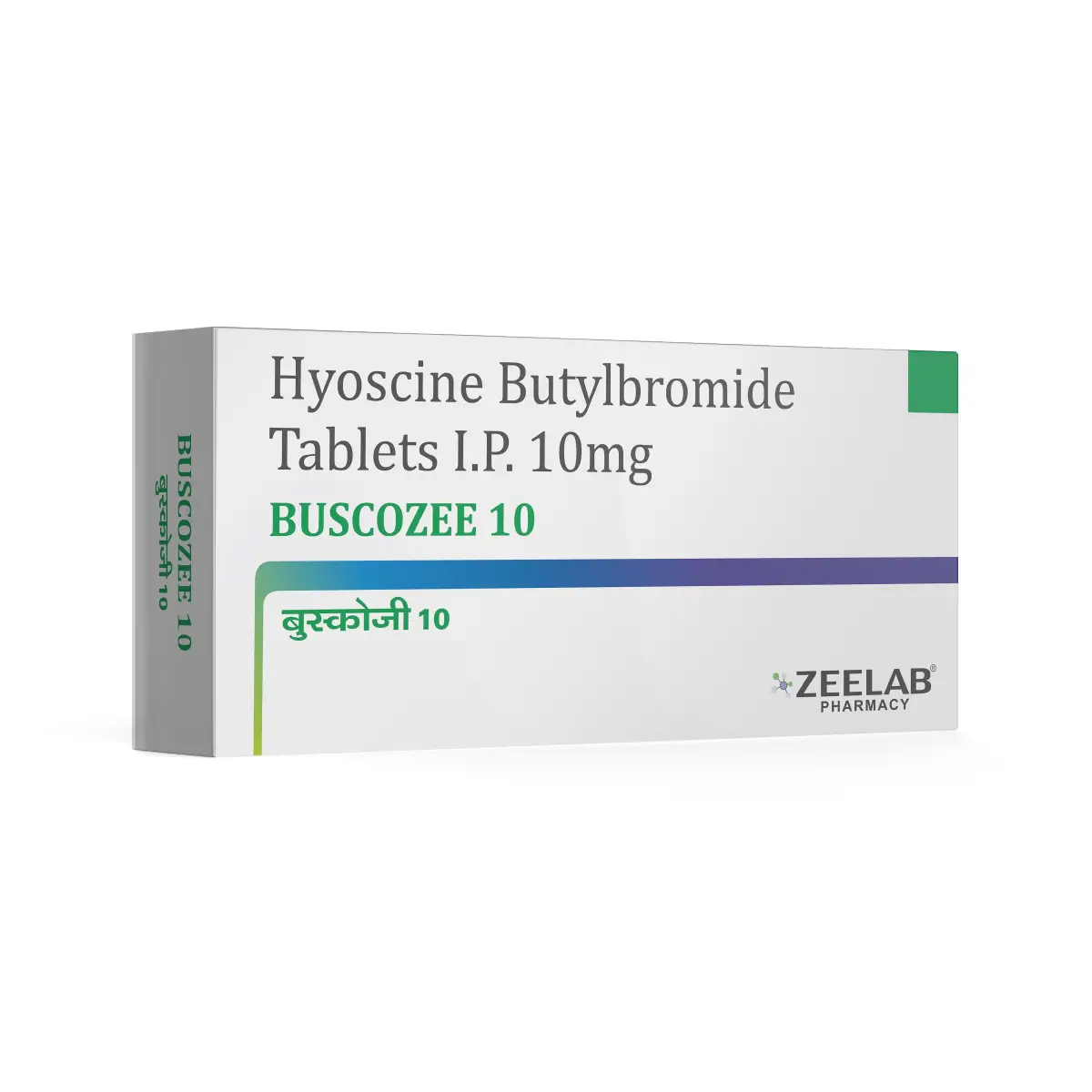
Hyoscine butylbromide (10mg)
10 Tablets In 1 Strip
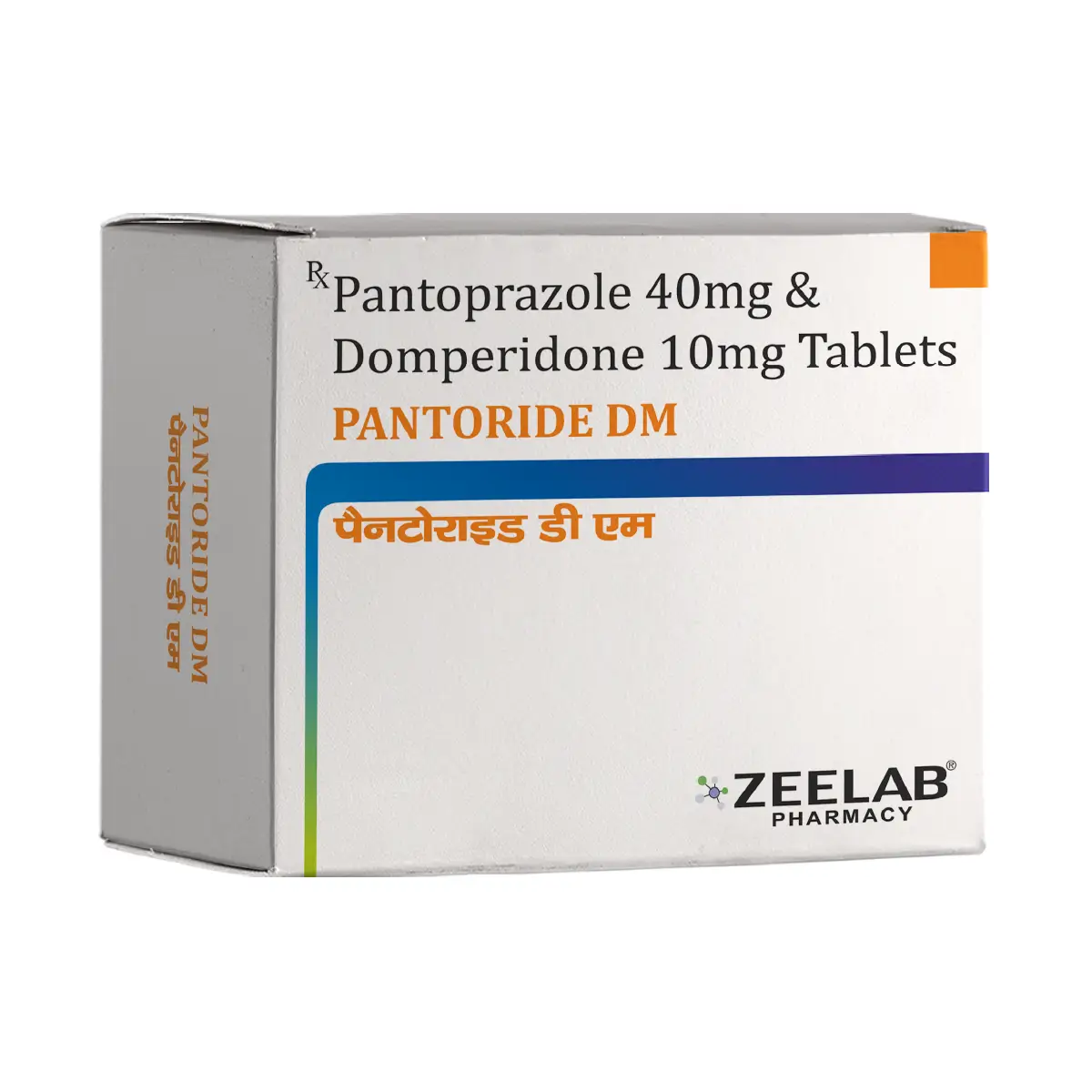
Pantoprazole (40mg) + Domperidone (10mg)
10 Tablets In 1 Strip
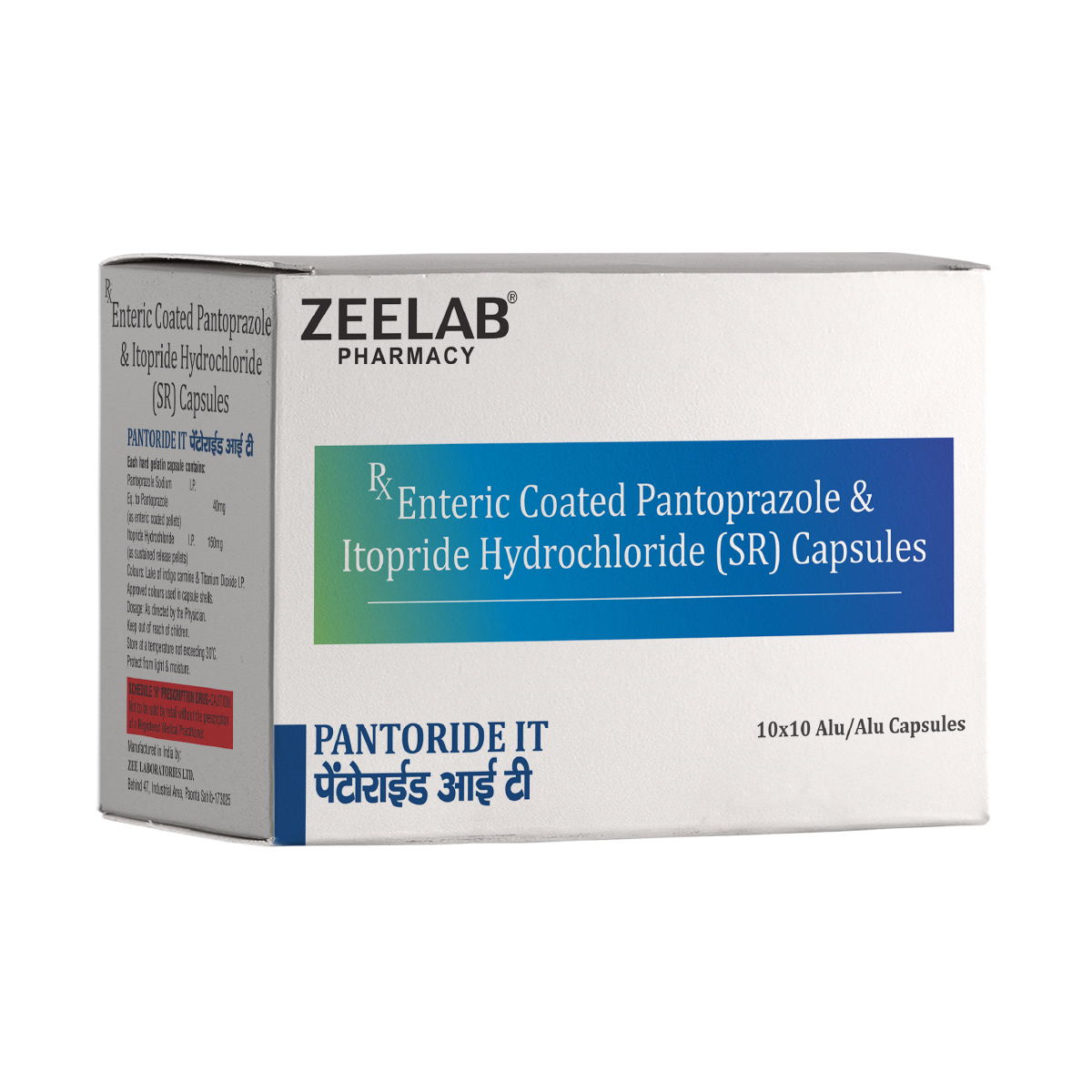
Pantoprazole (40mg) + Itopride (150mg) SR
10 Capsules In 1 Strip
References
- https://pmc.ncbi.nlm.nih.gov/articles/PMC9657472/
- https://www.nhs.uk/symptoms/stomach-ache/
- https://www.nhsinform.scot/illnesses-and-conditions/stomach-liver-and-gastrointestinal-tract/stomach-ache-and-abdominal-pain/
- https://www.uhcw.nhs.uk/download/clientfiles/files/Patient%20Information%20Leaflets/Emergency%20Medicine/ED%20Childrens/Abdominal%20pain.pdf
Recent Blogs






Disclaimer : Zeelab Pharmacy provides health information for knowledge only. Do not self-medicate. Always consult a qualified doctor before starting, stopping, or changing any medicine or treatment.
Related Products


₹ 0
0
Items added
Quick Links
Categories
Our Policies

Our Socials


Subscribe

2026 Copyright By © Zeelab Pharmacy Private Limited. All Rights Reserved
Our Payment Partners

 Added!