

Holi Skin Rash Treatment Guide: Why It Happens & How to Heal Fast
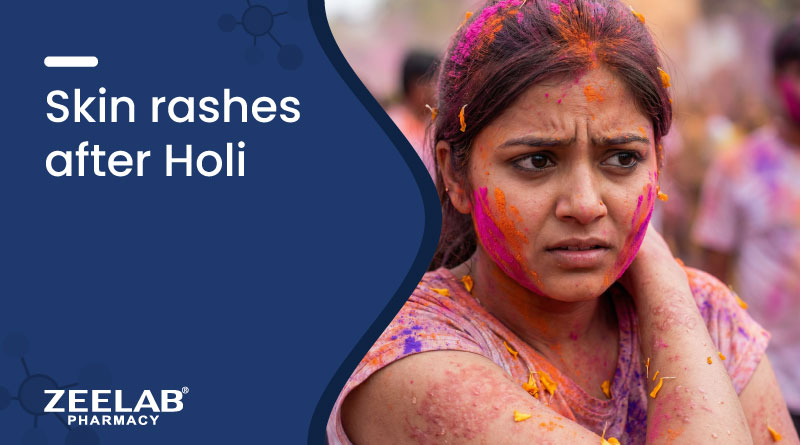
Holi is a festival of joy and togetherness, which is celebrated by putting colours or gulal on each other, but these Holi colours are synthetic and may contain several chemical dyes.
When these substances stay on you for a long period of time, along with coloured water, it can damage your skin by weakening the skin's protective barrier.
In recent years, dermatologists have reported a noticeable rise in allergic contact dermatitis and irritant contact dermatitis cases after Holi.
Harsh pigments, added fragrances, and low-quality ingredients in some colours can cause inflammation, particularly in people with sensitive skin or pre-existing conditions like eczema.
But nothing should ever interrupt your Holi celebrations. This is exactly what we will be talking about in this blog; Skin rash due to synthetic colours, How do you treat Holi colour allergy, Holi skin care tips and much more.
What are Skin Rashes After Holi?
Post-Holi skin rashes are inflammatory reactions that appear after exposure to synthetic colours, coloured water, and the sun. Medically known as contact dermatitis, this Skin irritation after Holi occurs when chemicals disrupt the skin barrier, causing redness, itching, swelling, or small blisters.
The regions that are usually affected include the face, neck, scalp, eyelids, arms, and hands, which are the most exposed parts of the body during celebrations. Two types of skin reactions occur after Holi:
|
Type |
Meaning |
Common Signs |
|
Irritant Contact Dermatitis |
Direct skin damage due to harsh colours or chemicals |
Quick onset, burning, redness |
|
Allergic Contact Dermatitis |
Immune reaction to a specific ingredient |
Delayed onset, itching, swelling |
Causes of Skin Rashes After Holi
Skin rashes after Holi are often caused by a combination of exposure to chemicals, rubbing, and environmental conditions. The following are some of the most common causes of skin rashes:
-
Chemical Colours & Heavy Metals
Many Holi colours may contain industrial dyes, heavy metals, and mica powder. These components may disrupt the skin’s natural pH and break down its barrier
-
Prolonged Skin Contact with Colours
The longer the colours are in contact with the skin, the higher the penetration of chemicals, especially when combined with sweating and sun exposure.
-
Pre-Existing Skin Conditions
Individuals with eczema, psoriasis, acne-prone, or sensitive skin are more susceptible to flare-ups and skin rashes following Holi.
-
Excessive Scrubbing and Harsh Cleansers
Aggressive rubbing and harsh soaps may cause micro-abrasions, leading to skin inflammation and irritation.
-
Sun Exposure and Heat
Too much exposure to the sun may cause photo-irritation, and sweating may further irritate the skin.
Also Read: Best Skin Care Products for Holi
Symptoms of Holi Skin Allergy You Should Not Ignore
After celebrating Holi with extreme joy, and your loved ones don’t turn a blind eye to how your skin may be reacting. Look out for the following symptoms and consult a doctor if they worsen or do not improve within a few days
- Redness and visible inflammation
- Itching or persistent burning sensation
- Small rashes, bumps, or blisters filled with fluid
- Dryness, peeling, or tightness of the skin
- Swelling around the eyes, lips, or exposed areas
- Increased sensitivity to touch or sunlight
Who is Most at Risk of Skin Reactions After Holi?
Certain individuals are at a higher risk of developing skin reactions after Holi, including:
- People with sensitive skin
- Those with eczema, psoriasis, rosacea, or chronic dermatitis
- Children and elderly individuals
- People with a history of allergies or asthma
- Individuals using retinoids, exfoliating acids, or steroid creams
Also Read: How to Remove Holi Colour from Skin Safely?
Immediate First Aid for Skin Rash After Holi
If you notice redness, itching, irritation, or rash on your face after Holi, early care can help prevent worsening of symptoms. Consider the following steps:
- Gently clean the affected area with lukewarm water to wash away any remaining colour.
- Use a mild, fragrance-free cleanser; avoid harsh soaps or scrubbing.
- Dry the skin gently instead of rubbing with a towel.
- Use a soothing cream or calamine lotion to relieve irritation.
- Avoid exposure to sunlight until the rash goes away.
- Avoid scratching to prevent infection.
Also Read: Best Medicine For Skin Rashes
Best Treatments for Skin Rashes After Holi
Skin rashes after Holi need timely and appropriate care to reduce itching, redness, and inflammation. Choosing the right soothing treatments and medications can help repair skin after Holi and prevent further irritation or complications.
Soothing Creams & Lotions
Soothing agents are very important in post-Holi skincare, as they can help soothe the irritated areas on the skin and provide relief from discomfort.
|
Product Type |
Key Benefits |
|
Calamine lotion |
Relieves burning, itching, and redness associated with mild rashes. |
|
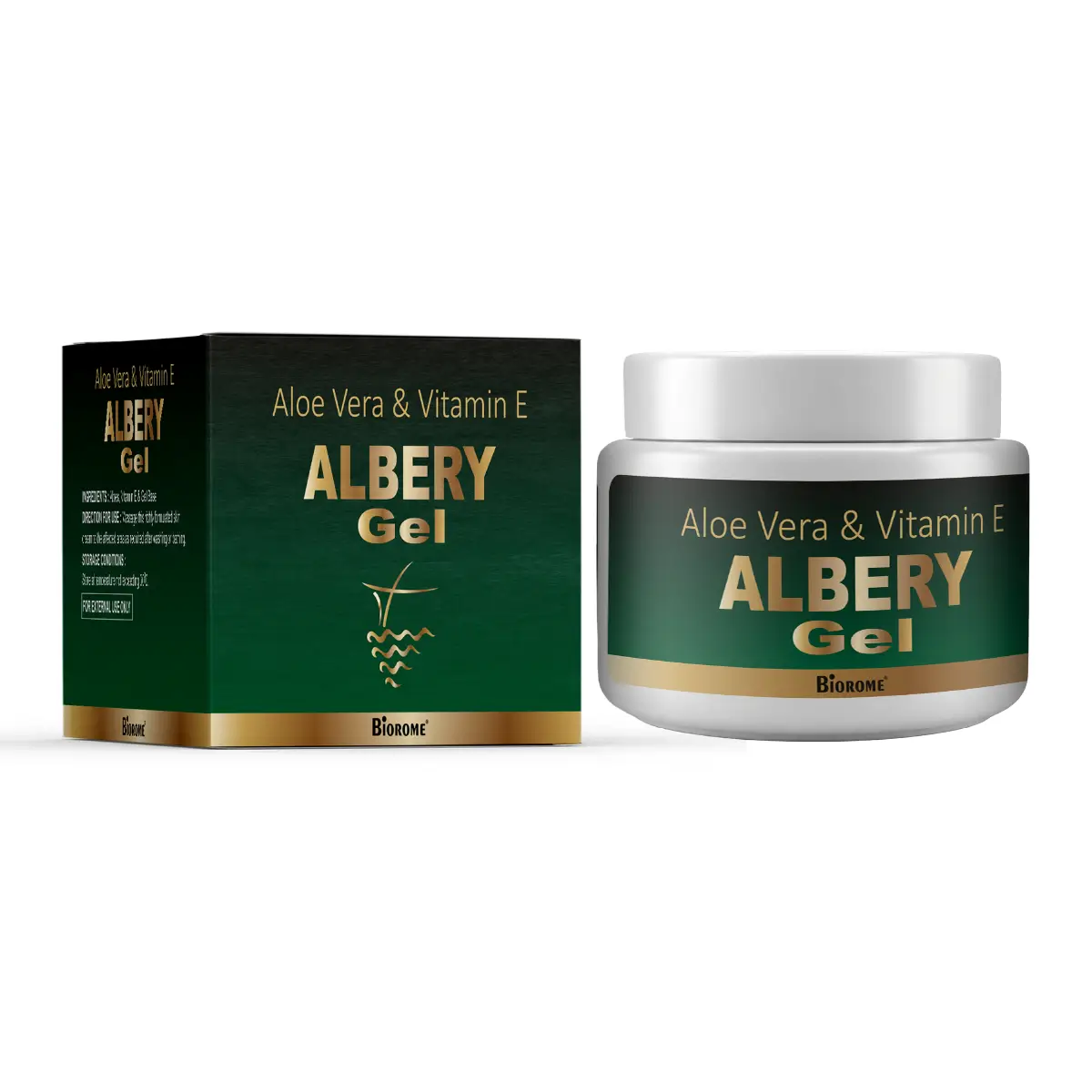
Aloe vera-based gels |
Soothes and moisturises irritated skin, relieves burning sensation. |
|
Oatmeal or ceramide-based moisturisers |
Repairs the skin barrier, reduces dryness, and makes the skin feel comfortable. |
Anti-Allergic & Anti-Itch Medicines
Antihistamine creams or tablets are effective in controlling itching, redness, and allergic itching caused by exposure to harsh colours of Holi.
Mild Steroid Creams (Doctor Prescribed)
Mild topical corticosteroids are effective in the management of severe skin inflammations and redness caused by Holi colours for a short term.
- For severe redness and inflammation: To reduce severe swelling, discomfort, and redness on the skin, which cannot be reduced with soothing creams.
- Medical supervision is essential: Should be used for a short term with medical supervision to avoid side effects and skin thinning.
When Antifungal or Antibiotic Creams Are Needed
Antifungal or antibacterial creams may be needed for Post-Holi skin problems if secondary infection signs develop, like scratching leading to infection, pus, crusting, or worsening redness. The creams help control microbial growth and support faster healing.
Home Remedies for Mild Holi Skin Irritation
Mild skin irritation after Holi can often be managed with simple home care measures. These Holi skin rash home remedies may help soothe discomfort and support the skin’s natural healing process:
- Cold Compress: Applying a clean, cold compress on the affected area can help alleviate itching, redness, and inflammation.
- Coconut Oil: A thin layer of pure coconut oil may help restore moisture and strengthen the skin barrier.
- Petroleum Jelly: Applying petroleum jelly on the affected area can help prevent further dryness and reduce irritation on the affected area.
- Aloe Vera Gel: Applying fresh aloe vera gel on the affected area can help soothe itching, inflammation, and burning sensations. It is one of the best natural methods to opt for.
What NOT to Do After Holi Skin Allergy?
If you develop a skin rash after Holi, avoiding a few common mistakes can help prevent complications and speed up recovery.
- Do not scrub or exfoliate irritated skin
- Avoid home remedies like lemon, baking soda, toothpaste, or vinegar
- Do not apply steroid creams without medical advice
- Avoid makeup until the rash heals
- Do not burst blisters
Also Read: Best Lotion for Itching Skin in India
How Long Does a Holi Skin Rash Take to Heal?
Most Holi-related skin rashes improve with proper care, but the time taken to heal can vary based on the severity of irritation and individual skin sensitivity.
|
Type of Skin Reaction |
Expected Healing Time |
|
Mild skin irritation |
2–5 days with proper care |
|
Allergic contact dermatitis |
7–14 days, depending on severity and treatment |
|
Severe reactions or skin infection |
May require medical treatment and a longer recovery period |
When Should You See a Doctor for a Skin Rash?
While mild rashes usually settle with basic care, medical attention may be necessary in certain situations.
Early medical intervention can help prevent complications and promote faster recovery. Consult a doctor if you notice:
- Severe redness, swelling, or intense itching
- Painful blisters or oozing lesions
- Rash spreading beyond exposed areas
- Fever or signs of infection
- Lack of improvement even after a few days of home treatment
- Worsening of pre-existing skin conditions like eczema or psoriasis
Prevention Tips to Avoid Skin Rashes Next Holi
Taking simple precautions and doing a nice post-Holi skincare routine can significantly reduce the risk of skin rashes and irritation during Holi celebrations. Keep these preventive tips in mind:
- Use plenty of oil or moisturiser to apply an extra layer of protection.
- Choose herbal or skin-friendly colours whenever possible.
- Wear full-sleeved clothing to minimise direct skin exposure.
- Avoid sharing personal towels or skincare items.
- Reapply sunscreen if playing outdoors for long hours.
- Wash off colours gently and promptly after celebrations.
A little preparation can help you enjoy Holi while keeping your skin healthy and protected.
Top Recommended Products from Zeelab Pharmacy for Skin Rash
The following Zeelab Pharmacy products are recommended to support the management of Holi-induced skin irritation and promote faster skin healing.
|
Products |
Benefits |
|
Hydrates skin, fights acne, regulates oil, smoothes skin, boosts natural radiance. |
|
|
Provides instant cooling sensation, soothes irritation, hydrates skin, reduces redness, and quickly refreshes skin. |
|
|
Intensively hydrates skin, fortifies hair, gives shine, protects from dryness, and naturally nourishes. |
Conclusion
Holi should be enjoyed with colours, smiles, and company, not with discomfort. While Skin rashes after Holi in India are increasingly becoming common, taking proper care and treatment at the right time can work wonders.
Identifying symptoms, selecting the right medicines, and following some simple skin rash prevention tips for Holi can help protect your skin from any kind of irritation.
By doing so, you can enjoy the festival with your heart and soul, and keep your skin cool and protected even after the colours have washed off.
Also Read: How to Protect Hair Before & After Playing Holi
Frequently Asked Questions
Q. Can Holi colours cause allergies and affect your skin?
A. Yes, many Holi colours contain synthetic dyes, fragrances, and chemical additives that may trigger allergic reactions. These can weaken the skin barrier, leading to redness, itching, swelling, irritation, or contact dermatitis, especially in sensitive individuals.
Q. What to apply on the face before playing Holi?
A. Before playing Holi, apply a generous layer of moisturiser, coconut oil, or a barrier cream to protect the skin. Follow it with sunscreen to reduce sun damage and limit colour penetration into pores.
Q. How to prevent skin rashes during Holi?
A. To prevent skin rashes, use skin-friendly or herbal colours, apply oil or moisturiser beforehand, wear protective clothing, avoid prolonged exposure, and wash off colours gently without harsh scrubbing after celebrations.
Q. What are the common symptoms of skin rashes after Holi?
A. Common symptoms include redness, itching, burning sensation, swelling, small bumps or blisters, dryness, peeling, and increased skin sensitivity. In severe cases, painful inflammation or signs of infection may also develop.
Q. How long do Holi skin rashes last?
A. Mild rashes usually improve within three to five days with proper care. Severe allergic reactions may take longer and may require medical treatment to control inflammation and itching effectively.
Q. How can I treat a mild skin rash after Holi at home?
A. Gently wash the area with lukewarm water, use a mild cleanser, apply calamine or aloe vera gel, and avoid scratching. Keep the skin moisturised and protected from sunlight.
Q. Can Holi rashes spread to other parts of the body?
A. Yes, allergic reactions may spread beyond exposed areas. Scratching or transferring colour residues to other body parts can also contribute to spreading irritation.
Q. Can Holi colours damage the skin permanently?
A. Not exactly, as in most cases, skin heals completely with proper treatment. Permanent damage is rare but may occur if severe allergic reactions or infections are left untreated.
Q. Are herbal Holi colours safer for the skin?
A. Herbal colours are generally considered safer, but they can still cause reactions in sensitive individuals. It is always advisable to perform a patch test beforehand.
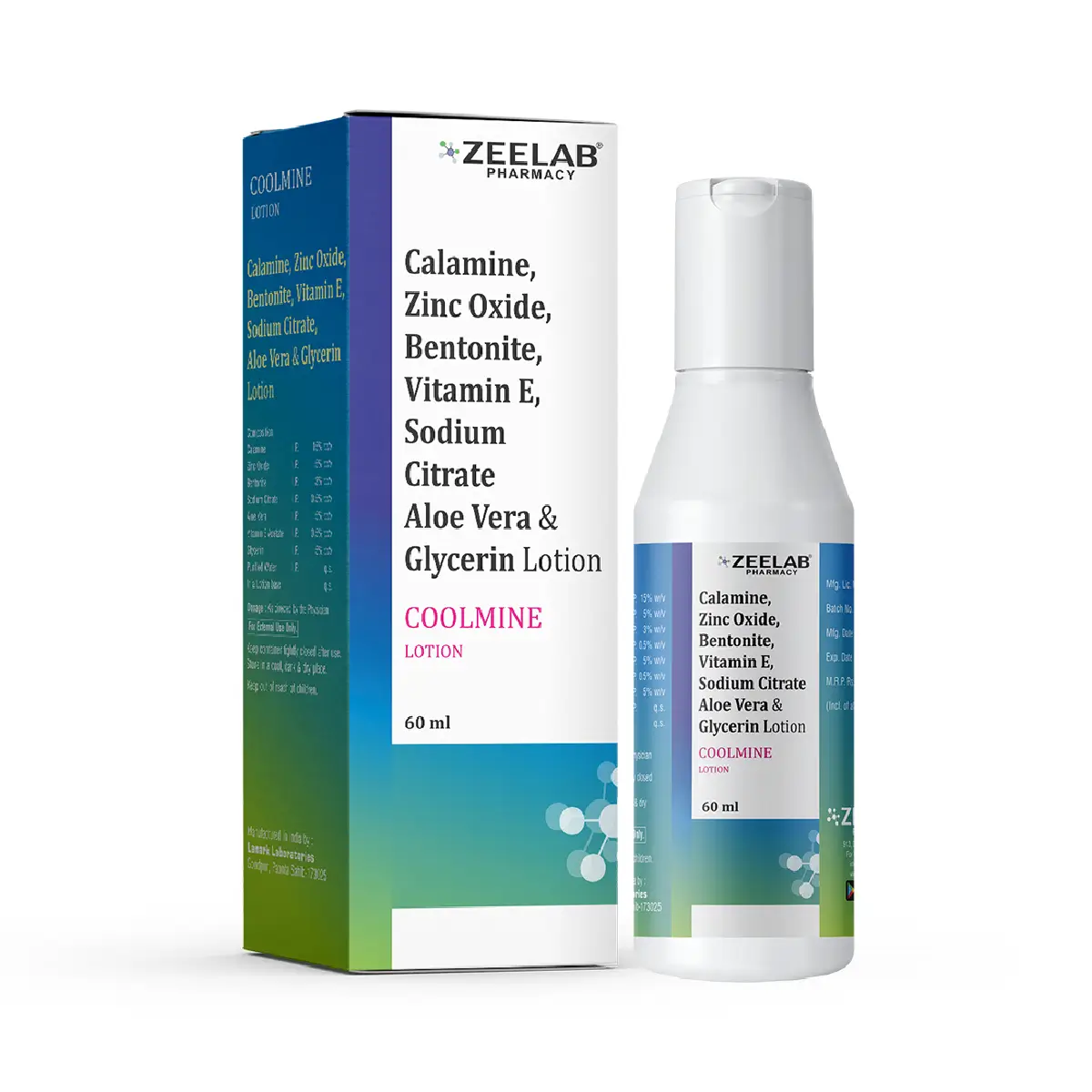
Calamine (15% w/v) + Zinc Oxide (5% w/v) + Bentonite (3% w/v) + Sodium Citrate (0.5% w/v) + Aloe Vera (5% w/v) + Vitamin E Acetate (0.5% w/v) + Glycerin (5% w/v)
60ml In 1 bottle
Recent Blogs




Disclaimer : Zeelab Pharmacy provides health information for knowledge only. Do not self-medicate. Always consult a qualified doctor before starting, stopping, or changing any medicine or treatment.
Related Products


₹ 0
0
Items added
Quick Links
Categories
Our Policies

Our Socials


Subscribe

2026 Copyright By © Zeelab Pharmacy Private Limited. All Rights Reserved
Our Payment Partners

 Added!