

How to Remove Holi Colour from Skin Safely: Step-by-Step Guide for Face & Body
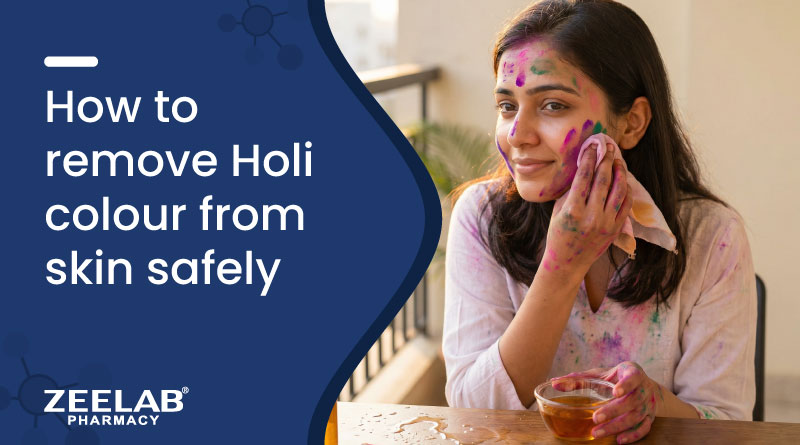
Holi is a festival that is loved by all of us. Holi is a vibrant festival celebrated for its colours, joy, and togetherness. But do you know what the most annoying part of Holi is?
It’s the struggle to remove stubborn stains and the skin irritation caused by artificial colours or gulal. It may be due to the presence of chemicals, dyes, and fine particles in synthetic colours that cling tightly to the skin.
Using incorrect methods or harsh products to remove Holi colours from the face and body can damage your skin barrier. Therefore, it becomes important to know what to do before and after playing Holi without really compromising on the real Holi fun.
This blog will guide you on how you can remove colour or gulal stains from your face and body after Holi.
Why are Holi Colours Hard to Remove from Skin?
The reason why Holi colours are so hard to remove is due to their composition and how they interact with the skin. Chemical colours may contain dyes such as mica, heavy metals, and oils that cause the colours to adhere to the skin. These compounds can also combine with the natural oils of the skin and get trapped in the pores.
Even herbal colours contain certain natural compounds that can cause temporary staining of the outer layer of the skin.
What NOT to Do When Removing Holi Colour?
To avoid any risks to your skin, it is important to remove Holi colour from your body completely and fast. But before you start removing colours, it’s important to know what to avoid.
Certain habits can worsen dryness and irritation. Understanding the don’ts of removing Holi colour from skin safely at home helps protect your skin barrier and prevent damage.
- Avoid scrubbing too hard using brushes, loofahs, or rough cloths, as this may cause damage to the skin barrier.
- Do not use kerosene, petrol, or harsh detergents to remove the colour.
- Avoid using too much soap or face wash, as this may strip the skin of its natural oils.
- Do not peel off dry colour without softening it, as it can cause micro-tears in the skin.
How to Remove Holi Colour from Skin Safely: A Step-by-Step Guide
After the celebrations end, removing stubborn stains can feel challenging. Instead of harsh scrubbing, consider the following approach to get rid of Holi colours while protecting your skin from dryness, irritation, and damage.
-
Wash with Lukewarm Water
Begin by washing your skin with lukewarm water. Warm water is effective in dissolving colour particles and excess oils without removing the natural moisture of the skin. Avoid using hot water, which may cause dryness and irritation.
-
Apply Natural Oils
Apply coconut oil, olive oil, or almond oil to the stained skin. Natural oils are effective in dissolving colour particles and softening the skin. Leave the mixture on for 15-20 minutes before removing it with a soft cloth.
-
Use Mild Soap or an Herbal Cleanser
After applying oil, wash your skin with mild soap or a herbal face cleanser to remove the remaining colour particles from the skin without causing irritation or dryness.
-
Gentle Exfoliation (If Needed)
If stains persist, use a mild scrub or homemade exfoliator. Rub lightly in circular motions to lift dead skin cells without damaging the skin.
Best Home Remedies to Remove Holi Colour Naturally
If you are wondering how to take out holi colour from your skin and face at home while keeping your skin soothed and moisturized check out these common kitchen ingredients that may work wonders.
- Gram Flour (Besan) and Milk: Make a smooth paste of the two, then apply it to the stained area and wash after it dries slightly. This Holi colour removal tip works well to remove colours and exfoliate the skin.
- Multani Mitti with Rose Water: Mix Multani mitti with rose water and apply a thin layer of paste. It can remove excess oils, colour particles, and revitalise the skin. Rinse once it is semi-dry.
- Aloe Vera Gel for Soothing Skin: Use aloe vera gel to reduce redness and irritation. It cools the skin and helps in healing after removing colours.
- Curd and Honey for Sensitive Skin: Mix curd with honey and apply it to the skin. It moisturises, cools, and helps to remove mild stains.
How to Remove Stubborn Holi Colour from Face Safely
Facial skin is thinner and more delicate compared to the rest of the body, so it needs special care. Harsh scrubbing or strong cleansers can easily cause redness, dryness, or breakouts.
- Avoid using harsh scrubs or brushes on the face, as they can damage the delicate skin barrier.
- Do not use harsh chemicals or alcohol-based products, which can irritate.
- Begin with a gentle oil massage to break down stubborn pigments before washing.
- Use a gentle, pH-balanced face cleanser suitable for your skin type.
- Follow up with a soothing moisturiser or calming gel to hydrate the skin.
- Do not repeatedly wash your face or body multiple times in a short span.
- Over-cleansing damages the skin barrier and slows down recovery.
Why a Gentle Cleansing Approach Is More Effective
When it comes to removing Holi colours, a gentle cleansing approach is more effective because it cleanses the skin without disrupting its natural barrier.
- Using oils to break down colour reduces unnecessary rubbing and skin stress.
- Cleansing with a mild, sensitive-skin cleanser helps maintain the skin’s natural barrier.
- Moisturising right after cleansing prevents dryness, tightness, and irritation.
- Allowing the skin to recover naturally over the next few days helps minimise the risk of post-Holi breakouts.
How Long Does Holi Colour Stay on Skin?
The duration Holi colours remain on your skin depends on several factors, including the type of colour, your skin type, and how soon you start cleansing.
|
Factor |
What Affects It |
How Long Colour Lasts / Notes |
|
Type of Colour |
Chemical/artificial colours – contain dyes, mica, or heavy metals |
2–5 days; may stick longer if not removed gently |
|
Herbal/natural colours – plant-based, gentle |
1–2 days; fades faster and is safer for the skin |
|
|
Skin Type |
Oily skin – pigments mix with natural oils |
Colours may linger longer |
|
Dry skin – less oil, colour flakes off sooner |
Fades faster naturally |
Tip: Patience and gentle cleansing are key. Most Holi colours naturally fade within a few days when proper care is taken.
Post-Holi Skin Care Routine for Fast Recovery
After Holi, your skin may feel dry, irritated, or sensitive because of the exposure to colours and the sun. It may take a few days to a week for your skin to recover completely. Taking care of your skin during this time will help your skin regain its natural balance and glow.
- Moisturise generously after colour removal to replenish lost hydration and repair the skin barrier. A good moisturiser prevents dryness, flakiness, and tightness.
- Use gels or lotions that have a soothing effect, like aloe vera, to reduce irritation and redness. They will help calm your irritated skin.
- Apply sunscreen daily, even if you are staying indoors, as your newly cleaned skin is more prone to damage from the sun.
Special Skin Care Tips for Sensitive Skin & Children
Sensitive or delicate skin, especially in children, requires special care after Holi celebrations. Aggressive methods of removing colours may easily lead to skin rashes, dryness, or allergic reactions.
- It is always necessary to perform a patch test before using any homemade or commercial remedy to check for any sensitivity.
- Fragrance-free and mild products should be used to avoid irritation or burning.
- Avoid harsh scrubbing and let colours fade gradually with gentle cleansing.
- Moisturising after washing is necessary to restore hydration and soothe the skin.
- A dermatologist should be consulted if redness, itching, swelling, or irritation does not subside in a few days.
How to Protect Skin Before Playing Holi?
Taking care of your skin before going out to celebrate can make it easier to remove colours later. A little preventive measure goes a long way in preventing colours from staining and drying your skin.
- Apply a thick layer of oil or lotion on your skin. Coconut or almond oil acts as a barrier that prevents colours from seeping into your skin.
- Don’t forget to apply sunscreen, especially if you are going out in the sun.
- Wear full-sleeve clothes and full-length pants to prevent direct exposure of your skin to colours.
- Use herbal or organic Holi colours to avoid the risk of skin allergies.
- Apply lip balm and clear nail paint to protect your lips and nails from colours.
Can Holi Colours Cause Skin Allergy or Infection?
Yes, Holi colours can sometimes trigger skin allergies or infections, especially if they contain synthetic dyes, heavy metals, or harsh chemicals. Even natural colours can cause reactions in sensitive skin. Knowing the risks and preventive steps ensures you can enjoy Holi safely.
Skin Allergy (Contact Dermatitis)
- Symptoms: Redness, itching, burning, rashes, or swelling.
- Common Causes:
- Artificial colours with azo dyes, lead, or mica
- Prolonged contact with colours on sensitive skin
- Fragrances or preservatives in commercial powders.
- Prevention Tips:
- Apply protective oil or moisturiser before playing.
- Choose herbal or organic colours.
- Wash off colours as soon as possible
Skin Infection
- Symptoms: Red, inflamed, or pus-filled areas; sometimes painful.
- Common Causes:
- Sharing water, pichkaris, or powders
- Small cuts or scratches exposed to colour or water
- Wet skin for long periods, which promotes bacterial/fungal growth
- Prevention Tips:
- Avoid sharing powders or water sources
- Wash your skin gently and thoroughly after Holi
- Protect small cuts or wounds during celebrations
When to See a Doctor?
Most skin reactions after Holi are mild and temporary, such as slight redness, irritation, or faint colour stains. However, in some cases, professional medical attention is necessary to prevent complications or infections.
- Redness, swelling, or itching lasting more than 2–3 days
- Signs of infection: pus, oozing, or severe pain
- Severe allergic reactions: hives, intense swelling, or difficulty breathing (rare)
Also Read: Best Skin Care Products for Holi
Best Products to Remove Holi Colour Without Skin Damage
After Holi celebrations, using suitable skincare products can make the cleansing process smoother and less harsh on your skin. These carefully selected options may help to remove Holi colour from skin safely at home while maintaining softness and hydration.
1. Gentle Face Cleansers
Gentle face cleansers help lift colour particles, dirt, and excess oil without stripping natural moisture, supporting smoother cleansing and reducing the risk of dryness or irritation after Holi.
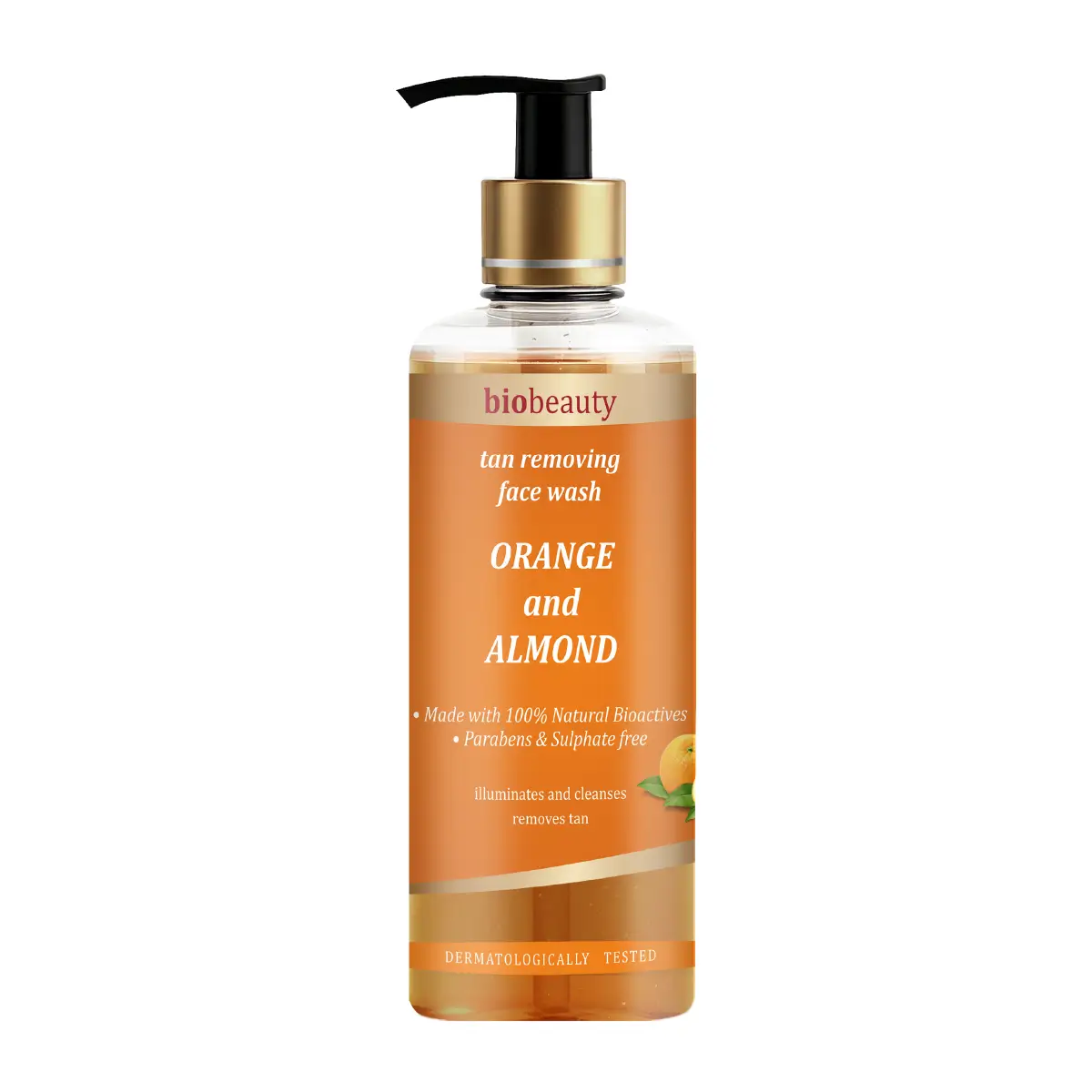
Bio Beauty Orange and Almond Tan-Removing Face Wash
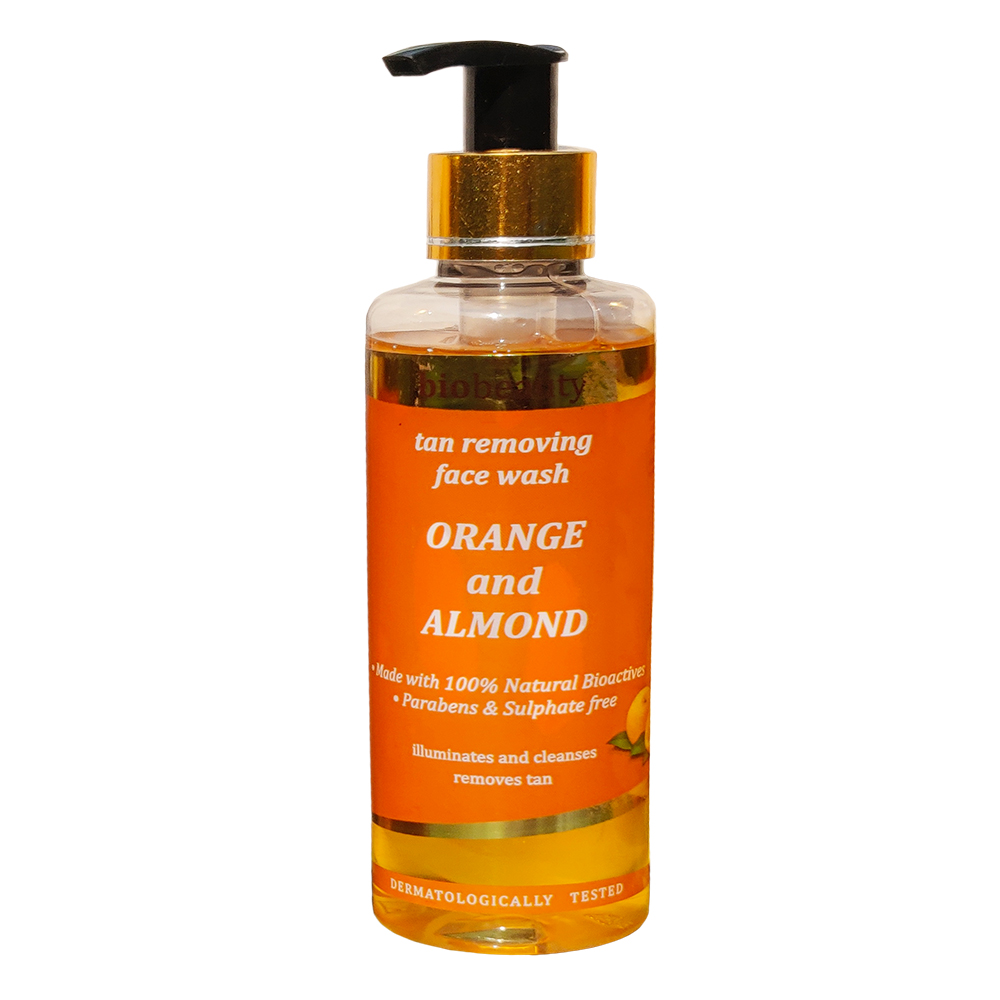
Bio Beauty Orange and Almond Tan Removing Face Wash deeply cleanses and refreshes skin while helping to remove Holi colour from face quickly, leaving it soft, smooth, and evenly toned.
- Benefits: Deeply cleanses, brightens dull skin, refreshes texture, and supports a smoother, more radiant complexion.
- Composition: Orange extract, Almond extract, cleansing agents, and skin-nourishing natural ingredients.
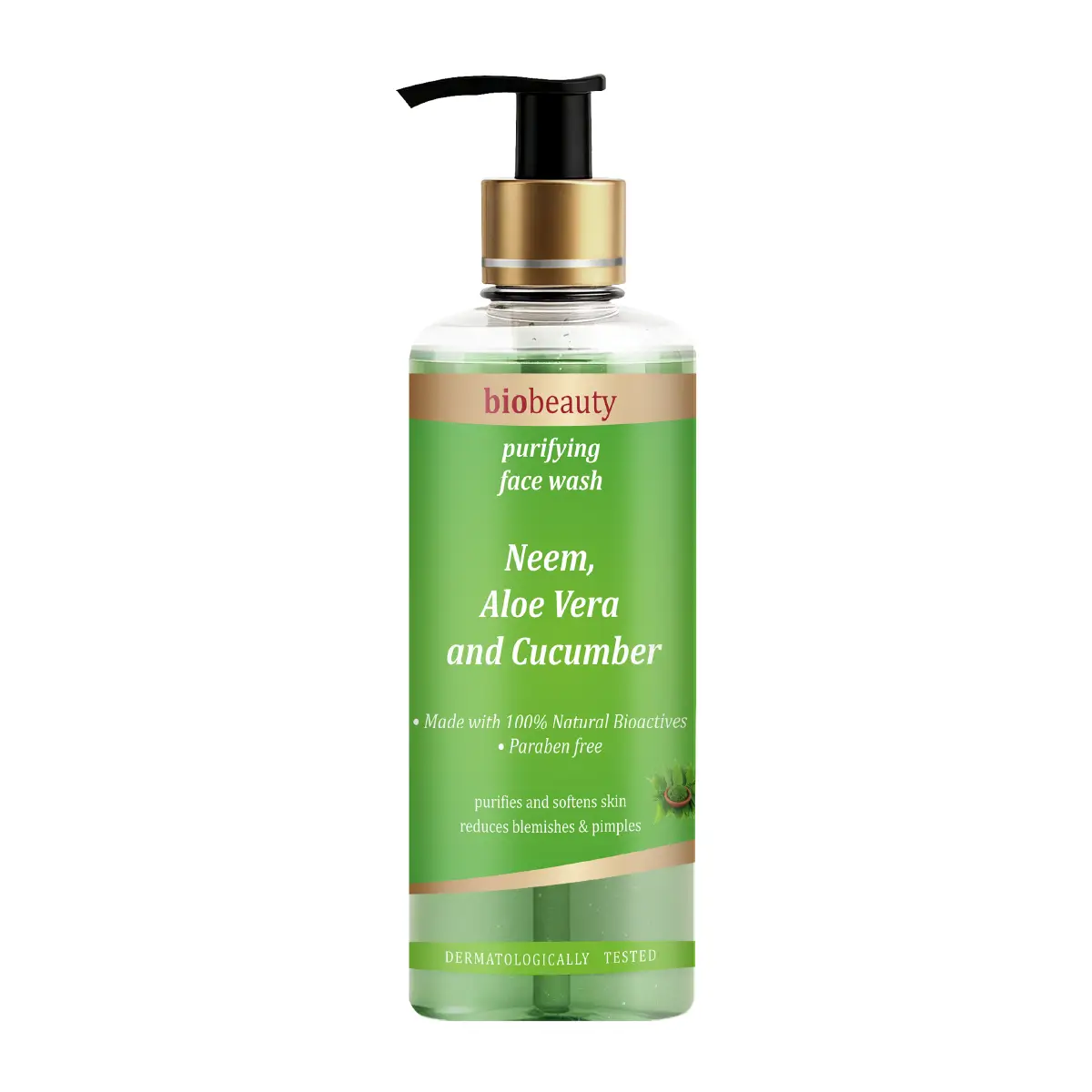
Bio Beauty Aloe Vera Neem Face Wash

Bio Beauty Face Wash with Aloe Vera, Neem & Cucumber gently cleanses and refreshes skin by removing dirt and impurities, supporting clearer, hydrated skin with a refreshed feel after every wash.
- Benefits: Hydrates, refreshes, soothes skin, and helps maintain a balanced, healthy-looking complexion.
- Composition: Aloe Vera + Neem + Cucumber
2. Moisturisers for Damaged Skin
Moisturisers for damaged skin help restore lost hydration, support barrier repair, and soothe post-Holi dryness. Here is a list of product recommendations that may assist recovery.
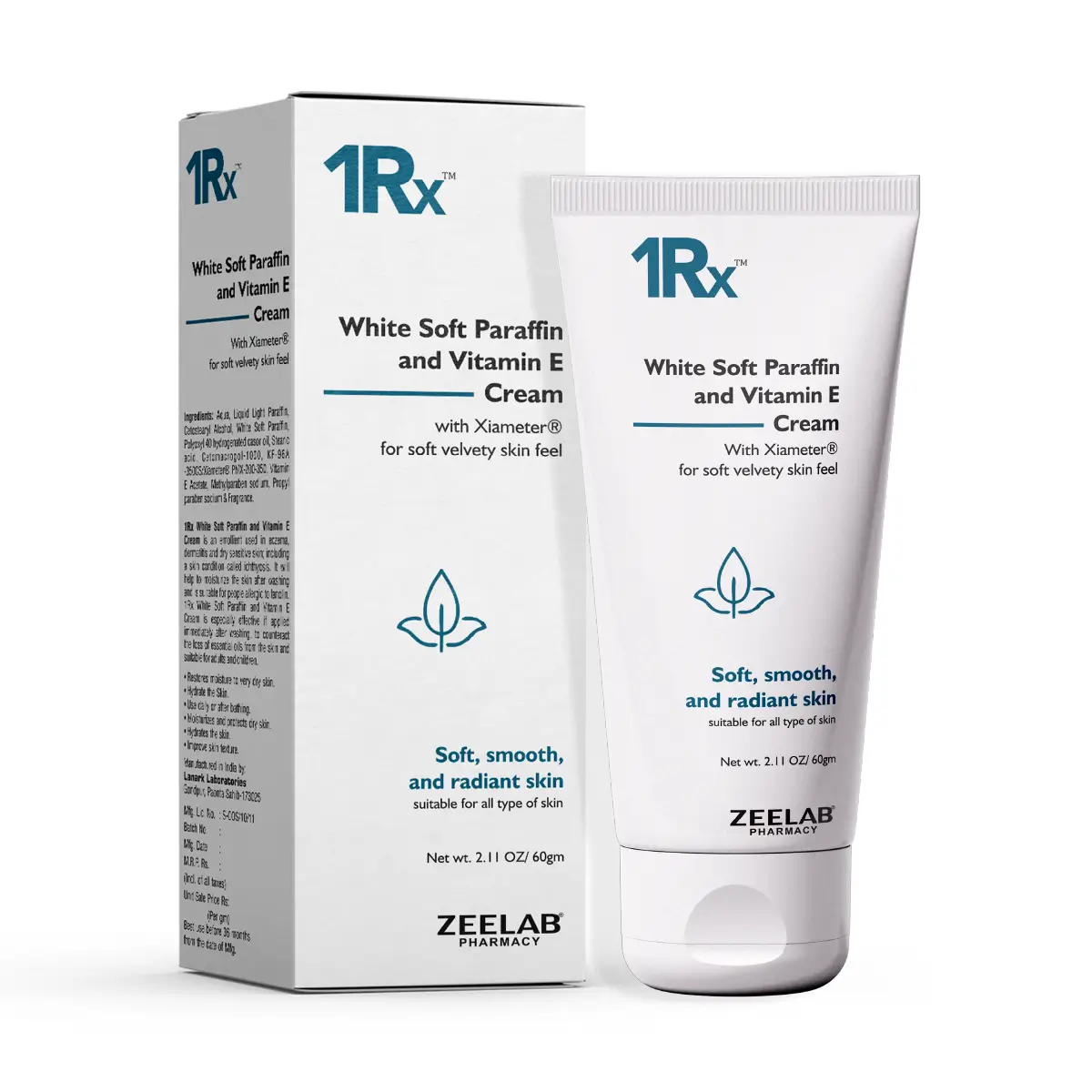
1RX White Soft Paraffin & Vitamin E Cream
1RX White Soft Paraffin & Vitamin E Cream helps nourish dry, rough, and sensitive skin by supporting moisture retention and barrier comfort, leaving skin feeling soft, smooth, and comforted with regular use.
- Benefits: Supports hydration, soothes dryness, comforts sensitive skin, and helps maintain a smoother, softer feel.
- Composition: White Soft Paraffin + Liquid Light Paraffin + Vitamin E Acetate + Cetostearyl Alcohol + Stearic Acid + Cetomacrogol 1000 + Polyoxyl 40 Hydrogenated Castor Oil + Silicone Fluid + Aqua
Richday Daily Moisturiser with Sunscreen
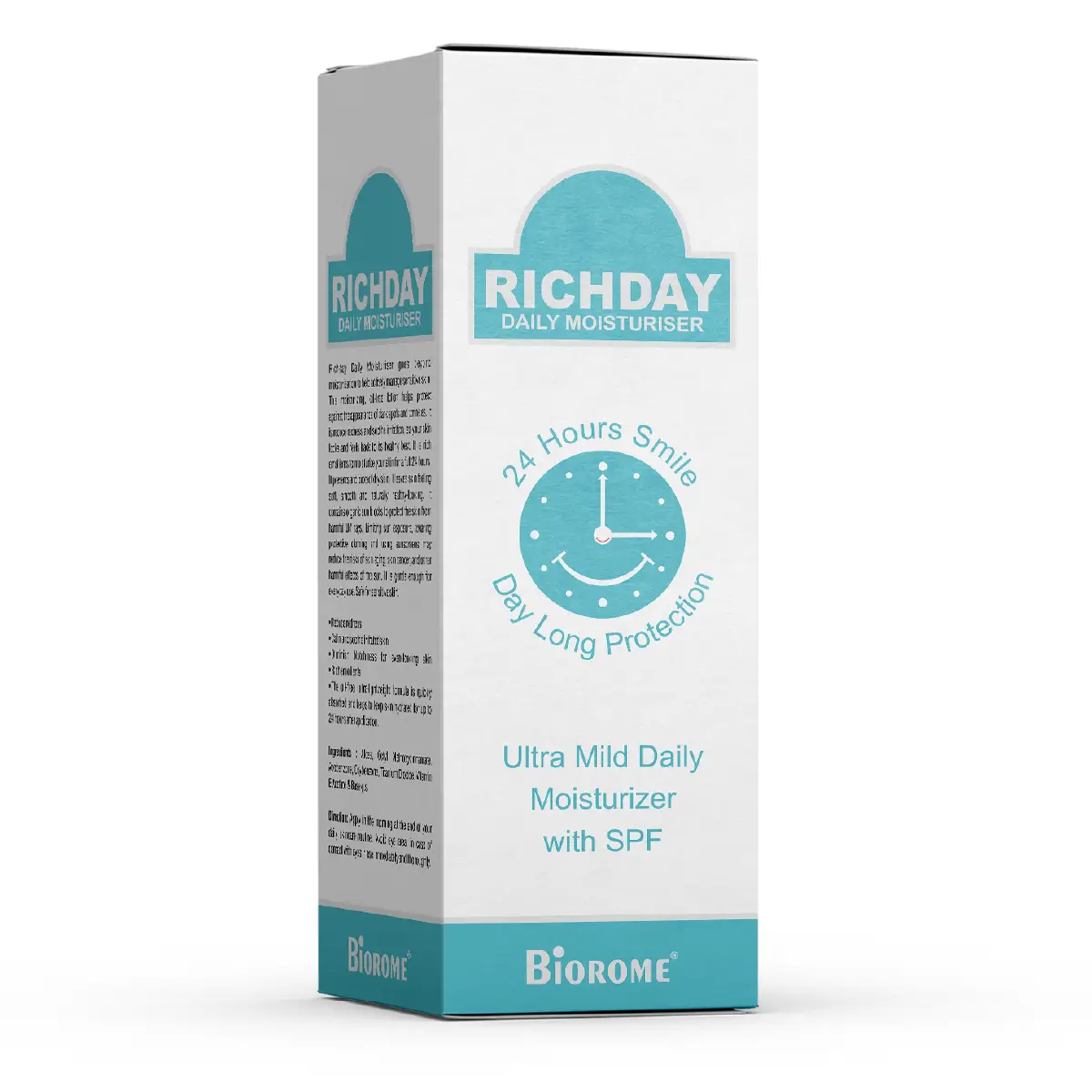
Richday Daily Moisturiser with SPF is a lightweight, hydrating cream that helps maintain natural moisture balance and supports daily skin comfort while offering mild sun protection for smoother, nourished skin.
- Benefits: Hydrates skin, supports moisture balance, soothes irritation, and provides gentle SPF protection.
- Composition: Aloes, Octyl Methoxycinnamate, Avobenzone, Oxybenzone, Titanium Dioxide, and Vitamin E
3. Sunscreens after Holi
Sunscreens after Holi can protect the newly cleaned and sensitive skin from the harmful effects of UV rays. Here is a list of product recommendations that may help in sun protection and skin recovery.
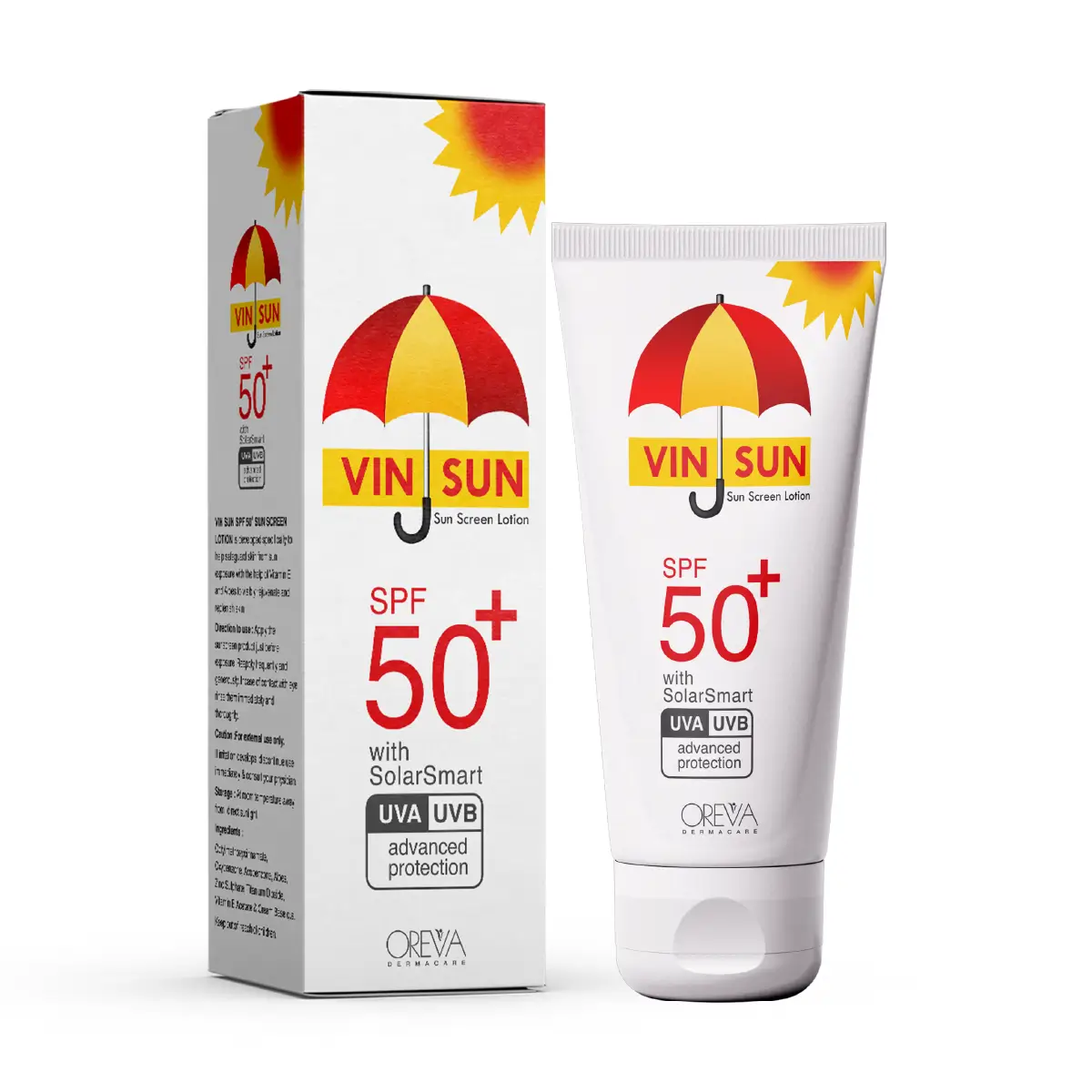
VinSun Sunscreen Lotion SPF 50+
VinSun Sunscreen Lotion SPF 50+ is a lightweight sun-care lotion offering broad-spectrum protection against UVA and UVB rays while helping keep skin soft, smooth, and comfortable during outdoor exposure.
- Benefits: Supports protection from sunburn, helps reduce tanning risk, hydrates skin, and feels non-greasy.
- Composition: SPF 50+ with Solar Smart UVA/UVB Advanced Protection
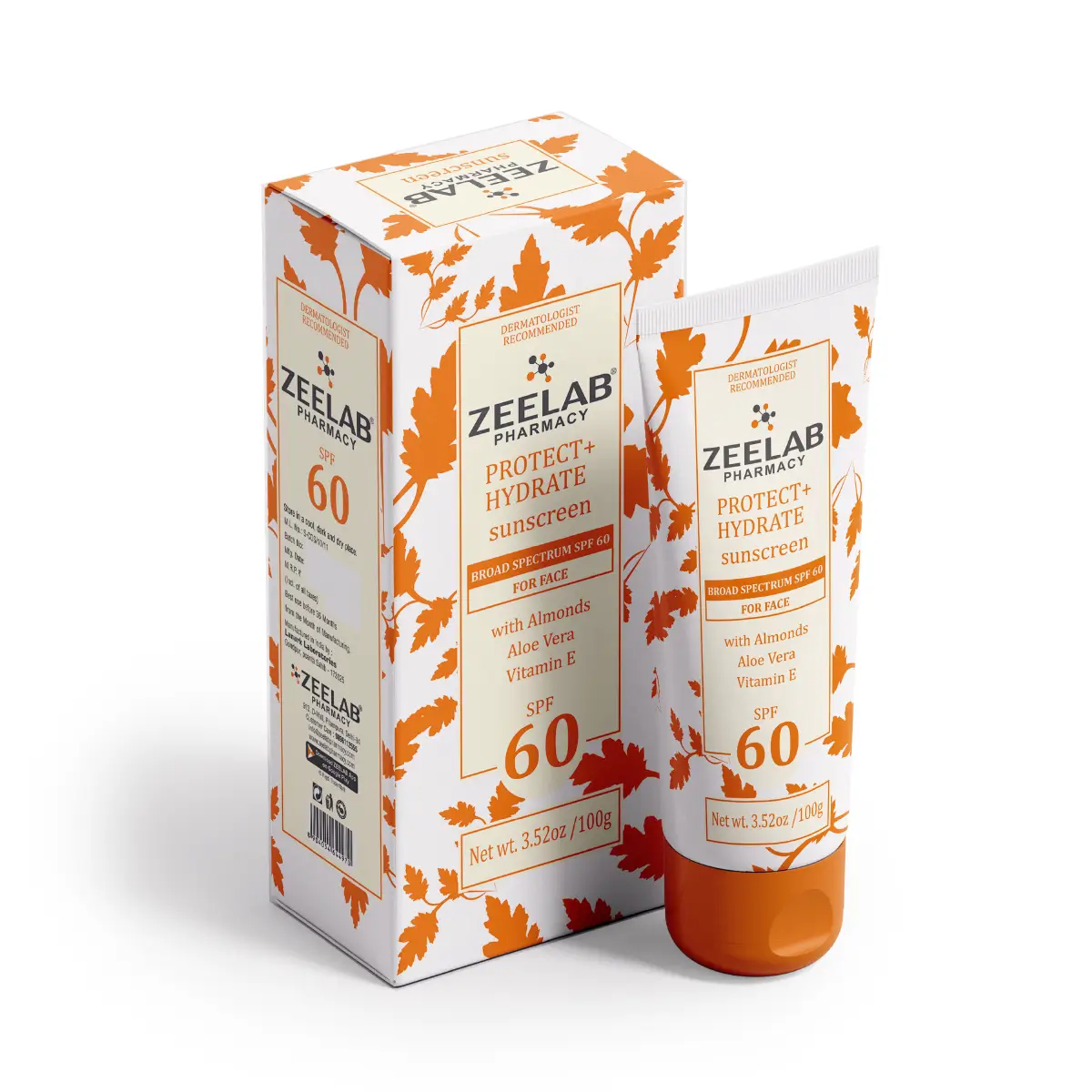
Sunscreen Lotion SPF 60
It offers broad-spectrum UV protection with a lightweight, non-greasy feel, helping shield skin from strong sun exposure while keeping it comfortable and hydrated
- Benefits: Helps protect against UVA/UVB rays, supports hydration, feels light, and reduces sun exposure effects.
- Composition: Purified water, Homosalate, Octocrylene, Oxybenzone, Octisalate, Titanium Dioxide, Avobenzone, Aloe Vera, Almond Oil, Vitamin E, Glycerin, PEG-100 Stearate, Beeswax, Dimethicone, and mild emollients
Also Read: How to Protect Hair Before & After Playing Holi?
Conclusion
Holi should be enjoyed without any concern for stubborn stains or skin damage. By understanding how to remove Holi colour in the right way, you can protect your skin from drying, irritation, and sensitivity.
Simple home remedies to remove Holi colours can also help fade stains naturally while keeping your skin nourished. With the right care before and after the festival, you can celebrate freely and let your skin recover safely, smoothly, and beautifully.
Frequently Asked Questions
Q. Can Holi colour damage skin permanently?
A. In most cases, Holi colours do not cause permanent damage. However, harsh chemicals or excessive scrubbing can harm the skin barrier, leading to prolonged irritation, dryness, or temporary pigmentation if not treated properly.
Q. How to remove Holi colour from skin quickly?
A. Start by rinsing with lukewarm water to loosen pigments. Massage coconut or olive oil on stained areas, then wash with a mild cleanser. Avoid harsh scrubbing to prevent irritation and dryness.
Q. Can coconut oil remove Holi colours from skin?
A. Yes, coconut oil helps dissolve stubborn pigments. Massage it onto dry skin, leave for 15–20 minutes, then wipe gently and cleanse with mild soap. It also keeps skin moisturised.
Q. How long does Holi colour take to fade from the skin?
A. Most colours fade within a few days if removed gently. Proper cleansing, moisturising, and sun protection help speed up recovery while preventing pigmentation or dryness.
Q. Should I use hot water to remove Holi colours?
A. No, avoid very hot water. It can dry out your skin and worsen irritation. Use lukewarm water instead to loosen colour particles safely.
Q. What is the best home remedy to remove Holi colours?
A. Coconut oil massage followed by mild cleansing works effectively. You can also use curd and honey or aloe vera gel to soothe and lighten stains naturally.
Q. How can I prevent Holi colours from sticking to my nails?
A. Apply a thick coat of clear nail polish before playing Holi. You can also massage oil around cuticles and under nails to create a protective layer that prevents deep staining.
Q. How to prevent Holi colour from sticking to skin?
A. Apply a thick layer of oil or moisturiser before playing. Wear full-sleeve clothes and use herbal colours to reduce staining and skin damage.
Q. Can aloe vera help remove Holi colour?
A. Aloe vera soothes irritated skin and helps in recovery. While it may not remove deep stains alone, it reduces redness and supports healing after cleansing.
Q. What is the best way to remove strong water colours from the skin on Holi?
A. Start with a gentle oil massage to break down pigments, then rinse with lukewarm water and a mild cleanser. Avoid harsh scrubs, as they may irritate and damage sensitive skin.
Purified Water + Homosalate + Octocrylene + Oxybenzone + Octisalate + Titanium Dioxide + Avobenzone + Aloe Vera + Glycerin + PEG-100 Stearate + Glyceryl Stearate + Almond Oil + Dimethicone + Beeswax + Vitamin E + Fragrance
100gm In 1 Tube

Aloe Vera + Octyl Methoxycinnamate + Avobenzone + Oxybenzone + Titanium Dioxide + Vitamin E
100ml In 1 Tube
Orange + Almond
200ml In 1 Bottle
Aloe Vera + Neem + Cucumber
200ml In 1 Bottle
White Soft Paraffin + Liquid Light Paraffin + Vitamin E Acetate + Cetostearyl Alcohol + Stearic Acid + Cetomacrogol 1000 + Polyoxyl 40 Hydrogenated Castor Oil + Silicone Fluid + Aqua
60gm in 1 tube
Recent Blogs





Disclaimer : Zeelab Pharmacy provides health information for knowledge only. Do not self-medicate. Always consult a qualified doctor before starting, stopping, or changing any medicine or treatment.
Related Products


₹ 0
0
Items added
Quick Links
Categories
Our Policies

Our Socials


Subscribe

2026 Copyright By © Zeelab Pharmacy Private Limited. All Rights Reserved
Our Payment Partners

 Added!