

Rosemary Oil vs Minoxidil: The Ultimate Guide to Hair Regrowth
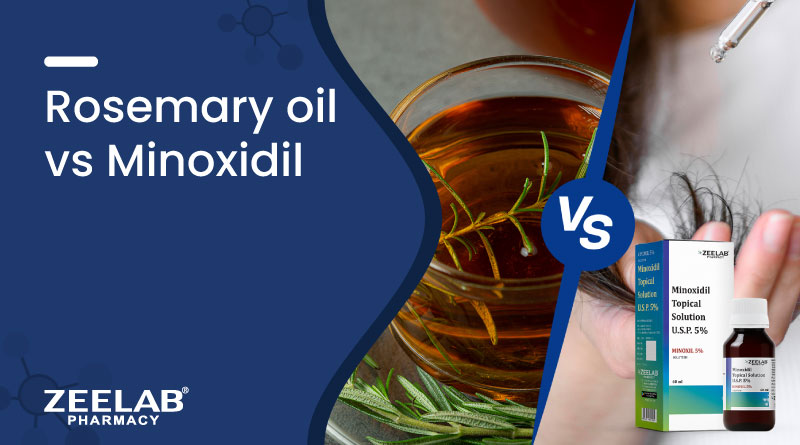
Choosing the most effective hair regrowth product can be challenging. Individuals experiencing hair thinning as well as hair loss problems are usually looking for solutions that are safe to use, effective, and easy to implement. This popularises comparisons of natural remedies versus medical hair loss solutions, such as minoxidil versus rosemary oil.
Minoxidil has been clinically proven and widely accepted for use in hair growth, whereas rosemary essential oil has been an accepted natural remedy that has been proven in studies such as rosemary essential oil vs minoxidil in 2015. There has been curiosity among users regarding which one performs better, which one is safer, and whether rosemary essential oil works similarly to minoxidil.
In this guide, readers will learn about effectiveness, safety, use, and clinical evidence necessary for a sound decision. We highly recommend Zeelab products for their trustworthy quality, affordability, and clinical efficacy in promoting hair growth.
What is Rosemary Oil?
Rosemary oil is a natural essential oil obtained from the leaves of Rosmarinus officinalis. The oil has amazing antioxidant and anti-inflammatory properties that boost the condition of the scalp and hair follicles.
Clinical discussions from a 2015 study comparing rosemary oil and minoxidil indicate that when used consistently, rosemary oil may reduce hair loss and promote hair growth. Rosemary oil is primarily used to promote hair roots, get rid of dandruff, and promote a healthy scalp because it is a natural oil and is used by people seeking information on minoxidil vs rosemary oil because of its natural nature.
What is Minoxidil?
Minoxidil is a medically established and FDA-approved vasodilator for treating hair loss. It functions by stimulating an increased flow of blood within the scalp area. This increases the amount of oxygen and nutrients that reach the sparse hair roots, thus extending the phase for hair growth and encouraging hair regrowth.
Due to its robust medicinal efficacy, it has already been termed the gold standard for treating pattern hair loss in men and women. There are two popular minoxidil formulations on the market with strengths of 2% and 5%.
A minoxidil solution with 2% topical strength is preferred for use on scalps with high sensitivities or by beginners. It has been observed that the 5% minoxidil formulation has more stimulating effects on moderate to advanced hair thinning conditions.
How Rosemary Oil Works for Hair Growth?
Rosemary oil supports hair growth by enhancing scalp conditions and fortifying hair roots. It acts on various reasons that cause thinning of hair, including a weak scalp, especially when the scalp has reduced blood flow. Additionally, an inflammatory scalp cannot promote hair growth.
- It increases blood flow to the scalp, providing more oxygen and nutrients to the hair roots.
- It works by reducing inflammation in the scalp associated with hair fall, itching, and damage to hair follicles.
- It naturally supports the hair follicles, which encourages extension of the hair growth phase and reduces excessive hair fall.
- It helps regulate sebum production in the scalp, ensuring that hair follicles are clean to prevent blockages.
- Enhances the growth of hair roots and makes the scalp dense and strong.
How Minoxidil Works for Hair Regrowth?
Minoxidil is a proven medical topical drug used in treating thinning hair and hair loss. Minoxidil acts on hair roots to facilitate hair growth and prevent hair loss.
- Enhances the hair growth phase, helping to make hair longer, thicker, and stronger.
- Reactivates weak or dormant hair follicles by increasing blood flow and nutrient supply to the scalp.
- It may increase the size of hair follicles, contributing to the promotion of thick and healthy hair.
- Prevents gradual thinning of hair by promoting actively functioning follicles while preventing miniaturisation.
Rosemary Oil vs Minoxidil: Key Differences
Both rosemary essential oil and minoxidil are considered useful for hair loss. While rosemary essential oil is a herbal oil that promotes scalp care, minoxidil has been proven to promote hair growth.
|
Feature |
Rosemary Oil |
Minoxidil |
|
Type |
Natural essential oil |
FDA-approved hair loss medicine |
|
How it works |
Improves scalp circulation |
Stimulates hair follicles directly |
|
Clinical evidence |
Limited studies available |
Strong clinical trials support use |
|
Best for |
Mild hair thinning, scalp care |
Pattern hair loss and regrowth |
|
Side effects |
Usually mild irritation |
Possible shedding, dryness |
|
Usage |
Diluted oil massage |
Topical solution or foam |
Which is More Effective for Hair Loss?
When it comes to the comparison of rosemary oil vs minoxidil with respect to hair loss, it has been observed that minoxidil is more effective with respect to faster and more prominent hair regrowth. Minoxidil 5% helps to stimulate the hair roots, improve blood flow, and extend the growth phase of the hair.
On the other hand, rosemary oil contains antioxidants and anti-inflammatory agents that help improve scalp health and reduce hair thinning. In a randomised trial in 2015, it was shown that rosemary oil was effective, but it took longer than minoxidil.
People wonder if rosemary oil and minoxidil have similar abilities regarding their uses, and the answer is no, because minoxidil has a greater ability to grow hair faster.
Also Read: Natural DHT Blockers for Female Hair Loss
Rosemary Oil vs Minoxidil 5%: Does Strength Matter?
Minoxidil 5% has been proven to achieve results for thinning hair. Rosemary oil vs minoxidil 5%, both options can help an individual choose the best solution for their hair loss.
|
Aspect |
Minoxidil 5% |
Rosemary Oil |
|
Effectiveness |
Clinically proven to stimulate hair growth |
Small studies have shown that it aids natural hair growth |
|
Best For |
Moderate to severe hair thinning |
Mild hair thinning or maintenance |
|
Onset of Results |
3–6 months |
4–6 months with regular use |
|
Safety |
Can cause scalp irritation and itching |
Generally safe, mild irritation possible |
|
Usage |
Twice-daily topical solution |
Massage into scalp 2–3 times weekly |
|
Combination |
Can be used with rosemary oil |
Can complement minoxidil for enhanced effect |
Can You Use Rosemary Oil and Minoxidil Together?
You can use minoxidil and rosemary oil together for hair growth, but proper timing and method matter. Many people ask can I mix rosemary oil with minoxidil or How to use rosemary oil with minoxidil safely.
The fact is that there could be a synergistic effect from both, since minoxidil acts on stimulating hair follicles, and rosemary oil can enhance scalp circulation and reduce the possibility of inflammation.
There are several suggestions from experts about applying minoxidil first and then using rosemary oil after its complete absorption into the skin to avoid greasiness or irritation.
Rosemary oil after minoxidil, the correct order and timing is usually asked, and sticking to this simple routine ensures safety. Overall, combining these treatments can enhance hair regrowth while keeping the scalp healthy.
Also Read: Biotin vs Minoxidil: Which Is Better for Hair Growth & Hair Fall Control?
Side Effects and Safety Comparison: Which Option is Safer?
When comparing rosemary oil and minoxidil, one important consideration would be the issue of safety. The two can promote the growth of your hair, but their ability to produce side effects is different.
|
Aspect |
Rosemary Oil |
Minoxidil |
|
Common Side Effects |
Mild scalp irritation, itching, or redness |
Dryness, itching, redness in the scalp, and unwanted hair on the face |
|
Serious Reactions |
Rare; allergic reactions possible |
Rare: dizziness, fast heartbeat, swelling of hands or feet |
|
Usage Safety |
Generally safe for most users; natural |
Safe when used as directed; avoid overuse |
|
Combination Use |
Can be used with minoxidil if scalp is tolerated |
Can be used with rosemary oil, but monitor skin reaction |
|
Overall Safety |
Safer for long-term use; fewer systemic effects |
Effective but high risk of irritation or systemic absorption |
Who Should Choose Rosemary Oil or Minoxidil?
Whether to use rosemary essential oil or minoxidil is a matter of the type of hair loss, as well as scalp sensitivity. Both products can promote hair growth; However, the purpose of the users may determine which one is better to use.
- Beginners: Rosemary oil has a soothing quality to it and works well for new hair growth treatments.
- Long-term users: Minoxidil 5% is clinically proven and effective for sustained hair regrowth.
- Sensitive Scalps: Rosemary oil is less likely to irritate and is more suitable for a sensitive scalp.
- Combination seekers: Rosemary essential oil can be combined with minoxidil to cater to users seeking faster outcomes.
- Results tracking: Select according to individual tolerability, scalp reaction, and observable growth in hair density.
Also Read: Minoxidil vs Redensyl: Which is Better for Hair Growth?
Best Rosemary Oil & Minoxidil Products in India from Zeelab Pharmacy
Here are some products from Zeelab Pharmacy at affordable prices. Most preferred and dermatologist-approved products and similar affordable skin care ranges are safe and effective. Additionally, Zeelab Pharmacy products are WHO-GMP, ISO and FDA certified.
Zeelab Hair Growth Oil 100ml
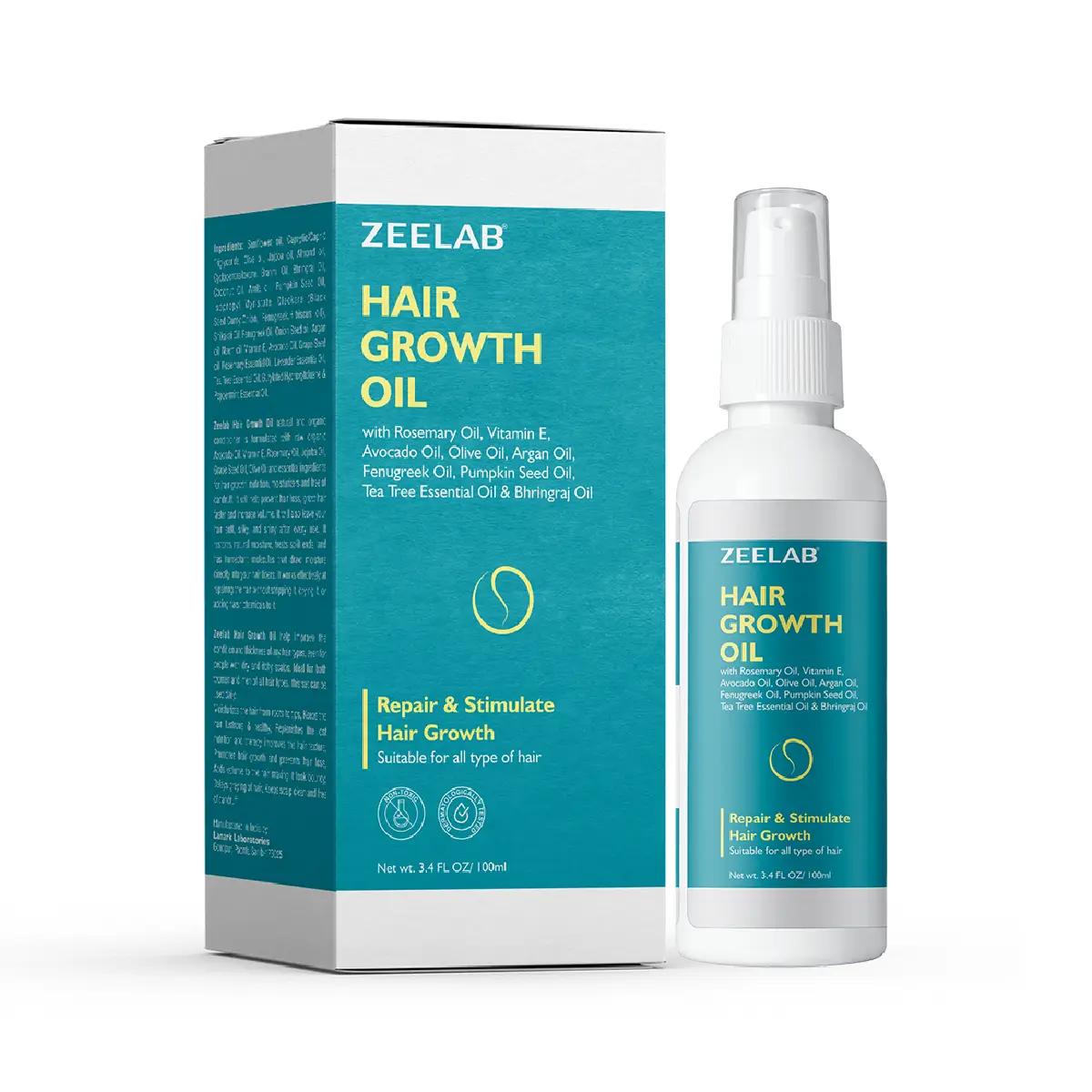
Zeelab Hair Growth Oil is a natural, nourishing hair conditioning serum formulated with a rich blend of Avocado Oil, Vitamin E, Rosemary Oil, Jojoba Oil, Grape Seed Oil, and Olive Oil, combined with essential nutrients that support healthy hair growth and scalp care. This serum is designed to help reduce hair loss, promote faster hair growth, and improve hair volume while keeping the scalp moisturised and free from dandruff.
- Composition: Rosemary Oil + Vitamin E + Almond Oil + Avocado Oil + Olive Oil
- What it does: Encourages hair growth, strengthens the roots, and ensures a healthy scalp.
- How to use: Apply 1 mL to the dry scalp twice daily, gently massaging.
Minoxil 5% Solution
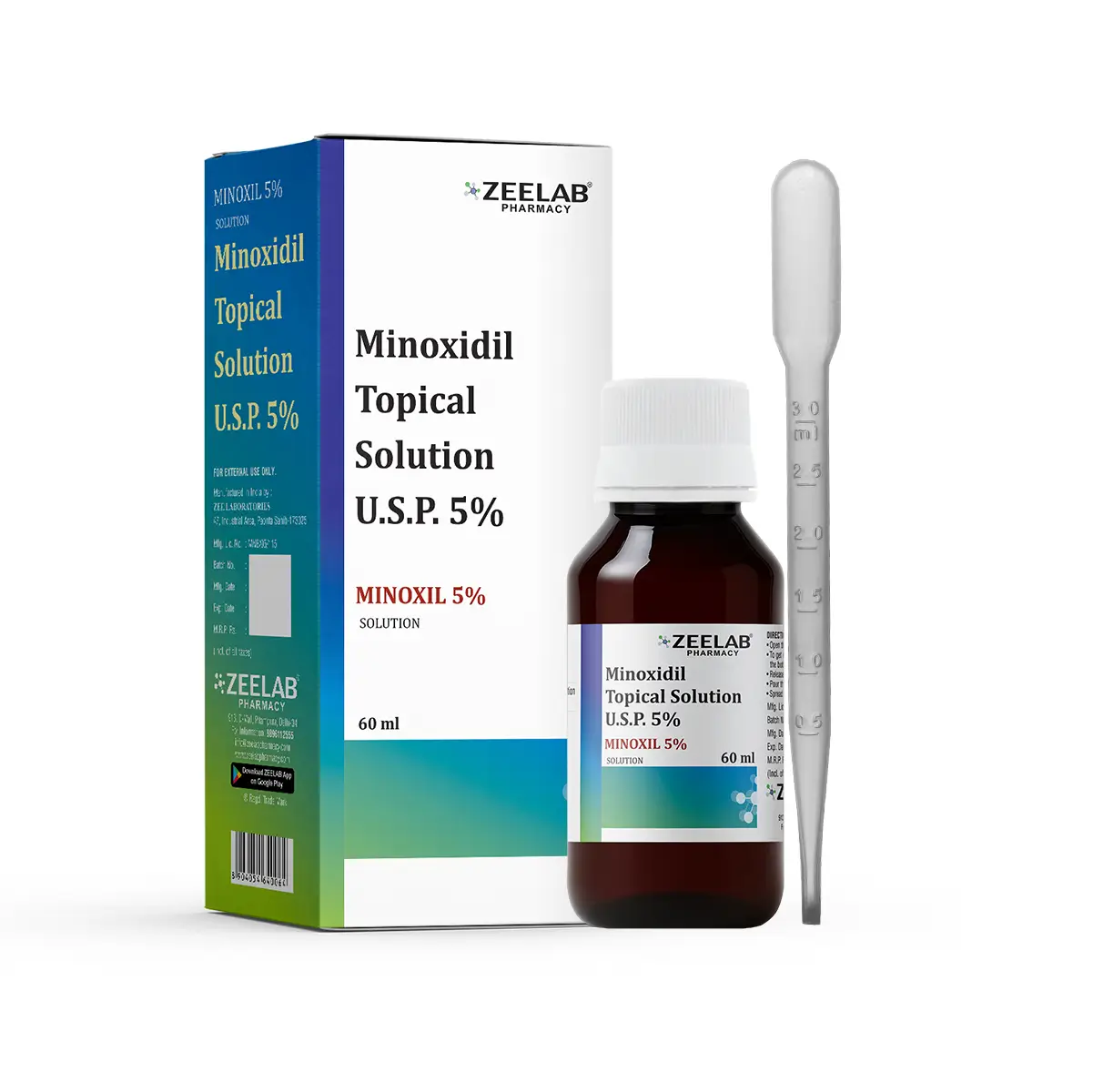
Minoxil 5% Solution contains Minoxidil 5 topical solution that is used to treat hair loss and promote hair growth in men and women. It works by stimulating hair follicles, which increases blood flow to the scalp and encourages hair regrowth. Minoxidil 5 Per cent Solution can help thicken existing hair and prevent further hair loss.
- Composition: Minoxidil 5% Topical Solution
- What it does: Stimulates hair growth by acting on the hair follicles. Treats thinning hair.
- How to use: Using a gentle massage technique, use a dose of 1 ml on each dry scalp.
Also Read: Minoxidil vs Finasteride
Minoxil 2% Solution
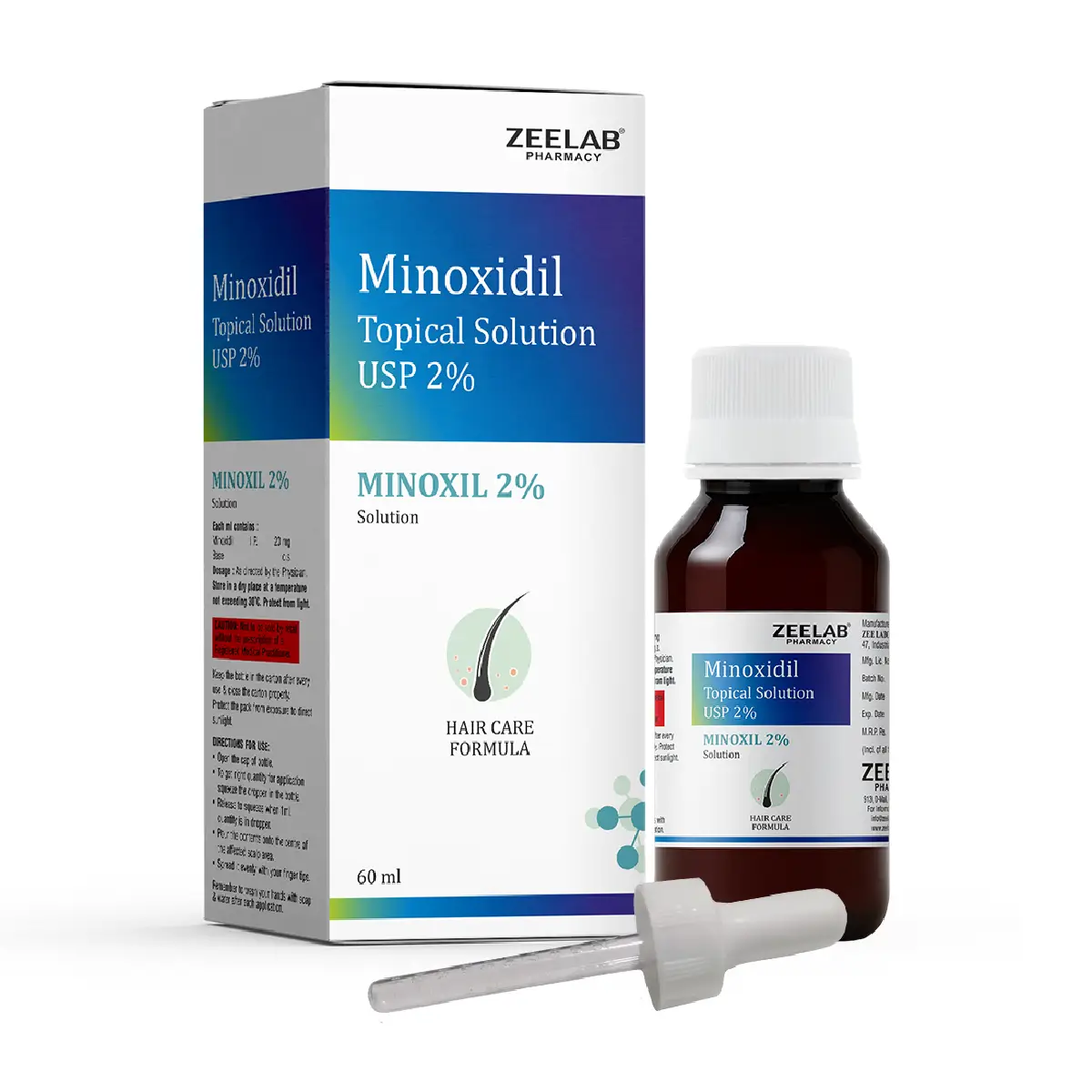
Minoxil 2% Solution is a dermatologist‑trusted, over‑the‑counter hair‑regrowth treatment containing minoxidil 20 mg/mL. Clinically proven to combat androgenetic alopecia in both men and women, this fast‑absorbing liquid re‑energises dormant follicles, reduces excess hair fall, and encourages visibly thicker strands within three to six months of regular use.
- Composition: Minoxidil (2% w/v) Solution
- What it does: What it does: Stimulates hair follicles to promote hair regrowth and slow down hair loss.
- How to use: 1 mL topically to the affected area twice daily, massage.
Also Read: Minoxidil 2% vs 5% vs 10%: Which Strength is Right for You?
Conclusion – Rosemary Oil or Minoxidil
Between rosemary oil and minoxidil, the hair and scalp goals, scalp sensitivity, and preference for home or medical treatments should be put into consideration. Rosemary oil is more natural and gentle, providing antioxidants and anti-inflammatory effects that promote scalp and hair growth.
It is recommended for beginners or those with scalps that are overly sensitive and aversive to chemicals. Minoxidil, on the other hand, is medically verified and effective for fast and dramatic hair regrowth and is recommended for moderate to severe hair loss.
However, for more effective outcomes, rosemary and minoxidil can be used together by applying them at the same time to improve scalp and hair circulation and the health and appearance of the hair.
Frequently Asked Questions
Q. Does rosemary oil work as well as minoxidil?
A. While rosemary oil can naturally improve hair growth, studies still suggest that minoxidil has a more significant effect on significant regrowth in a shorter period of time.
Q. Is it okay to mix rosemary oil with minoxidil?
A. Yes, you can safely apply rosemary oil with minoxidil, but always wait until the minoxidil is completely absorbed before using rosemary oil on the scalp.
Q. Can I use rosemary oil instead of minoxidil?
A. Rosemary oil may be considered an alternative in mild hair thinning, but it probably cannot match the clinical effectiveness of minoxidil for advanced hair loss.
Q. How long does each take to show hair regrowth results?
A. Minoxidil can show results in 3-6 months, while consistent use of rosemary oil usually takes longer, around 6-12 months.
Q. Can Rosemary Oil Replace Minoxidil?
A. For mild baldness, rosemary essential oil can serve as an alternative, while severe cases should use minoxidil for better results.
Q. Is rosemary oil safer than minoxidil?
A. Yes, rosemary essential oil is comparatively safer with fewer side effects, hence ideal for sensitive scalps or in the event of irritation caused by minoxidil application.
Q. Can I use rosemary oil daily with minoxidil?
A. Yes, you can use it daily, but you should use rosemary essential oil at a different time when you are using minoxidil.
Q. Which is more effective, minoxidil or rosemary oil?
A. Minoxidil can be considered an effective ingredient for increased and faster hair growth as compared to rosemary oil, which acts slowly.
Q. Are there side effects of rosemary oil compared to minoxidil?
A. Rosemary oil may irritate or itch slightly, but may cause minoxidil for possible dryness, redness, and sometimes facial hair in a few individuals.
Q. How should I apply rosemary oil for the best results?
A. Massage a few drops into the scalp, 3–4 times weekly. Leave for at least 30 minutes, and in conjunction with regular hair care, for the best results.
Recent Blogs






Disclaimer : Zeelab Pharmacy provides health information for knowledge only. Do not self-medicate. Always consult a qualified doctor before starting, stopping, or changing any medicine or treatment.


₹ 0
0
Items added
Quick Links
Categories
Our Policies

Our Socials


Subscribe

2026 Copyright By © Zeelab Pharmacy Private Limited. All Rights Reserved
Our Payment Partners

 Added!