

Minoxidil vs Finasteride: What’s the Difference & Which One Works Better for Hair Loss?
In current times, hair loss has become a very common concern among both men and women. Hair loss can be a slow, gradual process of thinning, widening part lines, or a retreating hairline. While some shedding is normal, ongoing hair fall can be linked to genetics, hormones, stress, nutritional deficiencies, or medical conditions.
Among the many treatment options available, minoxidil and finasteride are two of the most widely used and clinically studied therapies for pattern hair loss. Although both aim to slow hair thinning and encourage regrowth, they work in completely different ways.
In this blog, we are going to compare minoxidil and finasteride to help people with androgenetic alopecia understand how each treatment works, what results to expect, and which option may be better suited based on gender, stage of hair loss, and overall health considerations.
What is Minoxidil?
Minoxidil is a vasodilator originally developed for high blood pressure and now widely used to treat hair loss. It belongs to a class of medicines that improve blood flow, and when applied to the scalp, it helps stimulate hair follicles and prolong the hair growth (anagen) phase. This can slow thinning and support regrowth in people with pattern hair loss.
Minoxidil is available as:
- Topical solution (includes Minoxidil 2%, 5%, and 10%)
- Foam
- In some cases, low-dose oral tablets (needs medical supervision)
It is suitable for men and women experiencing androgenetic alopecia, especially in early to moderate stages, and for those looking for a non-hormonal treatment option.
Best Minoxidil Topical Product Recommendations from Zeelab Pharmacy
Choosing the right minoxidil formula can make a meaningful difference in managing pattern hair loss. Zeelab Pharmacy offers topical solutions in varying strengths to suit different scalp needs and treatment preferences.
|
Product |
Key Benefits |
|
Supports hair growth and reduces hair fall; improves scalp circulation to nourish follicles, suitable for early thinning and pattern hair loss. |
|
|
Higher strength for stronger stimulation of hair follicles; boosts regrowth and helps increase hair density in male pattern baldness. |
|
|
Maximum topical strength to enhance blood flow and support thicker, fuller hair with regular use, especially in moderate thinning. |
What is Finasteride?
Finasteride is a 5-alpha reductase inhibitor, a type of medication that impacts hormone function within the body. It works by reducing levels of dihydrotestosterone (DHT), a hormone strongly linked to shrinking hair follicles in pattern hair loss.
By lowering DHT, finasteride can act as a hair loss medication and also help slow hair thinning and, in some cases, promote regrowth.
Finasteride is most often found in the following forms:
- Oral tablet (Finastox 1 Tablets)
- Topical formulations (also used with a doctor’s prescription)
Finasteride is most often used in the treatment of male androgenetic alopecia, particularly in the case of progressive thinning at the top or front of the scalp. It is not generally used in women without a doctor’s prescription.
Minoxidil vs Finasteride: Key Differences
Both Finasteride and minoxidil are common in treating pattern hair loss, but they vary in their mechanisms of action, usage, and target patients.
|
Feature |
Minoxidil |
Finasteride |
|
Mechanism |
Increases blood flow to the hair follicles and extends the growth phase |
Blocks the conversion of testosterone to DHT, reducing follicle shrinkage |
|
Administration Route |
Topical solution or foam; low-dose oral form in select cases |
Primarily oral tablets; topical versions are also available |
|
Main Benefit |
Supports hair regrowth and thickening |
Mainly slows hair loss; may also promote regrowth |
|
Time to See Results |
Usually, 3-6 months of consistent use |
Maybe 3-6 months; requires continued use for maintained results |
|
Gender Suitability |
Men and women with pattern hair loss |
Mostly prescribed for men; limited use in women under supervision |
Side Effects of Minoxidil and Finasteride
Both are generally safe to use, but they have different side effect profiles depending on their mechanisms of action and uses.
Minoxidil is applied to the scalp, so side effects are usually local. Some people may experience:
- Itching
- Dryness
- Redness
- Temporary shedding of hair in the first few weeks.
- Unwanted facial hair growth can occur if the solution spreads beyond the scalp.
- It should be used carefully in people with scalp infections or sensitive skin.
Finasteride works internally and may cause systemic side effects in a small percentage of users, including:
- Loss of libido
- Erectile difficulties
- Mood changes
- It is not recommended for pregnant women or women who may become pregnant.
- Long-term use of either treatment should be guided by a healthcare professional.
Minoxidil vs Finasteride: Which Is Better for You?
There is no one-size-fits-all solution; the right choice depends on individual factors. Age, gender, and the pattern and stage of hair loss all influence treatment decisions. Minoxidil is a popular choice for both men and women and may be best for those who want a non-hormonal solution.
Finasteride is more typically used for men only, especially if hormonal influences are a strong consideration. In early androgenetic alopecia, either treatment may help slow progression and support regrowth.
In more advanced stages, expectations should be realistic, as fewer active follicles remain. Medical guidance is important to personalise treatment based on health history and hair loss severity.
Can Minoxidil and Finasteride Be Used Together?
Yes, minoxidil and finasteride are sometimes used together, as they work through different mechanisms. Minoxidil supports hair growth by stimulating follicles and improving the growth phase, while finasteride helps reduce hormone-related follicle shrinkage.
Using minoxidil with finasteride may provide a more comprehensive approach for managing pattern hair loss.
Combination therapy is often considered for individuals with ongoing thinning or those who have not achieved desired results with a single treatment. In early to moderate stages, this approach may help improve hair density and slow progression.
You can consider a doctor-recommended combination such as Minoxil F 5% Topical Solution, which delivers both ingredients in one topical formula for convenient, guided use for hair regrowth treatment. But it will be used under the supervision of a registered medical practitioner.
How to Use Minoxidil and Finasteride Correctly?
Proper use plays a major role in how well these treatments work.
Minoxidil is applied to a clean, dry scalp, usually twice daily. Spread it gently over thinning areas and let it dry fully. Regular use is important for maintaining results.
Finasteride is taken as a once-daily oral tablet, with or without food, as prescribed. Taking it at the same time each day improves consistency. For both treatments, stopping early may lead to renewed hair loss, so long-term use under medical supervision is typically recommended.
Also Read: When is the Best Time to Apply Minoxidil
Myths and Facts about Hair Loss Treatments
Hair loss treatments are often surrounded by confusion and unrealistic expectations. Understanding what’s true and what’s not can help set practical goals and improve treatment consistency. Here are some common myths and the facts behind them.
|
Myth |
Fact |
|
Hair loss treatments work instantly |
Visible results usually take several months of consistent use |
|
You can stop treatment once the hair regrows |
Stopping often leads to a gradual return of hair loss |
|
These treatments work the same for everyone |
Results vary based on age, genetics, and stage of hair loss |
|
Using more product speeds up regrowth |
Overuse does not improve results and may increase side effects |
When Should You See a Doctor for Hair Loss?
It is necessary to consult a doctor if the hair loss patterns are unusual or accompanied by other symptoms. This will enable the doctor to provide a proper diagnosis of the condition and treat it accordingly.
Consult a doctor if you notice:
- Sudden or rapid hair loss
- Patchy bald spots or uneven hair loss
- Redness, itching, pain, or scaling of the skin
- Excessive shedding after illness, stress, or new medications
- Hair loss along with fatigue, weight changes, or hormonal symptoms
- No improvement despite consistent treatment use
Early evaluation can prevent progression and rule out medical conditions that may require specific care.
Also Read: Is Hair Fall After 25 Normal? The Right Age to Start Minoxidil for Hair Regrowth
Conclusion
Hair loss can feel overwhelming, but understanding your options makes it easier to take control. Whether someone chooses finasteride or minoxidil, the key is selecting a plan that matches their hair loss pattern, stage, and overall health.
From topical solutions to oral therapies, today’s hair loss treatment for men and women offers multiple evidence-based approaches. Options like topical finasteride and minoxidil provide targeted support when used consistently under medical guidance.
With the right expectations and professional advice, finding the best hair regrowth treatment becomes a personalised journey toward healthier, fuller-looking hair.
Frequently Asked Questions (FAQs)
Ans.Minoxidil is a topical treatment that stimulates hair follicles to promote growth, while finasteride is an oral medication that reduces DHT hormone levels, helping slow hair loss caused by hormonal follicle shrinkage.
Ans.Minoxidil is commonly linked with visible hair regrowth, especially in thinning areas. Finasteride mainly slows further loss but may also support regrowth. Results vary based on individual response and stage of hair loss.
Ans.Minoxidil usually causes local scalp side effects like itching or dryness. Finasteride works internally and may cause hormonal side effects in some users. Safety depends on personal health, so medical guidance is recommended.
Ans.Finasteride is generally not recommended for women, especially those who are pregnant or may become pregnant. Some women may use it under strict medical supervision, but minoxidil is more commonly advised.
Ans.Results last only while treatment continues. Stopping either medication usually leads to gradual hair loss returning, as the underlying causes of pattern baldness remain active.
Ans.Minoxidil or finasteride must be used long-term to maintain results. Most people continue treatment for years, as stopping usually leads to gradual hair loss again within several months. Regular medical follow-up is advised.
Ans.Yes, minoxidil may cause scalp irritation, while finasteride may cause hormonal side effects like reduced libido in some men. Most people tolerate them well under medical supervision.
Ans.Both can be effective in the early stages. Minoxidil may help thicken thinning hair, while finasteride can slow progression. Early treatment often provides better outcomes than waiting until hair loss advances.
Ans.This combination is mainly recommended for men with androgenetic alopecia. Women may use it only under medical supervision, as finasteride is not routinely advised for female hair loss.
Ans.Yes, temporary shedding can happen in the first few weeks. This occurs as older hairs fall out to make way for new growth, and it usually settles with continued use.
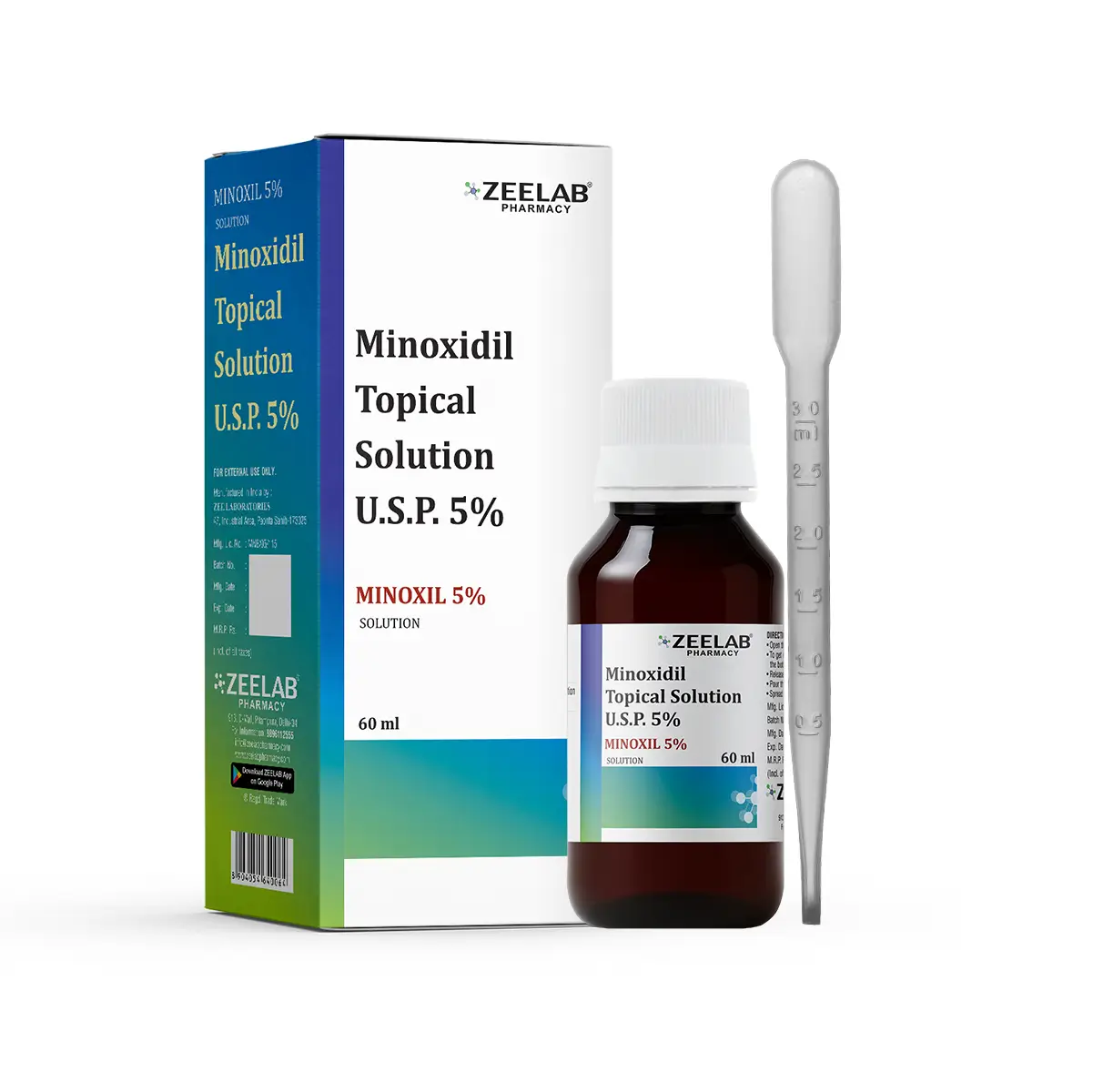
Minoxidil (5% W/V)
60ml In 1 Bottle
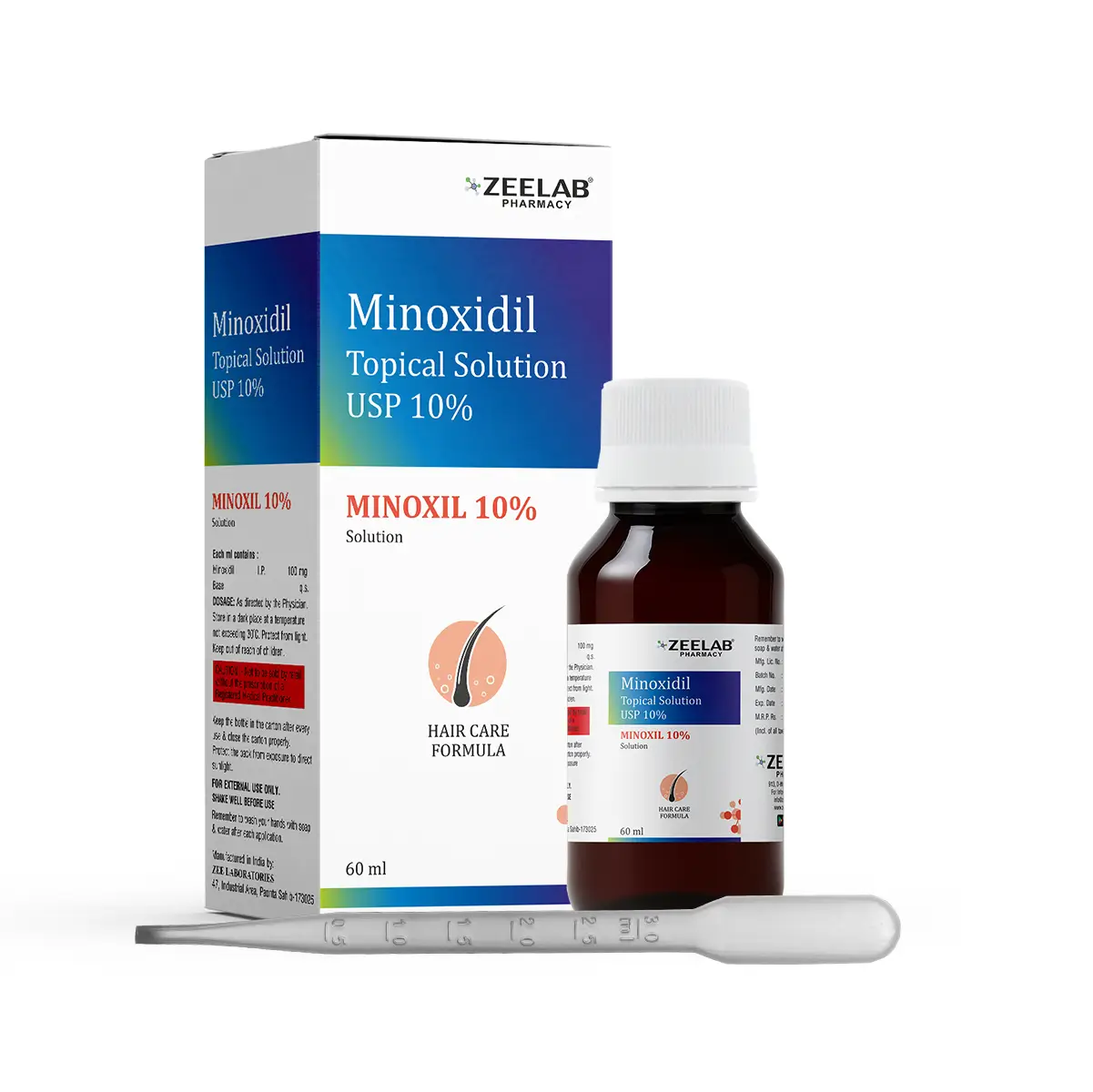
Minoxidil (10% w/v) Solution
60ml In 1 Bottle
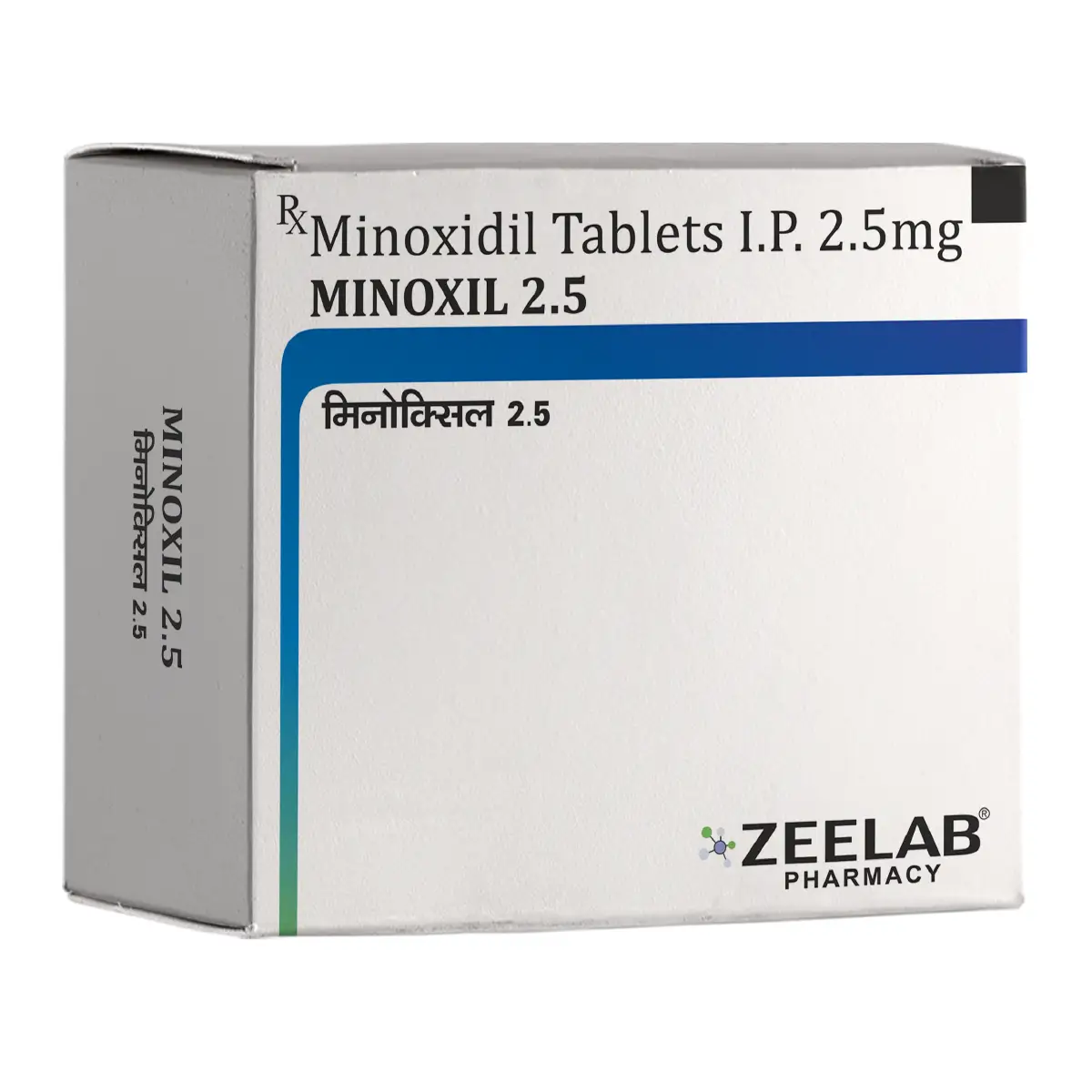
Minoxidil (2.5mg)
10 Tablets in 1 Strip
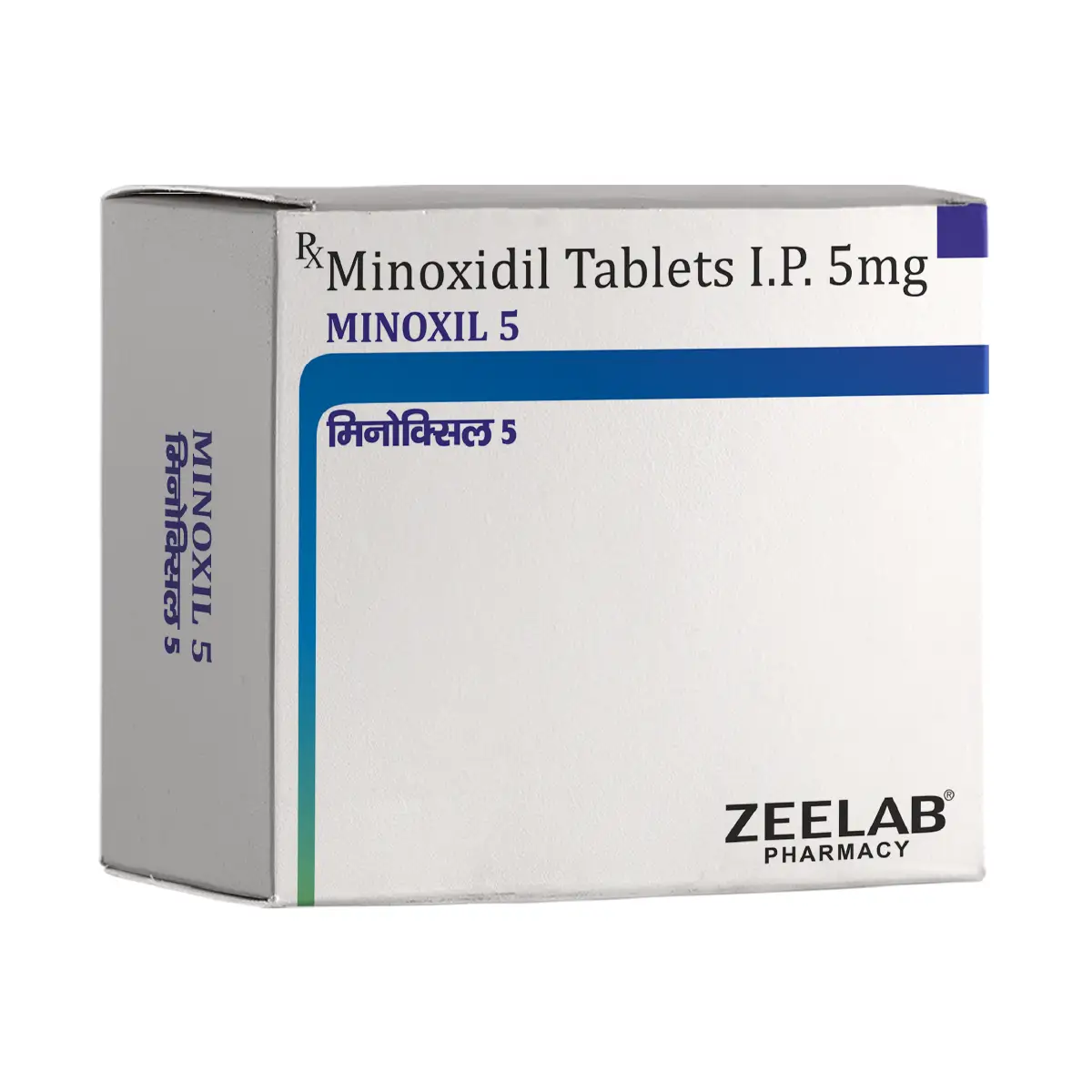
Minoxidil (5mg)
10 Tablets in 1 strip
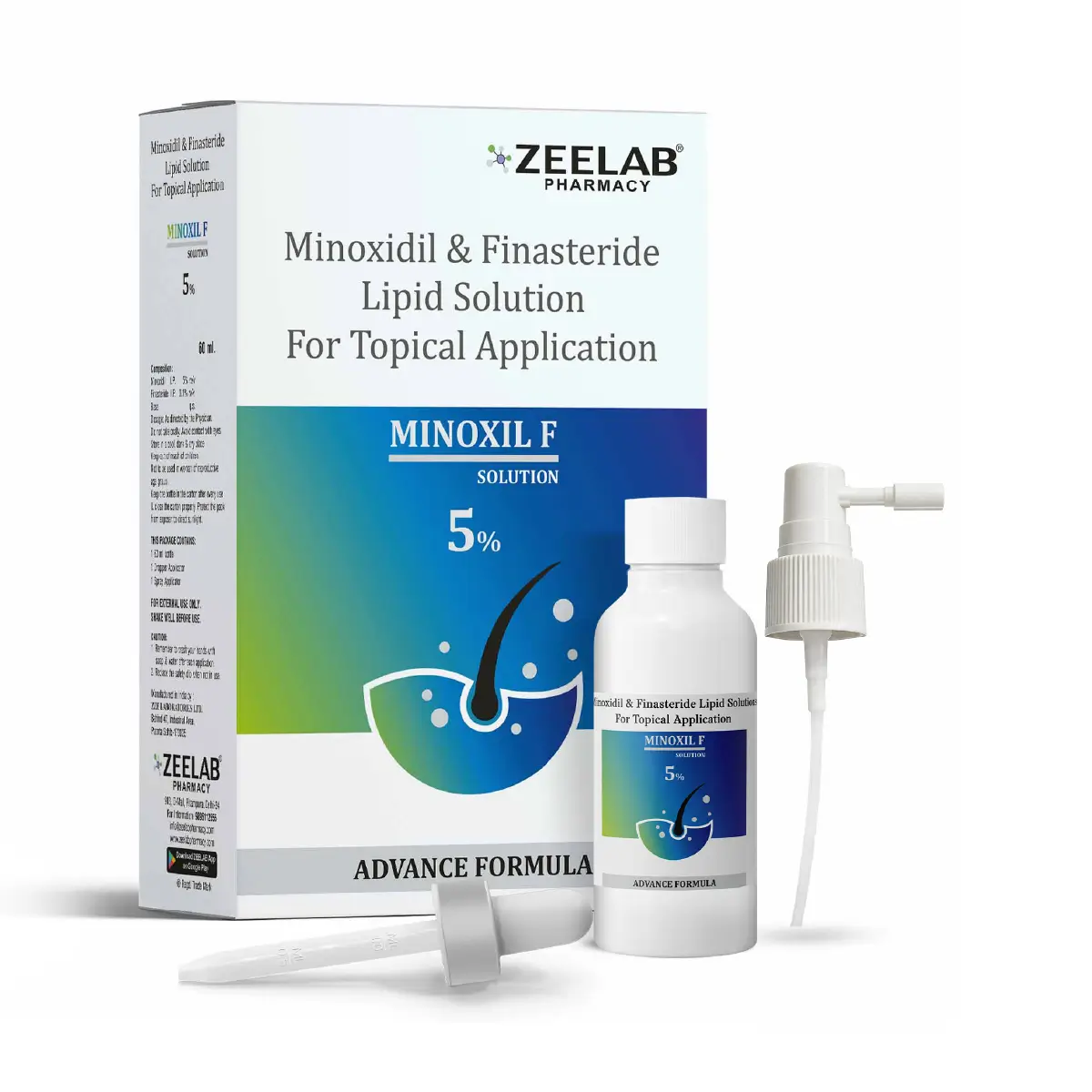
Minoxidil (5%) + Finasteride (0.1%)
60ml In 1 Bottle
Recent Blogs






Disclaimer : Zeelab Pharmacy provides health information for knowledge only. Do not self-medicate. Always consult a qualified doctor before starting, stopping, or changing any medicine or treatment.
Related Products


₹ 0
0
Items added
Quick Links
Categories
Our Policies

Our Socials


Subscribe

2026 Copyright By © Zeelab Pharmacy Private Limited. All Rights Reserved
Our Payment Partners

 Added!