

Best Fever Medicine for Kids in India | A Complete Guide for Parents
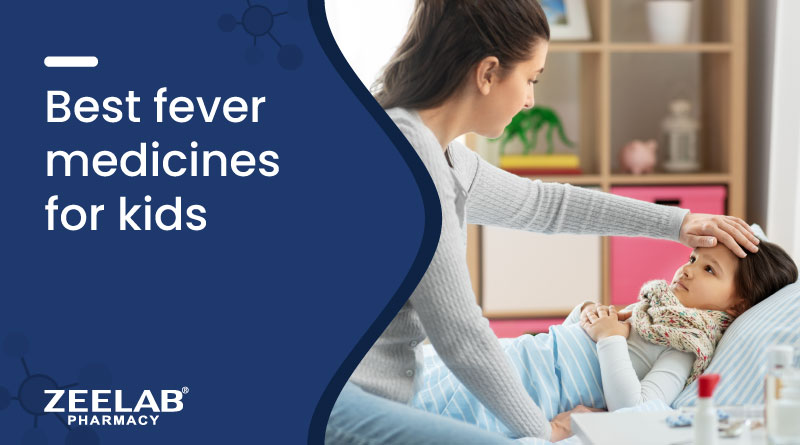
Fever in babies and children is common and often a normal response to infection. While fever itself is a protective mechanism, it requires careful monitoring and appropriate management.
Choosing the right fever medicine for children depends not only on the temperature reading but also on the child’s age, body weight, and overall symptoms to ensure safe and effective relief.
In this blog, we will discuss the causes of fever in kids, its treatment, and the commonly used medicines for kids in India, including paracetamol and ibuprofen, to help parents choose safe fever medicines for babies, toddlers, and children.
What is Fever in Children?
Fever is a temporary rise in body temperature and is usually a sign that the body is fighting an infection. In most children, a normal body temperature ranges between 36.5°C and 37.5°C (97.7°F to 99.5°F), though slight variations can occur depending on the time of day and the method used to measure it.
A body temperature of 38°C (100.4°F) or above is usually classified as a fever. In infants under 3 months, even a mild fever should be taken seriously and assessed by a doctor.
Toddlers and older children can often tolerate mild fevers, but the child’s behaviour, activity level, and other symptoms are just as important as the temperature reading.
Common Causes of Fever in Children
Fever in children is most commonly caused by viral or bacterial infections as the body’s natural response to fight germs. It can also occur after vaccinations, teething, or due to minor illnesses that usually settle on their own.
- Viral infections – colds, flu, or viral stomach infections
- Bacterial infections – ear infections, throat infections, or urinary infections
- Post-vaccination fever – a mild, short-term fever can occur as the body builds immunity.
Also Read: Antibiotic Syrup for Kids
How is Fever Different in Babies and Children?
Fever is more common in babies and children than in adults because their immune systems are still developing.
Growing kids are exposed to various new germs in daily environments, and fever is commonly the body’s way of building defence against infections. One more important factor is that their hygiene habits are still developing.
Normal Body Temperature Range by Age:
A child’s normal body temperature usually ranges between 36.5°C and 37.5°C, though it can vary slightly during the day. Babies and infants need closer attention even with mild fever, while older children generally tolerate small temperature rises better.
- Babies and infants: Usually 36.5°C to 37.5°C; even mild fever needs attention
- Older children: Similar range, but they often handle mild fever better
Also Read: Top Vitamins to Boost Immunity in Children
Is Fever Dangerous for Kids?
Not all fevers are harmful. Low to moderate fevers are very common and actually help the body get rid of the infection, while high-grade fevers require more attention.
Many parents are concerned that any fever is harmful to the child, but myths such as “fever always causes brain damage” are simply not true. It is the child’s condition that is more important than the fever, and not the fever itself.
When Should You Give Fever Medicine to a Child?
Fever medication is not required just because the thermometer reads a higher temperature. The primary aim of the treatment is to ensure that your child feels better, and not just to reduce the temperature to normal.
- Give medicine if your child is uncomfortable, irritable, in pain, not sleeping well, or refusing fluids.
- If your child has aches in the body, a headache, or a sore throat along with fever, kids' fever medicine can provide relief.
Which Fever Medicines Are Safe for Kids?
When treating fever in children, only certain medicines are considered safe and appropriate in case of children.
|
Medicine |
When It’s Used |
Age Group |
Key Safety Points |
|
Paracetamol (Acetaminophen) |
Helps lower fever and ease mild to moderate pain. |
Infants and children of most ages (with the correct dose) |
Gentle on the stomach; safe when given in proper weight-based doses |
|
Ibuprofen |
Fever with pain, inflammation, sore throat, earache, or body aches |
Usually, for children over 6 months |
Avoid if the child is dehydrated, vomiting often, has stomach ulcers, kidney problems, or if a doctor advises against it |
Important Note: Aspirin should never be given to children or teenagers with a fever. It is linked to Reye’s syndrome, a rare but serious condition affecting the liver and brain. Always use medicines made specifically for children and follow dosing instructions carefully.
Age-Wise Fever Medicine Guide for Kids
Treating fever in children requires extra care because medication safety and dosing change with age. Here’s a simple age-based guide for parents:
|
Age Group |
Guidelines |
|
Fever Medicine for Newborns (0–3 Months) |
Fever needs urgent medical care. Do not give any fever medicine unless prescribed. |
|
Fever Medicine for Babies (3–6 Months) |
Use medicines only with a doctor’s advice. Paracetamol drops/syrup may be recommended. Ibuprofen is usually avoided unless prescribed |
|
Fever Medicine for Babies (6–12 Months) |
Paracetamol is commonly used; Ibuprofen may be used in healthy babies over 6 months. Always use a proper measuring device |
|
Fever Medicine for Toddlers (1–3 Years) |
Paracetamol and ibuprofen are generally safe in correct doses. Avoid dosing mistakes like age-based guessing or frequent dosing |
|
Fever Medicine for Kids (4–12 Years) |
Syrups for children who can’t swallow, tablets or older kids should be prescribed by a doctor |
Fever Medicine Dosage for Kids – What Parents Must Know
Fever in children can be worrying for parents, but knowing the right fever medicine and correct dosage for your child’s age and weight is essential to ensure safe and effective relief while avoiding the risk of overdosing or side effects.
|
Age Group |
Paracetamol (Acetaminophen) |
Ibuprofen |
|
0–3 months |
Only if prescribed by a doctor |
Not recommended |
|
3–6 months |
10–15 mg per kg body weight per dose, every 4–6 hours |
Usually avoided unless advised by a doctor |
|
6–12 months |
10–15 mg/kg per dose, every 4–6 hours |
5–10 mg/kg per dose, every 6–8 hours (if well hydrated) |
|
1–3 years |
10–15 mg/kg per dose, every 4–6 hours |
5–10 mg/kg per dose, every 6–8 hours |
|
4–12 years |
10–15 mg/kg per dose, every 4–6 hours |
5–10 mg/kg per dose, every 6–8 hours |
Important: The dosage above is general guidance. Always follow your doctor’s advice or the medicine label, as individual needs may vary.
Best Medicines for Fever in Kids from Zeelab Pharmacy
Zeelab Pharmacy’s WHO-GMP-certified fever medicines for kids offer safe, dependable, and affordable treatment options tailored for effective fever management and everyday family healthcare.
Parazex XT Syrup
Parazex XT Syrup 60 ml is a child-friendly fever and pain relief syrup containing paracetamol, designed to lower high temperature and relieve mild pain safely in kids.
- Composition: Paracetamol (250mg/5ml)
- How it works: It blocks the chemicals that cause fever and discomfort, helping kids feel better.
- Suitable for: Infants and children
Parazex Pediatric Oral Suspension
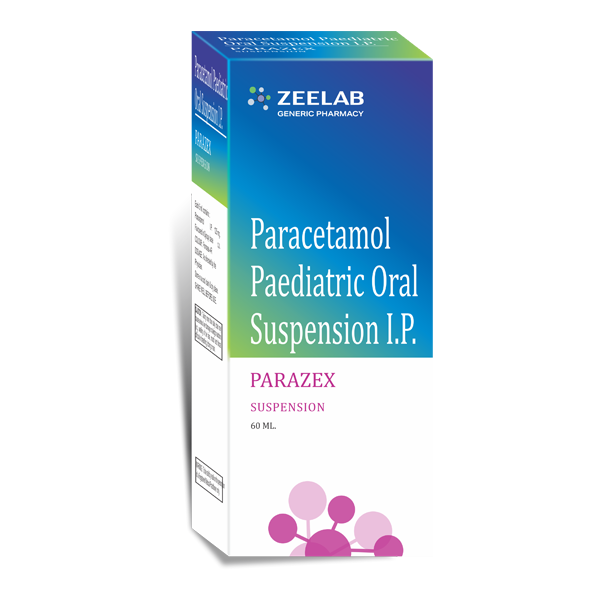
Parazex is a pediatric paracetamol oral suspension (125 mg/5 ml) used to relieve fever and mild to moderate pain in children by reducing pain signals and body temperature, helping them feel more comfortable when used as directed.
- Composition: Paracetamol (125mg)
- How it works: It uses paracetamol (125 mg per 5 ml) to block fever- and pain-causing chemicals.
- Suitable for: Babies and children from 3 months onwards
Ibuprol Plus Oral Suspension
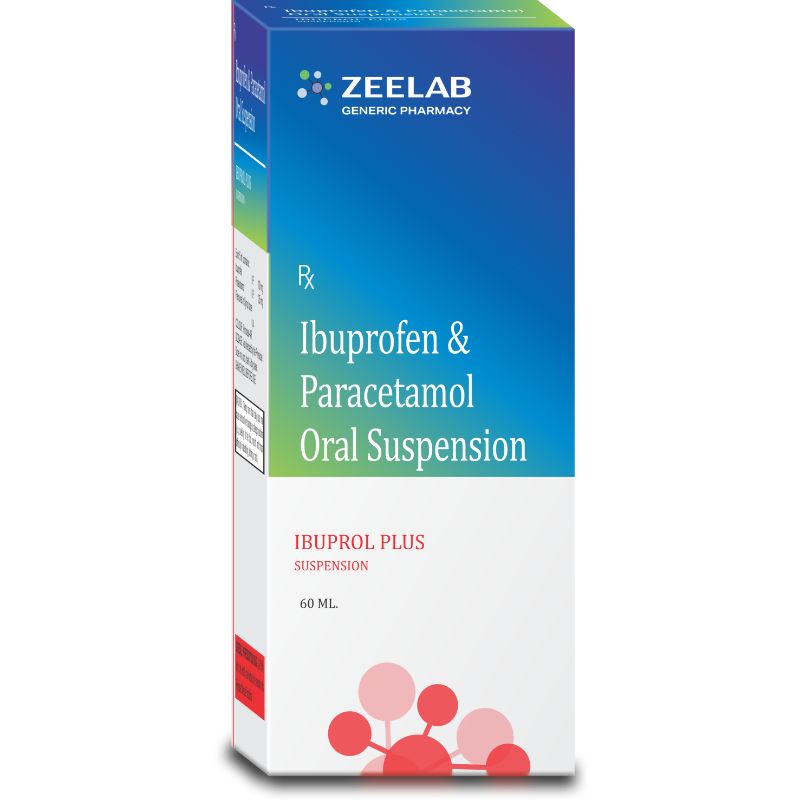
This paracetamol and ibuprofen fever medicine for kids is WHO-GMP-certified, which helps reduce fever and mild pain in a convenient syrup form for young ones.
- Composition: Ibuprofen (100mg) + Paracetamol (125mg)
- How it works: It blocks fever- and pain-causing chemicals, offering effective relief from discomfort and high temperatures.
- Suitable for: Children above 6 months
Syrup vs Tablet – What Is Better for Kids’ Fever?
When treating fever in children, choosing between a syrup or tablet form of medicine is important, as factors like the child’s age, ability to swallow, accurate dosing, and ease of administration play a key role in safe and effective fever management.
|
Syrup (Liquid) |
Tablet (Including Chewable) |
|
For babies, toddlers, and young children |
For older children who can swallow safely |
|
Easy to swallow |
It may be difficult for younger kids |
|
Allows precise weight-based dosing using a dropper/cup |
Fixed doses; may need splitting (only if doctor advises) |
|
Often flavoured for children |
Some tablets may taste bitter; chewables are flavoured |
|
Good for home use, but less portable |
Easy to carry for school-going kids |
|
When a child is too young to swallow tablets |
When a child can swallow well or needs a higher dose as advised by a doctor |
How Often Can Fever Medicine Be Given to Kids?
Knowing how often fever medicine can be given to children is essential for safe treatment, as dosing frequency depends on the child’s age, weight, and the specific medicine used, and giving doses too close together can increase the risk of side effects.
- Minimum gap between doses: Paracetamol is usually given every 4-6 hours and ibuprofen every 6-8 hours, as per doctor or label instructions.
- Do not mix medicines without advice: Alternating paracetamol and ibuprofen can cause dose confusion and overdose risk.
- If fever returns early: Do not give the same dose again; instead, keep the child comfortable and consult a doctor if necessary.
- Empty stomach or not: Paracetamol can be given with or without food; ibuprofen is better after food to avoid stomach upset.
Also Read: Fever Medicine for Adults
What to Do If Your Child’s Fever Is Not Going Down?
If your child’s fever doesn’t fall right after the medicine, don’t panic. Fever reducers can take 30-60 minutes to work, and temperatures may rise again while the body fights infection.
However, seek medical care if the fever lasts more than 2-3 days or your child seems very drowsy, has trouble breathing, persistent vomiting, seizures, or a rash.
Never increase the dose or give medicines too frequently, as this can be harmful.
Also Read: Best Foods for Dengue Fever Patients
Fever Medicines Parents Should Avoid Giving to Kids
Not all medicines that reduce fever are safe for children. Using the wrong product can be harmful, even if it works well for adults.
- Adult fever medicines should never be given to children, as they often contain higher doses or ingredients that are unsafe for young bodies.
- Antibiotics without a prescription should also be avoided; most fevers in kids are caused by viruses, and unnecessary antibiotics can cause side effects and resistance.
- Giving multiple fever medicines together without medical advice can lead to accidental overdose and serious complications.
- Parents should also avoid using old leftover medicines at home, as they may have expired, stored improperly, or are unsuitable for the child’s current age or weight.
When in doubt, always check with a healthcare professional before giving any medicine.
Also Read: Ayurvedic Medicine For Fever
Home Care Tips to Support Fever Recovery in Kids
- Offer frequent fluids like water, breast milk, formula, or oral rehydration solution to prevent dehydration.
- Dress your child in light, breathable clothing and keep the room comfortably cool.
- Encourage rest and quiet activities so the body can recover
- Give small, easy-to-digest meals if your child feels hungry
- Use a lukewarm sponge bath for comfort (avoid cold water or ice baths)
- Monitor urine output, activity level, and alertness, along with temperature
- Provide extra comfort and reassurance, as children may be clingy or irritable during a fever
When to See a Doctor for Your Child’s Fever?
While many fevers in children are mild and settle with home care, some situations need prompt medical attention. Trust your instincts; if your child looks very unwell, it’s always better to seek help. See a doctor urgently if your child has:
- Fever in a baby under 3 months
- Fever lasting more than 2–3 days
- Difficulty breathing or very fast breathing
- Persistent vomiting or refusal to drink fluids
- Unusual drowsiness, confusion, or trouble waking
- Seizures (fits) at any time
- A rash that doesn’t fade when pressed
- Signs of dehydration (very little urine, dry mouth, no tears)
Also Read: Best Foods for Fever Patients
Conclusion
Managing fever in children becomes less stressful when parents understand what’s safe and when to seek help. Most fevers are part of the body’s natural defence, and the focus should be on comfort, hydration, and correct dosing.
Options like paracetamol for kids' fever are commonly recommended when used properly, while choices such as a fever tablet for kids may suit older children under guidance.
Remember, there is no single best medicine for a child's fever for every situation, and fever medicine for a newborn baby should only be given with medical advice. When in doubt, always consult a doctor.
Also Read: Medicine For Typhoid Fever in India
Frequently Asked Questions
Q. What temperature is considered a fever in children?
A. A body temperature of 38°C (100.4°F) or higher is generally considered a fever in children. Always consider how your child looks and behaves, not just the thermometer reading.
Q. Which fever medicine is safest for kids?
A. Paracetamol is widely considered the safest first-choice fever medicine for children when given in the correct weight-based dose. It reduces fever and pain effectively and is gentle on the stomach when used as directed.
Q. Is ibuprofen safe for babies?
A. Ibuprofen can be safe for babies over six months old if they are well hydrated and healthy. It should be avoided in younger infants unless a doctor specifically recommends it.
Q. Should I wake my child to give fever medicine?
A. If your child is sleeping comfortably, you usually don’t need to wake them just to reduce a fever. Rest helps recovery. Give medicine when they wake if they seem uncomfortable or unwell.
Q. Do kids need antibiotics for a fever?
A. Most fevers in children are caused by viral infections, which do not need antibiotics. Antibiotics only work against bacterial infections and should be used only when prescribed by a doctor.
Q. What should I do if my child throws up fever medicine?
A. If your child vomits within 15 minutes of taking medicine, the dose may not have been absorbed. Contact a doctor before repeating it, especially if vomiting continues.
Q. How long does fever medicine take to work in children?
A. Fever medicines like paracetamol or ibuprofen usually start working within 30 to 60 minutes. The temperature may not return to normal immediately, but your child should start feeling more comfortable.
Q. Can I give adult fever tablets in a smaller dose to my child?
A. Adult tablets should not be given to children unless a doctor advises it. They may contain unsuitable strengths or ingredients, increasing the risk of incorrect dosing or harmful side effects.
Q. Can we give fever medicine to kids empty stomach?
A. Paracetamol can usually be given with or without food, as it’s gentle on the stomach. Ibuprofen, however, is better given after food or milk to reduce the risk of stomach irritation.
Q. How to reduce fever in kids without medicine?
A. Keep your child well hydrated, dress them in light clothing, and ensure plenty of rest. A lukewarm sponge bath may help comfort. Monitor activity and seek medical advice if symptoms worsen.
Ibuprofen (100mg) + Paracetamol (125mg)
60ml In 1 Bottle
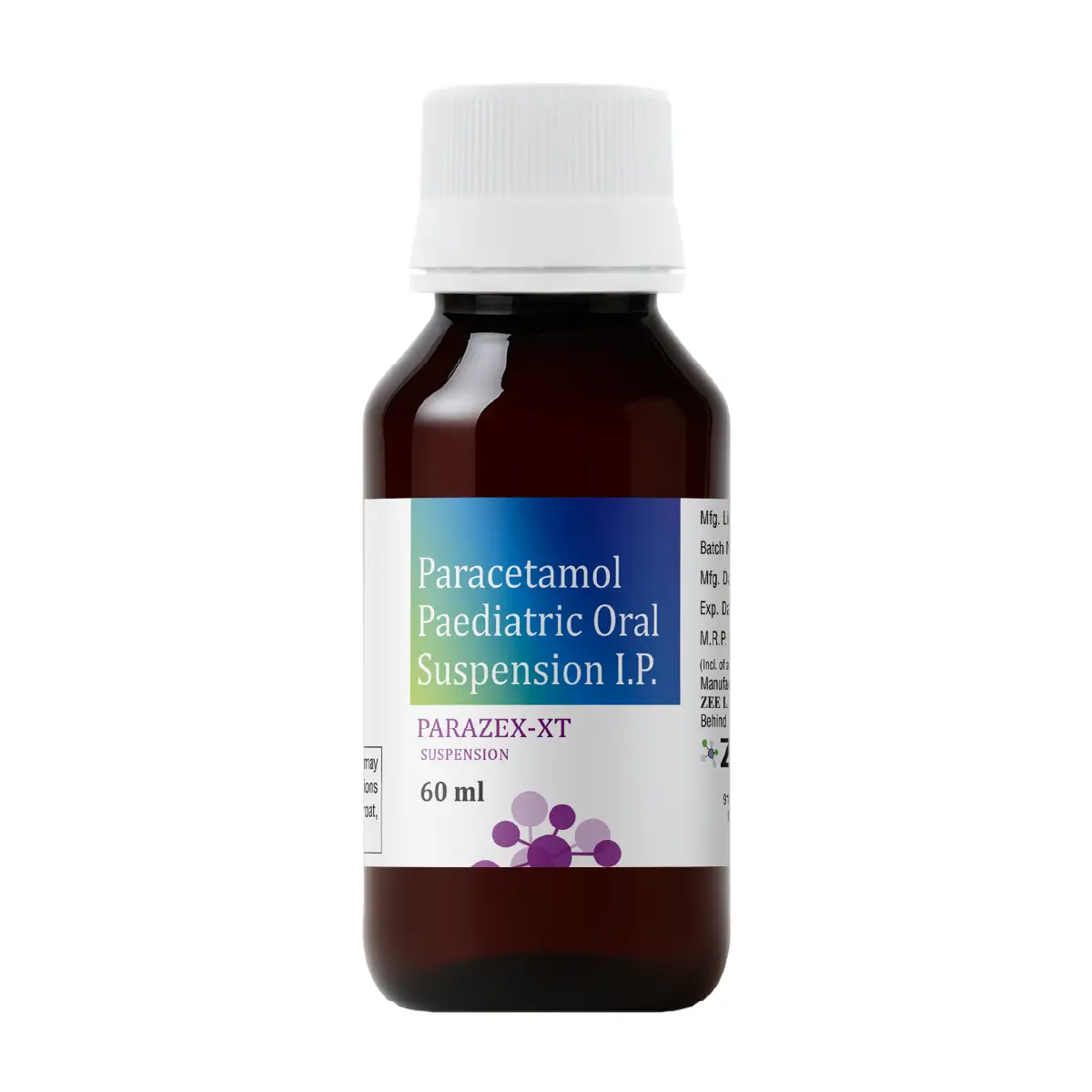
Paracetamol (250mg/5ml)
60ml In 1 Bottle
Recent Blogs






Disclaimer : Zeelab Pharmacy provides health information for knowledge only. Do not self-medicate. Always consult a qualified doctor before starting, stopping, or changing any medicine or treatment.
Related Products


₹ 0
0
Items added
Quick Links
Categories
Our Policies

Our Socials


Subscribe

2026 Copyright By © Zeelab Pharmacy Private Limited. All Rights Reserved
Our Payment Partners

 Added!