

Best Medicine for Fever in India: Fever Medicine Name List, Antibiotics & Complete Treatment Guide
Most of us often develop a fever from time to time. It is usually a sign that our immune system is responding or trying to fight an infection or some underlying condition.
During a fever, the body temperature rises from 98.6°F (37°C) to a higher temperature. Along with this, you may get chills, sweat more, headaches, body aches, or weakness.
Paracetamol and ibuprofen are the best medicines for fever. Both of these are helpful in lowering body temperature to a normal range through different mechanisms. These are commonly used fever medicines for adults.
Fever caused by bacterial infections is a special case in which normal fever reducers do not work. This is when the patient may need antibiotics like amoxicillin, azithromycin, or cefixime.
Read this blog to find which medicine might be helpful for you to reduce a fever and some general instructions you must keep in mind.
What is Fever?
Fever is a natural response of the body to infection, illness, or inflammation. A body temperature of 38°C (100.4°F) or higher is generally considered a fever.
This fever temperature can vary depending on the individual and how the temperature is measured.
This temperature rise is controlled by the brain’s temperature-regulating centre, which reacts when the immune system detects harmful germs such as viruses or bacteria.
Common Symptoms of Fever
The first sign that you have a fever is when your body feels warmer than usual and shivers. These fever symptoms may include:
- Increased body temperature
- Chills or shivering
- Sweating
- Headache
- Body or muscle aches
- Weakness or tiredness
- Reduced appetite
- Feeling unusually warm or cold
Common Causes of Fever
A fever is a sign that your body is fighting an infection. It's more like the body’s immune response in the following conditions:
- Viral infections (cold, flu, etc.), which can cause viral fever
- Bacterial infections
- Seasonal changes and external factors
- Inflammatory conditions
- Diseases like Malaria or Dengue
- Side effects of certain medicines and vaccines
Common Fever Medicine Names
To reduce a fever, we usually take common over-the-counter fever medicines or fever reducers like paracetamol, ibuprofen, aspirin, and naproxen.
These are some commonly used fever medicine options for relieving fever and associated discomfort.
A fever can make you uncomfortable as your body temperature rises, but you may still feel cold.
Choosing the best medicine for fever helps reduce this discomfort.
The following fever medicine names are commonly known for fever relief:
|
Medicine Name |
Used for |
|
Paracetamol |
Reducing fever and relieving mild-to-moderate pain |
|
Ibuprofen |
Commonly used for fever, pain and inflammation |
|
Aspirin |
Used for pain and fever in suitable adults |
|
Naproxen |
Relieves pain, inflammation and fever |
List of Best Tablets for Fever in India
Zeelab Pharmacy offers a range of effective and affordable fever medicines made with trusted generic formulations.
These fever tablets help reduce fever, relieve body pain, and manage associated symptoms like headache and inflammation.
Below are some commonly used fever tablet names available from Zeelab Pharmacy:
|
Tablet Name |
Composition |
|
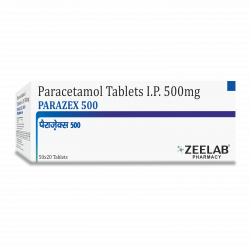
Parazex 500 |
Paracetamol (500 mg) |
|
Parazex XT 650 |
Paracetamol (650 mg) |
|
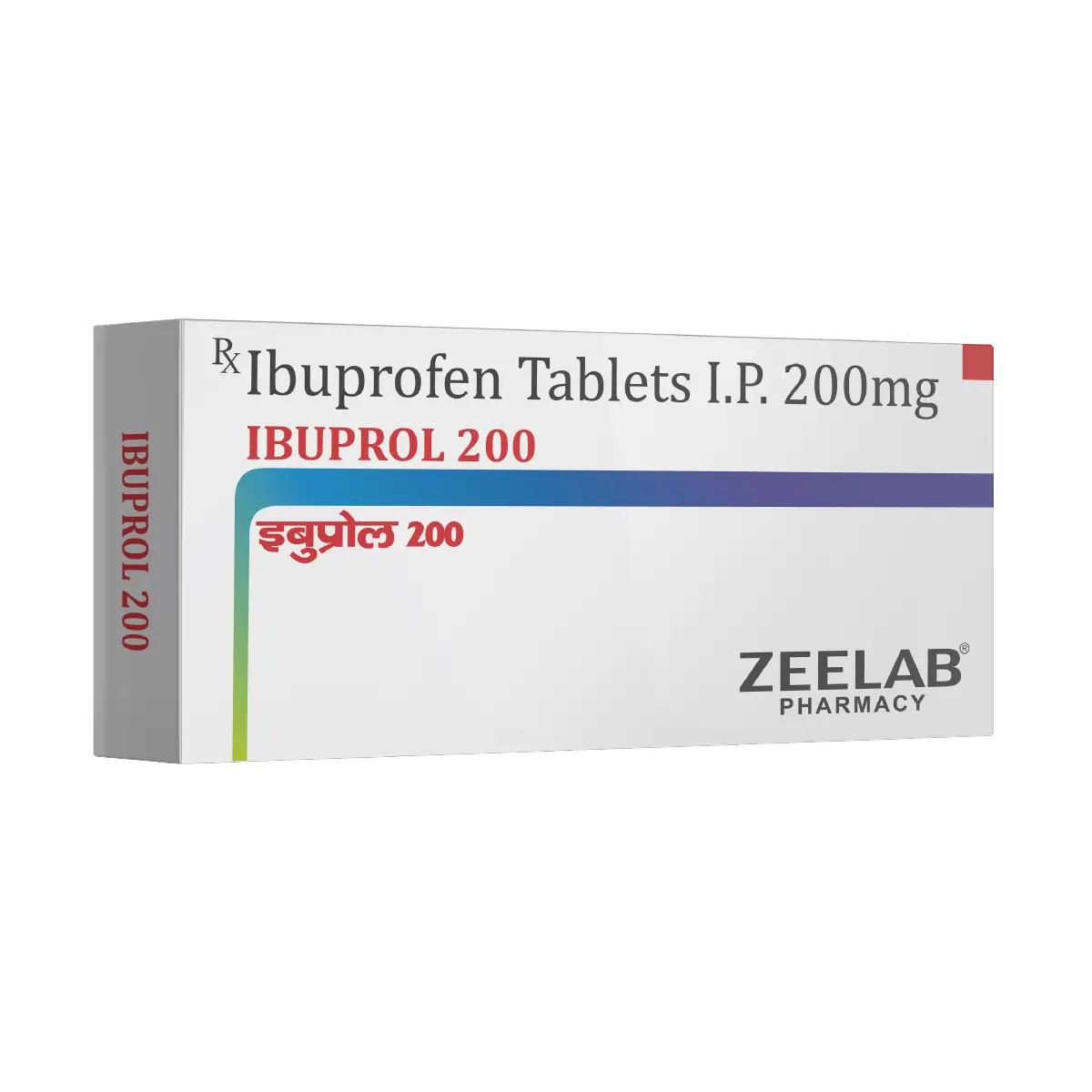
Ibuprol 200 |
Ibuprofen (200 mg) |
|
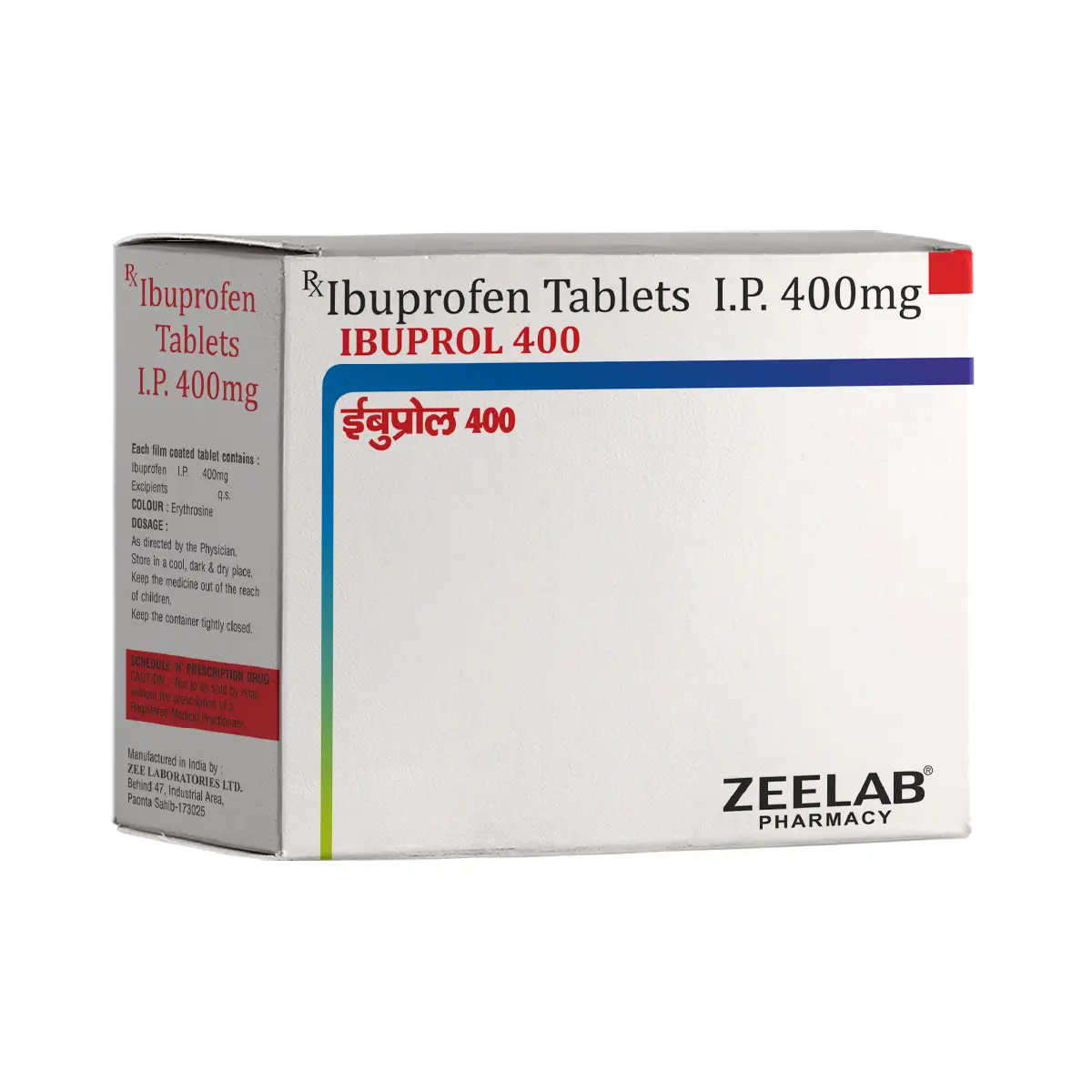
Ibuprol 400 |
Ibuprofen (400 mg) |
|
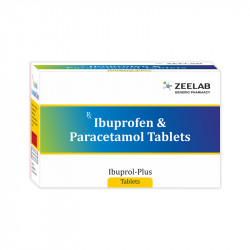
Ibuprol Plus |
Ibuprofen (400 mg) + Paracetamol (325 mg) |
Parazex 500 Tablet
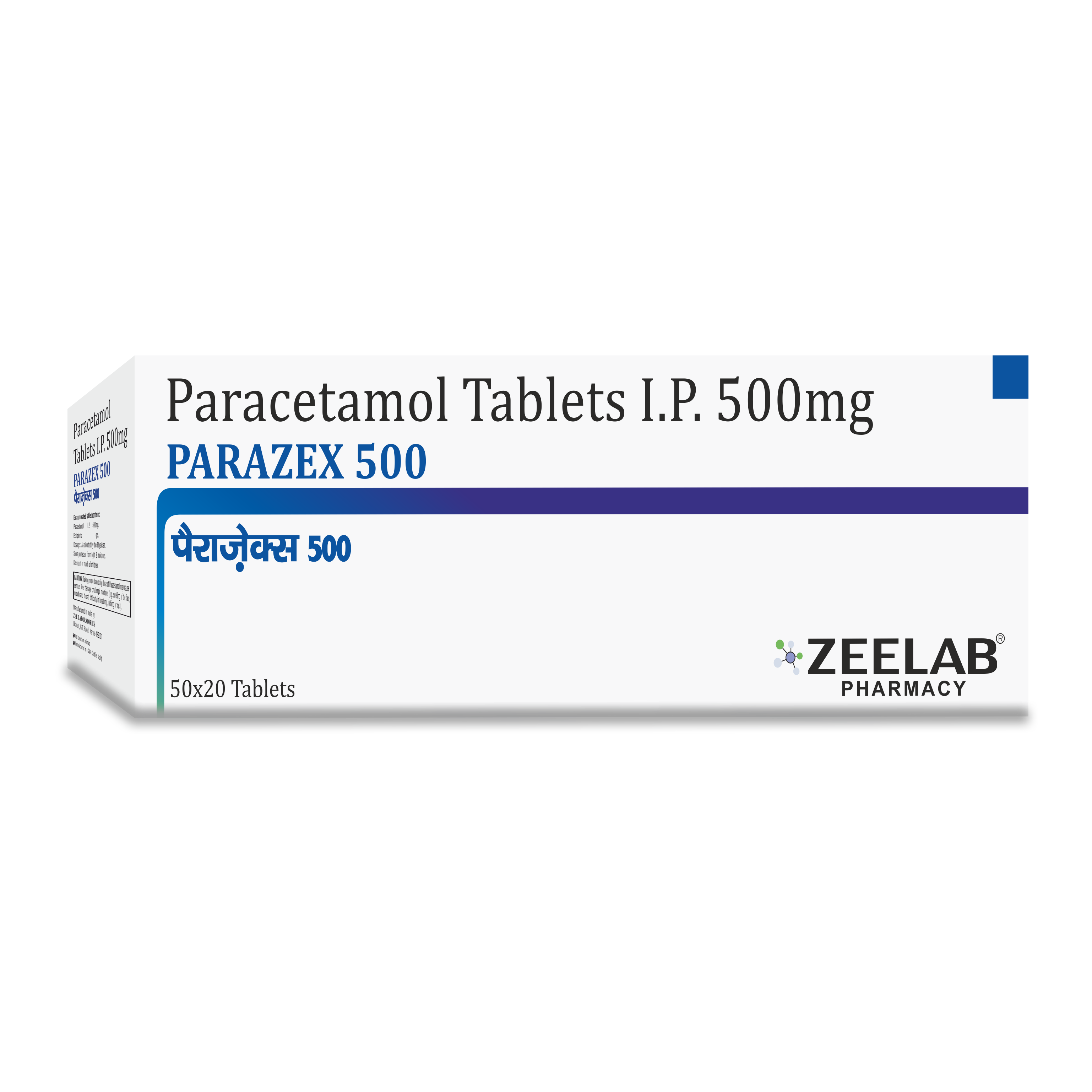
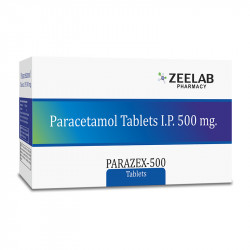
Parazex 500 is a commonly recommended fever tablet for adults. It contains 500 mg of paracetamol, an analgesic and antipyretic that works on fever- and pain-related pathways in the body.
- Composition: Paracetamol (500 mg)
- Benefits: Helps lower body temperature and relieve mild to moderate pain.
Parazex XT 650 Tablet
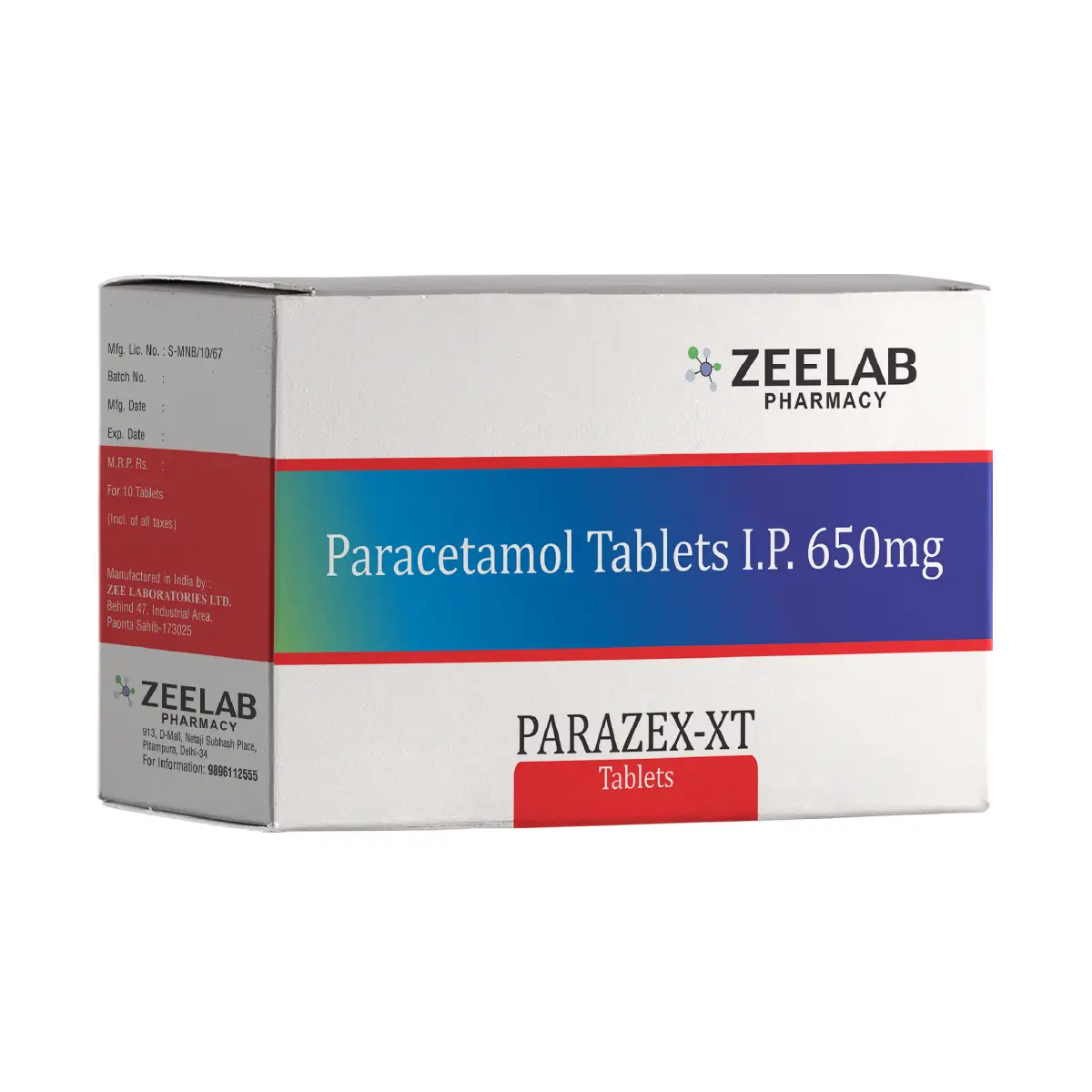
Parazex XT 650 is a higher-dose paracetamol fever tablet which helps break a fever. Paracetamol works to reduce signals to the brain that increase body temperature.
- Composition: Paracetamol (650 mg)
- Benefits: Helps bring down a fever and relieves mild to moderate pain.
Ibuprol 200 Tablet
Ibuprol 200 Tablet contains ibuprofen, which is an NSAID. It works to reduce pain, inflammation, and fever by blocking prostaglandins, which makes it a commonly used tablet for fever and body pain.
- Composition: Ibuprofen (200 mg)
- Benefits: Helpful in bringing down a fever and relieving mild to moderate pain.
Ibuprol 400 Tablet
Formulated with 400 mg of ibuprofen, Ibuprol 400 is an effective fever tablet that lowers prostaglandins, which cause high fever, intense pain, and inflammation in the body.
- Composition: Ibuprofen (400 mg)
- Benefits: Helps break down fever, pain, and inflammation.
Ibuprol Plus Tablet
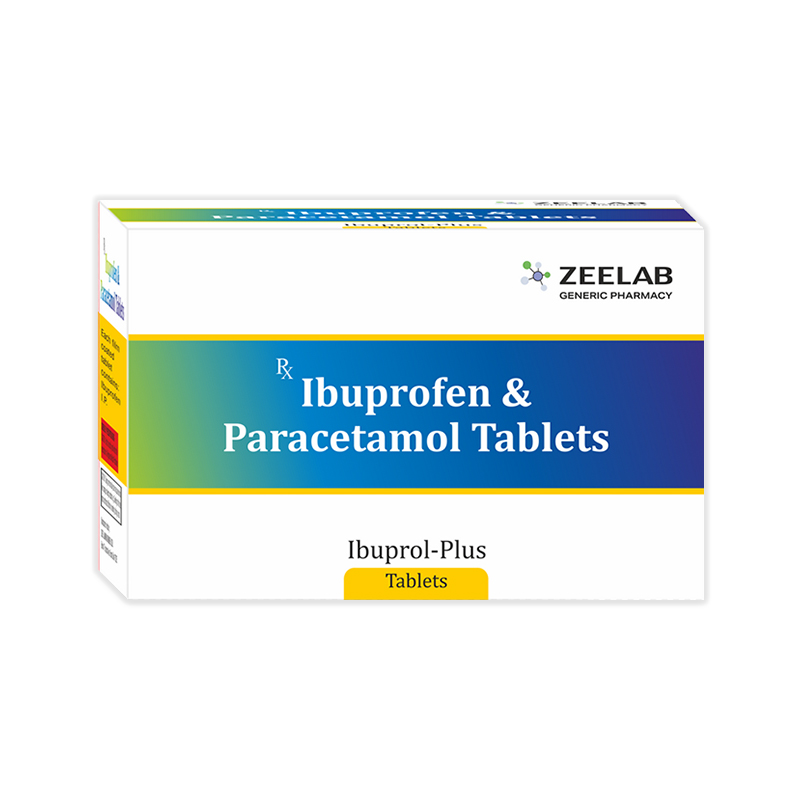
Ibuprol Plus is a much more effective fever and body pain tablet, as it has dual benefits of fever-reducing drugs such as ibuprofen and paracetamol. It ultimately helps break high fever along with body inflammation.
- Composition: Ibuprofen (400 mg) + Paracetamol (325 mg)
- Benefits: Helps reduce fever and relieve pain.
Do You Need Antibiotics for Fever?
Fever can also be caused by bacterial infections; regular fever medicines do not treat this underlying cause.
After a proper evaluation, a suitable antibiotic for fever is commonly prescribed to manage the underlying cause of the fever.
Conditions like strep throat, urinary tract infections (UTIs), bacterial pneumonia, or typhoid fever often lead to fever. Antibiotics are used not for directly reducing fever but to treat the infection.
Common antibiotics for fever caused by bacterial infections include:
- Amoxicillin
- Azithromycin
- Cefixime
- Doxycycline
- Levofloxacin
- Ciprofloxacin
- Metronidazole
Note: Please remember that taking an antibiotic for viral fever won’t be effective, as viruses are unaffected by these medicines. Also, antibiotics should only be taken when a doctor prescribes them in confirmed bacterial infection cases. Unnecessary use can cause side effects and antibiotic resistance.
Also Read: Ayurvedic Medicine For Fever
Possible Side Effects of Fever Medicine
It is safe to take fever medicine if you follow the doctor’s instructions correctly. It is still possible to see a few side effects in some people; common ones may include:
- Nausea or stomach discomfort
- Dizziness
- Headache
- Liver damage from overuse
- Skin reactions (rare)
- Bleeding issues
Who Should Be Careful When Taking Fever Medicine?
Some people need extra caution before taking medicine for high fever. Consider speaking with a doctor or pharmacist if you:
- Have liver or kidney disease
- Have a history of stomach ulcers or gastrointestinal bleeding
- Have heart disease or high blood pressure
- Take blood-thinning medicines or several other medicines
- Are pregnant or breastfeeding
- Are giving fever medicine to a child or an older adult
- Have previously experienced an allergic reaction to a painkiller
When Should You See a Doctor for Fever?
Most mild fevers can be managed with OTC fever medicine, but certain symptoms require medical attention. See a doctor if:
- Fever is very high or persistent.
- Fever lasts for several days, such as a fever lasting 3 days, or keeps returning.
- You experience difficulty breathing or chest pain.
- There is a severe headache, confusion, fainting, or unusual drowsiness.
- You develop a severe rash or stiff neck.
- Persistent vomiting or signs of dehydration occur.
- Fever occurs in a very young child or a person with significant underlying illness.
- You suspect illnesses such as dengue or malaria.
Conclusion
Fever is a common health condition and, in most cases, can be managed safely with the right approach.
Understanding the cause of fever, choosing appropriate fever medicines, and using them responsibly can help reduce discomfort and support faster recovery.
In India, Paracetamol and ibuprofen are the best medicines for fever, but they should always be taken in the correct dose and according to individual health needs.
Along with medication, proper rest, hydration, and home care are equally important. If fever is persistent, severe, or accompanied by unusual symptoms, consulting a doctor becomes necessary for safety and effective treatment on time.
Frequently Asked Questions (FAQs)
Ans.Paracetamol and ibuprofen are commonly used fever medicines and fever reducers for adults. The right choice depends on your health condition, symptoms, and medical advice.
Ans.A temperature around 103°F (39.4°C) or higher is generally considered a high fever in adults and may require medical evaluation.
Ans.No. 101°F (38.3°C) is generally considered a mild-to-moderate fever in adults, rather than a high fever.
Ans.Drink plenty of fluids, rest, wear comfortable clothing, and use an appropriate fever-reducing drug according to its label or medical advice.
Ans.Yes, many mild fevers resolve on their own as the underlying illness improves. Rest, adequate fluids, and monitoring can support recovery.
Ans.Yes, ibuprofen can reduce fever while also helping relieve associated pain and inflammation when used appropriately.
Ans.Yes. Medicines such as paracetamol and ibuprofen can help reduce fever while relieving associated headaches, muscle aches, and body pain.
Ans.Ibuprofen and paracetamol may sometimes be taken together, but check with a healthcare professional to ensure the combination is appropriate for you.
Ans.There is no single best antibiotic for fever. Antibiotics treat certain bacterial infections, not fever itself, and require appropriate medical evaluation.
Ans.Symptoms alone cannot help in identifying viral from bacterial fever. A healthcare professional may conduct a proper checkup, review medical history, or order tests to determine the cause.
Ans.Fever duration varies with its cause. Many infection-related fevers improve within several days, while persistent or worsening fever needs medical evaluation.
Ans.A falling temperature, reduced chills and sweating, improved energy, better appetite, and gradual relief from other symptoms can indicate recovery.
Ans.Fever medicine temporarily reduces temperature but may not treat its underlying cause. Recurring fever can have several causes and may require medical evaluation.
Ans.Seek medical advice for persistent or very high fever, difficulty breathing, confusion, severe headache, dehydration, rash, or symptoms that are worsening.
Paracetamol (650mg)
10 Tablets In 1 Strip
Ibuprofen (400mg) + Paracetamol (325mg)
10 Tablets In 1 Strip
Paracetamol (500mg)
20 tablets in 1 strip
Ibuprofen (400mg)
10 Tablets In 1 Strip
Ibuprofen (200mg)
10 Tablets In 1 Strip
References
- https://www.nhs.uk/symptoms/fever-in-adults/
- https://www.nhs.uk/medicines/paracetamol-for-adults/
- https://pmc.ncbi.nlm.nih.gov/articles/PMC2083239/
- https://www.nhs.uk/symptoms/fever-in-children/
- https://www.gloshospitals.nhs.uk/your-visit/patient-information-leaflets/fever-advice-children-and-young-people/
Recent Blogs






Disclaimer : Zeelab Pharmacy provides health information for knowledge only. Do not self-medicate. Always consult a qualified doctor before starting, stopping, or changing any medicine or treatment.
Related Products


₹ 0
0
Items added
Quick Links
Categories
Our Policies

Our Socials


Subscribe

2026 Copyright By © Zeelab Pharmacy Private Limited. All Rights Reserved
Our Payment Partners

 Added!