

Best Thyroid Medicines in India: Names, Dosage, Uses & Side Effects

Thyroid disorders are common hormonal conditions that develop when the thyroid gland produces either an excess or an insufficient amount of thyroid hormones, affecting the body’s normal metabolic functions.
You probably know that the thyroid is a butterfly-shaped gland located in the neck and helps to regulate the body's metabolism, energy, body temperature, and many other important body functions.
When its hormone balance is disturbed, it may lead to symptoms such as fatigue, weight changes, hair loss, mood swings, and irregular heartbeat.
Thyroid medicines can help restore this hormonal balance by either replacing the missing thyroid hormone or reducing the excess production of hormones in the body.
With proper medication and regular monitoring, thyroid disorders can usually be managed effectively.
In this blog, we'll break down what the thyroid is, its types, the common thyroid treatment medicines prescribed by doctors in India, with dosage, side effects, and much more.
What is Thyroid Disease?
Thyroid disease refers to a condition where the thyroid gland in your neck does not produce the right amount of thyroid hormone, either too little or too much. The function of the thyroid hormone is to regulate the body’s metabolism, energy levels, body temperature, and heart function.
The two hormones produced by the gland are T3 (triiodothyronine) and T4 (thyroxine), which regulate the metabolism of energy in the body.
While another hormone, TSH (thyroid-stimulating hormone), produced by the Pituitary gland, controls their production.
When this balance is disrupted, it may cause disorders like hypothyroidism (low hormone levels) or hyperthyroidism (excess hormone levels).
In such situations, thyroid medications may be necessary to regulate hormone levels and ensure proper bodily functions.
Types of Thyroid Disorders
Thyroid disorders mainly occur when the thyroid gland produces either too little or too much hormone, leading to Hypothyroidism or Hyperthyroidism, respectively.
However, several specific conditions can affect the thyroid gland and alter its function. Below are the main types of thyroid disorders:
Hypothyroidism (Underactive Thyroid)
Hypothyroidism occurs when the thyroid gland does not produce enough thyroid hormones (T3 and T4).
If a person is suffering from hypothyroidism, many of their body functions may slow down and may cause symptoms such as fatigue, weight gain, dry skin, hair thinning, constipation, and sensitivity to cold.
The causes of hypothyroidism include:
- Hashimoto’s thyroiditis
- Iodine deficiency
- Thyroid surgery
- Certain medications
- Radiation therapy
Treatment usually involves thyroid hormone replacement therapy, which helps restore normal hormone levels.
Hyperthyroidism (Overactive Thyroid)
Hyperthyroidism is a condition characterised by excessive production of thyroid hormones, which accelerate metabolic activity.
The symptoms of hyperthyroidism may include weight loss, rapid heart rate, anxiety, sweating, shaking, and heat intolerance.
This condition is often caused by:
- Graves’ disease
- Thyroid nodules
- Thyroid inflammation
- Too much iodine consumption
The treatment for hyperthyroidism aims to decrease thyroid hormone production in the body.
Some of the commonly used Hyperthyroidism medicines are Methimazole, Propylthiouracil (PTU), and Beta-blockers like Propranolol.
Symptoms of Thyroid Disorders
Thyroid disorders can cause a wide range of symptoms because the thyroid hormones regulate many important body functions, including metabolism, energy levels, heart rate, and temperature.
When hormone levels become too high or too low, it may lead to noticeable physical and mental health changes.
|
Symptoms of Hypothyroidism |
Symptoms of Hyperthyroidism |
|
Fatigue and low energy |
Rapid heartbeat (palpitations) |
|
Unexplained weight gain |
Unintentional weight loss |
|
Feeling cold easily |
Excess sweating or heat intolerance |
|
Dry skin and hair loss |
Thin skin and hair thinning |
|
Constipation |
Frequent bowel movements |
|
Depression or low mood |
Anxiety and irritability |
|
Slow heart rate |
Tremors in hands |
|
Puffy face and swelling |
Bulging eyes (in some cases) |
|
Irregular or heavy menstrual periods |
Light or irregular menstrual periods |
|
Memory problems or slow thinking |
Nervousness and difficulty sleeping |
Causes of Thyroid Problems
Thyroid disorders can develop due to several factors that affect the normal functioning of the thyroid gland. Common causes include:
- Autoimmune disorders such as Hashimoto's Thyroiditis and Graves' Disease
- Iodine imbalance (too little or too much iodine in the diet)
- Inflammation of the thyroid gland, such as Thyroiditis
- Thyroid nodules or goiter affecting normal hormone production
- Genetic or family history of thyroid disease
- Certain medications that affect thyroid function
- Radiation exposure to the neck or thyroid gland
Thyroid Test: When Should You Take It?
You cannot simply take medicine for the thyroid problem, just because you suspect that you are suffering from the thyroid problem.
If you see symptoms, you should consult a doctor, and he will ask for a blood test in the morning to check the level of thyroid hormone present in your body.
Taking the medicine before the test may temporarily affect thyroid hormone levels, which can influence the accuracy of the results.
Always follow your doctor’s specific instructions, as testing guidelines may vary depending on your treatment plan and the type of thyroid test being performed.
|
Situation |
What to Do |
Reason |
|
Suspecting a thyroid problem |
Consult a doctor before taking any thyroid medicine |
Self-medication may lead to incorrect treatment and health risks |
|
First-time thyroid test |
Usually done in the morning before starting medicine |
Helps measure the natural level of thyroid hormones in the body |
|
Taking thyroid medicine before the test |
Generally, avoid taking medicine before the blood test unless instructed |
The medicine may temporarily alter thyroid hormone levels and affect test accuracy |
|
On regular thyroid treatment |
Follow your doctor’s instructions regarding medicine timing before the test |
Testing guidelines may vary depending on the treatment plan |
|
After test |
Take thyroid medicine as prescribed by your doctor |
Ensures proper management of thyroid hormone levels |
Best Thyroid Medicines Available in India from Zeelab Pharmacy
Here are some of the best thyroid medicines available in India, which are commonly prescribed by doctors to treat thyroid hormone imbalance in the body.
Medicines for Hypothyroidism
Hypothyroidism medicines typically replace the thyroid hormones that the body cannot produce in adequate quantities. The treatment for hypothyroidism is a long-term process.
|
Medicine |
Mechanism of Action |
Usual Dosage Range |
|
Thyroxine/Levothyroxine |
A synthetic form of the T4 hormone that converts into active T3 in the body to restore normal thyroid hormone levels. |
Between 25 and 150 mcg once daily |
|
Liothyronine |
Synthetic form of the T3 hormone that directly increases thyroid hormone activity in the body |
Ranges from 5-25 mcg per day |
Note: Dosage may vary depending on age, medical history, and severity of the condition. Always follow a doctor’s prescription for safe and effective treatment.
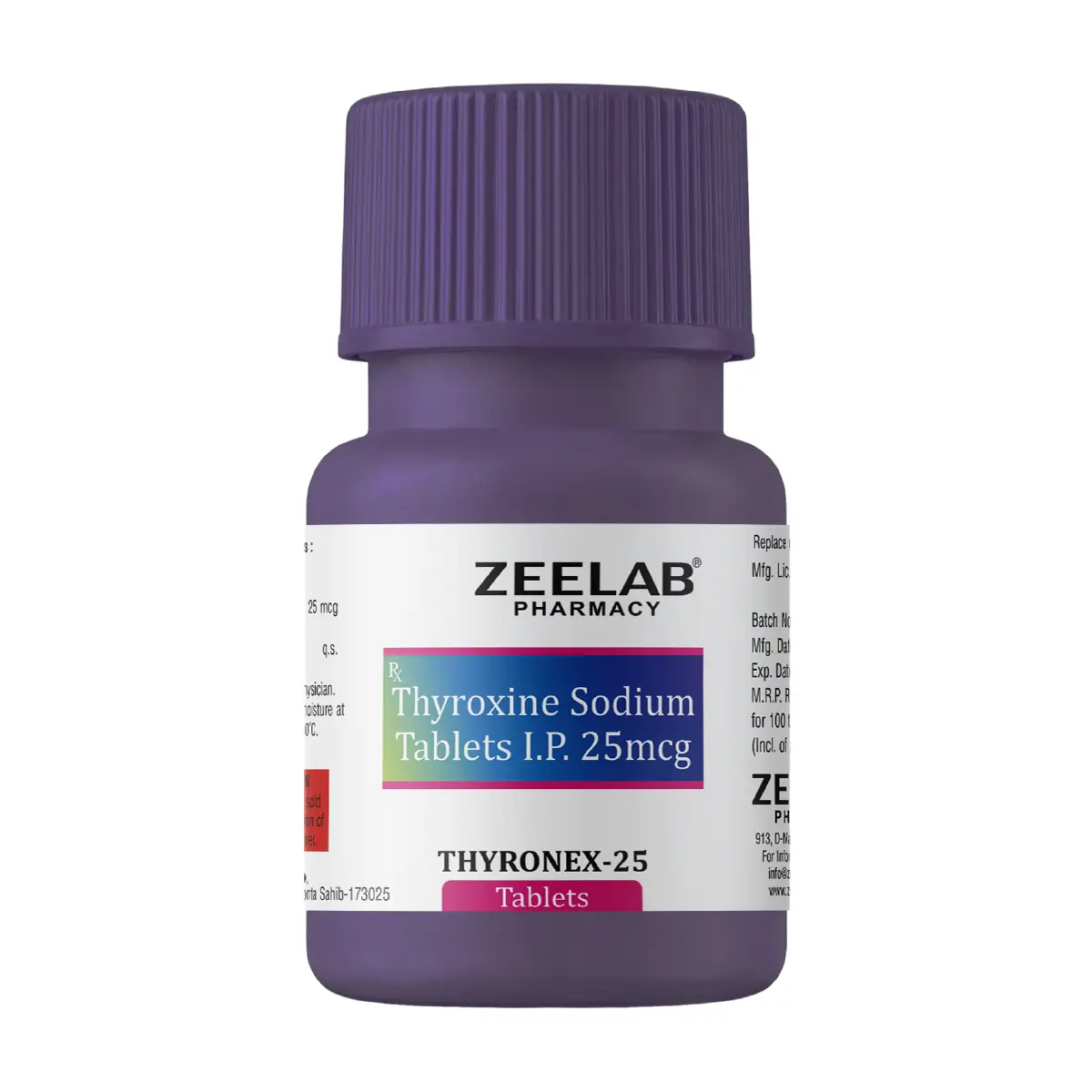
Thyronex 25 Tablet
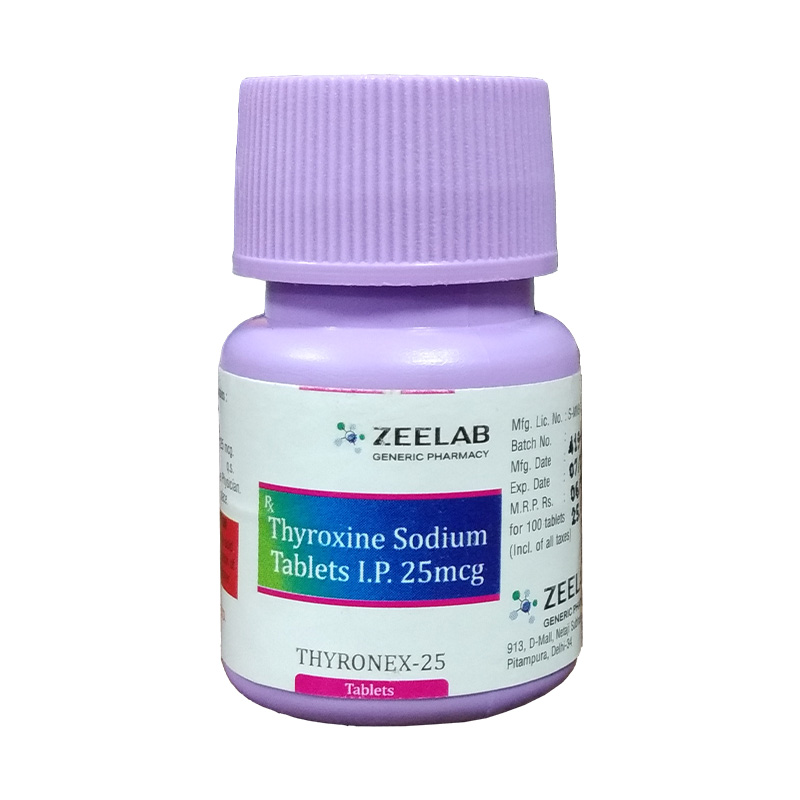
Thyronex 25 tablet containing thyroxine sodium helps replace missing thyroid hormone and supports normal metabolism in patients with hypothyroidism.
- Composition: Thyroxine (25mcg)
- Benefits: Restores thyroid hormone levels and supports metabolism, energy, and symptom control.
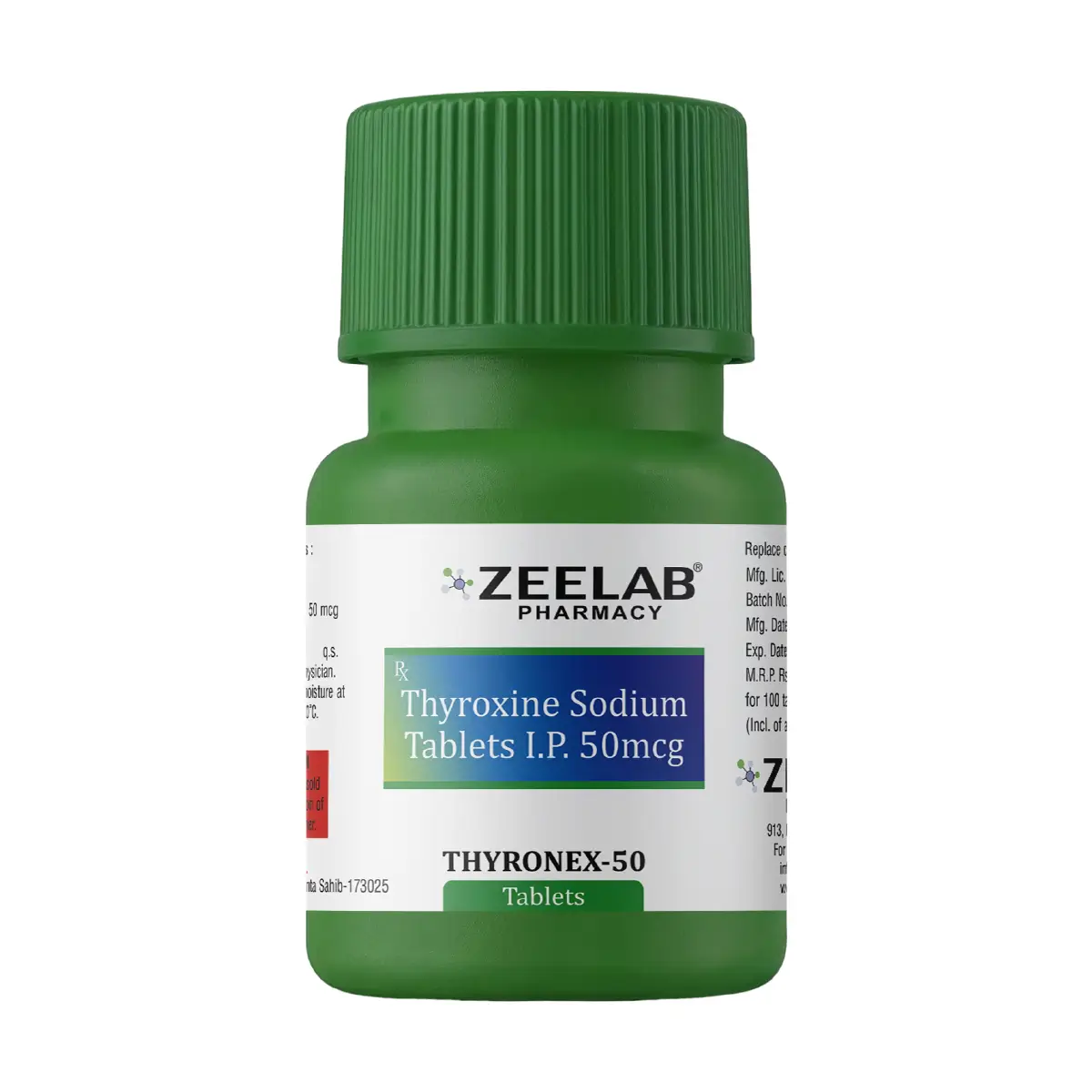
Thyronex 50 Tablet
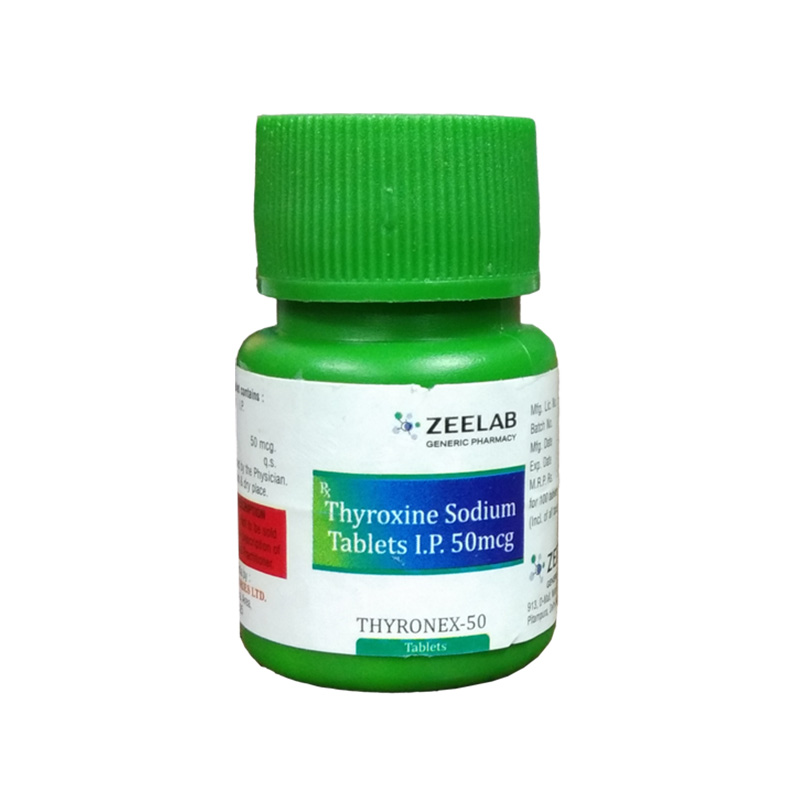
Thyronex 50 is a Thyroid medicine containing 50 mcg of thyroxine sodium that helps replace missing thyroid hormone and supports normal metabolism in people with hypothyroidism.
- Composition: Thyroxine (50mcg)
- Benefits: Helps restore thyroid hormone levels and supports metabolism and energy balance.
Thyronex 100 Tablet

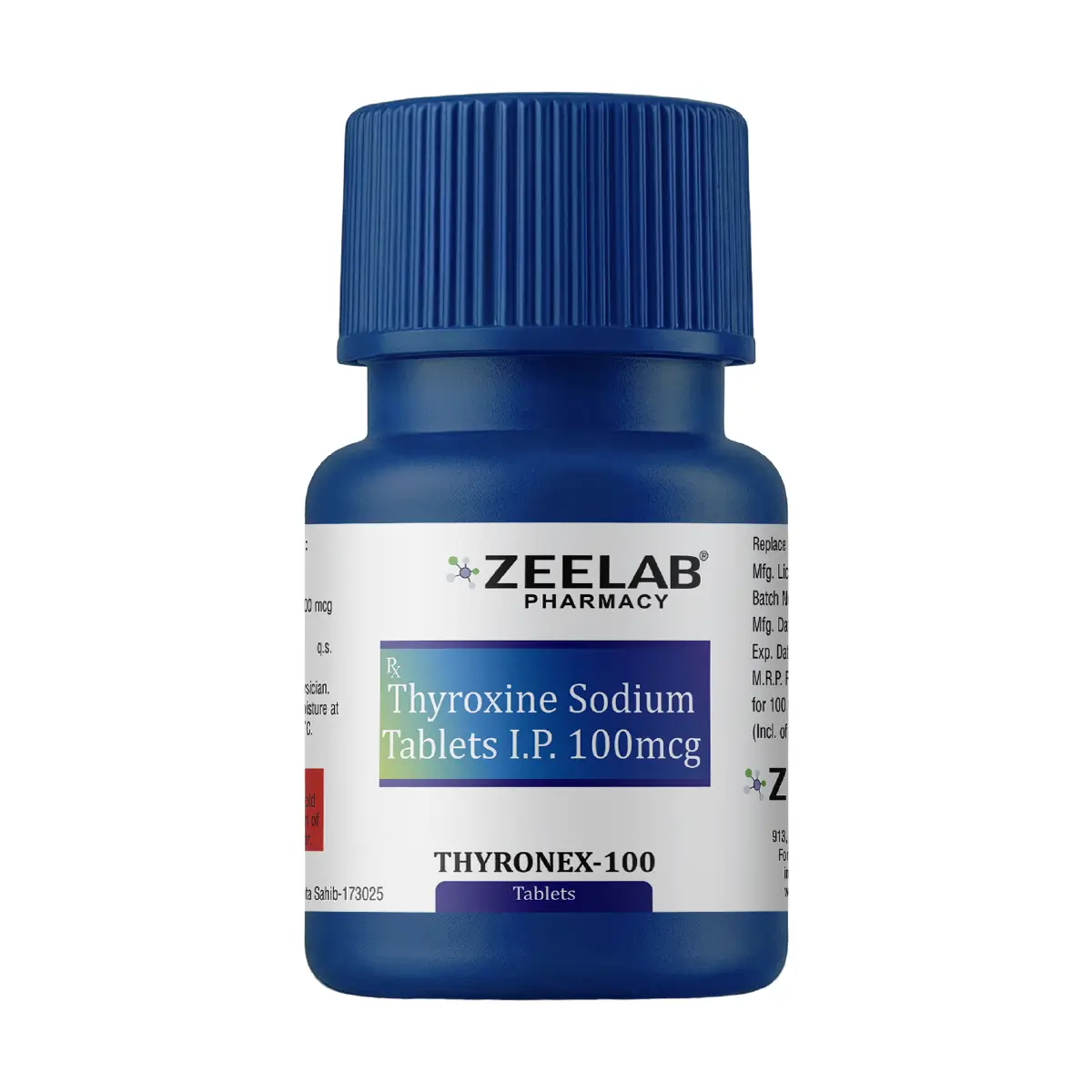
Thyronex 100 Tablet is a thyroxine medicine for thyroid disorder management.
- Composition: Thyroxine (100mcg)
- Benefits: Supports hormone balance, improves energy levels, and helps regulate metabolism.
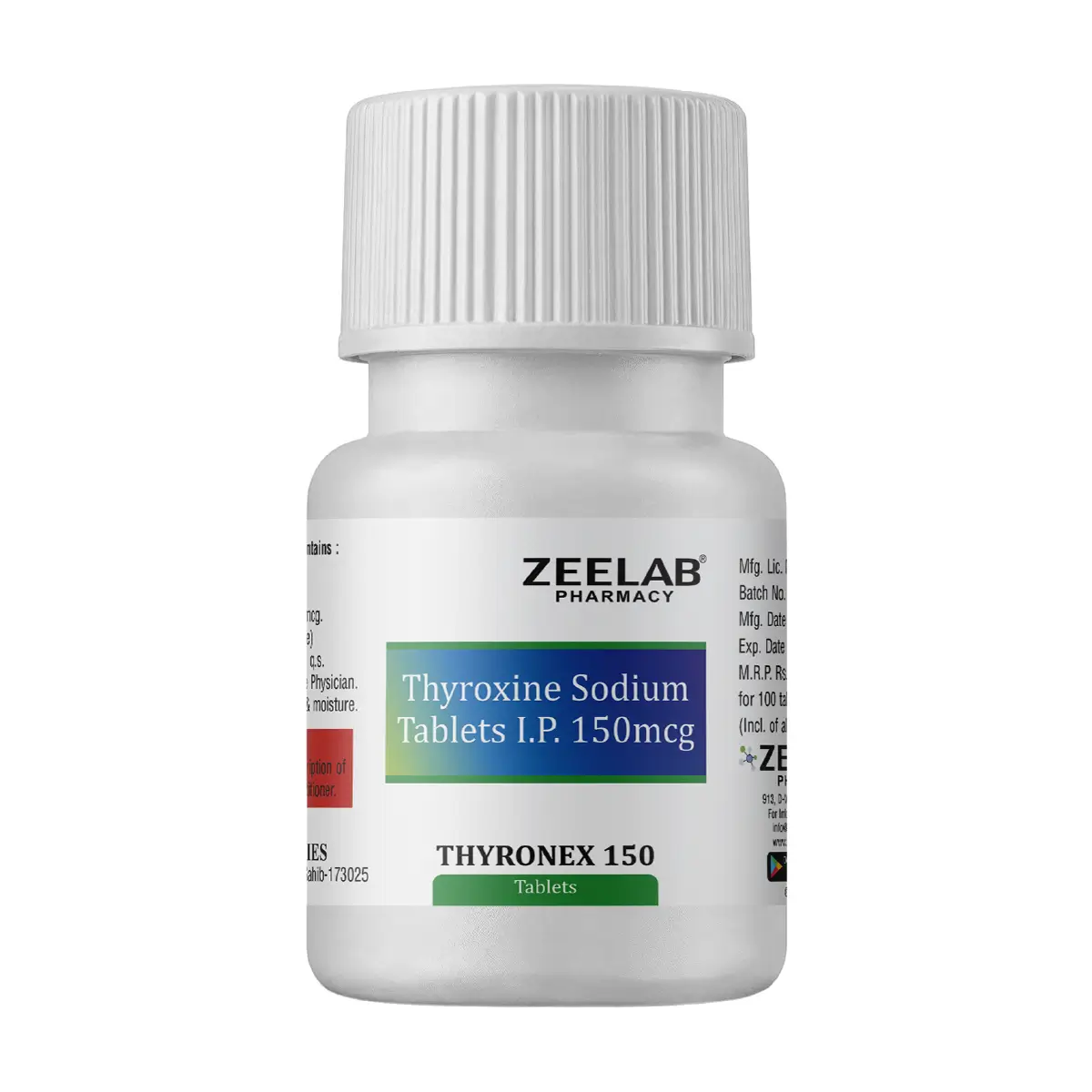
Thyronex 150 Tablet
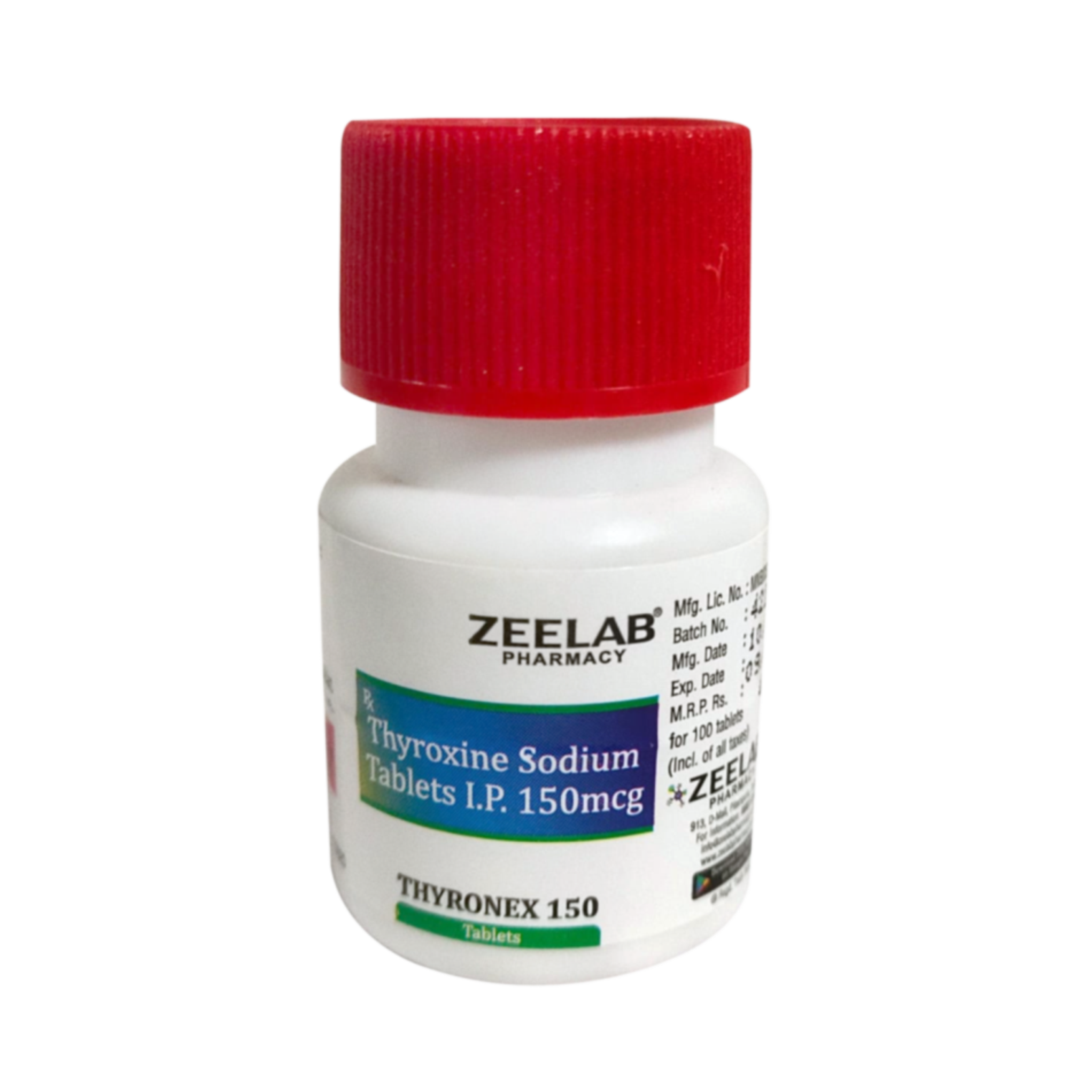
Thyronex 150 Tablet is a medicine for low thyroid that helps to manage proper thyroid hormone levels and support healthy metabolic function.
- Composition: Thyroxine (150mcg)
- Benefits: Helps maintain thyroid hormone balance and supports metabolism and daily energy.
Medicines for Hyperthyroidism
Medicines for hyperthyroidism include drugs that help control the overproduction of thyroid hormones.
These medications help control the symptoms and normalise the level of thyroid hormones present in the body.
|
Medicine |
Mechanism of Action |
Usual Dosage Range |
|
Methimazole |
Inhibits the action of the thyroid peroxidase enzyme, decreasing the production of thyroid hormones |
5-30 mg daily |
|
Propylthiouracil (PTU) |
Blocks the formation of thyroid hormones and decreases the conversion of T4 to T3 |
Typically 50-300 mg daily |
Popular Thyroid Medicine Comparison Table
The table below compares commonly prescribed thyroid medicine brands in India, including their purpose, mechanism of action, and typical dosage ranges used to manage different thyroid disorders.
|
Medicine |
Drug Class |
Main Use |
Mechanism of Action |
Typical Dose Range |
Approx. Price in India |
|
Levothyroxine/Thyroxine |
Synthetic thyroid hormone (T4) |
First-line treatment for Hypothyroidism |
Replaces deficient Thyroxine and converts to Triiodothyronine in tissues |
25–150 mcg/day |
~₹1–₹2 per tablet (government price-controlled) |
|
Liothyronine |
Synthetic thyroid hormone (T3) |
Severe hypothyroidism, myxedema coma |
Directly provides active T3 hormone |
5–25 mcg/day |
~₹6–₹10 per tablet, depending on brand |
|
Methimazole |
Antithyroid drug |
Treatment of Hyperthyroidism |
Inhibits thyroid hormone synthesis in the thyroid gland |
5–30 mg/day |
~₹5–₹15 per tablet |
|
Propylthiouracil |
Antithyroid drug |
Hyperthyroidism, thyroid storm, pregnancy (1st trimester) |
Blocks thyroid hormone synthesis and conversion of T4 → T3 |
50–300 mg/day |
~₹8–₹20 per tablet |
Thyroid Medicine Dosage Guide
The dosage of thyroid medicines varies according to the type of thyroid disorder and the severity of hormone imbalance in the body.
- Doctors usually begin with a low dose and adjust it based on blood test results.
- Levels of thyroid hormones, including TSH, T3, and T4, are monitored during treatment.
- The levels of thyroid hormone may vary according to age, weight, and health condition.
- Always take thyroid medicines according to the prescription guidelines set by your doctor.
Also Read: Ayurvedic Medicine for Thyroid
How Thyroid Medicines Work in the Body
Thyroid medicines work by helping restore the normal balance of thyroid hormones in the body. In hypothyroidism, medicines usually replace the missing hormones so the body can maintain normal metabolism, energy levels, and organ function.
In hyperthyroidism, certain medicines work by reducing the thyroid gland’s ability to produce excess hormones. This helps slow down body processes that may have become overactive.
With the correct dosage and regular monitoring, thyroid medicines help control symptoms and support the body’s normal hormonal balance over time.
Benefits of Thyroid Medicines
Gaining insight into the benefits of thyroid medicine can help you understand the ways it can help balance hormones and relieve symptoms of thyroid disorders.
- Help to normalise the amount of thyroid hormone in the body.
- Increase energy levels and relieve fatigue from hormone imbalances.
- Promote healthy metabolism and weight management.
- Regulate heart rate and body temperature.
- Relieve symptoms such as hair loss, mood swings, and weakness.
- Promote healthy hormone balance and body functions.
- Relieve symptoms and prevent complications of thyroid disorders.
Precautions While Taking Thyroid Medicine
Taking thyroid medicines correctly is important to ensure proper hormone balance and effective treatment of thyroid disorders. The following precautions should be followed:
- Take the medicine on an empty stomach: Thyroid medicines such as Levothyroxine should usually be taken in the morning, 30–60 minutes before breakfast, for better absorption.
- Take it at the same time every day: Consistent timing helps maintain stable thyroid hormone levels in the body.
- Avoid certain foods and supplements immediately after taking the medicine: Calcium, iron supplements, soy products, and high-fibre foods may reduce the absorption of thyroid medication.
- Do not change the dose without medical advice: Always follow the dosage prescribed by your doctor and avoid self-adjusting the dose.
- Inform your doctor about other medications: Some medicines may interact with thyroid drugs and affect their effectiveness.
- Regular thyroid tests are important: Periodic monitoring of Thyroid Stimulating Hormone helps ensure the medicine is working properly.
- Avoid missing doses: Skipping doses can lead to fluctuations in thyroid hormone levels and worsen symptoms.
Side Effects of Thyroid Medicines
Some people may experience mild side effects while taking thyroid medicines, especially when the dosage needs adjustment.
- Rapid heartbeat or palpitations, especially if the dosage is higher than required.
- Nervousness, anxiety, or restlessness in some patients.
- Headache or dizziness during the initial phase of treatment.
- Sleep disturbances or insomnia in certain individuals.
- Increased sweating or heat intolerance in rare cases.
- Digestive issues such as mild stomach discomfort or nausea.
- Allergic reactions, though uncommon, may include skin rash or itching.
What Happens If You Skip Thyroid Medicine?
Missing or skipping thyroid medicine can affect hormone levels and may lead to the return or worsening of thyroid-related symptoms.
- Fatigue and low energy levels may worsen.
- Weight changes, especially weight gain in hypothyroidism.
- Mood swings or irritability due to a hormone imbalance.
- Hair fall or hair thinning may increase.
- Poor concentration and memory issues can occur.
- Symptoms of thyroid disorder may return or worsen.
How Long Does Thyroid Medicine Take to Work?
Thyroid medicines work gradually as the body adjusts to balanced hormone levels. Some improvements may appear within a few weeks, but full benefits usually take longer.
|
Time After Starting Medicine |
What You May Notice |
|
1–2 weeks |
Mild improvement in fatigue and overall energy levels |
|
3–4 weeks |
Metabolism begins stabilising, and some symptoms start improving |
|
6–8 weeks |
Thyroid hormone levels become more balanced; doctors may repeat blood tests |
|
2–3 months |
Most symptoms improve with the correct and consistent dosage |
Storage and Shelf Life of Thyroid Tablets
Proper storage of thyroid medicine is important to maintain its effectiveness, safety, and shelf life during long-term thyroid treatment.
- Store thyroid tablets in a cool, dry place away from direct sunlight and moisture.
- Keep the medicine at room temperature, usually below 25°C, unless advised otherwise.
- Always keep tablets in their original packaging or blister pack to protect them from air and humidity.
- Do not store in bathrooms or near heat sources, as moisture can affect the medicine's quality.
- Keep the medicine out of reach of children and pets.
- Check the expiry date on the package and avoid using tablets after the recommended shelf life.
Can Thyroid Be Controlled Without Medicine?
Some lifestyle habits may support thyroid health, but managing thyroid disorders without medicine is not always possible for most patients.
- In most cases, thyroid disorders require medical treatment to maintain proper hormone balance.
- Healthy diet choices, including iodine, selenium, and zinc-rich foods, may support thyroid function.
- Regular exercise can help manage metabolism, weight, and energy levels.
- Stress management through yoga, meditation, or relaxation techniques may support hormonal balance.
- Adequate sleep helps maintain overall endocrine health.
- Natural methods may support thyroid health, but they cannot fully replace prescribed thyroid medicines in most patients.
Also Read: Best Foods for Thyroid Patients
Can You Stop Taking Thyroid Medicine Permanently?
The answer depends on the type and cause of the thyroid disorder. For instance, in the case of hypothyroidism, the thyroid gland cannot produce hormones on its own; thus, thyroid medicine has to be taken for the rest of the patient's life.
However, in some conditions, such as temporary thyroid inflammation or mild hyperthyroidism, treatment may only be required for a limited period.
Doctors usually monitor thyroid hormone levels through regular blood tests before making any decision about reducing or stopping the medication.
It is also very important not to stop taking thyroid medicine without the advice of a physician.
Conclusion
Thyroid disorders are common, but you can manage them with the right and timely diagnosis, treatment, and lifestyle habits.
The right diagnosis is needed because different types of thyroid disorders require a different approach for their cure.
Medicines such as levothyroxine, liothyronine, methimazole, and propylthiouracil play an important role in maintaining proper hormone balance. However, treatment should always be guided by a qualified doctor with regular monitoring of thyroid levels.
With proper medication, timely tests, and healthy habits, most people with thyroid disorders can lead a normal and active life.
Frequently Asked Questions
Q. What are the best medicines for thyroid treatment in India?
A. Commonly prescribed medicines for thyroid treatment in India include levothyroxine, liothyronine, methimazole, and propylthiouracil. Doctors choose the medicine depending on whether the patient has hypothyroidism or hyperthyroidism and their thyroid hormone levels.
Q. Can thyroid disease be treated with medicines alone?
A. In many cases, thyroid disease can be managed effectively with medicines. These medicines help maintain normal thyroid hormone levels, but regular monitoring and doctor consultations are necessary to adjust the dosage when needed.
Q. Why is thyroid medicine taken empty stomach?
A. Thyroid medicine is usually taken on an empty stomach because food can reduce its absorption in the body. Taking it before breakfast helps ensure better absorption and allows the medicine to maintain stable thyroid hormone levels.
Q. Are thyroid medicines available in different strengths?
A. Yes, thyroid medicines like levothyroxine are available in multiple strengths, such as 25 mcg, 50 mcg, 100 mcg, and higher doses. Doctors select the appropriate strength based on thyroid test results.
Q. Can I drink tea or coffee after taking thyroid medicine?
A. It is generally recommended to wait at least 30 to 60 minutes after taking thyroid medicine before drinking tea or coffee. These beverages may interfere with the absorption of the medicine in some individuals.
Q. What should be avoided while taking thyroid medicine?
A. Certain foods and supplements, like calcium, iron, and soy, may affect thyroid medicine absorption. Doctors usually recommend taking them at least three to four hours apart from thyroid medication.
Q. Are thyroid medicines safe during pregnancy?
A. Thyroid medicines like levothyroxine are usually considered safe during pregnancy when prescribed by a doctor. Proper thyroid hormone levels are important for both the mother’s health and the baby’s development.
Q. Can thyroid medications lead to hair fall?
A. In some cases, temporary hair fall may occur when starting thyroid medication as the body adjusts to changing hormone levels. Hair growth usually improves once thyroid hormones become stable with proper treatment.
Q. Does Thyroid medicines cause weight gain?
A. Thyroid medicines themselves usually do not cause weight gain. They help restore normal hormone levels, which may improve metabolism and support weight balance in people with thyroid hormone imbalance.
Q. What is the best time to take thyroid medicine?
A. Thyroid medicines are best taken in the morning on an empty stomach, about 30–60 minutes before breakfast with a full glass of water, to ensure proper absorption.
Q. Can I take thyroid medicine after breakfast?
A. Thyroid medicine is typically recommended before breakfast for better absorption. Taking it after meals may reduce its effectiveness because certain foods can interfere with how the medicine is absorbed in the body.
Thyroxine (100mcg)
100 Tablets Per Bottle
Thyroxine (25mcg)
100 Tablets In 1 Bottle
Thyroxine (50mcg)
100 Tablets In 1 Bottle
Thyroxine (150mcg)
100 Tablets Per Bottle
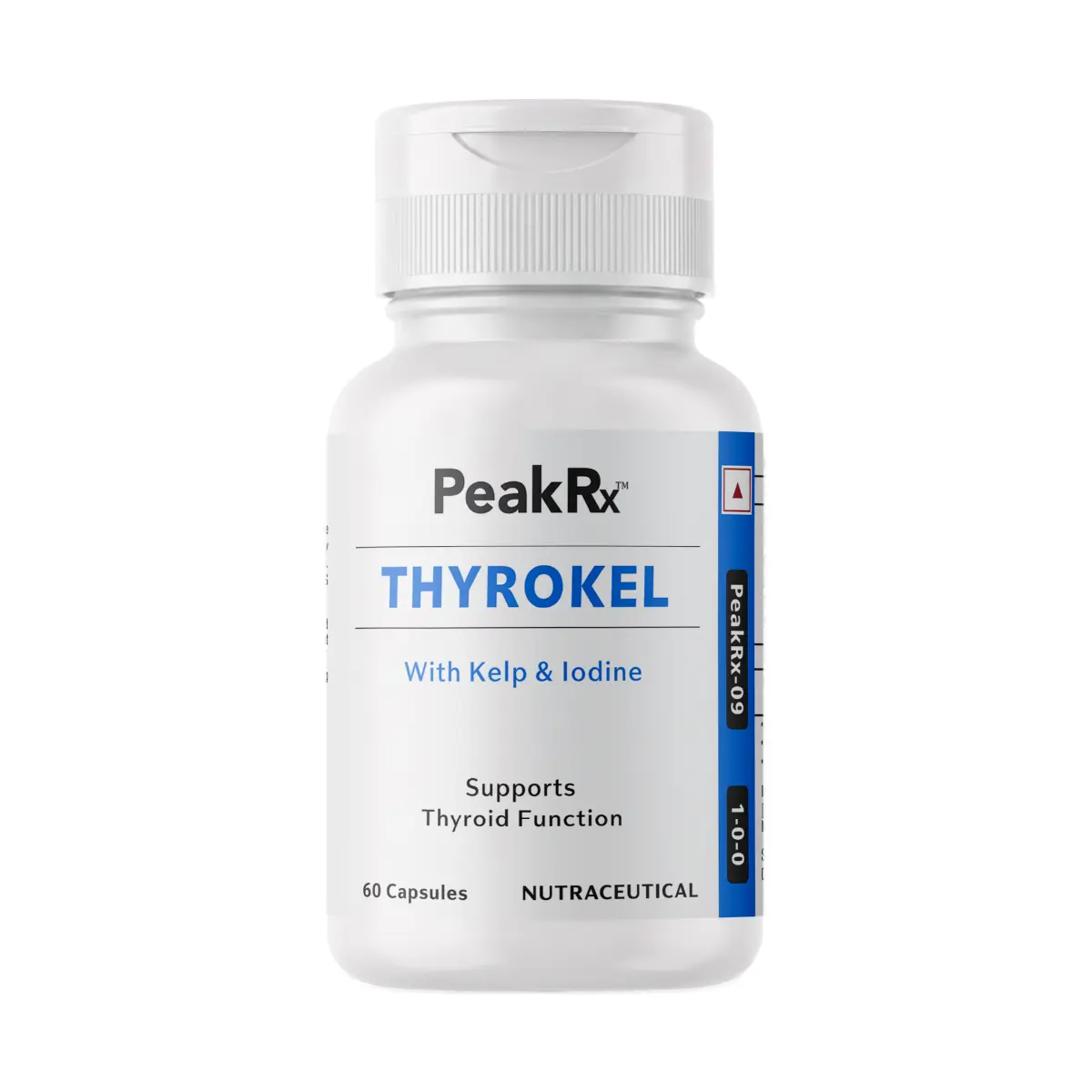
Kelp (250 mg) + Iodine (as Potassium Iodide) (50 mcg)
60 Capsules per jar
Recent Blogs






Disclaimer : Zeelab Pharmacy provides health information for knowledge only. Do not self-medicate. Always consult a qualified doctor before starting, stopping, or changing any medicine or treatment.
Related Products


₹ 0
0
Items added
Quick Links
Categories
Our Policies

Our Socials


Subscribe

2026 Copyright By © Zeelab Pharmacy Private Limited. All Rights Reserved
Our Payment Partners

 Added!