

Which Vitamin Deficiency Causes Hair Loss? A Complete Guide
Hair fall is normal, but excessive hair fall is not normal, and it may be symptomatic of some hidden problem. Hair thinning is often blamed on stress, hormones, or ageing, while nutritional deficiencies are frequently overlooked.
In reality, nutrients such as vitamin D, iron, vitamin B12, zinc, and biotin play an important role in supporting normal hair growth, and inadequate levels of these nutrients can contribute to increased hair loss. Hair follicles can weaken without their proper supply, leading to hair loss, brittle nails, and slow re-growth.
Below, the blog will explain which vitamin deficiency causes hair loss, what symptoms to look out for, whether it is curable, and how this can be effectively prevented. We suggest using the vitamins available at the online store of Zeelab Pharmacy because it can proudly declare the availability of quality, low-cost, clinically proven preparations in hair care.
Why Vitamins are Essential for Hair Growth
Vitamins and minerals play a crucial role in maintaining healthy hair follicles by supporting cellular metabolism, enhancing blood circulation to the scalp, and reducing physiological stress.
Adequate levels of biotin, iron, zinc, vitamin D, and B-complex vitamins are essential for normal follicular function and the hair growth cycle.
While mild hair shedding and subsequent regrowth can occur as part of normal seasonal changes, deficiencies of these micronutrients may disrupt the hair cycle, leading to excessive, prolonged hair loss and impaired regrowth.
Such deficiency-related hair loss is often accompanied by weakened hair shafts and other systemic deficiency symptoms, indicating compromised follicular activity.
Which Vitamin is Best for Hair Health?
These nutritional deficiencies can weaken hair follicles, affect the periodic changes of hair growth, reduce the healthiness of the scalp, cause thinning of the hair, increase shedding, and result in the slowing of hair growth after some time.
Vitamin D Deficiency as a Contributor to Hair Loss
- Causes thinning and weakening of hair strands.
- Leads to excessive hair shedding.
- It can make the scalp dry and flaky.
- Vitamin D deficiency affects the growth of hair follicles.
- It is common for hair loss to improve with supplementation.
Iron and Ferritin Deficiency as a Cause of Hair Loss
- Iron deficiency can lead to hair thinning and excessive shedding.
- Low ferritin levels mean low iron storage, which affects hair growth.
- This includes symptoms like fatigue, brittle nails, and weak hair.
- Hair loss may improve with iron-rich foods or supplements.
- Early treatment can give a person more chances of hair regrowth and recovery.
Impact of Vitamin B12 and B-Complex Deficiency on Hair Loss
Vitamin B12 and other B-complex vitamins are essential for healthy hair growth, and using appropriate B12 supplements for hair loss & regrowth can help improve red blood cell formation, strengthen hair follicles, and reduce thinning caused by deficiency.
- B12 deficiency can cause thinning or hair loss.
- Low B vitamins refers to a condition where these vitamins prevent the formation of red blood cells.
- It also affects vegetarians, the elderly, and people with poor eating habits.
- Common symptoms include fatigue, pale skin, weakness, baldness, or hair loss.
- Hair loss stops once the B12 and B levels in the body become normal.
Impact of Biotin and Folic Acid Deficiency on Hair Loss
Biotin supplements and folic acid are essential B-vitamins required to maintain healthy hair growth. Deficiencies in these B-vitamins can cause hair weakening, reduced hair growth, and increased hair fall. Along with supplements, including biotin-rich foods for hair growth in the daily diet can further support stronger and healthier hair.
- Low biotin levels cause hair to become weak and brittle.
- Deficiency of folic acid leads to hair fall and slows hair growth.
- Hair may appear thin, lifeless, and weak.
- The risk is higher in vegetarians, pregnant women, and people with poor dietary intake.
- Hair loss can be improved with the right supplements and a balanced diet rich in biotin-rich foods for hair growth.
Also Read: Biotin for Hair Growth
Other Nutritional Deficiencies Linked to Hair Loss
Deficiency of nutrients, including vitamins, can be responsible for hair loss. The key to hair strength, growth, and scalp health involves minerals, proteins, and antioxidants.
A well-balanced diet helps to maintain the health of hair and avoid thinning.
- Hair thinning because of protein deficiency: A protein-deficient diet reduces keratin production, slowing hair growth and causing breakage.
- Magnesium deficiency hair loss: The deficiency of magnesium has effects on the health of the follicles, resulting in weak and brittle hair.
- Calcium deficiency hair loss. Low calcium minimises the strength of the hair, thus resulting in an increased breakage rate.
- Vitamin C, E, A and selenium deficiency: The deficiency leads to oxidative stress, dry scalp, and fragile hair.
Signs of Vitamin Deficiency Linked to Hair Loss
Losing hair may also be a result of a deficiency of vitamins and minerals within the body. Other symptoms, which appear along with the appearance of hair, may include weakness, dry skin, and nails.
|
Symptom |
What It Indicates |
|
Excessive hair fall |
A common sign of a vitamin or mineral deficiency |
|
Hair loss with fatigue |
Often linked to iron or vitamin B12 deficiency |
|
Brittle nails and hair loss |
Suggests biotin, iron, or protein deficiency |
|
Hair loss with dry skin |
May indicate vitamin A, D, or E deficiency |
|
Slow hair regrowth |
Poor nutrition affects hair follicle health |
Can Hair Loss Due to Vitamin Deficiency Be Reversed?
Yes, if vitamin deficiency is noticed and corrected in time, hair loss due to vitamin deficiency can usually be cured. After the body receives the necessary vitamins and minerals, the growth of hair follicles resumes to normal levels.
It takes 3 to 6 months for new hair to grow, depending on the intensity of the treatments performed on a regular basis.
If a deficiency is present for a long time, it can cause hair thinning, and even after treatment, the hair may not grow back fully in some cases.
Also Read: Vitamin A for Hair Growth
How to Diagnose Vitamin Deficiency Causing Hair Loss?
Hair loss associated with a vitamin deficiency must be properly diagnosed before treatment. Medical tests help in identifying the exact deficiency of nutrients for hair growth in the body. Correct diagnosis prevents unnecessary supplementation and ensures effective, targeted treatment for healthy hair regrowth.
- Blood tests detect deficiencies of vitamin D, B12, iron, and ferritin, all of which are associated with hair loss.
- Doctors may check the level of zinc, haemoglobin, and thyroid to accurately diagnose.
- This is confirmed by testing as to whether hair loss is nutritional or caused by another condition.
- Guessing supplements can delay treatment and worsen hair loss.
- Proper diagnosis ensures the safety of the treatment and quick hair regrowth.
How to Stop Hair Loss From Vitamin Deficiency?
Hair fall due to a vitamin deficiency can also be easily cured by taking care of the root problem.
A carefully planned diet, supplements, and consultation with a doctor can help in controlling excessive hair loss as well as strengthening the hair follicles.
- The particular vitamin deficiency has to be identified by the correct testing of the blood.
- Overall, you should eat a diet that is rich in iron, biotin, zinc, and vitamin D.
- Follow your physician's prescription regarding supplementation.
- Adding healthy fats, protein, or Vitamin C can aid in absorption.
- It is important to ensure consistency and follow-up to monitor the progress of your hair growth.
How Long Does It Take to See Hair Regrowth?
Hair growth after treatment for a vitamin deficiency can take time. After a vitamin deficiency has been treated, it takes time for hair follicles to return to their normal growth cycle.
The time taken to achieve noticeable effects depends on individual factors such as one's age and level of vitamin deficiency.
|
Timeline |
Expected Improvement |
|
4–6 weeks |
Hair fall reduces, scalp health improves |
|
2–3 months |
New hair growth begins, and thinning slows |
|
4–6 months |
Noticeable regrowth and improved hair density |
|
6–9 months |
Stronger, thicker hair becomes visible |
Key Factors Influencing Hair Regrowth and Recovery
Hair re-growth post-deficiency treatment may differ from person to person. The speed of hair re-growth is also dependent on individual health conditions, combined with consistency in following treatment procedures.
- Age: Young people tend to have faster hair growth.
- Hair Care Practices: Excessive heat styling, chemical treatments, and tight hairstyles cause follicle stress
- Lifestyle Factors: Prolonged stress, a lack of sleep, smoking, and the consumption of excess alcohol can affect hormone levels, the flow of blood, and the digestion of nutrients in the body, and hence affect the growth cycle of the hair.
- Hormonal Balance: High DHT levels, thyroid hormone imbalances, or changes associated with postpartum or menopause may affect the function of the follicles, causing thinning of the hair with slower growth.
When Hair Loss is Not Due to Vitamin Deficiency
Hair loss is not necessarily caused by a vitamin deficiency. This may be caused by genetic conditions such as male or female pattern baldness.
- Imbalances in the endocrine system, such as thyroid issues and issues that arise after pregnancy, could be the reasons behind excessive hair loss.
- Stress, diseases, or weight loss could be possible reasons for the hair loss problem.
- In medical conditions such as alopecia areata, the body’s immune system could be the culprit behind the hair loss.
- Excess styling, chemicals, or damage caused by heat could weaken the roots.
- Some medicines, infection in the scalp, or poor maintenance could be the other factors.
Also Read: Best Multivitamin for Hair Growth
Best Supplement for Hair Loss Due to Vitamin Deficiency from Zeelab Pharmacy
Here are some supplements from Zeelab Pharmacy at affordable prices. Most preferred and dermatologist-approved products and similar affordable skin care ranges are safe and effective. Additionally, Zeelab Pharmacy products are WHO-GMP, ISO and FDA certified.
Zeelab Biotin Tablet
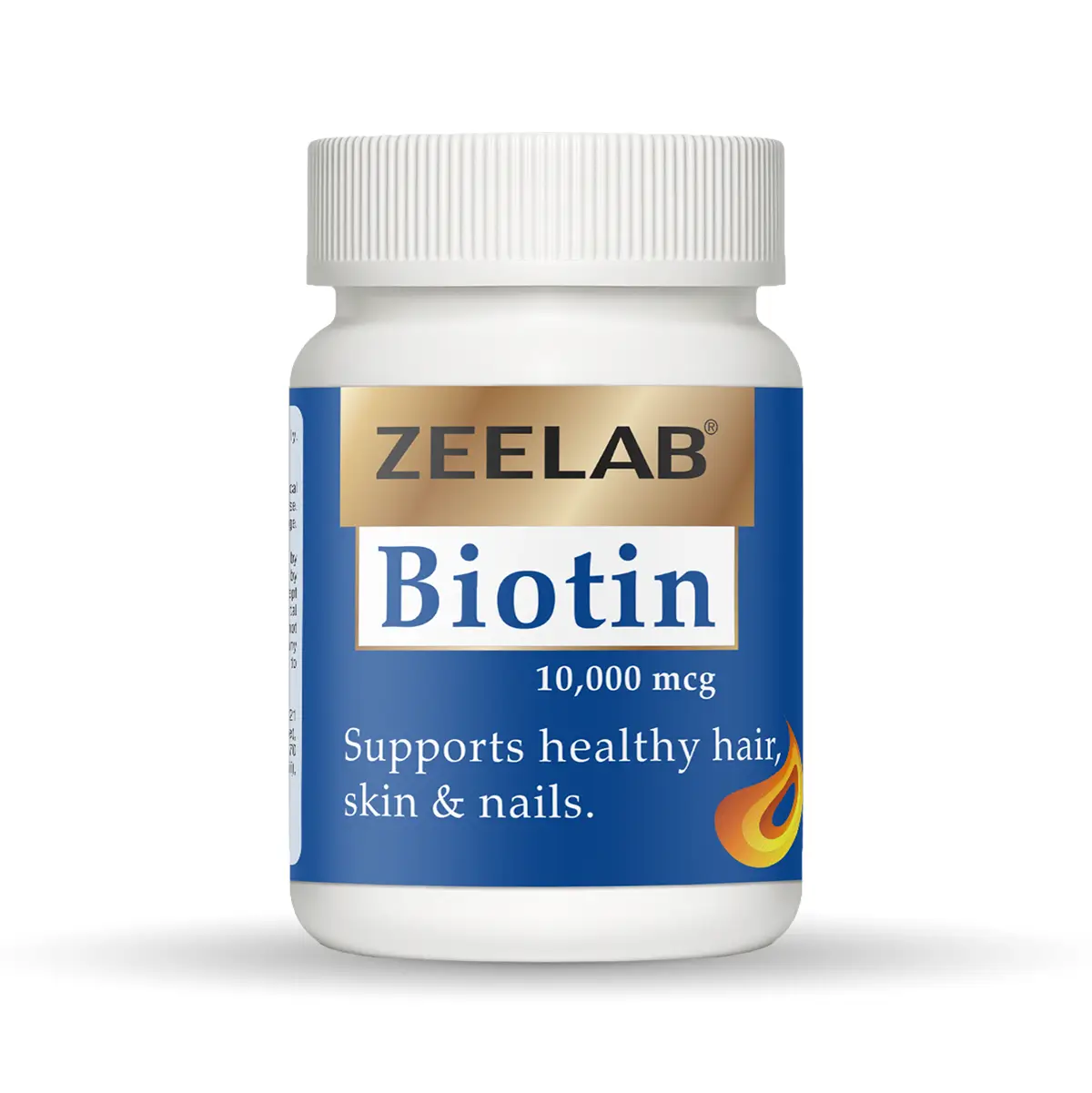
Zeelab Biotin Tablets is a WHO-GMP-certified dietary supplement designed to support healthy hair, stronger nails, and glowing skin. Each tablet contains 10000mcg of Biotin (Vitamin B7), an essential nutrient that helps the body convert food into energy while nourishing hair follicles from within.
- Composition: Biotin (10000mcg)
- What it does: Supports the health of hair, skin, and nails; promotes strengthening and natural growth.
- How to Take: Take one tablet daily with water after food for absorption.
Updee Vitamin D3 (Cholecalciferol 60000 IU) Sachet | For Bone & Joint Health
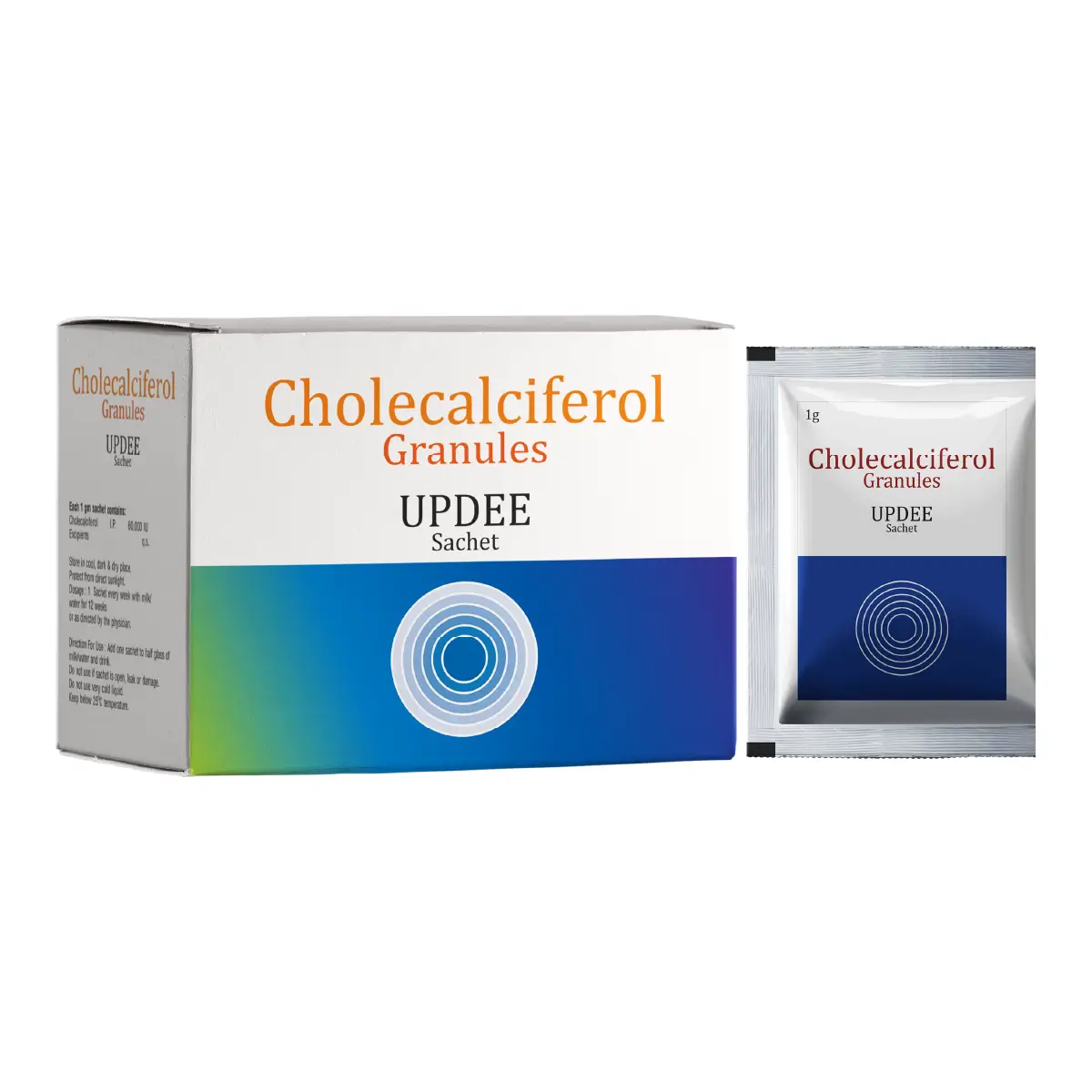
Updee Vitamin D3 Sachet is a WHO-GMP-certified health supplement designed to correct and prevent Vitamin D3 deficiency. Each sachet provides cholecalciferol 60,000 IU, which helps the body absorb calcium and phosphorus effectively. D3 sachet is commonly used to support strong bones and teeth, improve muscle strength, and enhance immunity.
- Composition: Cholecalciferol 60000 I.U. per sachet
- What it does: Helps in maintaining bone strength, joints, calcium uptake, and general skeletal health.
- How to take: Take the sachet dissolved in water once a week or as directed by your doctor.
Feriext FA Iron Supplement Tablet
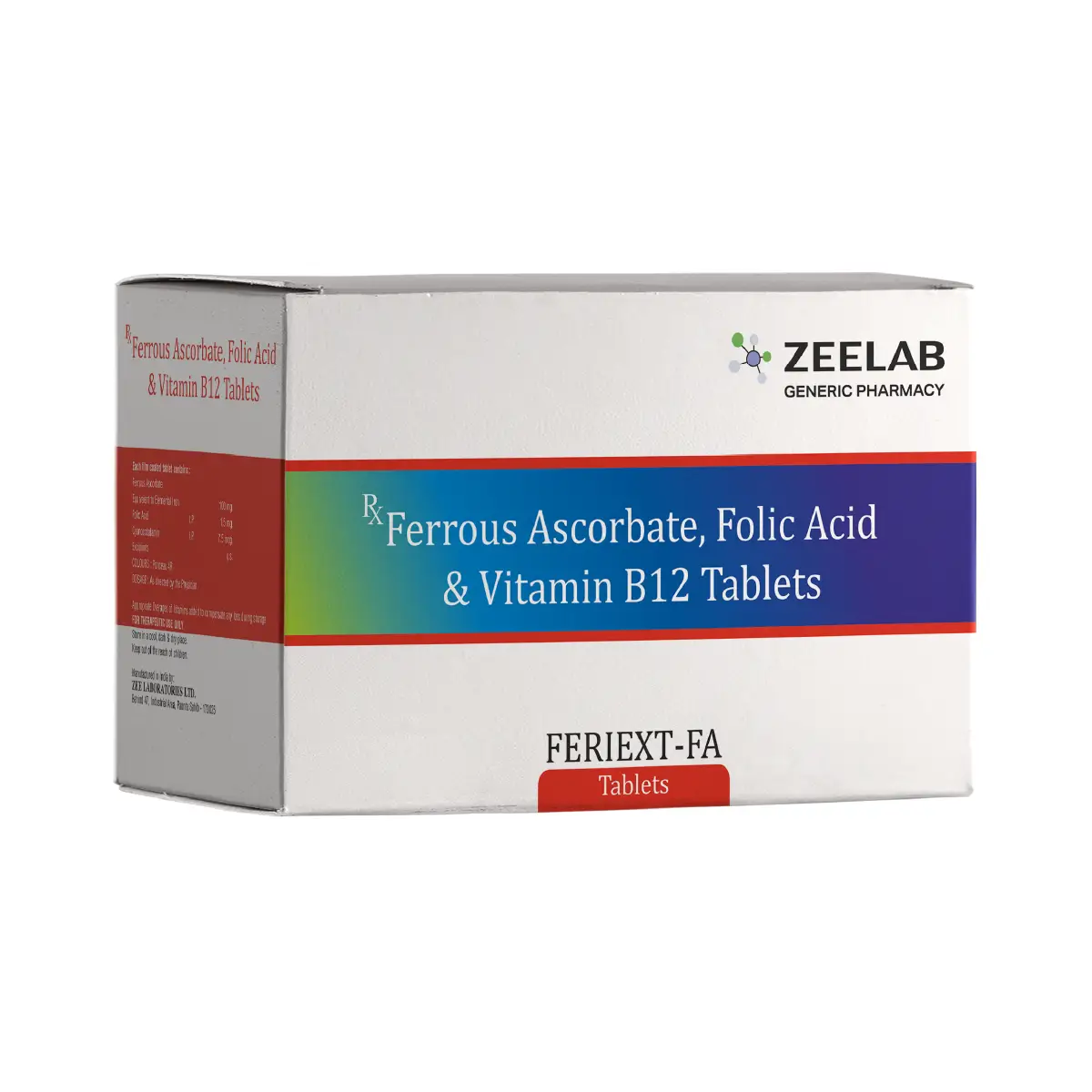
Feriext FA Iron Supplement Tablets are designed to boost your iron levels and prevent or treat iron deficiency anaemia. These tablets contain iron, which is essential for making red blood cells and transporting oxygen throughout your body. They also include folic acid, which supports healthy cell growth.
- Composition: Iron (100 mg) + Folic Acid (1.5 mg) + Vitamin B12 (0.0075 mg)
- What it does: Treatment of iron deficiency anaemia, haemoglobin increase, energy booster, health optimiser.
- How to take: Take it once a day with food or as directed by your doctor.
Zecobax Forte Tablet
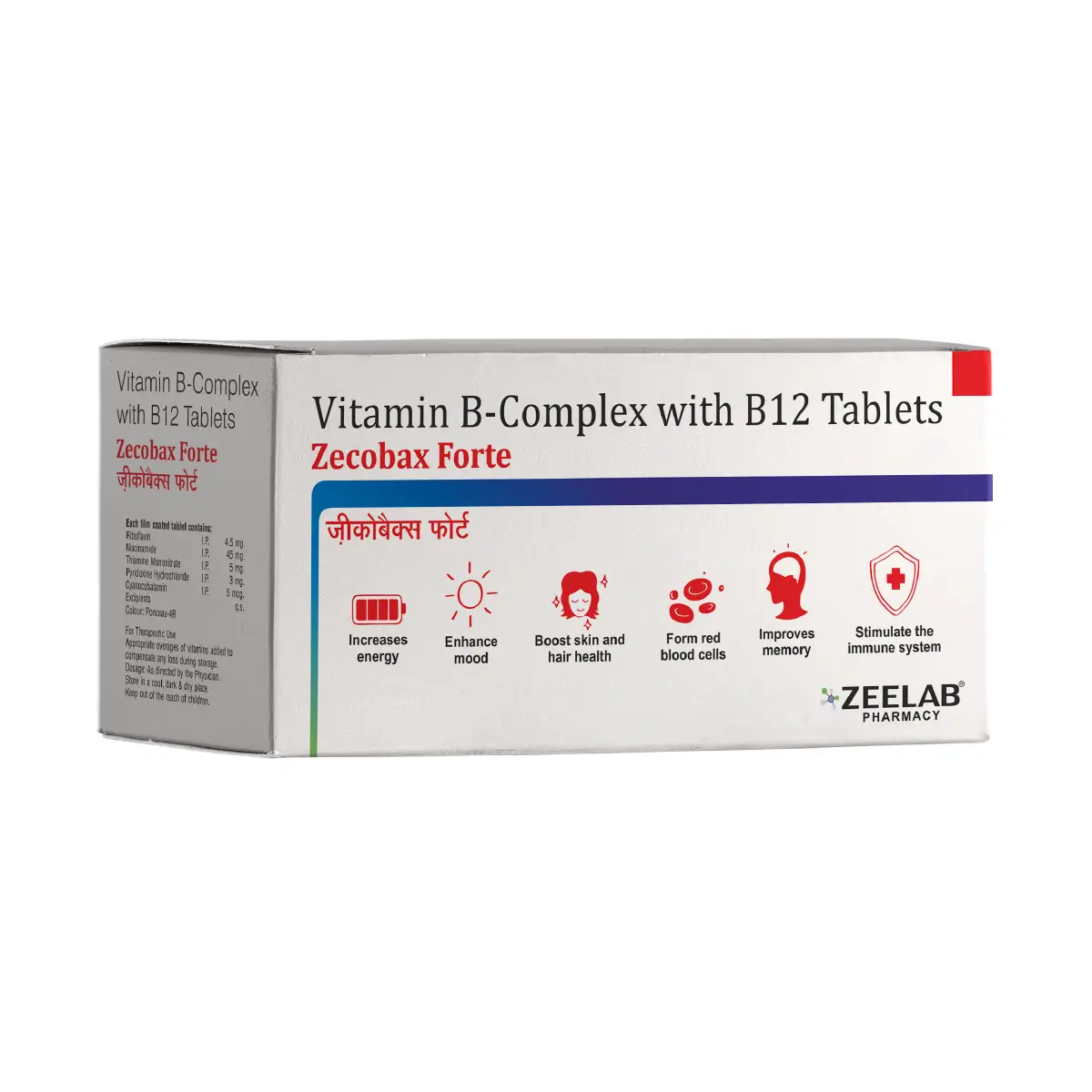
Zecobax Forte Tablet is a WHO-GMP-Certified multivitamin and multimineral supplement designed to support overall wellness by filling nutritional gaps in the daily diet. It is used to improve energy levels, reduce tiredness, enhance immunity, and support healthy skin, hair, and bone strength through its blend of essential B-complex vitamins and minerals.
- Composition: Riboflavin (4.5mg) + Niacinamide (45mg) + Thiamine Mono (5mg) + Pyridoxine Hydrochloride (3mg) + Cyanocobalamin (5mcg)\
- What it does: Strengthens nerves, increases energy levels, supports Vitamin B Complex for hair growth, and helps treat vitamin B-complex deficiency.
- How to take: One tablet daily after meals, or as directed by your doctor
My12 Plus Tablet
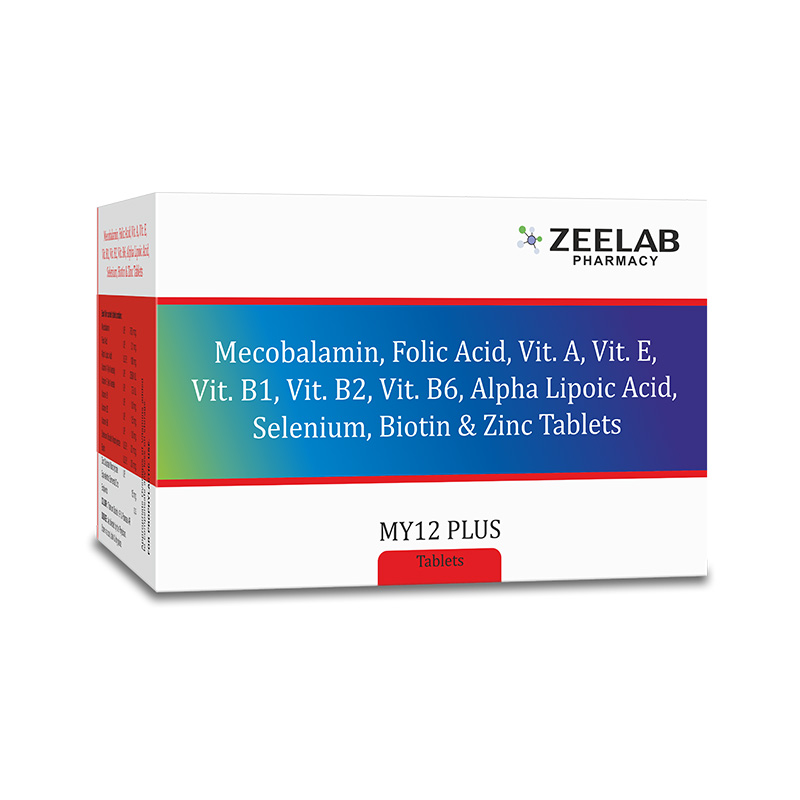
My12 Plus Tablet is a nutritional supplement that combines Mecobalamin, Folic Acid, Alpha Lipoic Acid, and essential vitamins like A, E, B1, B2, B6, Selenium, and Zinc. It is designed to support nerve health, boost energy, and improve overall well-being.
- Composition: Mecobalamin (0.75 mg) + Folic Acid (0.1 mg) + Alpha Lipoic Acid (100 mg) + Vitamin A (2500 IU) + Vitamin E (7.5 IU) + Vitamin B1 (1 mg) + Vitamin B2 (1.5 mg) + Vitamin B6 (1 mg) + Selenium (0.03 mg) + Biotin (0.03 mg) + Zinc (15 mg)
- What it does: It is also used to benefit nerve function, red blood cell production, energy, and to treat vitamin B12 deficiency.
- How to take: One tablet should be taken daily after meals or as advised by your healthcare provider.
Also Read: Vitamin E Capsule For Hair
Conclusion
Most cases of vitamin deficiencies that cause hair loss can easily be reversed once the underlying cause has been diagnosed and properly addressed.
Early detection is always ideal for promoting positive hair regrowth by re-establishing the normal hair growth cycle processes before undergoing irreparable damage.
Diet is still considered a perennial underpinning of strong hair due to the combined functions of various vitamins in facilitating hair development and preventing excessive shedding.
Rather than taking arbitrary vitamin supplements, proper testing, an appropriate diet, and proper care must specifically address hair loss.
Frequently Asked Questions
Q. Can vitamin deficiency really cause hair loss?
A. Yes, a deficiency of vitamins D, B12, iron, biotin, and some other vitamins can lead to weakness of the hair roots, which may culminate in thinning and shedding of the hair.
Q. How can I tell if my hair loss is due to vitamins?
A. The symptoms of shedding excessively, brittle nails, fatigue, pale skin, and dry skin conditions would indicate a deficiency of certain nutrients, which would be determined after analysis of the blood work.
Q. Is vitamin deficiency hair loss reversible?
A. This occurs quite frequently. If your problem is fixed, your hair growth may be enhanced by supplements or nutritional changes if necessary.
Q. Which vitamins are most important for hair growth?
A. Key vitamins for hair growth include vitamin D, B12, biotin, folic acid, iron, zinc, and antioxidant vitamins A, C, and E, all of which support strong hair follicles and healthy regrowth.
Q. How long does it take to see hair regrowth?
A. Improvement in visible hair can be achieved in 3 to 6 months, depending upon the age of the patient and the extent of the deficiency.
Q. Can iron deficiency alone cause hair loss?
A. Yes, a lack of iron or ferritin can decrease the amount of oxygen reaching the hair follicles, leading to thinning of the hair, loss, and brittleness, particularly among females.
Q. Should I take supplements without testing?
A. No, trying to estimate the supplements can lead to issues. Correct testing will reveal what needs supplementation specifically and how it can be corrected.
Q. Can diet alone fix hair loss from deficiencies?
A. Diet is useful for pointed benefits, while supplementation may be needed for more severe deficiencies related to hair growth.
Q. Are there other causes of hair loss besides vitamin deficiency?
A. Yes, hormonal imbalance, stress, lifestyle factors, drugs, or genetic baldness can result in hair thinning, not due to nutritional deficiency.
Q. When should I see a doctor for hair loss?
A. If hair loss is sudden and irregular or associated with fatigue, brittle nails, or skin changes on the scalp, consult a physician.
Recent Blogs





Disclaimer : Zeelab Pharmacy provides health information for knowledge only. Do not self-medicate. Always consult a qualified doctor before starting, stopping, or changing any medicine or treatment.


₹ 0
0
Items added
Quick Links
Categories
Our Policies

Our Socials


Subscribe

2026 Copyright By © Zeelab Pharmacy Private Limited. All Rights Reserved
Our Payment Partners

 Added!