

7 Hidden Signs of Vitamin D Deficiency You’ll Notice in Winter
Despite plenty of sunny days in India, vitamin D deficiency can be very common in winter. This may be due to fewer sunlight hours in winter, less exposure to sun, less availability of UVB rays due to air pollution, less mobility due to fewer sunny days spent outside, and less exposure of skin to the sun through covered clothing in winter.
Because of these things, many Indians feel weak, have joint pain, get sick more often, or lose hair in the winter. Health studies in India say that 70–90% of Indians might not have enough vitamin D, especially when it's cold outside.
This blog post examines the signs, causes, and effective winter solutions for this condition, including the beneficial role of trusted products from Zeelab Pharmacy Vitamin D3.
Why Vitamin D Deficiency Increases in Winter
Vitamin D deficiency becomes more prevalent in winter because the UVB rays from the sun, which help the body produce vitamin D3, are reduced. Vitamin D can only be produced by UVB rays from the sunshine interacting with exposed skin.
Furthermore, in winter, the sun's conditions are such that it does not provide UVB rays, which are anyway suppressed by more clothing worn to provide relief from the cold.
The air and daylight hours have become more polluted; Therefore, vitamin D deficiency has been reported in many adults, as many display signs and symptoms associated with deficiency.
7 Hidden Signs of Vitamin D Deficiency in Winter
Vitamin D levels also reduce during winter due to less sunlight and weakening of UVB rays. These are some subtle symptoms that most people do not pay attention to.
1. Constant Fatigue and Low Energy Levels
- What it feels like: Even after getting enough sleep, your body feels tired throughout the day.
- Why it happens: This can result in disturbances in muscle and energy metabolism, including fatigue.
- Why winter makes it worse: Less sunlight can lead to lower vitamin D production, resulting in increased winter fatigue and regular fatigue due to vitamin D deficiency.
2. Persistent Bone, Joint, and Lower Back Pain
- What it feels like: Boasting dull bone pain, joint stiffness, or persistent lower back pain, commonly ascribed to the cold weather.
- Why it happens: Vitamin D is necessary for calcium absorption and maintaining healthy bones.
- Why winter makes it worse: In the context of vitamin D deficiency in winter, bones become weak, and thus joints ache. Vitamin D deficiency in winter and back pain are caused by less interaction with sunlight.
3. Frequent Cold, Cough & Infections
- What does it feel like: Repeated colds, coughs, or infections throughout winter.
- Why does it happen: Vitamin D also supports immune system cells that help fight infection.
- Why winter is worse: Vitamin D deficiency in cold weather weakens immunity and makes you suffer from infections quite frequently. Vitamin D deficiency and frequent cold and cough result from less exposure to light in winter.
4. Excessive Hair Fall in Cold Weather
- What it feels like: Excessive hair fall in normal seasonal shedding.
- Why it happens: Vitamin D is said to activate hair follicles and maintain healthy hair growth cycles.
- Why winter makes it worse: Vitamin D levels are very low during winter, which increases hair fall due to its deficiency.
5. Slow Healing of Minor Cuts and Wounds
- What it feels like: Minor cuts or wounds that take longer to heal than normal."
- Why does it happen: The functions of vitamin D include regulating the inflammatory process and assisting in the repair of tissues.
- Why winter makes it worse: Symptoms of a winter vitamin deficiency include slowing the healing process, as it is one of the most common vitamin deficiency symptoms that adults usually ignore.
6. Muscle Cramps and Weakness
- What it feels like: Painful muscles, weakness while walking or when climbing stairs.
- Why does it happen: A lack of vitamin D harms muscle strength and nerve impulses.
- Why winter makes it worse: Due to low levels of Vitamin D in winter, the incidence of muscle pain, muscle weakness, Vitamin D deficiency and body aches increases.
7. The "Winter Blues": Mood Swings and Irritability
- What it feels like: Feeling low, irritable, unmotivated, or mentally drained.
- Why it happens: It affects serotonin levels, which are associated with controlling emotions.
- Why winter makes it worse: Less exposure to sunlight in winter can reduce vitamin D levels, which is one of the causes of mood swings during winter.
How to Know If You Have Vitamin D Deficiency in Winter
Most people overlook how to distinguish a Vitamin D deficiency in the winter. Early signs include chronic fatigue, muscle pains, depressed moods, susceptibility to many infections, and muscle weakness.
Early signs of Vitamin D deficiency in adults can easily be confused with stress, ageing, and even the cold, which makes it hard for people to take them seriously, especially in India, which experiences low UVB intensities in the winter.
The only definitive method for determining a Vitamin D deficiency would be a 25-hydroxy Vitamin D blood test. Always consult a doctor before initiating high doses of Vitamin D supplements.
How Common Is Vitamin D Deficiency in Winter in India?
Vitamin D deficiency during the winter months is a common health problem in India, especially among urban dwellers. According to various studies, 60% had vitamin D deficiency.
People suffer from vitamin D deficiency during winter due to reduced exposure to the sun. The urban lifestyle, characterised by working indoors, a lack of outdoor activities, and excessive use of sun-protecting products, further decreases the content of vitamin D during winter.
Moreover, air pollution prevents the entry of UV-B rays, and therefore, the natural creation of vitamin D further decreases during the winter season. Thus, the problem of the prevalence of vitamin D deficiency in winter, especially in India, becomes a serious health issue, even when the sun shines.
How to Fix Vitamin D Deficiency in Winter
Vitamin D deficiency is prevalent in winter because of low sunlight exposure and improper lifestyle and food practices. A well-balanced and doctor-monitored approach is required for restoring optimal levels of vitamin D.
Optimizing Your Sunlight Exposure
The deficiency of vitamin D due to lower UVB rays is increased because winter sun rays are less strong, thereby reducing the production of vitamin D. The goal would be to get a maximum of 20 to 30 minutes of exposure in between 11 AM and 2 PM, with the exposure areas including the arms
Diet and Nutrition: Can Food Alone Fix the Gap?
Vitamin deficiency continues due to the limited natural sources of vitamin D3 in the Indian diet. Nuts, fortified milk, eggs, mushrooms, and fatty fish are helpful sources, but a deficiency can never be eliminated through diet only.
The Importance of Quality Vitamin D3 Supplementation
Vitamin D is necessary in addition to amounts provided by the sun and diet. Doctors can prescribe vitamin D tablets or packets, a vitamin D3 dosage in the winter determined by the doctor, along with the best vitamin D supplement for the winter season, based on the test results.
Best Vitamin D Supplements by Zeelab Pharmacy: A WHO-GMP Certified Product
Here are some products of Zeelab Pharmacy at affordable prices. Most preferred and dermatologist-approved products, as well as similar affordable ranges, are safe and effective. Additionally, Zeelab Pharmacy products are WHO-GMP, ISO and FDA certified.
Updee Forte Drops
Updee Forte Drops is a WHO-GMP-Certified vitamin D3 supplement specially formulated for children to support healthy growth and development. Enriched with Vitamin D3 (Cholecalciferol) 800 I.U., it helps correct vitamin D deficiency, ensuring better calcium absorption and stronger bones.
- Composition: Vitamin D3 (Cholecalciferol) 800 I.U.
- What it does: It supports the body in absorbing calcium, increases bone strength, boosts the immune system, and corrects Vitamin D deficiency.
- How to Take: Consume the prescribed eye drops every day, after meals.
Updee Drops
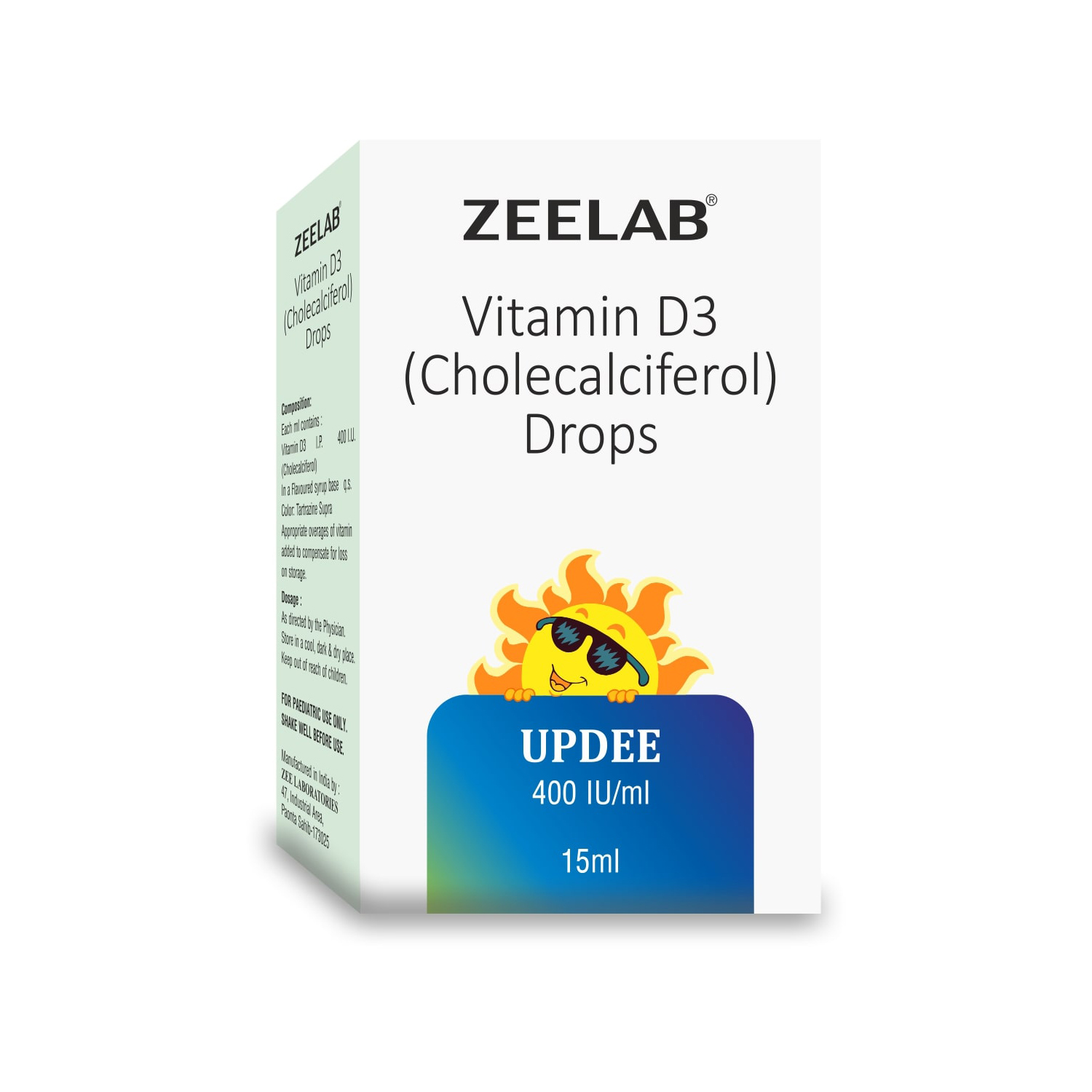
Updee Vitamin D3 Drops (cholecalciferol 400 I.U) is helpful in effectively treating Vitamin D deficiency. This medicine is a fat-soluble nutrient that helps the body absorb calcium from food. Vitamin D3 is recommended by doctors for maintaining strong bones and improving bone mineral density in people with osteoporosis and other bone disorders
- Composition: Vitamin D3 (Cholecalciferol) 400 I.U.
- What it does: Helps with calcium absorption, helps support bone strength and bone density, and prevents deficiency of vitamin D.
- How to Take: Take the prescribed drops daily, ideally with milk or food, as instructed by your physician.
Updee 60K D3 Capsule
Updee Vitamin D3 60K Capsule is a supplement that provides a high dose of Vitamin D3, essential for maintaining healthy bones, teeth, and overall well-being. It helps the body absorb calcium and phosphorus, promoting bone health and muscle function.
- Composition: Cholecalciferol (60000IU)
- What it does: Aids in calcium absorption, strengthens the bones, increases the effectiveness of muscles, and enhances immunity.
- How to Take: Take one capsule per week, after meal times, as directed by your physician.
Updee Oral Solution
Updee Oral Solution is a Vitamin D3 supplement, designed to treat Vitamin D deficiency in individuals. It contains Cholecalciferol (Vitamin D3), which plays a crucial role in maintaining healthy bones, teeth, and muscles. This oral solution helps improve calcium absorption and supports overall immune system health.
- Composition: Cholecalciferol (Vitamin D3) 60000 IU
- What it does: Helps to correct the deficiency of vitamin D and enhances calcium uptake in the body.
- How to Take: Take one bottle a week, preferably after eating, or as advised by your doctor.
Updee Vitamin D3 Sachet
Updee Vitamin D3 Sachet is a WHO-GMP-certified health supplement designed to correct and prevent Vitamin D3 deficiency. Each sachet provides cholecalciferol 60,000 IU, which helps the body absorb calcium and phosphorus effectively. D3 sachet is commonly used to support strong bones and teeth, improve muscle strength, and enhance immunity.
- Composition: Cholecalciferol 60000 I.U. per sachet
- What it does: Corrects the deficiency of Vitamin D, increases the assimilation of calcium, thereby keeping bones and muscles strong and immune.
- How to Take: Dissolve one sachet in milk or water once a week, and use strictly as recommended by the doctor.
Conclusion: Don’t Ignore the Signs This Winter
Winter fatigue, bodily pains, infections, and low moods can be some of the signs of vitamin deficiencies during winter. Less exposure to sunshine during winter can significantly hamper the production of vitamin D.
Ignoring winter symptoms can lead to increased risks of weakened bones and infections. Timely consultations and treatments from healthcare providers can be significantly helpful. There is also an opportunity to explore reliable and affordable Vitamin D3 supplements at the Zeelab Pharmacy.
Frequently Asked Questions
Q. Why does the deficiency of vitamin D increase during winter in India?
A. Shorter daylight, covered clothes, pollution, and less UVB rays all combine to lower the natural production of vitamin D.
Q. What are the early signs of vitamin D deficiency in winter?
A. Early signs include tiredness, body aches, frequent infections, hair fall, and low mood.
Q. Does a lack of vitamin D cause tiredness during the winter months?
A. Yes, low levels of vitamin D have an impact on energy and muscle metabolism, leading to persistent fatigue and general weakness.
Q. Can vitamin D deficiency be a cause of body pain in cold weather?
A. Poorly absorbed calcium causes weakness in the bones and muscles, leading to pain in the joints, back and other parts of the body.
Q. Does low vitamin D reduce immunity in winter?
A. Vitamin D is supportive of immune cells; Therefore, its deficiency increases the risk of cold and infection.
Q. How can I know whether I have a vitamin D deficiency in the winter?
A. Measurement of 25-hydroxy vitamin D is usually done by blood test and is the best diagnostic tool.
Q. Is it possible to maintain vitamin D levels with sunlight exposure in winter?
A. Often due to a lack of sun angle, pollution, an indoor lifestyle, and skin being covered up.
Q. Can the deficiency of vitamin D during winter be overcome only by diet?
A. Indian diets are low in vitamin D, and it is very uncommon for food to correct a deficiency.
Q. Are vitamin D supplements safe to take in winter?
A. Yes, it does, if taken under medical guidance in proper dosage with relevance to the deficiency levels.
Q. How long does it take to recover from vitamin D deficiency?
A. With treatment, levels often improve in weeks, although symptomatic improvement may take longer.
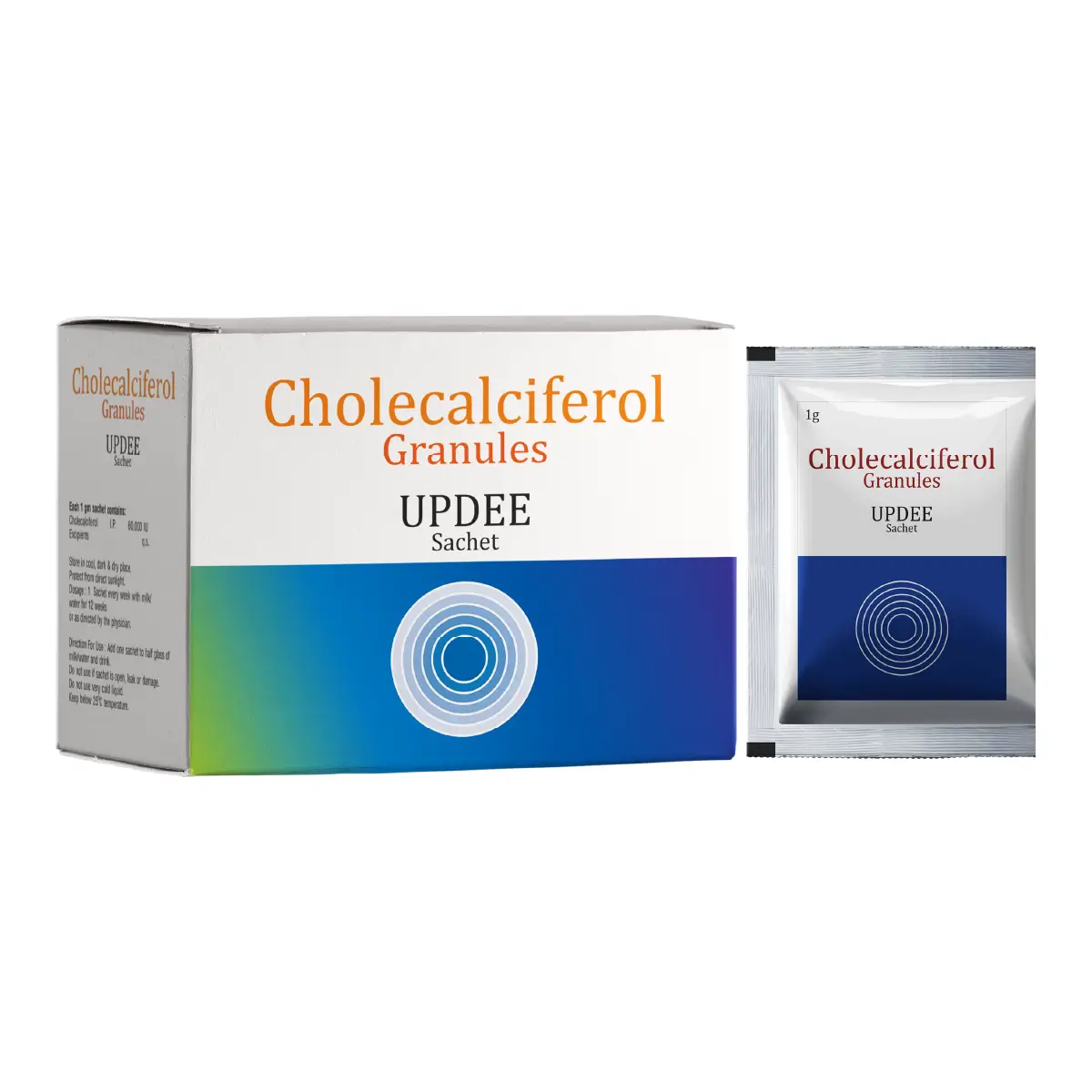
Cholecalciferol 60000 I.U
1gm In 1 Sachet
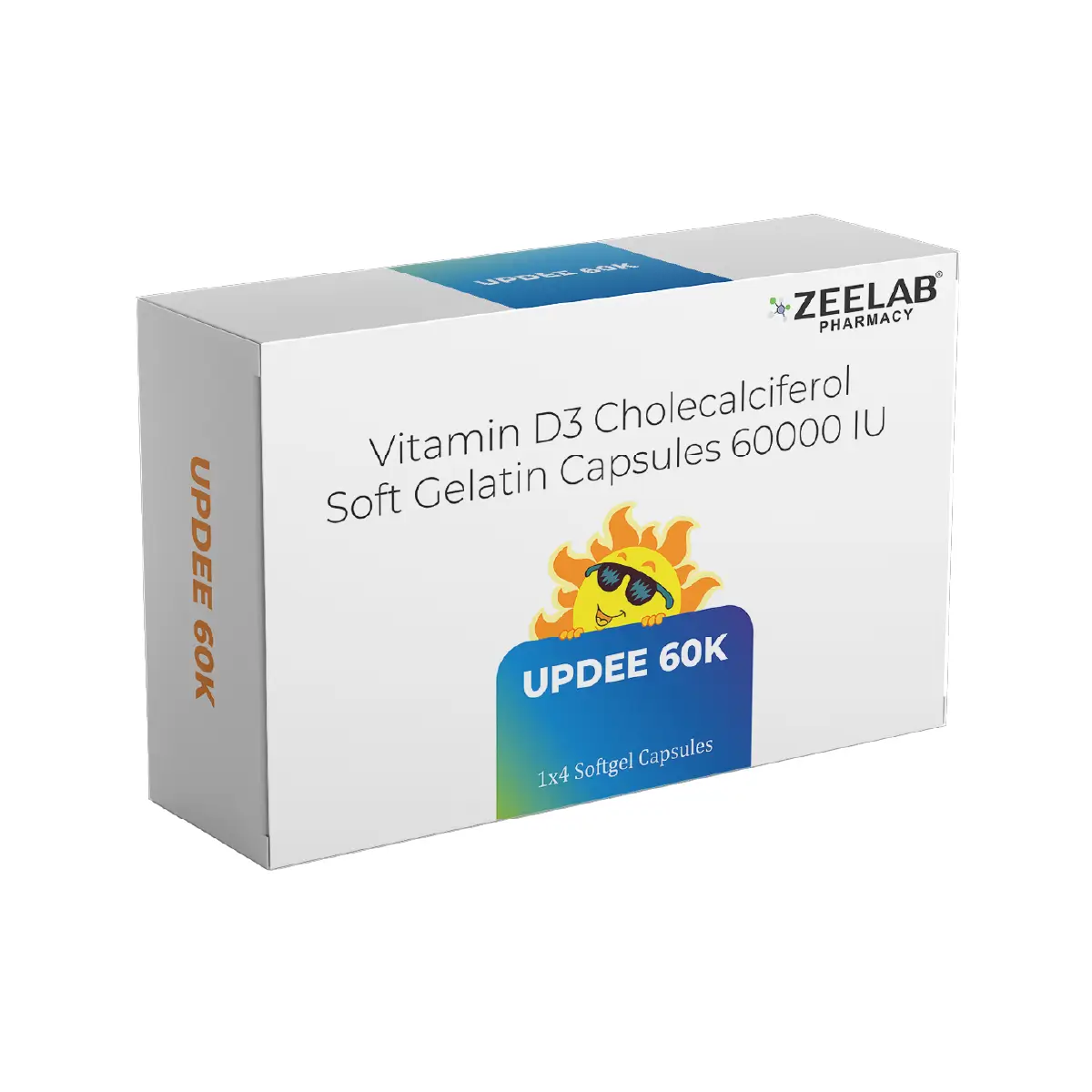
Cholecalciferol (60000IU)
4 Capsules In 1 Strip
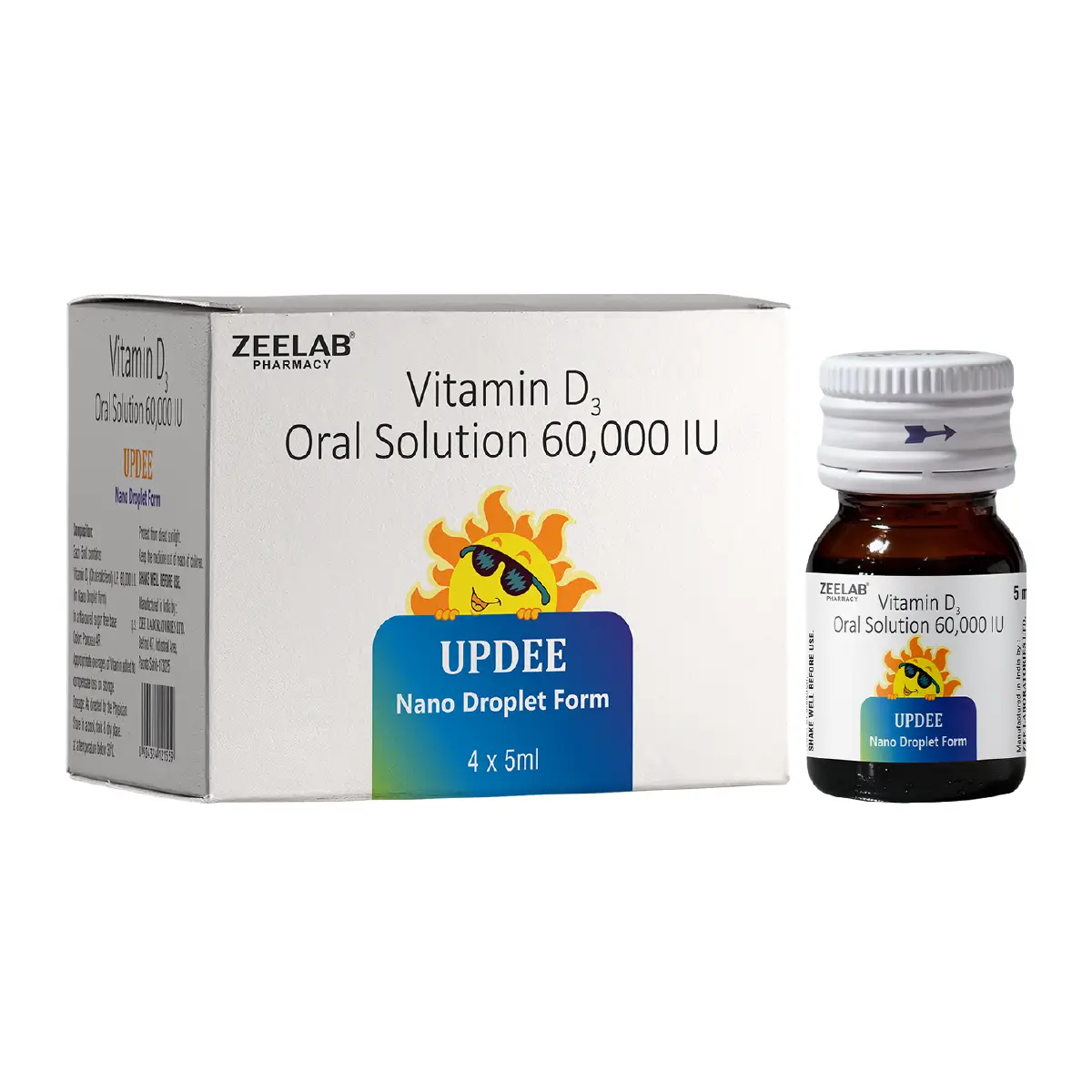
Cholecalciferol (Vitamin D3) 60000 IU
4 Piece In Box
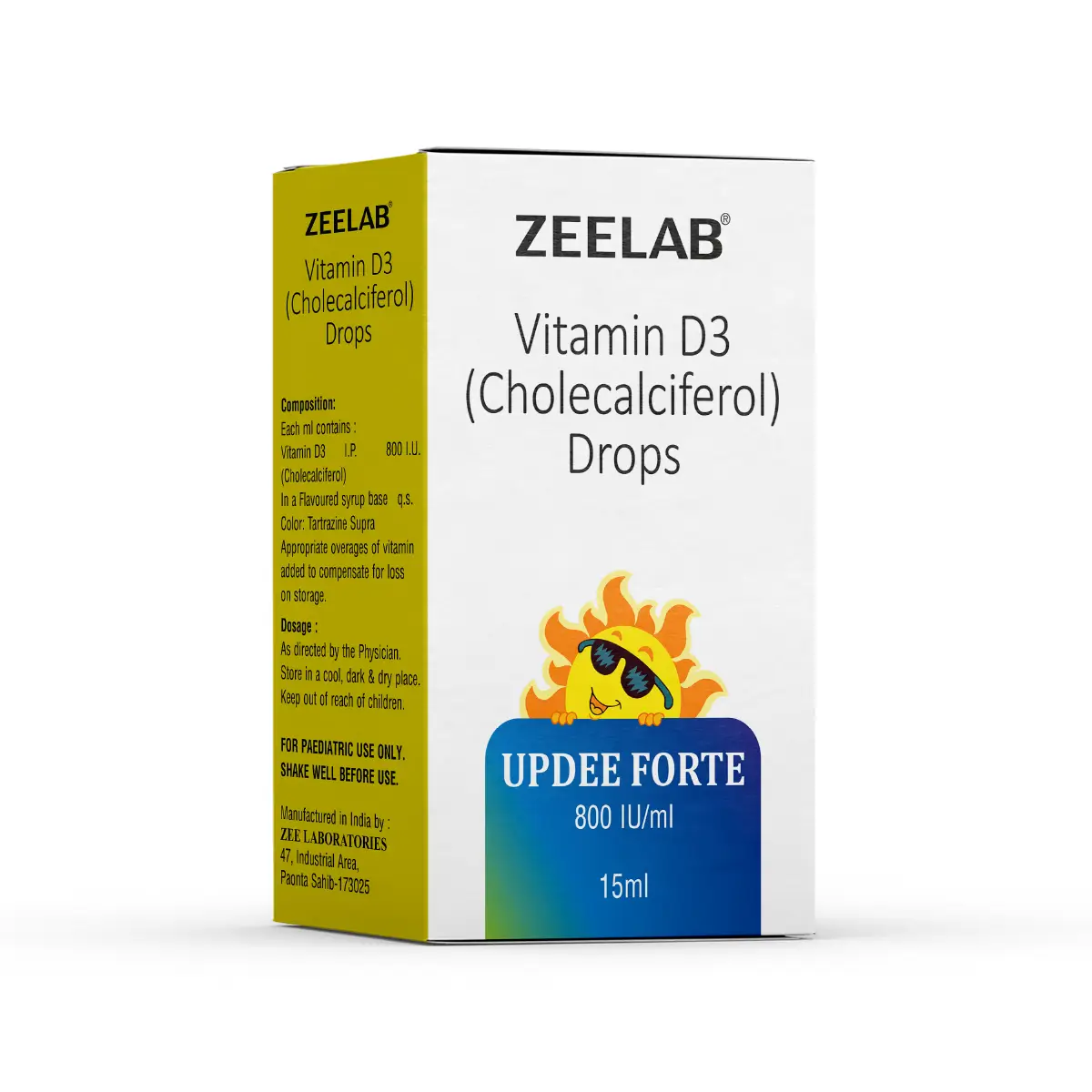
Vitamin D3 (Cholecalciferol) 800 I.U.
15ml In 1 Bottle
Vitamin D3 (Cholecalciferol) 400 I.U.
15ml In 1 Bottle
Recent Blogs






Disclaimer : Zeelab Pharmacy provides health information for knowledge only. Do not self-medicate. Always consult a qualified doctor before starting, stopping, or changing any medicine or treatment.
Related Products


₹ 0
0
Items added
Quick Links
Categories
Our Policies

Our Socials


Subscribe

2026 Copyright By © Zeelab Pharmacy Private Limited. All Rights Reserved
Our Payment Partners

 Added!