

Best Foods for Thyroid Patients: A Complete Diet Plan for Better Thyroid Health
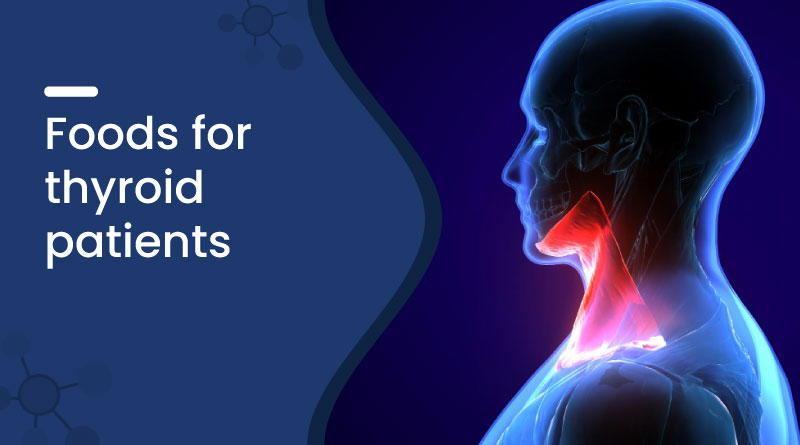
Important functions of our body, such as metabolism, energy level regulation, hormonal balance and growth, are controlled by the thyroid glands, as they produce the T3 and T4 hormones.
Any type of irregular functioning of this small, butterfly-shaped gland may lead to disorders like hypothyroidism, hyperthyroidism, goitre, etc.
In such cases, proper medical diagnosis and treatment are important, and so is being mindful of the diet.
In this blog, we will discuss which foods are best for the thyroid, the foods to avoid for thyroid issues, and also recommend a sample diet chart for thyroid patients.
Why Diet Matters for Thyroid Health
The thyroid gland is important because it is crucial in controlling the process through which energy is utilised and maintained in balance in our body. Failure to control these processes will affect our entire well-being.
What is the Thyroid Gland?
The thyroid gland is a small organ in the neck whose shape is similar to a butterfly’s. It is important in controlling our body’s metabolism by producing thyroid hormones like T3 and T4.
Common Thyroid Disorders
Thyroid problems are generally caused by changes in the synthesis and utilisation of hormones. Some common thyroid illnesses are:
- Hypothyroidism (Underactive thyroid): Due to lower production of thyroid hormones.
- Hyperthyroidism (Overactive thyroid): Happens because of over-production of thyroid hormones.
- Goitre: Enlargement of the thyroid gland resulting from an imbalance of iodine.
- Hashimoto’s Thyroiditis: An autoimmune disease wherein the body’s immune system destroys the thyroid gland.
- Graves’ Disease: An autoimmune disease that usually leads to hyperthyroidism.
Symptoms of Thyroid Imbalance
An imbalance of the thyroid gland can have several effects on various bodily systems. Some common symptoms that a person may show include:
- Weight gain or weight loss for unknown reasons
- Feeling tired or having low energy
- Heart rate changes (either slow or fast)
- Thinning of the hair
- Feeling too cold or hot
- Anxiety or depression
- Irregular periods
- Skin problems such as dryness or sweating
Essential Nutrients for Thyroid Health
Adding the right necessary thyroid-boosting nutrients to your diet will help ensure optimal thyroid functioning and support metabolism.
|
Nutrient |
Benefit |
|
Iodine |
Important for the production of thyroid hormones |
|
Selenium |
Helps in thyroid hormone activation |
|
Promotes hormone formation and balance |
|
|
Iron |
Aids in hormone synthesis and energy production |
|
Maintains immune and thyroid system health |
|
|
Vitamin B12 |
Needed for energy production and nervous system health |
|
Tyrosine |
Needed for the production of thyroid hormones. |
Recommended Daily Intake of Thyroid Nutrients
For naturally supporting thyroid hormone production, including essential nutrients in the diet becomes important.
We recommend that you follow the recommended daily intake amounts of the following key micronutrients to avoid deficiencies and problems from too much intake.
- Iodine (≈150 mcg/day): Required to produce T3 & T4. The thyroid can be affected by both deficiency and excess.
- Selenium (≈55 mcg/day): Converts T4 to active T3, protects the thyroid.
- Zinc (8–11 mg/day): Helps in hormone production and immunological function.
- Iron (8–18 mg/day): Needed for the production of thyroid hormone; lack may increase fatigue.
Top 5 Food Groups That Support Thyroid Health
The foods that we take in our diet really affect our health. This is why we are always told to eat healthy.
The following is a list of some thyroid-balancing foods that a thyroid patient should have:
|
Category |
Foods |
Benefits |
|
Dairy and eggs |
Milk, curd, paneer, and eggs |
Provides minerals needed for thyroid hormone production |
|
Nuts and seeds |
Almonds, walnuts, sunflower seeds, and Brazil nuts |
Keeps hormones in balance |
|
Whole grains and legumes |
Brown rice, oats, lentils, and beans |
Boosts your metabolism |
|
Fruits and vegetables |
Berries, citrus fruits, spinach, and carrots |
Have antioxidants that boost thyroid function |
|
Lean proteins |
Chicken, fish, and pulses |
Help muscular function and hormone production |
Best Fruits for Thyroid Patients
Fruits provide vitamins, antioxidants, and fibre that support overall health and may help reduce inflammation associated with thyroid disorders. Eating a variety of fresh fruits as part of a balanced diet can help support normal thyroid function.
- Apples: Rich in fibre and antioxidants that support digestion and overall health.
- Oranges: High in vitamin C, which supports immunity and helps reduce oxidative stress.
- Kiwi: Provides vitamin C, potassium, and fibre for better metabolism.
- Bananas: A good source of energy and potassium, especially for people experiencing fatigue.
- Berries: Packed with antioxidants that help protect cells from damage.
- Papaya: Contains vitamin A, vitamin C, and digestive enzymes that support overall wellness.
Best Vegetables for Thyroid Patients
Vegetables supply essential vitamins, minerals, and antioxidants that help maintain overall health. Most vegetables are safe for thyroid patients, and cruciferous vegetables are best eaten cooked and in moderation.
- Spinach: Rich in iron, folate, and antioxidants.
- Carrots: Provide beta-carotene, which supports immunity.
- Pumpkin: Contains vitamin A, fibre, and antioxidants.
- Bottle Gourd (Lauki): Light, hydrating, and easy to digest.
- Sweet Potato: A good source of fibre, vitamin A, and complex carbohydrates.
Best Dry Fruits for Thyroid Patients
Dry fruits are rich in healthy fats, minerals, and antioxidants that support hormone production and overall thyroid health. Enjoy them in moderation as part of a balanced diet.
- Almonds: Rich in magnesium, vitamin E, and healthy fats.
- Walnuts: Provide omega-3 fatty acids that help reduce inflammation.
- Brazil Nuts: One of the best natural sources of selenium, which supports thyroid hormone activation.
- Pistachios: Contain protein, fibre, and antioxidants that support overall health.
Tip: Just 1–2 Brazil nuts per day are usually enough to meet your daily selenium requirement.
Best Drinks for Thyroid Patients
Staying hydrated is important for maintaining metabolism and overall health. Choose healthy beverages that support hydration without adding excess sugar.
- Water: The best drink for overall health and hydration.
- Coconut Water: Helps maintain electrolyte balance.
- Milk: Provides protein, calcium, and vitamin D.
- Green Tea: Rich in antioxidants; drink in moderation and avoid taking it with thyroid medicine.
- Lemon Water: A refreshing way to stay hydrated.
Avoid: Sugary soft drinks, energy drinks, and excessive sweetened beverages, as they may contribute to weight gain and poor metabolic health.
Foods to Eat for Hypothyroidism vs Hyperthyroidism
Common thyroid disorders like hyperthyroidism and hypothyroidism are caused by different reasons. Hence, they require different nutrients to manage symptoms more effectively. These include:
|
Condition |
Suggested Food Types |
Main Benefits |
|
Hypothyroidism |
Iodine-rich foods (in moderation) |
Helps in producing thyroid hormone |
|
Selenium-rich foods |
Helps convert T4 into active T3 |
|
|
High-fiber foods |
Enhances digestion and metabolism |
|
|
Hyperthyroidism |
Calcium-rich foods |
Helps maintain bone health |
|
Vitamin D-rich foods |
Supports immune health and calcium absorption |
|
|
Low-iodine foods |
Helps to control the overproduction of hormones |
Foods to Avoid in Thyroid Condition
Eating the right foods and following a proper diet for thyroid health is only successful when a patient also avoids or limits harmful foods. Such foods may include:
- Processed foods: May affect metabolic rate and overall health.
- Excess soy consumption: Might interfere with hormone absorption.
- Cruciferous vegetables eaten raw (in excess): May affect iodine uptake.
- Sweet foods: Make energy imbalance worse.
- Excess iodine intake: Can disrupt thyroid functioning.
- Gluten (in those allergic): May cause problems.
Sample Daily Diet Plan for Thyroid Patients
A basic, balanced daily diet plan can help support thyroid function and help maintain your energy levels throughout the day.
You may follow this simple diet chart for thyroid management.
|
Meal |
Food Options |
|
Early Morning |
Lemon juice in warm water with a few soaked almonds or walnuts |
|
Breakfast |
Vegetable oats or multigrain bread with egg and milk |
|
Mid-Morning Snack |
Fresh fruits such as apples, oranges or papayas |
|
Lunch |
Brown rice or multigrain roti with dal, green vegetables, and curd |
|
Evening Snack |
Roasted chana with nuts or green tea |
|
Dinner |
A light dinner with roti, vegetables, and paneer/lentils as a source of proteins |
|
Bedtime (optional) |
Warm milk or some nuts |
What to Eat Before and After Taking Thyroid Medicine
Taking thyroid medicine correctly helps your body absorb it effectively.
- Take your thyroid medicine on an empty stomach with a full glass of water.
- Wait 30–60 minutes before eating breakfast or drinking tea or coffee.
- Avoid taking calcium supplements, iron supplements, milk, antacids, or multivitamins within 4 hours of your thyroid medicine, as they can reduce absorption.
- Follow the schedule recommended by your doctor for the best results.
Best Cooking Methods for Thyroid Health
Not just the food but also the way you prepare it can affect thyroid function. This is because different methods can change the presence of nutrients in the food. To avoid that, you should:
- Prefer steamed or boiled food; this way, more nutrients are retained. It also makes digestion and absorption easier.
- Avoid deep frying as it has a negative impact on metabolism.
Lifestyle Tips for Thyroid Patients
For supporting thyroid health, a good and healthy lifestyle is equally important as the right diet and medications.
- Stay active by walking, doing yoga or other light exercises.
- Try meditation or taking several deep breaths to calm down and ease stress.
- Get enough sleep to support hormone regulation and to have energy.
- Keep your weight within a healthy level.
- Stop smoking and reduce alcohol consumption.
- Take your prescription drugs exactly as your doctor advises you.
Also Read: Ayurvedic Medicine for Thyroid
When to See a Doctor?
For better management of thyroid, consult a doctor on time, without waiting for the symptoms to get serious.
If you are feeling any unusual or persistent symptoms, listen to your body and seek medical advice:
- Unexplained weight increase or reduction;
- Exhausted, weary or lacking energy
- Fast heartbeat or heart palpitations
- Loss or thinning of hair
- Menstrual problems or difficulty conceiving
- Excessively sensitive to hot and cold environments
- Mood swings, anxiety and depression.
- Swelling in the neck or difficulty swallowing
Also Read: Best Thyroid Medicines in India
Conclusion
Eating the right meals can help control and possibly prevent thyroid issues. Foods that are good for thyroid care include dairy products, eggs, nuts and seeds, whole grains, fruits and vegetables, and proteins. They help control thyroid hormones.
In addition to good nutrition, exercise, stress management and a regular schedule will greatly contribute to the proper functioning of the thyroid.
Always remember that taking good care of yourself through thyroid-friendly foods and the right lifestyle choices is good, but medical checkups should never be avoided.
Frequently Asked Questions (FAQs)
Ans.The best foods for thyroid patients include dairy, eggs, nuts, seeds, whole grains, fruits, vegetables, and lean proteins. These foods provide essential nutrients that support hormone production and overall thyroid function.
Ans.Yes, iodine-rich foods support thyroid hormone production and normal function. However, both deficiency and excess can disrupt balance, so it’s important to consume iodine in appropriate amounts through a well-balanced diet.
Ans.Diet plays a key role in thyroid health by providing essential nutrients needed for hormone production and metabolism. A balanced diet helps manage symptoms and supports overall endocrine function effectively.
Ans.Fruits like berries, apples, oranges, and bananas are good for thyroid health. They provide antioxidants and vitamins that support metabolism, reduce inflammation, and help maintain overall hormonal balance in the body.
Ans.The best diet includes balanced meals with whole grains, fruits, vegetables, lean proteins, dairy, and healthy fats. This approach supports hormone production, metabolism, and overall thyroid health effectively.
Ans.Eating meat can support thyroid health as it provides protein, iron, and zinc, which are important for hormone production and metabolism. Including lean meats in moderation helps maintain overall thyroid function and energy levels.
Ans.Selenium-rich foods are important because they help convert inactive thyroid hormone (T4) into the active form (T3). They also protect the thyroid gland from oxidative damage and support overall hormone balance.
Ans.A healthy diet can support thyroid function by providing nutrients like iodine, selenium, and zinc. While it may not cure disorders, it helps improve symptoms and overall hormonal balance.
Ans.Thyroid patients should limit processed foods, excess soy, sugary items, and too much iodine. These may interfere with hormone balance and worsen symptoms when consumed in large amounts regularly.
Ans.Processed foods are not ideal for thyroid health as they often contain unhealthy fats, excess salt, and additives. These can affect metabolism and contribute to poor overall health and hormonal imbalance.
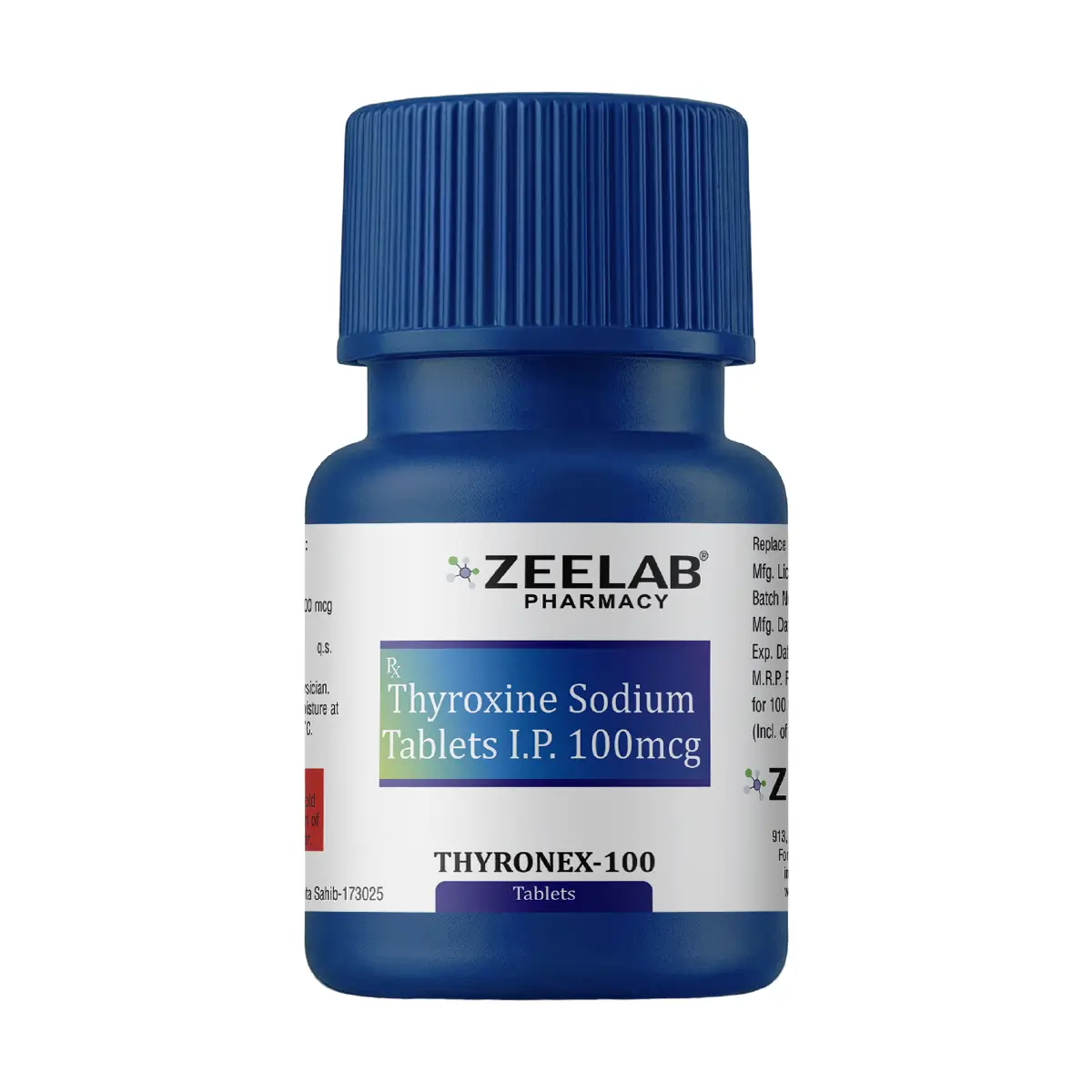
Thyroxine (100mcg)
100 Tablets Per Bottle
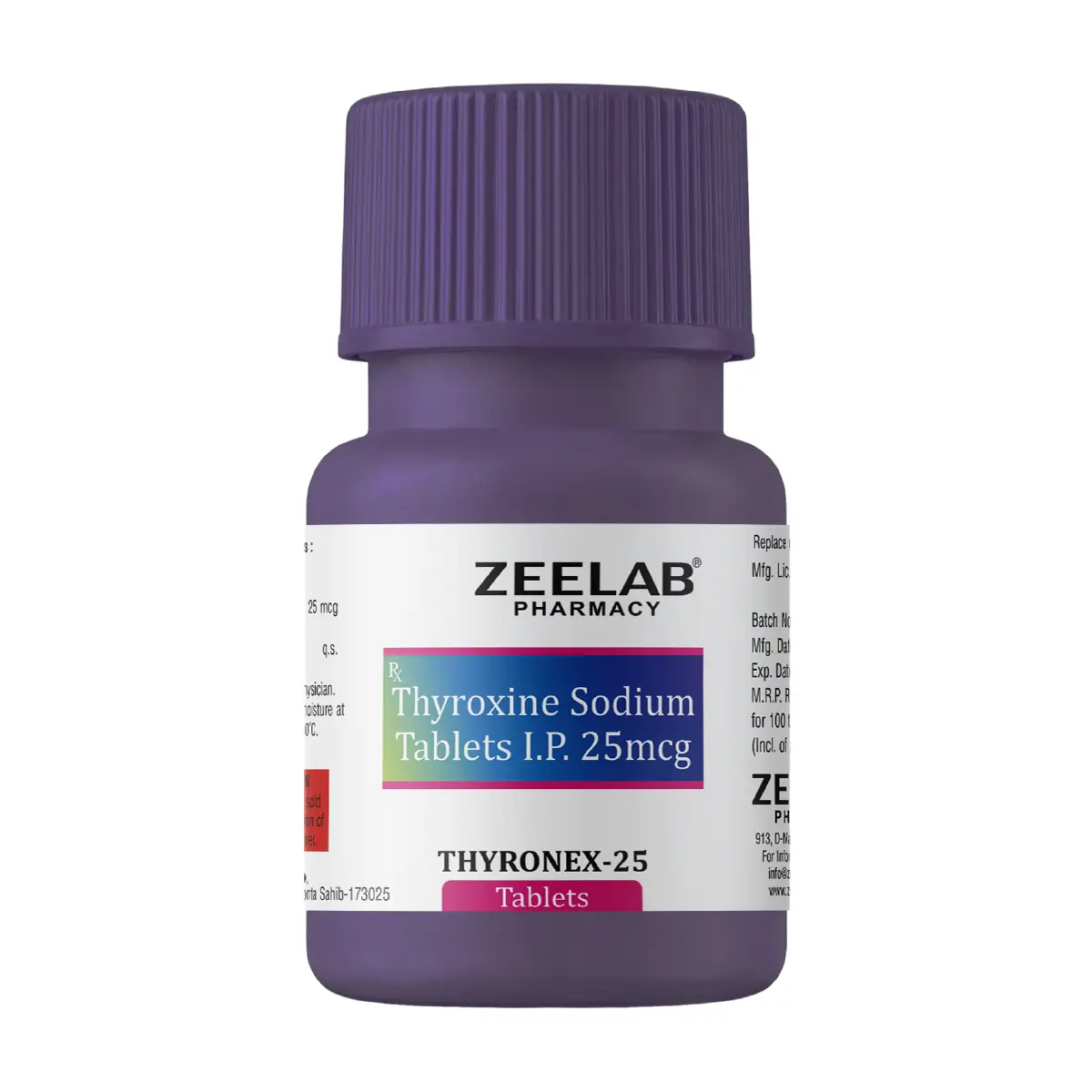
Thyroxine (25mcg)
100 Tablets In 1 Bottle
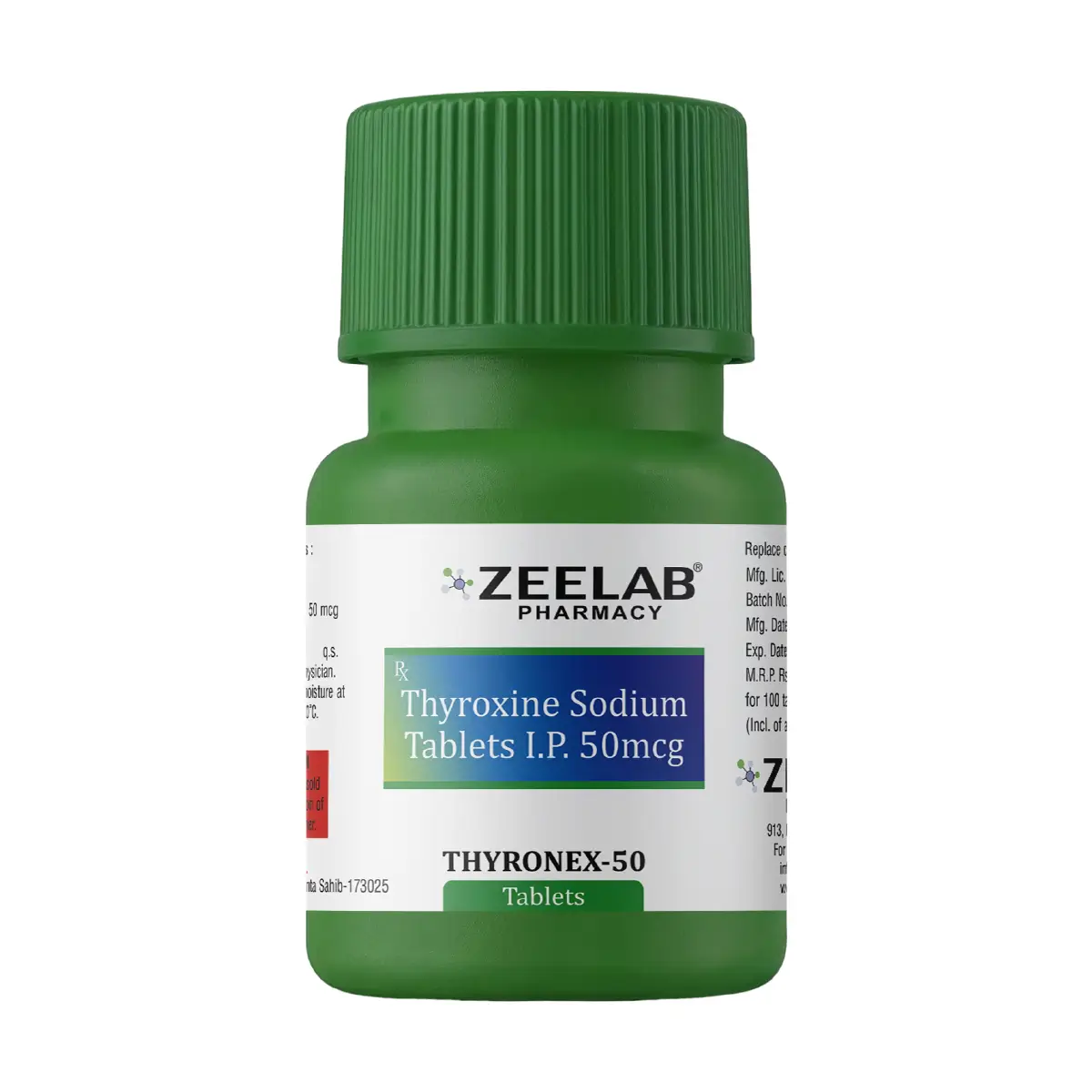
Thyroxine (50mcg)
100 Tablets In 1 Bottle
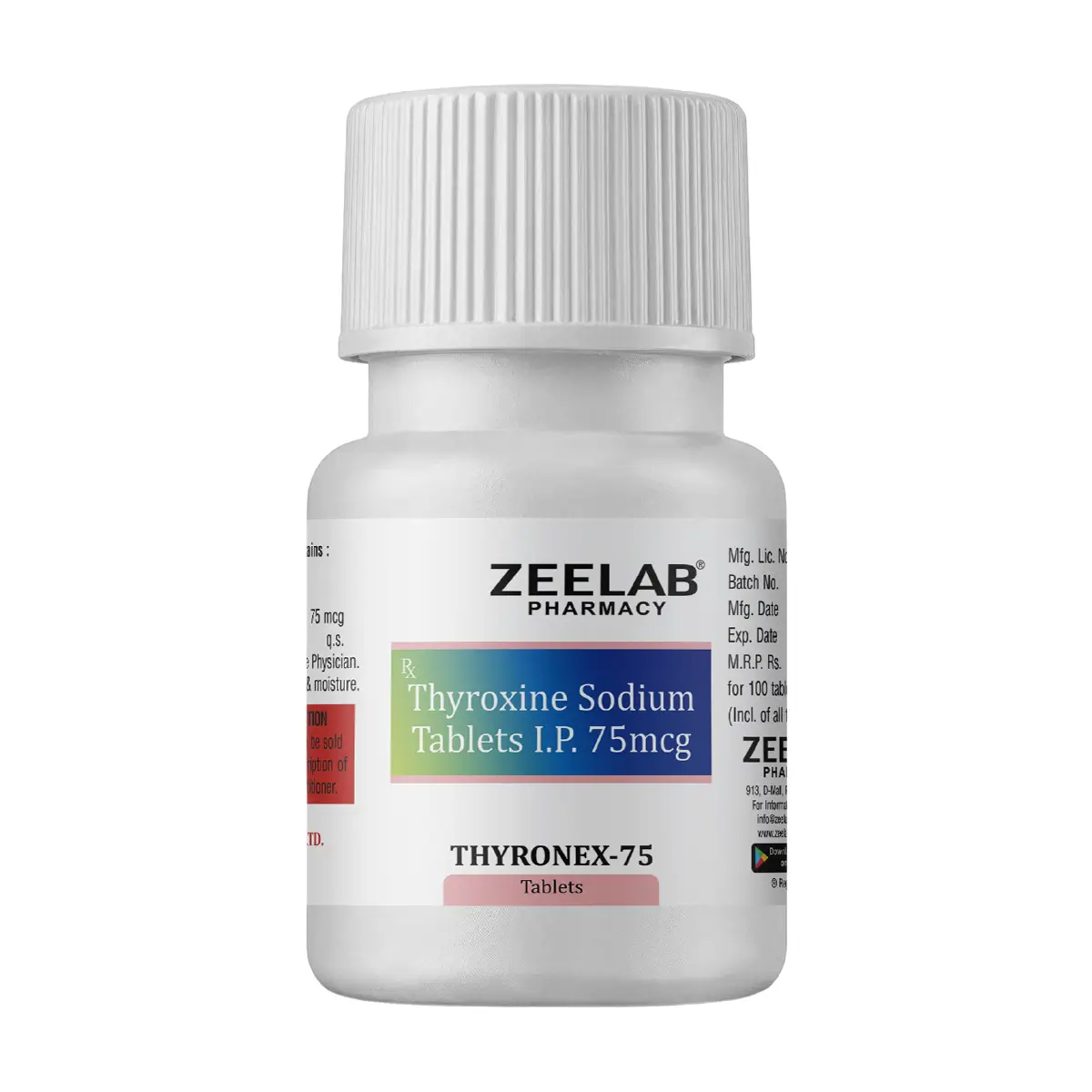
Thyroxine Sodium (75 mcg)
100 Tablets Per Bottle
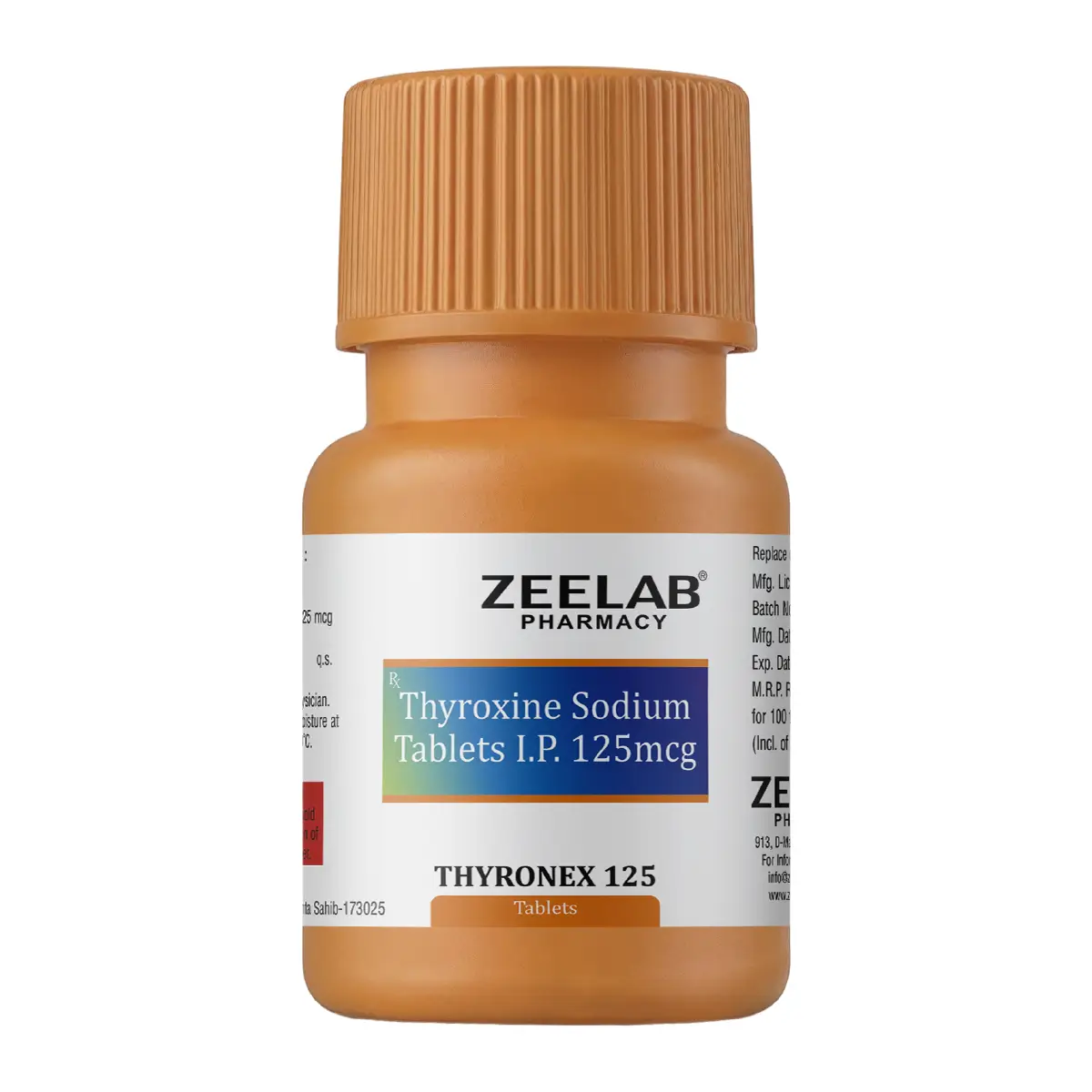
Thyroxine (125mcg)
100 Tablets Per Bottle
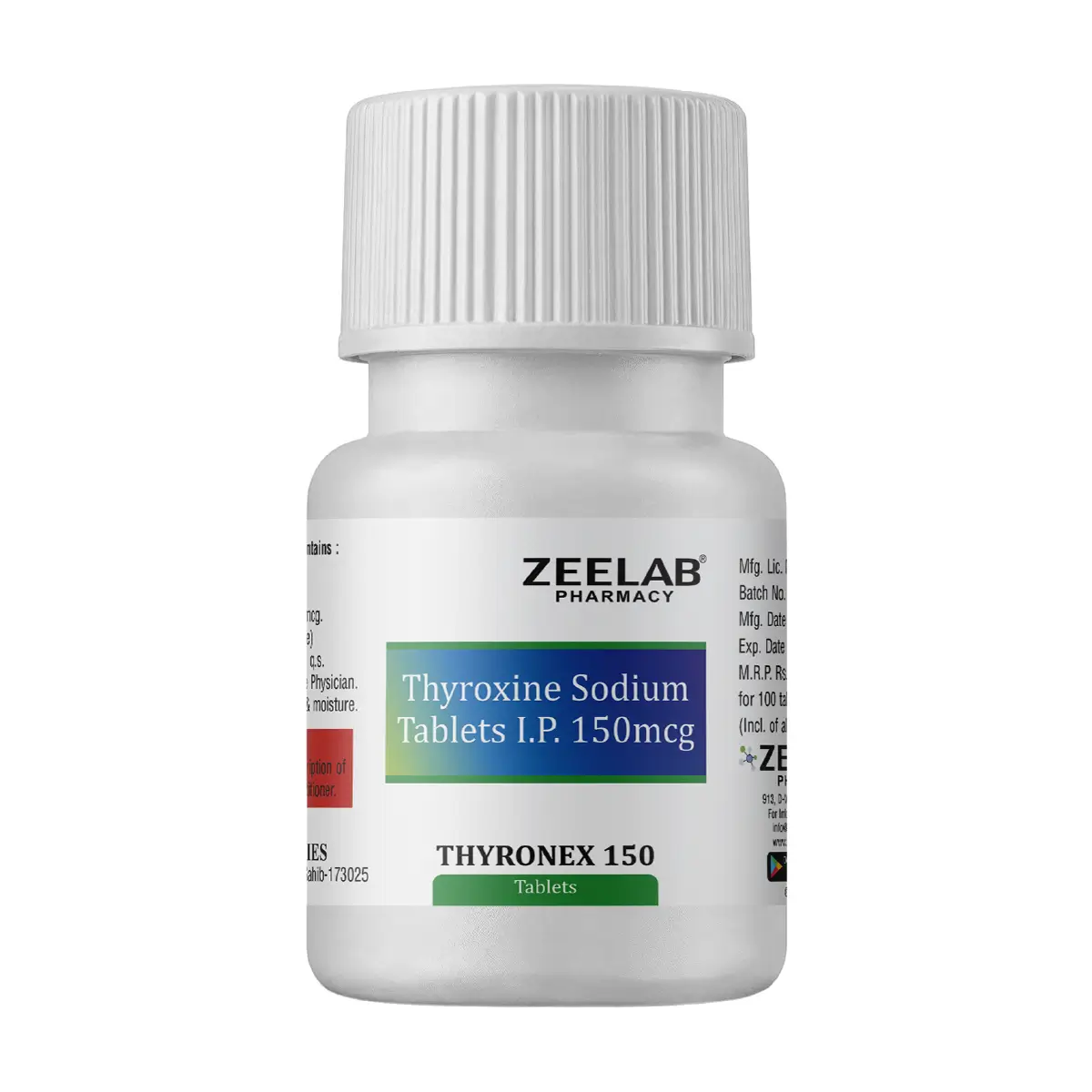
Thyroxine (150mcg)
100 Tablets Per Bottle
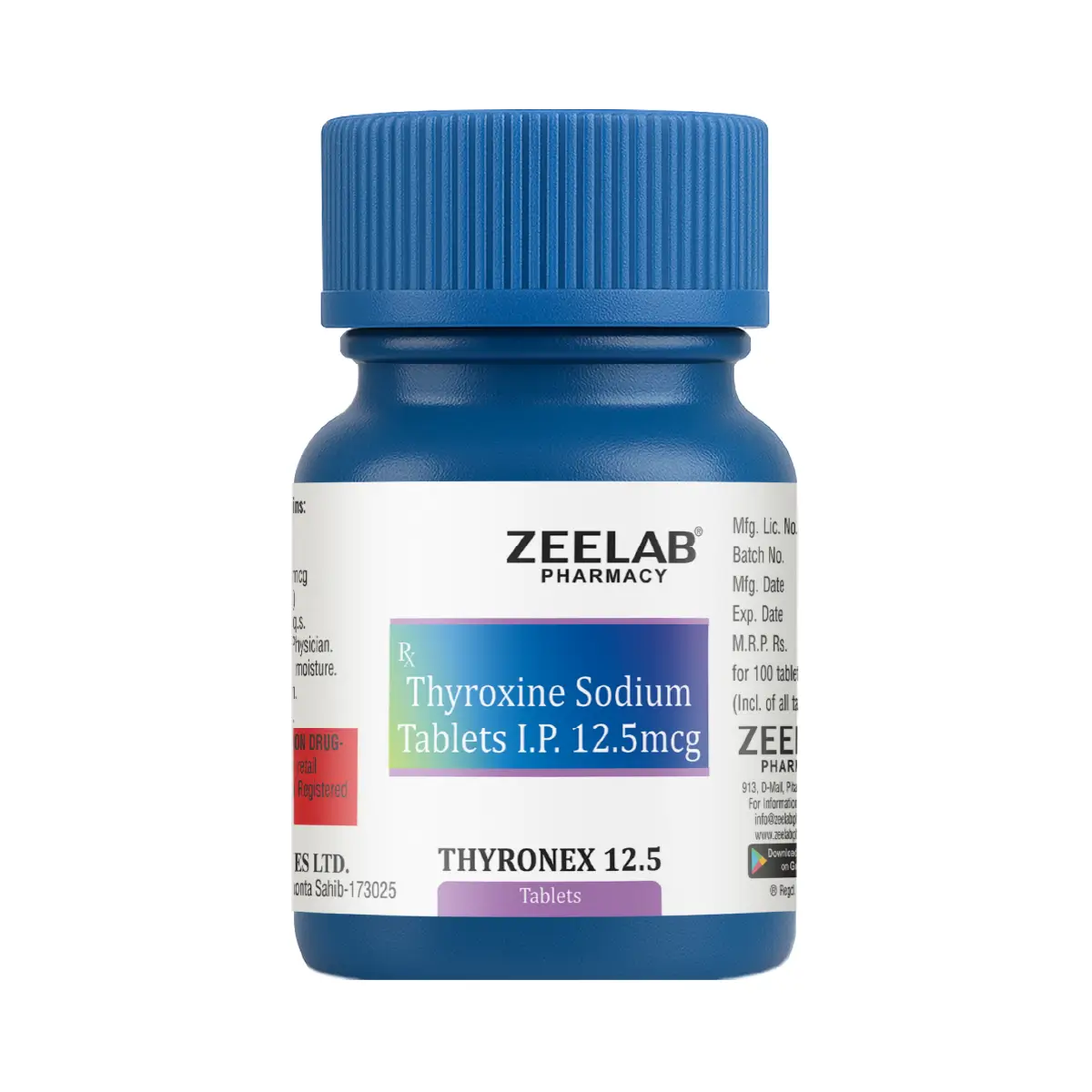
Thyroxine (12.5mcg)
100 Tablets Per Bottle
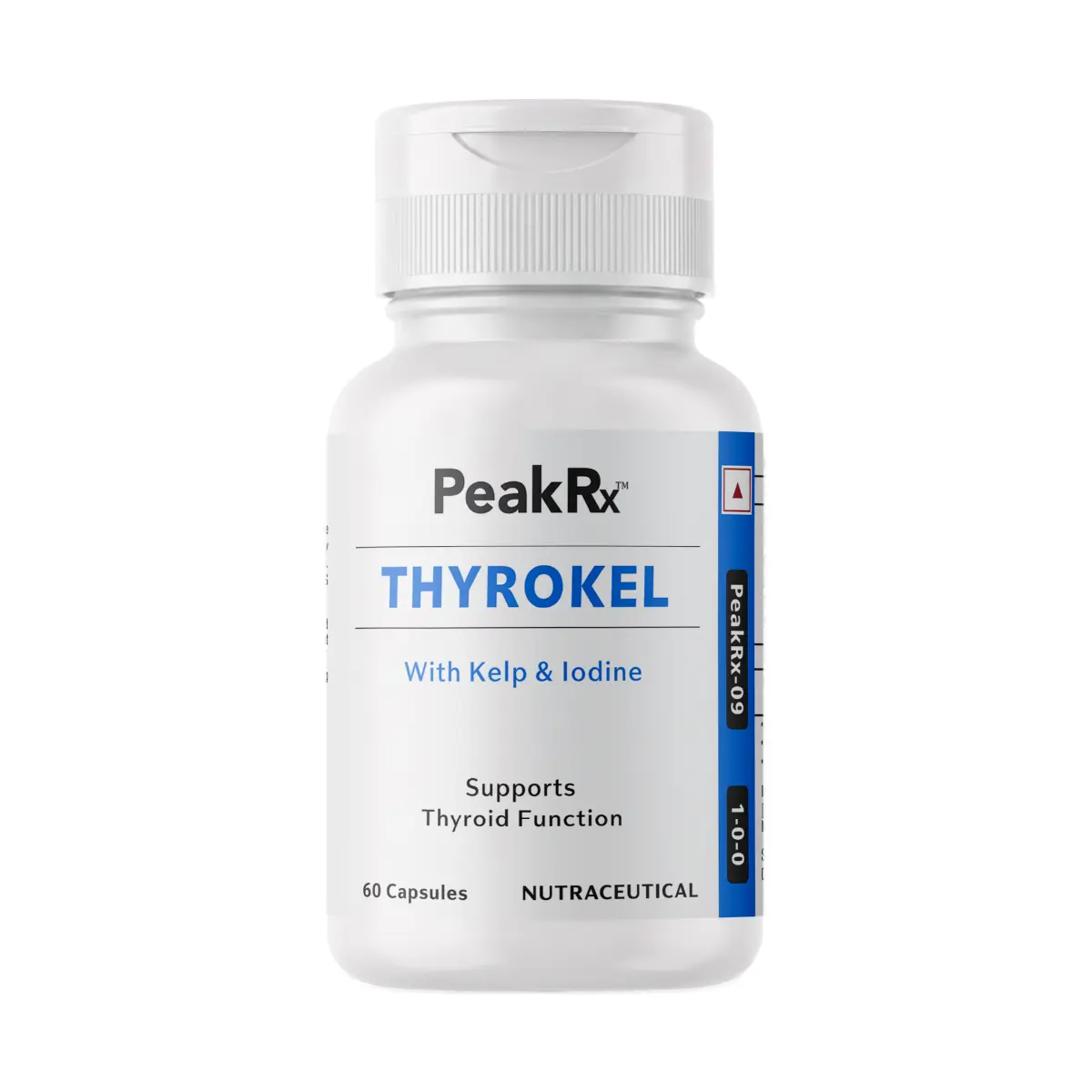
Kelp (250 mg) + Iodine (as Potassium Iodide) (50 mcg)
60 Capsules per jar
References
Recent Blogs






Disclaimer : Zeelab Pharmacy provides health information for knowledge only. Do not self-medicate. Always consult a qualified doctor before starting, stopping, or changing any medicine or treatment.
Related Products


₹ 0
0
Items added
Quick Links
Categories
Our Policies

Our Socials


Subscribe

2026 Copyright By © Zeelab Pharmacy Private Limited. All Rights Reserved
Our Payment Partners

 Added!