

Best Medicine for Chest Pain: OTC Medicines, Treatment Options & When to See a Doctor

Feeling pressure, sharp, or squeezing pain in the chest can leave you worried. Sometimes it’s something minor, like acid reflux, gas, or muscle strain. These can be treated with OTC chest pain medicine.
Which medicine is best for chest pain depends on the cause and severity. Take over-the-counter drugs only if you know the reason is something mild, like gas or a strain. However, if the pain is unexplained, sudden, or severe, call the doctor immediately.
This blog discusses the reasons for chest pain, when OTC chest pain relief medicines are beneficial, and signs when medical attention becomes necessary.
What is the Best OTC Medicine for Chest Pain?
The best medicine for chest pain depends on what is causing the pain. Antacids might help if acidity or gas is the reason for your chest pain, but if it is due to muscle strain, prefer taking painkillers.
|
Possible cause |
OTC option that may help |
Important consideration |
|
Heartburn/acidity |
Antacids |
Use only when symptoms are consistent with acidity |
|
Frequent acid reflux |
Acid-reducing medicines like Famotidine, Cimetidine, and Omeprazole |
Follow product directions and seek medical advice if symptoms persist |
|
Minor muscle/chest-wall pain |
OTC pain reliever like Paracetamol and Ibuprofen |
Use only when the cause is known to be musculoskeletal |
What are the Causes of Chest Pain?
A person may feel pain in the chest due to different reasons, which may vary from mild to serious complications.
The pain can be treated only after finding out its cause; it might be:
- Heartburn or acid reflux
- Muscle strain or chest-wall pain
- Angina or heart attack
- Chest infection or inflammation
- Anxiety or panic
- Lung-related conditions
- Injury to the chest
Can You Take an OTC Medicine for Chest Pain?
Yes, over-the-counter (OTC) medicines can be used for chest pain relief, but only when the real cause is confirmed and non-serious.
When OTC Medicines May Be Appropriate
You should take OTC chest pain treatment medicines only in the following confirmed conditions:
- Familiar heartburn or acid reflux symptoms.
- Minor chest-wall muscle discomfort.
- Mild symptoms improve with appropriate measures.
When You Should Not Self-Treat Chest Pain
Self-treatment is never recommended if you experience the following symptoms, because these can be serious issues and taking medicine without consulting a doctor is risky.
- First-time or unexplained chest pain
- Sudden or severe pain
- Pressure, squeezing, or heaviness in the chest
- Pain occurring during physical activity
- Chest pain with breathlessness, sweating, nausea, dizziness, or fainting
OTC Medicines for Chest Pain Due to Acidity
As briefly discussed in the previous sections, OTC chest pain medicines are used when the reason is acidity or heartburn, which causes a burning sensation in the chest leading to pain.
For chest pain caused by heartburn or acidity, three types of medicines are commonly used; they are:
Antacids for Heartburn-Related Chest Discomfort
Antacids are commonly used as a fast and short-term relief treatment option that helps neutralise stomach acid in cases of heartburn.
Common OTC antacids include:
- Calcium carbonate
- Magnesium hydroxide
- Aluminum hydroxide
H2 Blockers for Acidity Symptoms
H2 blockers are useful for those who have regular heartburn. They inhibit acid production in the stomach and give relief for a longer period than antacids.
Common H2 blockers used to treat chest discomfort include:
Famzee 40 Tablet
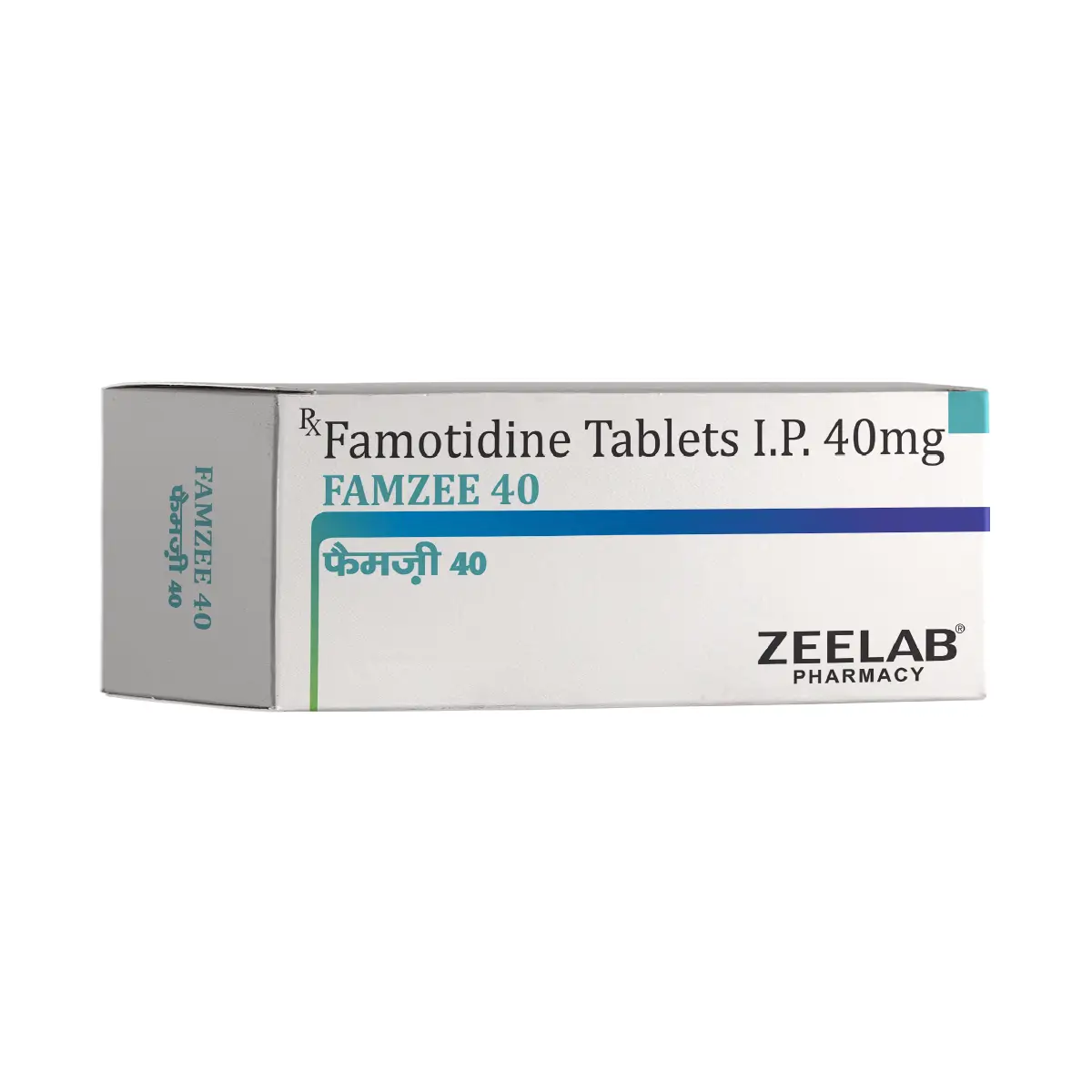
Famotidine medicine that reduces stomach acid, helping manage heartburn-related chest discomfort.
- Composition: Famotidine 40 mg
- Benefits: Helps manage heartburn, acid reflux, and acid-related burning discomfort.
- How it works: Blocks H2 receptors in the stomach, reducing gastric acid production.
OTC PPIs for Frequent Heartburn
Proton pump inhibitors (PPIs) decrease acid production and act slowly but give long-term relief for frequent heartburn.
Examples of OTC PPIs are:
- Omeprazole
- Lansoprazole
Omeride 20 Capsule
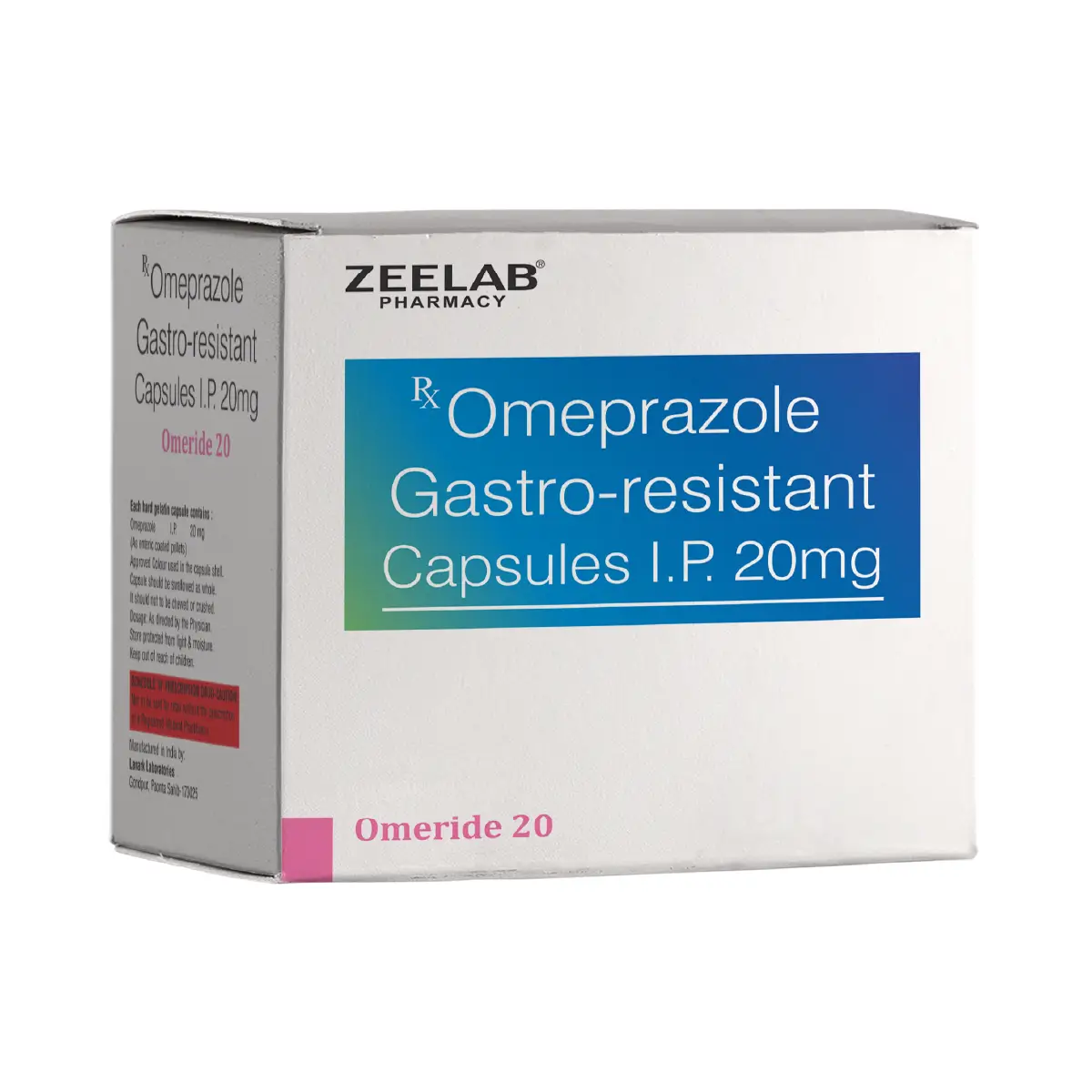
A proton pump inhibitor that lowers stomach acid and is used for acid reflux symptoms.
- Composition: Omeprazole 20 mg
- Benefits: Helps manage frequent heartburn and acid reflux.
- How it works: Suppresses acid production by blocking proton pumps in the stomach lining.
Lansoride 30 Capsule
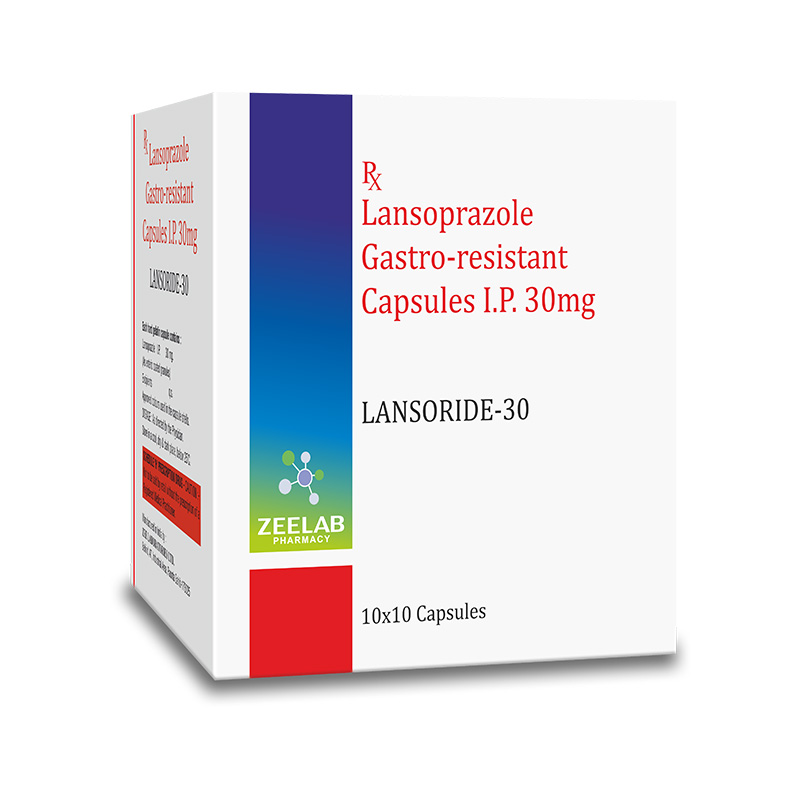
A lansoprazole-based medicine that decreases gastric acid and manages acid-related digestive discomfort.
- Composition: Lansoprazole 30 mg
- Benefits: Helps relieve symptoms associated with excessive stomach acid and reflux.
- How it works: Inhibits the stomach's proton pumps, reducing the release of gastric acid.
What Medicine Can Help With Muscle-Related Chest Pain?
If your chest discomfort is caused by musculoskeletal problems, chest wall soreness or muscular strain, then pain relievers such as NSAIDs or Acetaminophen are more useful.
Along with taking medicine for muscular chest pain, taking proper rest and avoiding physical activities helps in speedy recovery.
Which OTC Pain Relievers May Be Used?
Several over-the-counter medicines may help relieve musculoskeletal chest discomfort depending on its underlying cause and severity.
- Paracetamol (acetaminophen): May help minor discomfort if used as directed on the label.
- NSAIDs: Medicines like ibuprofen can be helpful for pain and inflammation when used appropriately.
Parazex XT Tablet
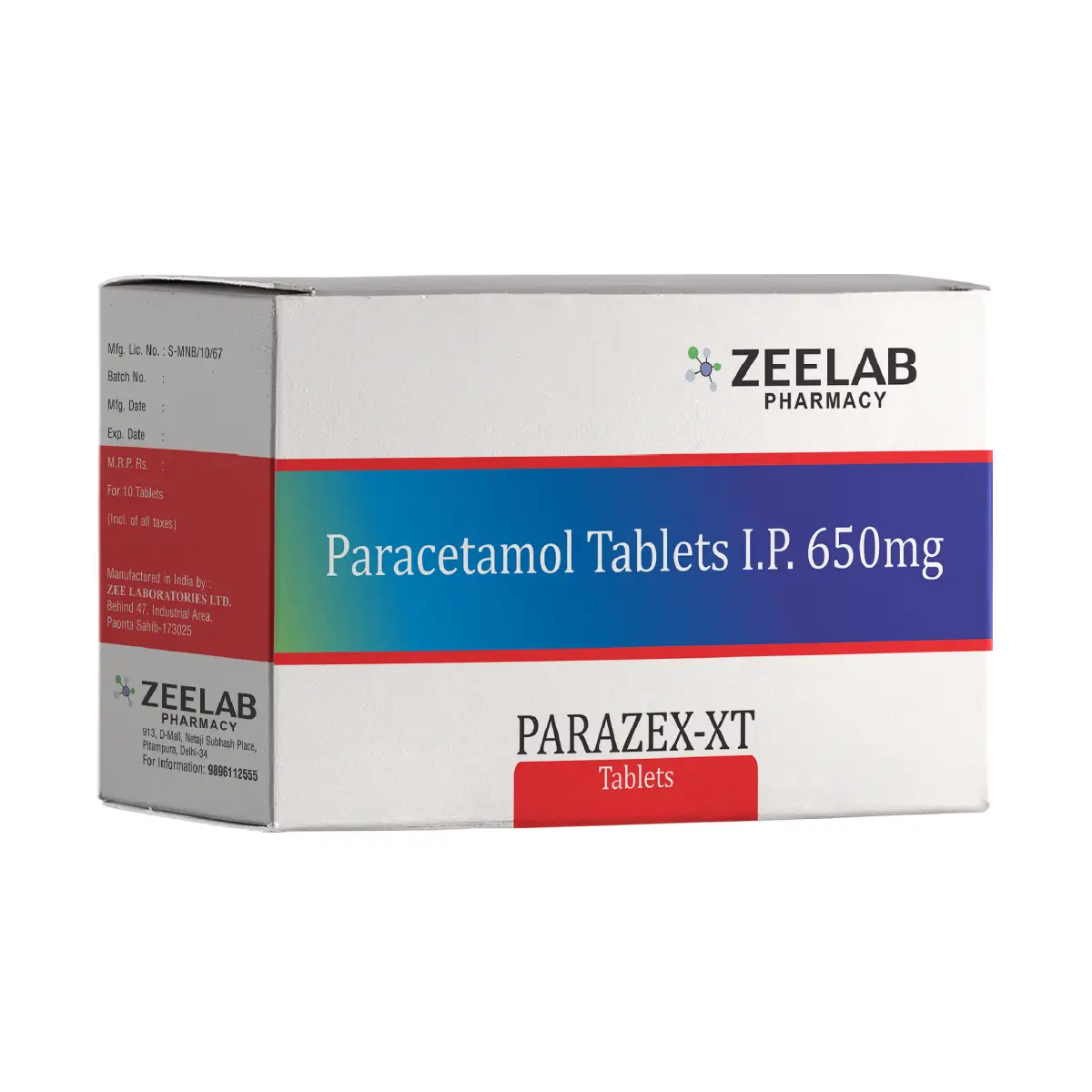
Paradox XT is a pain-relieving medicine formulated with paracetamol, used for mild to moderate pain and fever.
- Composition: Paracetamol 650 mg
- Benefits: Helps reduce mild to moderate pain when the underlying cause is known.
- How it works: Acts on pain pathways in the body to reduce pain and fever.
Ibuprol 400 Tablet
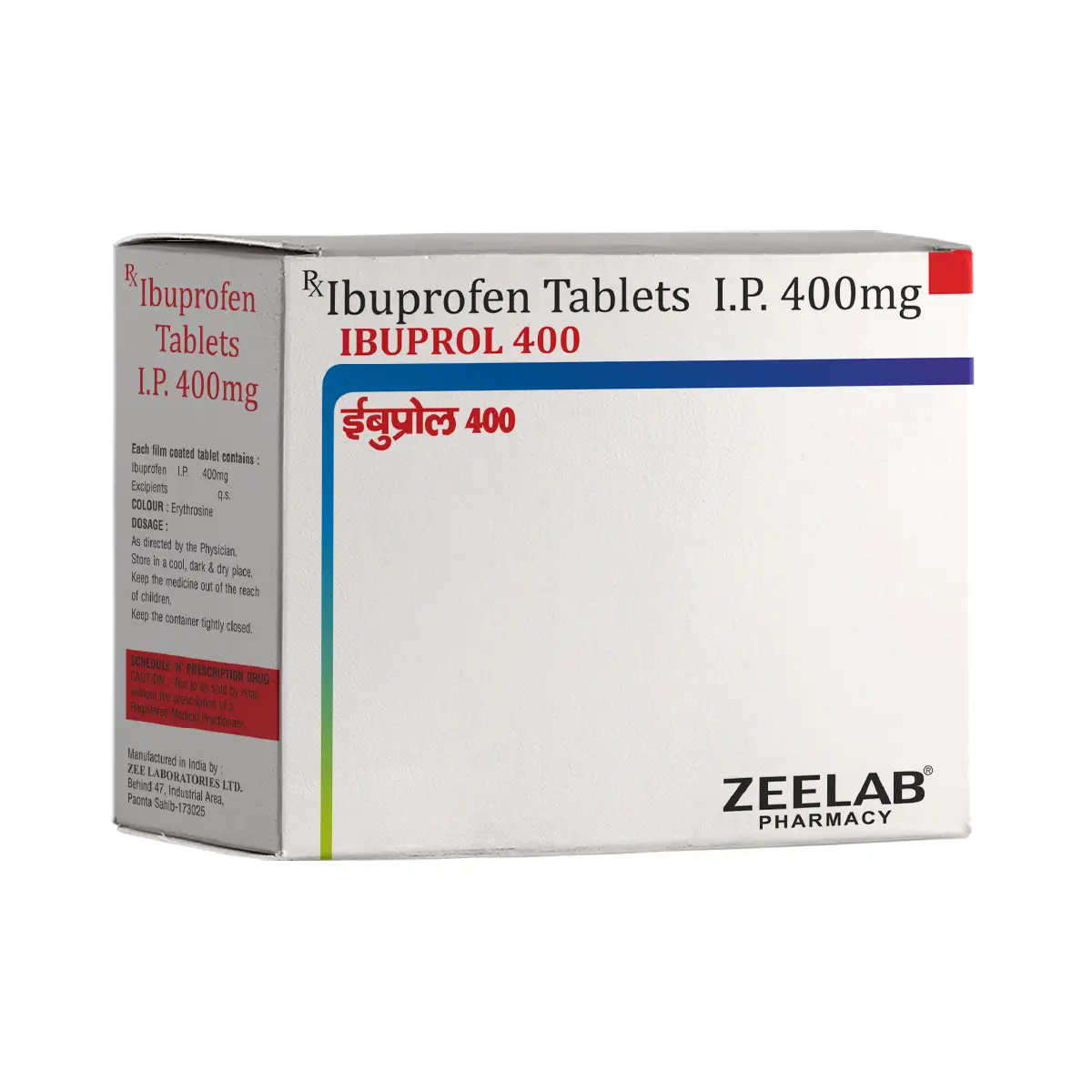
An ibuprofen medicine with pain-relieving and anti-inflammatory properties for suitable musculoskeletal discomfort.
- Composition: Ibuprofen 400 mg
- Benefits: Helps manage pain and inflammation associated with conditions such as muscle strain.
- How it works: Reduces prostaglandins, substances involved in pain, inflammation, and fever.
Should You Take Aspirin for Chest Pain?
Aspirin is not a regular medicine for ordinary chest pain. In suspected heart attack situations, emergency first-aid guidance allows aspirin to be considered for an alert adult while emergency medical help is being arranged, provided there is no known aspirin allergy or medical advice against taking it.
The most important step is to seek emergency medical help immediately. Do not take aspirin and wait to see whether the pain goes away.
Gas or Acidity vs Heart-Related Chest Pain
The reason for your chest pain can be gastric or acidity issues as well as heart-related complications. Getting confused between them can be dangerous; therefore, here is
|
Feature |
Gas/Acidity-Related Pain |
Heart-Related Pain |
|
Nature of pain |
Burning, bloating sensation |
Pressure, squeezing, heaviness |
|
When it happens |
Often after meals or lying down |
Can occur during exertion or rest |
|
Associated symptoms |
Belching, sour taste |
Breathlessness, sweating, nausea, dizziness |
|
Response to antacids |
May improve |
Typically does not improve |
|
Radiating pain |
Uncommon |
May spread to arm, jaw, neck, or back |
|
Urgency |
Usually not an emergency |
Requires immediate medical attention |
Precautions while Taking Medicines for Chest Pain
When the cause of chest pain is uncertain, do not self-medicate or experiment with different medicines.
- Do not use someone else’s prescription medicines or nitroglycerin
- Avoid taking random painkillers for unexplained chest pain
- Do not repeatedly assume chest pain is due to gas or acidity without medical evaluation
- Avoid taking multiple medicines without medical advice
- Prescription heart medicines should only be used exactly as directed for the person they were prescribed to
When is Chest Pain an Emergency?
If you experience chest pain, it’s important to seek emergency medical help right away if you notice any of the following symptoms:
- Sudden or severe intensity
- Pressure, squeezing, or heaviness
- Pain spreading to the arm, jaw, neck, or back
- Shortness of breath
- Sweating
- Nausea or vomiting
- Dizziness or fainting
- Onset during physical activity
Can Chest Pain Be a Sign of a Heart Attack?
Yes, chest pain can be a symptom of a heart attack, though symptoms can vary from person to person; some may have classic pressure or pain, while others experience more subtle signs like fatigue or breathlessness.
If symptoms seem concerning in any way, seek emergency medical help right away rather than waiting to see if they pass.
When Should You See a Doctor for Chest Pain?
You don’t need to go to the emergency room for every incident, but don’t dismiss chest discomfort that recurs or that you can’t explain.
See a doctor if you have:
- Recurring chest pain
- Pain during exercise
- Unexplained chest discomfort
- Pain that does not improve
- Episodes that are becoming more frequent or severe
Chest pain that comes and goes can still require medical evaluation, particularly when it occurs with physical activity.
Conclusion
Lastly, it is concluded that chest pain can happen for various reasons; based on that, the choice of medicine for its treatment also differs. OTC chest pain medicines are usually taken when the cause is known and confirmed.
Over-the-counter medicines are usually taken when a person experiences chest pain due to issues like heartburn, acidity, or minor muscle pain. In these cases, common medicines used are antacids, Famotidine (H2 blocker), Omeprazole (PPI), and painkillers like Paracetamol and Ibuprofen.
Remember that experiencing chest pain can be a risky complication. If you have unusual symptoms, without ignoring; going to a doctor is a must.
Frequently Asked Questions (FAQs)
Ans.For non-serious issues like heartburn and muscle strain-related chest pain, antacids and pain relievers like Ibuprol 400 Tablet may help.
Ans.Yes, but only for a known cause such as familiar heartburn or muscle pain. Do not self-treat new, unexplained, or severe chest pain.
Ans.There is no universal tablet for immediate chest pain relief. Treatment depends on the cause, and sudden or severe pain requires urgent medical attention.
Ans.Antacids may relieve chest discomfort caused by heartburn or acidity. However, do not assume chest pain is gas if symptoms are new or unusual.
Ans.Aspirin is not a routine chest painkiller. In suspected heart attack, follow emergency medical guidance and do not delay urgent medical treatment.
Ans.Yes, muscle strain or chest-wall pain can cause chest discomfort, particularly after exercise, lifting, coughing, or injury. Treatment depends on confirming the cause.
Ans.Chest pain with shortness of breath can indicate a serious heart or lung problem. Seek emergency medical help instead of taking an OTC medicine.
Ans.Chest pain can indicate a heart problem, although acidity, muscle strain, and other causes are possible. New, severe, or unexplained pain needs medical assessment.
Ans.Yes, gas, acid reflux, and heartburn can cause burning or discomfort behind the breastbone. However, heart-related pain can sometimes feel similar.
Ans.Gastric pain often causes burning, bloating, or a sour taste, while heart attacks may cause pressure, heaviness, sweating, breathlessness, or spreading pain.
Ans.Avoid taking someone else's prescription medicines, nitroglycerin, or random painkillers. Do not repeatedly assume unexplained chest pain is caused by gas.
Ans.Yes, some mild chest pain may resolve on its own. However, recurring, unexplained, severe, or activity-related pain should be medically evaluated.
Ans.Yes, anxiety and stress can cause chest tightness or pain. However, do not assume chest pain is anxiety until serious causes have been considered.
References
Recent Blogs





Disclaimer : Zeelab Pharmacy provides health information for knowledge only. Do not self-medicate. Always consult a qualified doctor before starting, stopping, or changing any medicine or treatment.


₹ 0
0
Items added
Quick Links
Categories
Our Policies

Our Socials


Subscribe

2026 Copyright By © Zeelab Pharmacy Private Limited. All Rights Reserved
Our Payment Partners

 Added!