

Understanding Anal Fissure: From Causes to Treatment
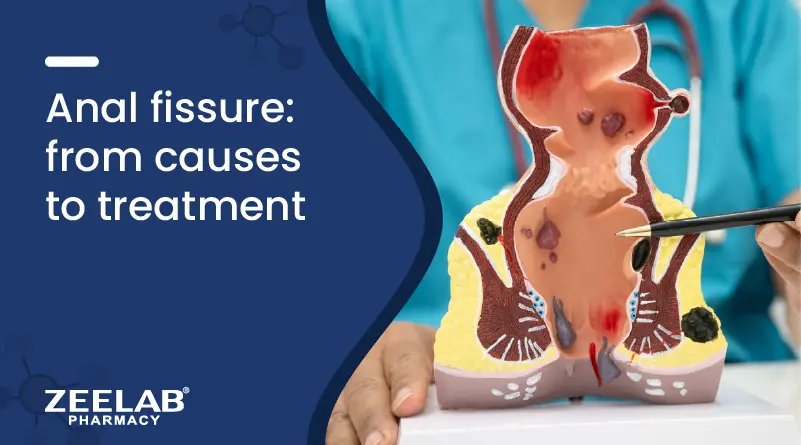
Anal fissure is a painful condition that can be faced by both men and women. Often because of hard stools or constipation, a small linear cut or tear develops on the anal lining. This cut causes a lot of pain, discomfort, burning sensations, and small amounts of bright red coloured blood during bowel movements. It's a common myth that anal fissures can only be treated with surgical methods; the truth is that medications can also help in healing recent fissures.
Nitroglycerin ointments, topical lidocaine, and fibre supplements are some common types of medications used for managing issues related to an anal fissure.
In this blog, we will cover everything related to anal fissures that you should know, from their causes to treatment and the need for medication. Along with this, we will also try to answer the most common questions that people have related to this condition.
What is Meant by Anal Fissure?
An anal fissure is a tear or cut in the thin lining of the anus, the opening from which stool leaves the body. It can be painful and irritating, especially during and after bowel movements.
Types of Anal Fissure
Anal fissures are usually classified into two separate types according to how old they have been.
- Acute anal fissure: A recent tear that normally heals within 6 weeks through home remedies or medications.
- Chronic anal fissure: A tear persisting more than 6 to 8 weeks and often having a skin tag, thick edges, or visible muscle fibres.
Common Symptoms of Anal Fissure
People who are suffering from anal fissure often start to experience symptoms that range from mild discomfort to significant pain while pooping. Common signs include:
- Sharp pain during bowel movements that sometimes stays for several hours.
- Bright red blood on toilet paper or on the stool.
- Burning or itching around the anus.
- A visible tear at the anal opening.
- Anal muscle tightness or spasm.
What Causes Anal Fissure?
Anal fissure, or a tear in the anal lining, is caused when the skin gets stretched or injured. It can happen for different reasons, for example –
- Constipation or hard stools
- Putting too much pressure to pass stool
- Frequent diarrhoea or loose motion
- Childbirth
- Medical conditions like Crohn's disease or other inflammatory bowel diseases (IBD).
Types of Treatment for Anal Fissure
Anal fissure can be treated by many different methods depending on how long it has been present, the symptom severity, and whether it can be treated with basic care.
Some common methods of anal fissure treatment are briefly mentioned in the table below:
|
Treatment option |
How it helps |
|
Dietary changes |
Fibre-rich foods help keep stools soft and easier to pass. |
|
Warm sitz baths |
Warm water can ease pain and relax the anal muscles. |
|
Stool softeners or laxatives |
Helps ease constipation and straining. |
|
Prescription creams/ointments |
Certain medications relax the muscles of the anus and help recovery. |
|
Botox injections |
May relax the anal sphincter in some chronic situations. |
|
Surgery |
Can be considered for chronic fissures that do not respond to other treatments. |
Common Medicines Used for Anal Fissure Treatment
A doctor can give you some medications to relieve discomforting pain and other symptoms which are not solved with natural remedies or changes in diet.
These medicines are available in a variety of forms, like tablets, ointments, or liquids and must be used exactly as the doctor instructs.
|
Medicine Name |
Purpose |
|
Paracetamol |
Relieves pain caused during bowel movement. |
|
Lidocaine or cinchocaine |
Reduces discomfort by numbing the surrounding tissues and nerves temporarily. |
|
Diltiazem, nifedipine |
Relaxes anal sphincter and may promote healing. |
|
Glyceryl trinitrate (nitroglycerin) |
Lowers tension in anal muscle and improves blood flow. |
|
Macrogol or lactulose |
Relieves constipation and lets stool pass easily. |
Best Zeelab Pharmacy Products Helpful for Anal Fissure
To manage the discomfort caused by anal fissures, you need medicinal products or tablets that reduce pain or prevent constipation.
At Zeelab Pharmacy, you can find such medications at an affordable price.
Lactolix Solution
Lactolix Solution is an oral laxative containing lactulose that draws water into the poop, softening stools and supporting easier bowel movements.
- Composition: Lactulose (10 gm).
- Benefits: Helps relieve constipation and strain during bowel movements.
Parazex 500 Tablet
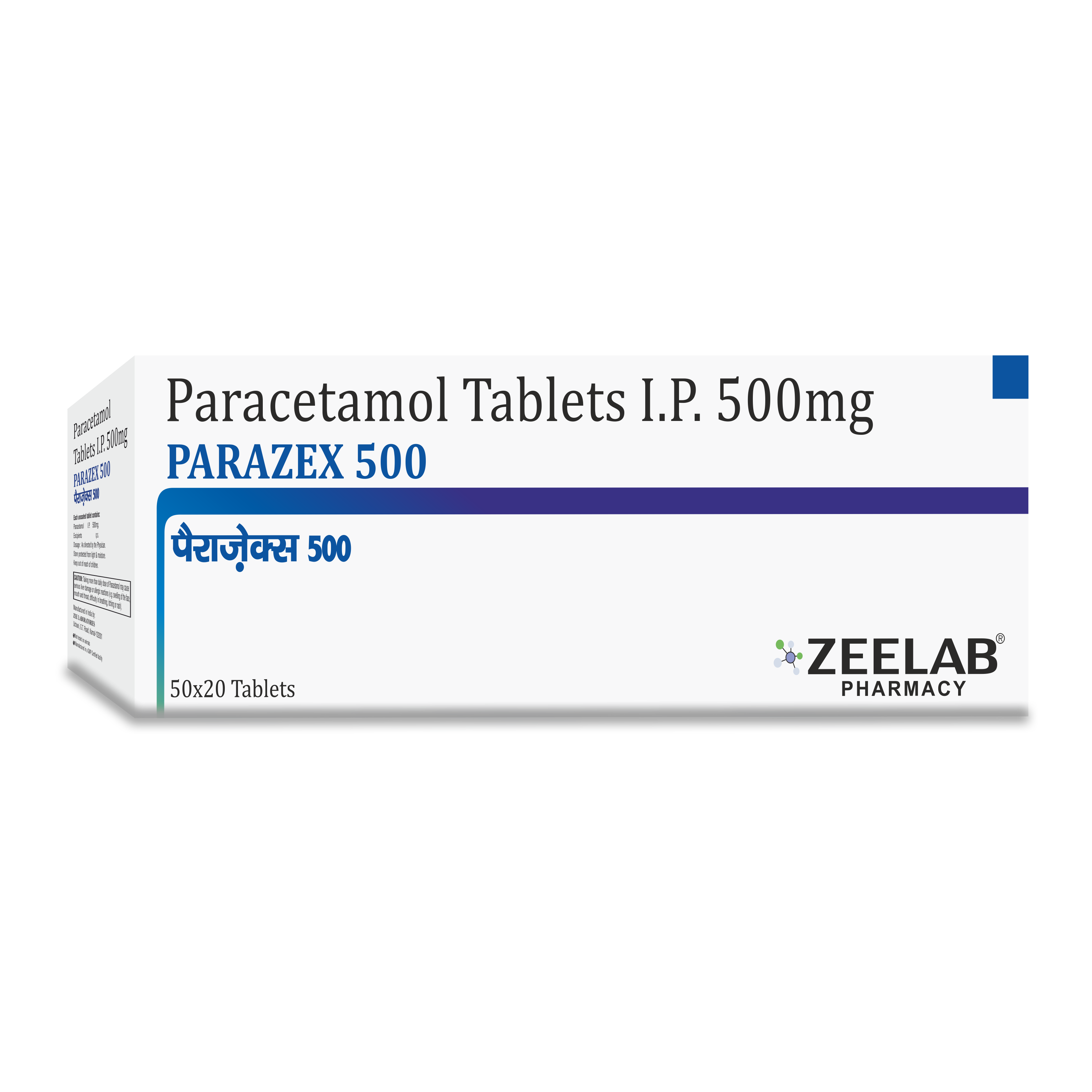
Parazex 500 is an oral pain-relief medicine containing paracetamol, which acts on pain-related pathways in the body to reduce discomfort.
- Composition: Paracetamol (500 mg).
- Benefits: Helps relieve mild to moderate pain related to anal fissures.
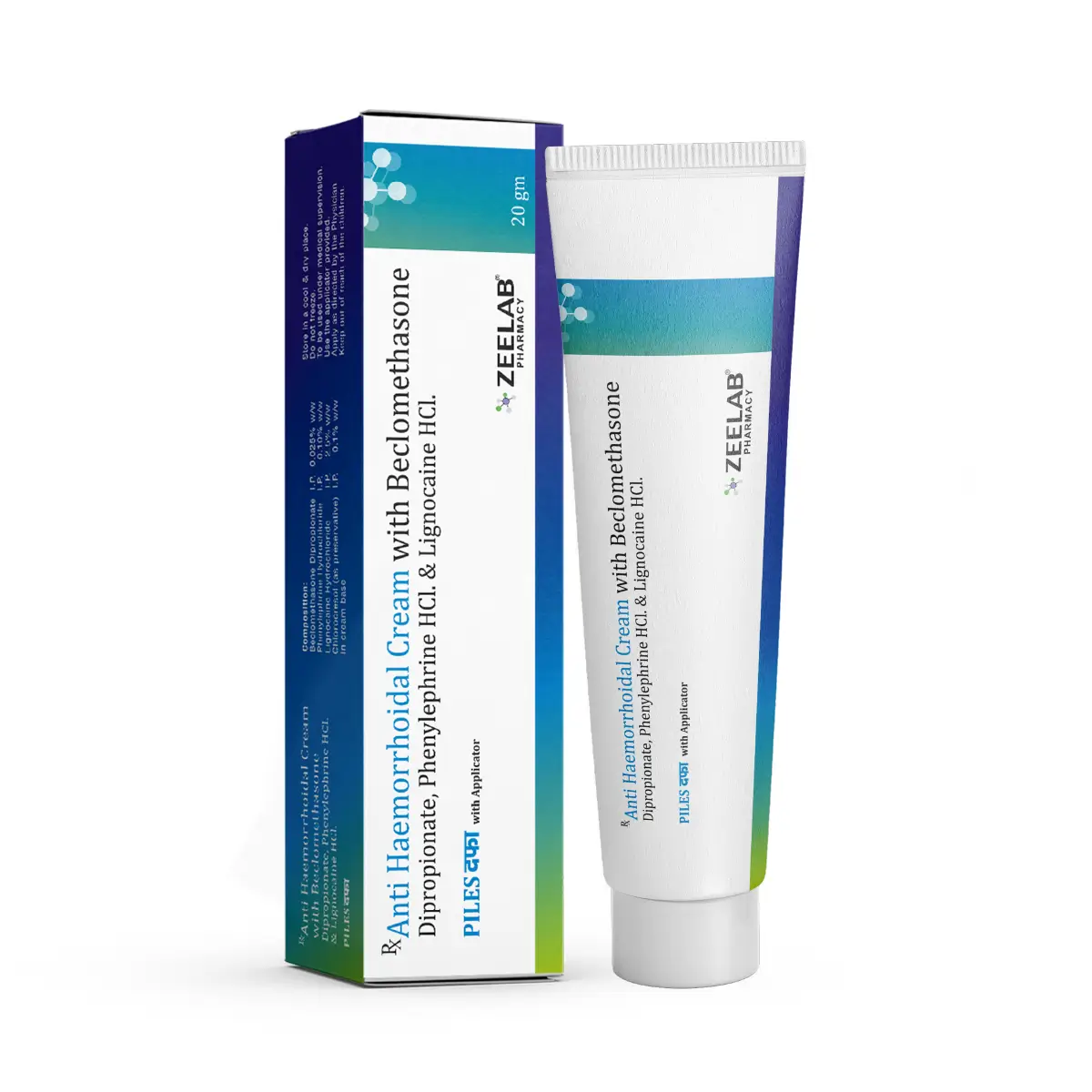
Piles Dafa Cream
Piles Dafa Cream is a topical cream containing anti-inflammatory, vasoconstrictor, and local anaesthetic ingredients for managing pile- and fissure-related symptoms and anal discomfort.
- Composition: Beclomethasone Dipropionate (0.025% w/w) + Phenylephrine Hydrochloride (0.10% w/w) + Lignocaine Hydrochloride (2.5% w/w) + Chlorocresol (0.1% w/w)
- Benefits: Helps relieve anal pain, itching, swelling, and irritation.
Self-Care Tips for Anal Fissure
Apart from surgical and non-surgical treatment of anal fissures, some lifestyle and dietary changes are equally helpful for their treatment.
If you or someone you know has an anal fissure, let them know about the following self-care tips for anal fissure management.
- Eat a lot of fibrous foods like oats, whole-wheat chapati, dal, beans, and more.
- Ensure you drink lots of water; this can help to soften stool.
- Comfortably sit in warm and clear water for a minimum of 10 minutes after pooping; this method is called a "Sitz bath".
- Avoid sitting for too long or excessive pushing in the toilet.
- Do not delay the urge to defecate, as this can harden the poo.
- Stay physically active through daily walks.
Signs of Immediate Medical Attention
If you have or suspect an anal fissure, it is important to pay attention to the complications you experience. Some serious symptoms that require immediate medical attention include:
- Bleeding that does not stop or is too much, making you feel like you are fainting or weak.
- Change in usual stool colour, such as black or red.
- Significant changes in bowel habits.
- Extreme rectal pain with fever or chills.
- Presence of abnormal discharge or pus.
- No improvement in symptoms even after self-care.
Conclusion
A tear or cut in such a sensitive part is surely too uncomfortable, but a lot of these fissures can heal with the right care tips and medications.
It can be managed through an appropriate diet, good hydration, prescribed topical ointments, and pain-reducing tablets. Doctors go for surgical treatments like fissurectomy or lateral internal sphincterotomy, etc., when fissures do not heal even after 6 to 8 weeks of medical treatment.
In case you experience heavy bleeding, severe pain, fever, frequent recurrence or other extreme symptoms, immediately consult a doctor for proper diagnosis and treatment.
Frequently Asked Questions (FAQs)
Ans.Nitroglycerin ointments, topical lidocaine, and fibre supplements are often used to manage an anal fissure by helping with complications like pain, discomfort, and excessive straining.
Ans.An anal fissure is a tear in the anal lining that often causes sharp pain during bowel movements, while piles are swollen blood vessels.
Ans.To heal an anal fissure, eat fibre-rich foods, drink enough water, take warm sitz baths, avoid straining, and follow your doctor's treatment advice.
Ans.Yes, you should continue passing stool when needed. Avoid straining, keep stools soft with adequate fibre and fluids, and seek medical advice if necessary.
Ans.An acute anal fissure often heals within a few weeks with proper care, while chronic fissures may take longer and require prescription treatment.
Ans.Coconut oil is not a proven treatment for anal fissures. Avoid inserting it into the anus, and consult a healthcare professional about safe topical care.
Ans.No, most anal fissures improve with fibre-rich foods, fluids, warm sitz baths, and medicines. Surgery is generally reserved for persistent fissures that resist treatment.
Ans.Yes, many anal fissures heal completely with appropriate care and treatment. However, recurrence is possible, especially if constipation or straining continues.
Ans.No, an anal fissure does not turn into cancer. However, persistent bleeding, unusual sores, or non-healing tears need medical evaluation to exclude other conditions.
Ans.Foods do not directly cause anal fissures, but a low-fibre diet may contribute to constipation and hard stools, increasing the risk of tears.
Ans.An anal fissure is usually not serious and often heals with simple treatment. Persistent fissures may require prescription medicines or specialist care.
Paracetamol (500mg)
20 tablets in 1 strip
Beclomethasone Dipropionate (0.025% w/w) + Phenylephrine Hydrochloride (0.10% w/w) + Lignocaine Hydrochloride (2.5% w/w) + Chlorocresol (0.1% w/w)
20gm in 1 tube
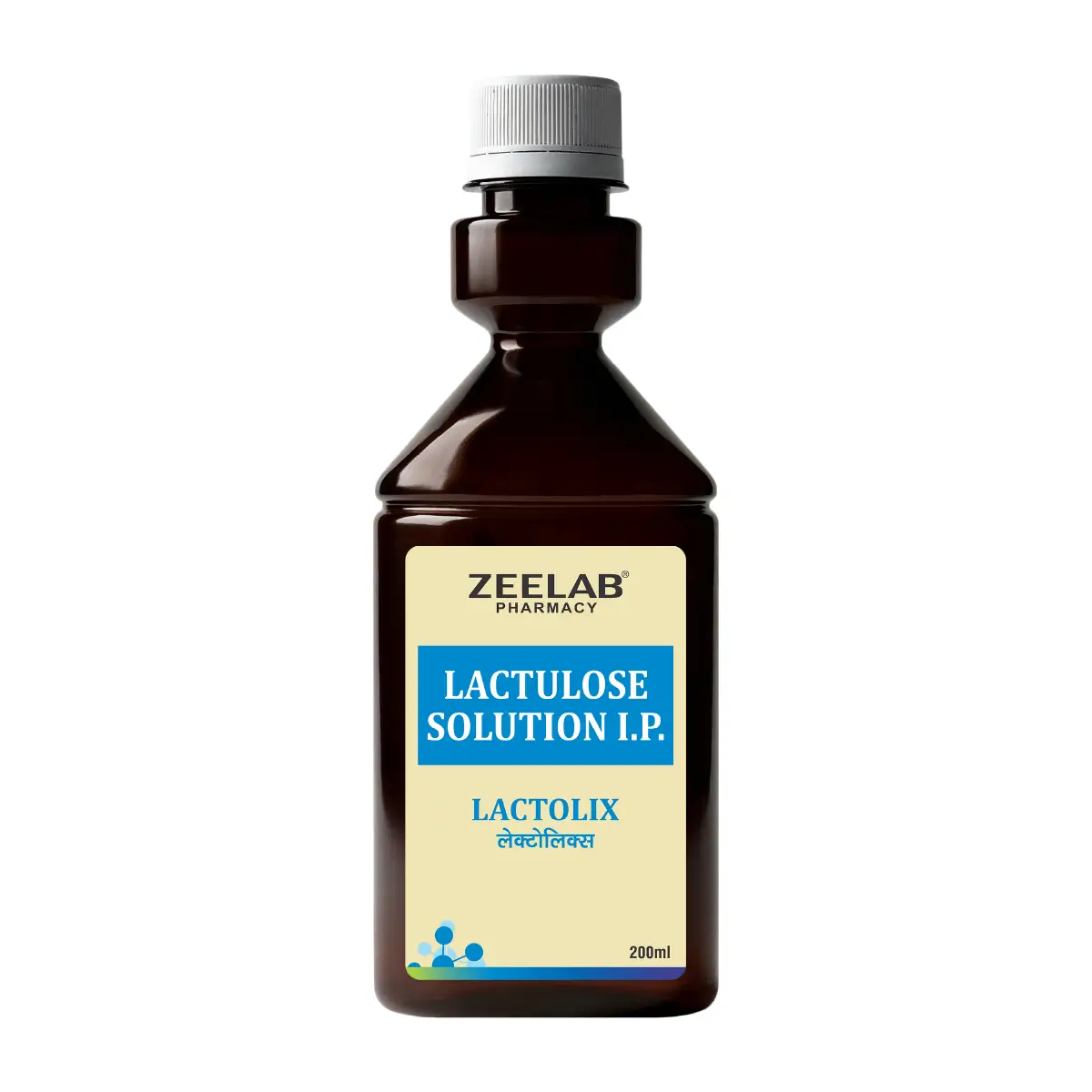
Lactulose (10gm)
200ml In 1 Bottle
References
Recent Blogs

Disclaimer : Zeelab Pharmacy provides health information for knowledge only. Do not self-medicate. Always consult a qualified doctor before starting, stopping, or changing any medicine or treatment.
Related Products


₹ 0
0
Items added
Quick Links
Categories
Our Policies

Our Socials


Subscribe

2026 Copyright By © Zeelab Pharmacy Private Limited. All Rights Reserved
Our Payment Partners

 Added!