

Medicine for Dengue Fever: Treatment, Tablets to Avoid & Recovery Guide

Dengue fever is a common viral infection that is transmitted through mosquitoes, specifically female Aedes mosquitoes. There was a time when dengue used to be a seasonal disease, but now it can be transmitted at any time of the year.
When infected, you may get a high fever, severe body pain, headache, weakness, etc. Most of the people recover from it with proper care; others with serious complications need immediate medical care.
The management of dengue fever is not done directly through medications but with proper care methods. Medications can help in relieving symptoms that come with dengue fever.
Acetaminophen or Paracetamol is the most common medicine used in managing dengue fever along with other related issues like muscle aches and headaches.
In this blog, we will read about dengue fever, its management, best medicines to take or avoid, and so on.
What Is Dengue Fever?
Dengue fever is a viral infection that is transmitted to humans through the bite of the female Aedes aegypti mosquito.
They usually breed in motionless water and actively bite and transmit the disease during the day, especially in the morning and afternoon.
Normally, it takes 1 or 2 weeks for a person to recover from dengue, but weakness persists for a long time. While medicines don’t work directly for dengue, some can help with management of related symptoms.
Common Dengue Fever Symptoms
After an infected mosquito bite, it takes almost 4 to 10 days for symptoms of dengue to show up. Examples of some commonly reported dengue fever symptoms include:
- High fever, sometimes reaching 104°F (40°C)
- Severe headache and pain behind the eyes
- Muscle, joint, and body pain
- Nausea and vomiting
- Skin rash
- Weakness and tiredness
- Loss of appetite
- Severe abdominal pain or vomiting (Severe dengue)
Best Medications for Dengue Fever Management
To get fast relief from dengue fever and its symptoms, you’ll need medicines that provide symptomatic relief, as there is no specific medicine to kill the virus inside the human body.
Some medicines that can be used for dengue symptom treatment or management are mentioned here.
|
Medicine/Treatment |
Purpose |
|
Paracetamol |
Helps reduce fever and body pain |
|
ORS and other oral fluids |
Helps replace fluids and electrolytes lost through sweating or vomiting. |
|
Intravenous (IV) fluids |
Used in hospitals if oral fluid intake is lacking or complications develop. |
Use of Paracetamol in Dengue Fever: Safety and Treatment
Paracetamol is the most preferred medicine for the management of high body temperature and body aches during viral dengue infections. It does not kill the dengue virus but helps to ease the uncomfortable symptoms.
Safety precautions to be taken while taking paracetamol for dengue fever are:
- Take as directed and at the right time.
- Do not take more than one medicine that contains paracetamol.
- Paracetamol is weight- and age-dependent, so check with your doctor before giving it to children.
- Do not self-medicate. Consult a doctor if fever persists or symptoms deteriorate.
Best Tablets and Other Products for Dengue Fever Treatment
Proper hydration and fever management are important during dengue recovery. ORS helps replenish lost fluids and electrolytes, while paracetamol may help manage fever and body pain when taken as directed by a doctor.
Zeelab ORS Powder
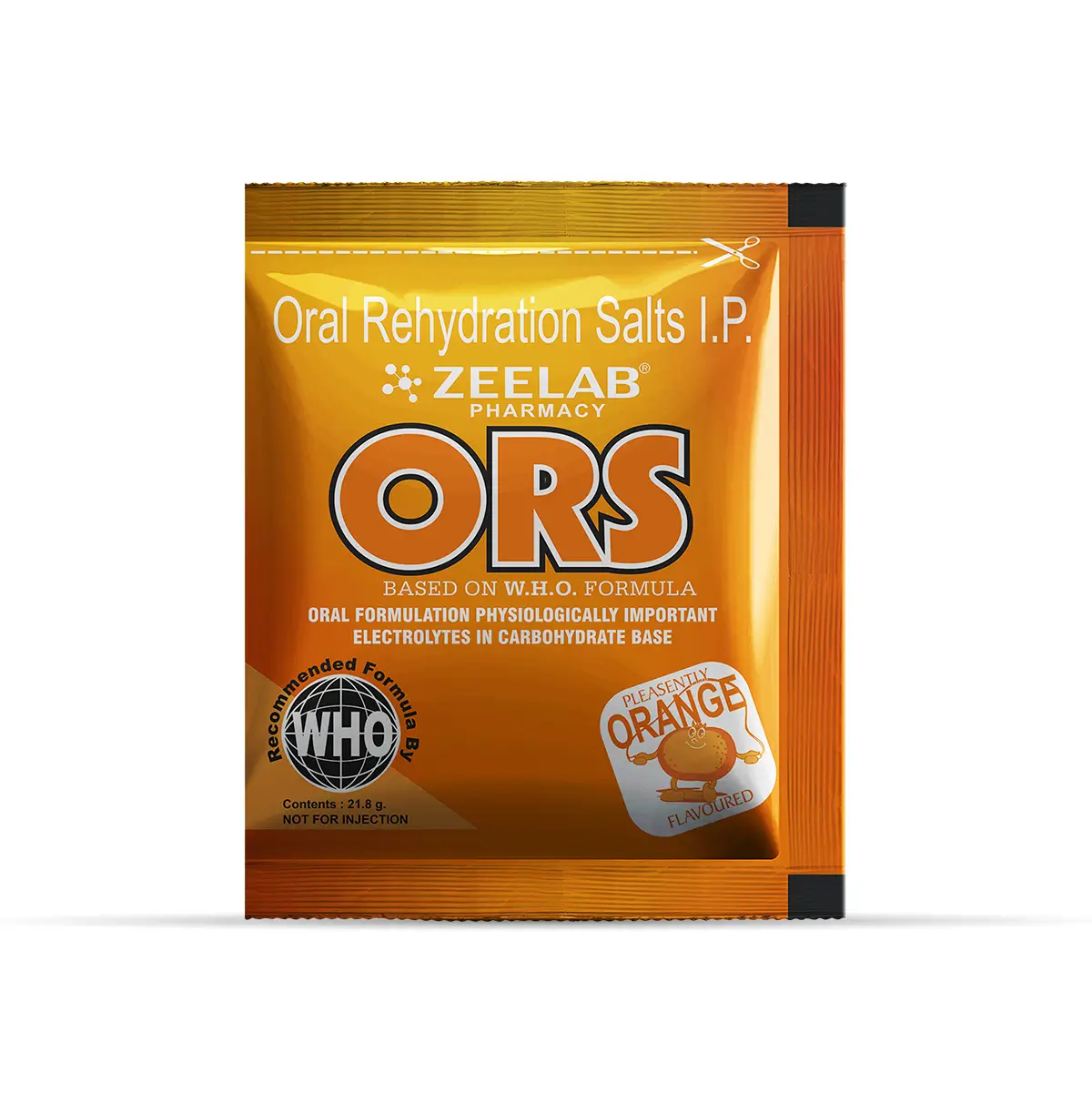
Zeelab ORS Powder is an oral rehydration solution that replenishes fluids and essential electrolytes lost through sweating or vomiting during dengue recovery.
- Composition: Sodium Chloride (2.6g) + Potassium Chloride (1.5g) + Sodium Citrate (2.9g) + Dextrose (13.5g)
- Benefits: Helps replenish lost fluids and electrolytes and maintain hydration.
Parazex XT Tablet
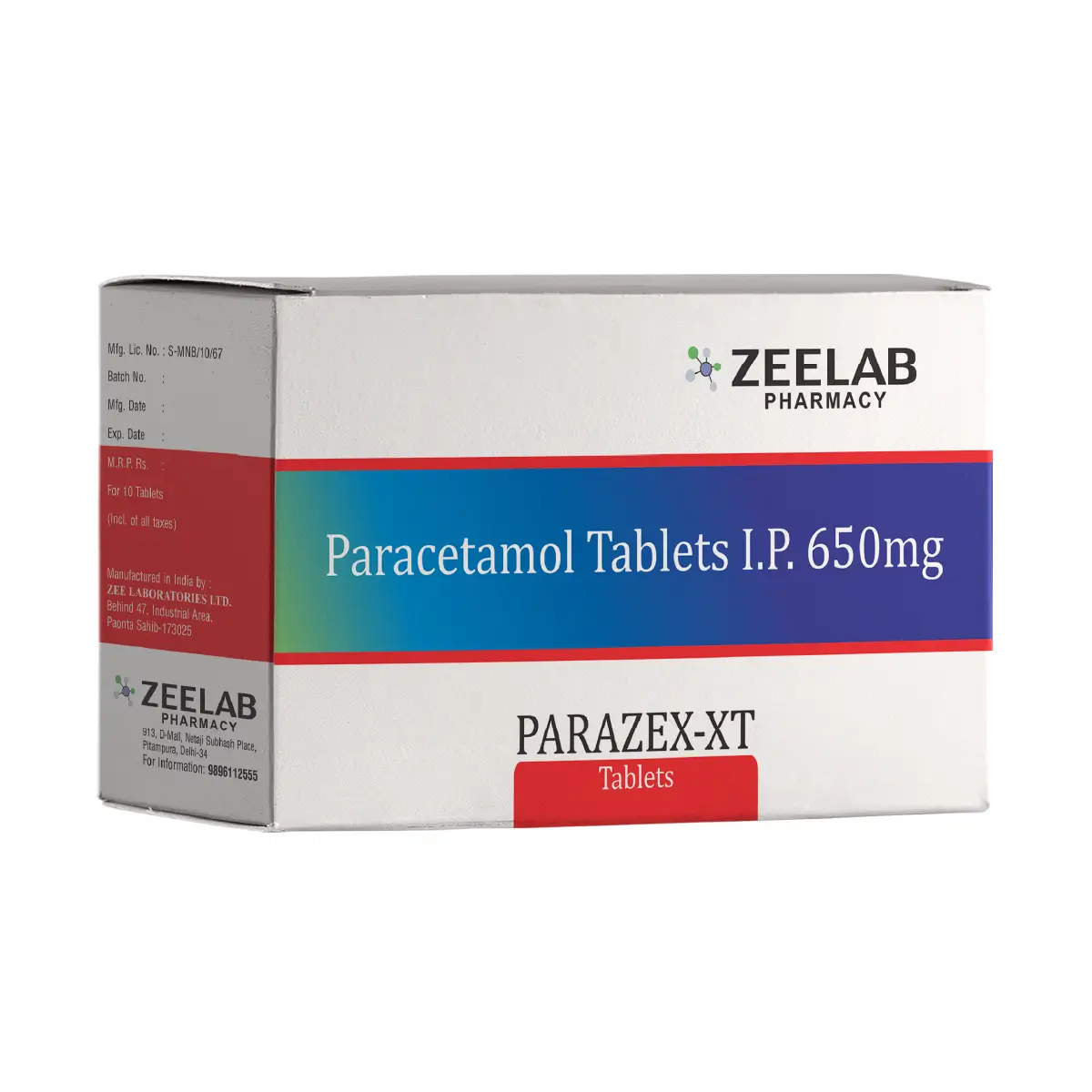
Parazex XT Tablet contains 650 mg of paracetamol, a medicine used to reduce fever and relieve dengue-related body aches and headaches when medically advised.
- Composition: Paracetamol (650 mg)
- Benefits: Helps reduce fever and relieve mild to moderate pain.
Which Medicines to Avoid in Dengue Fever?
Painkillers like ibuprofen, aspirin, etc. are often taken as normal fever medicines, but dengue fever is not the same as normal fevers. These medicines can increase the risk of bleeding; hence, they must be avoided when dengue is suspected.
|
Medicine name |
Reason |
|
Aspirin |
Can affect platelet function and increase bleeding risk. |
|
Ibuprofen |
May increase bleeding risk and cause stomach-related complications. |
|
Diclofenac |
An NSAID that may increase bleeding risk. |
|
Naproxen |
An NSAID that should be avoided because of potential bleeding complications. |
Ways to Prevent Dengue Fever
The best way to prevent this viral infection is to eliminate the causative agent or vector of dengue, i.e., the female Aedes mosquito. By controlling the growth of this vector, viral infections can also be prevented.
- Empty and clean water filled in the coolers, flower pots, buckets, and other containers.
- Use suitable mosquito repellents according to the label instructions.
- Wear full-sleeved shirts and trousers to prevent mosquito bites.
- Install window screens and mosquito nets.
Additional Homecare Tips to Manage Dengue
Along with following proper preventive measures, include some simple homecare routines to recover faster from dengue.
- Drink more fluids like water, ORS, etc. for hydration.
- Avoid extreme physical activities and take proper rest till your body completely recovers.
- Eat an easy-to-digest nutritious diet during dengue fever, including khichdi, dal, rice, banana, soup, etc.
- Do not assume that the illness is improving simply because the fever has gone away.
- Protect yourself from mosquito bites with mosquito repellents, protective clothing and mosquito nets.
When Should a Dengue Patient Be Hospitalised?
Dengue can progress rapidly and can be life-threatening. Seek emergency medical help if you have any of these signs:
- Severe pain or tenderness in your abdomen.
- Vomiting repeatedly or not being able to keep fluids down.
- Nose or gum bleeding.
- Blood in the stool or vomit.
- Difficulty breathing or breathing rapidly.
- Severe weakness, restlessness, or confusion.
- Cold, pale or clammy skin.
- Decreased urine output markedly.
Conclusion
Dengue fever prevention and control requires careful symptom management, adequate hydration, rest, and medical monitoring. When looking for the best medicine for dengue fever, paracetamol is often considered an effective option in mild cases, as it can help control fever and body pain.
Totally avoid aspirin, ibuprofen, diclofenac, and naproxen because of the potential risk of bleeding. Avoid self-medication and follow your doctor's advice. Most importantly, seek urgent medical care if warning signs develop, even after the fever decreases.
Frequently Asked Questions (FAQs)
Ans.Acetaminophen (paracetamol) is the most commonly used medicine to manage dengue fever, muscle aches, and headaches, but it does not directly treat the dengue virus present in the human body. Take it only as directed by your doctor.
Ans.Dengue is diagnosed through symptom assessment, medical history, and blood tests. Doctors may recommend NS1 antigen, RT-PCR, or antibody tests depending on illness duration.
Ans.Dengue fever commonly causes temperatures of 102°F–104°F (38.9°C–40°C). However, temperature alone cannot confirm dengue or determine its severity.
Ans.The cure for dengue focuses on hydration, rest, paracetamol when advised, medical monitoring, and prompt care for warning signs. Medicines like paracetamol can only help in providing relief from symptoms like fever and body aches.
Ans.Yes, paracetamol is generally preferred for dengue-related fever and pain. Follow your doctor's dosage instructions because excessive intake can damage the liver.
Ans.Avoid aspirin, ibuprofen, diclofenac, and naproxen during dengue because they may increase bleeding risk. Consult your doctor before taking any painkiller.
Ans.No, antibiotics do not treat dengue because it is caused by a virus. Doctors prescribe antibiotics only when a bacterial infection is also suspected or confirmed.
Ans.Prevent dengue by eliminating stagnant water, using mosquito repellents, wearing protective clothing, and installing window screens. Protect infected patients from mosquito bites to reduce transmission.
Ans.Mild dengue may be managed at home under medical supervision with adequate fluids, rest, and follow-up. Warning signs require urgent medical assessment.
Ans.Dengue fever usually lasts 2–7 days. Recovery may take one to two weeks, while weakness and tiredness can continue for several weeks.
Ans.Serious dengue symptoms include severe abdominal pain, persistent vomiting, bleeding, difficulty breathing, confusion, extreme weakness, and reduced urine output. Seek urgent medical care if these occur.
References
Recent Blogs





Disclaimer : Zeelab Pharmacy provides health information for knowledge only. Do not self-medicate. Always consult a qualified doctor before starting, stopping, or changing any medicine or treatment.


₹ 0
0
Items added
Quick Links
Categories
Our Policies

Our Socials


Subscribe

2026 Copyright By © Zeelab Pharmacy Private Limited. All Rights Reserved
Our Payment Partners

 Added!