

Best Medicine for Acid Reflux: Types, How They Work and How to Choose

Acid reflux medicines are used to treat symptoms like chest burning due to stomach acid and food backing up into the food pipe. This condition can happen occasionally or frequently due to different triggers that lead to various uncomfortable issues like heartburn, sour/bitter burps, etc.
Acid reflux medicines are available both through a prescription and over-the-counter, based on the composition and strength.
The right medication for you is decided by analysing the types of symptoms, severity, reflux frequency, and your overall health.
Omeprazole and pantoprazole are some very commonly prescribed medicines for long-term acid reflux relief. In this blog, we will read about the best medicines that can help to relieve discomfort caused by acid reflux.
What is Acid Reflux?
Acid reflux is a digestive concern in which the contents of the stomach, such as food and stomach acid, flow upward to the food pipe or oesophagus. The reason this backflow occurs is that a muscle called the lower oesophageal sphincter (LES) is weak or does not relax properly.
People often confuse this condition with GERD, which is a chronic, more severe form of acid reflux and can cause serious complications in the body, while occasional acid reflux does not cause any significant harm.
Common Symptoms of Acid Reflux
Symptoms of acid reflux are similar to what you feel during acidity, but these two conditions are not the same. When stomach contents flow back into the food pipe, you may feel bloating or belching. Other symptoms include:
- Burning feeling in the chest
- Sour/bitter fluid coming back into the mouth (regurgitation)
- Chronic cough
- Bad breath
Types of Acid Reflux Medicines
Different acid reflux medicines for adults control similar symptoms by different mechanisms. The right medicine for someone depends on whether they need relief from symptoms only occasionally or treatment for symptoms that occur frequently.
- Antacids: Help balance stomach acid and offer quick relief from occasional acid reflux. They are generally available in forms like chewable tablets, liquids and more.
- Proton Pump Inhibitors (PPIs): Helpful in reducing stomach acid production. These are commonly prescribed when acid reflux occurs frequently.
- H2 Receptor Blockers: These medicines work to block histamine H2 receptors, which ultimately helps in reducing stomach acid.
- Alginates: These form a floating barrier on top of the stomach contents, helping to reduce acid flowing back into the oesophagus. Some products combine alginates with antacids and are useful for heartburn and regurgitation after meals.
- Prokinetic Medicines: Can help the stomach empty more efficiently in selected cases. They are not a routine first-line treatment for acid reflux and should only be used when prescribed for a specific reason.
List of Common Medicines for Acid Reflux
Several medicines are helpful in managing acid reflux and its symptoms by reducing or balancing the production of acid in the stomach. The following table summarises the commonly used medicines for relieving the discomfort caused by backflow of stomach acid.
|
Medicine |
How it helps |
|
Aluminium or magnesium hydroxide |
Neutralises acid and helps relieve acidity and indigestion |
|
Pantoprazole |
Reduces stomach acid and helps manage frequent reflux |
|
Omeprazole |
Prevents excess acid production and treats reflux and other symptoms |
|
Esomeprazole |
Reduces acid production and may help heal reflux-related oesophageal irritation |
|
Famotidine |
Reduces acid production and may help relieve heartburn |
|
Sodium alginate |
Forms a barrier that helps reduce reflux after meals |
Best Tablets, Capsules, and Suspensions for Acid Reflux in India
Acid reflux can cause a lot of discomfort after meals; to manage these issues, you need to take the right tablets or suspensions. Zeelab Pharmacy offers both OTC and prescription tablets for relief from acid reflux.
Pantoride 20 Tablet
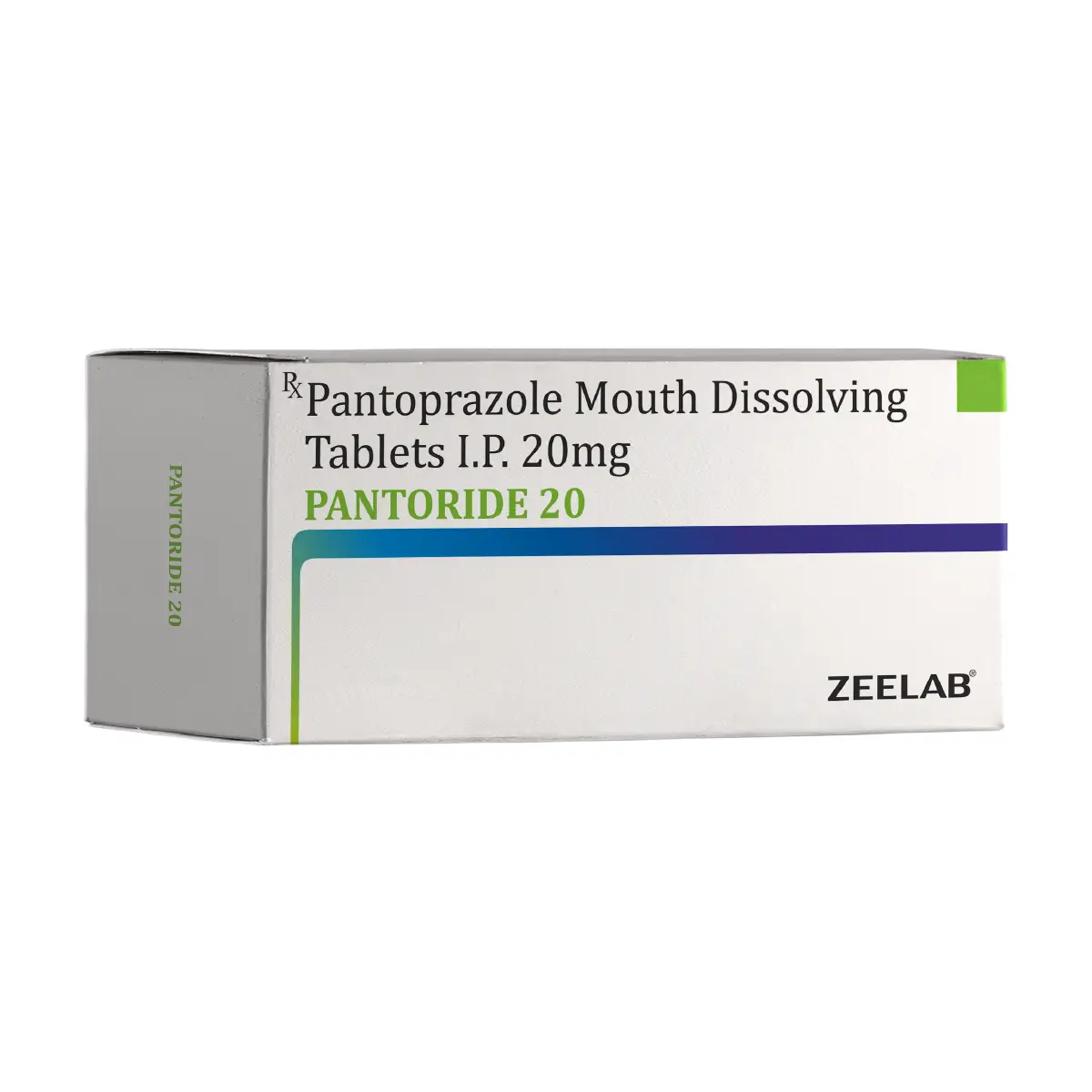
Pantoride 20 Tablet contains pantoprazole, a proton pump inhibitor (PPI) that reduces stomach acid production and is used to manage acid reflux and heartburn.
- Composition: Pantoprazole 20 mg
- Benefits: Helps manage frequent acid reflux, heartburn, and other high stomach acid symptoms.
Omeride 20 Capsule
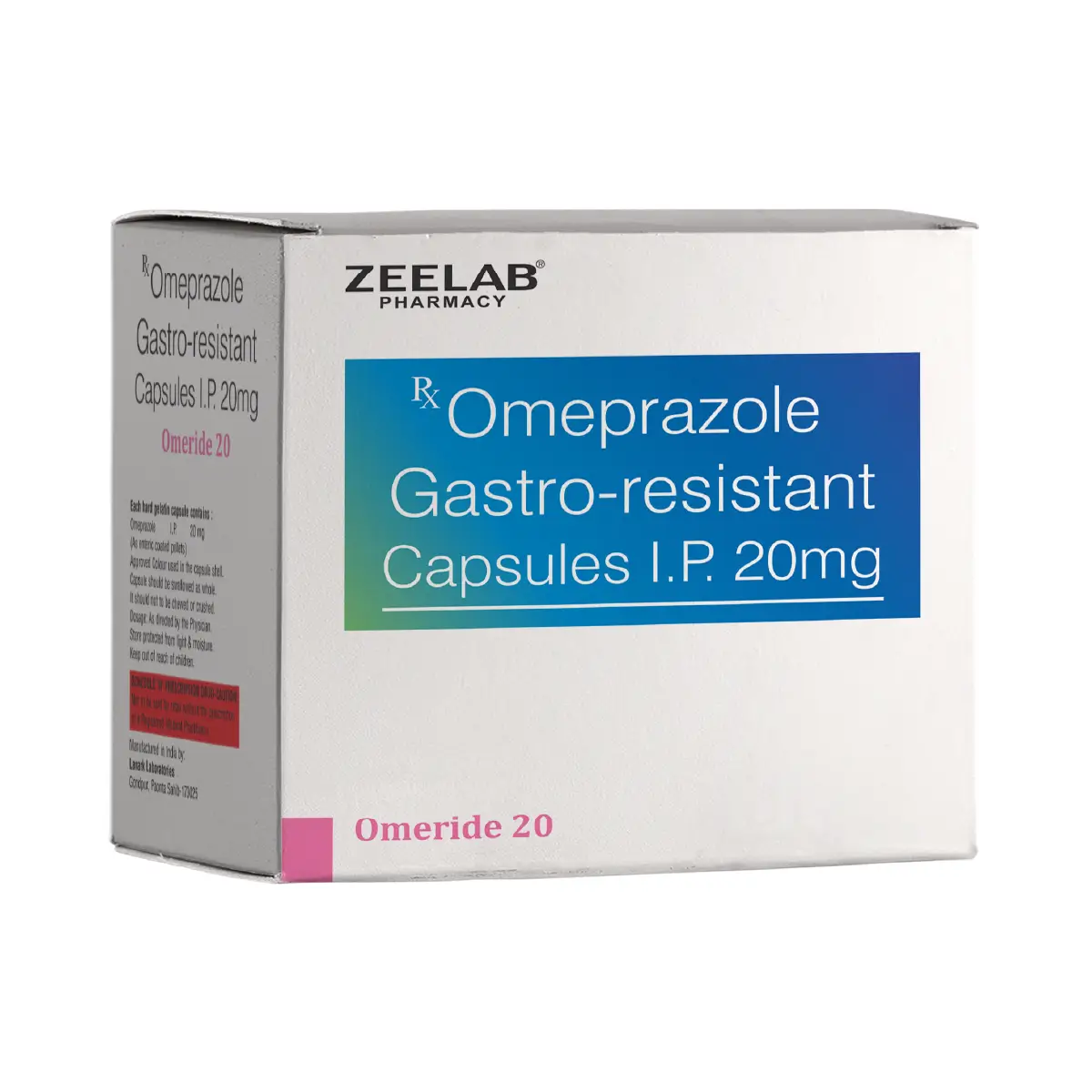
Omeride 20 is a commonly used capsule for reducing acid reflux and GERD symptoms. Containing 20 mg of omeprazole, it belongs to the category of proton pump inhibitors (PPIs), which manage digestive concerns by reducing stomach acid production.
- Composition: Omeprazole 20 mg
- Benefits: Helps manage acid reflux, heartburn, and acid-related digestive conditions.
Eszone 40 Tablet

Eszone 40 Tablet contains esomeprazole, a proton pump inhibitor (PPI) that reduces stomach acid production in acid reflux and other acid-related conditions.
- Composition: Esomeprazole 40 mg
- Benefits: Helps control frequent heartburn and acid reflux.
Alumcid Antacid Antigas Tablet
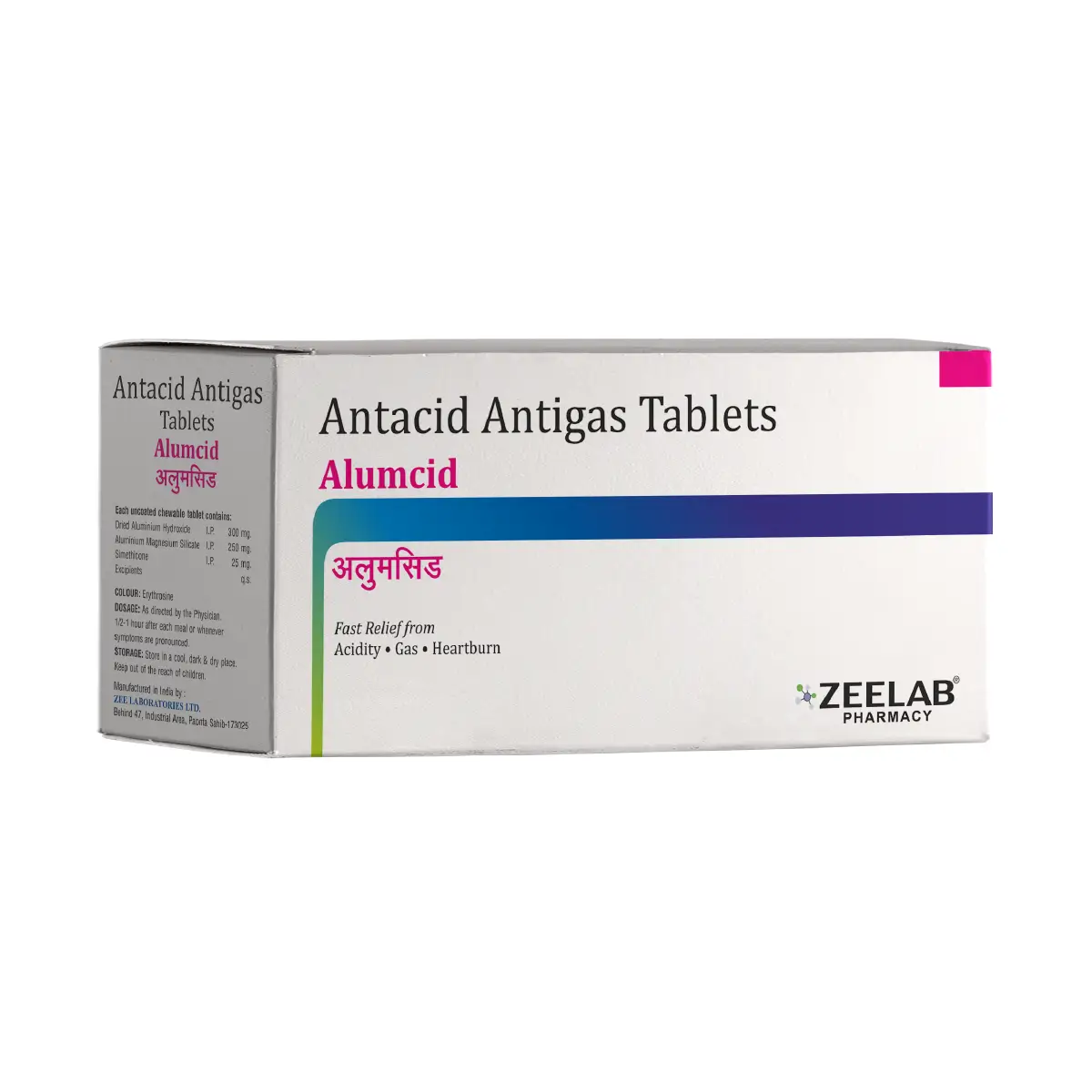
Alumcid Antacid Antigas Tablet combines antacid ingredients with simethicone to neutralise stomach acid and help manage gas-related digestive discomfort.
- Composition: Dried Aluminium Hydroxide 300 mg + Aluminium Magnesium Silicate 250 mg + Simethicone 25 mg
- Benefits: Helps relieve occasional heartburn, acidity, indigestion, gas, and bloating.
Famzee 40 Tablet
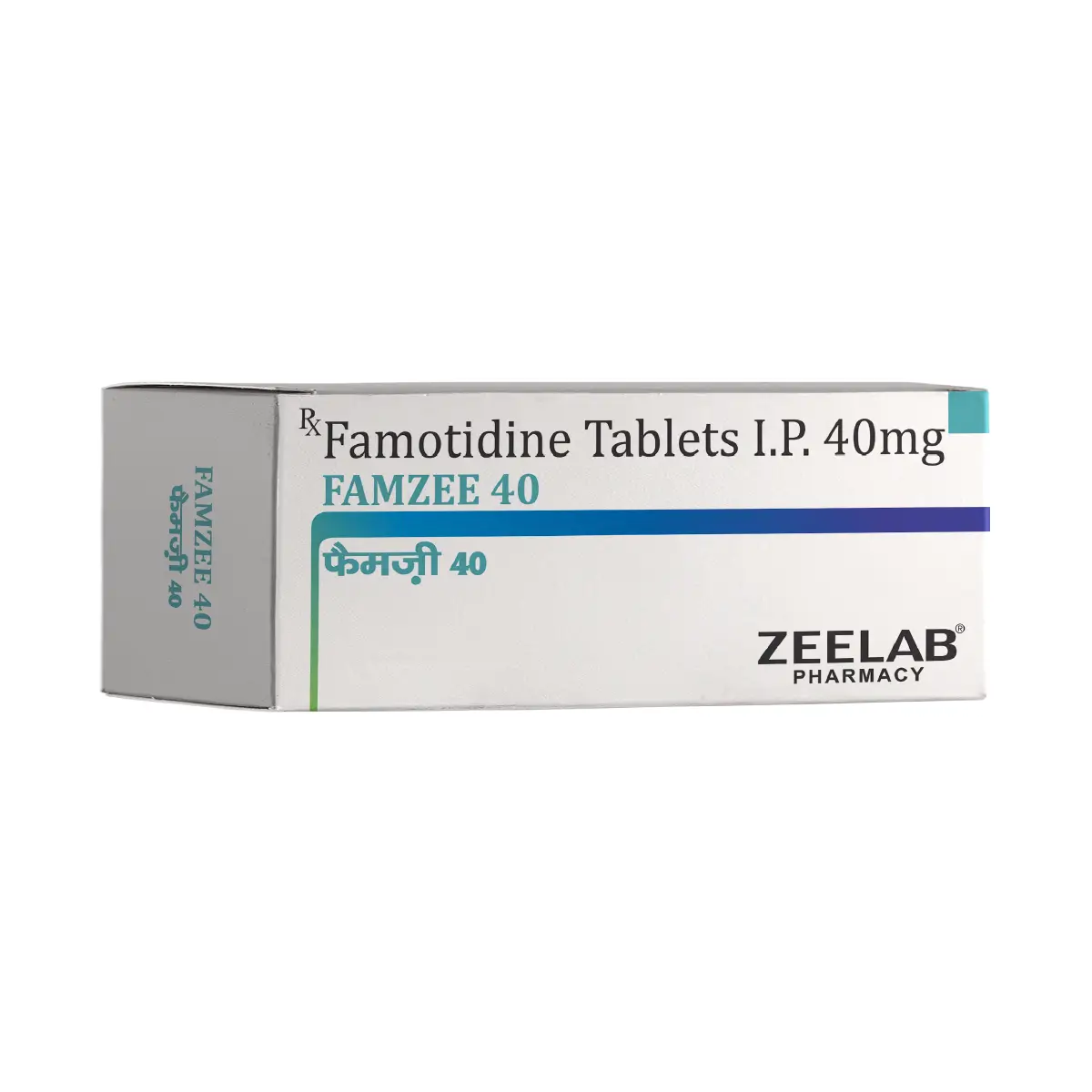
Famzee 40 Tablet contains famotidine, an H2 receptor blocker that reduces stomach acid production and is used for acid-related digestive conditions.
- Composition: Famotidine 40 mg
- Benefits: Helps manage heartburn, acid reflux, and other symptoms caused by excess stomach acid.
Alumcid MPS Oral Suspension (Pineapple)
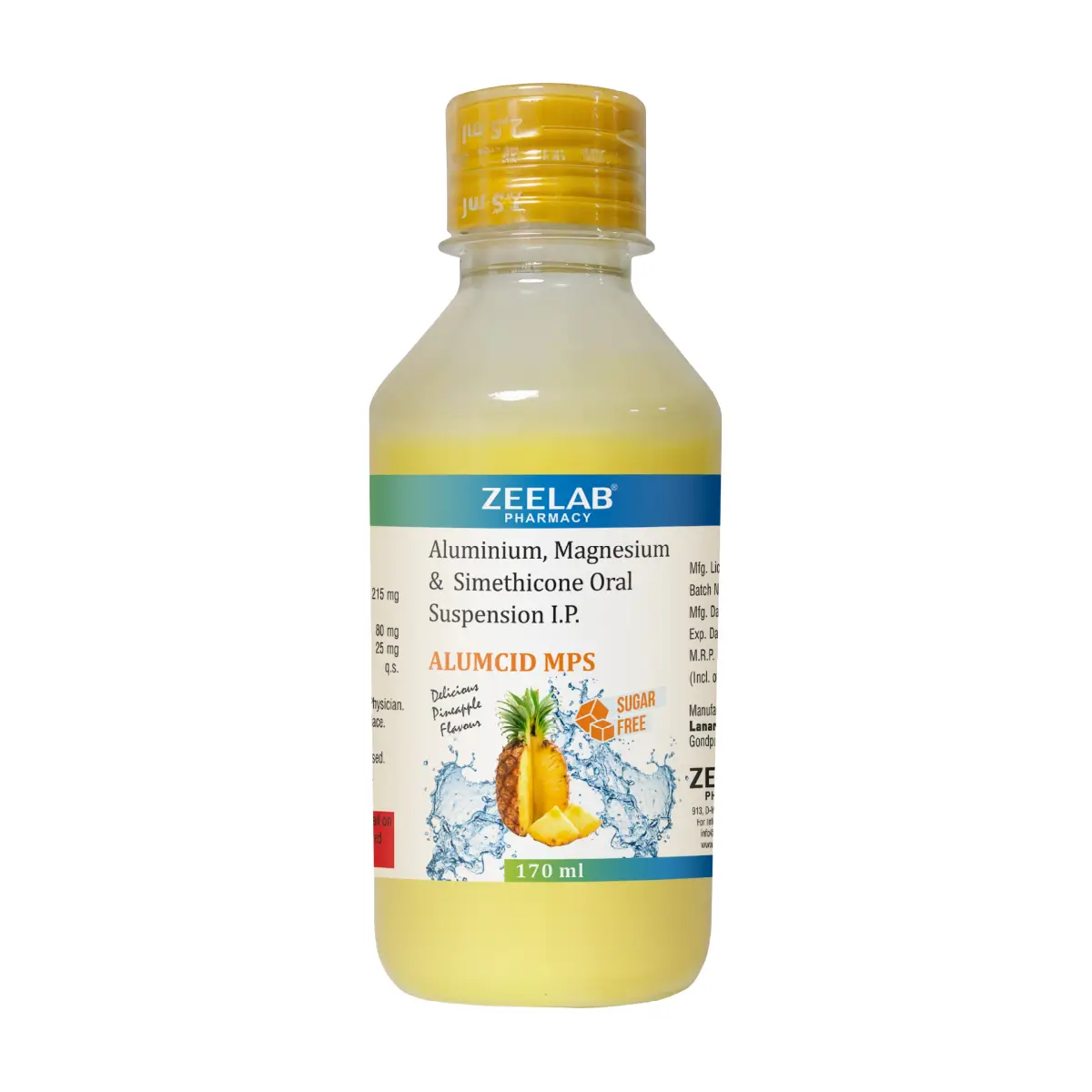
Alumcid MPS Oral Suspension is a pineapple-flavoured liquid antacid that balances excess stomach acid and contains simethicone to help manage gas.
- Composition: Aluminium Hydroxide 215 mg + Magnesium Hydroxide 80 mg + Simethicone 25 mg
- Benefits: Helps relieve occasional acidity, heartburn, indigestion, and gas-related bloating.
OTC vs Prescription Medicines for Acid Reflux
Both over-the-counter and prescription medicines can help in the management of acid reflux and its symptoms. The choice of their use depends on the frequency of acid reflux.
|
Feature |
OTC Medicines |
Prescription Medicines |
|
Common examples |
Antacids, alginates |
Pantoprazole, omeprazole (when prescribed) |
|
Main use |
Relief from occasional heartburn |
Managing frequent acid reflux |
|
How they work |
Neutralise acid or help prevent reflux |
Reduce stomach acid production. |
|
When to use |
For occasional symptoms, as directed |
When recommended by a doctor |
|
Precautions |
Avoid excessive or prolonged use. |
Follow the prescribed dose and duration. |
Lifestyle Changes Along with Medicines
Medicines may help control symptoms, but daily habits can also make a meaningful difference. The known home remedies for acidity can also help in relieving acid reflux or GERD.
- Have smaller meals, especially during dinner.
- After meals, avoid sleeping or lying down for at least 2 hours.
- Identify and limit foods and drinks that worsen your symptoms. Usually, they are spicy, fatty foods and carbonated drinks.
- Keeping your head elevated at night can also help reduce acid reflux.
- Maintain a healthy weight; it may help improve symptoms.
- Avoid smoking, as it often affects the mechanism that prevents stomach acid backflow.
Know about ayurvedic medicine for acidity.
When To See a Doctor for Acid Reflux?
If you have acid reflux once in a while, it can be treated with over-the-counter treatment and lifestyle changes. But for the following signs, you need to consult a doctor:
- Frequent heartburn which disturbs sleep.
- Symptoms persist or recur despite treatment.
- Difficulty or pain swallowing.
- Persistent vomiting or unexplained weight loss.
- Blood in vomit or black, tarry stools.
Conclusion
The best medicine for acid reflux depends on the frequency and severity of your symptoms. OTC medicines can be used for acid reflux issues that don’t happen very often, while a patient who faces these issues too frequently should consult a doctor for proper diagnosis and prescription medicine for GERD or acid reflux.
Along with treatment, eating smaller meals, avoiding late-night eating, and identifying trigger foods may help manage symptoms. If reflux persists or causes warning signs, consult a healthcare professional rather than relying on self-medication.
Frequently Asked Questions (FAQs)
Ans.Acid reflux commonly causes heartburn, a sour taste in the mouth, and stomach contents flowing back into the throat, especially after meals or lying down.
Ans.Omeprazole and pantoprazole are commonly used proton pump inhibitors (PPIs) that reduce stomach acid production and help manage frequent acid reflux under medical guidance.
Ans.Antacids neutralise existing stomach acid, while alginates form a barrier that helps prevent reflux. Both can provide relatively quick relief from occasional heartburn.
Ans.Antacids are better suited for quick relief from occasional heartburn, while proton pump inhibitors (PPIs) are generally more effective for frequent acid reflux.
Ans.Antacids may work within minutes, while PPIs such as pantoprazole and omeprazole may take several days to provide their full benefit.
Ans.Pantoprazole and omeprazole are both effective PPIs for acid reflux. Neither is universally better; the choice depends on individual symptoms, other medicines, and medical advice.
Ans.PPIs may help frequent nighttime acid reflux, while alginates can help after meals. Consult a healthcare professional if nighttime symptoms persist despite treatment.
Ans.Pantoprazole and omeprazole generally work best when taken before a meal. Follow the specific product instructions or your healthcare professional's advice.
Ans.Some people need to take acid reflux medicine daily, but long-term use should be medically supervised. The appropriate dose and duration depend on the cause and severity.
Ans.Yes, medicines for acid reflux may cause side effects such as headache, nausea, diarrhoea, or constipation. Risks vary by medicine, and prolonged use may require medical supervision.
Ans.Water may help clear acid from the oesophagus. Non-citrus, non-carbonated drinks may be better tolerated, while coffee, fizzy drinks, and acidic juices can trigger symptoms in some people.
References
- https://www.webmd.com/heartburn-gerd/what-is-acid-reflux-disease
- https://www.ncbi.nlm.nih.gov/books/NBK554462/
- https://www.niddk.nih.gov/health-information/digestive-diseases/acid-reflux-ger-gerd-adults
- https://medlineplus.gov/ency/article/000265.htm
- https://www.ncbi.nlm.nih.gov/books/NBK279252/
- https://www.ncbi.nlm.nih.gov/books/NBK598550/
Recent Blogs





Disclaimer : Zeelab Pharmacy provides health information for knowledge only. Do not self-medicate. Always consult a qualified doctor before starting, stopping, or changing any medicine or treatment.


₹ 0
0
Items added
Quick Links
Categories
Our Policies

Our Socials


Subscribe

2026 Copyright By © Zeelab Pharmacy Private Limited. All Rights Reserved
Our Payment Partners

 Added!