

Constant Bloating After Eating: Why It Happens and How to Treat It Effectively

Feeling bloated after every meal is a dietary concern that many people have experienced for years. Sometimes, people feel bloated every time they eat, which makes their stomach feel hard, painful, or full of food.
Causes can vary depending on low digestion, food intolerance, bloating, slow digestion and lifestyle. This article describes the causes, symptoms, treatment, dietary advice, when to visit a doctor for persistent bloating, and the importance of using Zeelab solution for digestive wellness.
What is Bloating After Eating?
Bloating after eating refers to a condition where a person feels excessively full, tight or swollen after eating food. Many people may experience bloating, usually gas after meals or due to overeating.
Feeling full all the time after eating, or persistent bloating after eating, may be a sign of a problem with one's digestive system.
Normal fullness lasts briefly, whereas abdominal fullness after meals, abdominal distention after meals, or bloating following a meal may be uncomfortable and persist for hours.
Pressure or tightness associated with distention after a meal is what can be experienced if one is considered to be constantly bloated after each meal.
Common Symptoms of Bloating After Meals
People experience bloating, flatulence after eating, abdominal tightness, gas and bloating after eating, feeling pressure in the stomach after eating, feeling full after eating, and feeling swelling in the stomach after eating, even after eating everything.
Typical Symptoms
Many questions, for instance, why do I feel so bloated after eating? Or, why do I always feel so bloated after eating? Many people want to know about bloating after eating, since they feel that they are immediately experiencing bloating after eating.
When Symptoms Feel Severe
In cases of serious bloating after eating, patients suffer from chronic bloating after eating, bloating after eating in excess, bloating after eating that gets cramped, serious bloating and gases after eating, discomfort after eating due to bloating, among others, that raise questions, such as when to see a doctor in case of bloating.
Why Do I Feel Bloated After Eating?
Bloating after eating, frequent bloating after eating, and always feeling flat after eating can be caused by gas formation, poor digestion, food intolerances and eating habits. Whether it is persistent bloating after eating, bloating of the abdomen following eating, or bloating after meals, this is an indication of digestive dysfunction.
Digestive-Related Causes
Digestion-related problems, such as bloating, indigestion, and bloating after meals, poor digestion, bloating, and slow digestion, are caused by gas retention. This results in stomach bloating following meals, fullness in the abdomen following meals, pressure, tightness, and discomfort following meals because of bloating.
Food-Related Causes
Food intolerance, bloating related to the intake of food begins with lactose intolerance, gluten intolerance, intolerance to high FODMAP foods, as well as overeating. Gas and bloating occur as a consequence of food intake. Abdominal distension and the sensation that the stomach is swollen or feels bloated also occur as a result of the consumption of food.
Pattern-Based Triggers
Bloating after every meal, bloating after every meal, and why I bloat after every meal are symptoms that show aerophagia, fast eating, stress, or inefficient digestion. These patterns cause frequent bloating after meals, daily bloating after meals, and constant stomach bloating.
Is Constant Bloating After Eating a Serious Problem?
Persistent bloating after eating may be harmless, but persistent daily flatulence may indicate digestive problems that need attention.
Occasional Bloating vs Chronic Bloating After Eating
|
Basis |
Occasional bloating |
Chronic bloating after eating |
|
Frequency |
Happens occasionally |
Occurs daily or after every meal |
|
Cause |
heavy meals, overeating |
Digestive disorders, intolerance |
|
Duration |
Short-lived |
Long-lasting, recurring |
|
Relief |
Improves naturally |
Needs dietary or medical support |
|
Concern level |
Usually harmless |
If persistent, it requires evaluation |
Warning Signs You Should Not Ignore
- Persistent bloating after meals, lasting for weeks
- Severe bloating after meals with pain or a sensation of tightening
- Bloating following food intake, even minimal food intake
- Often, abdominal distension after meals
- Loss of weight, vomiting, and/or bloody stools
Reassurance for Users
It is quite common to have the problem of bloating after every meal. It can be controlled. However, if bloating occurs continuously or daily after eating, it cannot be ignored. Knowing when to see a doctor for persistent bloating can help prevent potential problems within the digestive system.
Best Digestive Treatment Supplements from Zeelab Pharmacy
Here are some liver support products from Zeelab Pharmacy at affordable prices. Most preferred and dermatologist-approved products, as well as similar affordable ranges, are safe and effective. Additionally, Zeelab Pharmacy products are WHO-GMP, ISO and FDA certified.
Zeelab Triphala Churna 100gm
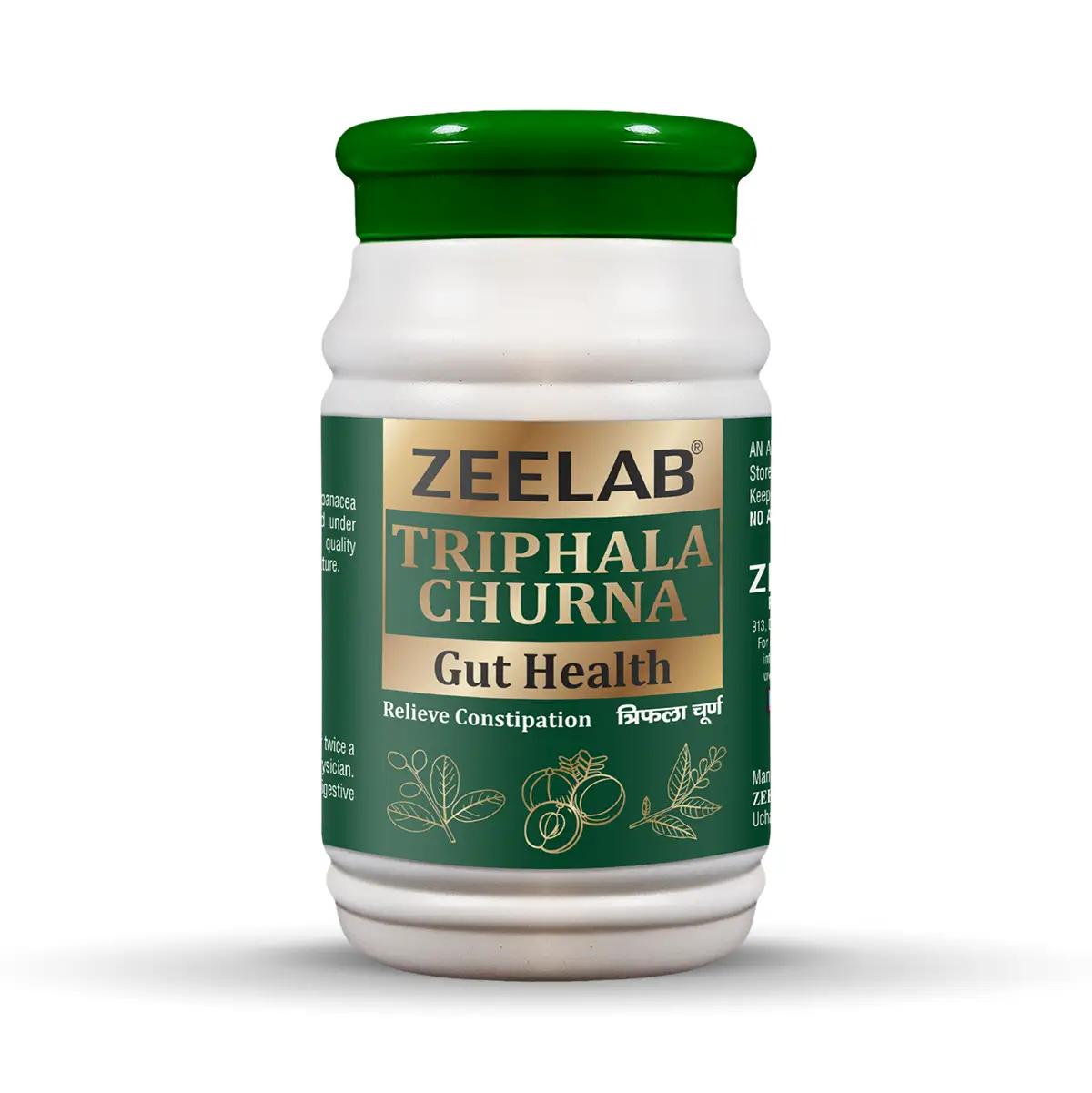
Zeelab Triphala Churna 100gm is a natural herbal powder made from a blend of three fruits: Amalaki (Amla), Bibhitaki, and Haritaki. This old Ayurvedic recipe is great for your digestion. People know that it helps with constipation and clears the system.
- Composition: Triphala Churan
- What it does: Helps your digestion, relieves constipation, cleans your bowels, and makes your bathroom visits naturally regular.
- How to use: Take one teaspoon with warm water at bedtime or as directed.
Zeelab Triphala Gut Health Capsule
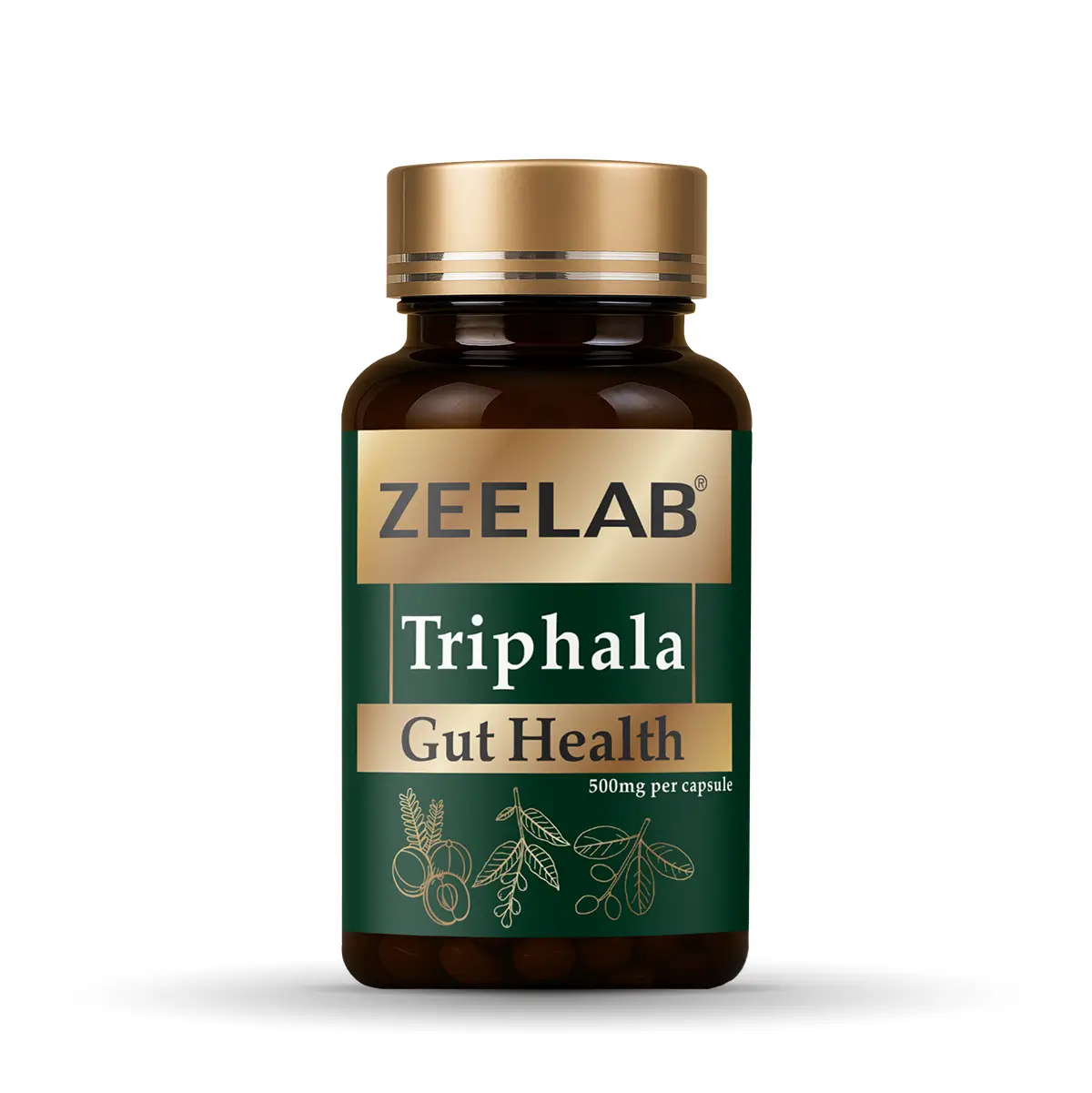
Zeelab Triphala Gut Health Capsule is a WHO-GMP-Certified Ayurvedic supplement specially crafted to support daily digestive wellness. Made from the classic blend of Amla (Emblica officinalis), Haritaki (Terminalia chebula), and Bibhitaki (Terminalia bellirica), it is commonly used to promote smooth digestion, regular bowel movements, and natural detoxification.
- Composition: Amla (166.66 mg) + Haritaki (166.66 mg) + Bibhitaki (166.66 mg)
- What it does: It helps your digestion, reduces constipation, reduces inflammation and is good for your gut.
- How to use: Take one capsule daily after meals or as directed by your physician.
Vixizyme Tablet
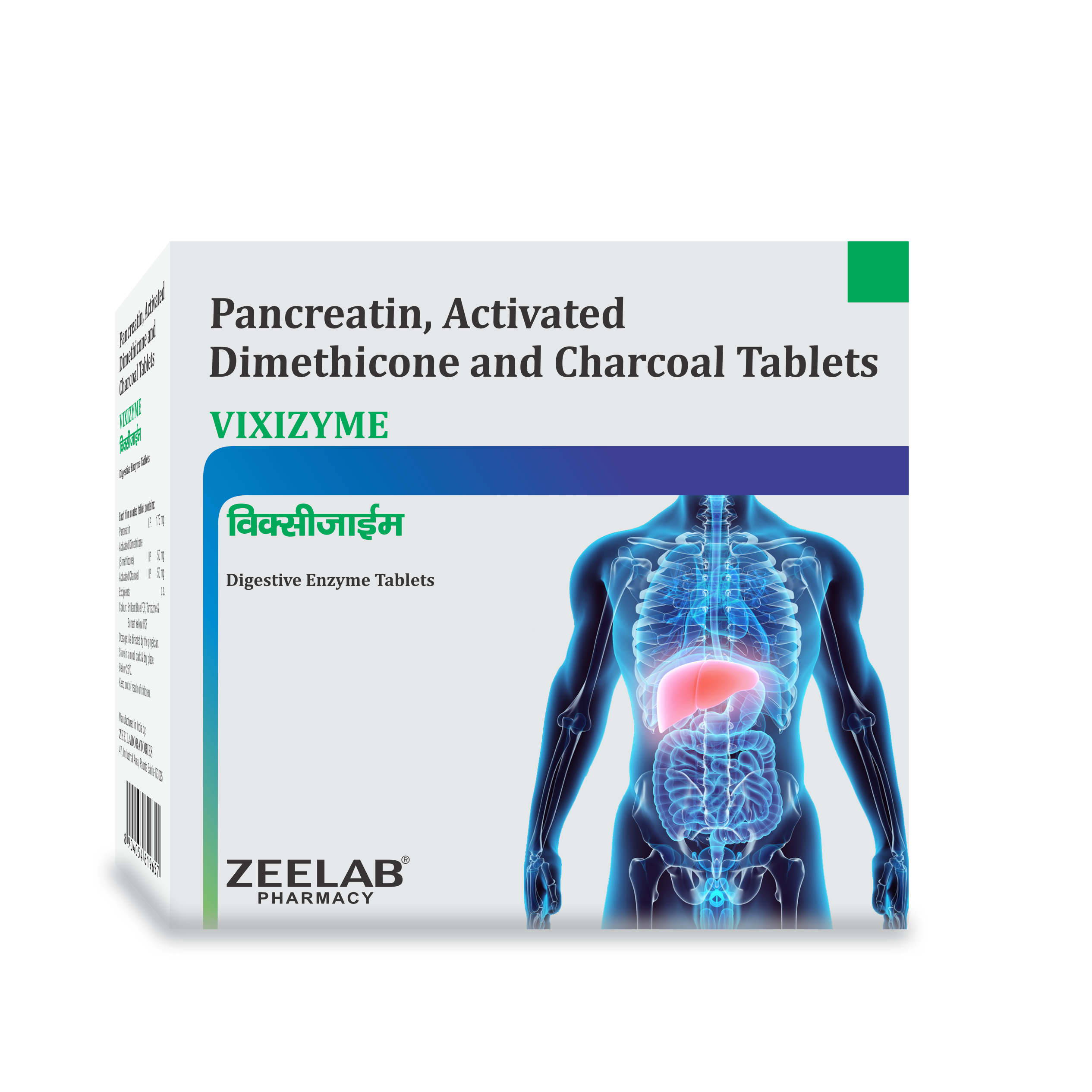
Vixizyme Tablet is a digestive enzyme supplement that helps improve digestion and relieve gastrointestinal discomfort. It contains Pancreatin (175mg), Activated Dimethicone (Simethicone) (50mg), and Charcoal (50mg), which work together to break down fats, proteins, and carbohydrates.
- Composition: Dimethicone (50mg) + Pancreatin (175mg) + charcoal (50mg)
- What it does: Aids digestion, relieves gas, bloating, and heaviness and improves absorption of nutrients.
- How to use: Take one tablet after meals or as directed by your doctor.
Bioticas Prebiotic and Probiotic Capsule
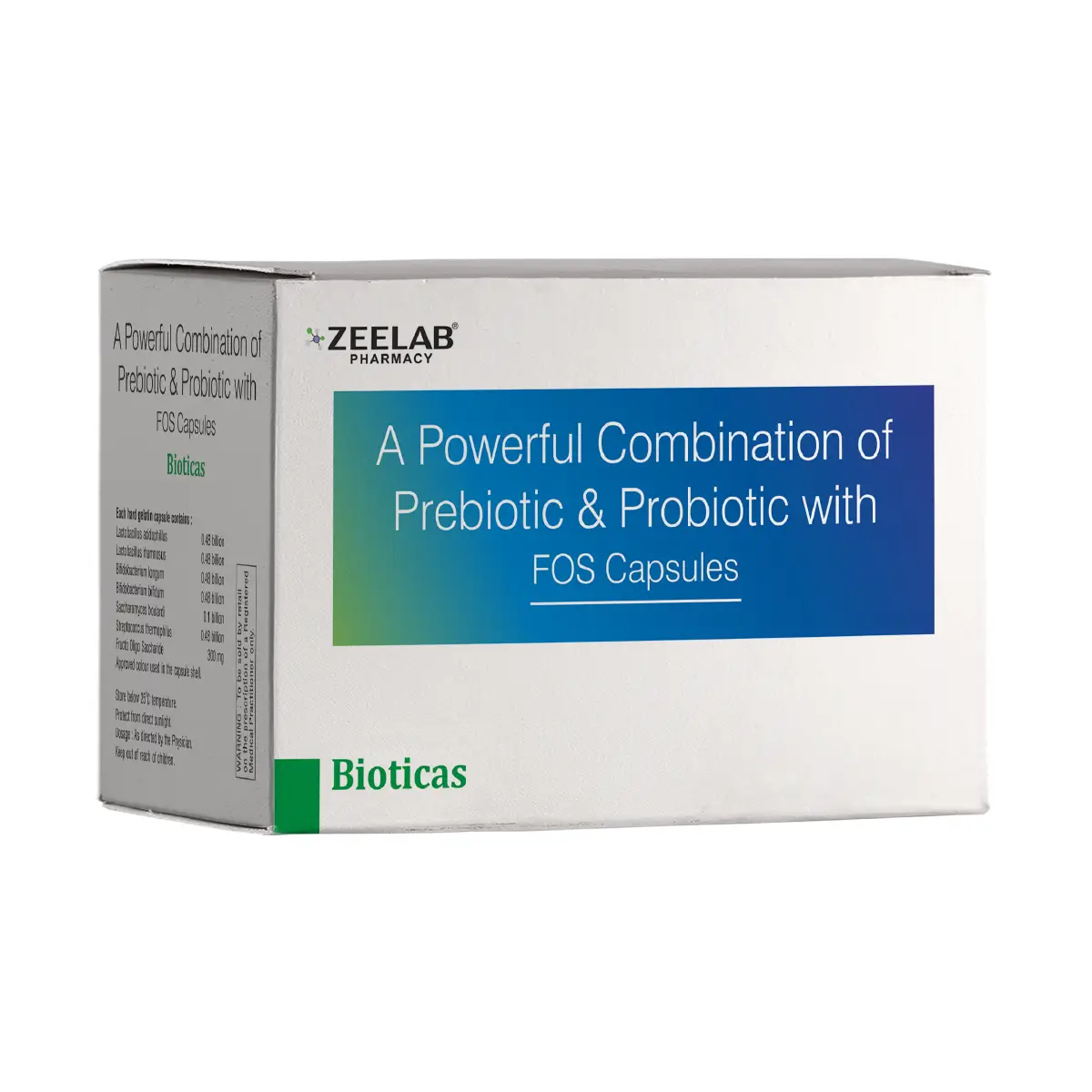
Biotica's Prebiotic and Probiotic Capsule with FOS helps in maintaining the balance of healthy microflora in the gut. This medicine enhances the ability of the digestive tract to absorb nutrients from food that is being digested by the body.
- Composition: Prebiotic & Probiotic with FOS Capsules
- What it does: Gets your gut back on track, helps you digest food better, reduces inflammation, and gives your immune system a natural daily boost.
- How to use: Take one capsule regularly daily after meals or as directed by your physician.
Home Remedies & Natural Relief for Bloating
Natural remedies help relieve the ballooning sensation experienced after meals through improved digestion, reduction in gas and relaxation of the intestines.
- Warm water intake: It helps in the digestion of food and removes gas formation in the body.
- Slow mindful eating: This helps avoid air being sucked into the stomach, which reduces bloating.
- Ajwain or fennel seeds: Ajwain or Carrom seeds chewed, alleviate gases
- Gentle post-meal walking: Light walking after meals: Light walking helps stimulate digestion and prevents bloating of food in the stomach after a meal.
- Limit trigger foods: Do not consume too much of fried, dairy, or carbonated products, which can often cause
Diet Tips: What to Eat & Avoid to Prevent Bloating
Bloating that persists after eating can be caused by poor food selection, eating patterns, and speed of eating. Bloating related to food intake is helped by a special diet that deals with bloating after eating.
Foods That Can Cause Bloating
- Beans Carbohydrate-rich foods that cause bloating after consumption include beans, lentils, cabbage, cauliflower, onions and broccoli.
- Dairy products cause bloating and gas in the body due to lactose intolerance.
- Fried foods, which are high in fat, slow down digestion, leading to a feeling of fullness.
- Carbonated beverages cause an increase in gas in the stomach, leading to bloating after each meal.
- Artificial sweeteners can also cause stomach pressure after eating due to their poor absorption rate.
Foods That Help Reduce Bloating
- What to eat to avoid bloating after meals: curd, buttermilk, and fermented foods.
- Cooked vegetables and peeled fruits support digestion in a diet for chronic post-meal bloating.
- Ginger and ajwain work as an aid in relieving indigestion and bloating.
- Eating smaller meals more often reduces the tendency to feel bloated immediately after eating.
- It promotes the functions of the digestive system, thus preventing frequent intestinal upsets after food consumption.
Eating Habits That Cause Bloating and How to Fix Them
Poor eating speed, meal timing, portion size and food choices commonly cause bloating after meals. Let us understand from these points.
- Eating too fast increases swallowed air; Chew slowly after eating to reduce swelling.
- Eating too much stretches the stomach. Small portions help prevent bloating after meals.
- Drinking fizzy drinks with meals traps gas; choose plain water instead. Skipping meals slows digestion; eat regularly to reduce bloating after eating.
- Lying down immediately after meals delays digestion; walking briefly for better relief.
When Should You See a Doctor for Constant Bloating?
Bloating after meals is usually caused by improper digestion, intolerance to certain foods, slow passage of food through the digestive tract, stress, and improper eating habits. Avoiding trigger foods, eating slowly, and planning meals properly go a long way in reducing discomfort in the body.
Additionally, proper hydration and reducing foods that cause gas in the stomach are important. Engaging in physical exercise and managing stress are also helpful in maintaining proper body functions, including digestion.
Digestive supplements and doctor-recommended medications help reduce inflammation when necessary. Through proper lifestyle and dietary modifications, swelling in the body after meals can be easily controlled.
Conclusion
Bloating after meals is usually caused by improper digestion, intolerance to certain foods, slow passage of food through the digestive tract, stress and improper eating habits. Avoiding trigger foods, eating slowly and planning meals properly go a long way in reducing discomfort in the body.
Additionally, proper hydration and reducing foods that cause gas in the stomach are important. Engaging in physical exercise and managing stress are also helpful in maintaining proper body functions, including digestion.
Digestive supplements and doctor-recommended medications help reduce inflammation when necessary. Through proper lifestyle and dietary modifications, swelling in the body after meals can be easily controlled.
Frequently Asked Questions
Q. What causes me to be constantly bloated after eating?
A. Lack of proper digestion, food intolerance, low gut motility, overeating, or gas accumulation.
Q. Why do I have a swollen stomach after meals?
A. Gas production, delayed digestion, and swallowing air are the underlying causes of the pressure and fullness felt in the abdomen.
Q. Is it normal to have bloating after every meal?
A. Occasional occurrences are expected; daily occurrences may denote some intestinal problems.
Q. What is the remedy or cure for bloating after eating?
A. Simethicone, digestive enzymes, probiotics, or antacids are taken to relieve discomfort.
Q. What are some ways for quick relief from bloating after eating?
A. Exercise, warm water, ginger, peppermint tea, and not lying down are helpful.
Q. Can stressful events cause malaise and stress?
A. Yes, it slows down digestion and makes the gut sensitive.
Q. Can eating too quickly cause bloating?
A. It definitely makes one swallow more air, leading to gas.
Q. What does bloating in the stomach suggest regarding food intolerance?
A. Well, problems with lactose, gluten, or FODMAPs (fermentable oligosaccharides, disaccharides, monosaccharides, and polyols) are just common causes.
Q. Is bloating linked to constipation?
A. Yes, gas gets trapped due to the accumulation of stool, which causes bloating and stomach discomfort.
Q. When should I see a doctor for bloating?
A. See a doctor if swelling is persistent, painful, or associated with weight loss.
Recent Blogs





Disclaimer : Zeelab Pharmacy provides health information for knowledge only. Do not self-medicate. Always consult a qualified doctor before starting, stopping, or changing any medicine or treatment.

₹ 0
0
Items added
Quick Links
Categories
Our Policies

Our Socials


Subscribe

2026 Copyright By © Zeelab Pharmacy Private Limited. All Rights Reserved
Our Payment Partners

 Added!