

Best Medicines for Typhoid Fever in India: A Complete Antibiotics & Treatment Guide
Typhoid fever is one of the most common bacterial infections in India, with millions of cases every year, particularly in regions where access to clean water and hygiene facilities is a challenge. It is a bacterial infection that spreads through various means.
This makes timely diagnosis and proper treatment very important and unavoidable. While antibiotic therapy is the primary line of treatment, the drug selection varies according to several parameters, such as the degree of illness, resistance, and health status of the patient.
In the following blog, let us discuss the best medicines for typhoid fever in India, including commonly used antibiotics, supportive tablets, treatment approaches, and important guidelines to ensure safe and effective recovery.
What is Typhoid Fever?
Typhoid fever is an infection caused by Salmonella Typhi bacteria that is mainly transmitted through water and food.
The illness mainly affects the digestive tract and the bloodstream, leading to conditions such as fever, weakness, abdominal pain, and digestive disorders.
How Does Typhoid Spread?
Typhoid fever spreads mainly through the faeco-oral route, often linked to poor hygiene and unsafe food or water. Common modes of transmission include:
- Consuming contaminated food or drinking unsafe water
- Eating food handled by an infected person with poor hand hygiene
- Using water contaminated with sewage for drinking or cooking
- Close contact with a person who is infected or a carrier of the bacteria
- Eating raw fruits or vegetables that are not properly washed or peeled
Early Signs and Symptoms of Typhoid Fever
Infection caused by Salmonella typhi can lead to many different symptoms, which may worsen over time. It is important to identify them on time to avoid serious complications.
- High fever (up to 104°)
- Weakness and fatigue
- Abdominal pain
- Loss of appetite
- Constipation or diarrhea
- Headache
- Skin rashes (rose-colored spots)
- Swollen stomach in severe cases
Typhoid vs Viral Fever: Key Differences
Typhoid and viral fever may show similar symptoms, such as fever and weakness, but they differ in their cause, progression, and treatment, making it important to identify them correctly.
|
Aspect |
Typhoid |
Viral Fever |
|
Cause |
Bacteria from contaminated food/water |
Virus (spread through air/contact) |
|
Fever Start |
Slowly increases |
Comes suddenly |
|
Symptoms |
Weakness, stomach pain, loss of appetite |
Body pain, cold, cough, headache |
|
Duration |
Lasts longer if untreated |
Usually lasts a few days |
|
Treatment |
Needs antibiotics |
Rest, fluids, simple medicines |
How is Typhoid Fever Diagnosed?
Diagnosis of an illness always starts by considering your symptoms, followed by lab testing for confirmation. Proper testing will help in identifying the infection, thus ensuring the right form of medication.
|
Diagnostic Method |
What It Detects / Purpose |
Key Points |
|
Blood Culture |
Detects bacteria (Salmonella Typhi) in the bloodstream |
Very dependable in initial stages; referred to as the gold standard |
|
Widal Test |
Detects antibodies to typhoid bacteria |
Very common, but not always very accurate |
|
Stool Culture |
Bacterial identification from stool specimens |
Can be helpful in the later stages or for identifying carriers |
|
Urine Test |
Detects the presence of bacteria in urine |
Slightly less common, but it can help diagnose the condition |
|
Complete Blood Count (CBC) |
Overall blood parameter evaluation |
Helpful in finding signs of an infection, such as low WBC |
Typhoid Fever Treatment
The treatment of typhoid and its symptoms is mainly done with antibiotics, a common medicine for bacterial infection, as it is caused by a bacterial infection. Let’s briefly talk about the ways of treatment.
- Antibiotics: This is the most important medication and should be taken properly for full recovery and to avoid developing resistance.
- Oral vs Injection: Oral tablets work well in mild and moderate conditions, whereas injectable antibiotics can be administered in serious cases.
- Supportive Care: Rest, fluid intake, and nutrition are important for quick recovery from the illness.
List of Antibiotics for Typhoid Fever
Typhoid fever management medicines include specific antibiotics that are given to a patient, considering the level of infection, their condition, and bacterial or antibiotic resistance patterns.
Here is a list of the commonly used typhoid fever antibiotics:
|
Medicine Name |
Drug Class |
Use Case |
|
Azithromycin (Oral) |
Macrolide antibiotic |
Mild to moderate typhoid fever, particularly in difficult cases |
|
Ciprofloxacin (Oral) |
Fluoroquinolone antibiotic |
Once common, but now only considered when sensitive |
|
Cefixime (Oral) |
Cephalosporin antibiotic |
Mild to moderate cases |
|
Ceftriaxone (Injection) |
Cephalosporin antibiotic |
Serious cases or those requiring hospitalisation |
|
Broad-spectrum antibiotic |
Older treatment, now less commonly used due to side effects |
|
|
Penicillin antibiotic |
A choice under specific circumstances |
Which Antibiotic is Best for Typhoid Fever?
The most appropriate antibiotic for typhoid fever depends on the severity of the infection, local resistance patterns, and the patient's condition. Treatment should always be decided by a healthcare professional.
- Mild cases: Oral antibiotics such as Azithromycin or Cefixime are commonly prescribed.
- Moderate cases: A doctor may recommend oral cephalosporins or macrolides, depending on clinical response and sensitivity patterns.
- Severe cases: Ceftriaxone injection is typically used in a hospital setting for faster and more effective infection control.
Proper diagnosis and completion of the full antibiotic course are essential to ensure recovery and prevent resistance.
Oral Antibiotics for Typhoid Fever
Mild to moderate typhoid fever can be treated using oral typhoid fever tablets.
- Cefixime (a cephalosporin) is often recommended due to its efficacy and tolerance.
- Azithromycin (a macrolide) is a better choice in several cases of resistant infection.
- Ofloxacin (a fluoroquinolone) can be prescribed based on the sensitivity of the bacteria.
These drugs are commonly used at home under a doctor's advice, and it is crucial to take the entire dosage.
Injection for Typhoid Fever Treatment
Antibiotic injection therapy is suggested in cases where the fever has become serious, and immediate and dependable measures are needed.
When the patient is unable to take oral medication, while suffering from a persistent high fever or other complications, Ceftriaxone is administered at the hospital.
Best Typhoid Fever Medicines in India
This section highlights some of the commonly prescribed medicines in India for managing typhoid. These antibiotics are selected based on effectiveness, resistance patterns, and doctor recommendations for safe recovery.
Sefjim OX Antibacterial Tablet

Sefjim-OX is a high fever bacterial infection medicine combining two antibiotics that help treat typhoid and other infections by effectively stopping bacterial growth.
- Composition: Cefixime (200mg) + Ofloxacin (200mg)
- Benefits: Helps cure many types of bacterial infections, ensures faster recovery, and is effective at preventing the spread of bacteria.
Zithrozem 250 Antibiotic Tablet
Zithrozem 250 is an azithromycin antibiotic tablet used to treat various bacterial infections, helping stop bacterial growth and support faster recovery from infections.
- Composition: Azithromycin (250 mg)
- Benefits: Helps manage bacterial infections, alleviates symptoms, and promotes fast recovery.
Amoxible 500 Antibiotic Capsule
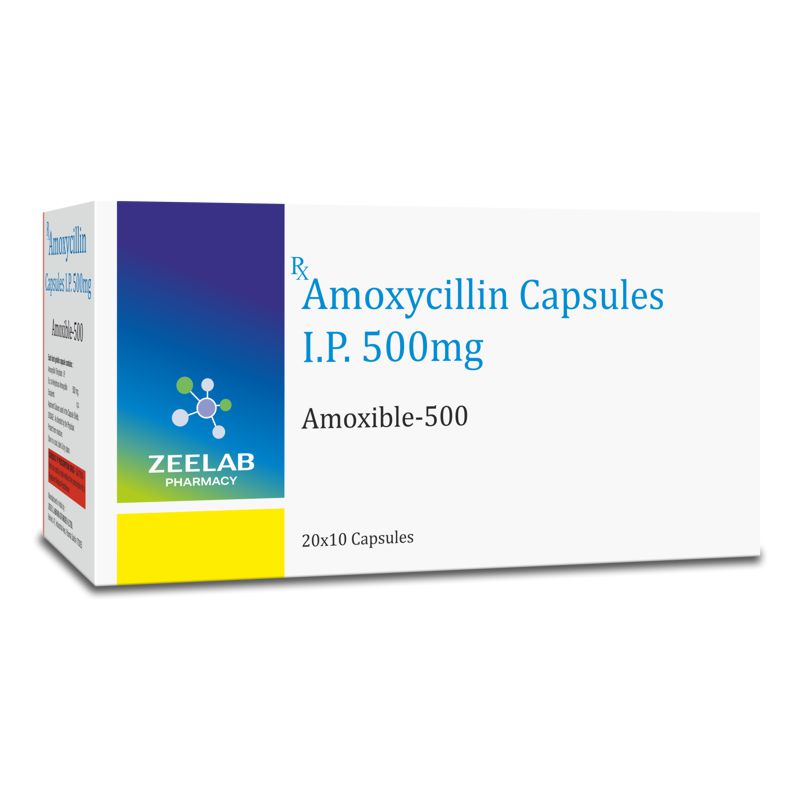
Amoxible 500 is an amoxicillin antibiotic capsule used to treat a wide range of bacterial infections by stopping bacterial growth and supporting effective recovery.
- Composition: Amoxycillin (500mg)
- Benefits: Cures different bacterial infections, alleviates symptoms, and promotes fast recovery.
Ampicix 500 Antibiotic Capsule
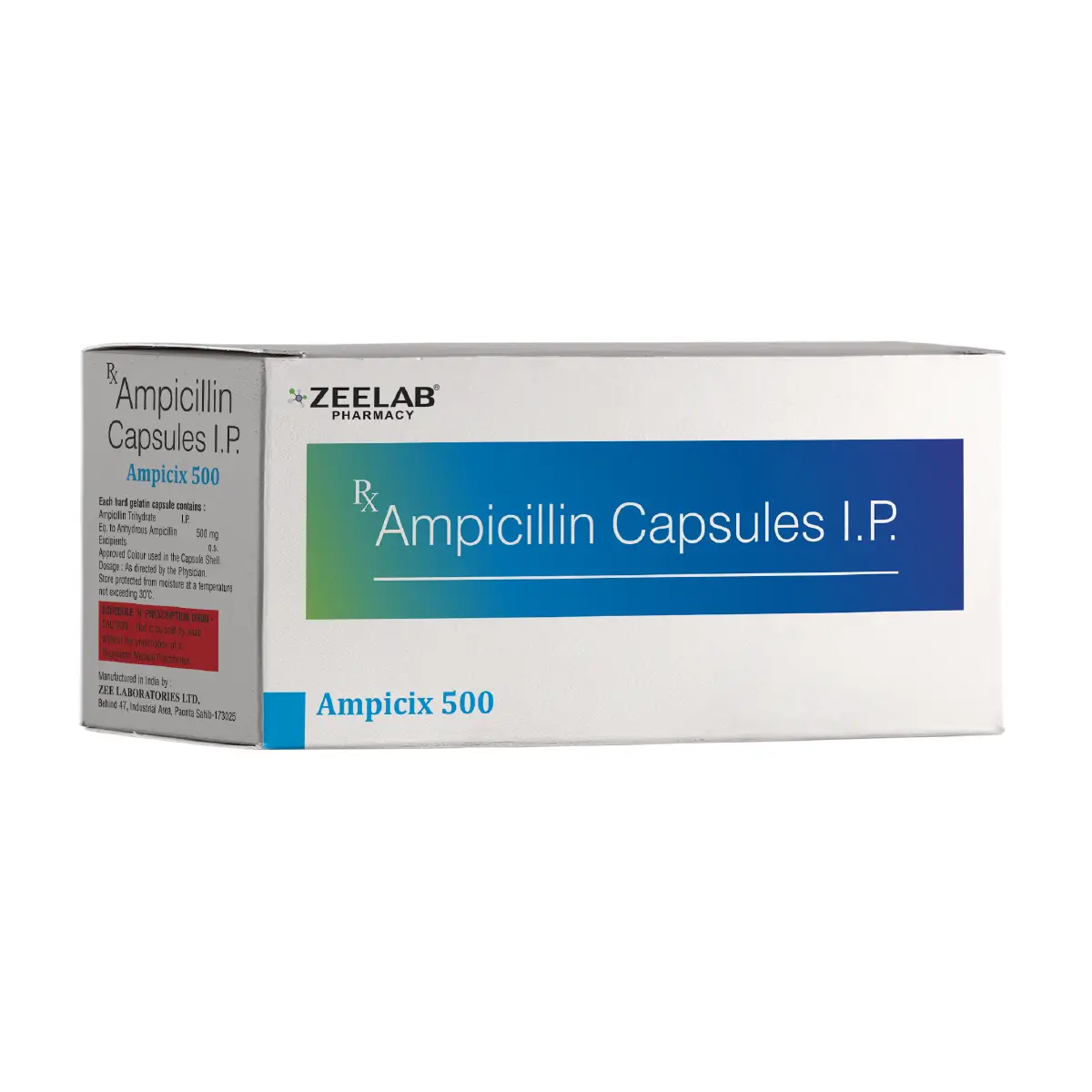
Ampicix 500 is an ampicillin antibiotic capsule used to treat various bacterial infections, including typhoid, by stopping bacterial growth and supporting effective recovery.
- Composition: Ampicillin (500mg)
- Benefits: Helps with various infections; reduces symptoms; facilitates quicker removal of bacteria.
Ceftrozy 1000 Antibiotic Injection
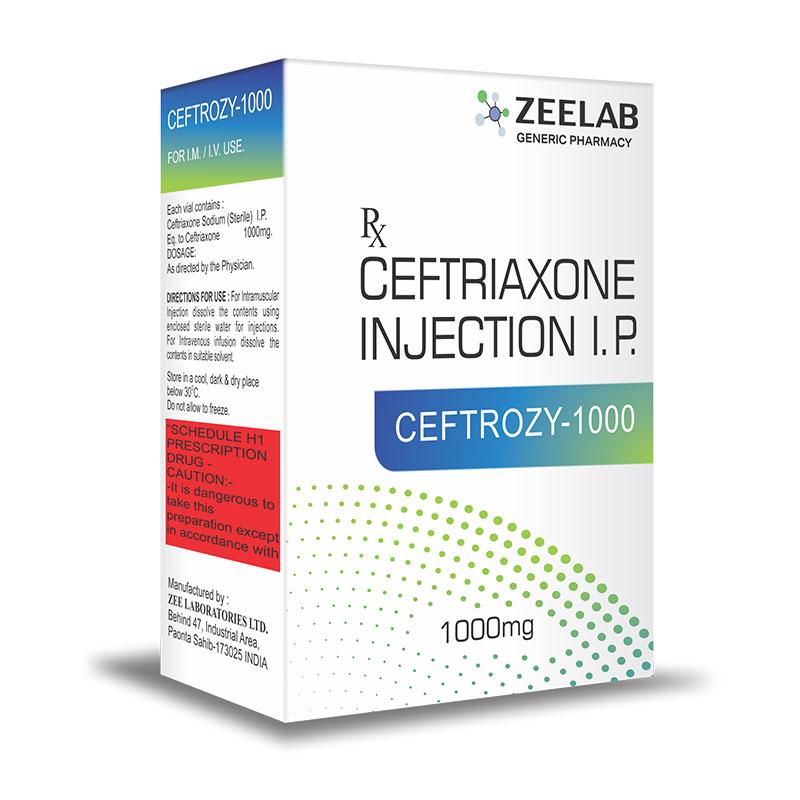
Ceftrozy 1000 is a ceftriaxone-based antibiotic injection used in serious bacterial infections, helping control infection quickly when oral medicines are not effective or suitable.
- Composition: Ceftriaxone (1000mg)
- Benefits: Quick infection control, can be used in severe cases, and increases the efficiency of treatment.
Typhoid Fever Medicine for Adults vs Children
Typhoid fever medication is used differently in adults than in children, depending on how severe their illness is and their physical characteristics.
This table will help in better understanding:
|
Aspect |
Adults |
Children |
|
Common Antibiotics |
Azithromycin, Cefixime, Ciprofloxacin (based on sensitivity) |
Azithromycin, Cefixime, Ceftriaxone |
|
Dosage |
Standard dose according to prescription |
Administered in relation to body weight |
|
Preferred Form |
Tablet/Capsules |
As syrups, dispersible tablets, or by injection |
|
Use of Fluoroquinolones |
Can be used depending on certain conditions |
Should be strictly avoided for reasons of safety |
|
Severe Cases |
Injection of Ceftriaxone in hospitals |
Injection of Ceftriaxone only under a doctor's supervision |
Dosage and Duration of Antibiotics
Proper antibiotic use is essential for effectively treating Typhoid fever and preventing complications or recurrence. This ensures that the infection is entirely treated without any complications.
- Dosage varies based on age, body weight, and severity of infection
- Children receive weight-based doses, while adults are given standard doses
- Treatment duration is typically 7–14 days, depending on the antibiotic prescribed
- Complete the full course even if symptoms improve early
- Do not skip doses, as missed doses can reduce effectiveness and increase the risk
How Long Do Antibiotics Take to Cure Typhoid?
It normally takes only a couple of days for antibiotics to produce their effects. Nevertheless, recovery may take more time and depend on several factors.
|
Time After Starting Antibiotics |
Expected Response |
|
2–3 Days |
Fevers begin to decrease, and symptoms start improving slowly |
|
4–7 Days |
Appetite and strength begin to feel better |
|
7–14 Days |
All symptoms subside as long as you continue with treatment |
|
After Completion |
If the entire antibiotic dose is taken, full recovery follows |
Antibiotic Resistance in Typhoid Fever
Rising antibiotic resistance in typhoid has become a growing concern in India, making treatment more challenging.
Misuse and overuse of antibiotics have allowed bacteria to adapt and reduce the effectiveness of commonly used medicines.
Due to rising fluoroquinolone resistance, drugs like ciprofloxacin may not work effectively.
As a result, doctors now prefer newer antibiotics such as azithromycin and cephalosporins, which are more effective against resistant strains when used appropriately.
What Happens If Typhoid is Not Treated?
Without timely treatment, the infection can worsen and spread within the body. Delayed care increases the risk of serious complications and may lead to prolonged illness or life-threatening conditions.
- Persistent high fever and severe weakness
- Intestinal bleeding or perforation
- Severe dehydration and electrolyte imbalance
- Infection spreading to other organs (sepsis)
- Confusion or altered mental state
- Prolonged recovery and higher risk of relapse
Also Read: Best Fever Medicine for Kids in India
Precautions While Taking Typhoid Medicine
Here are some precautions that one should take while on typhoid fever medicines to ensure effective recovery, minimise side effects, and prevent complications during the treatment period.
- Avoid spicy, oily, and heavy foods as they can irritate the stomach.
- Drink boiled or purified water to prevent reinfection.
- Wash your hands frequently, especially before eating.
- Take medicines with food if they cause stomach discomfort.
Side Effects of Typhoid Medicines
Most medications used in treatment are well tolerated, but mild side effects can occur. Recognising them early helps manage discomfort and ensures smoother, safer recovery.
- Nausea and vomiting
- Diarrhea
- Stomach pain
- Headache
- Skin rashes or allergic reactions (in rare cases)
Also Read: Ayurvedic Medicine For Fever
Ways To Prevent Typhoid Fever
Preventing infection mainly involves maintaining good hygiene and safe food practices. Simple daily habits can significantly reduce the risk of transmission.
- Drink only clean, boiled, or purified water
- Wash your hands regularly, especially before eating and after using the toilet
- Avoid street food or uncovered food in unhygienic conditions
- Wash fruits and vegetables thoroughly or peel them before eating
- Ensure food is properly cooked and served hot
- Maintain proper sanitation and waste disposal practices
- Get vaccinated, especially if you are at higher risk or travelling to affected areas
Also Read - Best Foods for Typhoid Patients
Conclusion
Typhoid fever is a serious disease caused by bacterial infection. It can be treated with timely diagnosis, prescribed antibiotics and proper care throughout recovery.
Due to increasing antibiotic resistance, you must take the right ones, such as Ciprofloxacin, Azithromycin, and Ceftriaxone.
If you or a loved one is experiencing typhoid symptoms, visit Zeelab Pharmacy to get the best medications at affordable prices. Stay safe and healthy!
Frequently Asked Questions (FAQs)
Ans.The best medicine depends on severity and resistance patterns. Doctors commonly prescribe antibiotics like azithromycin, cefixime, or ceftriaxone to effectively treat typhoid infection and prevent complications.
Ans.Azithromycin is preferred because it works well against resistant bacteria. It is effective, well-tolerated, and commonly prescribed for mild to moderate typhoid infections in India.
Ans.Cefixime is commonly used for mild to moderate typhoid cases. It is effective against many strains, but its use depends on local resistance patterns and the doctor's recommendation.
Ans.Antibiotics are usually taken for 7 to 14 days. The exact duration depends on the medicine prescribed and the severity of the infection. Completing the full course is important to prevent relapse.
Ans.Yes, typhoid medicines are safe when prescribed correctly. Doctors adjust the dose based on the child’s weight and prefer antibiotics like azithromycin or cefixime for safety.
Ans.No, home remedies cannot cure typhoid. They may relieve symptoms, but antibiotics are necessary to eliminate the infection and prevent serious complications.
Ans.Yes, typhoid can relapse if the antibiotic course is not completed properly. Following the full treatment and maintaining hygiene reduces the risk of recurrence.
Ans.Avoid spicy, oily, and heavy foods as they can irritate the digestive system. Stick to light, easily digestible meals and drink plenty of clean water during recovery.
Ans.Ceftriaxone injection is commonly used for typhoid treatment, especially in severe cases. It is given in hospitals when oral antibiotics are not suitable or when rapid infection control is needed.
Ans.Take medicines on time, maintain hygiene, drink clean water, and avoid unhealthy food. Following precautions helps improve recovery and prevents reinfection.
Ans.No, typhoid cannot be safely cured without antibiotics, as it is a bacterial infection that requires proper medical treatment.
Ans.Yes, typhoid is contagious. It spreads through contaminated food and water or close contact with an infected person, especially due to poor hygiene or sanitation.
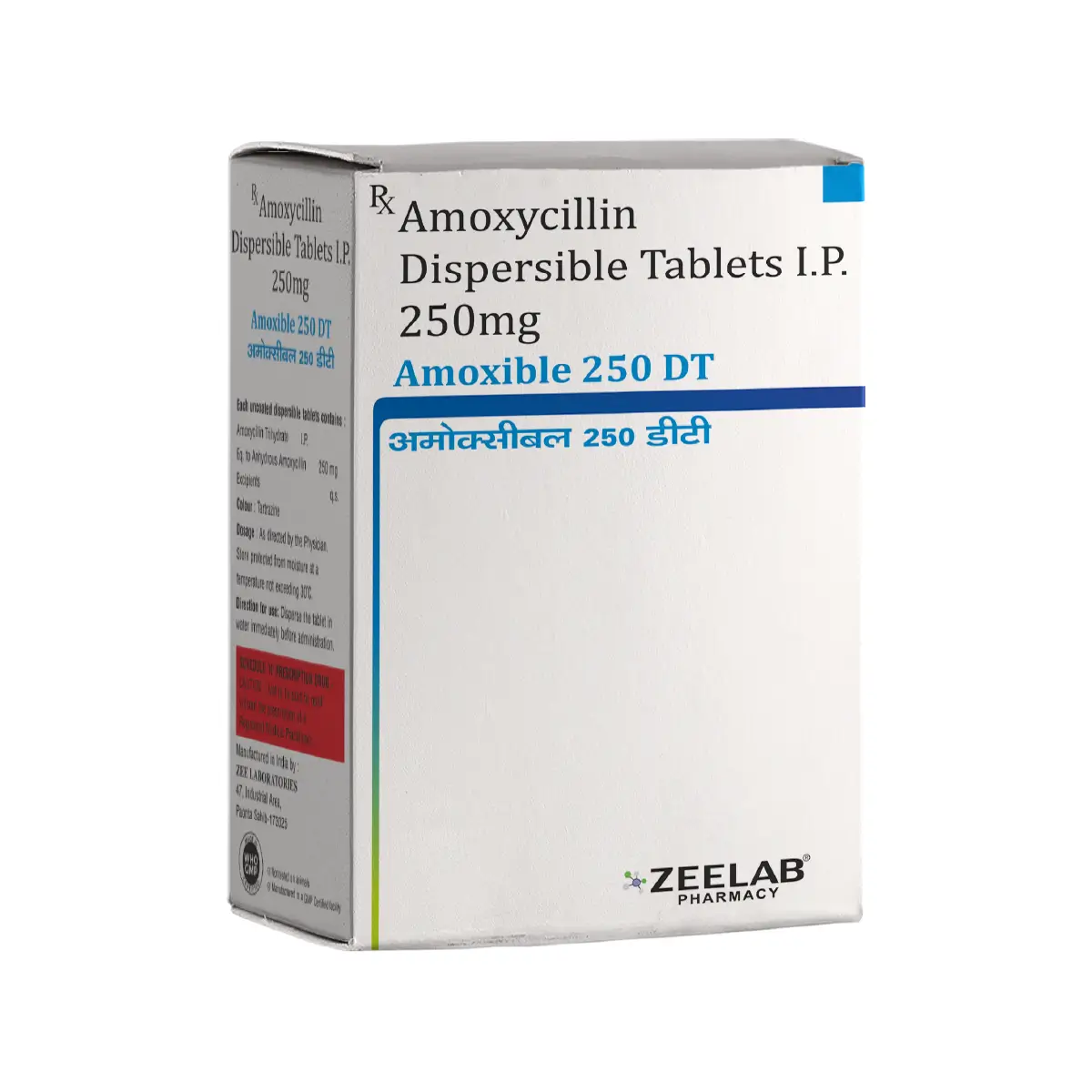
Amoxycillin (250mg)
10 Tablets In 1 Strip
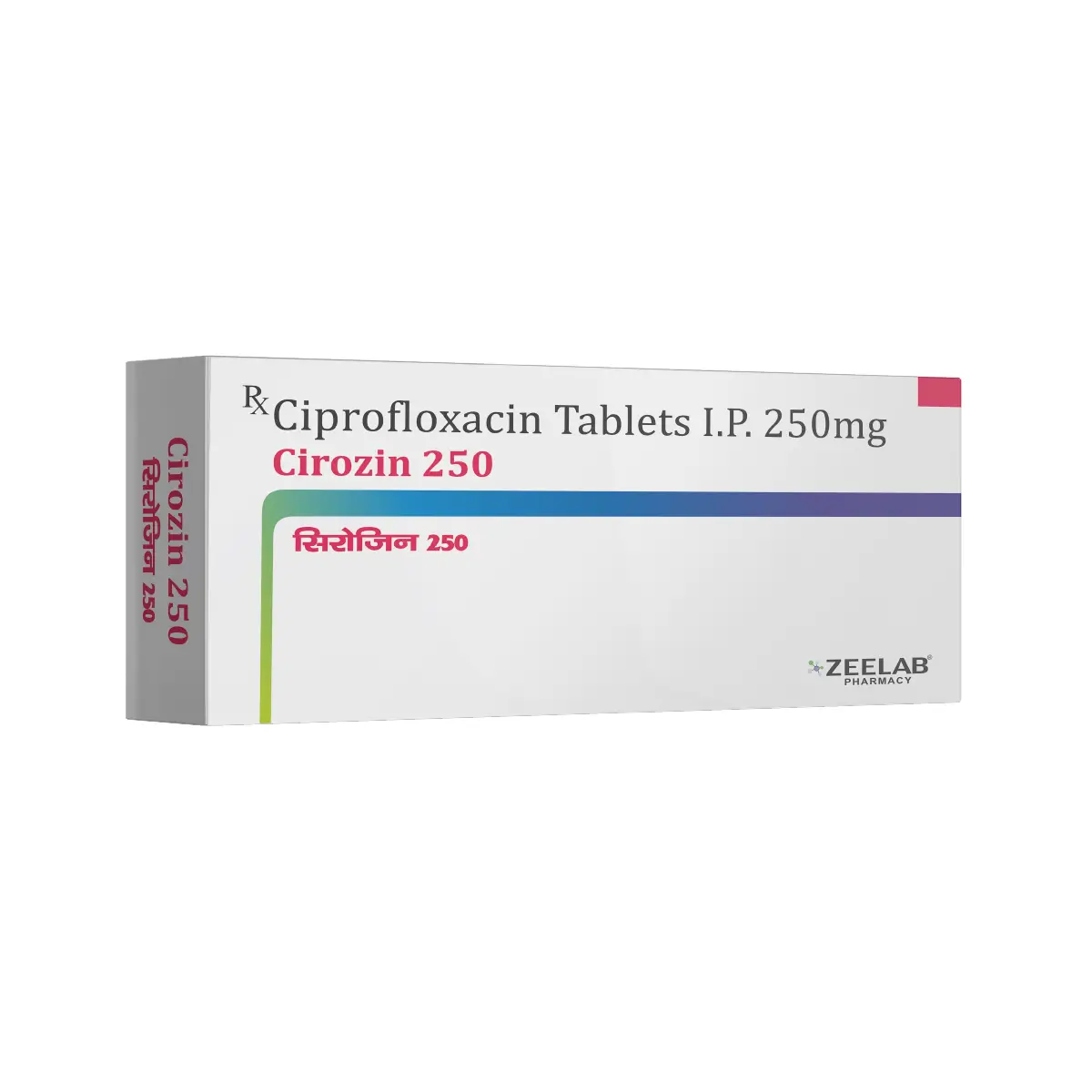
Ciprofloxacin (250mg)
10 Tablets In 1 Strip
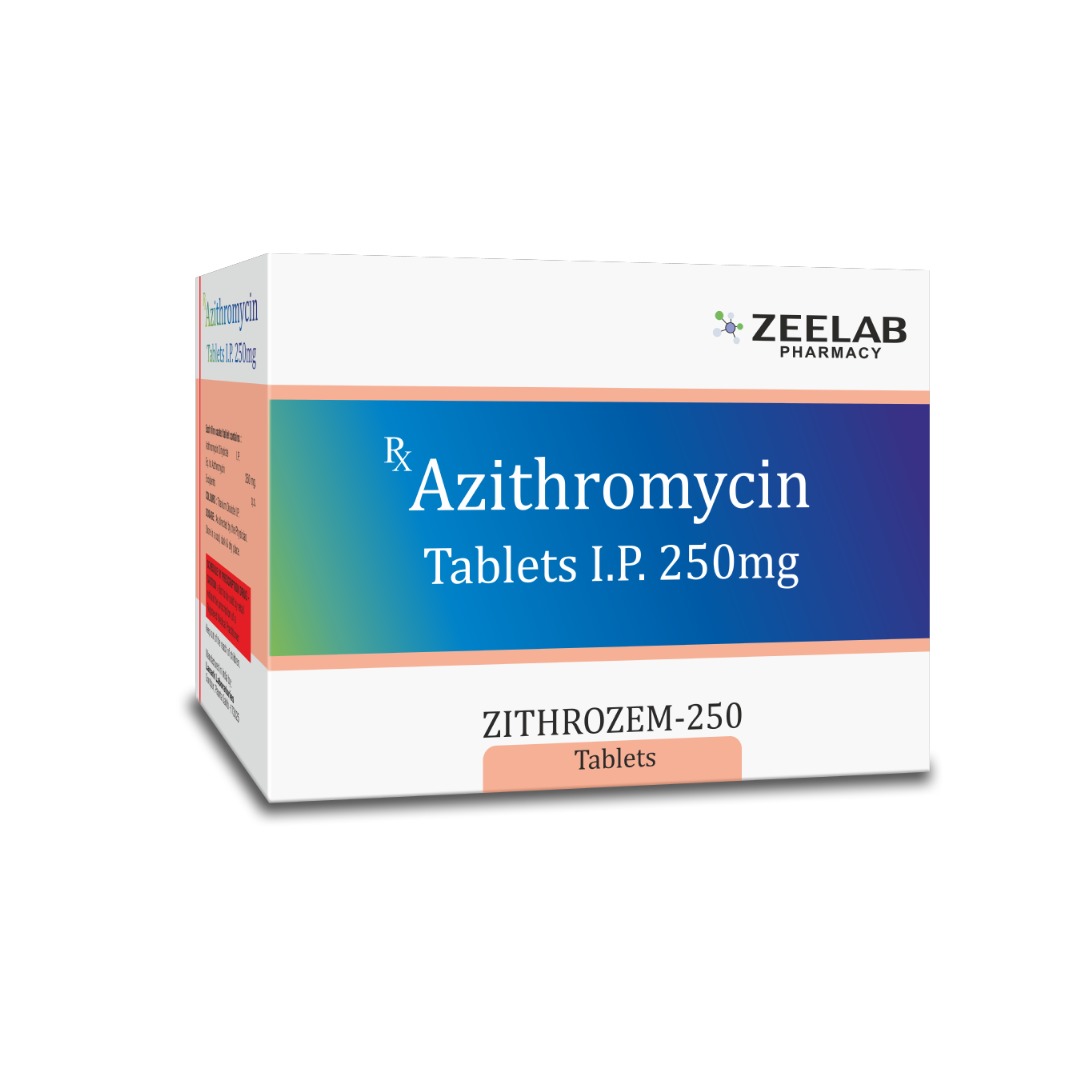
Azithromycin (250 mg)
6 Tablets In 1 Strip
Azithromycin (500 mg)
5 Tablets In 1 Strip
References
Recent Blogs






Disclaimer : Zeelab Pharmacy provides health information for knowledge only. Do not self-medicate. Always consult a qualified doctor before starting, stopping, or changing any medicine or treatment.
Related Products


₹ 0
0
Items added
Quick Links
Categories
Our Policies

Our Socials


Subscribe

2026 Copyright By © Zeelab Pharmacy Private Limited. All Rights Reserved
Our Payment Partners

 Added!