

Best Medicine for Vomiting in India: A Complete Guide to Effective Medicines to Stop Vomiting & Nausea

The stomach naturally gets rid of unwanted substances through vomiting, or emesis. It cannot be called a disease or a condition but a symptom that may be triggered by stomach infections, food poisoning, motion sickness, migraines, pregnancy, or side effects from certain medicines.
In such cases, a suitable vomiting medicine or nausea and vomiting medicine may be recommended depending on the underlying cause.
Well, vomiting is not a serious concern, but it can lead to dehydration and other problems when it becomes too frequent. People may look for medicine to stop vomiting or antiemetic tablets to help control frequent vomiting.
Ondansetron and domperidone are some of the most commonly used medicines to stop vomiting under different conditions in India. Let us read more about the use of these antiemetic drugs.
What Is Vomiting and Nausea?
Vomiting is when you throw out everything that you ate from your mouth.
Nausea is the feeling that you get before vomiting. You might feel sick and have a weird feeling in your stomach.
These two are not a disease but signs of underlying conditions.
Common Causes of Vomiting and Nausea
Vomiting and nausea can occur due to several factors, ranging from common digestive problems to infections, medications, and certain medical conditions.
Here are some common reasons you may experience vomiting and nausea:
- Stomach Infections (caused by viruses or bacteria)
- Food poisoning from spoilt food or water
- Motion sickness
- Migraine
- Pregnancy
- Medication side effects
- Indigestion/overeating
- Vertigo
- Alcohol
- Post-operative nausea
- Chemotherapy/radiation
- Other underlying medical conditions
Knowing the reason behind problems like nausea and vomiting is important, as it helps in choosing the right medicines for vomiting relief.
Common Medicines Used to Stop Vomiting
Different antiemetic drugs are used to help stop vomiting and relieve related symptoms caused by different conditions.
When you take a vomiting control tablet, its composition determines whether it works primarily on neurological or gastrointestinal pathways.
|
Medicine Name |
Drug class |
Commonly used for |
|
Ondansetron |
5-HT3 receptor antagonist |
Chemotherapy, surgery, nausea and vomiting |
|
Domperidone |
Dopamine antagonist/prokinetic |
Nausea, vomiting and digestive problems |
|
Metoclopramide |
Dopamine antagonist/prokinetic |
Nausea, vomiting and delayed gastric emptying |
|
Dimenhydrinate |
Antihistamine |
Motion sickness and nausea |
|
Meclizine |
Antihistamine |
Motion sickness and vertigo |
|
Prochlorperazine |
Phenothiazine |
Severe nausea, vomiting and vertigo |
List of Best Vomiting Tablets in India
Zeelab Pharmacy offers a range of vomiting control tablets formulated with commonly used antiemetic drugs to help manage vomiting and related symptoms.
These medicines are manufactured at GMP-certified facilities and offer reliable quality at more affordable prices than many branded medicines.
Onwon MD Tablet
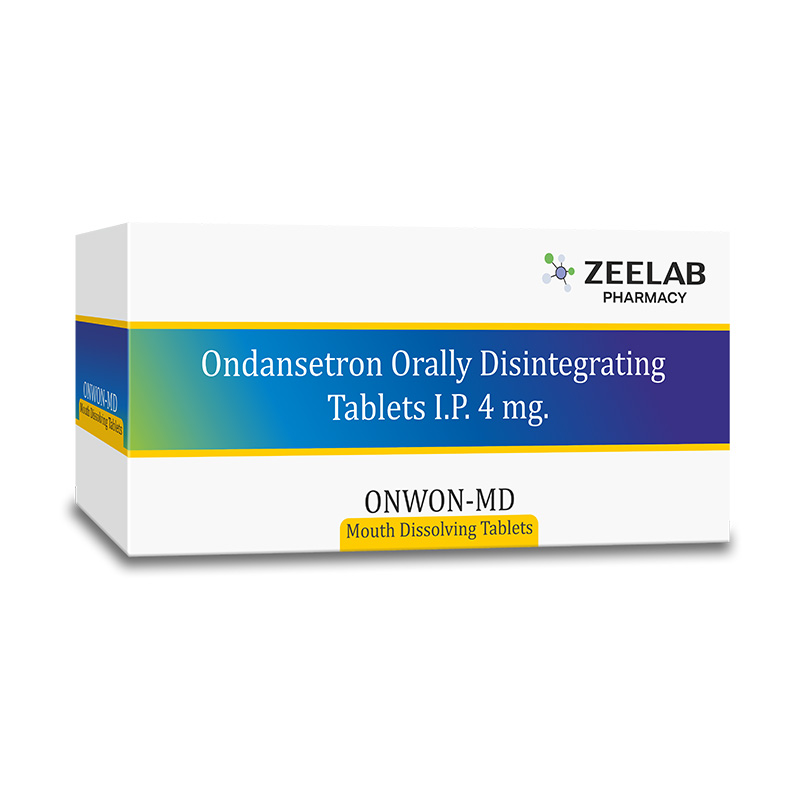
Onwon MD Tablet is a commonly used tablet for vomiting control. It contains an antiemetic drug called ondansetron, which works by blocking serotonin signals that can trigger vomiting and nausea.
- Composition: Ondansetron 4 mg
- Benefits: Helps control nausea and vomiting, particularly those associated with chemotherapy, radiation therapy, or surgery.
Vomwin 10 Tablet
Vomwin 10 Tablet contains domperidone, an anti-nausea medication. It helps improve stomach movements and reduce the sensation of nausea and vomiting.
- Composition: Domperidone 10 mg
- Benefits: Helps manage nausea, vomiting, and stomach discomfort associated with digestive conditions.
Metavom 10 Tablet
Metavom 10 Tablet contains metoclopramide, which helps control nausea and vomiting while promoting the faster movement of food through the stomach.
- Composition: Metoclopramide 10 mg
- Benefits: Helps manage nausea and vomiting associated with illness, migraine, chemotherapy, radiation, or surgery.
Emizee MD Tablet

Emizee MD is a commonly used anti-vomiting tablet for adults that helps manage nausea and vomiting. It may be particularly helpful when nausea is associated with vertigo and migraines.
- Composition: Prochlorperazine 5 mg
- Benefits: Helps reduce nausea, vomiting, and symptoms associated with vertigo.
How Do Vomiting Medicines Work?
Antiemetic medications are used to treat nausea and vomiting by blocking the signals responsible for the vomiting reflex. These medicines work through different pathways within the body.
- Some block serotonin signals that may cause nausea and vomiting.
- Some block signals to dopamine receptors, which can help reduce vomiting.
- Some drugs decrease inner-ear signals and may be some medicines helpful for motion sickness and vertigo.
- Other medications increase stomach activity, which can help with stomach problems accompanied by nausea.
How to Choose the Right Medicine for Vomiting and Nausea?
There is no single option that works as the best vomiting medicine for everyone. Proper evaluation of the cause and the person’s individual health needs is important to choose the right treatment.
- Identify the cause of vomiting, such as motion sickness, stomach infection, migraine, or other conditions, as different causes may require different approaches.
- Consider the patient’s age, as children and older adults may need special consideration.
- Make sure the patient is not taking other medicines that may interact with antiemetics.
- Be cautious if the patient has heart, liver, kidney, or other medical conditions, as these can affect medicine selection.
- Vomiting during pregnancy is very common, but always consult a doctor before taking any tablets to stop vomiting in this situation.
Common Side Effects of Vomiting Medicines
Generally, medicines for nausea and vomiting are safe, but each person may react differently to a particular drug.
These medications may lead to some mild and temporary side effects, such as:
- Drowsiness or sleepiness
- Dizziness
- Headache
- Dry mouth
- Constipation
- Restlessness
- Stomach discomfort
Home and Self-Care Tips for Nausea and Vomiting
For mild vomiting or nausea, simple measures may help alongside appropriate medical treatment. It is especially important to stay hydrated because frequent vomiting may lead to excessive loss of fluids and electrolytes.
- Drink regular small sips of water or fluids instead of drinking a lot at once.
- Use an oral rehydration solution (ORS).
- Eat small, light meals when you feel able to eat.
- Avoid oily, spicy, and heavy foods until you feel better.
- Get adequate rest.
- Stay away from strong odours that can trigger vomiting.
- Ginger or peppermint may help some people with mild nausea.
Also Read: Best Foods to Eat When Vomiting
When Should You See a Doctor for Vomiting?
Occasional vomiting may settle on its own, but persistent or severe vomiting should not be ignored. Seek medical advice if you:
- Vomit blood or an abnormal substance.
- Have severe or sudden abdominal pain.
- Develop a very bad or sudden headache.
- Become confused, extremely weak, or unusually sleepy.
- Have difficulty breathing.
- Show serious signs of dehydration.
- Have green vomit, especially in adults.
- Are unable to keep any liquids down.
Conclusion
Vomiting may seem like a minor symptom, but taking medicine for continuous vomiting may become important to manage discomfort and prevent complications such as dehydration.
At Zeelab Pharmacy, you can find a wide range of antiemetic medicines available in India. Choosing the right option based on the cause and severity of vomiting can help manage the symptoms effectively.
From quick-relief tablets to condition-specific treatments, understanding your options can help you act promptly and safely.
Always use medicines responsibly and consult a doctor if symptoms persist or become severe for appropriate treatment.
Frequently Asked Questions (FAQs)
Ans.Ondansetron and domperidone are commonly used medicines for vomiting, but the best choice depends on the underlying cause and your individual health condition.
Ans.Vomiting may result from stomach infections, food poisoning, motion sickness, migraine, pregnancy, indigestion, certain medicines, or other underlying health conditions.
Ans.Take small sips of water or ORS, avoid heavy foods, rest, and use an appropriate antiemetic only as directed by a healthcare professional.
Ans.Start with small portions of bland foods such as rice, bananas, toast, or khichdi, and gradually return to your regular diet.
Ans.Excessive vomiting can cause dehydration, electrolyte imbalance, weakness, dizziness, and nutritional problems, especially when fluids cannot be kept down.
Ans.Medicines such as dimenhydrinate or meclizine are commonly used for motion sickness but may cause drowsiness and should be taken appropriately.
Ans.Ondansetron is a prescription medicine for vomiting that is generally considered safe when used as directed, but it may cause side effects and is not suitable for everyone.
Ans.Some vomiting medicines may be available without a prescription, but medical advice is recommended when vomiting is severe, persistent, or repeatedly occurs.
Ans.Antiemetic medicines are used to treat or prevent vomiting and nausea. They work to block chemical signals in the brain that cause these issues.
Ans.Pyridoxine (vitamin B6) is commonly prescribed for pregnancy-related nausea and vomiting; consult a healthcare professional before using any medicine for vomiting during pregnancy.
Ans. Whether vomiting medicine can be taken on an empty stomach depends on the specific medicine, so follow its instructions or your doctor’s advice.
Ans.Children should not be given antiemetic medicines without medical advice, as the appropriate medicine and dose depend on their age, weight, and condition.
Ans.Do not automatically take another dose after vomiting. Whether you need to repeat the medicine depends on the medicine, how long after taking it you vomited, and whether the medicine was absorbed. Ask a doctor or pharmacist for advice.
Domperidone (15mg) + Cinnarizine (20mg)
10 Tablets In 1 Strip
Ondansetron (4mg)
10 Tablets In 1 Strip
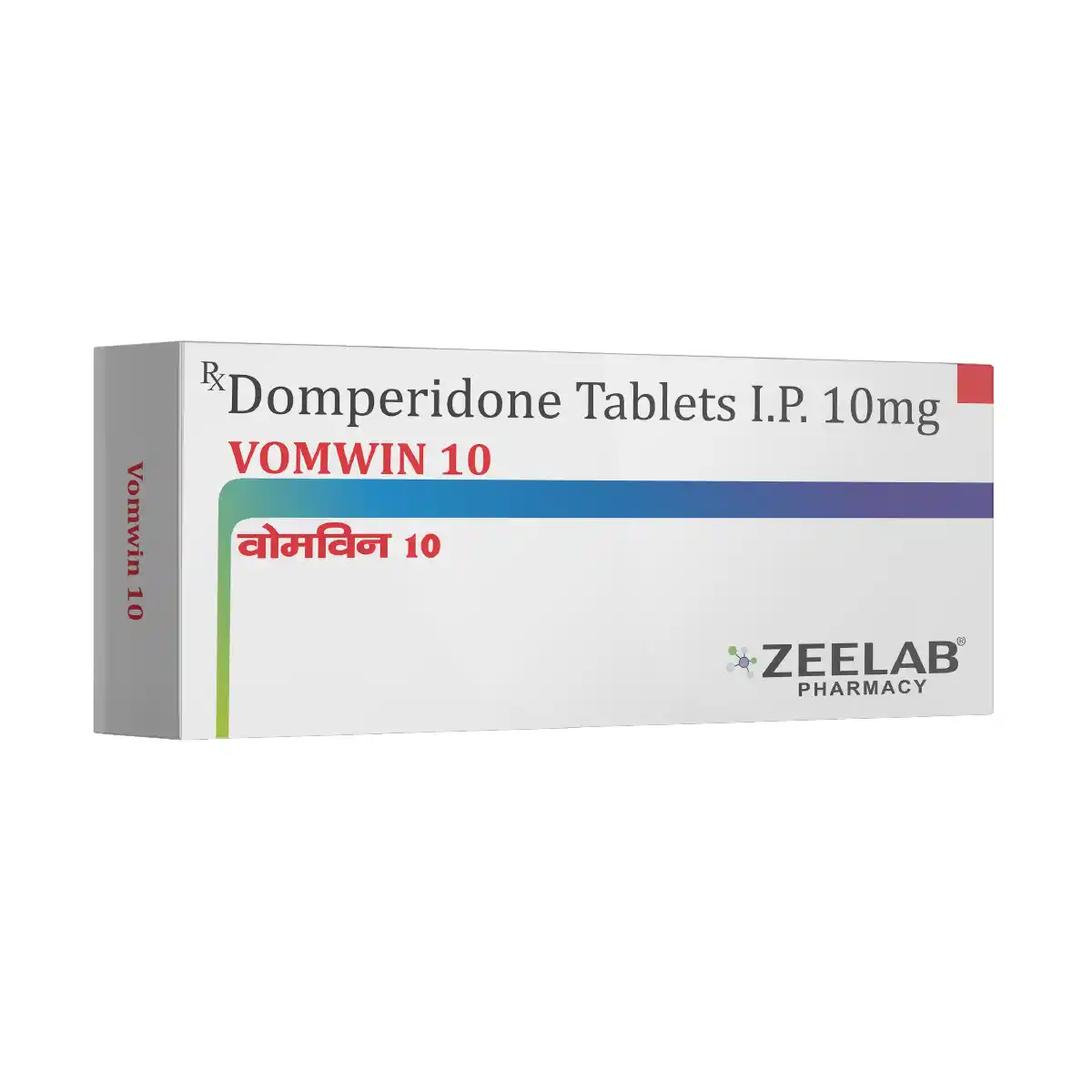
Domperidone (10mg)
10 Tablets In 1 Strip
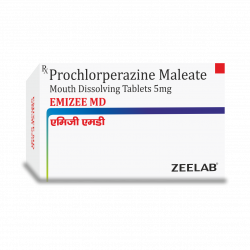
Prochlorperazine (5mg)
10 Tablets In 1 strip
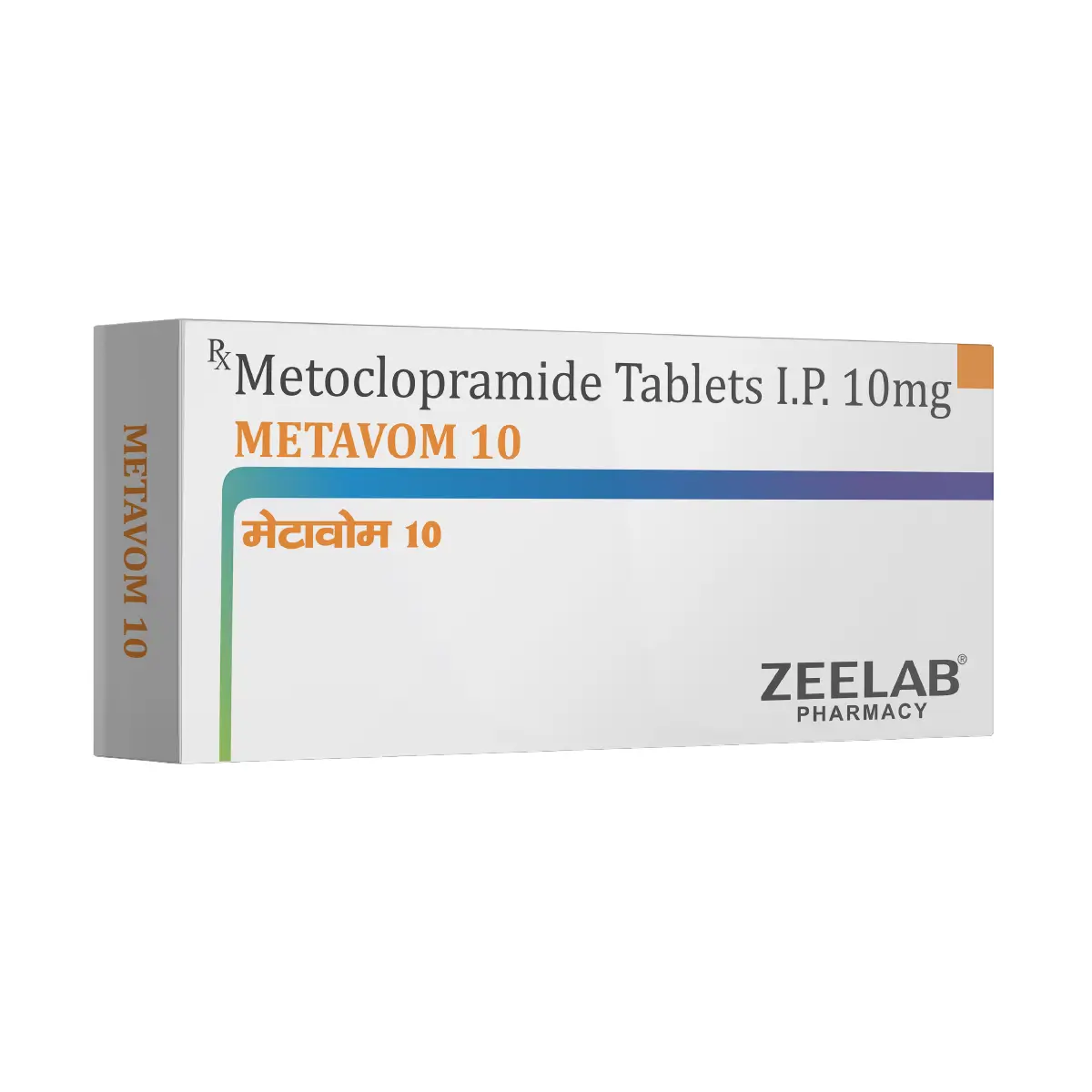
Metoclopramide (10mg)
10 Tablets In 1 Strip
References
Recent Blogs






Disclaimer : Zeelab Pharmacy provides health information for knowledge only. Do not self-medicate. Always consult a qualified doctor before starting, stopping, or changing any medicine or treatment.
Related Products


₹ 0
0
Items added
Quick Links
Categories
Our Policies

Our Socials


Subscribe

2026 Copyright By © Zeelab Pharmacy Private Limited. All Rights Reserved
Our Payment Partners

 Added!