

Smart Medicine Comparison
Recommended Substitute
You Searched

Antipyr 20 DT Tablet
82.61% More Savings
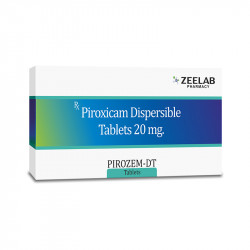
Why Choose our Pirozem DT | Piroxicam 20mg Tablet | Strip of 10 Tablets ?
Save ₹ 38 - Enjoy up to 82.61% More Savings
Same Salt, Dosage & Strength as Antipyr 20 DT Tablet
Crafted in a WHO-GMP Certified Facility
President Award Winner - Trusted by Millions


Detail Comparison
| Parameter | Antipyr 20 DT Tablet | Pirozem DT | Piroxicam 20mg Tablet | Strip of 10 Tablets |
|---|---|---|
| Composition | Piroxicam (20mg) | Piroxicam (20mg) |
| Quantity | 10 tablet dt | 10 Tablets In 1 Strip |
| Price | ₹ 46 High Price |
₹ 8 Save 82.61% |
| Prescription required | Yes | Yes |
Download India's most affordable pharmacy app
- Compare with medicine prices
- Save upto 90% on your medicine bills
COMPOSITION:
Piroxicam (20mg)DESCRIPTION:
Antipyr 20mg DT Tablet is an effective nonsteroidal anti-inflammatory drug (NSAID) that contains Piroxicam (20mg) as its active ingredient. This medication is used to relieve pain, reduce inflammation, and improve mobility in patients suffering from conditions like arthritis, muscle injuries, and other inflammatory disorders. The DT (dissolvable tablet) form makes it easier to take by dissolving in water, providing faster and more convenient relief for patients who struggle with swallowing tablets.
Uses of Antipyr 20mg DT Tablet
Antipyr 20mg DT Tablet is primarily used for the treatment of the following conditions:
- Osteoarthritis
- Rheumatoid arthritis
- Acute pain caused by musculoskeletal injuries
- Soft tissue injuries such as sprains, strains, and tendinitis
- Post-surgical pain and inflammation relief
How Antipyr 20mg DT Tablet Works
Antipyr 20mg DT Tablet works by inhibiting the cyclooxygenase (COX) enzymes, which are involved in the production of prostaglandins—chemicals that trigger inflammation, pain, and fever in the body. By reducing prostaglandin production, Piroxicam helps to alleviate pain, decrease swelling, and reduce inflammation, providing effective relief for inflammatory conditions.
Benefits of Antipyr 20mg DT Tablet
- Reduces pain and inflammation associated with arthritis and musculoskeletal injuries
- Improves mobility and flexibility in affected joints and muscles
- Convenient dissolvable tablet form for easy administration
- Provides long-lasting relief from both acute and chronic pain
- Helps to manage swelling and stiffness in joints and muscles
How to Take Antipyr 20mg DT Tablet
Take Antipyr 20mg DT Tablet as directed by your doctor. Dissolve the tablet in a glass of water and drink the solution immediately. It is recommended to take it with food to minimize the risk of stomach irritation. Do not exceed the prescribed dosage. If you miss a dose, take it as soon as possible unless it is time for your next dose. Do not take two doses to make up for a missed dose.
Side Effects of Antipyr 20mg DT Tablet
Some common side effects of Antipyr 20mg DT Tablet may include:
- Stomach discomfort or indigestion
- Headache or dizziness
- Nausea or vomiting
- Fatigue or drowsiness
In rare cases, serious side effects may occur, including:
- Severe allergic reactions (rash, itching, swelling of the face, lips, or throat)
- Chest pain, shortness of breath, or irregular heartbeat
- Yellowing of the skin or eyes (a sign of liver problems)
- Unexplained weight gain or swelling in the body
If you experience any of these serious side effects, seek immediate medical attention.
Safety Advice
Before taking Antipyr 20mg DT Tablet, inform your doctor if you have any of the following conditions:
- Heart disease, high blood pressure, or a history of stroke
- Gastrointestinal issues such as ulcers or bleeding
- Liver or kidney problems
- Allergies to NSAIDs or any other medications
Avoid alcohol consumption while taking Antipyr, as it may increase the risk of gastrointestinal side effects. If you are pregnant, planning to become pregnant, or breastfeeding, consult your doctor before using this medication. Long-term use of NSAIDs should be monitored by a healthcare provider to minimize potential side effects.
Frequently Asked Questions (FAQs)
Q: How long does it take for Antipyr 20mg DT Tablet to work?
A: Antipyr typically starts providing pain relief within a few hours of taking the tablet. For chronic conditions like arthritis, it may take several days to experience the full benefits.
Q: Can Antipyr 20mg DT Tablet be used for headaches?
A: While Antipyr is primarily used for inflammation and pain due to musculoskeletal conditions, it is not typically used for headaches. Consult your healthcare provider before using it for other purposes.
Q: Is it safe to use Antipyr 20mg DT Tablet for a long period?
A: Long-term use of Antipyr should be monitored by a doctor to avoid potential side effects such as gastrointestinal issues, liver, or kidney problems. Regular check-ups are important for those on long-term NSAID therapy.






 Added!