
Smart Medicine Comparison
Recommended Substitute
You Searched

Brimonid Eye Drop
48% More Savings
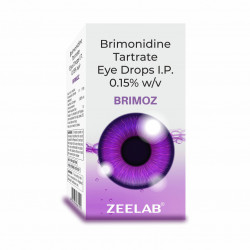
Why Choose our Brimoz Eye Drops ?
Save ₹ 92 - Enjoy up to 48% More Savings
Same Salt, Dosage & Strength as Brimonid Eye Drop
Crafted in a WHO-GMP Certified Facility
President Award Winner - Trusted by Millions


Detail Comparison
| Parameter | Brimonid Eye Drop | Brimoz Eye Drops |
|---|---|---|
| Composition | Brimonidine (1.5mg) | Brimonidine Tartrate (1.5 mg) + Oxychloro Complex (0.005% w/... |
| Quantity | 5.0 ml in 1 bottle | 5ml In 1 Bottle |
| Price | ₹ 191 High Price |
₹ 99 Save 48% |
| Prescription required | Yes | Yes |
Download India's most affordable pharmacy app
- Compare with medicine prices
- Save upto 90% on your medicine bills
COMPOSITION:
Brimonidine (1.5mg)DESCRIPTION:
Introduction
Brimonid Eye Drop contains Brimonidine (1.5mg), a medication used to treat eye conditions such as glaucoma and ocular hypertension. It works by reducing the production of fluid in the eye, which helps to lower the intraocular pressure (IOP) and prevent damage to the optic nerve. By managing eye pressure effectively, Brimonid Eye Drop helps prevent vision loss caused by glaucoma, offering a crucial solution for maintaining eye health and vision quality.
Uses of Brimonid Eye Drop
Brimonid Eye Drop is used for:
- Reducing intraocular pressure (IOP) in individuals with open-angle glaucoma.
- Managing ocular hypertension to prevent optic nerve damage.
- Preventing vision loss associated with high eye pressure.
How Brimonid Eye Drop works
Brimonid Eye Drop works by stimulating alpha-2 adrenergic receptors in the eye. This action reduces the production of aqueous humor (the fluid inside the eye) and increases its drainage, leading to a decrease in intraocular pressure. By lowering eye pressure, Brimonid helps prevent optic nerve damage that could result in vision loss due to glaucoma.
Benefits of Brimonid Eye Drop
- Effectively lowers intraocular pressure, reducing the risk of optic nerve damage.
- Prevents vision loss in patients with glaucoma and ocular hypertension.
- Provides a convenient and non-invasive treatment for managing eye pressure.
- Helps in the long-term management of glaucoma and similar conditions.
How to take Brimonid Eye Drop
Instill Brimonid Eye Drop as prescribed by your doctor. Typically, it is used once or twice a day in the affected eye(s). Tilt your head back and gently pull down your lower eyelid. Place the prescribed number of drops into the eye and blink gently to spread the medication. Avoid touching the tip of the dropper to any surface to prevent contamination. If you miss a dose, apply it as soon as you remember, but skip it if it’s almost time for the next dose.
Side effects of Brimonid Eye Drop
Common side effects may include:
- Eye irritation or discomfort
- Dry eyes
- Redness in the eyes
- Headache
Severe side effects are rare but may include:
- Severe eye pain or swelling
- Vision changes
- Allergic reactions (e.g., rash, swelling, difficulty breathing)
Safety advice
Before using Brimonid Eye Drop, inform your doctor if you have a history of heart disease, depression, or low blood pressure. Do not use the drops if you are allergic to Brimonidine or any other ingredients in the formulation. Pregnant or breastfeeding women should consult their healthcare provider before using this medication. Avoid wearing contact lenses during treatment, as the drops may cause eye irritation.
Frequently Asked Questions (FAQs)
Q. Can I use Brimonid Eye Drop with other eye medications?
A. Always inform your doctor about any other eye medications you are using to avoid potential interactions.
Q. How long should I use Brimonid Eye Drop?
A. The duration of use will depend on your doctor's recommendation, and it is typically used long-term for managing glaucoma and ocular hypertension.
Q. What should I do if I miss a dose of Brimonid Eye Drop?
A. If you miss a dose, apply it as soon as you remember, but skip it if it's almost time for your next dose. Do not use two doses at once.
Q. Can Brimonid Eye Drop cause any changes in my vision?
A. Some people may experience temporary vision blurring or discomfort. If you notice persistent changes in your vision, consult your doctor.
Q. Are there any dietary restrictions while using Brimonid Eye Drop?
A. There are no specific dietary restrictions associated with Brimonid Eye Drop, but always follow your healthcare provider's guidance.






 Added!