
Smart Medicine Comparison
Recommended Substitute
You Searched

Dicorub Gel
76% More Savings
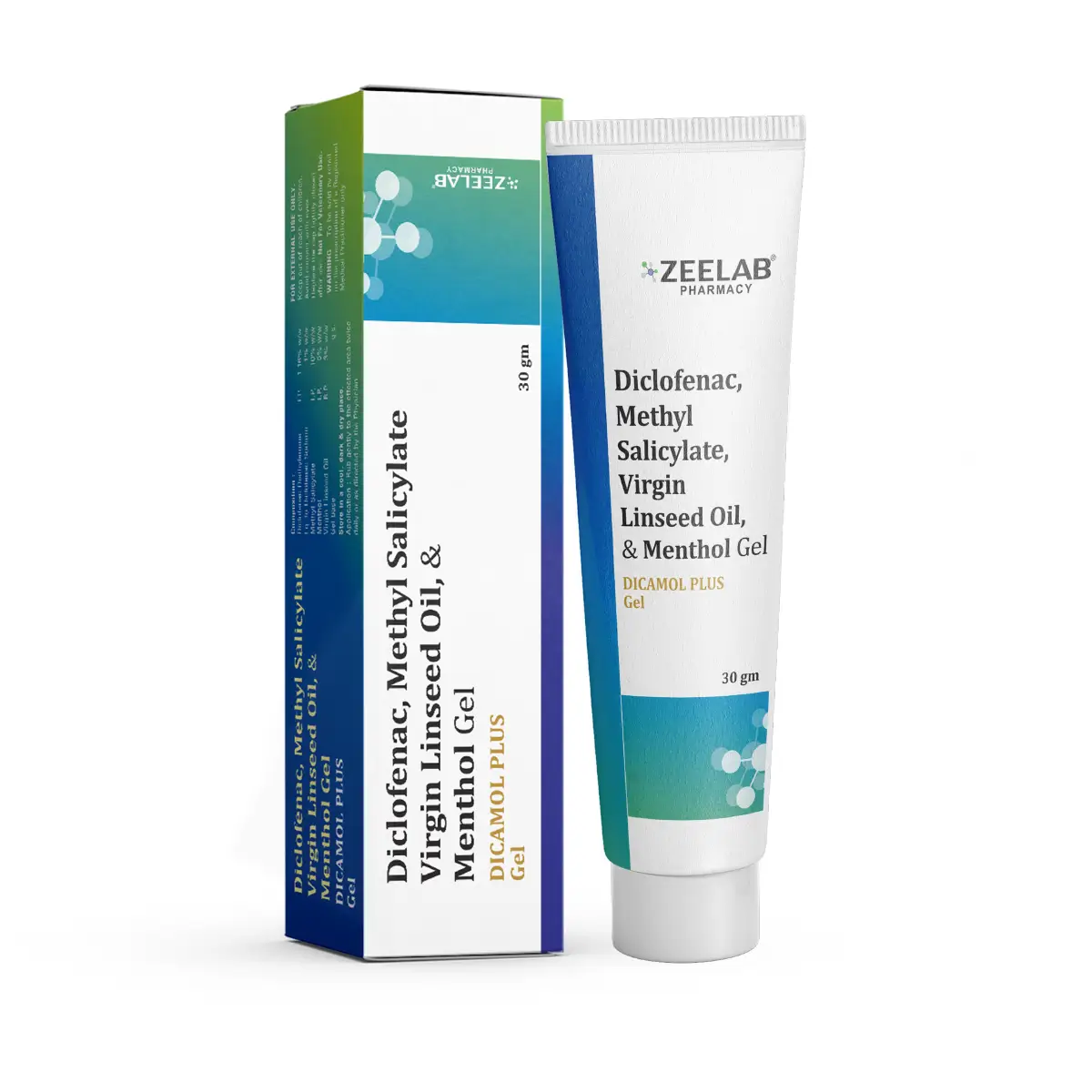
Why Choose our Dicamol Plus Gel 30gm | Pain Relief Gel for Muscle & Joint P... ?
Save ₹ 80 - Enjoy up to 76% More Savings
Same Salt, Dosage & Strength as Dicorub Gel
Crafted in a WHO-GMP Certified Facility
President Award Winner - Trusted by Millions


Detail Comparison
| Parameter | Dicorub Gel | Dicamol Plus Gel 30gm | Pain Relief Gel for Muscle & Joint P... |
|---|---|---|
| Composition | Diclofenac diethylamine (1.16% w/w) + Methyl Salicylate (10% w/w) + Oleum Lini (3% w/w) + Menthol (5% w/w) | Diclofenac diethylamine (11.6mg) + Methyl Salicylate (100mg)... |
| Quantity | 30 gm Gel | 30gm In 1 Tube |
| Price | ₹ 105 High Price |
₹ 25 Save 76% |
| Prescription required | Yes | Yes |
Download India's most affordable pharmacy app
- Compare with medicine prices
- Save upto 90% on your medicine bills
DESCRIPTION:
Overview
Dicorub Gel is a topical medication designed to provide relief from muscle and joint pain. It contains active ingredients such as Diclofenac (a nonsteroidal anti-inflammatory drug or NSAID), which helps reduce inflammation and pain when applied directly to the skin. Dicorub Gel is commonly used for conditions like arthritis, sprains, strains, and muscle soreness. The gel is fast-absorbing, providing targeted relief to affected areas without causing systemic side effects.
Uses of Dicorub Gel
- Muscle and Joint Pain Relief: Dicorub Gel is used to alleviate pain and inflammation associated with muscle injuries, sprains, and strains.
- Arthritis Treatment: The gel helps reduce inflammation and pain caused by osteoarthritis or rheumatoid arthritis, improving joint mobility.
- Post-Surgery Pain: Dicorub Gel is often used after surgical procedures to manage localized pain and swelling.
How Dicorub Gel Works
Dicorub Gel works by delivering Diclofenac, an anti-inflammatory substance, directly to the site of pain and inflammation. The NSAID action blocks the production of chemicals in the body called prostaglandins, which are responsible for causing inflammation, pain, and swelling. By reducing the levels of prostaglandins, Dicorub Gel effectively relieves pain and inflammation in muscles and joints without significant side effects.
Benefits of Dicorub Gel
- Localized Pain Relief: The gel provides targeted relief by delivering the medication directly to the affected area.
- Fast Absorption: Dicorub Gel is quickly absorbed into the skin, offering fast-acting pain relief without leaving a greasy residue.
- Reduces Inflammation: The Diclofenac in Dicorub Gel helps reduce swelling and inflammation, aiding in faster recovery from injuries.
- Non-Systemic Side Effects: As a topical treatment, Dicorub Gel minimizes the risk of systemic side effects compared to oral NSAIDs.
How to Use Dicorub Gel
Dosage: Apply a thin layer of Dicorub Gel to the affected area, typically 3-4 times a day, or as directed by your healthcare provider.
Application: Gently massage the gel into the skin over the painful area. Avoid applying it to broken or irritated skin, and wash your hands thoroughly after use to avoid accidental contact with your eyes or mucous membranes.
Consistency: For the best results, use Dicorub Gel regularly as prescribed by your doctor to ensure consistent pain relief and inflammation reduction.
Side Effects of Dicorub Gel
- Common Side Effects: Mild skin irritation, redness, or itching at the application site.
- Severe Side Effects (seek immediate medical attention): Signs of a severe allergic reaction, such as swelling of the face or throat, breathing difficulties, or rash.
Safety Advice
- Pregnancy and Breastfeeding: Consult your doctor before using Dicorub Gel if you are pregnant or breastfeeding, as there may be potential risks to your baby.
- Avoid Contact with Eyes: Do not allow Dicorub Gel to come into contact with your eyes, mucous membranes, or broken skin.
- Allergic Reactions: If you have a known allergy to NSAIDs (like Ibuprofen or Aspirin), consult your doctor before using Dicorub Gel.
- Use in Children: Dicorub Gel is not recommended for children under the age of 12 unless prescribed by a healthcare provider.
Frequently Asked Questions (FAQs)
Q: Can Dicorub Gel be used on all types of pain?
A: Dicorub Gel is effective for muscle and joint pain caused by conditions like arthritis, sprains, strains, and post-surgical recovery. It is not intended for use in deep tissue injuries or internal pain.
Q: How long will it take for Dicorub Gel to show results?
A: You may start feeling relief within a few hours of applying the gel, but for the best results, it should be used consistently over time, as directed by your healthcare provider.
Q: Can I use Dicorub Gel if I am already taking other pain medications?
A: Always consult your doctor before using Dicorub Gel if you are taking other pain medications, especially oral NSAIDs, to avoid potential interactions or increased risk of side effects.






 Added!