
Smart Medicine Comparison
Recommended Substitute
You Searched

Jeecox 120mg Tablet
72% More Savings
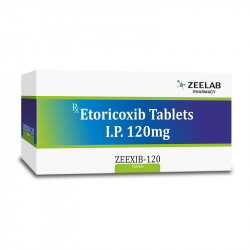
Why Choose our Zeexib 120 Anti Inflammatory Tablet ?
Save ₹ 92 - Enjoy up to 72% More Savings
Same Salt, Dosage & Strength as Jeecox 120mg Tablet
Crafted in a WHO-GMP Certified Facility
President Award Winner - Trusted by Millions


Detail Comparison
| Parameter | Jeecox 120mg Tablet | Zeexib 120 Anti Inflammatory Tablet |
|---|---|---|
| Composition | Etoricoxib (120mg) | Etoricoxib (120mg) |
| Quantity | 10 tablets | 10 Tablets In 1 Strip |
| Price | ₹ 127 High Price |
₹ 35 Save 72% |
| Prescription required | Yes | Yes |
Download India's most affordable pharmacy app
- Compare with medicine prices
- Save upto 90% on your medicine bills
COMPOSITION:
Etoricoxib (120mg)DESCRIPTION:
Introduction
Etoricoxib (120mg) Jeecox 120mg Tablet is a nonsteroidal anti-inflammatory drug (NSAID) used to treat various pain and inflammation-related conditions. By selectively inhibiting the COX-2 enzyme, it reduces the production of prostaglandins, which are responsible for causing inflammation and pain in the body. Jeecox 120mg Tablet is often prescribed for conditions such as arthritis, musculoskeletal pain, and acute gouty arthritis.
Uses of Jeecox 120mg Tablet
Etoricoxib 120mg Jeecox Tablet is commonly used to treat the following conditions:
- Osteoarthritis
- Rheumatoid arthritis
- Acute gouty arthritis
- Acute pain (e.g., post-surgery, injuries)
- Chronic musculoskeletal pain
How Jeecox 120mg Tablet Works
Etoricoxib 120mg Jeecox Tablet works by specifically blocking the COX-2 enzyme, which is responsible for the formation of pain-causing chemicals (prostaglandins) in the body. By inhibiting COX-2, Jeecox 120mg reduces inflammation, pain, and swelling associated with various medical conditions, offering relief while minimizing the risk of gastrointestinal problems commonly seen with traditional NSAIDs.
Benefits of Jeecox 120mg Tablet
Some of the key benefits of using Jeecox 120mg Tablet include:
- Effective pain relief for conditions such as osteoarthritis, rheumatoid arthritis, and acute gout
- Reduces inflammation and swelling, helping to improve mobility and function
- Lower risk of gastrointestinal issues compared to non-selective NSAIDs
- Convenient once-daily dosing for ease of use
- Relieves acute pain quickly, including post-surgical or injury-related pain
How to Take Jeecox 120mg Tablet
Take Etoricoxib 120mg Jeecox Tablet as prescribed by your healthcare provider, usually once a day. You may take it with or without food. Swallow the tablet whole with a full glass of water. Do not chew or crush the tablet. If you miss a dose, take it as soon as you remember, unless it's almost time for your next dose. In that case, skip the missed dose—do not take two doses at once.
Side Effects of Jeecox 120mg Tablet
Common side effects of Jeecox 120mg Tablet include:
- Headache
- Stomach upset
- Dizziness or lightheadedness
- Swelling in the hands, feet, or ankles
Serious side effects that require immediate medical attention include:
- Chest pain or shortness of breath
- Severe allergic reactions (rash, swelling of the face, lips, or tongue)
- Signs of gastrointestinal bleeding (black or tarry stools, vomiting blood)
- Yellowing of the skin or eyes (indicating liver issues)
Safety Advice
Before using Etoricoxib 120mg Jeecox Tablet, inform your doctor if you have:
- Heart disease or high blood pressure
- History of gastrointestinal problems such as ulcers or bleeding
- Liver or kidney disorders
- Allergies to Etoricoxib or other NSAIDs
- Are pregnant, planning to become pregnant, or breastfeeding
Always follow your doctor's instructions regarding dosage and inform them of any other medications you are taking to avoid potential drug interactions.
Frequently Asked Questions (FAQs)
Q: How long does it take for Jeecox 120mg Tablet to relieve pain?
A: You may start feeling relief within a few hours of taking Jeecox 120mg Tablet. For chronic conditions like arthritis, it may take several days of regular use to experience full benefits.
Q: Can Jeecox 120mg Tablet be used for long-term pain management?
A: Yes, Jeecox 120mg Tablet can be used for long-term pain management, especially for conditions like osteoarthritis and rheumatoid arthritis, but only under the supervision of your healthcare provider to monitor for side effects.
Q: Can I take Jeecox 120mg Tablet with other painkillers?
A: It is essential to consult your doctor before combining Jeecox 120mg Tablet with other pain medications, especially other NSAIDs or blood thinners, as this may increase the risk of side effects.
Q: Is Jeecox 120mg Tablet safe during pregnancy or breastfeeding?
A: Jeecox 120mg Tablet should not be used during pregnancy, especially during the third trimester, unless advised by your doctor. It is also not recommended while breastfeeding unless deemed absolutely necessary by your healthcare provider.






 Added!