
Smart Medicine Comparison
Recommended Substitute
You Searched
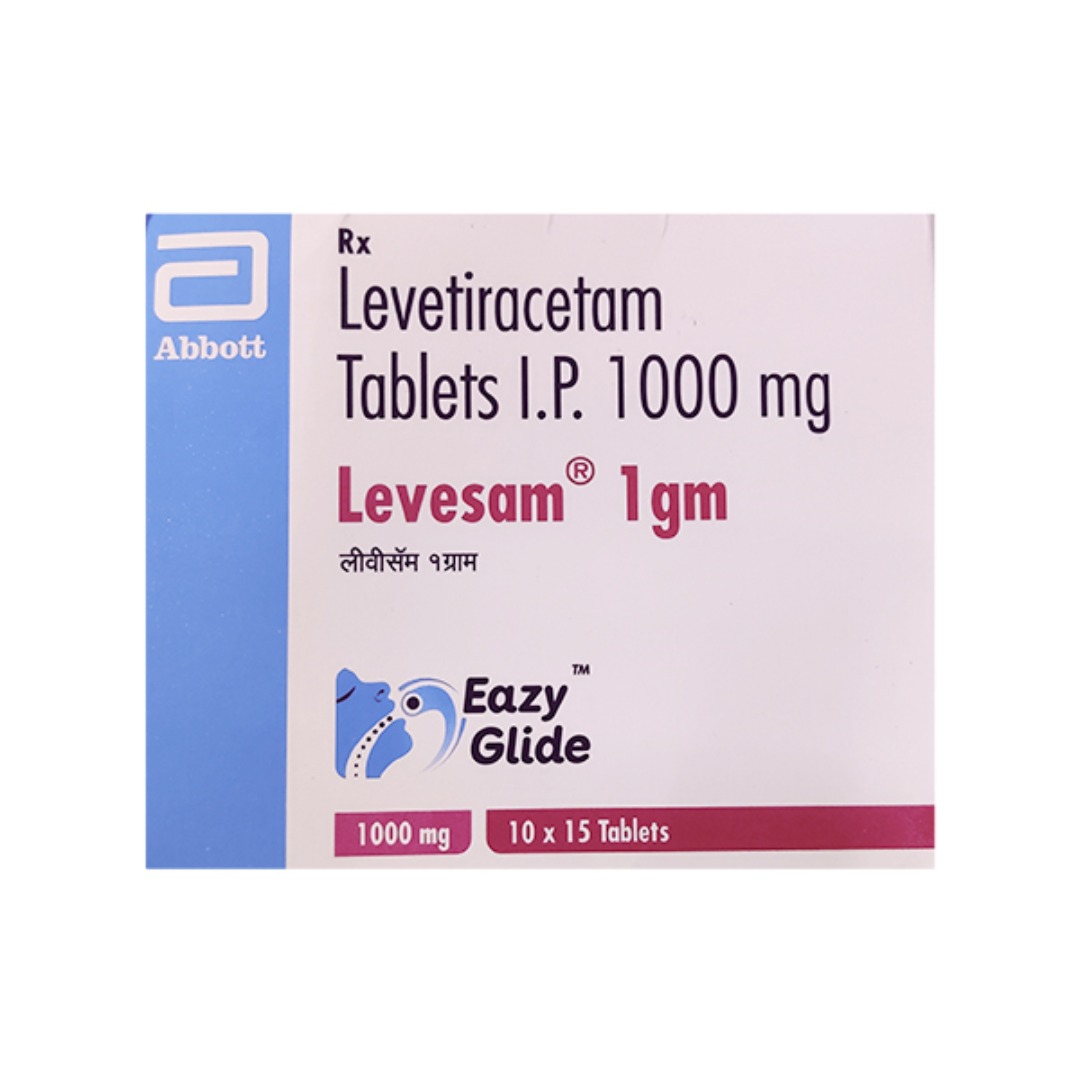
Levesam 1000 Tablet
80% More Savings
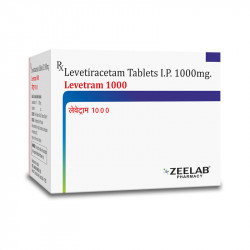
Why Choose our Levetram 1000 Tablet ?
Save ₹ 559.4 - Enjoy up to 80% More Savings
Same Salt, Dosage & Strength as Levesam 1000 Tablet
Crafted in a WHO-GMP Certified Facility
President Award Winner - Trusted by Millions


Detail Comparison
| Parameter | Levesam 1000 Tablet | Levetram 1000 Tablet |
|---|---|---|
| Composition | Levetiracetam (1000mg) | Levetiracetam (1000mg) |
| Quantity | 15 Tablets in 1 strip | 10 Tablets In 1 Strip |
| Price | ₹ 699.4 High Price |
₹ 140 Save 80% |
| Prescription required | Yes | Yes |
Download India's most affordable pharmacy app
- Compare with medicine prices
- Save upto 90% on your medicine bills
COMPOSITION:
Levetiracetam (1000mg)DESCRIPTION:
Levesam 1000 Tablet is a prescription medication containing Levetiracetam (1000mg) that is primarily used to treat epilepsy and related conditions. It is designed to help control seizures by stabilizing electrical activity in the brain. Levesam belongs to a class of drugs called anticonvulsants, which work to manage abnormal brain activity. It is commonly prescribed for both adults and children to prevent seizures and improve the quality of life for patients suffering from epilepsy.
Uses of Levesam 1000 Tablet
Levesam 1000 Tablet is used to treat a variety of medical conditions, including:
- Generalized Seizures
- Partial Seizures
- Epilepsy (in both adults and children)
- Prevention of seizures after brain surgery
How Levesam 1000 Tablet Works
Levesam 1000 Tablet works by modulating neurotransmitter activity in the brain. It prevents excessive electrical activity that can lead to seizures by inhibiting certain brain chemicals. This helps in stabilizing the neuronal circuits and reducing the occurrence of seizures.
Benefits of Levesam 1000 Tablet
The benefits of Levesam 1000 Tablet include:
- Effective seizure control
- Helps in reducing the frequency and intensity of seizures
- Well-tolerated by most patients
- Can be used as part of a combination therapy
- Available in an easy-to-take tablet form
How to Take Levesam 1000 Tablet
Levesam 1000 Tablet should be taken exactly as prescribed by your doctor. The usual dosage varies based on the patient's age, medical condition, and response to treatment. It is typically taken once or twice a day, with or without food. Always swallow the tablet whole with a glass of water. Do not crush or chew the tablet. Follow your doctor’s instructions carefully to ensure optimal results and safety.
Side Effects of Levesam 1000 Tablet
Common side effects of Levesam 1000 Tablet may include:
- Drowsiness or fatigue
- Headache
- Dizziness
- Loss of appetite
- Weight loss
Severe side effects (which require immediate medical attention) may include:
- Severe allergic reactions (rash, swelling, difficulty breathing)
- Suicidal thoughts or behavior
- Severe mood or behavioral changes
Safety Advice
Before taking Levesam 1000 Tablet, inform your doctor if you have any pre-existing conditions such as kidney problems or a history of psychiatric disorders. Avoid sudden discontinuation of the medication, as this can lead to seizures. Pregnant or breastfeeding women should consult a healthcare professional before use. Regular monitoring by a healthcare provider is recommended to ensure safety and effectiveness during treatment.
Frequently Asked Questions (FAQs)
Q: How long does it take for Levesam 1000 Tablet to start working?
A: Levesam 1000 Tablet typically starts showing effects within a few days to weeks, depending on the individual’s response to treatment. However, it may take some time to find the optimal dosage for effective seizure control.
Q: Can Levesam 1000 Tablet be used for children?
A: Yes, Levesam 1000 Tablet can be prescribed to children, but the dosage should be determined by the healthcare provider based on the child’s age and weight.
Q: What should I do if I miss a dose?
A: If you miss a dose, take it as soon as you remember, unless it's almost time for the next dose. In that case, skip the missed dose and continue your regular dosing schedule. Do not double the dose to make up for a missed one.
Q: Can Levesam 1000 Tablet interact with other medications?
A: Yes, Levesam 1000 Tablet may interact with certain medications, such as other anticonvulsants, and medications for mood disorders. Always inform your doctor of any other medications you are taking to avoid potential interactions.
Q: Is it safe to drink alcohol while taking Levesam 1000 Tablet?
A: It is advisable to limit alcohol consumption while taking Levesam 1000 Tablet, as alcohol can increase the risk of side effects such as dizziness and drowsiness. Always consult with your doctor about alcohol consumption during treatment.






 Added!