
Smart Medicine Comparison
Recommended Substitute
You Searched

Pipzam 4000mg/500mg Injection
13% More Savings
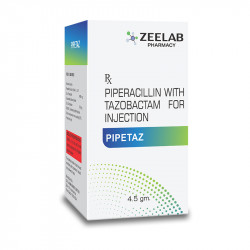
Why Choose our Pipetaz Injection ?
Save ₹ 65.5 - Enjoy up to 13% More Savings
Same Salt, Dosage & Strength as Pipzam 4000mg/500mg Injection
Crafted in a WHO-GMP Certified Facility
President Award Winner - Trusted by Millions


Detail Comparison
| Parameter | Pipzam 4000mg/500mg Injection | Pipetaz Injection |
|---|---|---|
| Composition | Piperacillin (4000mg) + Tazobactum (500mg) | Piperacillin (4000mg) + Tazobactum (500mg) |
| Quantity | 1 Injection | 1 Injection In 1 Vial |
| Price | ₹ 512.5 High Price |
₹ 447 Save 13% |
| Prescription required | Yes | Yes |
Download India's most affordable pharmacy app
- Compare with medicine prices
- Save upto 90% on your medicine bills
COMPOSITION:
Piperacillin (4000mg) + Tazobactum (500mg)DESCRIPTION:
Pipzam 4000mg/500mg Injection is a combination antibiotic medication used to treat a variety of serious bacterial infections. It contains Piperacillin (4000mg), a penicillin-type antibiotic, and Tazobactum (500mg), a beta-lactamase inhibitor. This powerful combination works effectively against a broad range of bacteria, including those resistant to other antibiotics. Pipzam is commonly used in hospitals to treat infections of the lungs, abdomen, urinary tract, skin, and blood. It is administered intravenously under the supervision of a healthcare provider and is especially useful in critical and emergency care settings.
Uses of Pipzam 4000mg/500mg Injection
Pipzam Injection is used in the treatment of various bacterial infections, such as:
- Lower respiratory tract infections (e.g., pneumonia)
- Urinary tract infections (UTIs)
- Intra-abdominal infections
- Skin and soft tissue infections
- Gynecological infections
- Septicemia and bloodstream infections
How Pipzam 4000mg/500mg Injection Works
Piperacillin kills bacteria by preventing them from forming protective cell walls. Tazobactum protects Piperacillin from beta-lactamase enzymes produced by certain bacteria, which would otherwise make the antibiotic ineffective. Together, they form a strong defense against resistant bacterial infections.
Benefits of Pipzam 4000mg/500mg Injection
- Provides broad-spectrum antibacterial coverage
- Effective against drug-resistant bacteria
- Rapid action in severe and life-threatening infections
- Reduces the risk of complications from untreated infections
- Trusted antibiotic used in clinical and hospital settings
How to Take Pipzam 4000mg/500mg Injection
Pipzam Injection is administered by a healthcare professional through intravenous (IV) infusion. The exact dosage and frequency depend on the patient's age, weight, kidney function, and the type of infection. It is typically given every 6 to 8 hours. Do not self-administer this injection. Complete the entire prescribed course even if symptoms improve early, to prevent bacterial resistance.
Side Effects of Pipzam 4000mg/500mg Injection
Common side effects:
- Nausea and vomiting
- Diarrhea
- Rash or itching
- Redness or swelling at the injection site
Serious (but rare) side effects:
- Severe allergic reactions (e.g., swelling, breathing difficulty)
- Seizures, particularly in patients with kidney problems
- Liver enzyme abnormalities
- Changes in blood cell counts
Contact your doctor immediately if you experience any severe or persistent symptoms.
Safety Advice
- Inform your doctor if you are allergic to penicillins or cephalosporins.
- Use with caution if you have kidney or liver problems.
- Tell your doctor about all medications or supplements you are taking.
- Use during pregnancy and breastfeeding only under medical supervision.
- Complete the full treatment course as prescribed.
Frequently Asked Questions (FAQs)
Q: What is Pipzam 4000mg/500mg Injection used for?
A: Pipzam is used to treat serious bacterial infections including pneumonia, UTIs, abdominal infections, and septicemia.
Q: How is Pipzam Injection administered?
A: It is given as an intravenous infusion by a healthcare professional in a hospital or clinic setting.
Q: Can Pipzam be used at home?
A: No, this injection should only be administered in a medical facility under professional supervision.
Q: What are the side effects of Pipzam?
A: Common side effects include nausea, diarrhea, and injection site reactions. Serious effects like allergic reactions and liver issues are rare.
Q: Is Pipzam safe during pregnancy?
A: It should only be used during pregnancy if clearly recommended by your doctor after assessing the benefits and risks.
Q: What should I do if I miss a dose?
A: Pipzam is usually given in hospitals, so missed doses are uncommon. Notify your healthcare provider immediately if a dose is missed.






 Added!