

Smart Medicine Comparison
Recommended Substitute
You Searched

Retocin Eye/Ear Drops
33.33% More Savings
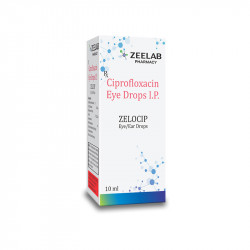
Why Choose our Zelocip Eye/Ear Drops ?
Save ₹ 5 - Enjoy up to 33.33% More Savings
Same Salt, Dosage & Strength as Retocin Eye/Ear Drops
Crafted in a WHO-GMP Certified Facility
President Award Winner - Trusted by Millions


Detail Comparison
| Parameter | Retocin Eye/Ear Drops | Zelocip Eye/Ear Drops |
|---|---|---|
| Composition | Ciprofloxacin (0.3% w/v) | Ciprofloxacin (0.3% w/v) |
| Quantity | 10 ml Eye/Ear Drops | 10ml In 1 Bottle |
| Price | ₹ 15 High Price |
₹ 10 Save 33.33% |
| Prescription required | Yes | Yes |
Download India's most affordable pharmacy app
- Compare with medicine prices
- Save upto 90% on your medicine bills
COMPOSITION:
Ciprofloxacin (0.3% w/v)DESCRIPTION:
Retocin Eye/Ear Drops contain Ciprofloxacin (0.3% w/v), an antibiotic that is used to treat eye and ear infections caused by susceptible bacteria. This medication is effective in reducing inflammation, eliminating bacteria, and promoting faster healing of the affected area. Retocin Eye/Ear Drops are commonly prescribed for conditions like conjunctivitis, corneal ulcers, otitis media, and other bacterial infections affecting the eyes and ears.
Uses of Retocin Eye/Ear Drops
Retocin Eye/Ear Drops are used to treat:
- Eye infections such as conjunctivitis and corneal ulcers
- Ear infections like otitis media and otitis externa
- Prevention of eye infections after eye surgeries
- Other bacterial infections affecting the eyes and ears
How Retocin Eye/Ear Drops Work
Retocin Eye/Ear Drops work by inhibiting the growth of bacteria. Ciprofloxacin, the active ingredient, is a broad-spectrum antibiotic that targets and disrupts bacterial DNA replication, preventing the bacteria from multiplying and spreading. This helps treat and prevent infections in the eyes and ears by eliminating the bacteria causing the infection.
Benefits of Retocin Eye/Ear Drops
- Effective treatment for bacterial eye and ear infections
- Reduces inflammation and discomfort associated with infections
- Prevents the spread of infection to other areas
- Quick relief from symptoms such as redness, itching, and pain
- Safe and easy to use for both adults and children (under medical supervision)
How to Take Retocin Eye/Ear Drops
For eye infections, place 1-2 drops of Retocin Eye Drops into the affected eye(s) 2-4 times a day, or as directed by your doctor. For ear infections, place 3-4 drops in the affected ear(s) 2-3 times a day, or as prescribed. Make sure to wash your hands before and after using the drops to avoid contamination. Tilt your head back when administering the drops to ensure they reach the infected area. Always follow the dosage instructions provided by your healthcare provider.
Side Effects of Retocin Eye/Ear Drops
Common side effects of Retocin Eye/Ear Drops may include:
- Eye irritation or stinging upon application
- Temporary blurred vision
- Ear discomfort or itching
- Redness or swelling in the treated area
Serious but rare side effects include:
- Severe allergic reactions (rash, swelling, difficulty breathing)
- Eye or ear pain that worsens after use
- Vision changes or eye discharge
If you experience any severe or persistent side effects, seek immediate medical attention.
Safety Advice
- Avoid contact with the tip of the dropper and the infected area to prevent contamination.
- Consult your doctor before using Retocin if you have a history of allergies to quinolones or other antibiotics.
- If you wear contact lenses, remove them before applying the eye drops.
- Use the medication as prescribed and complete the entire course of treatment, even if symptoms improve.
- If pregnant or breastfeeding, consult your healthcare provider before use.
Frequently Asked Questions (FAQs)
Q: How long should I use Retocin Eye/Ear Drops?
A: The duration of use will depend on the severity of the infection. Typically, eye or ear infections are treated for 5-7 days. Always follow your doctor's instructions for the correct treatment duration.
Q: Can I use Retocin Eye/Ear Drops for viral infections?
A: No, Retocin Eye/Ear Drops are only effective for bacterial infections. For viral infections, a different treatment may be required.
Q: What should I do if I miss a dose?
A: If you miss a dose, apply the drops as soon as you remember. If it’s almost time for your next dose, skip the missed dose and continue your usual schedule. Do not double the dose to make up for a missed one.
Q: Can Retocin Eye/Ear Drops be used by children?
A: Yes, Retocin Eye/Ear Drops can be used in children, but the dosage should be determined by a healthcare provider. Always consult your doctor for guidance before using the medication in children.






 Added!