
Best Soap for Oily Acne Prone Skin in India: A Complete Dermatologist Recommended Guide
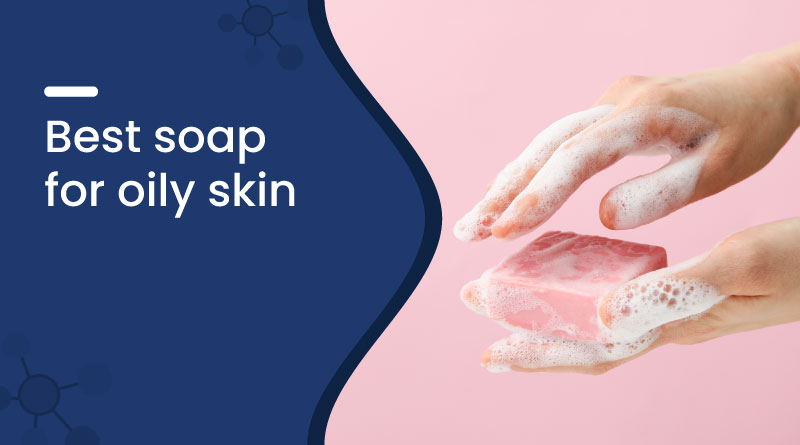
If you also have an oily skin type and are struggling with greasy skin, frequent breakouts, or clogged pores, it may be a sign to switch to an oil-control skincare.
To manage oily skin, you need proper cleansing without stripping away the skin’s natural balance. A good soap for oily and acne-prone skin.
In this blog, we'll explore how to pick the right oil control soap, the key ingredients to look for, and practical usage tips, along with Zeelab’s top-performing soaps, which may help you achieve clearer, healthier, and more balanced skin.
What is Oily Skin?
Oily skin is a skin type in which the sebaceous (oil) glands produce excess sebum, giving the skin a shiny or greasy appearance—especially on areas like the forehead, nose, and chin (T-zone). While sebum helps protect and hydrate the skin, too much of it can lead to clogged pores and breakouts.
This section will help you understand what causes oily skin, how to identify it, and the common issues associated with it, so you can manage it more effectively.
Causes, Symptoms & Challenges of Oily Skin
Oily skin occurs when the sebaceous (oil) glands produce excess sebum, often due to internal and external factors. This overproduction can lead to a greasy appearance, clogged pores, and frequent breakouts.
Several factors can trigger increased oil production, including:
- Overactive sebaceous glands: Overproduction of sebum by sebaceous glands leads to an oily appearance on the skin.
- Hormonal fluctuations: Changes in hormonal levels during different stages, like puberty and menopause, lead to an increase in the secretion of oils.
- Genetic factors: Individuals suffering from oily skin inherit the same from their ancestors.
- Weather and humidity: Hot and humid climates can also increase the secretion of oils in the body.
- Wrong skincare products: Wrong products can lead to negative reactions, like increased oil production.
- Diet and lifestyle habits: Consumption of sugar and fat-filled foods may also increase oil secretion.
Common Problems Associated with Oily Skin
You may think that having different skin types is normal and natural, and how can anything go wrong?
We have broken down some of the common issues caused by oily skin. The good thing is that they can be better managed by choosing the right soap. Let’s see about these common problems:
- Excess shine: Greasy appearance, especially on the T-zone
- Clogged pores: Oil buildup traps dirt and dead skin
- Acne breakouts: Frequent pimples due to excess sebum
- Blackheads & whiteheads: Common in oily skin types
- Enlarged pores: More visible due to constant oil production
These issues can be very uncomfortable, which may also affect one’s self-esteem. But the good thing is that they can be better managed by choosing the right soap for oily acne-prone skin.
Why Choosing the Right Soap for Oily Skin Matters
Selecting the right soap for oily skin is essential for maintaining clear, balanced, and healthy skin. Using an unsuitable cleanser can either leave excess oil behind or strip the skin too much, both of which can worsen common skin concerns.
|
Key Benefit |
Explanation |
|
Prevents Acne & Clogged Pores |
Removes excess oil and dirt, helping keep pores clear and reducing breakouts. |
|
Controls Shine Without Over-Drying |
Reduces oil and shine without causing dryness or excess oil rebound. |
|
Maintains Skin Barrier |
Cleans gently while protecting moisture and preventing irritation. |
What Makes a Soap Suitable for Oily Skin?
All types of soaps cannot be used for oily skin; only the right formulation with the right ingredients and properties can help in the management of skin’s oiliness.
A deep cleansing soap will help in excess sebum control if it fulfils the following criteria:
- Oil-controlling formula: Minimises excessive oil secretion without drying out your skin.
- Gentle cleansing action: Cleanses your face without leaving your skin dry or irritated.
- Non-comedogenic: Does not cause blockages that may lead to pimples or blemishes.
- Balanced pH: It helps keep skin healthy and balanced and avoids excess production of oil.
- Lightweight and non-greasy feel: After application, your skin will feel light and refreshing.
- Acne-fighting ingredients: Formulations include salicylic acid and tea tree oil to control breakouts.
Key Ingredients to Look for in Soap for Oily Skin
The presence of certain ingredients in a soap can make it the best soap for oily face because it will not only help in reducing oil from the skin but also prevent skin issues that one may face because of it.
|
Ingredient |
How It Works |
|
Salicylic Acid |
Pores are cleansed thoroughly, removing excess oils and dead skin cells to prevent blackheads and acne breakouts. |
|
Tea Tree Oil |
Natural antibacterial effects work to kill acne-causing bacteria and soothe inflammation. |
|
Charcoal |
Calms irritation, helps hydrate the skin gently and balances oil production |
|
Aloe Vera |
Soothes irritation, hydrates the skin lightly, and helps balance oil production. |
|
Zinc-Based Soap |
Helps to regulate sebum production, eliminating acne-causing bacteria and promoting skin healing. |
Ingredients to Avoid in Soap for Oily Skin
Just as some ingredients may prove to be good for your oily skin, some might disturb its natural balance or worsen existing issues.
Therefore, a good soap for an oily face won’t contain the following ingredients:
- Harsh sulfates like Sodium Lauryl Sulfate (SLS) and Sodium Laureth Sulfate (SLES)
- Denatured alcohol (Alcohol Denat.)
- Synthetic fragrances (Parfum)
- Mineral oil (in heavy formulations)
- Lanolin
- Isopropyl myristate
- Triclosan
How to Choose the Best Soap for Oily Skin?
Choosing the best soap for oily skin and pimples because of it requires knowing what your skin really needs and selecting a product that can clean without causing imbalance or breakouts.
- Look at the ingredients: Find ingredients that help control oil and treat acne.
- Go for non-comedogenic products: It helps keep your pores clear and prevents breakouts.
- Use mild cleansers: Harsh soaps might cause your skin to produce more oil.
- Choose pH-balanced skin care: Maintains natural protective barrier.
- Think about your skin issues: Opt for products that treat your concerns, like acne or sensitivity.
- Go for lighter textures: Prevents greasiness and ensures fresh, open skin.
- Test on a small area first: Minimises the risk of irritation.
Dermatologist Recommended Soap for Oily Skin from Zeelab Pharmacy
Selecting an appropriate soap can actually be quite beneficial in handling your problem with oily skin and acne.
At Zeelab Pharmacy, you can find high-quality, yet affordable products made in accordance with WHO-GMP standards.
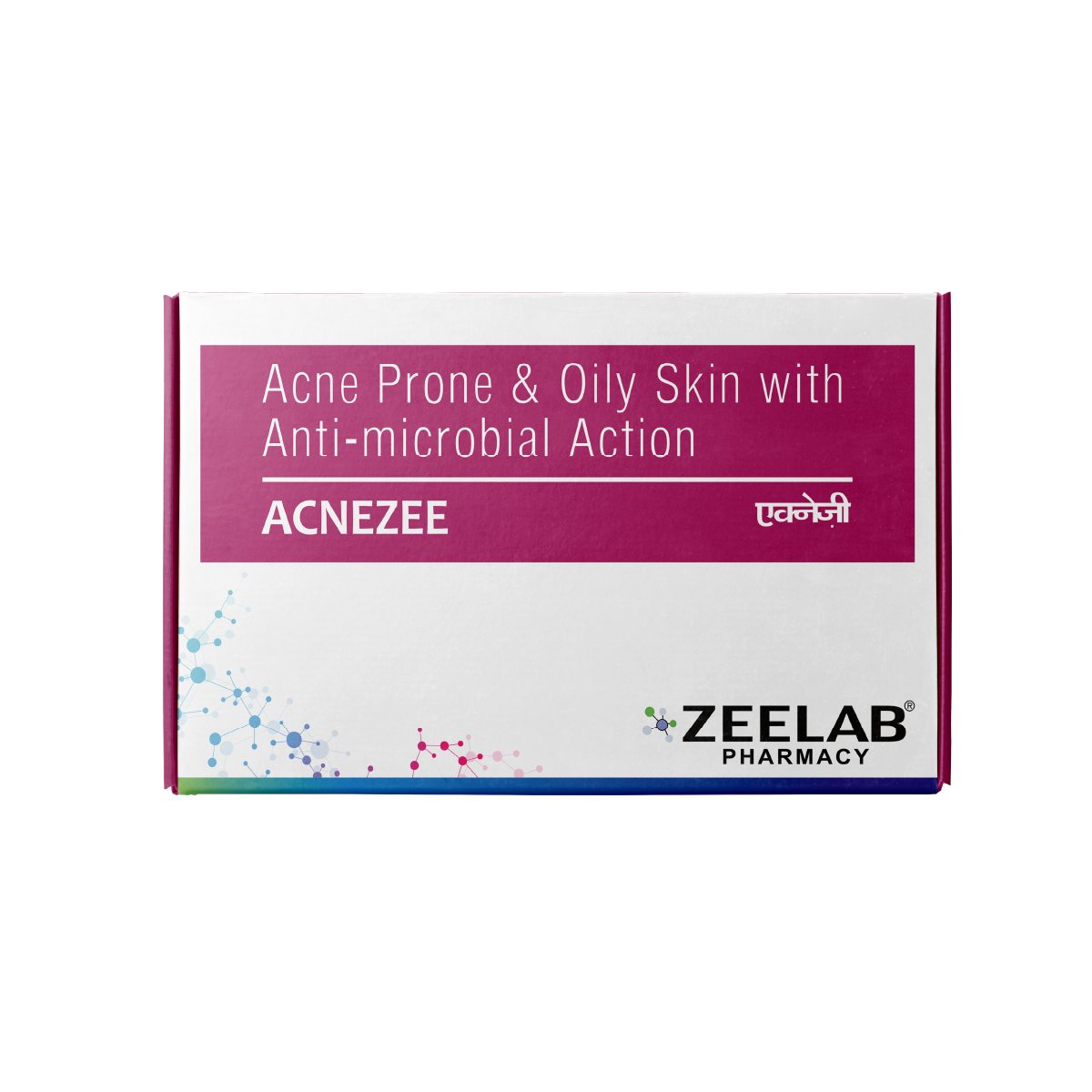
Acnezee Soap
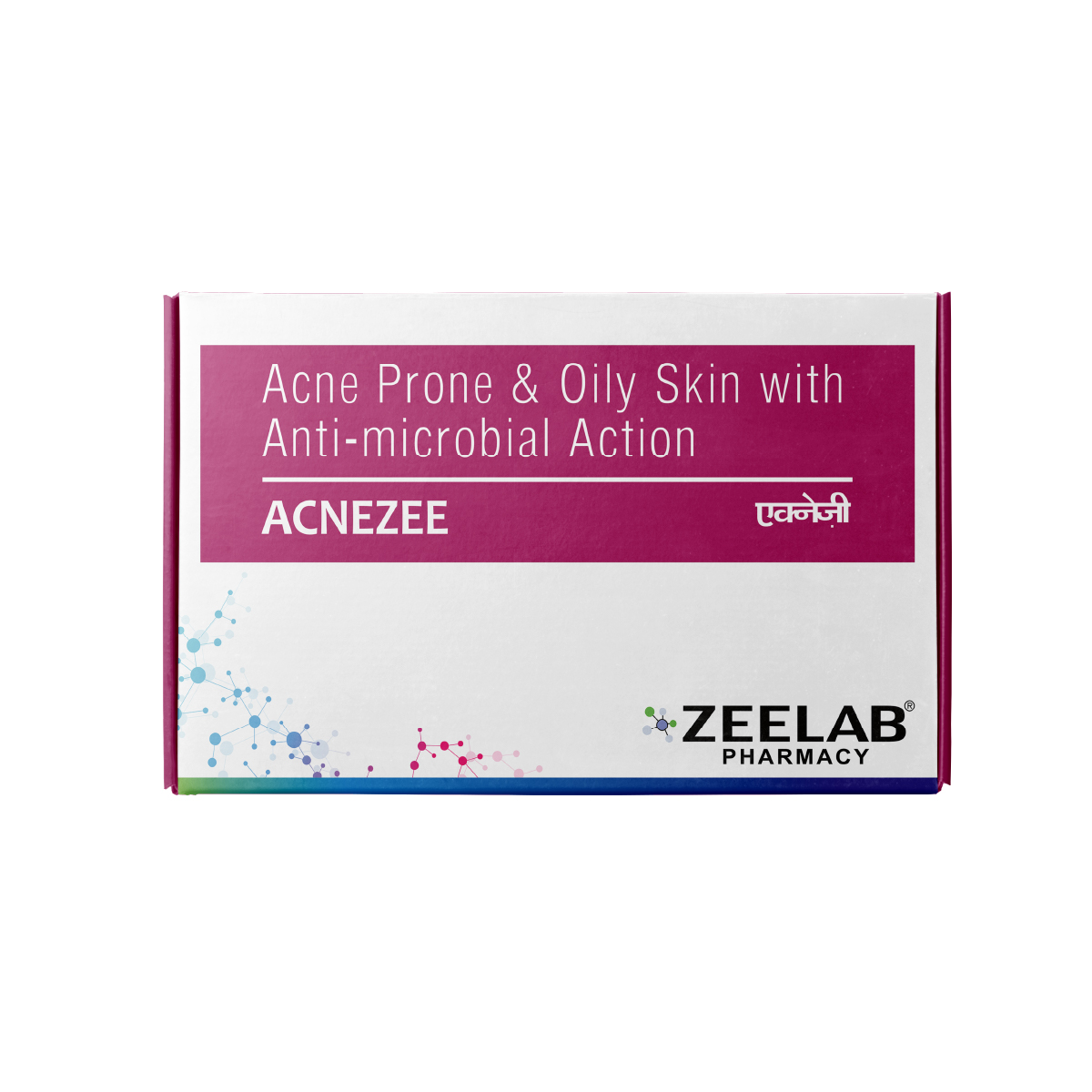
Acnezee Soap is an anti-acne cleansing bar that can also be used as a soap for oily skin with open pores, helping remove excess oil and impurities for clearer skin.
- Composition: Tea Tree Oil, Titanium Dioxide, Allantoin, Vitamin E, & Soap Noodles
- Benefits: Controls excess oil, unclogs pores, reduces acne, and keeps skin clean and refreshed.
NatureXprt Neem Aloe Vera Soap
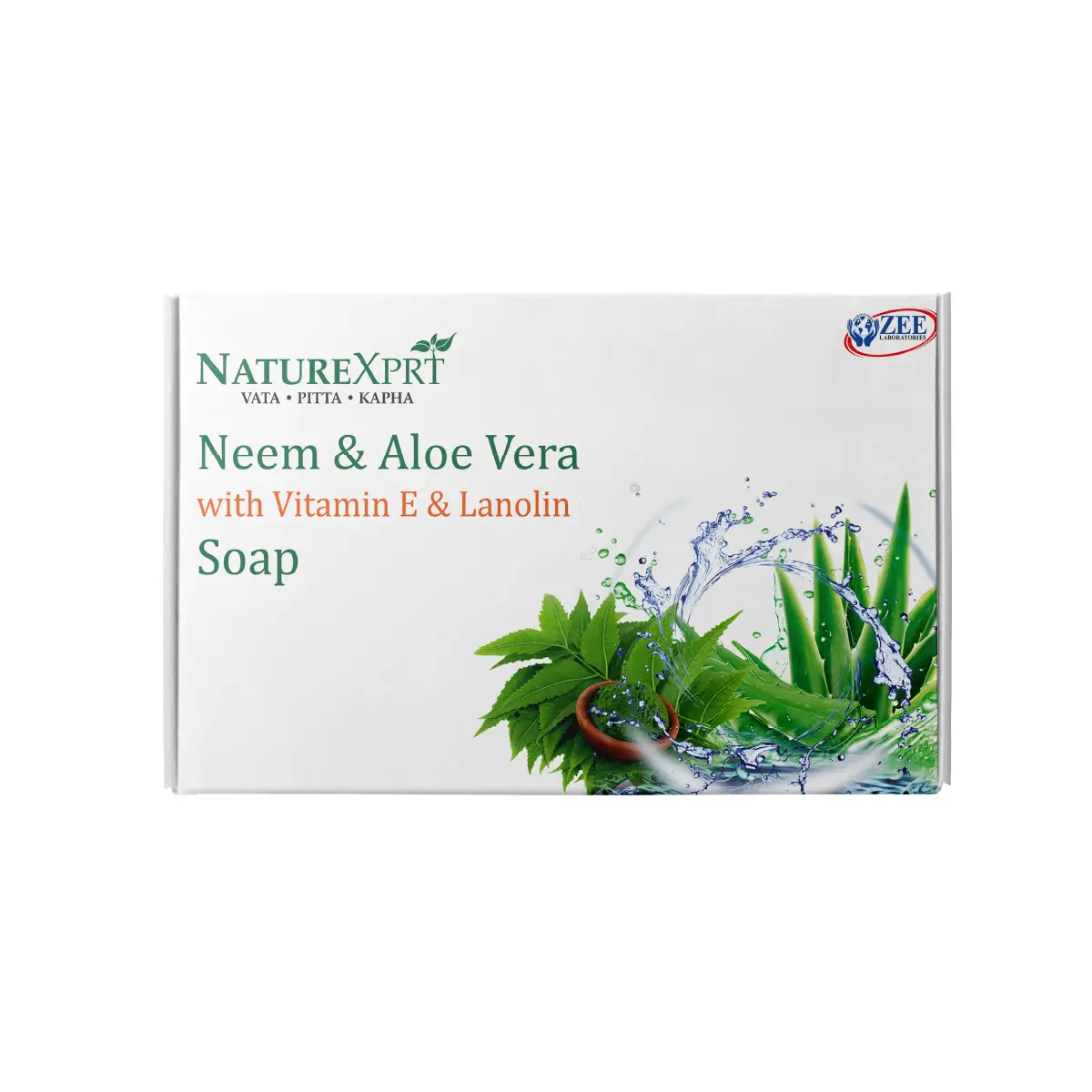
NatureXprt Neem Aloe Vera Soap includes anti-acne ingredients like neem and aloe vera, which are useful for cleansing purposes and prevent acne formation.
- Composition: Neem Extract, Aloe Vera, Lanolin & Vitamin E Soap Noodles
- Benefits: Helps reduce acne, cleanses skin, controls oil, and supports clearer, refreshed skin appearance.
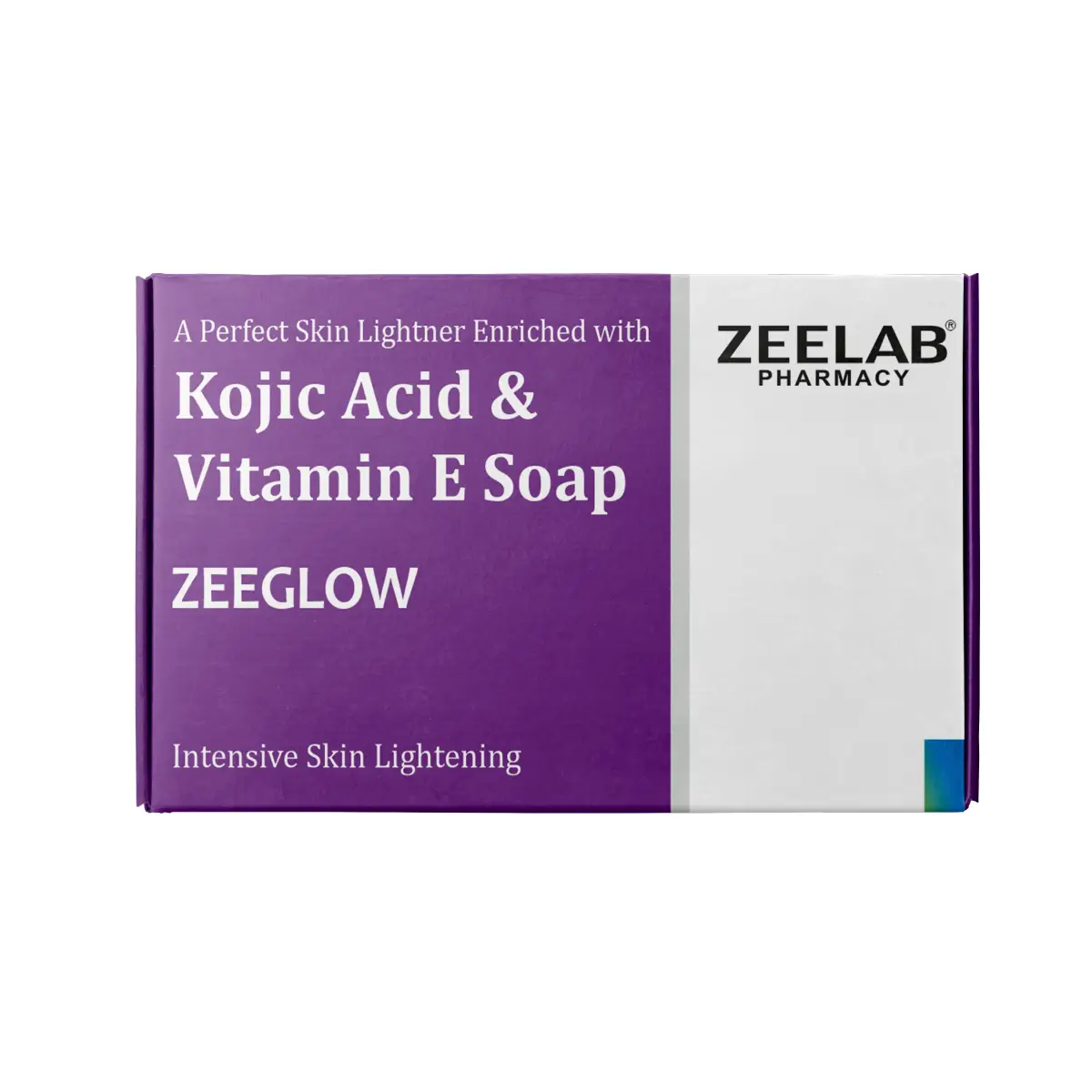
Zeeglow Kojic Acid & Vitamin E Soap
Zeeglow Kojic Acid & Vitamin E Soap works as a gentle cleanser for oily skin, formulated to cleanse effectively while supporting overall skin clarity and maintaining a refreshed feel.
- Composition: Kojic Acid + Vitamin E
- Benefits: Helps improve skin clarity, supports even tone, nourishes skin, and maintains hydration balance.
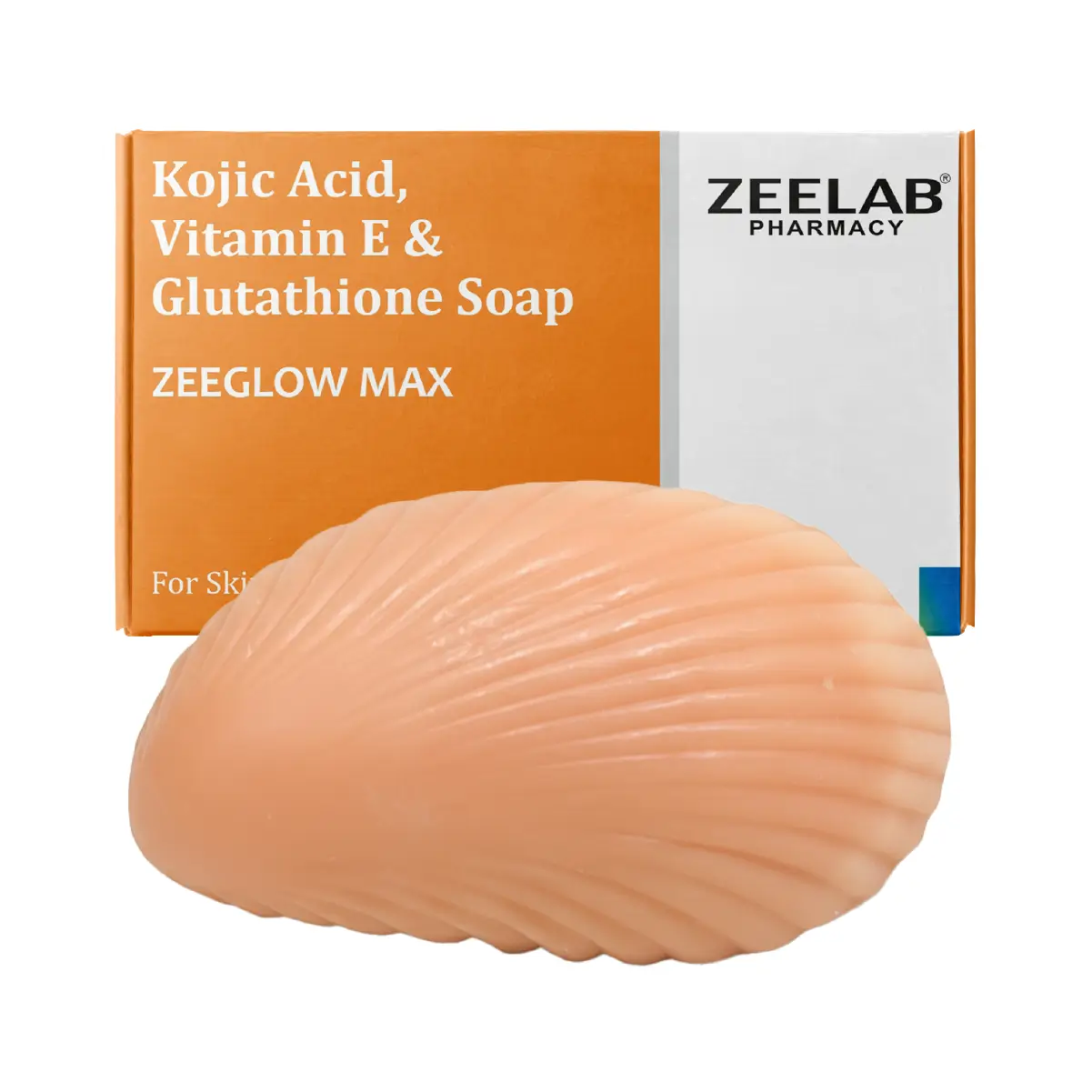
Zeeglow Max
Zeeglow Max Kojic Acid & Glutathione Soap fits well into an acne-prone skin care routine, offering a balanced cleansing approach suitable for regular use.
- Composition: Kojic Acid + Vitamin E + Glutathione
- Benefits: Supports clearer skin, improves tone, reduces acne marks, and enhances overall skin appearance.
Starzone Soap

Starzone Soap is a daily-use soap for oily skin, formulated with active ingredients and can be used regularly under medical guidance as part of a skincare routine.
- Composition: Sulphur (1% w/w) + Salicylic Acid (1% w/w) + Vitamin E (0.25% w/w)
- Benefits: Helps control excess oil, unclog pores, reduce breakouts, and support clearer skin.
Which Soap is Best for Oily Skin?
Choosing the best soap for oily and acne-prone skin depends largely on active ingredients and your specific skin condition. The right formulation not only cleanses but also targets the root causes of acne—excess oil, clogged pores, and bacteria.
|
Ingredient |
How It Helps in Acne |
|
Salicylic Acid (BHA) |
Unclogs pores and removes excess oil |
|
Tea Tree Oil |
Reduces acne-causing bacteria |
|
Zinc PCA |
Controls sebum and reduces irritation |
|
Vitamin E / Aloe Vera |
Soothes and hydrates skin |
|
Azelaic Acid / Triclosan |
Reduces inflammation and bacteria |
Types of Soap Based on Oily Skin Conditions
Different types of soaps are designed to target specific oily skin concerns, helping manage excess sebum, acne, and sensitivity while maintaining the skin’s natural balance.
|
Skin Condition |
Recommended Soap Type |
Why It Works |
|
Mild oily skin |
Gentle oil-control/herbal soap |
Removes excess oil without irritation |
|
Moderate acne |
Salicylic acid soap |
Unclogs pores and prevents breakouts |
|
Inflamed acne |
Tea tree oil soap |
Reduces bacteria and soothes redness |
|
Sensitive acne-prone skin |
Syndet (soap-free) bar |
Gentle cleansing protects the skin barrier |
|
Severe breakouts |
Medicated acne soap |
Controls oil, bacteria, and clogged pores |
Is Soap Good for Oily Skin or Harmful?
Soap can be beneficial for oily skin when it effectively removes excess oil and impurities without disturbing the skin’s natural barrier, but using harsh or unsuitable formulations may lead to dryness, irritation, and even increased oil production.
|
Aspect |
Good for Oily Skin |
Harmful for Oily Skin |
|
Oil Control |
Removes excess oil |
Triggers more oil production |
|
Cleansing |
Clears dirt and impurities |
Damages the skin barrier |
|
Acne |
Keeps pores clean |
May cause breakouts |
|
Balance |
Maintains skin balance |
Disrupts moisture balance |
|
Hydration |
Preserves moisture |
Causes dryness |
|
Sensitivity |
Soothes skin |
Causes irritation |
|
Long-term |
Supports clear skin |
Can worsen oily skin |
Is Soap Suitable for Oily and Sensitive Skin?
Soap can work for oily and sensitive skin, but only if it is mild and skin-friendly. Harsh cleansers may strip oil and trigger irritation, so choosing the right formula is important.
- Soap can be suitable for oily and sensitive skin if it is mild and non-irritating
- Prefer soap-free (syndet) or dermatologically tested cleansers
- Choose fragrance-free formulas to reduce irritation risk
- Look for soothing ingredients like aloe vera or glycerin
- Avoid harsh chemicals, sulfates, and strong perfumes
- Always do a patch test before regular use (apply on the inner arm and wait 24 hours)
How to Use Soap for Oily Skin Properly: A Step-by-Step Guide
Using soap the right way is just as important as choosing it, ensuring effective cleansing while maintaining skin balance and preventing excess oil, dryness, or irritation.
- Cleanse twice daily: Wash your face morning and evening to control oil without over-cleansing
- Use lukewarm water: Avoid hot water, as it can strip moisture and trigger more oil production
- Apply gently: Massage the soap in light, circular motions without scrubbing harshly
- Rinse thoroughly: Ensure no residue is left behind to prevent clogged pores
- Pat dry, don’t rub: Use a soft towel to gently dry your face
- Follow with a light moisturiser: Keeps the skin hydrated and balanced
- Avoid over-washing: Frequent cleansing can lead to dryness and rebound oiliness
- Keep hands and towels clean: Helps reduce the risk of bacteria and breakouts
How Often Should You Use Soap for Oily Skin?
Using soap the right number of times each day is essential for controlling excess oil without damaging your skin’s natural barrier. Both over-cleansing and under-cleansing can lead to breakouts, irritation, or increased oil production — so maintaining balance is key.
Why Proper Cleansing Frequency Matters
- Helps regulate excess sebum without over-drying the skin
- Maintains the skin’s natural moisture balance
- Prevents clogged pores, acne, and breakouts
Ideal Cleansing Frequency for Oily Skin
For most people with oily skin, washing your face 1–2 times daily is recommended:
- Morning: Removes excess oil produced overnight
- Night: Clears dirt, sweat, pollution, and impurities from the day
- Keeps pores clean and reduces the risk of acne
Risks of Over-Cleansing
Washing your face too often can do more harm than good:
- Strips away essential natural oils
- Causes dryness, tightness, and irritation
- Triggers rebound oil production (skin produces more oil)
- Weakens the skin barrier and increases sensitivity
Risks of Under-Cleansing
Not cleansing enough can also lead to skin problems:
- Oil, dirt, and bacteria build up on the skin
- Increases the chances of acne, blackheads, and dullness
- Clogs pores and worsens oily skin concerns
Pro Tip: Stick to a consistent routine of twice-daily cleansing with a gentle, oil-control soap to maintain clear, balanced, and healthy-looking skin.
Also Read: Best Sunscreen for Oily Skin
Common Mistakes When Using Soap for Oily Skin
Small mistakes in cleansing can worsen oily skin concerns, leading to excess oil, clogged pores, and breakouts, making proper usage habits essential for healthy, balanced skin.
- Over-washing the face: Can strip natural oils and trigger more sebum production
- Using harsh soaps: Leads to dryness, irritation, and imbalance
- Scrubbing too hard: Can damage the skin and worsen acne
- Skipping moisturiser: May cause dehydration and rebound oiliness
- Using too much product: Doesn’t improve cleansing and can irritate skin
- Not rinsing properly: Residue can clog pores and cause breakouts
- Ignoring skin type changes: Skin needs may vary with seasons or lifestyle
Also Read: Best Face Wash for Oily Skin
Tips to Maximise Oil Control with Zeelab Soaps
Getting the best results from your soap depends on how consistently and correctly you use it, along with supporting your routine with simple, effective skincare habits.
- Use consistently, ideally twice daily, to maintain oil control and support clearer-looking skin over time.
- Avoid over-washing, as excessive cleansing can trigger more oil production and imbalance.
- Follow with a lightweight moisturiser for oily skin to keep the skin hydrated without feeling greasy.
- Rinse thoroughly and store the soap properly to maintain hygiene and effectiveness.
Common Myths About Oily Skin Cleansing
Many misconceptions surround oily skin cleansing, often leading to incorrect practices, making it important to understand what truly works for maintaining clear and balanced skin.
|
Myth |
Truth |
|
Oily skin doesn’t need moisturiser |
Hydration helps maintain balance and control excess oil |
|
Frequent washing reduces oil |
Over-washing can increase oil production |
|
Strong soaps work better |
Harsh products can worsen irritation and breakouts |
|
Acne is only due to dirt |
Multiple factors, like hormones and sebum, play a role |
Daily Skincare Routine for Oily Skin
A well-structured daily skincare routine for oily skin, including the right skin care products for oily skin, helps control excess sebum, prevent clogged pores, and maintain a healthy, balanced complexion without causing dryness or irritation.
|
Step |
Morning Routine |
Night Routine |
|
Cleanser |
Use a gentle, oil-control cleanser |
Cleanse to remove dirt, oil, and pollution |
|
Toner (Optional) |
Apply to refresh and tighten pores |
Can be used if needed |
|
Lightweight serum (e.g., oil-control/niacinamide) |
Treatment serum if required |
|
|
Moisturizer |
Use an oil-free, non-comedogenic moisturiser |
Reapply lightweight moisturiser |
|
Sunscreen |
Apply gel-based or matte sunscreen |
Not required |
|
Exfoliation |
Not required daily |
2–3 times/week |
|
Treatment Products |
Usually not needed |
Apply acne treatments if required |
|
Face Mask |
1–2 times/week (optional) |
1–2 times/week (optional) |
Conclusion
Including the right soap can be a game-changer for your skincare routine, especially if it has dermatologist-recommended formulations that balance oil control with gentle care.
Such soaps help cleanse deeply, prevent clogged pores, and reduce breakouts without harming the skin barrier. Opting for well-formulated products ensures long-term skin health rather than temporary fixes.
Zeelab offers thoughtfully designed options that align with these needs, combining effective ingredients with skin-friendly formulations.
With consistent use and the right choices, achieving clearer, balanced, and healthier-looking skin becomes a realistic and sustainable goal.
Frequently Asked Questions (FAQs)
Ans.Yes, soaps formulated for oily and acne-prone skin can help control excess oil and reduce breakouts. Look for ingredients that cleanse deeply without causing dryness or irritation to maintain skin balance.
Q. Can I use a soap for oily acne-prone skin?
Ans.The best soap for oily, acne-prone skin includes ingredients that control oil and prevent breakouts. Zeelab products like Acnezee Soap help target acne, while Zeeglow Kojic Acid & Vitamin E Soap supports clearer, brighter-looking skin.
Q. Which soap is best for oily skin and pimples?
Ans.Yes, using soap daily is safe if it is gentle and suitable for oily skin. Cleansing twice a day helps remove excess oil and impurities without harming the skin.
Q. Can I use soap daily on oily skin?
Ans.Both can be useful depending on your skin condition. Gentle soaps are ideal for daily use, while medicated soaps help manage acne or excess oil. Choosing based on your skin’s needs ensures better results.
Q. Should I use gentle or medicated soap for oily skin?
Ans.Key ingredients include salicylic acid, tea tree oil, charcoal, and zinc. These help control oil, reduce acne, and keep pores clear without damaging the skin’s natural barrier.
Q. Which soap ingredient is best for oily and sensitive skin?
Ans.Antibacterial soaps may help reduce acne-causing bacteria, but they can sometimes be harsh. It’s better to choose a balanced formulation that controls oil and supports the skin barrier without over-drying.
Q. Can antibacterial soap be used for acne and an oily face?
Ans.Salicylic acid soap is highly effective for oily skin. It penetrates deep into pores, removes excess oil, and helps prevent acne, blackheads, and whiteheads, making it ideal for acne-prone skin types.
Q. Is salicylic acid soap good for oily skin?
Ans.Soap helps remove excess oil but should not strip it completely. Maintaining some natural oil is essential for skin health, so gentle cleansing is key to balanced skin.
Q. Does soap remove excess oil completely?
Ans.Tea tree soap is effective due to its antibacterial properties. It helps reduce acne-causing bacteria, controls oil, and soothes inflammation, making it suitable for oily and acne-prone skin.
Q. Is tea tree soap effective for oily skin?
Ans.Yes, using harsh or unsuitable soap can disrupt the skin barrier, leading to dryness and increased oil production. This imbalance may clog pores and result in more pimples or frequent breakouts.
Q. Can soap cause more pimples?
Ans.Yes, a suitable soap can help remove excess sebum, dirt, and impurities, which supports oil control without over-drying the skin.
Q. Can soap really control excess oil on the skin?
Ans.Yes, but the type of soap may vary with the seasons. In summer, oil-control soaps work best, while in winter, a slightly gentler formula helps prevent dryness.
Q. Can oily skin use soap in all seasons?
Ans.Yes, diet can impact oily skin. High-sugar and processed foods may increase oil production, while a balanced diet with fruits, vegetables, and healthy fats can help maintain better skin balance.
Q. Can diet affect oily skin?
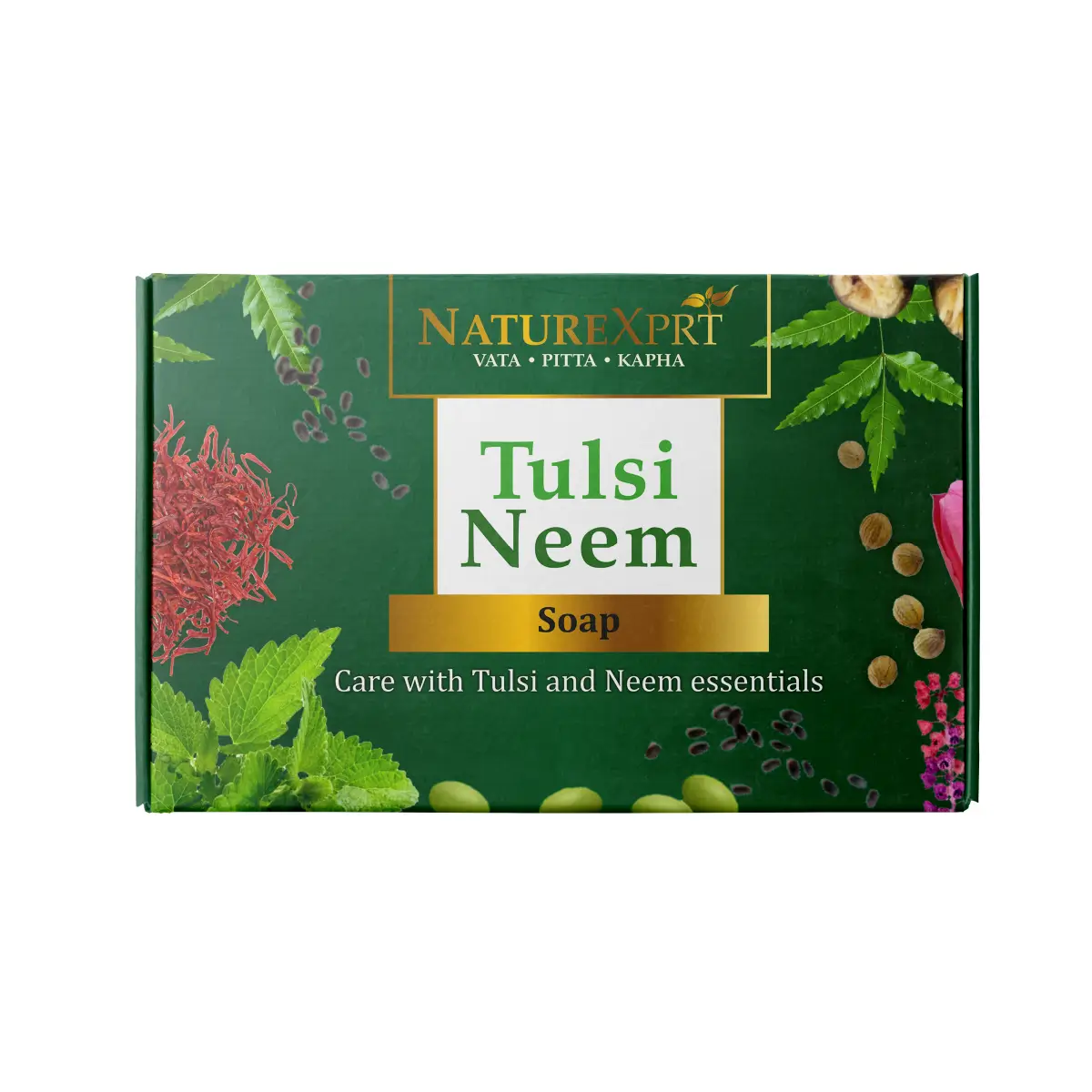
Tulsi Extract + Neem Extract + Soap Noodles
100gm Soap in Box
Tea Tree Oil + Titanium Dioxide + Allantoin + Vitamin E
75 gm In 1 Box
Kojic Acid + Vitamin E
75gm soap in box
Kojic Acid + Vitamin E + Glutathione
75gm soap in box
References
Recent Blogs





Disclaimer : Zeelab Pharmacy provides health information for knowledge only. Do not self-medicate. Always consult a qualified doctor before starting, stopping, or changing any medicine or treatment.
Related Products


₹ 0
0
Items added
Quick Links
Categories
Our Policies

Our Socials


Subscribe

2026 Copyright By © Zeelab Pharmacy Private Limited. All Rights Reserved
Our Payment Partners

 Added!