

Best Medicine for Anxiety and Stress: Anxiety Relief Medicine Names, Uses & Treatment Options
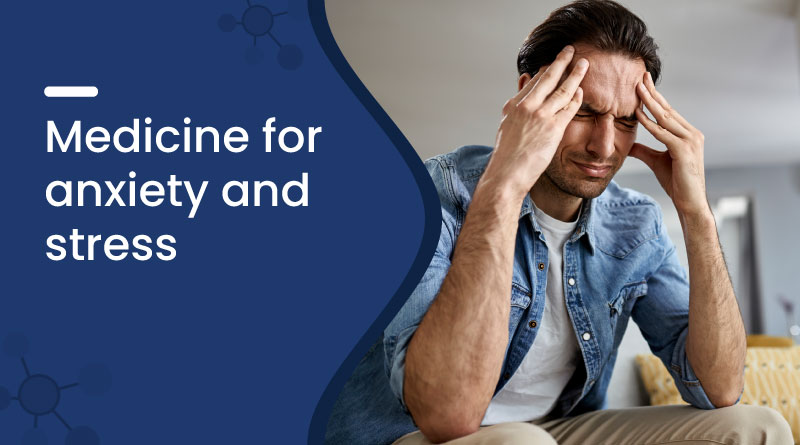
Stress and anxiety are common experiences in everyone's life. We often go through phases when our sleep, concentration, mood, thoughts, and daily activities are affected.
Treatment may not be needed when these issues occur only once in a while. However, if symptoms start to affect a person's daily life, consulting a doctor and taking appropriate treatment for anxiety and stress may become important.
SSRIs (citalopram, escitalopram), benzodiazepines (diazepam, alprazolam), and tricyclic antidepressants (amitriptyline, imipramine) are some categories of medicines used for stress and anxiety management, whenever appropriate.
Let’s see when anti-anxiety medicines are needed and what lifestyle tips you should keep in mind for your comfort.
What are Stress and Anxiety?
Stress is a natural response of the body to external situations like some kind of mental pressure, family/relationship situations, financial problems and more.
Stress may come out as either a mental or physical response of the body, which is mostly temporary. In some cases, people may look for stress relief medicine for symptom management.
Anxiety is more like a feeling of fear, uneasiness, and worry that triggers the body’s fight-or-flight response.
When symptoms persist, a doctor may recommend anti-anxiety medicine or other medicines for anxiety and stress, depending on the cause and severity.
Common Causes of Anxiety and Stress
Anxiety and stress can have different triggers, and occasionally several factors may contribute at the same time.
Stress and anxiety may develop due to emotional, physical, lifestyle, or environmental factors.
Common causes include:
- Work, study, or financial issues
- Relationship or family problems
- Major changes in life
- Not getting enough sleep
- Ongoing health problems
- Traumatic or stressful events
- Too much caffeine
- Certain medications or health conditions
Common Symptoms of Stress and Anxiety
In cases of stress and anxiety, you may experience the following stress and anxiety symptoms:
- Excessive worry or fear
- Restlessness or tension
- Difficulty concentrating
- Headache or body discomfort
- Sleep problems
- Fast heartbeat or sweating
- Feeling overwhelmed
These anxiety symptoms and stress symptoms can vary from person to person and may affect both mental and physical well-being.
Common Medicines Used for Anxiety
Anxiety disorders are of different types, and treatment may vary depending on the type, symptoms, and severity of the condition. A doctor may recommend appropriate treatment based on your individual needs.
Common searches include anxiety medicine names used for stress, anxiety, and panic symptoms.
|
Medicine Name |
Anxiety disorder it may treat |
|
Panic disorder, social anxiety disorder, OCD, PTSD |
|
|
Escitalopram |
Generalised anxiety disorder (GAD) |
|
Fluoxetine |
Panic disorder, OCD |
|
Venlafaxine |
Generalised anxiety disorder, social anxiety disorder |
|
Duloxetine |
Generalised anxiety disorder (GAD) |
|
Buspirone |
Generalised anxiety disorder (GAD) |
|
Alprazolam |
Generalised anxiety disorder, panic disorder |
|
Clonazepam |
Panic disorder |
|
Short-term severe anxiety symptoms |
|
|
Propranolol |
Performance anxiety, physical anxiety symptoms |
List of Best Tablets for Stress and Anxiety Relief in India
Only a doctor can prescribe the right anti-anxiety tablets or stress-relief tablets for you based on your symptoms and health condition.
Zeelab Pharmacy offers a range of stress and anxiety relief tablets for stress to support prescribed treatment and help manage symptoms effectively.
Estaram 10 Tablet
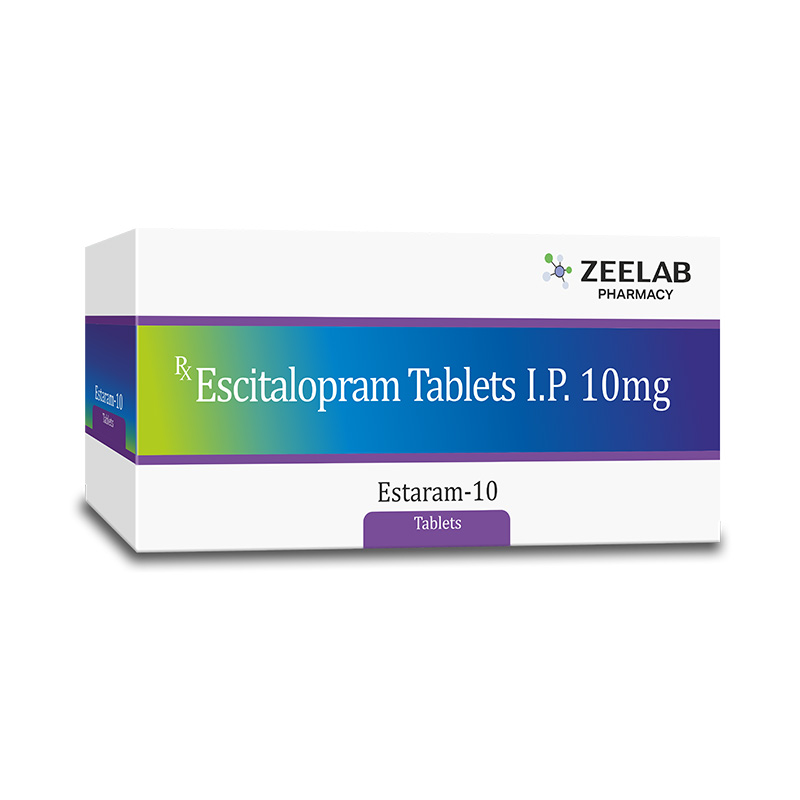
Estaram 10 contains escitalopram, an SSRI antidepressant that works by increasing serotonin activity in the brain and is prescribed for anxiety and related mental health conditions.
- Composition: Escitalopram Oxalate 10 mg
- Benefits: May help manage generalised anxiety and persistent stress symptoms.
Fluxirix 20 Capsule
Fluxirix 20 contains fluoxetine, an SSRI antidepressant that influences serotonin levels in the brain and may be prescribed as part of treatment for certain anxiety conditions.
- Composition: Fluoxetine 20 mg
- Benefits: May help manage panic disorder and anxiety symptoms.
Enafaxin 37.5 Tablet
Enafaxin 37.5 contains venlafaxine, an SNRI antidepressant that works on serotonin and norepinephrine activity in the brain and may be prescribed for anxiety disorders.
- Composition: Venlafaxine 37.5 mg
- Benefits: May help manage generalised and social anxiety.
Dudu 20 Tablet
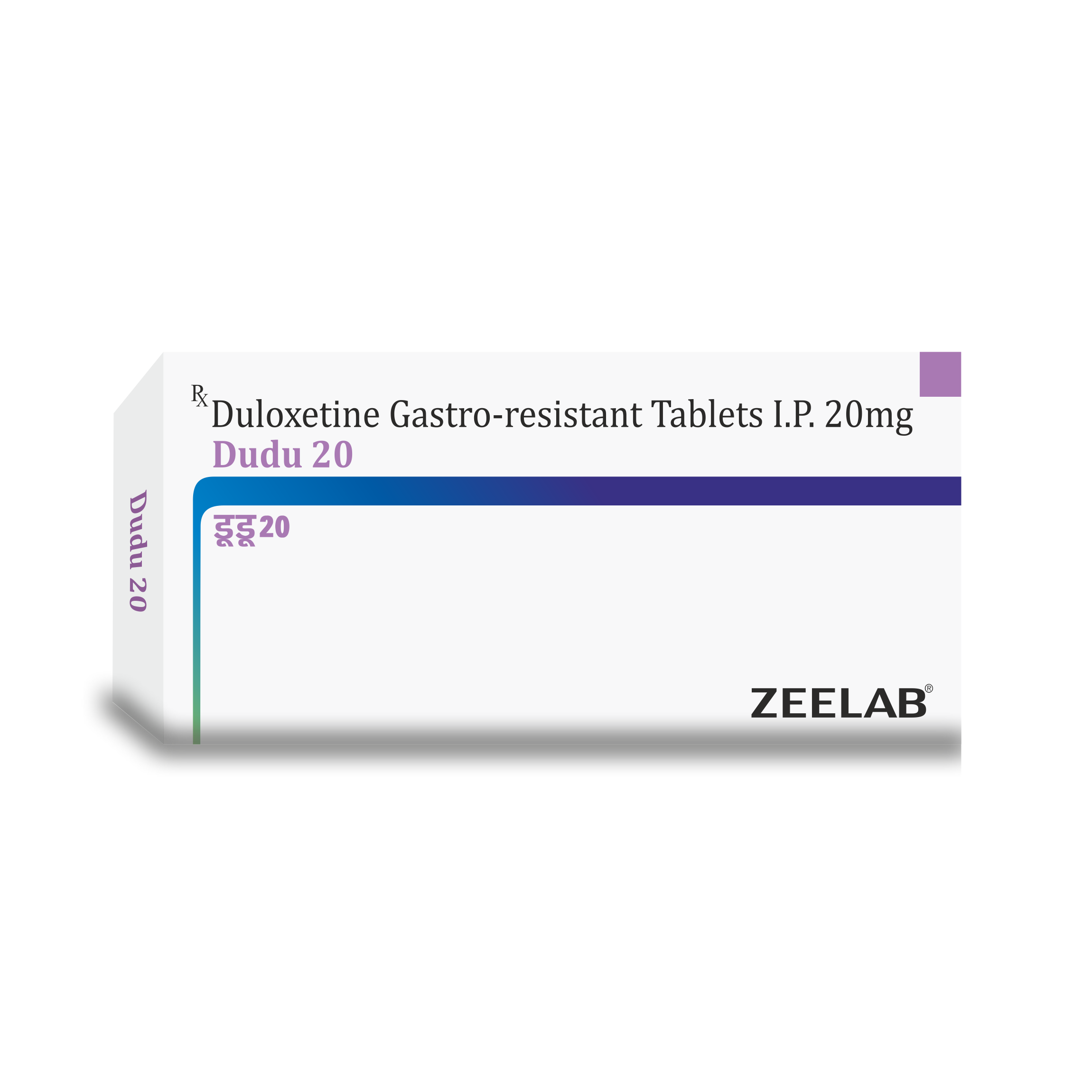
Dudu 20 contains duloxetine, an SNRI medicine that affects serotonin and norepinephrine levels in the brain and is prescribed for anxiety and certain other conditions.
- Composition: Duloxetine 20 mg
- Benefits: May help manage generalised anxiety disorder symptoms.
Busiprox 5 Tablet
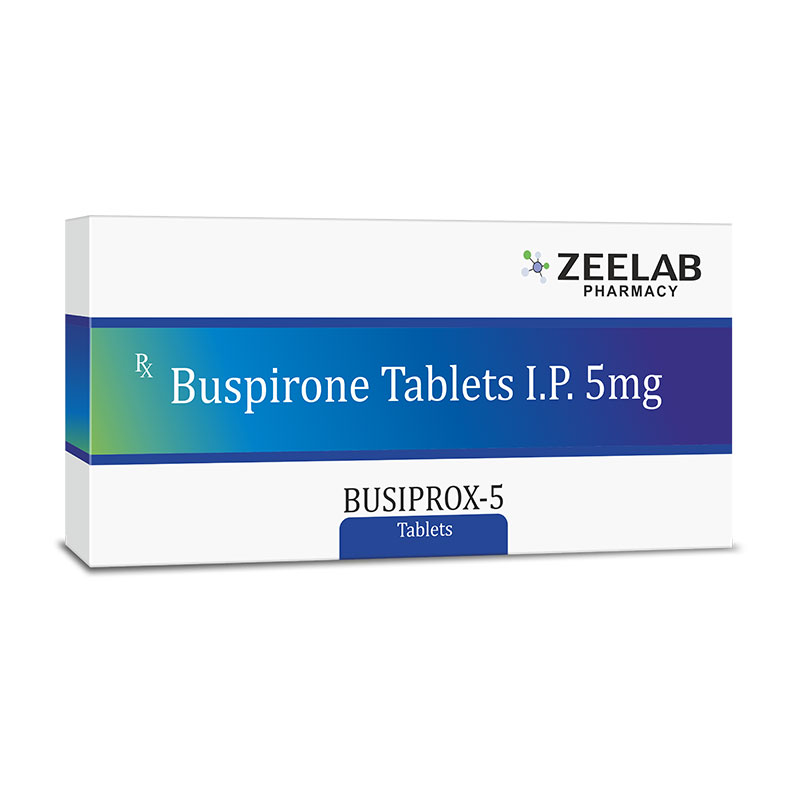
Busiprox 5 contains buspirone, an anti-anxiety medicine that acts on brain chemicals involved in mood and anxiety and is used for certain anxiety disorders.
- Composition: Buspirone 5 mg
- Benefits: May support longer-term management of generalised anxiety.
Ranox 20 Tablet
Ranox 20 contains propranolol, a beta-blocker that reduces the effects of adrenaline on the body and may be prescribed for certain physical symptoms of anxiety.
- Composition: Propranolol 20 mg
- Benefits: May reduce physical symptoms of performance anxiety.
Safety Precautions While Taking Anxiety Relief Tablets
Medicines for stress and anxiety should only be taken as prescribed by a doctor, as they can affect brain activity and may not be suitable for everyone.
Here are some important precautions to keep in mind:
- Do not take someone else's anxiety tablet for anxiety and stress.
- Follow the prescribed dose and schedule.
- Do not randomly discontinue your normal medication if not advised by the doctor.
- Let your doctor know about any ongoing medication you have, including prescription drugs, over-the-counter drugs, and others.
- Avoid alcohol with medicines that can cause drowsiness, particularly benzodiazepines.
- Do not drive or work with machinery if you feel sleepy or dizzy from your medication.
- Ask your doctor or pharmacist about possible medicine interactions and anxiety medicine side effects.
Also Read: Medicine for Depression and Anxiety
Side Effects of Anxiety Medicines
Side effects of anxiety medicine or anxiety medication depend on the medicine, dose, and individual health condition.
Some commonly reported effects include:
- Nausea
- Headache
- Dizziness
- Drowsiness
- Difficulty sleeping
- Changes in appetite
- Sexual side effects with some antidepressants
Can Anxiety and Stress Be Treated Without Medicine?
Depending on the reason and severity of stress and anxiety, it is possible to manage symptoms without medicine for anxiety and stress through psychological therapy and lifestyle changes.
- Counselling or psychotherapy
- Cognitive behavioural therapy
- Relaxation and breathing exercises
- Regular physical activity
- Improving sleep habits
- Reducing excessive caffeine
- Staying connected with supportive family or friends
Also Read: Best Natural Supplements for Anxiety Relief
Lifestyle Tips to Help Manage Stress and Anxiety
Small changes in the daily routine may provide stress relief and support overall mental well-being.
Try to include these habits in your daily life:
- Regular physical activity can help reduce stress and anxiety symptoms.
- Try to maintain consistent sleeping and waking times.
- Coffee, energy drinks, and other caffeinated beverages may worsen anxiety in some people.
- Try deep breathing, meditation, or mindfulness for anxiety relief.
- Avoid skipping meals when possible.
- Give yourself short breaks during demanding work or study.
- Sharing concerns with a trusted person can provide emotional support.
When Should You See a Doctor for Anxiety or Stress?
You must go to a doctor when stress and anxiety symptoms continue for a long time with no improvement in condition, or when you feel you may need stress relief medication.
Here are the warning signs that require immediate medical attention:
- Continues for an extended period
- Affects your work, studies, relationships, or daily activities
- Causes persistent sleep problems
- Leads to repeated panic attacks
- Makes you avoid normal activities
- Becomes difficult to manage on your own
Conclusion
Medicine for anxiety and stress may be used to manage symptoms such as extreme worry or fear, tension, sleep disturbance, fatigue, panic attacks, stress, and related mental health conditions. Proper diagnosis, lifestyle changes, and increasing awareness are methods to manage anxiety and stress.
The need for anxiety medication depends on the severity of symptoms and individual health needs. Medicines should be taken only as prescribed, along with suitable approaches such as regular exercise, Yoga, and stress management.
These medicines may improve quality of life and help manage symptoms when used appropriately under medical guidance.
Frequently Asked Questions (FAQs)
Ans.SSRIs (citalopram, escitalopram), benzodiazepines (diazepam, alprazolam), and tricyclic antidepressants (amitriptyline, imipramine) are some categories of medicines used for stress and anxiety management, whenever appropriate and as prescribed by a doctor.
Ans.Common types include SSRIs, SNRIs, buspirone, benzodiazepines, and other medicines prescribed according to the condition and severity of symptoms.
Ans.Medicine may be needed when symptoms persist, affect daily life or sleep, cause repeated panic attacks, or are difficult to manage with lifestyle changes alone.
Ans.Anxiety medicines work in different ways, including affecting brain chemicals such as serotonin or reducing the physical symptoms of anxiety.
Ans.Common side effects may include nausea, dizziness, drowsiness, headache, sleep changes, appetite changes, and sexual side effects, depending on the medicine.
Ans.It depends on the medicine. Some may work relatively quickly, while antidepressants used for anxiety may take several weeks to show noticeable effects.
Ans.Some anxiety medicines, particularly benzodiazepines, can cause dependence or misuse. They should be taken only as prescribed and monitored by a doctor.
Ans.Daily use depends on the specific medicine and your condition. Take anxiety medicines regularly only according to your healthcare professional's instructions.
Ans.Some anxiety medicines may carry pregnancy risks. Always consult your doctor before starting, stopping, or changing anxiety treatment during pregnancy.
Ans.Yes, prescribed anxiety treatment may help reduce persistent worry and anxious thoughts, particularly when symptoms are linked to an anxiety disorder.
Ans.Try slow breathing, a short walk, relaxation exercises, adequate hydration, reducing caffeine, and talking with someone you trust.
Ans.Move somewhere safe, breathe slowly and steadily, and remind yourself that the symptoms can pass. Seek urgent help for severe or unusual symptoms.
Ans.Yes. Stress and anxiety may cause a fast heartbeat, sweating, muscle tension, headaches, stomach discomfort, trembling, and difficulty sleeping.
Ans.There is no universally recommended OTC medicine for anxiety. Consult a doctor or pharmacist before using any product for persistent anxiety symptoms.
Ans.See a doctor when anxiety persists, disrupts daily life, affects sleep, causes repeated panic attacks, or becomes difficult to manage independently.
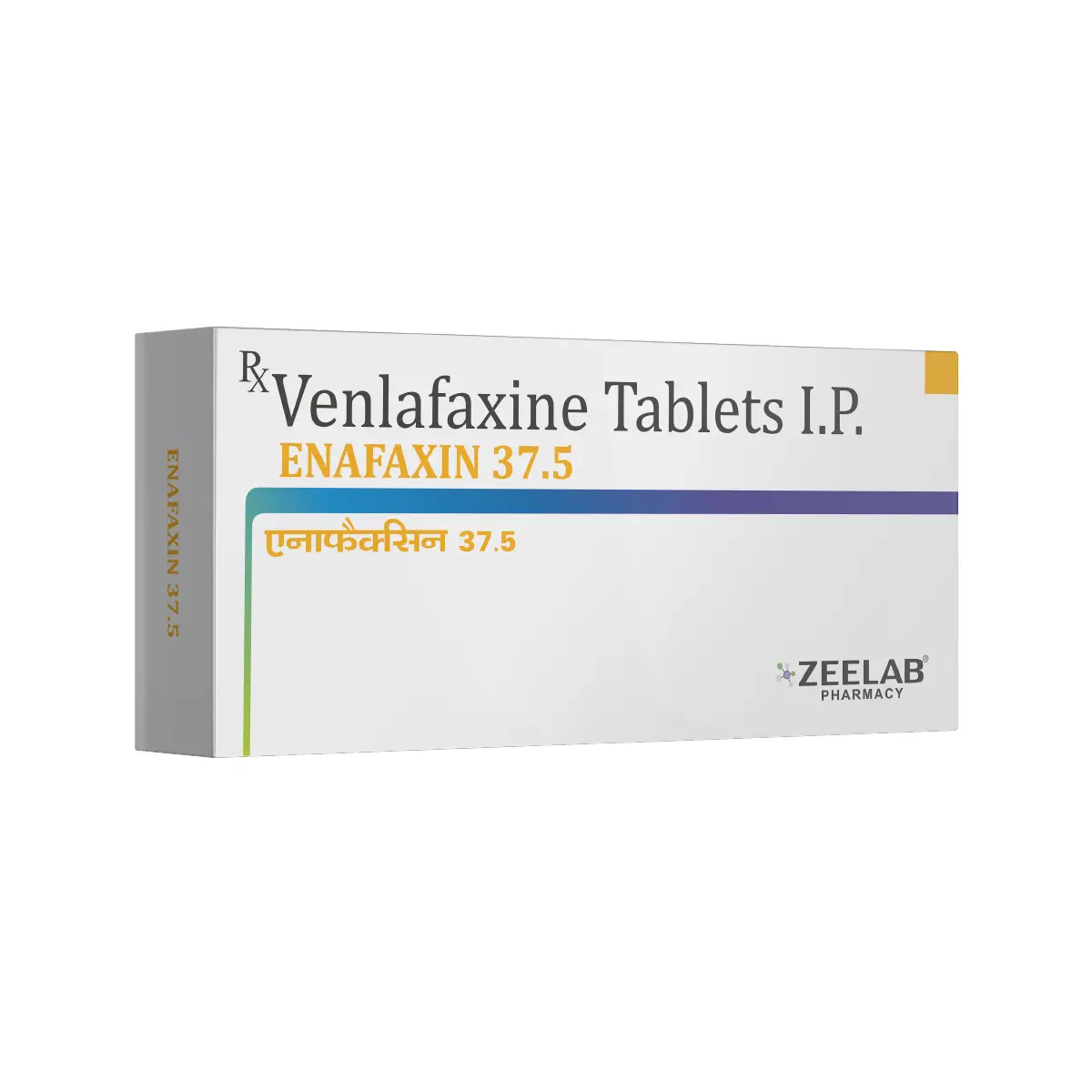
Venlafaxine (37.5mg)
10 Tablets In 1 Strip
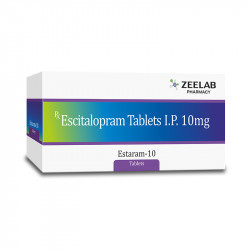
Escitalopram Oxalate (10mg)
10 Tablets In 1 Strip
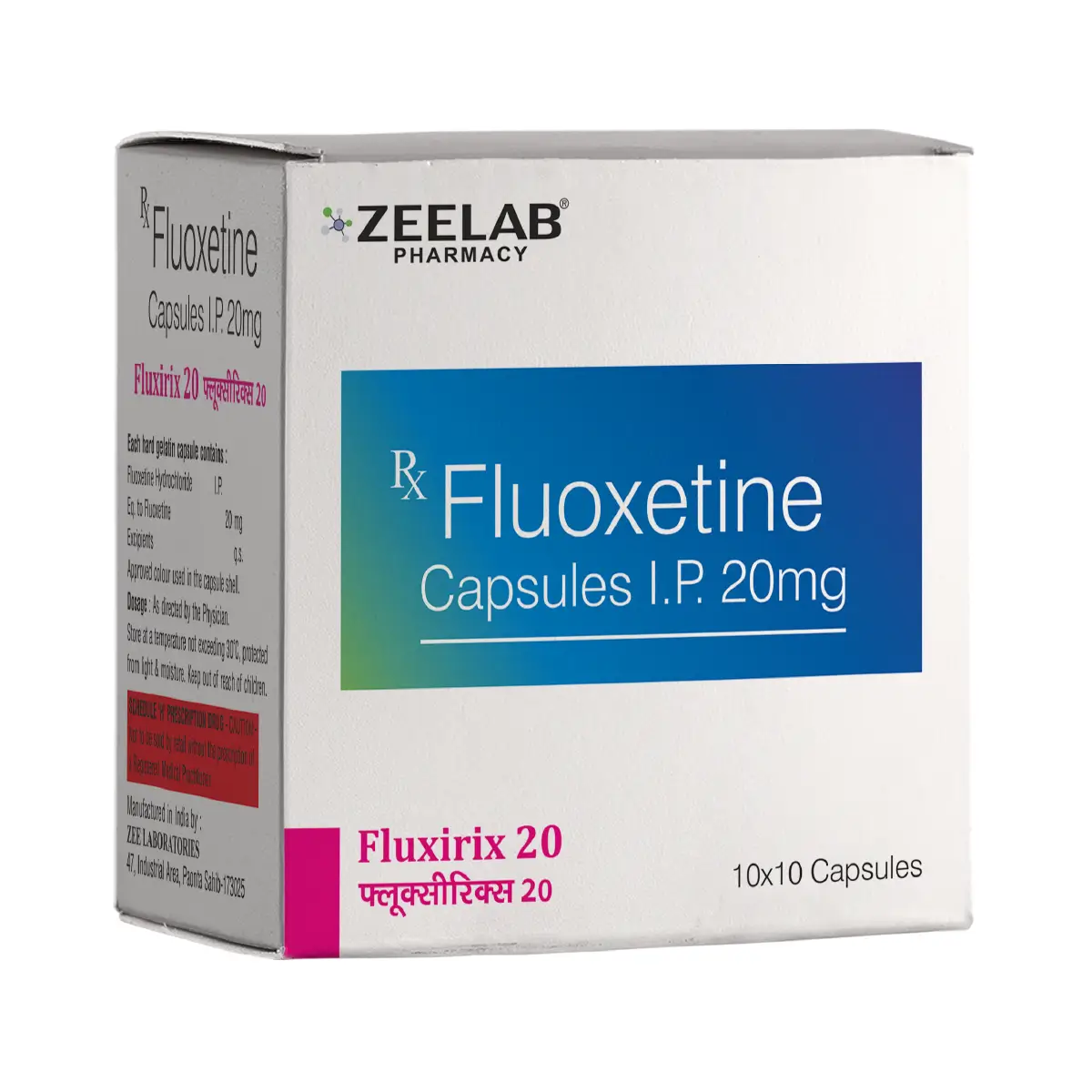
Fluoxetine (20mg)
10 Capsules In 1 Strip
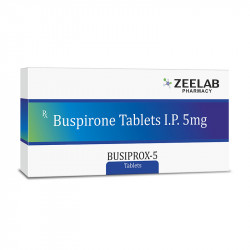
Buspirone (5mg)
10 Tablets In 1 Strip
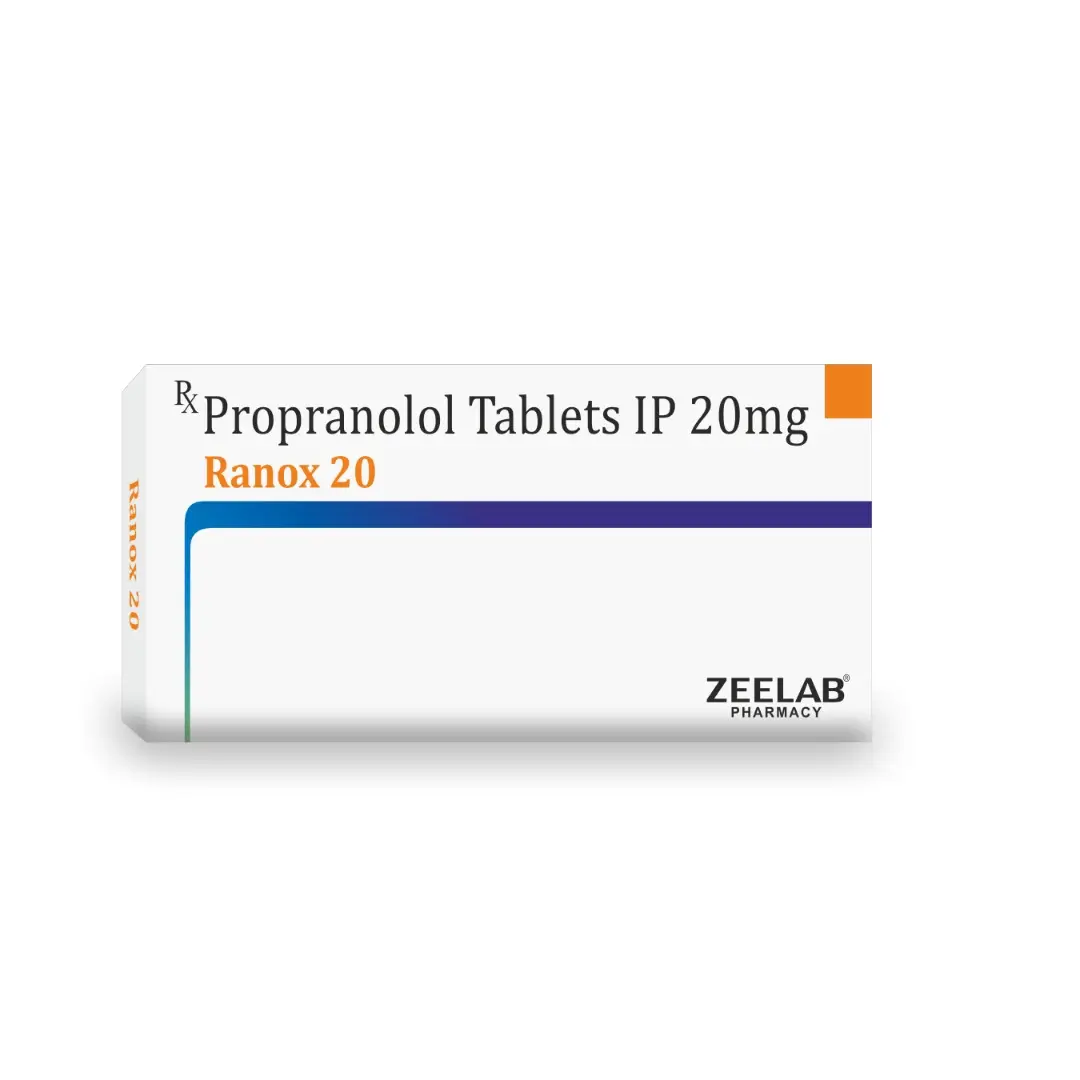
Propranolol (20mg)
10 Tablets In 1 Strip
Duloxetine (20mg)
10 Tablets In 1 Strip
References
Recent Blogs






Disclaimer : Zeelab Pharmacy provides health information for knowledge only. Do not self-medicate. Always consult a qualified doctor before starting, stopping, or changing any medicine or treatment.
Related Products


₹ 0
0
Items added
Quick Links
Categories
Our Policies

Our Socials


Subscribe

2026 Copyright By © Zeelab Pharmacy Private Limited. All Rights Reserved
Our Payment Partners

 Added!