
Pain Killer Tablet For Toothache In India
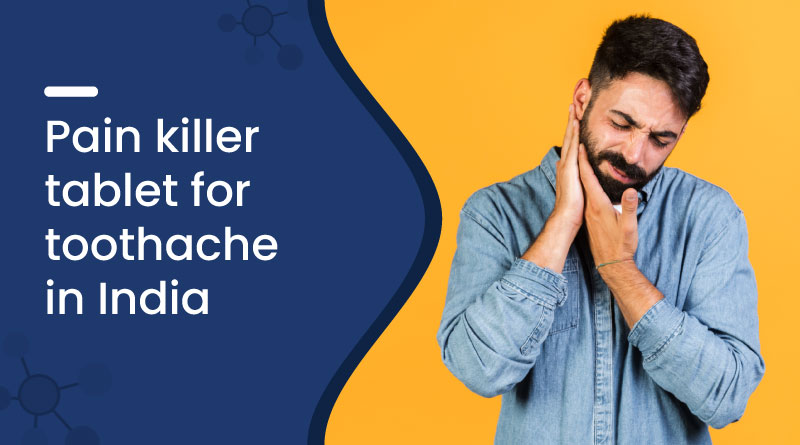
You must have experienced common dental problems like a toothache at least once in your life, and agree that they can be very distressing.
Often caused by several reasons, like cavities, infections, gum issues, and dental sensitivity. Tooth pain can make eating and sleeping difficult.
In such scenarios, tooth pain relief tablets become extremely important as they help provide some temporary relief until you consult with a dentist.
Many generic salts like ibuprofen, paracetamol, diclofenac, and aceclofenac can help to reduce tooth pain and are easily available at Zeelab Pharmacy.
In this blog, let's discuss Toothache medicines, anti-inflammatory drugs for toothache, pain killer tablets for toothache in India.
What is a toothache?
A toothache is pain or discomfort in or around a tooth, usually caused by irritation of the dental nerve or surrounding tissues. It can range from mild sensitivity to severe, throbbing pain and may be triggered by cavities, infections, gum problems, or tooth damage.
Tooth pain can make eating, drinking, and even sleeping difficult, and often indicates an underlying dental issue that needs proper treatment.
Common Causes of Tooth Pain
Tooth pain can happen for many reasons. Identifying the cause helps in choosing the right treatment. Common causes include:
- Cavities (tooth decay): Damage to the enamel causing pain
- Gum disease: Swollen or infected gums (gingivitis or periodontitis)
- Dental infection or abscess: Severe pain due to infection
- Tooth sensitivity: Pain from hot, cold, or sweet foods
- Tooth damage: Cracks, injury, or pressure on the tooth
- Impacted wisdom tooth: Pain and swelling at the back of the mouth
- Loose fillings or crowns: Exposure of sensitive inner layers
- Sinus problems: Pressure that can feel like tooth pain
Symptoms of Toothache You Should Not Ignore
A toothache can present in different ways depending on the underlying cause. Common symptoms include:
- Sharp pain: Sudden, intense pain while biting or chewing
- Throbbing pain: Continuous pulsating discomfort, often linked to infection
- Sensitivity: Pain triggered by hot, cold, or sweet foods and drinks
- Swelling: Inflammation in the gums, jaw, or around the tooth
- Fever: May indicate a serious dental infection
- Bad taste or pus: Sign of an abscess or infection
- Headache or ear pain: Pain spreading from the affected tooth
- Bleeding gums: Often linked to gum disease
- Difficulty chewing or opening the mouth: Indicates worsening condition
How Tooth Pain Killer Tablets Work?
Tooth pain relief tablets work by blocking pain signals and reducing inflammation, which are the main causes of dental discomfort. This helps provide quick and effective relief from toothache.
- NSAIDs (Non-Steroidal Anti-Inflammatory Drugs): Medicines like ibuprofen and diclofenac reduce both pain and swelling.
- Analgesics (Paracetamol): Focus mainly on pain relief, with little to no effect on inflammation.
These medicines offer temporary relief and do not treat the root cause of the toothache.
Types of Medicines for Toothache
Different types of medicines are used to manage tooth pain based on severity and cause:
|
Type of Medicine |
Examples |
How It Works |
|
NSAIDs |
Ibuprofen, Diclofenac |
Reduce pain and inflammation |
|
Analgesics |
Relieve pain (minimal anti-inflammatory effect) |
|
|
Combination Medicines |
Paracetamol + NSAIDs |
Provide combined pain and inflammation relief |
|
Opioids (Rx only) |
Tramadol |
Best Generic Medicines for Toothache Relief in India
Toothache can affect daily activities like eating and sleeping. The right medicine depends on the severity and cause of pain.
Below are some commonly used generic medicines for effective tooth pain relief:
|
Generic Medicine |
Use |
|
Strong painkiller for short-term relief of severe tooth pain |
|
|
Diclofenac |
Reduces inflammation and provides effective pain relief |
|
Paracetamol |
Suitable for mild to moderate tooth pain |
|
Relieves pain and reduces swelling |
|
|
Provides long-lasting relief from pain and inflammation |
|
|
Mild NSAID used for ongoing pain and inflammation management |
Best Pain Killer Tablets for Toothache in India from Zeelab Pharmacy
Choosing the right pain killer tablet for toothache in India can help provide fast and effective relief. Zeelab Pharmacy offers affordable, high-quality medicines that help reduce pain, swelling, and discomfort.
Below are some recommended options for managing tooth pain safely and effectively.
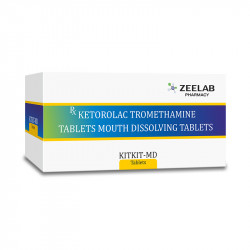
Kitkit MD Tablet
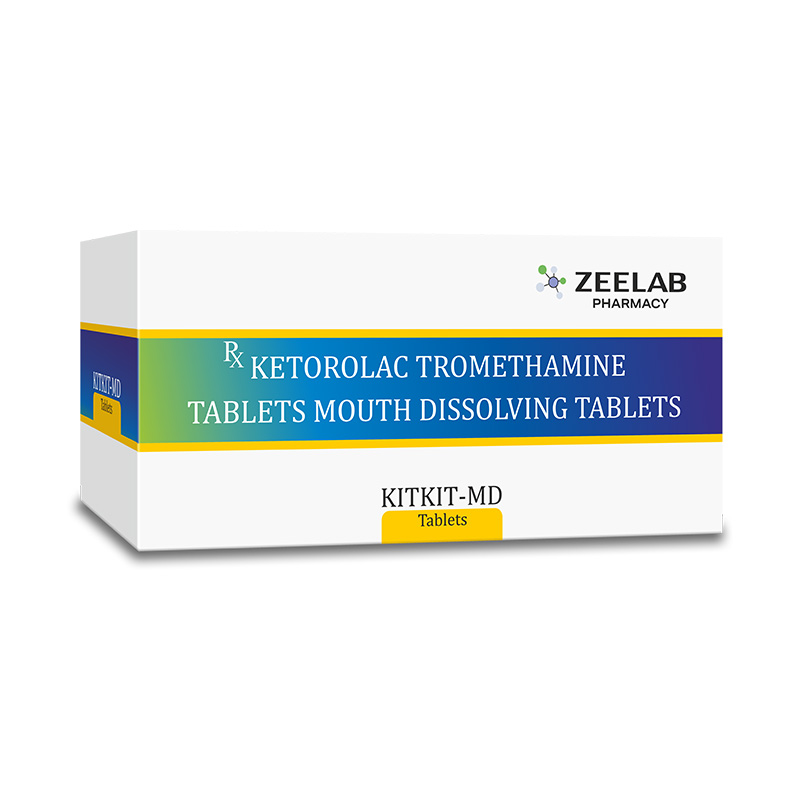
Kitkit MD Tablet is a fast-acting toothache treatment medicine containing ketorolac, used for short-term relief of moderate to severe pain and inflammation, especially in dental conditions.
- Composition: Ketorolac (10mg)
- Benefits: Provides rapid pain relief, reduces inflammation, and helps manage acute dental pain effectively.
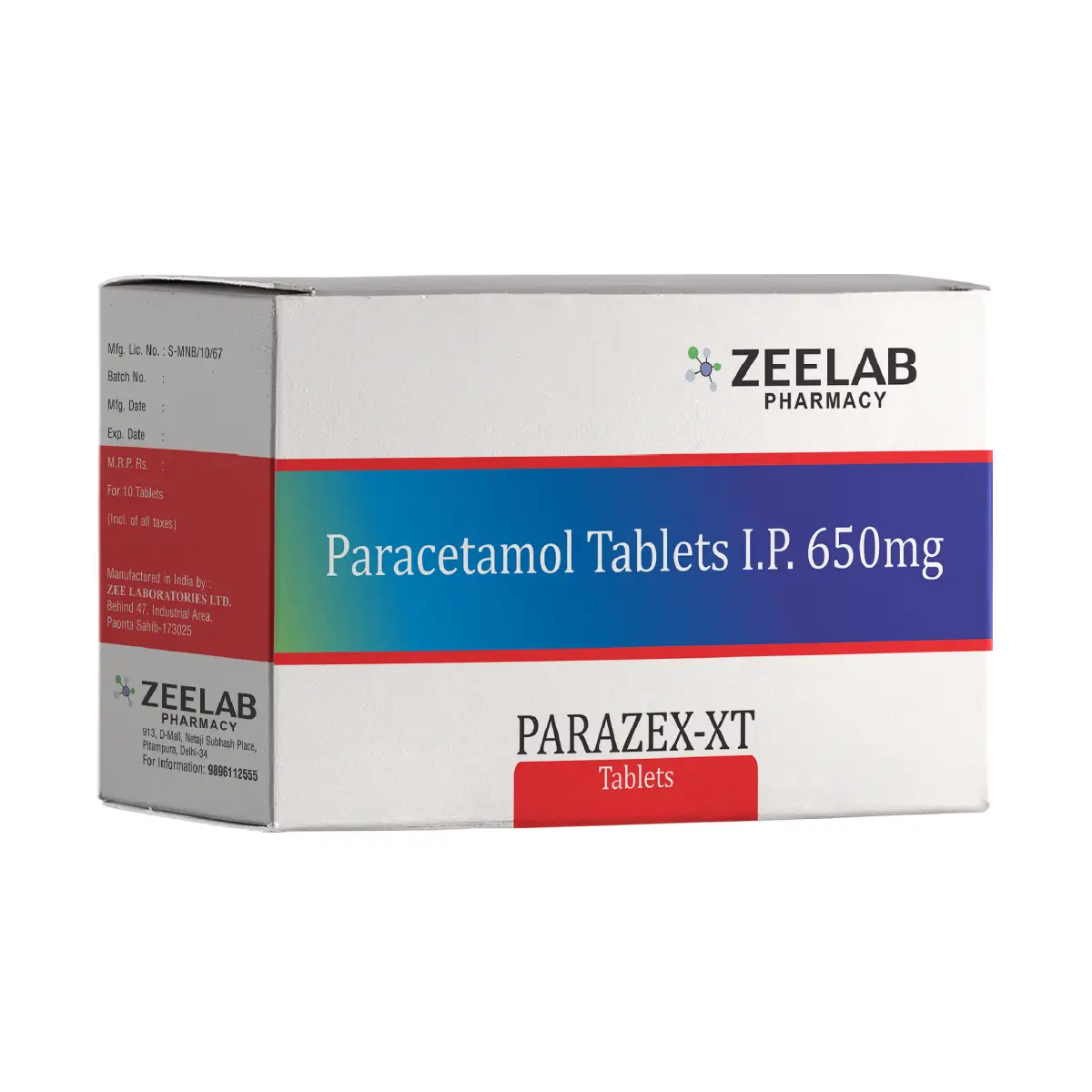
Parazex XT Tablet
Parazex XT is a tablet for dental pain containing paracetamol, commonly used to relieve mild to moderate toothache and reduce fever effectively.
- Composition: Paracetamol (650mg)
- Benefits: Relieves dental pain, reduces fever, is gentle on the stomach, and is suitable for mild discomfort.
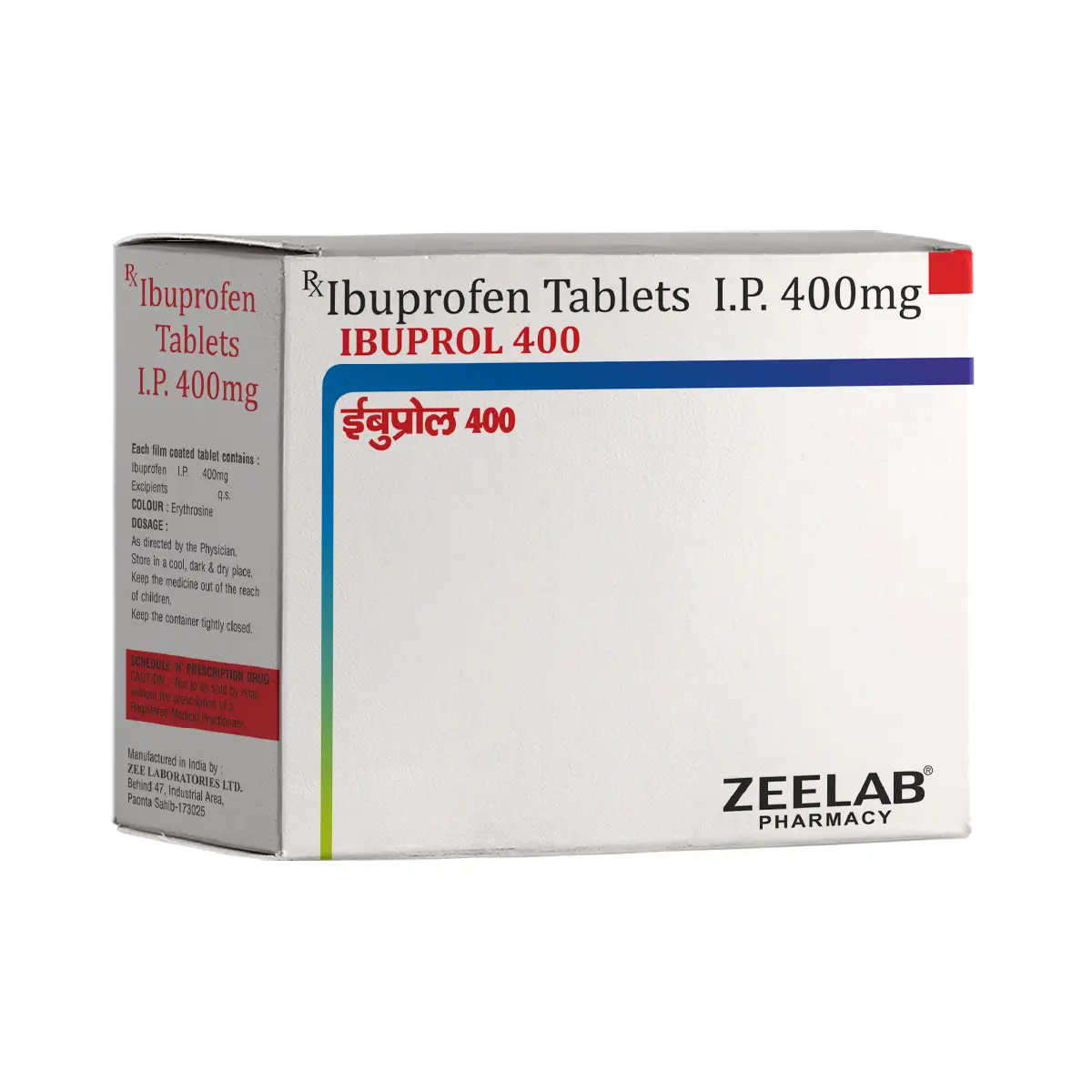
Ibuprol 400 Tablet
Ibuprol 400 Tablet is a medicine for severe tooth pain containing ibuprofen, a widely used NSAID that helps reduce pain, inflammation, and swelling in dental conditions.
- Composition: Ibuprofen (400mg)
- Benefits: Provides fast pain relief, reduces inflammation, and effectively controls swelling and dental discomfort.
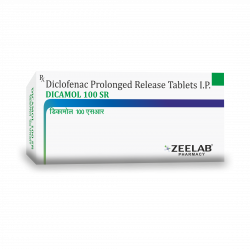
Dicamol 100 SR Tablet
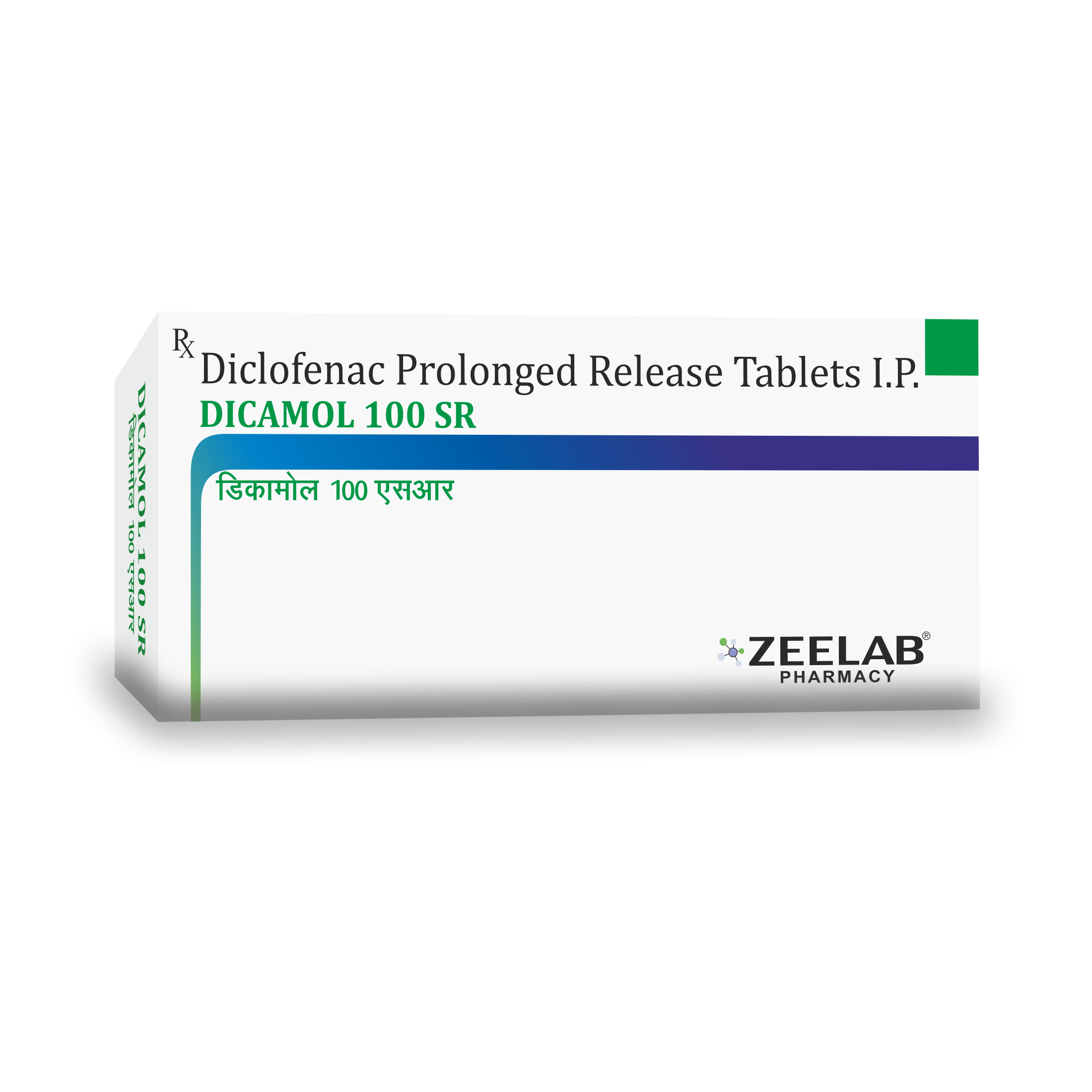
Dicamol 100 SR Tablet is a gum inflammation medicine containing diclofenac, an NSAID that helps manage pain, swelling, and inflammation, commonly used in dental and musculoskeletal conditions.
- Composition: Diclofenac (100mg) SR
- Benefits: Reduces gum swelling, relieves pain, provides sustained action, and improves overall dental comfort.
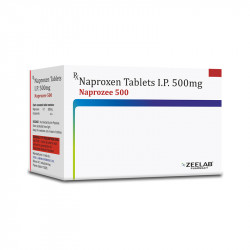
Naprozee 500 Pain Relief Tablet
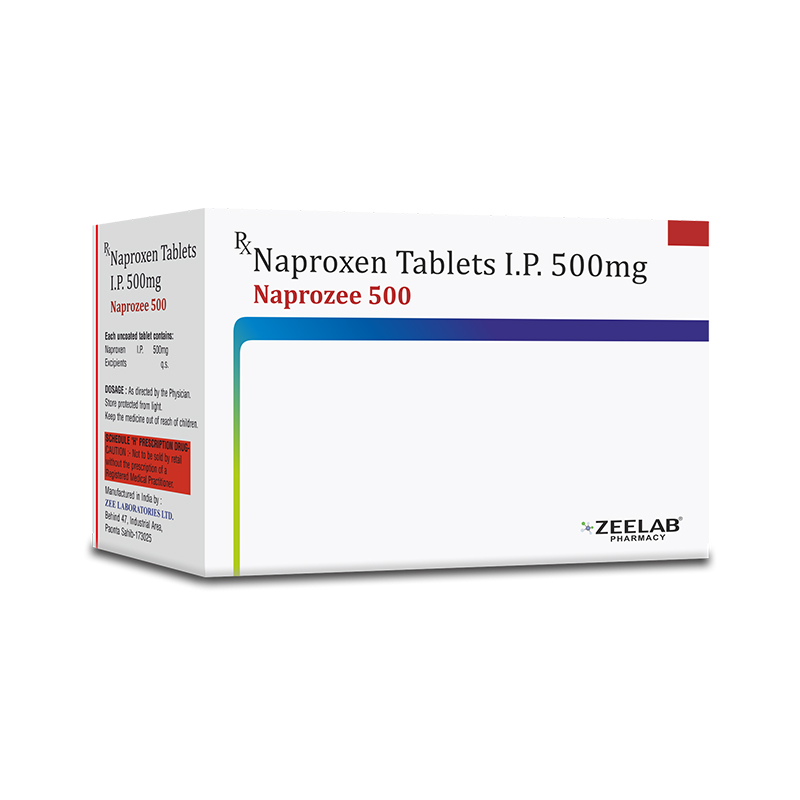
Naprozee 500 Pain Relief Tablet contains naproxen, an NSAID used to manage dental pain, inflammation, and swelling, providing effective relief in conditions like toothache and other inflammatory disorders.
- Composition: Naproxen (500 mg)
- Benefits: Relieves tooth pain, reduces inflammation, controls swelling, and provides long-lasting pain relief effectively.
Which Painkiller is Best for Your Tooth Pain Type?
Now you know that tooth pains come in different forms, so the selection of the dental pain medicine depends on the reason for the pain.
The following table helps in understanding which generic medicine suits a specific type of toothache.
|
Pain Type |
Recommended Generic |
Why It Helps |
|
Mild tooth pain |
Paracetamol |
Effective in providing relief from pain with good tolerance |
|
Inflammatory pain (swelling) |
Ibuprofen |
Combats both pain and swelling |
|
Intense dental pain |
Diclofenac / Aceclofenac |
Highly effective in fighting inflammation and pain |
|
Tooth sensitivity |
Paracetamol |
Relieves mild and short-term pain |
|
Infection-induced pain |
Ibuprofen + (doctor-advised antibiotic) |
Effectively controls pain during treatment of infection |
OTC vs Prescription Medicines for Toothache
Both over-the-counter medicines for tooth pain and the prescription ones can help in toothache relief, depending on the severity and cause.
Although OTC medication is appropriate for mild and temporary toothaches, prescription medications may need to be taken in more severe cases.
|
Basis |
OTC Medicines |
Prescription Medicines |
|
Availability |
Easy availability without a prescription from the doctor |
Prescribed by a physician |
|
Pain Level |
For mild to moderate toothache relief |
For moderate to severe pain |
|
Commonly Include |
Paracetamol, Ibuprofen |
Diclofenac, Aceclofenac, Combination drugs |
|
Action |
Primarily pain relievers (a few may reduce inflammation) |
Provides powerful analgesia with superior anti-inflammatory activity |
|
Use Case |
Temporary relief before visiting the dentist |
For severe pain, infections, or after dental surgery |
When Do You Need Antibiotics for Tooth Pain?
Antibiotics are not necessary in every case of a toothache and should be prescribed only if there is an infection or a probability of one. A dentist recommends antibiotics in the following cases:
- Abscessed tooth accompanied by pus and throbbing pain
- Face or jaw swelling indicates an infection
- General sickness together with pain from a toothache
- An infection which doesn’t respond to basic therapy
- Following some dental surgery to prevent infection
- A weak immune system increases the risk of infections
Read More - Best Antibiotic For Tooth Infection
How to Take Tooth Pain Tablets Safely?
You need to remember the following points while taking a painkiller for tooth pain. These include directions regarding dosage, timing, and precautions.
- Correct dosage: Stick to the right dosage; never take more than what is advised.
- Timing: Follow the correct timing and take it after eating when necessary.
- Avoid mixing: Never mix painkillers without consulting a physician.
- Intake method: Swallow whole using water; do not chew unless advised.
- Short-term use: Should only be used for a short period of time.
- Medical advice: Seek medical help if the pain worsens or remains.
Side Effects of Tooth Pain Killer Tablets
Tooth pain relief tablets may cause side effects in some individuals, especially if used improperly or for a prolonged duration.
- Gastric irritation: Stomach pain, acidity, or discomfort
- Nausea: Feeling of sickness or uneasiness
- Dizziness: Lightheadedness or weakness
- Long-term risks: Prolonged use may increase the risk of stomach ulcers, kidney issues, or other complications
Who Should Avoid Tooth Pain Medicines?
Certain individuals should use tooth pain killer tablets with caution or avoid them unless advised by a doctor:
- Pregnant women: Use only if prescribed by a healthcare professional
- People with kidney or liver disease may be at higher risk of complications
- Patients with stomach ulcers or gastric issues: NSAIDs may worsen the condition
- Elderly individuals: Increased sensitivity to side effects; require careful use
Drug Interactions to Be Aware Of
Tooth pain killer tablets, especially NSAIDs, may interact with certain substances:
- NSAIDs + Blood thinners: May increase the risk of bleeding
- NSAIDs + Alcohol: May raise the risk of stomach irritation and ulcers
Home Remedies for Toothache (Temporary Relief)
Simple home remedies may provide temporary relief from tooth pain:
- Salt water rinse: Helps reduce bacteria and soothe gum inflammation
- Clove oil: May provide temporary numbing relief due to its natural properties
- Cold compress: Helps reduce swelling and numb the affected area
These remedies offer short-term relief and do not replace professional dental treatment.
Fastest Ways to Relieve Tooth Pain Instantly
Sudden toothaches can interfere with everyday routine tasks. Basic actions can offer temporary pain relief and make one comfortable before undergoing proper dental care.
A toothache can be severe and sudden. Temporary remedies can provide temporary relief, but addressing the root cause is critical for sustained relief. Some of the fastest ways to relieve tooth pain include:
- Take a pain relief tablet: Take instant tooth pain relief tablets containing ibuprofen or paracetamol.
- Rinse with warm salt water: Reduces the presence of bacteria and eases inflammation.
- Apply a cold compress: Helps in reducing swelling and numbness.
- Avoid trigger foods: Avoid hot, cold, or sweet foods.
- Maintain oral hygiene: Gently brushing and flossing will help clear trapped food.
- Use clove oil (temporary): May offer temporary numbing relief.
- Keep head elevated: Helps reduce pressure and throbbing pain.
Also Read: Why Fluoride Is Essential for Strong Teeth
When Painkillers Are Not Enough
Dental pain relief medicine may provide temporary relief from pain, but there are times when the problem needs dental intervention to treat the underlying issue. These conditions include:
- A tooth infection or abscess that is severe
- A tooth cavity reaching into the inner layers of the tooth
- Swelling on the face and/or jaw area
- Pain that continues or gets worse
- Cracked, broken, or damaged tooth
- Gum infections with bleeding or pus
- Tooth pain along with fever
- Wisdom tooth pain
Where to Buy Tooth Pain Tablets in India?
You can easily find analgesic tablets for dental pain at local and online pharmacies across India. For more convenience, people prefer ordering online to cut the hassle of going out.
At Zeelab Pharmacy, you can buy the best pain relievers for toothache that are also WHO-approved. Zeelab offers medicines at a very reasonable price and delivers them straight to your doorstep.
Conclusion
When dealing with a toothache, choosing the right tooth pain killer tablet can provide significant relief. Paracetamol, Ibuprofen, Diclofenac, and Acetaminophen are some of the most effective options available in India.
For the best results, remember to follow the recommended dosages and consult with your healthcare provider if necessary.
Additionally, using an online medicine app, like Zeelab Pharmacy, can make it easy to purchase your pain relief tablets from the comfort of your home. Don't forget to address the underlying cause of your toothache by maintaining good oral hygiene and seeking dental care when needed.
For fast and reliable tooth pain relief, choose the right medicine, use it correctly, and take care of your oral health. Your teeth will thank you!
Frequently Asked Questions (FAQs)
Ans.To relieve tooth pain quickly, take a painkiller, rinse with warm salt water, and apply a cold compress. These provide temporary relief until you see a dentist.
Q. How to stop tooth pain fast?
Ans.Ibuprofen or ketorolac provides fast relief by reducing pain and inflammation. For mild pain, paracetamol can also help.
Q. Which tablet gives instant relief from a toothache?
Ans.Paracetamol is used for mild pain, while ibuprofen is better for inflammation. Stronger options like diclofenac may be used for severe pain under medical advice.
Q. What medicine is good for a toothache?
Ans.Yes, tooth pain killer tablets may cause stomach irritation, nausea, dizziness, acidity, or allergic reactions, especially when taken in excessive amounts or without medical advice.
Q. Are there any side effects of tooth pain killer tablets?
Ans.Yes, ibuprofen is commonly used as it reduces both pain and swelling. It should be taken in the recommended dose.
Q. Can I take ibuprofen for tooth pain?
Ans.Diclofenac is effective for severe pain but should be used only under medical supervision due to possible side effects.
Q. Is diclofenac safe for a toothache?
Ans.Mefenamic acid can help reduce pain and inflammation, but should be taken only if prescribed by a doctor.
Q. Is it okay to take mefenamic acid for tooth pain relief?
Ans.Follow the dosage mentioned on the label or prescribed by a doctor. Avoid frequent or excessive use to prevent side effects.
Q. How often can I take tooth pain tablets?
Ans.No, painkillers are for short-term use only. Daily use can lead to side effects, so consult a doctor if pain persists.
Q. Is it safe to take painkillers daily for tooth pain?
Ans.Diclofenac, Mefenamic Acid, or Ketorolac are strong pain tablets often used for dental pain. For lighter pain, Ibuprofen or Paracetamol works well.
Q. Which analgesic tablet helps with dental pain?
Ans.No, painkillers only relieve symptoms. Infections usually require proper dental treatment and sometimes antibiotics.
Q. Are painkillers enough for a tooth infection?
Ans.Painkillers help manage pain, but antibiotics may be needed for infection. Treatment should be guided by a doctor.
Q. Which is the best medicine for tooth pain and infection?
Ans.Common symptoms include severe pain, swelling, fever, sensitivity, bad taste, and pus around the tooth.
Q. What are the symptoms of a dental infection?
Ans.See a dentist if pain lasts more than 1–2 days, becomes severe, or is accompanied by swelling, fever, or difficulty chewing.
Q. When should I see a dentist for tooth pain?
Ans.It may last hours to days, but usually worsens over time and does not go away permanently without treatment.
Q. How long does a toothache last without treatment?
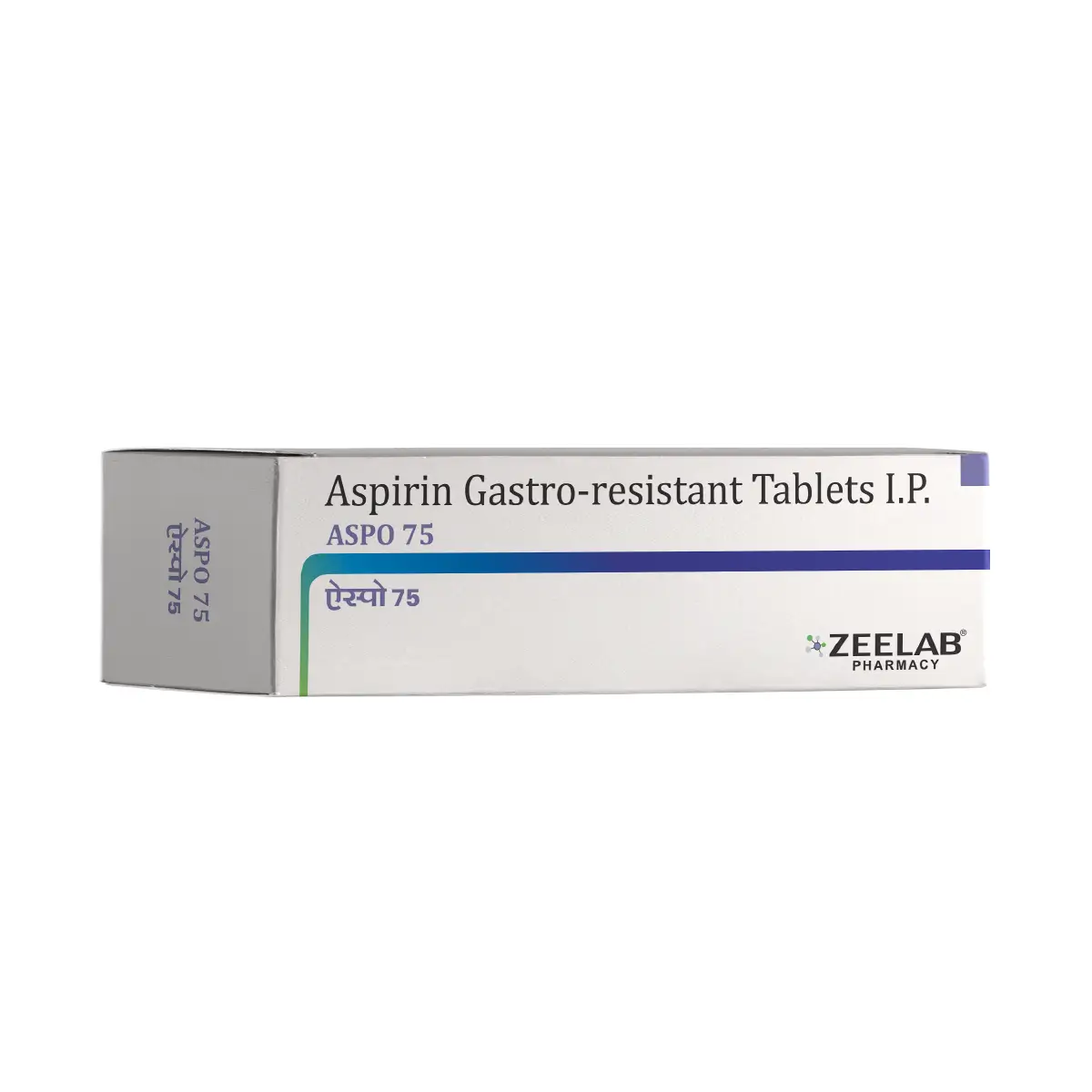
Aspirin (Acetylsalicylic Acid) Gastro Resistant (75 mg)
14 Tablets in 1 strip
Recent Blogs






Disclaimer : Zeelab Pharmacy provides health information for knowledge only. Do not self-medicate. Always consult a qualified doctor before starting, stopping, or changing any medicine or treatment.
Related Products


₹ 0
0
Items added
Quick Links
Categories
Our Policies

Our Socials


Subscribe

2026 Copyright By © Zeelab Pharmacy Private Limited. All Rights Reserved
Our Payment Partners

 Added!