

Best Vitamins and Minerals for Better Sleep Naturally

Do you frequently have trouble falling asleep, even when you're exhausted or wake up in the middle of the night? Sleep issues are becoming more prevalent and can have an impact on your long-term health, mood, mental clarity, and physical recuperation.
The well-known causes of poor sleep include stress, screen time, and irregular schedules, but nutrition is a crucial but frequently disregarded component. In order to maintain peaceful brain chemistry, relax muscles, control stress reactions, and generate hormones that regulate sleep, such as melatonin, your body needs certain vitamins and minerals.
These processes can be hampered by dietary deficiencies in minerals such as calcium, iron, zinc, potassium, magnesium, vitamin D, and vitamin B6, which can result in restless nights and poor sleep.
This blog explains how nutrition affects sleep, which nutrients matter most, and how you can support deeper, more consistent rest naturally.
Why Nutrition Matters for Sleep Quality
Sleep is not a passive state. It is an active biological process regulated by:
- Neurotransmitters in the brain
- Hormones such as melatonin and cortisol
- Nervous system signaling
- Muscle relaxation and oxygen delivery
- The body’s internal circadian rhythm
The body can easily shift from wakefulness to sleep when these nutrients are accessible in sufficient proportions. When they are lacking, sleep signals are interfered with, which can result in non-restorative sleep, trouble falling asleep, or frequent awakenings.
All of these processes require adequate vitamin and mineral availability. When nutrients are lacking, sleep signals become disrupted, making it harder to fall asleep, stay asleep, or feel rested.
How Vitamins and Minerals Regulate Sleep in the Body?
Vitamins and minerals regulate sleep by supporting the biological processes that control the sleep–wake cycle. Sleep depends on balanced hormones, neurotransmitters, nervous system activity, muscle relaxation, and circadian rhythm—all of which require adequate nutrients.
- Melatonin production – initiating and maintaining sleep
- Neurotransmitter balance – calming brain activity
- Muscle and nerve relaxation – preventing restlessness and cramps
- Circadian rhythm regulation – maintaining a healthy sleep–wake cycle
- Stress hormone control – reducing excess cortisol
- Oxygen delivery to the brain – supporting deep, restorative sleep
When these systems function optimally, sleep becomes deeper, longer, and more refreshing.
Essential Vitamins and Minerals for Better Sleep
Certain vitamins and minerals are essential for healthy sleep because they regulate sleep hormones, calm the nervous system, and relax muscles.
- Magnesium – calms the nervous system and relaxes muscles
- Vitamin D – regulates circadian rhythm and mood
- Vitamin B6 – supports melatonin and serotonin production
- Calcium – helps the brain release melatonin
- Iron – supports oxygen delivery and prevents restless sleep
- Zinc – improves sleep efficiency and brain relaxation
- Potassium – prevents nighttime muscle cramps
Let’s explore each Vitamin and Mineral for Better Sleep in Detail.
a.) Magnesium for Relaxation and Deep Sleep
Magnesium plays a central role in calming the nervous system and reducing muscle tension. It helps regulate neurotransmitters that promote relaxation and also controls cortisol, the body’s main stress hormone.
Low magnesium levels are linked to:
- Difficulty falling asleep
- Frequent nighttime awakenings
- Light, non-restorative sleep
- Increased nervous system excitability
Studies have found that a lack of magnesium in the body can cause symptoms such as insomnia, frequent awakenings throughout the night, and poor sleep quality. Low magnesium levels may increase nervous system excitability, making it harder for the body to relax at night.
Also Read: Magnesium for sleep
Food Sources of Magnesium
|
Food Source |
Benefits |
|
Spinach and leafy greens |
Rich, easily absorbable source supporting nerve relaxation |
|
Almonds and cashews |
Promote muscle relaxation and improve sleep quality |
|
Pumpkin seeds |
High magnesium content supports a calm nervous system |
|
Whole grains |
Help maintain steady magnesium levels in the body |
|
Legumes (beans, lentils) |
Support neurotransmitter and muscle function |
b.) Vitamin D for Circadian Rhythm Balance
Vitamin D helps regulate the body’s internal clock and supports brain areas involved in sleep. Vitamin D deficiency is common in people with limited sun exposure, indoor lifestyles, darker skin tones, or certain medical conditions.
How Vitamin D Supports Sleep?
- Regulates circadian rhythm
- Supports melatonin regulation
- Reduces inflammation that may disrupt sleep
- Improves mood and emotional stability
Food Sources of Vitamin D
|
Food Source |
Vitamin D Content (Approx.) |
Benefit for Sleep |
|
Fatty fish (salmon, mackerel) |
High |
Supports circadian rhythm and sleep quality |
|
Fish liver oil (cod liver oil) |
Very high |
Helps regulate melatonin and sleep–wake cycle |
|
Egg yolk |
Moderate |
Supports hormone balance and sleep regulation |
|
Fortified milk |
Moderate |
Helps maintain healthy vitamin D levels |
|
Fortified cereals |
Moderate |
Supports consistent sleep patterns |
|
Fortified plant-based milks |
Moderate |
Aids circadian rhythm regulation |
|
Mushrooms (sun-exposed) |
Low–Moderate |
Contribute to overall vitamin D intake |
c.) Vitamin B6 for Melatonin Production
Vitamin B6 is essential for converting tryptophan into serotonin, which is then converted into melatonin, the hormone responsible for controlling the sleep-wake cycle.
It also supports nervous system function, helping the body manage stress and maintain stable, healthy sleep patterns.
How Vitamin B6 Supports Sleep?
- Improve sleep onset
- Reduce nighttime awakenings
- Support stress management
- Maintain stable sleep patterns
Food Sources of Vitamin B6
|
Food Source of Vitamin B6 |
Benefit |
|
Bananas |
Support serotonin production and nervous system relaxation |
|
Chickpeas |
Rich plant source supporting hormone and brain function |
|
Poultry (chicken, turkey) |
Helps promote melatonin production and sleep regulation |
|
Fish (salmon, tuna) |
Supports neurotransmitter balance and sleep quality |
|
Potatoes |
Provide steady support for energy and nervous system health |
|
Fortified cereals |
Help maintain adequate daily vitamin B6 intake |
d.) Calcium for Sleep Cycle Regulation
Calcium helps the brain release melatonin and supports nervous system relaxation. Calcium supports the body’s natural sleep cycle in the following ways.
How Calcium Supports Sleep?
- Helps the brain release melatonin, the hormone that regulates sleep
- Assists in the conversion of tryptophan to melatonin
- Promotes nervous system relaxation, preparing the body for sleep
- Helps maintain a stable and consistent sleep–wake cycle
Maintaining high calcium levels in the body helps in the proper functioning of melatonin and promotes better sleep.
Food Sources of Calcium-Rich Foods
|
Food Source |
Calcium Content (Approx.) |
Benefit for Sleep |
|
Milk |
High |
Supports melatonin production and sleep regulation |
|
Yogurt |
High |
Promotes nervous system relaxation |
|
Cheese |
High |
Helps maintain a stable sleep–wake cycle |
|
Leafy greens (spinach, kale) |
Moderate |
Supports nerve and muscle relaxation |
|
Almonds |
Moderate |
Helps calm the nervous system |
|
Sesame seeds |
High |
Supports hormone balance and sleep quality |
|
Tofu (calcium-set) |
High |
Aids muscle relaxation and sleep regulation |
|
Fortified foods (cereals, juices) |
Moderate–High |
Helps meet daily calcium needs for better sleep |
e.) Iron for Restless Sleep Prevention
Iron plays an essential role in brain function and healthy sleep patterns. Adequate iron levels help ensure comfortable, uninterrupted sleep, while a deficiency can significantly disrupt rest.
How Iron Supports Better Sleep?
- Prevents Restless Legs Syndrome (RLS): Low iron levels are strongly linked to RLS, which causes uncomfortable leg sensations and an urge to move at night, making it difficult to fall and stay asleep.
- Supports Oxygen Delivery: Iron is vital for transporting oxygen throughout the body. Low levels reduce oxygen supply to the brain and muscles, leading to fatigue and poor sleep quality.
- Regulates Brain Chemicals: Iron helps maintain proper neurotransmitter function involved in sleep regulation and nervous system balance.
- Improves Sleep Comfort and Continuity: Maintaining healthy iron levels supports better energy, improved sleep comfort, and overall sleep quality.
Food Sources of Iron
|
Food Source |
Iron Content (Approx.) |
Benefit for Sleep |
|
Red meat |
High |
Supports oxygen delivery and brain function |
|
Liver |
Very high |
Helps prevent iron-deficiency–related sleep disturbances |
|
Poultry (chicken, turkey) |
Moderate |
Supports energy levels and sleep continuity |
|
Fish (sardines, tuna) |
Moderate |
Aids neurotransmitter function |
|
Spinach and leafy greens |
Moderate |
Supports nervous system health |
|
Lentils and beans |
Moderate |
Help maintain iron levels and reduce fatigue |
|
Tofu |
Moderate |
Plant-based support for oxygen transport |
|
Fortified cereals |
High |
Helps meet daily iron requirements |
f.) Zinc for Sleep Efficiency
Zinc is a trace mineral that is essential for brain function and the regulation of sleep by ensuring proper neurotransmitter function. It is involved in the regulation of the nervous system to calm it down and ensure proper sleep function.
How Zinc Supports Sleep Efficiency?
- Regulates neurotransmitters responsible for sleep and relaxation
- Regulates calm brain activity to induce sleep
- Aids in the regulation of sleep efficiency and sleep quality
- May aid in the reduction of nighttime awakenings
- Regulates the nervous system for enhanced sleep
Food Sources of Zinc-Rich Foods
|
Food Source |
Zinc Content (Approx.) |
Benefit for Sleep |
|
Pumpkin seeds |
High |
Supports neurotransmitter balance and relaxation |
|
Cashews |
Moderate |
Helps calm the nervous system |
|
Chickpeas |
Moderate |
Aids brain function and sleep regulation |
|
Lentils |
Moderate |
Supports the nervous system and sleep efficiency |
|
Whole grains |
Moderate |
Helps maintain steady zinc levels |
|
Dairy products (milk, cheese) |
Low–Moderate |
Supports melatonin regulation |
|
Eggs |
Low–Moderate |
Contribute to overall brain and sleep health |
|
Dark chocolate (in moderation) |
Moderate |
Supports relaxation and stress reduction |
g.) Potassium for Muscle Relaxation
If you also experience muscle spasms or discomfort while sleeping, Potassium can also be of great benefit to you since it helps in the regulation of muscle contractions and nerve impulses, which is important for muscle relaxation during sleep.
Nighttime muscle spasms or discomfort due to low levels of potassium in the body can cause frequent awakenings from sleep. To prevent this, you should consume foods rich in potassium.
How Potassium Supports Sleep Efficiency?
- Regulates muscle contractions
- Supports nerve signalling
- Maintains electrolyte balance
- Reduces nighttime movement
- Supports consistent sleep continuity
Food Sources of Potassium-Rich Foods
|
Food Source |
Potassium Content (Approx.) |
Benefit for Sleep |
|
Bananas |
Moderate |
Helps prevent muscle cramps and supports relaxation |
|
Spinach |
High |
Supports nerve signalling and muscle relaxation |
|
Sweet potatoes |
High |
Helps reduce nighttime muscle discomfort |
|
Avocados |
High |
Supports electrolyte balance and nervous system health |
|
Oranges |
Moderate |
Aids muscle function and hydration |
|
Beans and lentils |
High |
Support muscle relaxation and sleep continuity |
|
Yogurt |
Moderate |
Helps maintain electrolyte balance |
|
Coconut water |
Moderate–High |
Prevents muscle spasms and supports hydration |
These can aid in maintaining electrolyte balance, preventing muscle spasms, and ensuring more comfortable and continuous sleep.
Also Read: Comparison of Ashwagandha vs Melatonin for better Sleep Support
Signs Your Sleep Problems May Be Nutrient Related
Just as vitamins and minerals can help with sleep, a deficiency in these nutrients can also impact sleep. Some symptoms of a nutrient deficiency include:
- Trouble falling or staying asleep
- Frequent awakenings during the night
- Feeling tired or lacking energy during the day
- Muscle spasms or twitching, especially at night
- Restless legs or uncomfortable sensations in the limbs
- Feeling stressed, anxious, or irritable
- Trouble concentrating or feeling mentally cloudy
- Frequent illnesses or feeling like you’re sick all the time
Recommended Daily Intake for Vitamins and Minerals for Sleeping Better
Till now, you must have understood what vitamins and minerals affect sleep. Now, in this section, we will talk about the quantity of these nutrients you should include in your daily diet.
|
Nutrient |
Recommended Daily Intake (Adults) |
|
Magnesium |
310–420 mg per day |
|
Vitamin D |
600–800 IU (15–20 mcg) per day |
|
Vitamin B6 |
1.3–1.7 mg per day |
|
Calcium |
1,000–1,200 mg per day |
|
Iron |
8–18 mg per day |
|
Zinc |
8–11 mg per day |
|
Potassium |
2,600–3,400 mg per day |
Note: Daily requirements may vary based on age, gender, health status, and medical conditions.
Should You Take Supplements for Sleep?
Supplements can be beneficial if the lack of sleep is associated with a proven deficiency or low dietary intake of a nutrient. Magnesium, vitamin D, iron, and zinc are some nutrients that can help with the regulation of sleep when they are low in the body.
However, supplements should not replace a balanced diet or healthy sleep habits. Excess or unnecessary supplementation may cause unwanted effects. It is always advisable to consult a doctor before taking any supplements.
Also Read: Ayurvedic Medicine for Restful Sleep
Lifestyle Tips to Improve Sleep Along with Nutrition
Healthy sleep requires not only healthy eating but also healthy daily routines. Adhering to healthy lifestyle habits can also help you manage your body clock and prevent the possibility of developing a sleep disorder at night.
- Maintain a consistent sleep schedule by sleeping and waking at the same time daily.
- Avoid screens at least 30-60 minutes before bedtime
- Avoid caffeine, nicotine, and heavy meals close to bedtime
- Engage in regular physical activity, but avoid intense exercise late in the evening
- Make your bedroom a relaxing, dark, and comfortable place to sleep
- Practice relaxation techniques such as deep breathing or meditation
- Get adequate sunlight exposure to help regulate your body’s natural circadian rhythm
- Reduce stress through healthy habits and balanced daily routines
Conclusion
The quality of your sleep is also related to your nutritional levels, and even a slight deficiency can be a reason for persistent sleep problems. By knowing which minerals and vitamins can improve your sleep, you can make the right decisions to help your body regulate sleep naturally.
Magnesium, vitamin D, vitamin B6, calcium, iron, zinc, and potassium are some nutrients that have a significant role in helping you relax, regulating hormones, and managing your nervous system.
Adding the best vitamins for stress and lack of sleep to your diet can help you sleep better, regain your energy, and feel physically and mentally refreshed.
Frequently Asked Questions (FAQs)
Ans.Vitamins such as vitamin D, vitamin B6, and minerals like magnesium, zinc and calcium are important and help with deep sleep. They support melatonin production, regulate the sleep cycle, and promote relaxation naturally.
Ans.Yes, improving nutrition supports sleep hormone production, nervous system function, and muscle relaxation. Adequate intake of essential vitamins and minerals helps promote healthier and more consistent sleep.
Ans.Vitamin B6 helps convert tryptophan into serotonin and melatonin, which regulate sleep cycles. Adequate intake supports faster sleep onset, improves sleep quality, and helps maintain consistent sleep patterns.
Ans.Common causes include stress, anxiety, poor sleep habits, excess screen time, irregular schedules, and nutrient deficiencies. Some people also use Medicine For Anxiety And Stress, as unmanaged stress can disrupt melatonin production and sleep cycles.
Ans.Deficiencies in magnesium, iron, calcium, and zinc are commonly linked to insomnia. These minerals support nervous system function and sleep hormone production, and low levels may disrupt normal sleep patterns.
Ans.Magnesium, vitamin B6, vitamin D, and zinc are among the best vitamins for stress and trouble sleeping. They help regulate sleep hormones, calm the nervous system, and promote relaxation for better sleep.
Ans.Vitamin and mineral supplements cannot fully replace sleep medications, especially in severe cases. However, they may support natural sleep if deficiencies exist. Always consult a healthcare professional before making treatment changes.
Ans.Multivitamins may help manage sleep problems if poor sleep is linked to nutrient deficiencies. They support nervous system function, hormone balance, and overall health, which can contribute to improved sleep quality.
Ans.Vitamins such as B6 and minerals like magnesium help regulate neurotransmitters that calm the nervous system. This reduces stress, promotes relaxation, and helps the body prepare for restful sleep naturally.
Ans.Potassium helps regulate muscle contractions and prevents
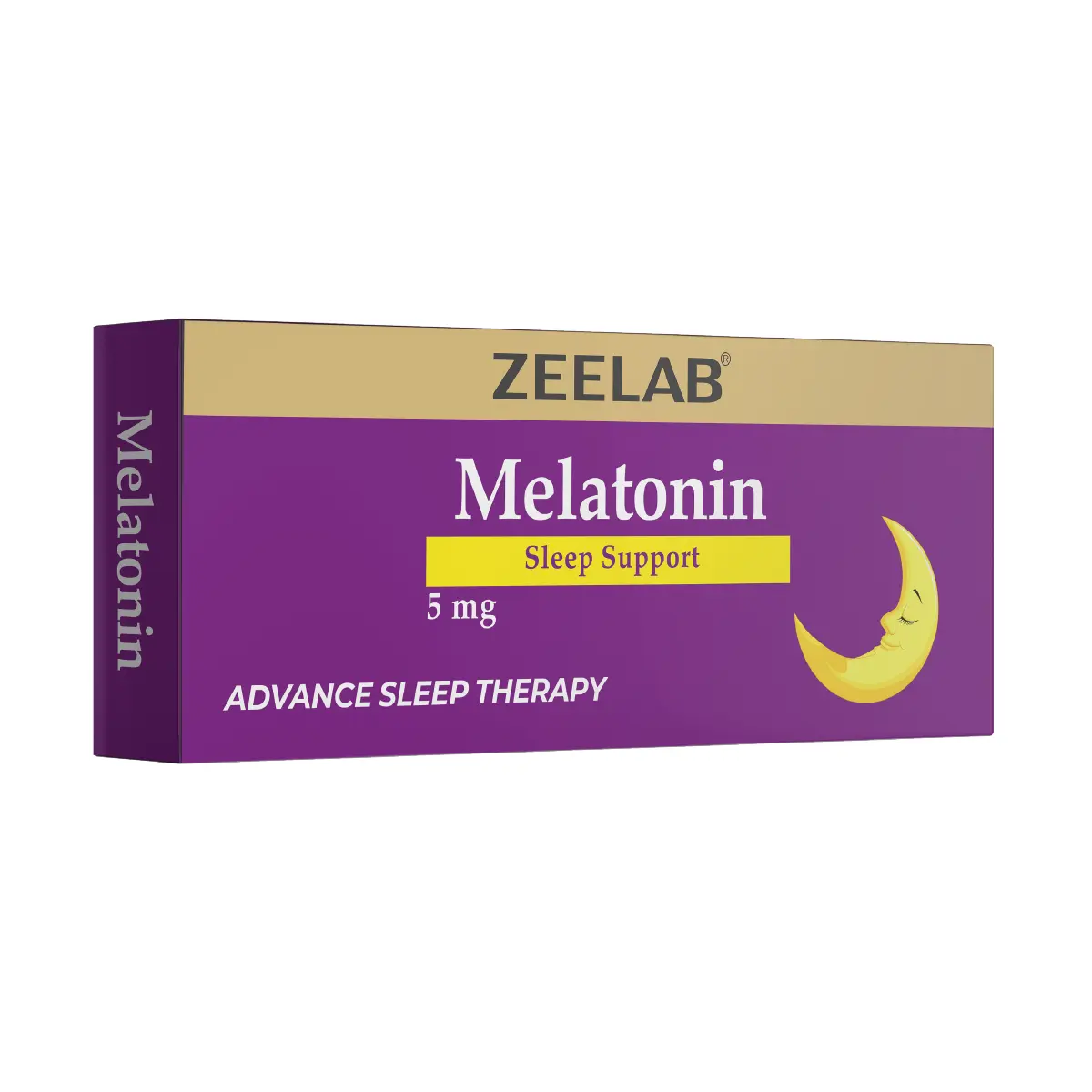
Melatonin (5mg)
14 Tablets In 1 Strip
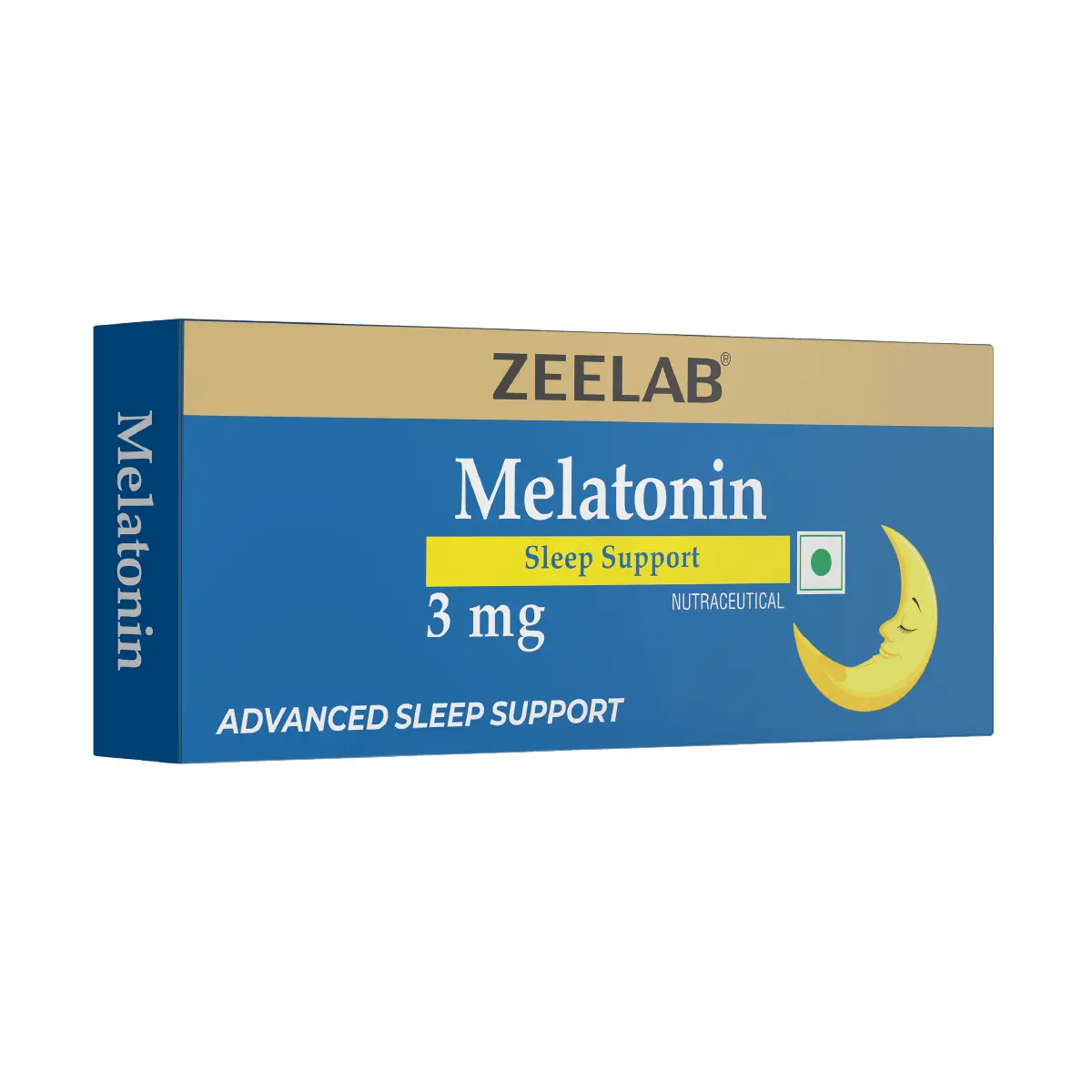
Melatonin (3mg)
14 Tablets In 1 Strip

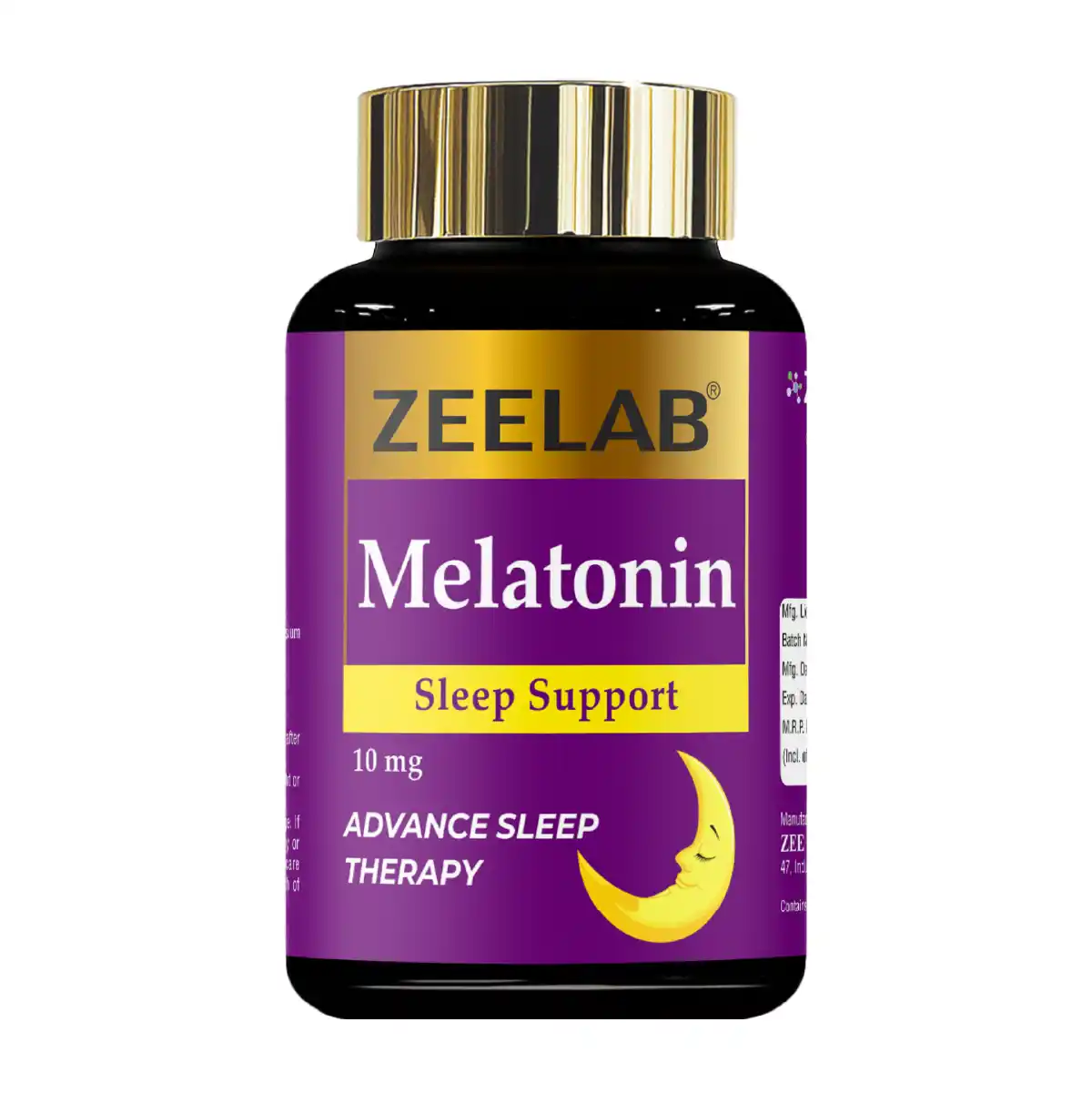
Melatonin (10 mg) + Tartar (100 mg) + L-Theanine (50 mg) + L-Tryptophan (50 mg) + Magnesium (50 mg) + Vitamin B6 (1.90 mg) + Iron (17 mg) + Zinc (10 mg)
15 Tablets in 1 Strip
Recent Blogs






Disclaimer : Zeelab Pharmacy provides health information for knowledge only. Do not self-medicate. Always consult a qualified doctor before starting, stopping, or changing any medicine or treatment.
Related Products


₹ 0
0
Items added
Quick Links
Categories
Our Policies

Our Socials


Subscribe

2026 Copyright By © Zeelab Pharmacy Private Limited. All Rights Reserved
Our Payment Partners

 Added!