

Eye Stye (Hordeolum): Meaning, Causes, Symptoms, Types & Treatment for Eyelid Bumps
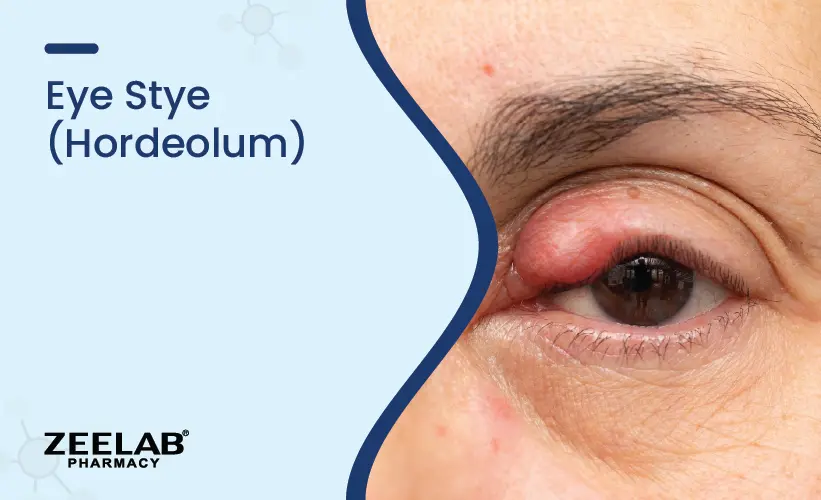
Overview of Eye Stye (Hordeolum): Meaning, Causes, Symptoms, Types & Treatment for Eyelid Bumps
An eye stye is a painful, red, and small bump on the eyelid. It is completely different from other eye problems like conjunctivitis, blepharitis, chalazion, etc.
It occurs due to a bacterial infection in the oil gland or eyelash follicle. A stye leads to swelling, watering, and pain while blinking.
Even though most styes are short-term and self-healing, proper eyelid hygiene can reduce symptoms and promote healing. Warm compresses are often suggested as a form of treatment, while some cases may require medical attention.
Let's understand what an eye stye means, its symptoms, prevention, and treatment options.
What is an Eye Stye (Hordeolum)?
A stye is a painful bump that forms on the edge of the eyelid. Medically known as a hordeolum, it is a bacterial infection of an eyelash follicle.
It may look similar to a pimple, with swelling, redness, and pain in the surrounding areas. A hordeolum is a very common condition that may affect both children and adults.
Different Types of Eye Stye or Hordeolum
Eye styes are mainly classified into two types:
- External Stye/Hordeolum: On the outer edge of the eyelid. This usually occurs in the Zeis or Moll gland.
- Internal Stye/Hordeolum: On the inner surface of the eyelid facing the eyeball, inside the oil-producing meibomian gland.
What Causes a Stye?
Eye styes are caused by a bacterial infection with Staphylococcus aureus in the oil gland or the eyelash follicle of either eye. Styes are often triggered by the following:
- Poor hygiene leading to oil or dirt buildup in the lashes.
- Frequently touching the eyes with unclean fingers.
- Using old or contaminated eye cosmetics.
- Blocked oil glands near the eyelids.
- Using contact lenses unhygienically.
- Blepharitis.
Common Eye Stye Symptoms
An eye stye usually develops gradually and may cause discomfort around the affected eyelid. The symptoms can vary depending on its size and location.
Common symptoms include:
- A pimple-like bump on the eyelash line
- Swelling in the eyelids or the whole eye
- Pain while blinking
- Watery eyes
- Crust formation
- Constant irritation
- Formation of pus or discharge
Explore the available options for eye drops for itchy eyes.
How Long Does an Eye Stye Last?
Eye styes are uncomfortable and typically last for at least 1 or 2 weeks without medical treatment. For styes lasting longer than this duration, urgent medical care is needed.
When treatment is combined with precautions, the developing and healing timeline can be:
|
Timeline |
Improvement |
|
Day 1-3 |
Bump develops, reddens, with peak swelling. |
|
Day 4-7 |
Stye starts to open and shrink. |
|
1-2 weeks |
Most styes heal completely. |
Treatment option for Eye Stye
Stye treatment mainly includes warm compresses and over-the-counter medications. Only in severe cases, there might be a need for surgical procedures.
It is recommended to start with simple measures first and visit a doctor if there is no improvement.
- Warm Compresses – It is both a remedy and the first treatment option for a hordeolum, where a piece of cloth soaked in warm water is placed on the affected eye for 10 to 15 minutes.
- Antibiotic Eye Ointments or Drops - The eye specialist might recommend the use of prescription antibiotic stye eye drops or ointment for controlling symptoms.
- OTC Pain Relief Medicines – Suitable pain medications can help reduce pain, discomfort, and sensitivity.
- Surgical Methods - In case of a huge bump or stubborn stye that cannot be healed through simple methods, the eye specialist might perform a small operation to drain the pus.
For other common eye-care concerns, such as dryness, you can learn about eye drops for daily use.
Quick Methods for Eye Stye Relief
The pain and discomfort from an eye stye can be temporarily relieved with the following methods:
- Dip a clean cotton cloth in warm water, wring it, and place it on the eye for 10 to 15 minutes.
- Take OTC painkillers like paracetamol or ibuprofen.
- If you are wearing contact lenses, remove them and wear glasses instead.
Possible Complications of an Untreated Eye Stye
Styes are like a small pimple on the eyelid and in most of the cases, they heal on their own or with simple over-the-counter medications.
An untreated or spreading infection can lead to severe complications like-
- Preseptal cellulitis
- Recurring styes
- Persistent lump or chalazion
- Short-term vision disturbance
What to Avoid if You Have an Eye Stye Infection?
For faster healing and preventing the spread of an eye stye, the following things should be strictly followed:
- Do not squeeze, pop or puncture the stye.
- Avoid rubbing or scratching your eyes.
- Do not share towels, handkerchiefs or eye makeup.
- Avoid using expired or contaminated eye cosmetics.
- Do not wear contact lenses while the eye is affected.
- Avoid applying toothpaste, lemon juice, honey or other home ingredients directly to the eye.
- Do not use antibiotic or steroid eye drops without a doctor's prescription.
How to Prevent Eye Styes?
To prevent eye stye and the discomfort due to it, follow these stye or hordeolum preventive measures on a regular basis.
- Before touching your eyes, wash your hands.
- Clean your eyelids and eyelashes often.
- Remove all eye makeup before going to bed.
- Replace old mascara and other eye makeup on a regular basis.
- Avoid sharing personal eye-care products and towels.
- Handle contact lenses as directed. Clean contact lenses.
- Manage existing eyelid conditions, for example, blepharitis.
- Especially do not rub your eyes with unwashed hands.
When To See An Eye Doctor for a Stye?
Although most eye styes improve with home care, certain symptoms may indicate a more serious infection that requires medical attention.
Consult an eye doctor if you experience:
- Severe swelling or pain of the eyelids.
- Redness or swelling that spreads to the face.
- Blurred vision.
- Difficulty opening the affected eye.
- Fever and swollen eyelids.
- Excess discharge or pus.
- No improvement or persistent symptoms despite self-care.
- Repeated eye styes occurring within a short period.
Conclusion
An eye stye, hordeolum, or pimple on the eyelid is a common bacterial infection that usually causes a painful, red bump, swelling and irritation on the edge of the eyelid.
Most cases of this eye pimple improve with warm compresses, proper eyelid hygiene and simple self-care measures.
If swelling is severe, affects vision or does not improve, see an ophthalmologist for appropriate treatment.
Good eye hygiene can promote healing and help prevent infections from recurring.
Frequently Asked Questions (FAQs)
Q1. What is a stye or hordeolum?
Q2. Why do pimples on the eyelid happen?
Q3. How are a stye and chalazion different?
Q4. Is an eye stye the same as conjunctivitis?
Q5. Are internal hordeolums dangerous?
Q6. Can an eye stye heal on its own?
Q7. How can I get rid of a stye overnight?
Q8. Are there any home remedies for an eye stye?
Q9. How long does an eye stye take to heal?
Q10. Does hordeolum treatment require surgery?
Q11. Can an eye stye transfer from person to person?
References
Disclaimer : Zeelab Pharmacy provides health information for knowledge only. Do not self-medicate. Always consult a qualified doctor before starting, stopping, or changing any medicine or treatment.
Table of Content
Related Products

Related Disease


₹ 0
0
Items added
Quick Links
Categories
Our Policies

Our Socials


Subscribe

2026 Copyright By © Zeelab Pharmacy Private Limited. All Rights Reserved
Our Payment Partners

 Added!