

Insomnia: Meaning, Causes, Symptoms and Medicines for Better Sleep
Overview of Insomnia: Meaning, Causes, Symptoms and Medicines for Better Sleep
If you are also unable to fall asleep, wake up repeatedly at night, and feel tired every morning, you may have insomnia. It is a common sleep disorder that affects around 16% of people in the world, and many are still undiagnosed.
Our rapidly changing lifestyle often causes stress and anxiety, which is one of the main reasons for insomnia. When you don't get proper sleep, it may affect your energy levels, mood, and many other activities throughout the day.
The best thing is that insomnia can be managed through prescription medications and lifestyle changes. Let’s learn what insomnia means, its causes, symptoms, complications and how it can be treated.
What is Insomnia?
Insomnia is a disorder that disrupts your sleep. For someone with insomnia, it’s not enough to have the best sleeping environment.
They may not be able to fall asleep or stay asleep. This sleep disturbance has a huge impact on a person's daily life because of fatigue, irritation and disturbed focus all day.
Different Types of Insomnia
Based on how long a person is suffering from the inability to have quality sleep and what other symptoms they show, insomnia is classified into the following types:
- Acute insomnia: Short-term sleep problems that may last only for a few days or a week due to temporary reasons like stress, travel, or routine changes.
- Chronic insomnia: Sleep problems at least 3 nights a week for at least 3 months.
- Sleep-onset insomnia: Trouble falling asleep after getting into bed.
- Sleep-maintenance insomnia: Trouble staying asleep. For example, waking up in the middle of the night and not being able to get back to sleep.
- Early-morning awakening: Waking up earlier than you want and being unable to return to sleep.
Common Causes of Insomnia
A lot of people suffer from sleeplessness and insomnia, but surprisingly, the causes behind this issue are similar for many. The common reasons for insomnia are:
- Stress and anxiety due to different reasons
- Poor sleep habits like irregular bedtimes, late-night screen use, naps during the day, etc.
- Intake of caffeine or nicotine around bedtime
- Odd working hours, jet lag, etc., that disturb circadian rhythm
- Certain medical issues
- Hormonal changes
What are the Signs and Symptoms of Insomnia?
When you cannot fall asleep at night for many days, that is the major sign of having insomnia.
But this sleeping issue does not only affect you at night; it also affects you during the day. Common signs of insomnia might be:
- Struggling to fall asleep at bedtime.
- Waking up frequently during the night or too early in the morning.
- Feeling tired even after waking up.
- Daytime sleepiness and a lack of energy.
- Changes in mood, irritability or anxiety.
- Trouble concentrating, remembering things, or making decisions.
- Decreased performance at work, school, or other activities
Why Should You Treat Insomnia?
Symptoms of insomnia may include poor concentration, disturbed focus, changes in mood, fatigue, low energy and much more.
These can impact your relationships, your decision-making, and your productivity. Chronic insomnia may also raise your risk of some health problems.
This is why you need to treat insomnia and make your sleep cycle normal again.
How Can You Treat Insomnia?
Some prescription medicines, home remedies, lifestyle changes and behavioural therapies are useful for insomnia. The best approach for you will depend on the cause, severity and duration of the insomnia.
- Medications: Prescription medications and supplements with sleep-supporting minerals and vitamins are often used for sleep issues like insomnia.
- Home remedies: Relaxation techniques, warm baths, and a calming bedtime routine may help for better sleep quality.
- Lifestyle changes: Maintaining regular sleep timings, limiting caffeine, and reducing screen time before bed can improve sleep habits.
- Cognitive behavioural therapy for insomnia (CBT-I): This approach helps to address the thoughts and behaviours that interfere with sleep and is usually the first-line therapy for chronic insomnia.
Which Medicines are Used to Treat Insomnia?
Certain sleep-inducing medications and supplements may help people who struggle to fall asleep or stay asleep. A doctor will prescribe the right drug for an insomniac.
Some of the best medicines for sleeplessness are:
|
Medicine & Supplement |
Common use |
|
Melatonin |
May help regulate sleep timing, particularly when the body's sleep-wake cycle is disrupted. |
|
Zolpidem or Zopiclone |
A prescription medicine used for certain short-term insomnia problems. |
|
Magnesium |
May help calm the nervous system and support sleep. |
|
Temazepam |
A benzodiazepine that may be prescribed for short-term sleep difficulties in some cases. |
|
Low-dose doxepin |
May help people who frequently wake up during the night. |
|
Orexin receptor antagonists |
Prescription medicines that may help with falling asleep or staying asleep. |
List of Best Sleep-Supporting Supplements for Insomnia
For the management of chronic insomnia, you may require a prescription medicine. Doctors often recommend the following sleeping tablets or sleep-supporting supplements according to what is suitable for the patient.
Melatonin 3 Tablet
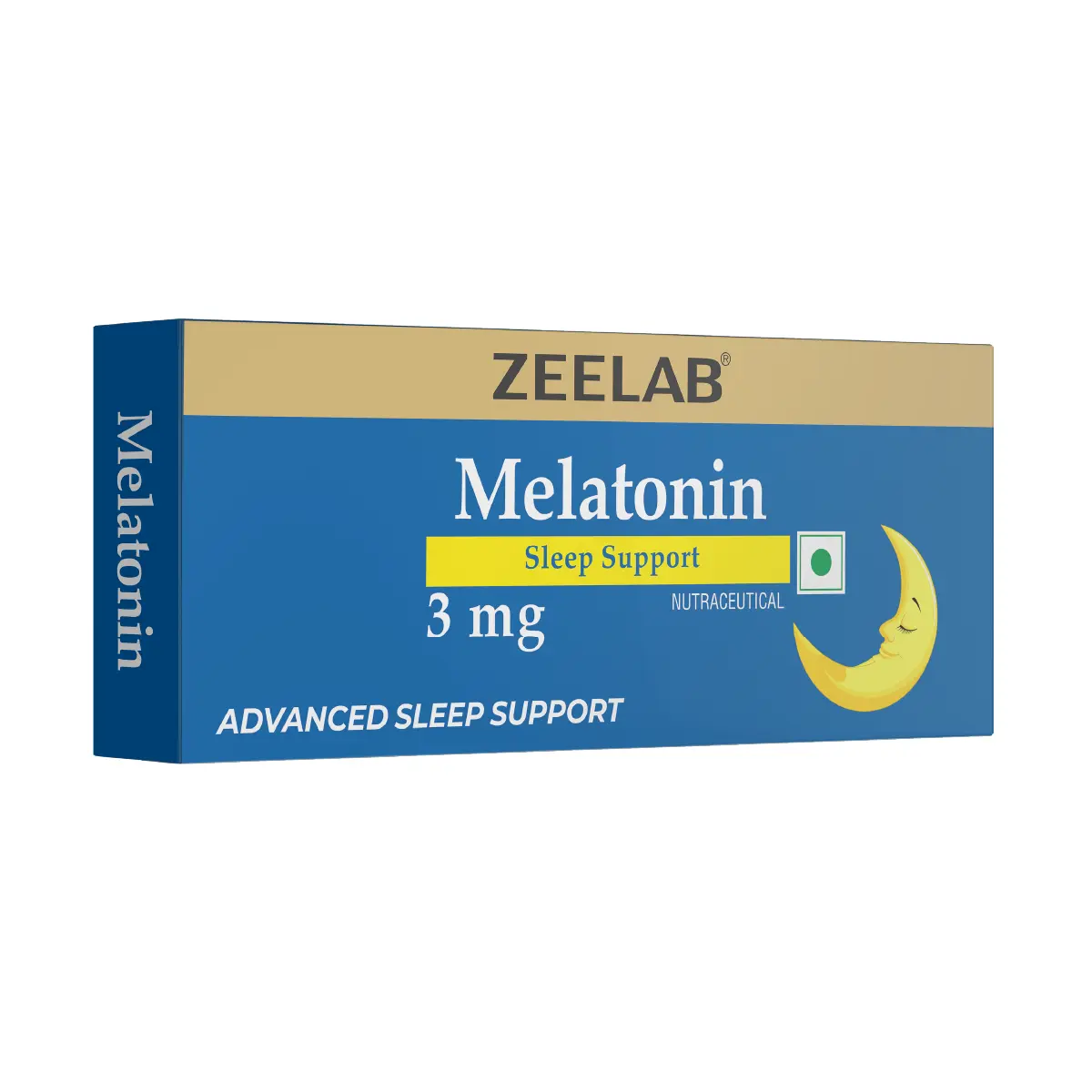
- Composition: Melatonin (3 mg)
- Benefits: May help regulate sleep timing and support sleep in certain cases of insomnia.
Zzz Tablet
- Composition: Melatonin (10 mg) + Tartar (100 mg) + L-Theanine (50 mg) + L-Tryptophan (50 mg) + Magnesium (50 mg) + Vitamin B6 (1.90 mg) + Iron (17 mg) + Zinc (10 mg)
- Benefits: Supports sleep-wake regulation and provides nutritional support for normal nervous system function.
Also read: Magnesium for Sleep
Side Effects of Sleeping Pills
Sleeping tablets or pills must be taken according to your doctor’s instructions and dosage because of the many possible side effects they can cause. Some common side effects are-
- Daytime sleepiness and fatigue.
- Dizziness and reduced coordination.
- Difficulty concentrating or remembering things.
- Confusion, especially in older adults.
- Dependence and withdrawal symptoms with certain medicines.
- Abnormal sleep behaviours can occur with some prescription sleeping pills.
How to Manage Insomnia at Home?
Mild or occasional insomnia may improve with simple changes to your daily routine. These habits can support better sleep, although long-term insomnia symptoms may need professional medical treatment.
- Keep a good sleep schedule by going to bed and waking up at the same time every day.
- Limit coffee, strong tea, and energy drinks in the evening or at night.
- Avoid using your phone or other bright screens before bedtime.
- Keep your room dark, quiet, and comfortable for better sleep.
- Engage in physical activities regularly but avoid heavy exercise around bedtime.
- Try relaxing your body and mind through meditation.
- Keep your afternoon naps short and avoid them in the late afternoon.
- Reading a book or taking a warm bath may help you fall asleep faster.
Also know about Ayurvedic Medicine for Sleep.
When Should You See a Doctor for Insomnia?
Occasional sleeplessness is common, but persistent sleep problems should not be ignored. See a doctor if you experience:
- Regularly struggle to fall asleep or stay asleep.
- Sleep difficulties affect your mood, concentration, or daily activities.
- Excessive daytime sleepiness despite allowing enough time for sleep.
- Snore loudly, gasp during sleep, or wake up feeling short of breath.
- Have anxiety, low mood, or other symptoms alongside insomnia.
Conclusion
Insomnia affects your sleep quality, which also impacts energy levels, emotions, attention, and overall quality of life. To resolve this issue, you need to be aware of what causes it and the exact symptoms you show.
Along with good bedtime habits and lifestyle changes, doctors may also prescribe the use of certain medicines/supplements to induce sleep.
For chronic insomnia, cognitive behavioural therapy for insomnia (CBT-I) is generally the preferred first-line treatment. If sleeplessness persists or interferes with your daily life, consult a doctor to identify the cause and find a suitable treatment or medicine for insomnia.
Frequently Asked Questions (FAQs)
Q1. What does insomnia mean?
Q2. What are the common symptoms of insomnia?
Q3. Why do I often have trouble falling asleep at night?
Q4. Can anxiety or stress cause insomnia?
Q5. How can I treat insomnia quickly?
Q6. Which medicines can help me sleep at night?
Q7. Can insomnia be cured permanently?
Q8. Is insomnia a mental illness?
Q9. Is it safe to take sleeping pills or tablets daily?
Q10. When should I see a doctor for sleeping issues?
References
Disclaimer : Zeelab Pharmacy provides health information for knowledge only. Do not self-medicate. Always consult a qualified doctor before starting, stopping, or changing any medicine or treatment.
Table of Content
Related Products



₹ 0
0
Items added
Quick Links
Categories
Our Policies

Our Socials


Subscribe

2026 Copyright By © Zeelab Pharmacy Private Limited. All Rights Reserved
Our Payment Partners

 Added!