



Ranitidine
Ranitidine is a medicine that reduces the amount of acid produced in the stomach. It is used to treat acid reflux, heartburn, and stomach ulcers. Ranitidine belongs to a group of medicines called H2 blockers. It works by blocking signals that tell the stomach to produce acid, which can help to reduce acid-related discomfort and protect the food pipe from damage.
Available Medicine for Ranitidine
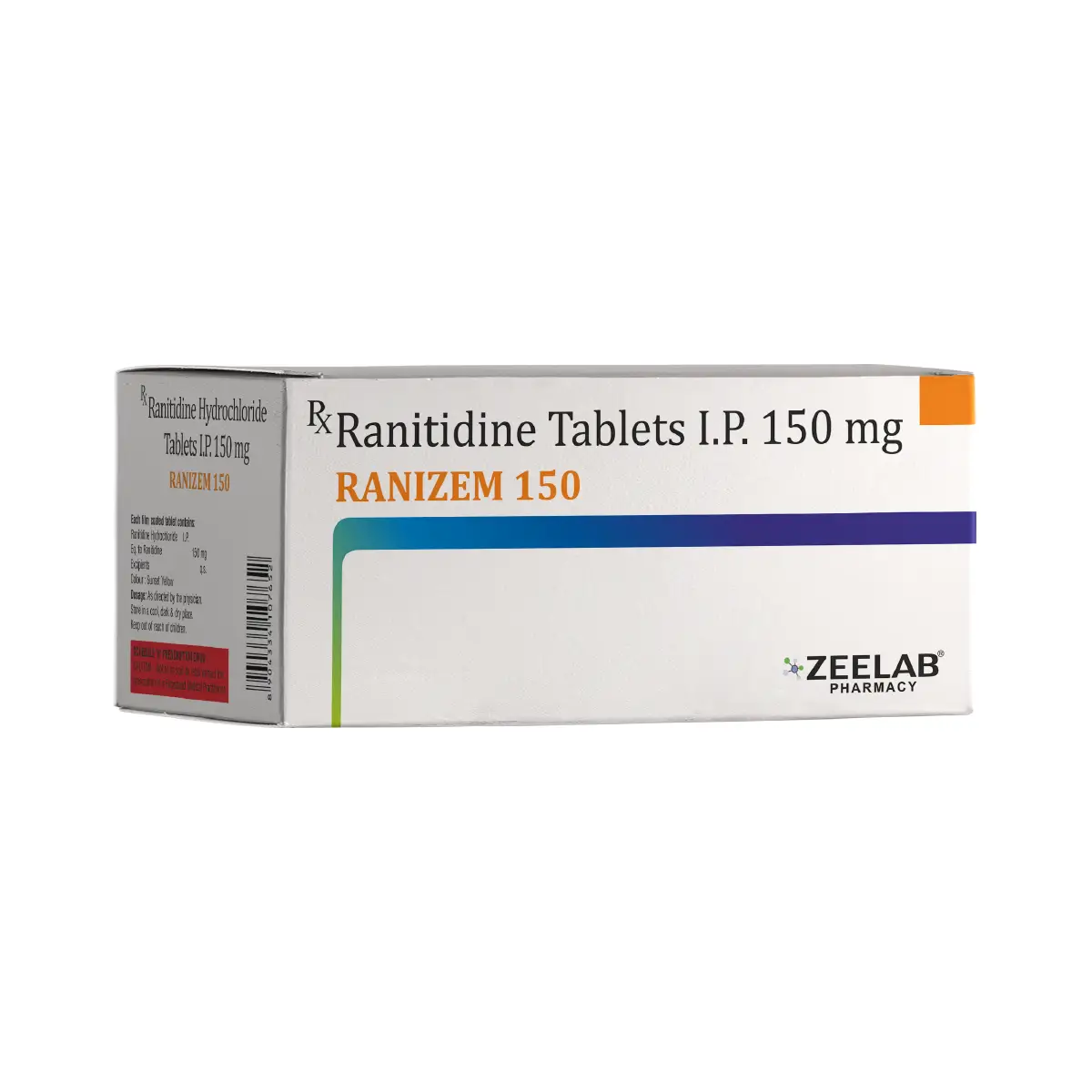
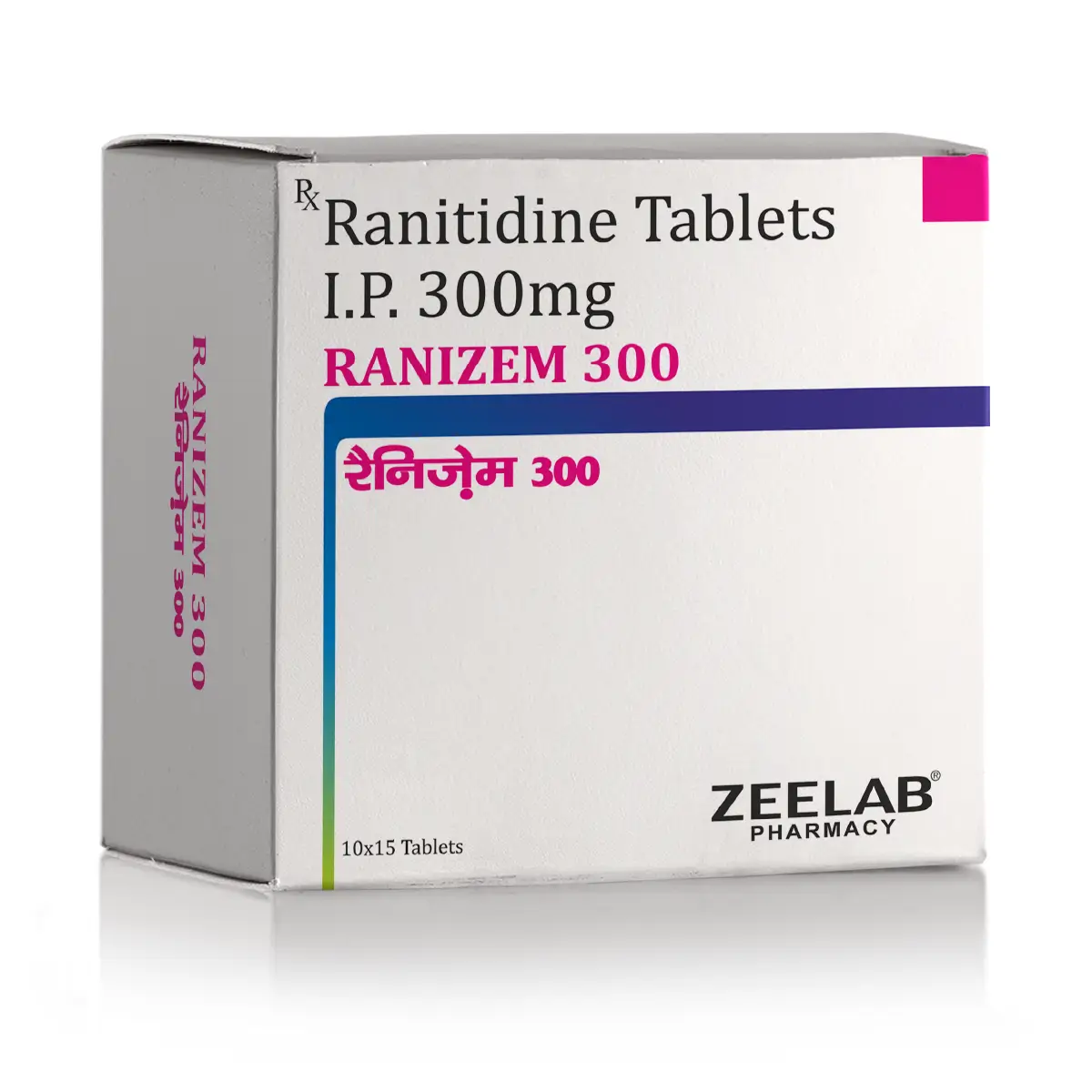
Uses of Ranitidine
Ranitidine is used to reduce excess stomach acid and relieve symptoms caused by high acid levels. Its common uses include:
- Acid reflux and GERD: Helps to reduce acid coming back into the food pipe.
- Heartburn: Relieves burning discomfort caused by excess stomach acid.
- Stomach ulcers: Helps reduce acid to support ulcer healing.
- Duodenal ulcers: Used to treat ulcers in the upper part of the small intestine.
- Conditions with excess stomach acid: May have been used for conditions that cause unusually high acid production.
How Ranitidine Works
Ranitidine works by reducing the amount of acid produced in the stomach. It belongs to a group of medicines called H2 blockers.
Benefits of Ranitidine
- Helps reduce the burning feeling caused by stomach acid.
- Lowers stomach acid that can flow back into the food pipe.
- Reduces acid levels to help stomach and intestinal ulcers heal.
- May help relieve discomfort linked to excess stomach acid.
- Helps reduce acid production by blocking H2 receptors in the stomach.
How to Take Ranitidine
Ranitidine is usually taken orally with or without food, as directed by a doctor. The dosage depends on the patient's condition and response to treatment. It is often taken once or twice daily, with or without meals. Avoid taking it with alcohol or foods that trigger acid reflux.
Types of Dosage Available
Ranitidine is available in different forms and strengths, depending on the patient's needs and medical condition. Common dosages include:
- Ranitidine 75 mg tablets
- Ranitidine 150 mg tablets
- Ranitidine 300 mg tablets
- Ranitidine oral syrup
- Ranitidine injection
Side Effects of Ranitidine
Ranitidine may cause some side effects, although not everyone experiences them. Common side effects may include:
- Headache
- Nausea or vomiting
- Stomach pain or discomfort
- Constipation or diarrhoea
- Dizziness
- Tiredness
Rarely, more serious reactions such as allergic reactions, confusion, changes in heart rate, or liver problems may occur. Seek medical attention if you experience severe or unusual symptoms.
Safety Advice
- Do not use if allergic to ranitidine or similar medicines
- Consult a doctor before use if pregnant or breastfeeding
- Monitor for unusual fatigue or yellowing of the skin
- Avoid alcohol and smoking, as they worsen acid reflux
- Inform the doctor about any existing liver or kidney issues
Frequently Asked Questions (FAQs)
Q1. What is ranitidine used to treat?
Ans. Ranitidine is an H2-receptor antagonist that reduces stomach acid. It has been used to treat conditions such as heartburn associated with acid indigestion, gastro-oesophageal reflux disease (GERD), and peptic ulcers.
Q2. Is Ranitidine still available for use?
Ans. Ranitidine availability may vary by country and product. It should be used only as advised by a healthcare professional.
Q3. How long does it take for Ranitidine to work?
Ans. It usually starts working within 30 minutes, providing quick relief from acid reflux.
Q4. Can I take Ranitidine daily?
Ans. Do not take ranitidine every day for an extended period unless recommended by a healthcare professional.
Q5. Does Ranitidine cause drowsiness?
Ans. Drowsiness is not a common side effect, but some people may experience dizziness.
Q6. Can I take Ranitidine with other medications?
Ans. Consult a doctor before combining it with other drugs, especially antacids or blood thinners.
Q7. Is ranitidine safe to use?
Ans. Ranitidine should be used only as advised by a healthcare professional and in accordance with the approved product information.
Q8. When should you take ranitidine?
Ans. Take ranitidine exactly as directed by your doctor. Depending on the condition and prescribed dose, it may be taken once or twice daily, often at bedtime. For prevention of heartburn, it may be taken 30–60 minutes before consuming foods or beverages that trigger symptoms.
Related Salt
Disclaimer : Zeelab Pharmacy provides health information for knowledge only. Do not self-medicate. Always consult a qualified doctor before starting, stopping, or changing any medicine or treatment.
Download India's most affordable pharmacy app
- Compare with medicine prices
- Save upto 90% on your medicine bills

Temperature Controlled storage and delivery
Regular Sanitization

Disinfected Packaging

Temperature Checks

No Contact Delivery

Easy Return on Issues
60M+
Visitors4L+
Customers7L+
Orders Delivered1800+
Cities60M+
Visitors7L+
Order Delivered4L+
Customers1800+
Cities

₹ 0
0
Items added
Quick Links
Categories
Our Policies

Our Socials


Subscribe

2026 Copyright By © Zeelab Pharmacy Private Limited. All Rights Reserved
Our Payment Partners

 Added!