

Best Medicine for Period Pain in India: Period Cramp Relief Medicine Names & Treatment Guide

Period cramps are common before or during menstruation and are medically known as dysmenorrhea. Around 43% of women report experiencing period cramps during every menstrual cycle.
These cramps occur due to contractions of the uterus during periods. While some women experience mild and manageable discomfort, others may have more severe period pain that can interfere with work, studies, sleep, or daily activities.
In such cases, medicine for period cramps or period pain relief may help manage the discomfort.
Ibuprofen, mefenamic acid, and naproxen are commonly used medicines for period cramps and may help provide period pain relief. However, the right medicine depends on your symptoms, health conditions, allergies, and other medicines you may be taking.
In this guide, you’ll learn about common medicines for period pain, how period pain relief medicines work, how to take them safely, their possible side effects, and ways to relieve period cramps without medicine.
What are Period Cramps?
Period cramps can feel like pounding, throbbing, or aching pain in the lower abdomen or back. For some women, cramps may begin a few days before their period and can sometimes spread to the thighs and lower back.
Menstrual cramps are usually of two types:
- Primary dysmenorrhea: A common type of menstrual pain associated with contractions of the uterine muscles.
- Secondary dysmenorrhea: Period cramps caused by an underlying health condition, such as endometriosis or fibroids.
Common Symptoms of Period Pain
Period pain can vary from woman to woman. While lower abdominal cramps are the most common symptom, menstrual discomfort may also affect other parts of the body or cause additional symptoms, such as:
- Cramping or aching in the lower abdomen
- Pain that spreads to the lower back or thighs
- Headache
- Nausea
- Diarrhoea
- Tiredness or weakness
- Bloating or general discomfort
List of Common Medicines for Period Pain Relief
Several medicines are commonly used for period pain relief and menstrual cramps. The most suitable period pain medicine depends on the severity of your pain, your individual health needs, allergies, and any other medicines you may be taking.
Here is a list of commonly used medicines for period pain and menstrual cramps:
|
Medicine |
Type |
General use |
|
Ibuprofen |
NSAID |
Relieve menstrual pain and inflammation |
|
Mefenamic acid |
NSAID |
Reduce menstrual cramps and pain |
|
Naproxen |
NSAID |
Lower pain and prostaglandin-related cramps |
|
Paracetamol |
Analgesic |
Helps with mild period pain |
|
Diclofenac |
NSAID |
Temporary pain relief |
|
Hyoscine Butylbromide |
Antispasmodic |
Relaxes uterine muscles |
Best Tablets for Period Cramp Relief in India
Severe period cramps can cause significant discomfort and interfere with daily activities.
Zeelab Pharmacy offers effective tablets for mild to severe period pain at affordable prices.
|
Tablet Name |
Composition |
|
Mef Plus Tablet |
Mefenamic Acid (500mg) + Paracetamol (325mg) |
|
Ibuprol 200 Tablet |
Ibuprofen (200 mg) |
|
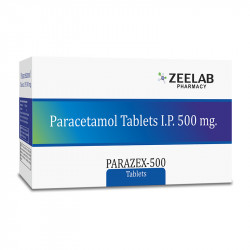
Parazex 500 Tablet |
Paracetamol (500 mg) |
|
Dicamol 100 SR Tablet |
Diclofenac (100 mg) SR |
|
Buscozee 10 Tablet |
Hyoscine Butylbromide (10 mg) |
|
Naprozee 250 Tablet |
Naproxen (250 mg) |
Mef Plus Tablet
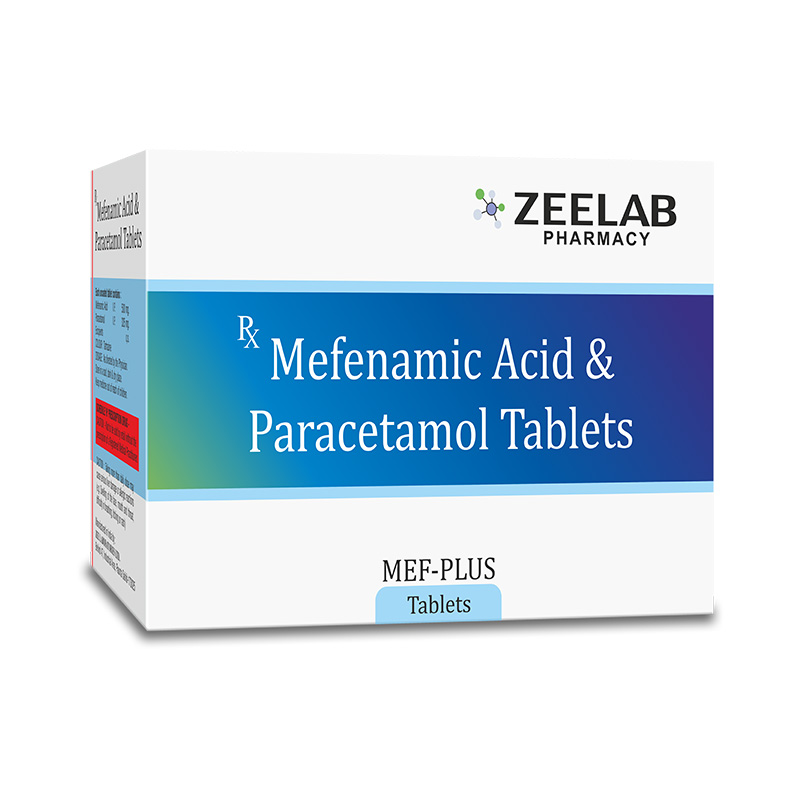
Mef Plus Tablet contains mefenamic acid and paracetamol and is used to help manage period pain, menstrual cramps, and associated discomfort.
- Composition: Mefenamic Acid (500mg) + Paracetamol (325mg)
- Benefits: May help relieve period cramps and menstrual pain.
Ibuprol 200 Tablet
Ibuprol 200 Tablet contains ibuprofen, an NSAID that may help relieve period pain and menstrual cramps by reducing pain and inflammation.
- Composition: Ibuprofen (200 mg)
- Benefits: May help reduce period cramps, period pain, and inflammation-related menstrual discomfort.
Naprozee 250 Tablet
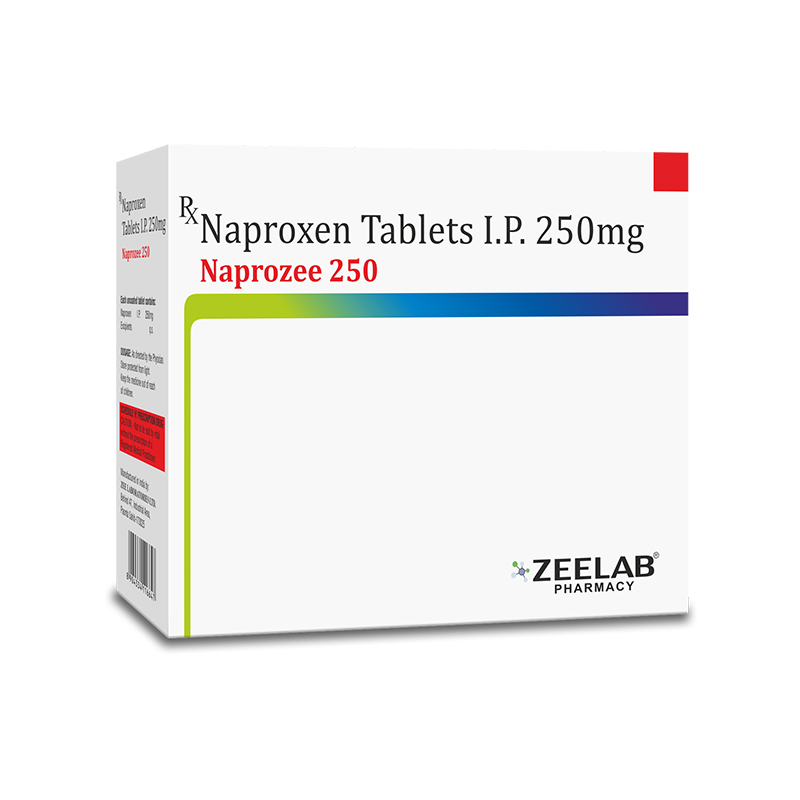
Naprozee 250 Tablet contains naproxen, an NSAID that may help relieve period pain and menstrual cramps by reducing prostaglandin production.
- Composition: Naproxen (250 mg)
- Benefits: May help relieve period cramps, menstrual pain, and associated inflammation.
Parazex 500 Tablet
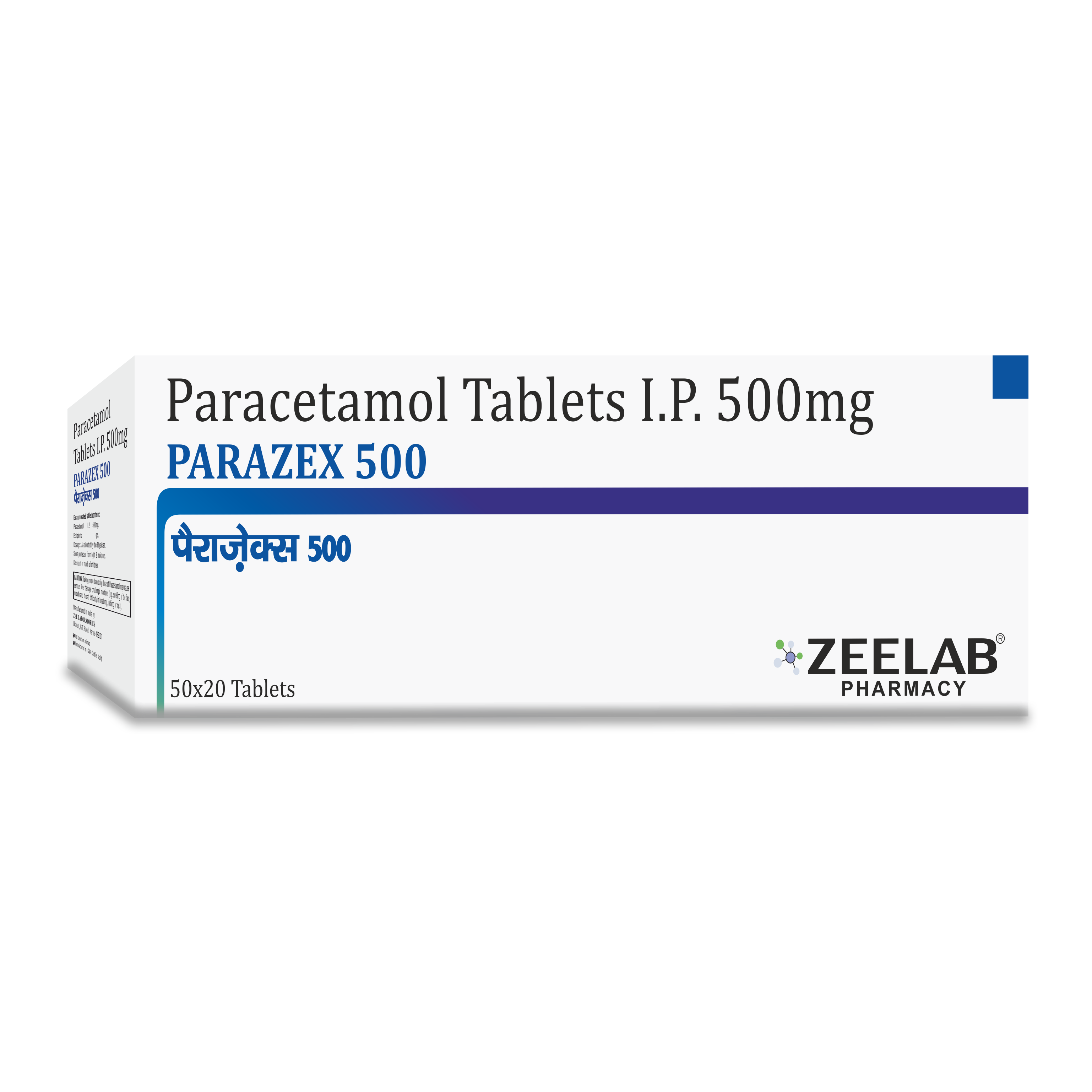
Parazex 500 can be used as a tablet to reduce period pain. The active component in this tablet is paracetamol, which may block pain signals to the brain and relieve period pain.
- Composition: Paracetamol 500 mg
- Benefits: May help relieve mild to moderate period pain and associated discomfort.
Dicamol 100 SR Tablet
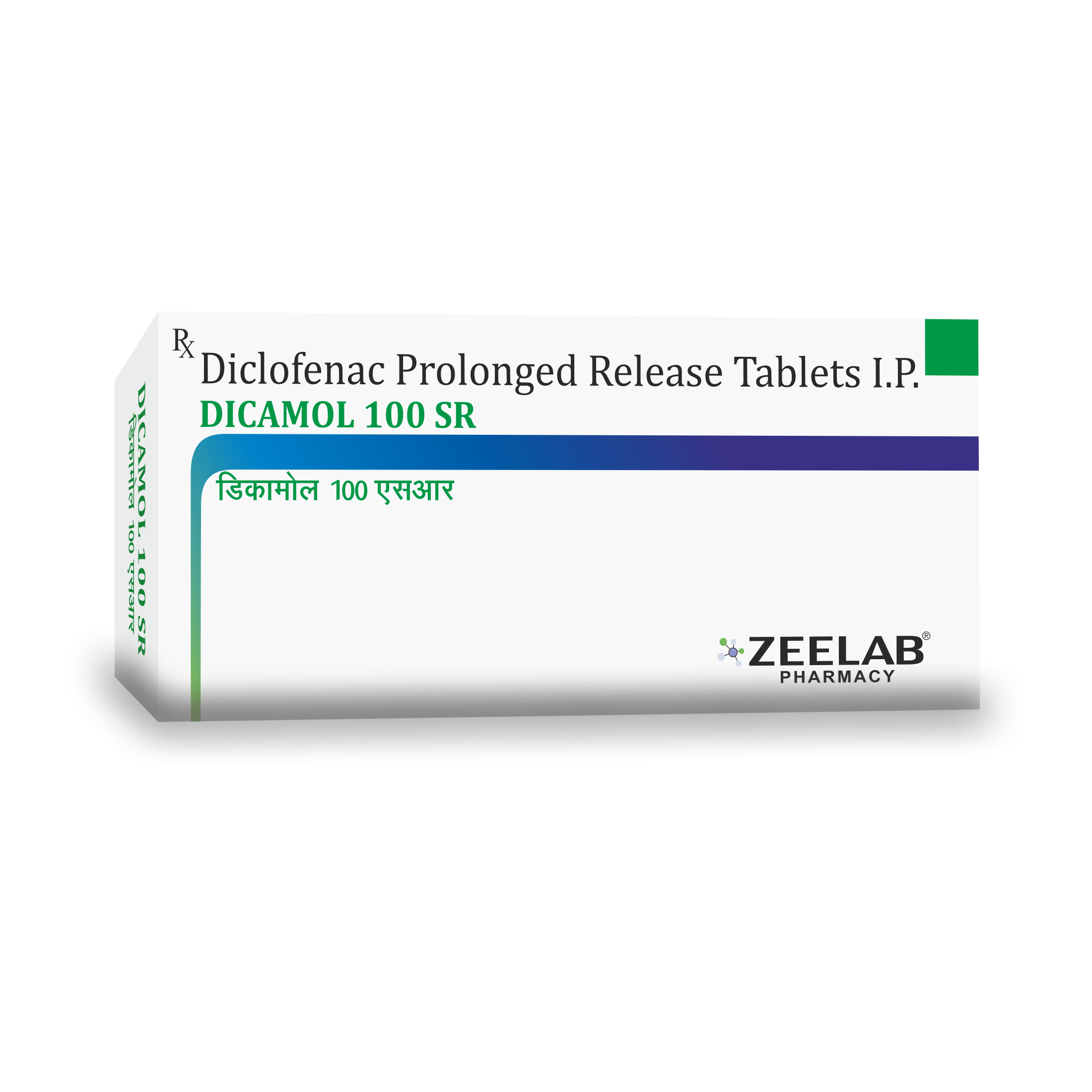
Dicamol 100 SR is an effective tablet for period stomach pain. It contains diclofenac, an NSAID that reduces inflammation and pain and may be prescribed during menstruation.
- Composition: Diclofenac (100 mg) SR
- Benefits: May help manage period-related pain and inflammation.
Buscozee 10 Tablet
Buscozee 10 Tablet is formulated with hyoscine butylbromide and works as an antispasmodic tablet for period pain. It helps to relax uterine muscles and ease menstrual cramps.
- Composition: Hyoscine Butylbromide (10 mg)
- Benefits: May help relieve cramp-like abdominal discomfort associated with periods.
When Should You Take Medicine for Period Cramps?
Period pain medicines can be taken when cramps start. If your periods are regular, some medicines may also be started 1–2 days before your expected period to help manage cramps.
The right timing depends on the specific medicine and your health needs. Follow the recommended dose and ask a doctor or pharmacist if you are unsure.
Also Read: Which Tablet Is Used to Get Periods Immediately If Delayed?
How Do Medicines for Period Cramps Work?
Different period pain medicines work in different ways depending on their type:
- NSAIDs: Medicines such as ibuprofen, naproxen, and mefenamic acid reduce prostaglandin production, which can help reduce uterine contractions and period cramps.
- Analgesics: Medicines such as paracetamol work mainly by reducing pain signals and may help relieve mild period pain.
- Antispasmodics: These medicines may help reduce cramp-like abdominal discomfort by relaxing smooth muscles.
How to Take Period Pain Medicine Safely?
Most medicines for menstrual cramp relief are usually taken without consulting a doctor; this practice increases the chances of improper use of medicines.
To avoid this, you must follow these precautions:
- Follow the recommended dose and timing of your medicine.
- Avoid taking two different NSAIDs together unless advised by a doctor.
- Check the ingredients of combination medicines to avoid taking the same medicine twice.
- Tell your doctor about any other medicines you take and your medical history, especially if you have stomach ulcers, kidney disease, heart problems, liver disease, or asthma.
What are the Side Effects of Period Pain Medicines?
Most period pain medicines are generally well tolerated when taken as directed. However, side effects can vary depending on the medicine, dosage, and your health condition.
Common period pain medicine side effects may include:
- Indigestion or stomach discomfort
- Nausea or vomiting
- Diarrhoea or constipation
- Headache
- Skin rash
If you experience severe or unusual symptoms after taking a medicine, seek medical advice.
How to Relieve Period Pain Without Medicine?
For mild to moderate cramps, simple self-care measures may help provide menstrual pain relief and reduce discomfort. You can try:
- Apply a heating pad to your lower abdomen.
- Take a warm bath or shower.
- Try gentle walking or stretching.
- Massage your lower abdomen or back.
- Get enough rest and sleep.
- Practise relaxation techniques such as meditation.
- Stay hydrated and eat regular meals.
- Herbal teas such as ginger or chamomile tea may also help.
When Should You See a Doctor for Period Pain?
Period pain is common, but severe, worsening, or unusual period cramps may need medical attention.
Consult a doctor if:
- Your pain is unbearable or getting worse.
- Painkillers and self-care measures are not helping.
- You have heavy or irregular menstrual bleeding.
- You have pain during sexual intercourse, urination, or bowel movements.
- You notice unusual vaginal discharge or have pelvic pain.
- Your period is delayed and there is a possibility of pregnancy.
Conclusion
Period pain and cramps can often be managed with appropriate medicines and self-care measures. Zeelab Pharmacy offers various options for period pain relief.
However, the right medicine may vary from person to person. Follow the recommended dosage, check for possible medicine interactions, and seek medical advice if your pain is severe, persistent, or affecting your daily activities.
Frequently Asked Questions (FAQs)
Ans.Ibuprofen, mefenamic acid, and naproxen are commonly used medicines for period pain and cramps. The suitable option depends on your symptoms, health condition, allergies, and other medicines you take.
Ans.Yes, painkillers such as ibuprofen, mefenamic acid, naproxen, or paracetamol may help relieve period cramps when taken as directed.
Ans.Period pain tablets can be safe when used as directed, but some medicines may not be suitable if you have certain health conditions, allergies, or take other medicines.
Ans.Ibuprofen may help relieve period pain and cramps by reducing prostaglandin production. Follow the recommended dosage and check with a doctor or pharmacist if it may not be suitable for you.
Ans.Yes, paracetamol may help relieve mild period pain, although NSAIDs may provide greater relief for menstrual cramps for some people.
Ans.The time varies depending on the medicine and individual response. Follow the medicine's instructions and recommended dosage.
Ans.Common side effects may include stomach discomfort, indigestion, nausea, headache, or dizziness. NSAIDs can also cause stomach irritation and, in some cases, bleeding.
Ans.Yes, stress may increase pain sensitivity and menstrual discomfort, which can make period pain feel worse.
Ans.A heating pad, warm bath, gentle walking or stretching, massage, adequate rest, and relaxation techniques may help provide period pain relief without medicine.
Ans.Take period pain tablets when cramps begin. If your periods are regular, some medicines may be taken 1–2 days before your expected period. Follow the recommended dosage.
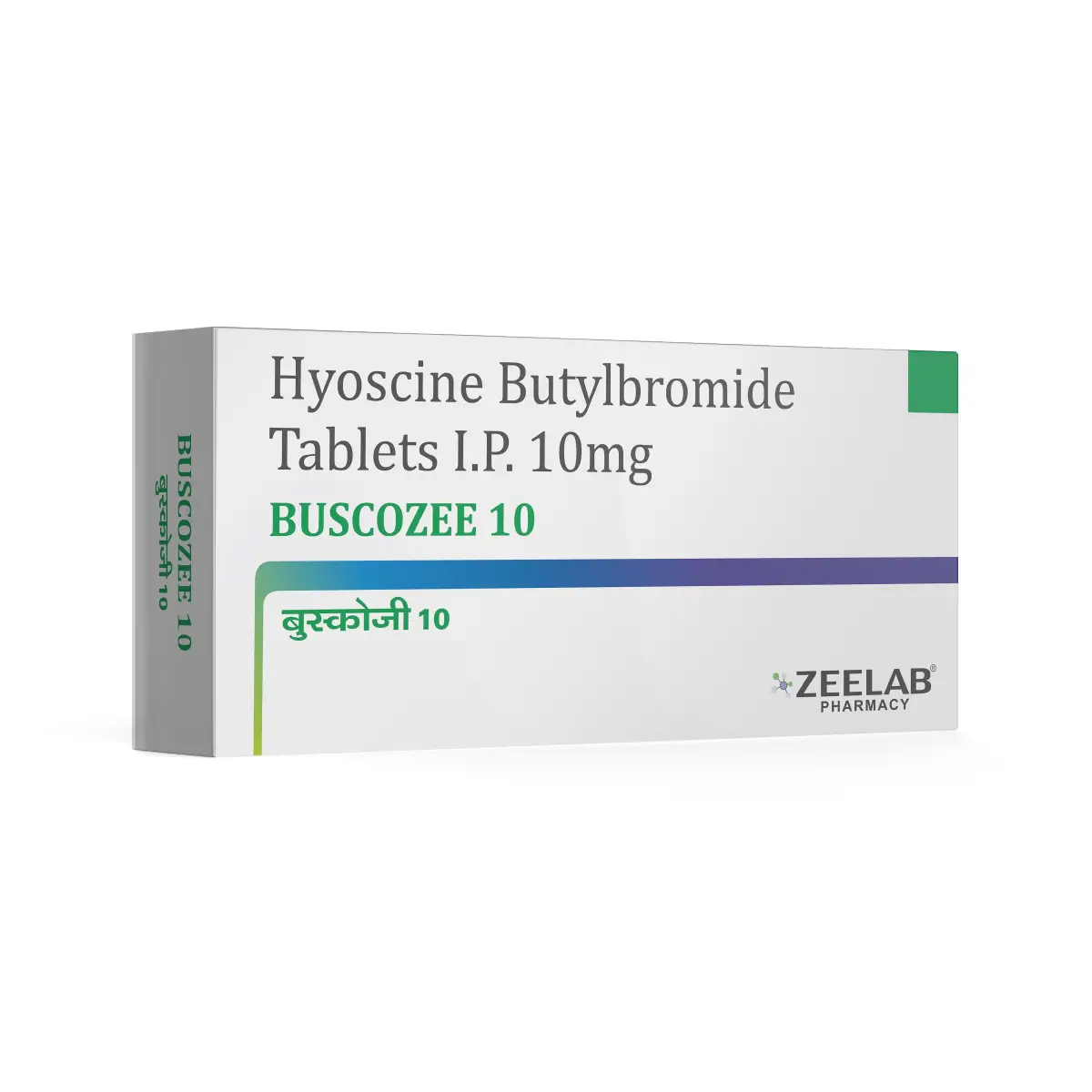
Hyoscine butylbromide (10mg)
10 Tablets In 1 Strip
Mefenamic Acid (500mg) + Paracetamol (325mg)
10 Tablets In 1 Strip
Naproxen (250 mg)
10 Tablets In 1 Strip
Diclofenac (100mg) SR
10 Tablets In 1 Strip
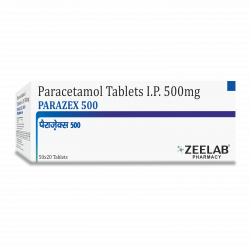
Paracetamol (500mg)
20 tablets in 1 strip
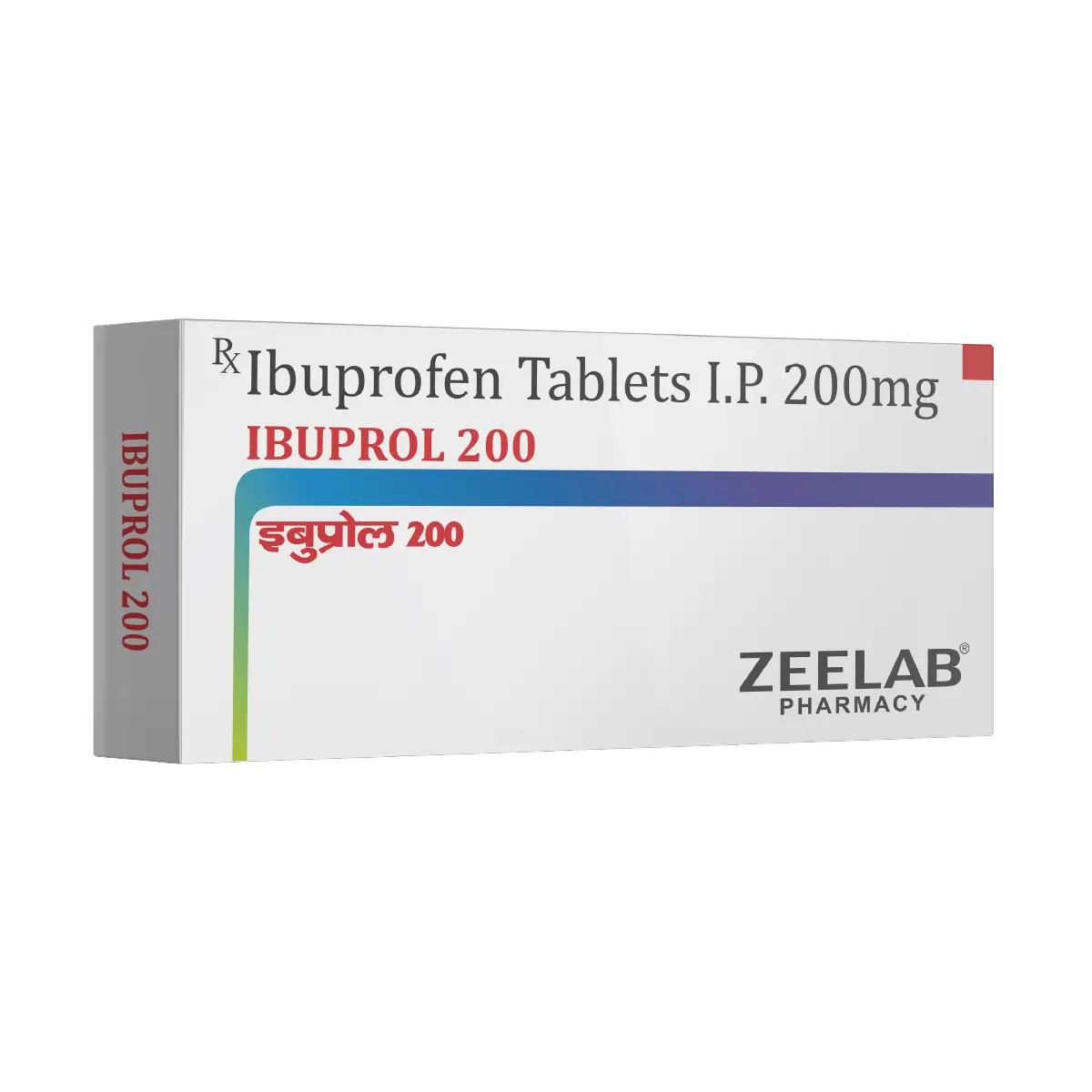
Ibuprofen (200mg)
10 Tablets In 1 Strip
References
Recent Blogs





Disclaimer : Zeelab Pharmacy provides health information for knowledge only. Do not self-medicate. Always consult a qualified doctor before starting, stopping, or changing any medicine or treatment.
Related Products


₹ 0
0
Items added
Quick Links
Categories
Our Policies

Our Socials


Subscribe

2026 Copyright By © Zeelab Pharmacy Private Limited. All Rights Reserved
Our Payment Partners

 Added!