
Top Ayurvedic Medicines for Diabetes

Diabetes (medically called Diabetes Mellitus) is a chronic disease that impacts the regulation of sugar in the body. While medical science has developed tremendously, and there are so many Western medicines out there, people are still turning towards alternative therapies for diabetes management.
Ayurveda, an Indian medical system, can help in natural blood sugar management by focusing on balance, diet, and herbs.
Through this blog, you will get to know about the importance of Ayurvedic medicine for diabetic patients, how to reduce blood sugar naturally, what herbs reduce blood sugar fast and much more.
What is Diabetes?
Diabetes Mellitus is a chronic condition in which the body is unable to properly regulate blood glucose (blood sugar) levels due to problems with insulin production, insulin action, or both.
When left unmanaged, high blood sugar levels can affect various organs and lead to serious health complications, making early diagnosis and proper management essential.
Types of Diabetes
Diabetes is broadly classified into two main types based on how the body produces and uses insulin. Understanding these types helps in choosing the right management and treatment approach.
- Type 1 Diabetes: An autoimmune condition where the body produces little or no insulin
- Type 2 Diabetes: The most common type, where the body becomes resistant to insulin or does not produce enough insulin
Also Read: Type 1 vs. Type 2 Diabetes: What’s the Difference?
Common Symptoms of Diabetes
- Frequent urination
- Increased thirst
- Unexplained weight loss
- Fatigue
- Blurred vision
- Slow wound healing
Proper management is essential to prevent complications and maintain overall health.
Also Read: Top 10 Warning Signs of Diabetes in Indian Youth
What Does Ayurveda Say About Diabetes (Madhumeha)?
In Ayurveda, diabetes is classified under the Prameha group of metabolic and urinary disorders. It is commonly referred to as Madhumeha, a condition linked to an imbalance in the body’s three doshas—Vata, Pitta, and Kapha.
According to Ayurvedic principles, each dosha plays a role in the development of diabetes:
- Kapha Dosha: Imbalance may lead to weight gain, sluggish metabolism, and insulin resistance
- Pitta Dosha: Imbalance can affect metabolic processes and digestion
- Vata Dosha: Imbalance may impact the nervous system and circulation
Ayurveda focuses on restoring this dosha balance to help manage blood sugar levels and improve overall health.
|
Aspect |
Summary |
|
Madhumeha |
Ayurvedic term for diabetes; it means “honey-like urine” with excess urination and metabolic imbalance. |
|
Prameha |
A group of urinary disorders in Ayurveda; Madhumeha is its advanced form. |
|
Dosha Imbalance |
Mainly, Kapha imbalance causes heaviness and poor metabolism, later involving Vata, leading to tissue loss. |
Ayurveda emphasises treating such imbalances using natural methods.
Causes of Diabetes According to Ayurveda
According to Ayurvedic principles, diabetes (Madhumeha) is caused by an imbalance in the body’s energy system, mainly due to aggravated Kapha dosha and an unhealthy lifestyle.
|
Cause |
Ayurvedic Explanation |
|
Weak Agni (Digestive Fire) |
Poor digestion and metabolism lead to improper processing of food and energy imbalance |
|
Ama (Toxins) |
Undigested waste accumulates, blocking body channels (Srotas) and disturbing functions |
|
Lifestyle Factors |
Sedentary habits, excess sweets/fats, stress, and irregular routines increase Kapha |
Other common factors that may contribute to diabetes include:
- Excessive intake of sweet, greasy, and heavy foods
- Sedentary lifestyle with little or no physical activity
- Overeating or poor eating habits
- Weak digestive fire (Agni), leading to toxin (Ama) buildup
- Excessive sleeping, especially during the day
- Obesity and accumulation of body fat
- Genetic or hereditary factors
- Stress and psychological imbalance
Ayurvedic Treatment for Diabetes
Ayurvedic formulations for diabetes work by balancing the body with an all-around approach, mainly through these four key pillars:
|
Pillar |
Explanation |
|
Herbal Medicines |
Natural herbs such as Gudmar, Karela, and Neem are used to promote healthy blood glucose metabolism. |
|
Diet (Ahara) |
It focuses on light, balanced meals, including foods that help manage Kapha. |
|
Lifestyle (Vihara) |
Promotes regular physical activity, adequate sleep, and stress relief for maintaining balance. |
|
Detox (Panchakarma) |
Includes purification techniques aimed at eliminating toxins and optimising metabolism. |
Also Read - Diabetes Medicine Names With Price in India
How Ayurvedic Medicine Helps Control Blood Sugar?
This section will explain how Ayurveda helps to manage blood sugar by balancing and improving metabolic function.
- Promotes healthy insulin action and increases sensitivity
- Stimulates efficient digestion (agni) for optimal nutrient and glucose utilisation
- Prevents the buildup of toxins (ama), which slows down physiological functions
- Balances Kapha dosha, an important component of diabetes
- Controls the absorption of carbohydrates, thus avoiding any sudden increase in blood sugar
- Aids in achieving a healthy weight and minimises body fat
- Enhances pancreatic function and metabolism
Top 8 Ayurvedic Herbs for Diabetes Control Naturally
According to Ayurveda, several herbs can help maintain healthy blood glucose levels in the body. Some commonly used Ayurvedic herbs for diabetes control include:
Karela (Bitter Gourd)
Assists in controlling blood glucose by increasing the sensitivity of insulin in the body.
- What it does: Blood sugar reduction, better utilisation of insulin
- How to use: Drink on an empty stomach or prepare it like any other vegetable.
Jamun (Indian Blackberry)
It enhances pancreatic health and lowers sugar absorption to ensure balanced glucose levels.
- What it does: Controls sugar spikes, regulates insulin
- How to use: Seed powder or fresh fruit in moderation
Methi (Fenugreek)
Contains soluble fibres and assists in delaying the absorption of carbohydrates, thus improving glucose tolerance.
- What it does: Manages sugar levels after meals, and promotes digestive benefits
- How to use: Soak Methi seeds or take them in powdered form.
Gudmar (Gymnema Sylvestre)
Also known as the "sugar destroyer," this herb decreases sugar absorption and promotes natural insulin secretion.
- What it does: Decreases sugar craving, enhances insulin secretion
- How to use: As powder or in capsule form
Neem
Contains bitter components that contribute to blood cleansing and effective sugar breakdown.
- What it does: Cleanses blood, manages glucose levels
- How to use: Juice, powder, or tablets
Vijaysar
Traditionally used for the treatment of diabetes as it promotes insulin action and lowers blood glucose.
- What it does: Enhances glucose metabolism, helps in pancreatic functioning
- How to use: Soak water from Vijaysar wood or powder
Triphala
An herbal mixture made up of three different fruits that promotes healthy digestion and metabolism.
- What it does: Promotes better digestion, aids in metabolism
- How to use: Powder mixed with hot water at bedtime.
Shilajit
It is a mineral-filled formula that increases energy production and facilitates improved metabolism of glucose.
- What it does: Increases energy, improves metabolic activity
- How to use: Resin or capsule form under guidance
Ayurvedic Medicines for Diabetes by Form
Ayurvedic medicines for diabetes are available in different forms, allowing individuals to choose what best suits their preferences and needs.
|
Form |
Explanation |
|
Ayurvedic Tablets & Capsules |
Easy to take with consistent dosage |
|
Ayurvedic Powders (Churna) |
Support digestion; taken with water or warm liquids |
|
Ayurvedic Juices (Ras) |
Quickly absorbed and support blood sugar management |
Best Ayurvedic Medicine for Type 2 Diabetes
Type 2 diabetes is mainly caused by insulin resistance. In Ayurveda, it is associated with an imbalance in the Kapha dosha and weakened metabolism (Agni).
Ayurvedic treatment focuses on:
- Improving digestion (Agni)
- Reducing toxins (Ama)
- Supporting insulin function naturally
Herbs that may help manage insulin resistance include:
- Gudmar
- Methi
- Karela
- Jamun
Ayurvedic Diet Plan for Diabetes
An Ayurvedic diet plan for diabetes focuses on wholesome, balanced foods that support metabolism, help regulate blood glucose levels, and promote overall health.
It emphasises fresh, natural foods that are easy to digest and help balance the body’s doshas.
Following a consistent eating routine with mindful food choices can support better blood sugar control and long-term well-being.
What Foods to Eat and Avoid?
A healthy diet is essential for managing diabetes through Ayurvedic principles. Including foods that support digestion and help balance Kapha can aid in maintaining stable blood sugar levels.
|
Foods to Eat |
Foods to Avoid |
|
Whole grains (barley, millets, oats) |
Refined flour (maida) and white bread |
|
Bitter vegetables (bitter gourd, neem leaves, methi) |
Sugary foods and sweets |
|
Green leafy vegetables |
Deep-fried and oily foods |
|
Legumes such as lentils |
Processed and packaged foods |
|
Indian spices (turmeric, cinnamon, fenugreek) |
Soda and cold beverages |
|
Fresh, warm meals |
Cold, stale, or refrigerated foods |
Recommended Ayurvedic Diet Plan for Diabetic Patients
Here is a simple Ayurvedic diet plan that focuses on light meals to support digestion while helping to stabilise blood glucose levels:
|
Time |
Meal Suggestion |
|
Early Morning |
Warm water with soaked fenugreek seeds or an herbal drink |
|
Breakfast |
Vegetables, poha, oats, or millet khichdi |
|
Mid-Morning |
Fresh low-glycemic fruits or coconut water |
|
Lunch |
Multigrain roti with dal, green vegetables, and salad |
|
Evening Snack |
Roasted chana or herbal tea |
|
Dinner |
Light meal such as vegetable soup or khichdi |
|
Bedtime |
Warm water or herbal infusion |
Also Read: Is Jowar Roti Good for Diabetes?
Ayurvedic Lifestyle Tips for Diabetes Management
If you are wondering how to control diabetes naturally, follow these simple daily habits to support better blood sugar control and overall well-being:
- Stick to a regular daily routine (dinacharya)
- Exercise daily through walking or yoga
- Maintain a healthy body weight
- Avoid sleeping during the day
- Manage stress by practising meditation
- Eat meals on time
- Get adequate sleep for proper metabolism
Ayurvedic Home Remedies for Diabetes
Natural Ayurvedic home remedies can help manage blood sugar levels while improving metabolism and overall health when combined with a proper diet and lifestyle.
- Karela Juice: Taking Karela juice on an empty stomach may help keep blood sugar levels under control.
- Methi Water: Soaking fenugreek (Methi) seeds overnight and consuming them in the morning may help improve glucose metabolism.
- Jamun Seed Powder: May support pancreatic health and help manage blood sugar levels.
- Neem Leaves: Consuming neem juice or powder may help purify the blood and regulate blood sugar levels.
- Amla Juice: Rich in antioxidants, it may support metabolism and overall health.
Panchakarma Treatment for Diabetes
Panchakarma therapy in Ayurveda focuses on cleansing and balancing the body internally.
In the management of diabetes (Madhumeha), therapies such as:
- Virechana (therapeutic purgation)
- Basti (medicated enema)
help remove ama (toxins) from the body and balance the Kapha dosha.
These detox procedures help to:
- Promote metabolism
- Optimise body tissues
- Support better control of blood sugar levels
They are most effective when combined with proper diet and lifestyle management.
Scientific Evidence on Ayurvedic Herbs for Diabetes
Recent studies support the role of Ayurvedic herbs in improving blood sugar control, including HbA1c levels.
- Gudmar (Gymnema sylvestre): Linked to improved insulin function and reduced HbA1c
- Turmeric (Curcumin): Shown to lower fasting glucose and HbA1c
- Fenugreek (Methi): Helps reduce glucose absorption and HbA1c levels
- Bitter Gourd (Karela): Supports glucose metabolism and insulin activity
These findings suggest supportive benefits, though more research is needed for standardised use.
Best Ayurvedic Medicine Recommendations for Diabetes from Zeelab Pharmacy
Zeelab Pharmacy offers a range of Ayurvedic formulations that support natural blood sugar management using traditional herbs like Karela, Jamun, Neem, and Gudmar.
These carefully formulated products are designed to help regulate glucose levels, improve metabolism, and support overall balance in diabetes management.
NatureXprt Madhu Life Capsules
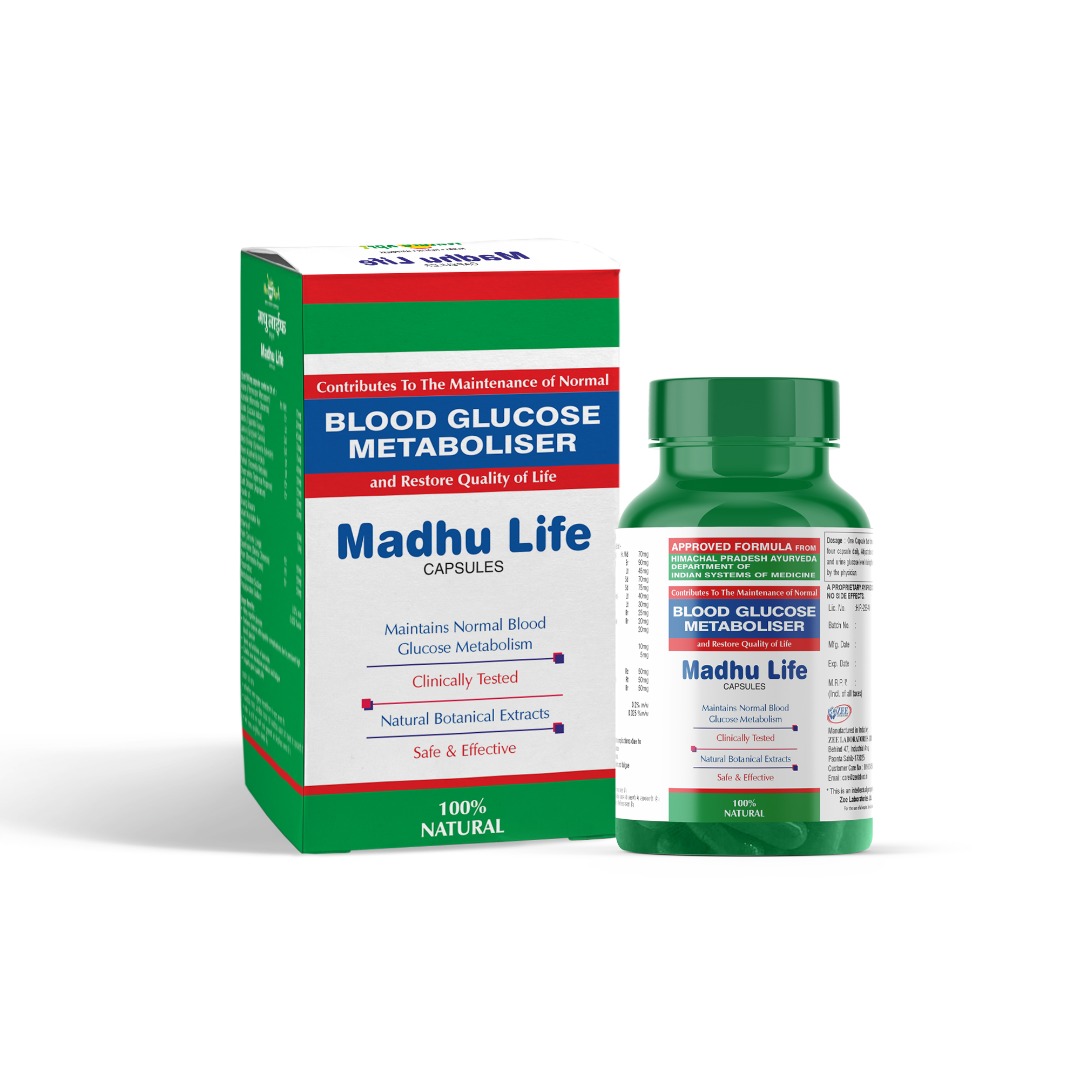
NatureXprt Madhu Life Capsules are considered a top Ayurvedic medicine for diabetes, formulated with multiple herbs to support healthy blood sugar levels and overall metabolic balance naturally.
- Composition: Asana (70mg) + Karela (90mg) + Bimbi (45mg) + Methi (70mg) + Jamun (75mg) + Meshashringi (40mg) + Neem (30mg) + Rohitak (25mg) + Sharpunkha (20mg) + Sudh Shilajeet (20mg) + Trivang Bhasma (10mg) + Vasant Kusumakar Ras (5mg) + Bhawna Rajni (50mg) + Saptachakra (50mg) + Arjun (50mg)
- Benefits: Supports glucose control, improves metabolism, enhances insulin function, and boosts daily energy levels.
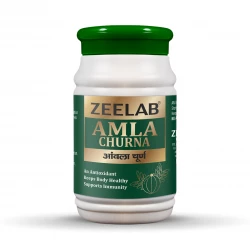
Zeelab Amla Churna
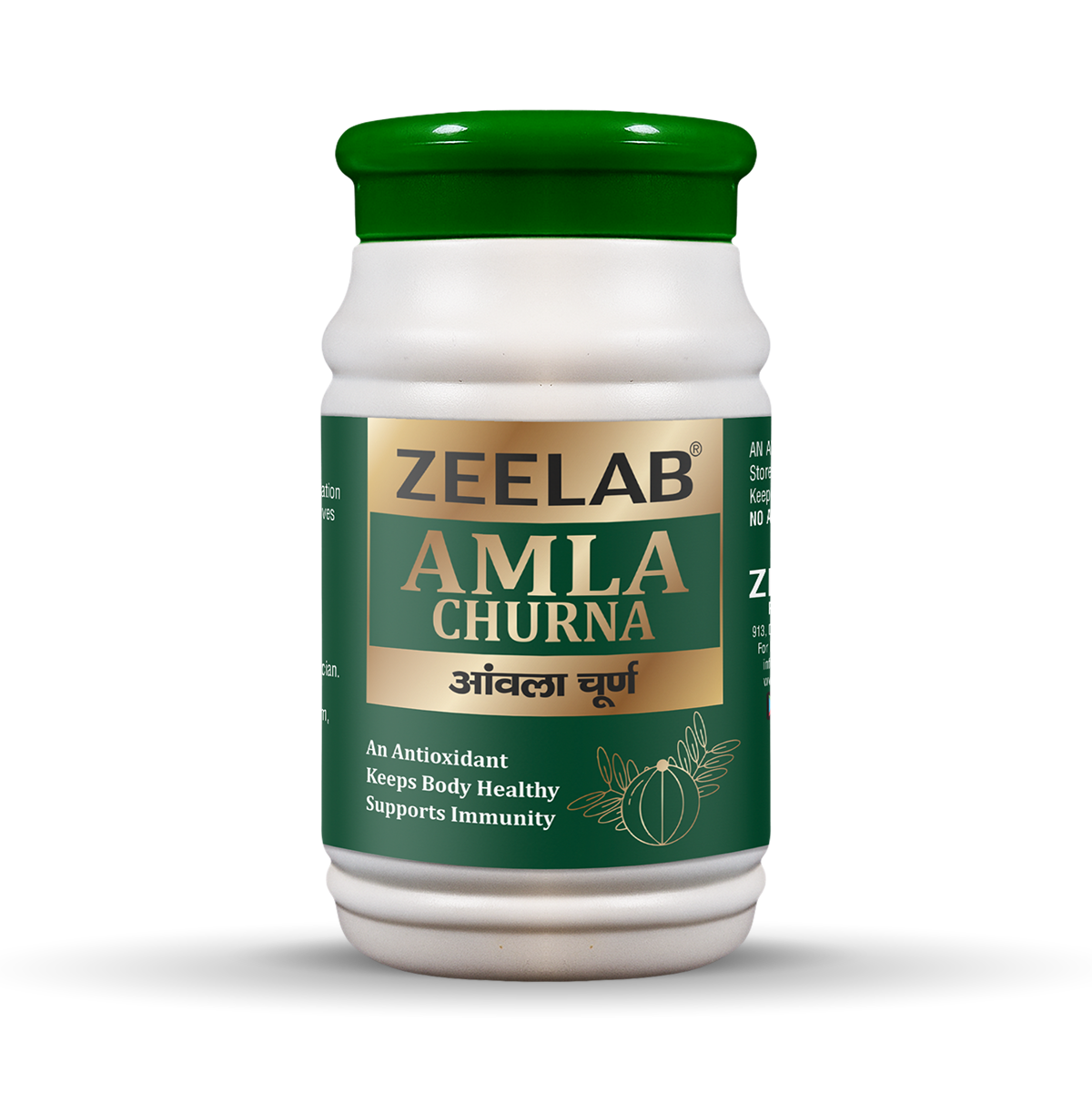
Zeelab Amla Churna is a natural herbal approach for diabetes support, made from pure amla to promote metabolism, antioxidant protection, and overall health balance
- Composition: Amla Churan
- Benefits: Supports digestion, boosts immunity, improves metabolism, and promotes overall wellness naturally.
NatureXprt Neem Karela Powder
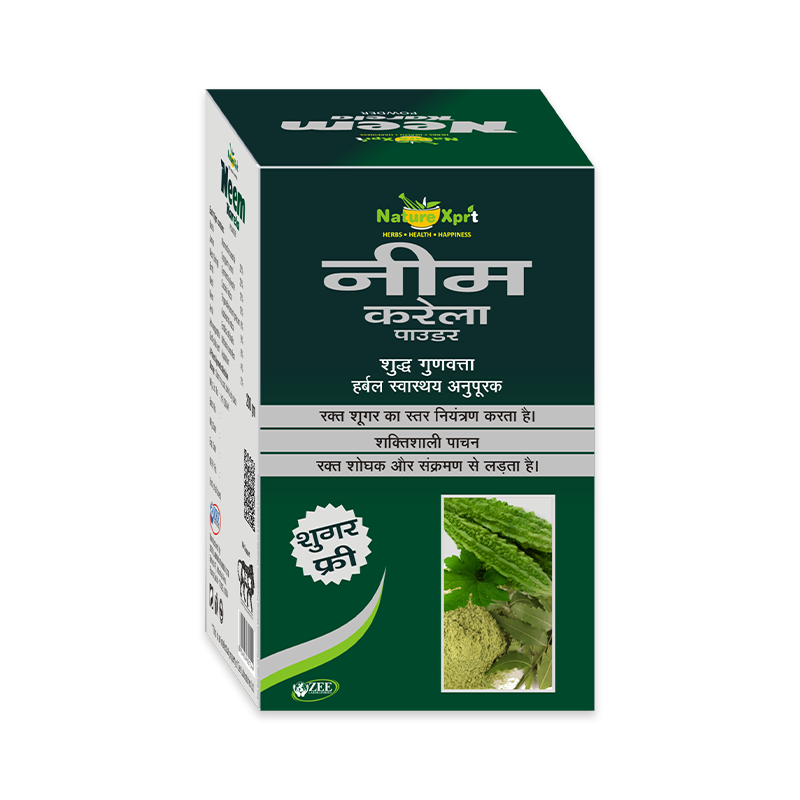
NatureXprt Neem Karela Powder combines traditional herbs for natural blood sugar control, supporting metabolism, pancreatic function, and overall wellness with plant-based ingredients.
- Composition: Karela (22%) + Jamun (22%) + Mesh Shringi (12%) + Bimbl (13%) + Methi (8%) + Neem (9%) + Amla (8%) + Ashwagandha (4%) + Sudh Shilajeet (2%)
- Benefits: Helps regulate glucose, supports metabolism, boosts immunity, and improves energy and digestion.
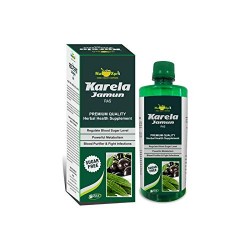
NatureXprt Karela Jamun Ras
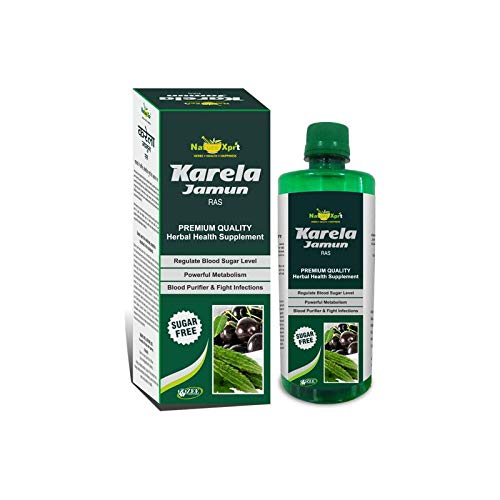
NatureXprt Karela Jamun Ras is an Ayurvedic solution for diabetes, combining traditional herbs to support glucose metabolism, pancreatic health, and overall metabolic balance naturally.
- Composition: Jamun (1000 mg) + Karela (1000 mg)
- Benefits: Supports blood sugar balance, improves metabolism, enhances energy, and promotes digestive and liver health.
NatureXprt Amla Ras
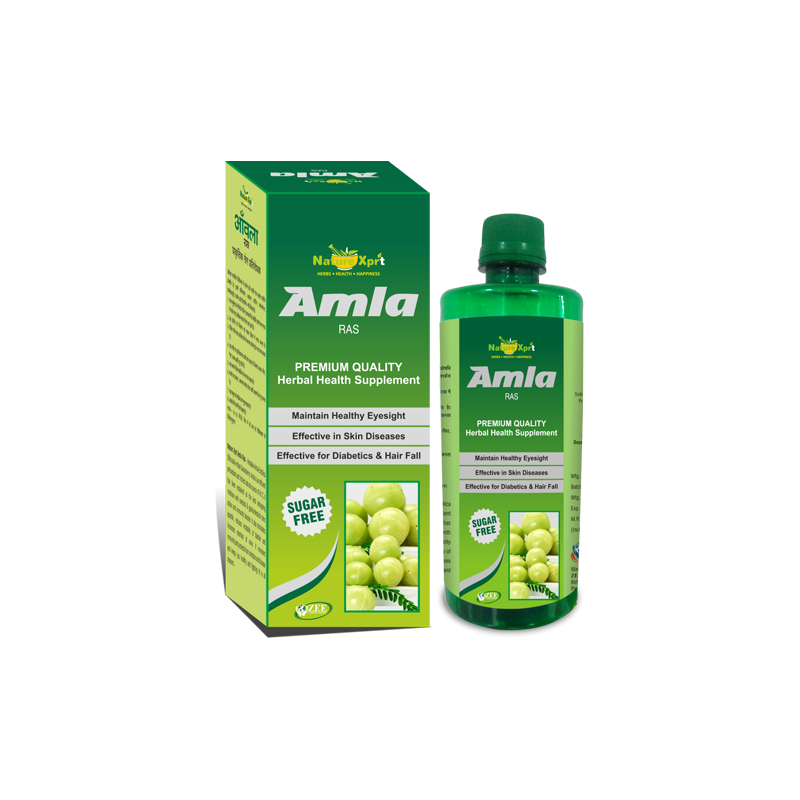
NatureXprt Amla Ras is a herbal treatment for diabetes support, enriched with antioxidants and vitamin C to promote metabolism, digestion, and overall health naturally.
- Composition: Amla (1000mg)
- Benefits: Supports blood sugar balance, boosts immunity, improves digestion, and enhances energy and metabolism.
Zeelab Ashwagandhadi Churna
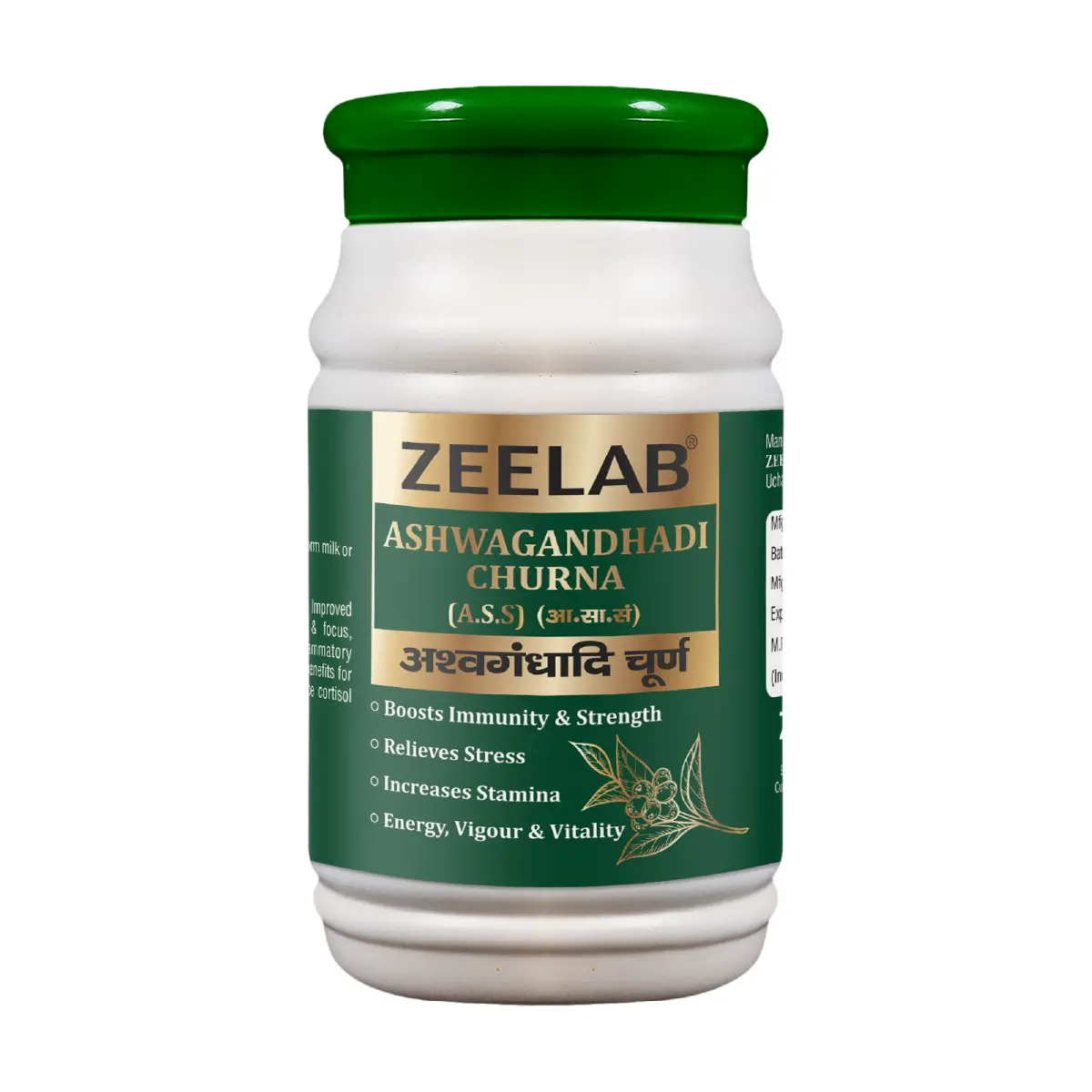
Zeelab Ashwagandhadi Churna is a good Ayurvedic medicine for diabetes support, helping improve metabolism, energy balance, and overall wellness through a traditional herbal formulation.
- Composition: Ashwagandha 50% + Vidhara 50%
- Benefits: Supports energy, improves metabolism, balances stress, and promotes overall strength and vitality naturally.
Benefits of Ayurvedic Medicine for Diabetes
Ayurvedic anti-diabetic medicines contain natural ingredients and are generally free from synthetic chemical compounds, providing sustained support in multiple ways.
The key benefits of Ayurvedic management of diabetes include:
- Holistic Approach: Addresses underlying issues such as dosha imbalance, rather than focusing only on symptoms
- Natural & Safe: Uses plant-based ingredients that are generally safe for consumption
- Fewer Side Effects: Usually well-tolerated when taken under professional guidance
- Suitable for Long-Term Use: Ideal for ongoing management and lifestyle support
- Overall Wellness: Improves energy levels, immunity, and overall balance in the body
- Weight Management: Helps reduce excess body fat associated with diabetes
Is Ayurvedic Medicine Safe for Diabetes?
Ayurvedic medicines are generally considered safe for diabetes when used properly and under professional guidance. As they are made from natural herbs, they are usually well-tolerated, but the correct dosage and individual health conditions still matter.
It is important to consult a qualified practitioner, especially if you are already taking conventional diabetes medications, to avoid interactions and ensure safe and effective use.
Can Ayurveda Cure Diabetes?
Ayurveda does not claim a permanent cure for Diabetes Mellitus, especially in long-standing cases. However, it can help manage blood sugar levels by improving metabolism, balancing doshas, and supporting overall health.
With a proper diet, lifestyle changes, and herbal support, many people may achieve better control and reduce complications over time.
Precautions While Taking Ayurvedic Medicine for Diabetes
While Ayurvedic medicines are natural, they should be used carefully for safe and effective results:
- Consult a doctor first, especially if you are already taking diabetes medication
- Avoid self-medication or overdosing on herbal supplements
- Monitor blood sugar levels regularly to track effectiveness
- Check for herb-drug interactions with allopathic medicines
- Use only quality, trusted products to ensure safety and purity
- Pregnant or lactating women should take advice before use
Following these precautions helps prevent complications and ensures better diabetes management.
Best Time to Take Ayurvedic Medicine for Diabetes
Taking Ayurvedic medicine at the right time improves absorption and effectiveness:
- Early Morning (Empty Stomach): Ideal for juices like Karela, Neem, or herbal drinks
- Before Meals: Helps control post-meal blood sugar spikes
- After Meals: Suitable for some tablets/capsules to support digestion
- Bedtime: Powders like Triphala are often taken for metabolism support
The exact timing may vary depending on the medicine, so always follow a healthcare professional’s advice for the best results.
Who Should Use Ayurvedic Treatment for Diabetes?
Ayurveda can be considered by individuals looking for a natural and supportive approach to managing blood sugar levels while improving overall health.
- People with Type 2 diabetes
- Individuals with prediabetes or early-stage diabetes
- Those with poor metabolism
- People managing weight issues
- Individuals who prefer natural remedies
Also Read: Multivitamin Tablets for Diabetic Patients
Conclusion
Managing Diabetes Mellitus requires a balanced and consistent approach, and Ayurveda offers a natural path that focuses on overall well-being rather than just symptom control.
By combining the right herbs, a mindful diet, and healthy lifestyle habits, Ayurveda supports better metabolic balance and long-term health. While it may not replace conventional treatment, it can complement it effectively.
With the right guidance and consistency, Ayurvedic practices can help individuals take a more holistic and sustainable approach to managing diabetes in everyday life.
Frequently Asked Questions (FAQs)
Ans.Ayurveda does not claim a complete cure for diabetes, but it can help manage blood sugar effectively. With proper diet, herbs, and lifestyle changes, it supports better control and reduces the risk of complications.
Q. Can Ayurvedic medicine cure diabetes?
Ans.Ayurveda may help improve early-stage or prediabetes conditions significantly, but complete reversal is not guaranteed. It focuses on long-term management and prevention of progression.
Q. Can Ayurvedic treatment reverse diabetes?
Ans.Ayurvedic treatment can support blood sugar control and improve metabolism. Its effectiveness depends on consistency, lifestyle changes, and individual response.
Q. How effective is Ayurvedic treatment for diabetes?
Ans.There is no single best option, but formulations like NatureXprt Madhu Life Capsules and Neem Karela Powder support healthy blood sugar management.
Q. What is the best Ayurvedic medicine for diabetes?
Ans.Yes, Ayurveda helps improve insulin sensitivity, digestion, and metabolism, making it beneficial for managing Type 2 diabetes.
Q. Is Ayurvedic medicine good for type 2 diabetes?
Ans.Ayurveda manages diabetes through herbs, a balanced diet, regular exercise, and stress management to support overall health.
Q. How to control diabetes naturally with Ayurveda?
Ans.Herbs like Karela, Gudmar, Methi, and Jamun help lower blood sugar by improving insulin function and reducing sugar absorption.
Q. What herbs reduce blood sugar fast?
Ans.Karela supports glucose metabolism, while Gudmar reduces sugar absorption and cravings, making them effective for diabetes management.
Q. How good are Karela and Gudmar for diabetes management?
Ans.Ayurvedic herbs are generally safe when used correctly under professional guidance, but dosage and interactions should be monitored.
Q. Are Ayurvedic herbs safe for diabetes?
Ans.They are usually well-tolerated, but improper use or high doses may cause side effects. Professional guidance is recommended.
Q. Are there any side effects of Ayurvedic medicines?
Ans.Yes, but only under medical supervision to avoid interactions and ensure safe use.
Q. Can Ayurvedic medicine be taken with allopathic medicine?
Karela (22%) + Jamun (22%) + Mesh Shringi (12%) + Bimbl (13%) + Methi (8%) + Neem (9%) + Amla (8%) + Ashwagandha (4%) + Sudh Shilajeet (2%)
200gm Powder in Jar
Asana (70mg) + Karela (90mg) + Bimbi (45mg) + Methi (70mg) + Jamun (75mg) + Meshashringi (40mg) + Neem (30mg) + Rohitak (25mg) + Sharpunkha (20mg) + Sudh Shilajeet (20mg) + Trivang Bhasma (10mg) + Vasant Kusumakar Ras (5mg) + Bhawna Rajni (50mg) + Saptachakra (50mg) + Arjun (50mg)
100 Capsules Per Jar
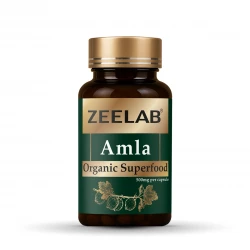
Emblica Officinalis Extract (Amla Powder) 500mg
100 Capsules per jar
References
- https://www.jstage.jst.go.jp/article/jcbn/40/3/40_3_163/_pdf
- https://pmc.ncbi.nlm.nih.gov/articles/PMC2694078/
- https://pmc.ncbi.nlm.nih.gov/articles/PMC5052420/
- https://medcraveonline.com/PPIJ/a-newer-approach-in-the-management-of-diabetes-and-reduction-of-hba1c-level-by-the-use-of-natural-remedies-over-synthetic-drugs.html
- https://www.intechopen.com/chapters/75420
Recent Blogs






Disclaimer : Zeelab Pharmacy provides health information for knowledge only. Do not self-medicate. Always consult a qualified doctor before starting, stopping, or changing any medicine or treatment.
Related Products






 Added!