
Best Foods to Increase Haemoglobin Naturally & Boost Iron Levels: Complete Diet Guide
Low haemoglobin has become a very common health concern among people, and they are not even aware of it. Haemoglobin is very important for us because it is a protein in our red blood cells that helps carry oxygen to our whole body.
So, when the levels of haemoglobin are low, a shortage of oxygen in the body also takes place, making proper functioning difficult.
Haemoglobin deficiency can cause many problems that people often don't take seriously, like being constantly tired, weak, having shortness of breath, and having pale or dull-looking skin.
Fortunately, diet plays a vital role in raising the level of haemoglobin in the body naturally.
Through this blog, you will know if natural ways can increase haemoglobin, the role of diet for haemoglobin balance, and a list of foods that increase haemoglobin.
What is Haemoglobin?
Haemoglobin is a vital protein because its primary job is to transport oxygen throughout the body, and also transport carbon dioxide back to the lungs for removal. This continuous supply of oxygen helps in the energy supply of the body, brain function, and the overall health of the body\’s organs.
If the levels of haemoglobin in the blood are low, the body will not get the required amount of oxygen, which will cause problems like fatigue, weakness, and decreased performance.\
Low levels of haemoglobin over time may lead to Anaemia, which might interfere with the normal lives of the individual.
Normal Haemoglobin Levels Chart
Understanding normal haemoglobin levels can help you identify whether your levels are within a healthy range.
|
Category |
Normal Haemoglobin Level |
|
Men |
13.8 – 17.2 g/dL |
|
Women |
12.1 – 15.1 g/dL |
|
Pregnant Women |
11 – 14 g/dL |
Note: If your haemoglobin levels are below the normal range, it may indicate anaemia and require dietary changes or medical consultation.
Causes of Low Haemoglobin
Low levels of haemoglobin can be due to several reasons, some of them being nutritional deficiencies, while others include underlying health complications. Some of the common causes include:
- Nutritional Deficiencies: Deficiencies of iron, vitamin B12, and folic acid may result in decreased production of red blood cells and a subsequent reduction of haemoglobin.
- Medical Conditions: Issues such as blood loss (menorrhagia, injuries, internal bleeding), diseases (such as renal diseases or prolonged infections), etc., may also influence haemoglobin levels.
- Genetic Conditions: Certain inherited disorders may affect the production or functioning of red blood cells, leading to low levels of haemoglobin.
- Increased Nutritional Needs: Pregnancy is a stage where there is a need for increased nutrients such as iron and vitamins; failure in fulfilment can lead to haemoglobin deficiency.
- Unhealthy Lifestyle Habits: Dieting often, skipping meals, and consuming processed food may lead to low levels of haemoglobin.
Symptoms of Low Haemoglobin
Low levels of haemoglobin in the blood can bring about changes in the way the body works. Some of the symptoms of low levels of haemoglobin include:
- Fatigue and low energy levels
- Weakness or lack of endurance
- Pale or dull complexion
- Shortness of breath, especially during exercise
- Dizziness or faintness
- Frequent headaches
- Cold hands and feet
- Rapid or irregular heartbeat
- Difficulty concentrating
- Brittle hair or excessive hair loss
Best Foods to Increase Haemoglobin Naturally
One of the best and natural ways of raising your haemoglobin levels is to pick the right foods with the right nutrients. The following table will give you an idea about which foods increase haemoglobin.
|
Nutrient Type |
Food Examples |
Benefits |
|
Iron-Rich Foods |
Spinach, beetroot, pomegranate, jaggery, lentils, red meat |
Increases the production of haemoglobin and enhances the oxygen-carrying capacity of blood |
|
Vitamin C Rich Foods |
Oranges, lemons, amla, guava, and tomatoes |
Enhances the absorption of iron and immunity |
|
Vitamin B12-Rich Foods |
Milk, curd, eggs, fish, fortified cereals |
Increases the production of RBCs and reduces fatigue |
|
Folate Rich Foods |
Leafy vegetables, beans, peas, bananas |
Helps in the production of healthy RBCs and reduces deficiency |
Foods to Avoid When Haemoglobin is Low
Most of the time, people put all their focus on what to eat if haemoglobin is low, but taking care of what not to eat is equally important.
This is because Certain foods and drinks can interfere with iron absorption or reduce the body\’s ability to utilise essential nutrients effectively.
- Tea and coffee: They have iron-inhibiting compounds.
- Calcium-rich foods (in excess): Excessive consumption of these foods may inhibit iron uptake when co-consumed with iron-rich foods.
- Processed and junk foods: These have low nutritional value and do not contribute to haemoglobin synthesis.
- High-fibre foods (in excess): Excessive intake of high-fibre foods may inhibit iron uptake.
- Sugary foods and beverages: They do not contribute to haemoglobin production.
Diet and Lifestyle Tips to Boost Haemoglobin Faster
While it is important to note that raising haemoglobin levels is not just about consuming iron-rich foods, it is more about developing healthy dietary and lifestyle habits that promote iron absorption and nutritional well-being in general.
- Pair iron with vitamin C: Iron is best paired with foods rich in vitamin C, such as lemons, amla, or oranges.
- Avoid tea or coffee with meals: It is recommended that you do not consume tea or coffee at least 1-2 hours after your meals.
- Include a variety of nutrients: Your diet must contain vitamin B12, folate, and protein.
- Eat regular, balanced meals: Do not skip meals. It may cause a deficiency of essential nutrients and slow down recovery.
- Cook in iron utensils (when possible): Cooking food in iron utensils may increase the iron content of the food.
Daily Diet Plan for Low Haemoglobin
Following a structured iron-rich diet plan can help improve haemoglobin levels naturally. Here is a simple daily meal plan you can follow:
- Morning (Empty Stomach): Amla juice + 5–6 soaked raisins
- Breakfast: Vegetable poha / boiled eggs + a glass of orange juice
- Lunch: Spinach dal + whole wheat roti + salad with lemon
- Evening Snack: Pomegranate roasted chana/dates
- Dinner: Beetroot salad + lentil paneer curry
Tip: Always combine iron-rich foods with vitamin C sources to enhance absorption.
Medical Treatment Options: When Diet is Not Enough
In some cases, dietary changes might not be enough to improve haemoglobin levels and would require medical intervention.
This usually happens in cases of severe haemoglobin deficiency and the presence of co-existing health conditions.
In such conditions, a health professional may suggest specific treatments based on the cause.
- Iron supplements: These are often prescribed to replenish iron levels and promote the production of haemoglobin.
- Intravenous (IV) iron therapy: It is recommended when iron supplements are not effective or are not well tolerated.
- Blood transfusion: In severe conditions, a transfusion of blood may be necessary to increase haemoglobin levels.
Best Iron Supplement Recommendations for Low Haemoglobin from Zeelab Pharmacy
Low haemoglobin can lead to fatigue and weakness, but the right supplements can help restore healthy levels.
Zeelab Pharmacy offers effective iron supplements enriched with essential nutrients like folic acid and vitamin B12.
These supplements support red blood cell production, improve energy levels, and promote overall health.
Richrun Iron Syrup
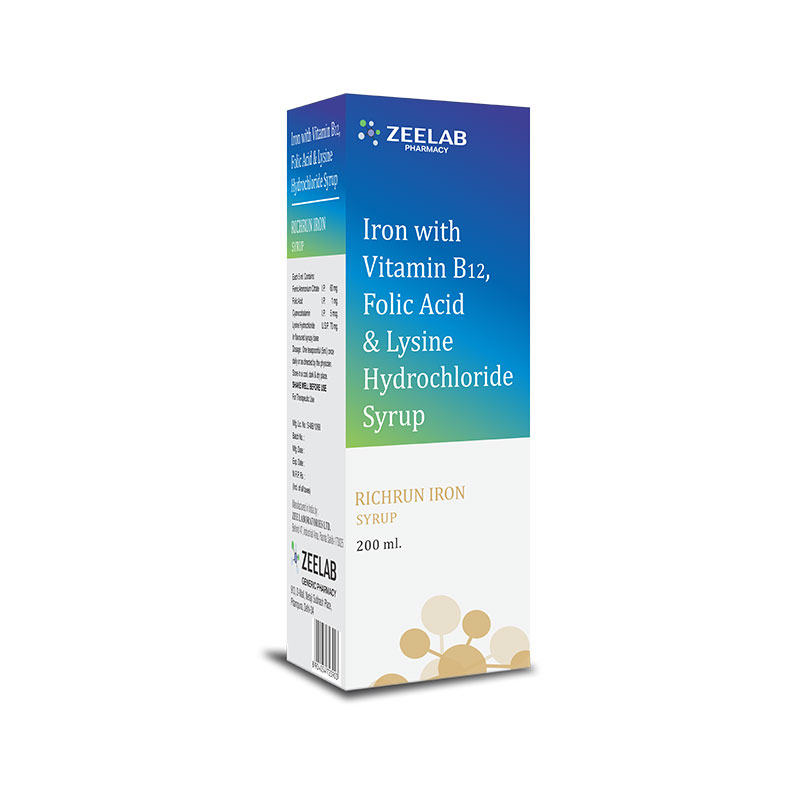
Boost your haemoglobin levels effectively with this iron-rich syrup designed for better absorption and faster results. It helps improve energy, reduce weakness, and support overall blood health.
- Composition: Iron (60 mg) + Folic Acid (1 mg) + Vitamin B12 (0.005 mg) + Lysine (70 mg)
- Benefits: This combination helps boost haemoglobin levels and effectively treats iron deficiency anaemia. It supports red blood cell production, enhances energy, and reduces fatigue, while Lysine aids iron absorption and promotes overall vitality.
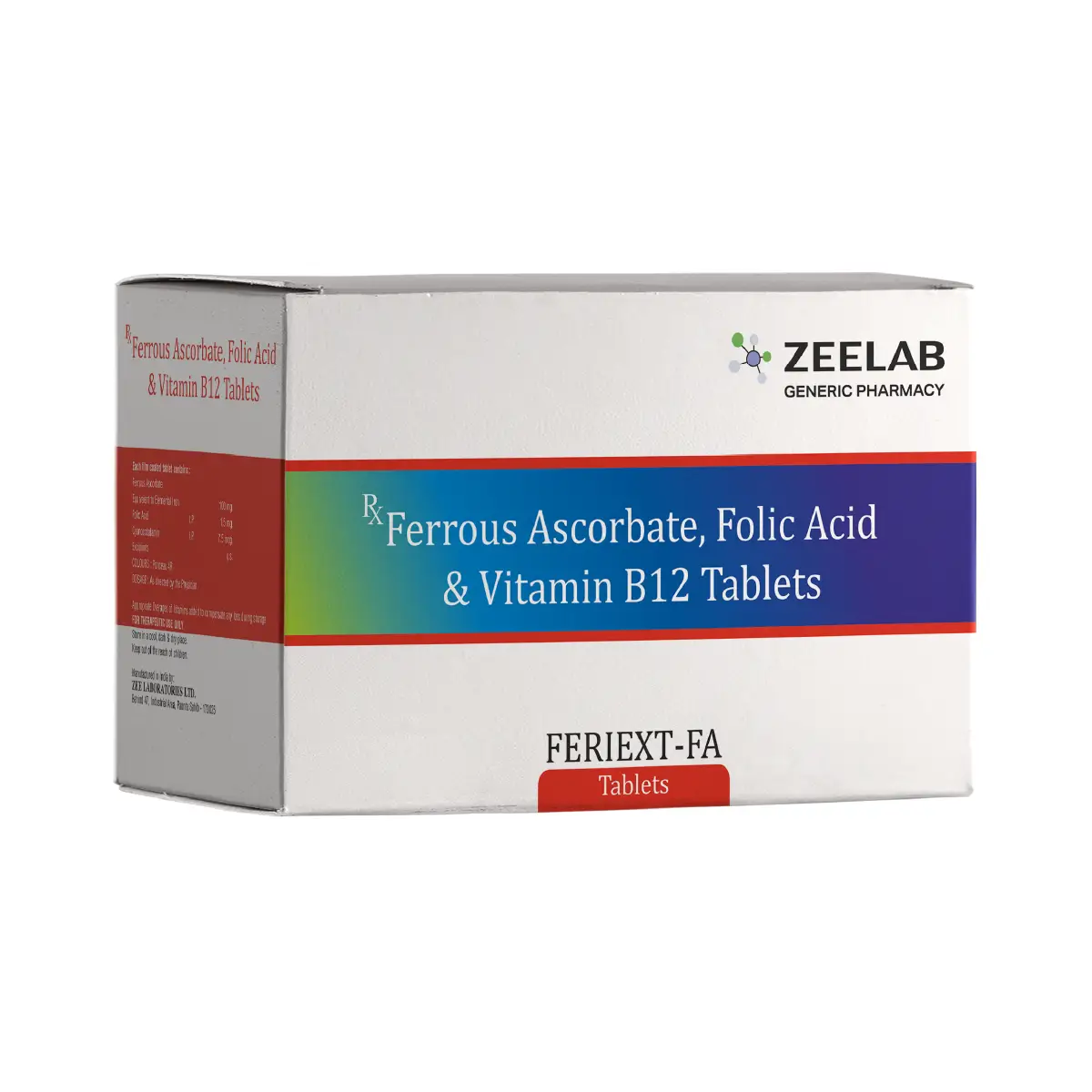
Feriext FA Iron Tablet
Supports healthy haemoglobin levels with a powerful blend of iron, folic acid, and vitamin B12 for improved blood health.
It helps boost energy, reduce fatigue, and enhance overall vitality effectively.
- Composition: Iron (100 mg) + Folic Acid (1.5 mg) + Vitamin B12 (0.0075 mg):
- Benefits: This supports healthy haemoglobin, boosts energy, and aids red blood cell production, helping reduce fatigue and improve overall vitality.
Rich Run Iron Supplement Capsule
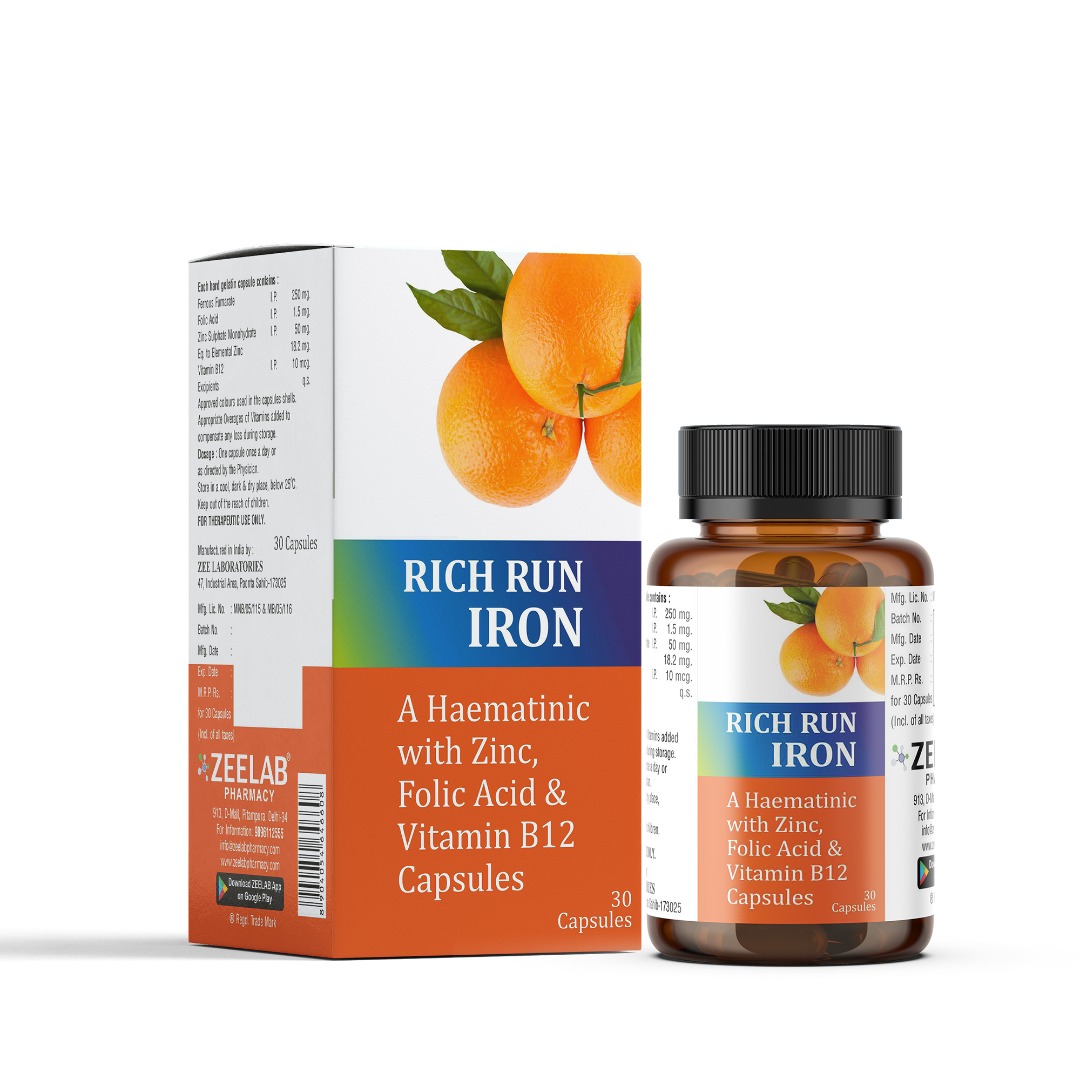
Helps improve haemoglobin levels with a powerful combination of iron, folic acid, and essential nutrients for better absorption. It boosts energy, strengthens immunity, and supports overall recovery from iron deficiency.
- Composition: Ferrous Fumarate 250 mg + Folic Acid 1.5 mg + Zinc 18.2 mg + Vitamin B12 10 mcg
- Benefits: Supports healthy haemoglobin and red blood cell production, boosts energy, strengthens immunity, and promotes overall vitality. It helps reduce fatigue, supports proper nerve and brain function, and aids recovery from iron and micronutrient deficiencies.
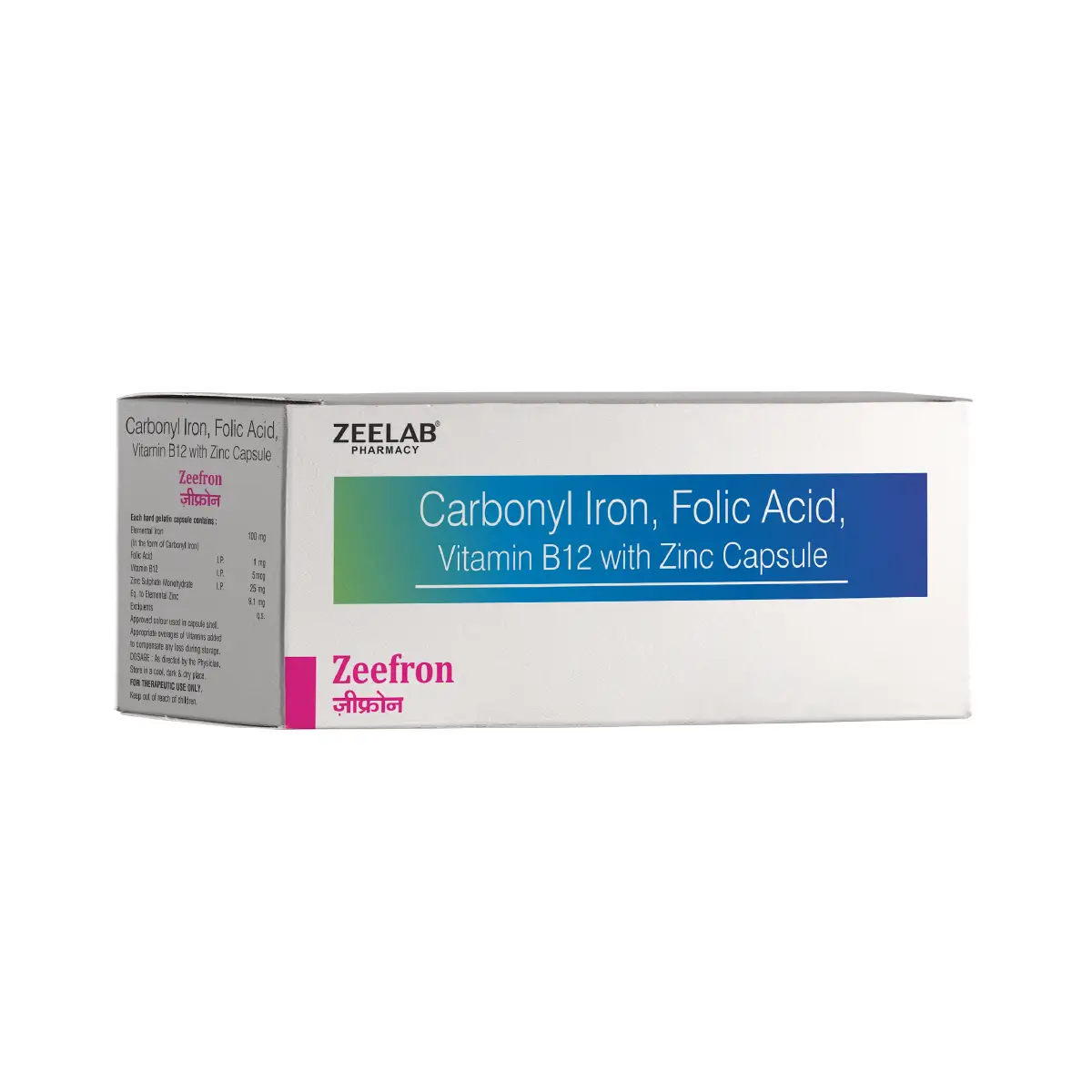
Zeefron Capsule
Supports healthy haemoglobin levels with iron, folic acid, and vitamin B12 for effective blood formation. It helps boost energy, reduce fatigue, and strengthen immunity for overall well-being.
- Composition: Iron Carbonyl 100 mg + Folic Acid 1 mg + Vitamin B12 5 mcg + Zinc 25 mg
- Benefits: It helps maintain healthy haemoglobin, supports red blood cell production, boosts energy, and strengthens immunity. It also promotes proper nerve function, reduces fatigue, and aids overall vitality.
When to See a Doctor?
Mild cases of low levels of haemoglobin can be treated by making changes to diet and lifestyle. However, there are some symptoms that should not be ignored.
- Fatigue or weakness that does not improve with rest or dietary changes
- Shortness of breath with routine activities or minimal exertion
- Frequent episodes of dizziness and fainting
- Significant paleing of the skin, lips, and nails
- Rapid or irregular heartbeats
- Heavy or prolonged menstrual bleeding
- Underlying health problems, such as kidney diseases and infections
Conclusion
Maintaining healthy haemoglobin levels is essential for overall well-being, energy, and proper body function. While low haemoglobin can lead to fatigue and other health concerns, the right dietary choices can make a meaningful difference.
Including foods that increase haemoglobin level, along with balanced nutrition and mindful eating habits, can support natural recovery and long-term health.
However, it is equally important to recognise symptoms early and seek medical advice when needed. By combining a nutrient-rich diet with a healthy lifestyle, you can effectively manage haemoglobin levels and improve your overall quality of life.
Frequently Asked Questions
Q. What should be the daily diet of a low haemoglobin person?
A. A daily diet should include iron-rich foods like spinach, lentils, jaggery, and lean meats, along with vitamin C sources such as citrus fruits to improve absorption and support healthy haemoglobin levels.
Q. Which fruits can help in increasing haemoglobin?
A. Fruits like pomegranate, apple, and guava help boost haemoglobin. They provide iron and antioxidants, while vitamin C-rich fruits like oranges enhance iron absorption and support healthy blood formation.
Q. How long does it take to increase haemoglobin naturally?
A. Improving haemoglobin through diet and natural methods usually takes a few weeks to a couple of months. Consistency in eating iron-rich foods along with nutrients that enhance absorption is important for noticeable improvement.
Q. What food should I eat to improve haemoglobin?
A. You should include the following foods to increase haemoglobin level: green leafy vegetables, beetroot, pomegranate, lentils, eggs, and vitamin C-rich fruits that help enhance iron absorption and support blood health.
Q. Can low haemoglobin be cured with diet alone?
A. Mild cases of low haemoglobin can often be improved with a nutrient-rich diet. However, severe deficiencies or underlying conditions may require medical treatment along with dietary changes for effective management.
Q. Does carrot increase haemoglobin production?
A. Carrots contain antioxidants and small amounts of iron that may support overall blood health. While they are beneficial, they should be combined with other iron-rich foods to improve haemoglobin levels effectively.
Q. Can diet alone improve low haemoglobin levels?
A. Yes, a balanced diet rich in iron, vitamin B12, folate, and vitamin C can improve haemoglobin levels in mild cases. However, severe deficiencies may still require supplements or medical treatment for better results.
Q. Can drinking lemon water help increase haemoglobin?
A. Lemon water is rich in vitamin C, which helps the body absorb iron more efficiently. When consumed with iron-rich foods, it can support better haemoglobin levels over time.
Q. Which dry fruits are good for haemoglobin?
A. Dry fruits like raisins, dates, and figs contain iron and can support haemoglobin levels. Including them as snacks or in meals can help improve overall nutrient intake.
Q. Which Indian foods help increase haemoglobin levels naturally?
A. Indian foods like spinach (palak), beetroot, jaggery (gur), lentils (dal), and sesame seeds (til) are rich in iron and nutrients that support haemoglobin production when included regularly in a balanced diet.
Iron (100 mg) + Folic Acid (1.5 mg) + Vitamin B12 (0.0075 mg)
10 Tablets In 1 Strip
Iron (60 mg) + Folic Acid (1 mg) + Vitamin B12 (0.005 mg) + Lysine (70 mg)
200ml In 1 Bottle
Iron Carbonyl (100mg) + Folic Acid (1mg) + Vitamin B12 (5mcg) + Zinc (25mg)
15 Capsules In 1 Strip
Ferrous Fumarate 250mg + Folic Acid 1.5mg + Zinc Sulphate Monohydrate 50mg Eq. to Elemental Zinc 18.2 mg. + Vitamin B12 10mcg
30 Capsules per jar
Recent Blogs





Disclaimer : Zeelab Pharmacy provides health information for knowledge only. Do not self-medicate. Always consult a qualified doctor before starting, stopping, or changing any medicine or treatment.
Related Products


₹ 0
0
Items added
Quick Links
Categories
Our Policies

Our Socials


Subscribe

2026 Copyright By © Zeelab Pharmacy Private Limited. All Rights Reserved
Our Payment Partners

 Added!