
How Magnesium Helps with Menopause Relief: Complete Guide to Benefits, Dosage, Types & Side Effects
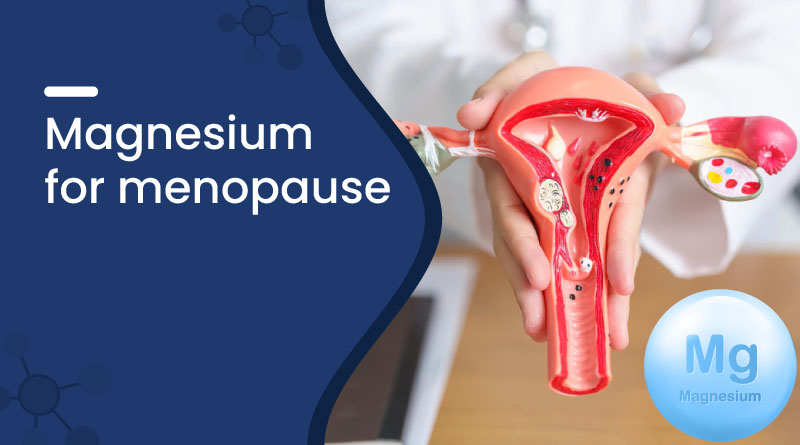
Menopause is a natural stage in a woman’s life, usually occurring between the ages of 45 and 55. It marks the end of menstrual cycles and reproductive years and is accompanied by hormonal changes, particularly a decline in estrogen.
These changes can lead to symptoms such as hot flashes, mood swings, sleep disturbances, fatigue, and low energy.
Magnesium is an essential mineral involved in over 300 enzymatic processes that support hormone balance, nerve function, muscle health, bone strength, heart health, and energy production. Including magnesium in your diet or supplement routine may help ease menopause symptoms and support overall well-being.
Understanding menopause is important to recognise symptoms early, manage them effectively, and make informed decisions for a healthier life.
This blog covers how magnesium supports menopause, along with its benefits, dosage, forms, dietary sources, side effects, precautions, lifestyle tips, and frequently asked questions.
What is Menopause?
Menopause is a biological process in a woman's life that signals the end of her menstrual cycles and reproductive years. Menopause is confirmed when a woman has not had her menstrual cycles for a year, due to a decline in hormones like estrogen and progesterone.
Phases of Menopause
Menopause is not an occurrence; rather, it is a process that takes place over time. This process has three phases.
- Perimenopause: This phase may start years before menopause. During this time, hormone production varies, resulting in irregular periods.
- Menopause is the time when periods stop occurring.
- Postmenopause continues throughout a woman’s life. During this time, relief from menopause symptoms is possible.
Common Symptoms of Menopause
Women going through menopause have different symptoms, which may vary in nature and severity. The most common menopause symptoms are:
- Hot flashes
- Night sweats
- Mood swings
- Sleep problems
- Low energy levels
- Vaginal dryness, low libido, and difficulty concentrating in some cases
Menopausal symptoms are caused by hormonal changes in women. The symptoms may affect the quality of life in women if not addressed properly.
Also Read: Top 7 Ways to Increase Energy Levels for Women Naturally
Why Magnesium is Important During Menopause?
You cannot prevent menopause, as well as the hormonal changes and declining estrogen that come with it.
These changes can affect various body functions, but surprisingly, magnesium can ensure balance, comfort, and well-being.
- Promotes healthy bone metabolism; may help prevent bone loss
- Helps regulate sleep patterns; may help improve sleep quality
- Helps maintain balance in moods; promotes emotional well-being
- Magnesium helps to maintain healthy blood pressure
- Aids the body in adapting to hormonal changes during menopause
- Supports key physiological processes affected by declining estrogen levels
Does Magnesium Help with Menopause? What Does Research Say?
- Some studies suggest magnesium may support sleep quality and mood via neurotransmitter regulation, but evidence is early and not definitive.
- Research on magnesium specifically reducing hot flashes or night sweats is mixed. One large placebo‑controlled study found no significant effect of magnesium oxide on hot flash symptoms in menopausal women with a history of breast cancer.
- Smaller studies without placebo groups have suggested potential benefits, but these are not strong enough to make firm clinical recommendations.
Bottom line: Magnesium may help some symptoms (especially sleep and mood), but its effectiveness for vasomotor symptoms like hot flashes is not conclusively proven.
Key Benefits of Magnesium for Menopause
Magnesium has a vital role to play in the regulation of various bodily functions, which are sometimes affected during menopause. Because of its varied effects, magnesium may provide benefits related to the following:
- Hot flashes: May help regulate temperature, their occurrence and severity.
- Sleep disturbances: Promotes a relaxing state, which encourages a deep, restful sleep.
- Mood changes: Helps with neurotransmitter balance, which reduces stress and irritability.
- Bone health: Supports calcium absorption, which maintains bone density.
- Muscle discomfort: Magnesium promotes muscle relaxation, helping reduce cramps.
- Heart health: Helps with blood pressure regulation, as well as heart function.
- Low energy: Involved with energy production, which reduces fatigue.
Also Read: Best Magnesium Supplement for Women
Signs of Magnesium Deficiency in Menopausal Women
Magnesium deficiency can be common during menopause and may worsen symptoms if not addressed. Hormonal changes, dietary gaps, and stress can all contribute to lower magnesium levels. Recognising deficiency early is important for overall health.
Common Symptoms of Magnesium Deficiency:
- Muscle cramps or spasms
- Fatigue and low energy
- Sleep disturbances
- Mood swings or irritability
Why It Happens:
- Hormonal changes reduce magnesium absorption
- Poor dietary intake of magnesium-rich foods
- Increased stress and lifestyle factors
Potential Health Risks:
- Weak bones and increased risk of osteoporosis
- Heart rhythm disturbances
- Chronic fatigue and low overall well-being
How Magnesium Works in the Body During Menopause
Magnesium plays a vital role in supporting women’s health during menopause by helping manage symptoms like mood swings, sleep disturbances, and bone health, making this mineral an essential part of menopausal wellness.
Magnesium influences menopause symptoms through multiple pathways:
- Supports neurotransmitter balance (serotonin, GABA) that affects mood, sleep, and stress response.
- Contributes to bone mineral matrix formation and calcium regulation.
- Plays a role in cardiac electrical conduction and muscle relaxation.
- Interacts with hormone‑regulated metabolic systems.
Best Types of Magnesium for Menopause Relief
Different forms of magnesium vary in absorption and tolerability, making it important to choose the right type based on individual needs and desired health benefits.
|
Form |
Benefits |
Notes |
|
Magnesium glycinate |
Supports sleep, relaxation, and mood |
High absorption, gentle on the stomach |
|
Magnesium citrate |
Helps digestion & relieves constipation |
Easily absorbed |
|
Magnesium oxide |
Lower absorption |
|
|
Magnesium malate |
Boosts energy and reduces fatigue |
Moderate absorption |
|
Magnesium chloride |
Supports muscles and overall function |
Easily absorbed |
|
Topical magnesium (oil/bath) |
May relieve muscle tension |
Absorbed through the skin |
Recommended Magnesium Dosage for Women
Magnesium needs during menopause are similar to general adult requirements, but adequate intake becomes especially important to support bone, mood, and overall health.
|
Category |
Recommended Daily Intake (mg) |
|
Women (45–50 years) |
320 mg |
|
Women (51+ years/postmenopause) |
320 mg |
|
From supplements (if needed) |
200–350 mg |
|
Upper safe limit (supplements) |
350 mg |
Best Natural Food Sources of Magnesium for Menopause
Including natural food sources of magnesium in your daily diet can help maintain adequate levels and support overall health without relying solely on supplements.
|
Food |
Approx. Magnesium (mg) per serving |
|
Spinach, kale (1 cup cooked) |
150 mg |
|
Almonds (1 oz / 28g) |
80 mg |
|
Cashews (1 oz / 28g) |
75 mg |
|
Pumpkin seeds (1 oz / 28g) |
150 mg |
|
Black beans (1 cup cooked) |
120 mg |
|
Quinoa (1 cup cooked) |
120 mg |
|
Banana (1 medium) |
35 mg |
|
Avocado (1 medium) |
60 mg |
|
Dark chocolate (1 oz / 28g) |
64 mg |
|
Yoghurt/milk (1 cup) |
30–50 mg |
Side Effects of Magnesium Supplements
While it is generally safe to take magnesium within recommended amounts, overconsumption of magnesium, especially through supplements, may lead to some side effects.
- Diarrhoea (most common)
- Nausea or vomiting
- Abdominal cramps or discomfort
- Bloating
- Low blood pressure (in high doses)
- Irregular heartbeat (rare, in excessive intake)
- Muscle weakness
- Confusion or drowsiness
Who Should Avoid or Be Careful with Magnesium?
Magnesium supplements can be beneficial, but certain individuals should use them carefully to avoid potential risks or interactions.
- People with kidney disorders (risk of magnesium buildup)
- Individuals taking medications like diuretics or antibiotics
- Those on heart or blood pressure medications
- People with digestive disorders affecting absorption
- Individuals already taking high-dose supplements
- Older adults with multiple health conditions
- Pregnant or breastfeeding women (unless advised by a doctor)
How to Take Magnesium Safely
When taking magnesium during menopause, it’s important to select a supplement form that is safe, well-absorbed, and easy on your digestive system.
Factors to consider include how your body tolerates it, the dosage you need, and any personal health conditions. Always follow the recommended intake and consult a healthcare professional if unsure.
Magnesium with Calcium & Vitamin D: Why It Matters
Magnesium works best when balanced with other key nutrients like calcium and vitamin D, helping support bones, heart health, and overall wellness during menopause.
- Magnesium supports calcium absorption and utilisation.
- Helps the body metabolise vitamin D effectively.
- A proper balance of these nutrients improves bone strength.
- Supports heart health and overall wellness.
- Important for maintaining optimal health during menopause.
Lifestyle Tips to Manage Menopause Naturally
Adopting healthy lifestyle habits can help manage menopausal symptoms effectively, improve overall well-being, and support the body in adapting to hormonal changes during this phase.
- Maintain a balanced diet rich in calcium, magnesium, and vitamins
- Stay physically active with regular exercise like walking, yoga, or strength training
- Practice stress management techniques such as meditation or deep breathing
- Prioritise good sleep habits and maintain a consistent sleep schedule
- Stay hydrated and limit caffeine or alcohol intake
- Avoid smoking, as it may worsen symptoms
- Maintain a healthy weight to support hormonal balance
- Seek regular medical check-ups for overall health monitoring
Conclusion
Menopause is a natural biological process, but the symptoms may impact one's life if they are not properly managed. Including the right nutrients, such as magnesium, can play a supportive role in easing this phase.
Ranging from improved sleep and mood balance to bone and heart health, the magnesium benefits for menopause are wide-ranging. While it is not a cure, taking magnesium for menopause women may help in enhancing comfort.
Along with a healthy lifestyle and proper guidance, magnesium can be a simple yet effective addition to menopause management.
Frequently Asked Questions
Q. How is magnesium helpful for menopausal women?
A. Magnesium helps manage menopause symptoms like sleep issues, mood swings, and fatigue. It supports nerve function, relaxation, and overall hormonal balance.
Q. Can magnesium deficiency worsen menopausal symptoms?
A. Yes, low magnesium levels due to poor diet or stress may worsen symptoms like fatigue, mood changes, and sleep problems.
Q. What are good natural sources of magnesium for menopause?
A. Magnesium-rich foods include leafy greens, nuts, seeds, whole grains, legumes, bananas, and dark chocolate.
Q. What is the best form of magnesium for menopause?
A. Magnesium glycinate is best for sleep and relaxation, citrate helps digestion, and malate supports energy levels.
Q. How does magnesium help with sleep during menopause?
A. Magnesium helps relax the body and regulate sleep-related neurotransmitters, improving sleep quality and reducing insomnia.
Q. Is magnesium good for mood swings during menopause?
A. Yes, magnesium supports brain function and helps reduce mood swings, stress, and irritability.
Q. Can magnesium reduce hot flashes during menopause?
A. Magnesium may help reduce hot flashes by calming the nervous system, but results can vary between individuals.
Q. What is the best time to take magnesium for menopause?
A. It is best taken in the evening or before bedtime to support relaxation and better sleep.
Q. Magnesium supplements vs natural food: which is better?
A. Both are useful—foods provide daily nutrition, while supplements help address deficiencies more effectively.
Q. How long does magnesium take to work?
A. Magnesium may show effects within 1–2 weeks, with full benefits typically seen in 4–6 weeks.
Q. Can you take magnesium daily during menopause?
A. Yes, it can be taken daily within the recommended dose (around 320 mg) to support overall health.
Q. Is it safe to take magnesium supplements during menopause?
A. Magnesium is generally safe when taken in proper doses, but excessive intake may cause side effects.
Q. Are there any side effects of magnesium?
A. High doses may cause diarrhoea, nausea, or stomach discomfort, while serious side effects are rare.
Q. Should I give magnesium daily to my mother during menopause?
A. Daily intake can be beneficial, but it’s best to follow recommended doses and consult a doctor if unsure.
Recent Blogs






Disclaimer : Zeelab Pharmacy provides health information for knowledge only. Do not self-medicate. Always consult a qualified doctor before starting, stopping, or changing any medicine or treatment.


₹ 0
0
Items added
Quick Links
Categories
Our Policies

Our Socials


Subscribe

2026 Copyright By © Zeelab Pharmacy Private Limited. All Rights Reserved
Our Payment Partners

 Added!