
Magnesium for Migraines & Headaches: A Complete Guide to Benefits, Types & Dosage
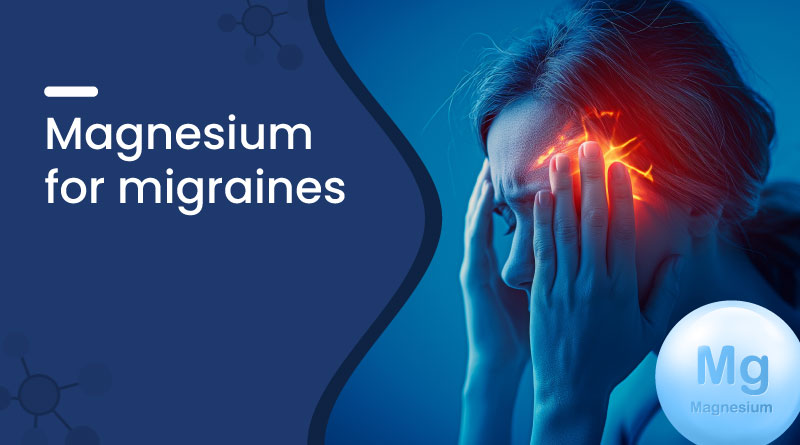
Migraines are not only headaches, but they are a neurological disorder that can affect your daily life. Migraines differ from a normal headache because they are a pounding pain on one side of the brain, along with other symptoms like nausea, vomiting, and sensitivity to light and sound.
The pain can be so severe that it makes you unable to do anything with focus, affecting your productivity and overall happiness.
Lately, magnesium has been recognised as a natural way to help alleviate migraines. This is because it is an important mineral that plays a crucial role in nerve function and blood flow. Both of these factors contribute to the occurrence of migraines.
In this blog, we will learn about magnesium, migraines, and brain health; the best form of magnesium for migraines; and much more.
What are Migraines?
Migraines are a type of neurological headache disorder that goes beyond the typical tension headache. They are often intense, throbbing, and one-sided, and can significantly affect daily life.
Migraines may also be accompanied by other symptoms such as nausea, vomiting, sensitivity to light (photophobia), sound (phonophobia), or even visual disturbances called auras.
Common Symptoms of Migraines
Migraines can affect more than just your head; they often come with a range of physical and sensory symptoms that can disrupt daily life. Understanding these common signs is key to identifying and managing migraine attacks effectively.
- Moderate to severe head pain, often pulsating
- Nausea and vomiting
- Sensitivity to light, sound, or smell
- Visual disturbances (flashes, blind spots, zigzag lines)
- Fatigue or irritability before and after an attack
Common Causes of Migraines
Migraines can be triggered by genetics, hormones, lifestyle, and environmental factors. Identifying these causes helps in managing attacks effectively.
- Genetics and family history of migraines
- Hormonal changes, especially in women
- Imbalances in brain chemicals like serotonin
- Changes in blood flow to the brain
Why Migraines Are More Than Just Headaches
Migraines are not just “bad headaches” — they are a complex neurological condition that can affect your entire body. Unlike regular headaches, migraines often come with a combination of symptoms such as throbbing pain (usually on one side), nausea, vomiting, and sensitivity to light and sound.
In some cases, people may also experience visual disturbances (migraine aura) before the pain begins. What makes migraines more difficult to manage is that they are triggered by multiple factors.
Stress, lack of sleep, dehydration, hormonal changes, and certain foods can all play a role in triggering an attack. Because of this, migraines can interfere with your daily routine, productivity, and overall well-being.
Hidden Triggers Behind Your Migraine Attacks
Many migraine attacks are triggered by factors you might not even notice. Identifying these hidden triggers can help you prevent episodes and manage symptoms more effectively.
- Stress or emotional tension
- Poor sleep or irregular sleep patterns
- Certain foods (processed foods, caffeine, alcohol)
- Dehydration
- Environmental factors (bright lights, strong odours, loud noises).
Magnesium’s Crucial Role in Fighting Migraines
Magnesium is a very important mineral that your body needs to perform vital functions. It helps maintain nerve function, thereby enabling proper coordination of signals between the brain and the body. Magnesium also helps the body relax muscles, thus preventing muscle cramps.
Magnesium also helps the body maintain healthy blood pressure and supports proper brain and nervous system function, further supporting the control of migraines.
How Does Magnesium Help Prevent Migraine Attacks?
Magnesium helps in preventing migraine headaches by aiding in nerve functions, blood circulation, and reducing brain excitability, thus making it an excellent remedy for controlling frequent migraine attacks naturally.
- Regulates neurotransmitters: Magnesium helps in controlling chemicals in the brain that affect pain signals, thus reducing the risk of migraine triggers.
- Supports healthy blood vessels: It helps in preventing sudden constriction and dilation of blood vessels, which are commonly associated with migraine headaches.
- Reduces brain excitability: Magnesium helps reduce brain excitability, thereby reducing migraine risk.
- May reduce inflammation: It helps reduce inflammation, which may also prevent migraines.
Benefits of Magnesium for Migraines
There are several magnesium benefits for migraine prevention and control, especially if you take the right form in the correct dosage suggested by your doctor, that too with consistency.
- May reduce migraine frequency: Regular consumption may reduce how often migraine headaches occur.
- Can decrease the severity of pain: Helps control how painful migraine headaches are, making them easier to cope with.
- Improves overall brain health: Promotes good brain function, which may reduce the chances of recurring headaches.
- A well-tolerated option: Safe and good for long-term use in moderate amounts.
- Supports better nerve function: Promotes good nerve function, reducing migraine triggers.
Signs of Magnesium Deficiency That May Trigger Migraines
Sleep, energy levels, and overall well-being may be affected by magnesium deficiency. Recognising early signs may help identify low levels and support better sleep quality and daily functioning.
- Difficulty in falling asleep
- Frequent night awakenings
- Muscle cramps and twitches
- Restlessness or anxiety
- Fatigue during the day
- Headaches or migraines
Best Types of Magnesium for Migraines
There are different types of magnesium available, but not all are equally effective for migraines. Choosing the right form is important for better absorption and migraine support.
|
Type of Magnesium |
Key Benefits |
Best For |
|
Magnesium Glycinate |
Highly absorbed, easy on the stomach, promotes relaxation and sleep |
Migraines and sleep issues |
|
Magnesium Citrate |
Well absorbed, helps with digestion and levels of magnesium |
Mild deficiency and constipation |
|
Magnesium Oxide |
Contains high levels of magnesium, with a lower absorption rate |
Occasional use for migraine prevention |
|
Magnesium L-Threonate |
Passes the blood-brain barrier, promotes brain health and cognitive function |
Migraines relate to the health of the brain and nerves |
Recommended Magnesium Dosage for Migraine Prevention
Finding the right magnesium dosage for migraine prevention is vital for safe usage, as the proper amount of magnesium can help reduce the occurrence of migraines. At the same time, too much of it may lead to side effects.
- The general dosage of magnesium taken daily by adults is 300-400 mg
- Usually taken daily for migraine prevention and long-term management
- Dosage may vary based on individual needs and health conditions
- Always consult a healthcare professional before taking magnesium supplements.
Magnesium-Rich Foods to Help Manage Migraines Naturally
In addition to magnesium supplements can be obtained naturally via diet. So, by including natural food sources of magnesium in your diet, you can effectively manage migraine and headache.
- Green leafy vegetables (spinach, kale)
- Nuts (almonds, cashews)
- Seeds (pumpkin seeds, chia seeds)
- Whole grains (brown rice, oats)
- Legumes (beans, lentils)
- Bananas
- Avocados
- Dark chocolate
- Dairy products (milk, yoghurt)
- Fish (salmon, mackerel)
Also Read: Best Foods for Migraine Relief
How Long Does Magnesium Take to Work for Migraines?
Magnesium isn’t an instant cure, but consistent use can gradually reduce the frequency and severity of migraine attacks over time.
|
Aspect |
Details |
|
Time to Notice Improvement |
2–4 weeks of consistent magnesium intake |
|
Time for Full Benefits |
6–8 weeks of regular use |
Side Effects of Magnesium Supplements
Side effects of taking magnesium supplements for migraines and headaches are usually mild, but high doses may cause digestive issues, dizziness, or fatigue in some individuals.
- Digestive issues: Taking higher amounts may cause loose stools, stomach upset, or abdominal discomfort.
- Nausea: Consuming magnesium on an empty stomach can sometimes trigger mild nausea.
- Low blood pressure: Excess intake may cause a drop in blood pressure, leading to dizziness or lightheadedness.
- Drowsiness or fatigue: Too much magnesium may cause unusual tiredness or sluggishness.
- Irregular heartbeat: In rare cases, very high levels can interfere with normal heart rhythm.
Who Should Avoid Magnesium Supplements?
Not everyone should take magnesium supplements without caution. Certain health conditions and medications may increase risks, making it important to know who should avoid or limit their use.
- People with kidney problems: Impaired kidney function can reduce magnesium excretion, leading to possible accumulation in the body.
- Individuals taking certain medications: Magnesium may interact with antibiotics, diuretics, or heart medicines, altering their effectiveness.
- Those with digestive disorders: Conditions like chronic diarrhoea or poor absorption may worsen with magnesium supplementation.
- Pregnant or breastfeeding women (without advice): Supplements should be taken only under medical guidance, despite magnesium being essential.
Lifestyle Tips to Prevent Migraine Attacks
Not everyone should take magnesium supplements without caution. Certain health conditions and medications may increase risks, making it important to know who should avoid or limit their use.
- Get consistent sleep by maintaining a fixed bedtime and wake-up routine
- Keep yourself hydrated by drinking water regularly throughout the day
- Practice stress management through yoga, meditation, or deep breathing exercises
- Eat balanced meals on time and avoid skipping meals frequently
- Identify and limit personal food triggers, such as caffeine or processed foods
- Include regular physical activity like walking, stretching, or light workouts
- Take breaks from screens to reduce eye strain and mental fatigue
- Track migraine patterns to understand triggers and prevent future episodes
Also Read: Medicine For Migraine in India
Conclusion
Migraines can be hard to manage, but the right steps and precautions can make all the difference. Magnesium can provide a natural, complementary solution by helping regulate nerve function, improving blood circulation, and reducing migraine frequency.
All you need to do is select the correct form of magnesium, take the correct dosage, and also include magnesium-rich foods in your diet. These small steps can result in a big difference.
However, inconsistency can never yield the results you need, so sticking to your doctor's advice for better management is important.
Frequently Asked Questions
Q. Can magnesium help get rid of migraines?
A. Yes, magnesium may help reduce migraine frequency and severity. It supports nerve function, improves blood flow, and calms brain activity, which are all linked to migraine development and prevention.
Q. Which type of magnesium is useful for migraine?
A. Magnesium glycinate supplements and Magnesium citrate are commonly recommended. Glycinate supports relaxation and is gentle on the stomach, while citrate is well-absorbed and helps improve overall magnesium levels effectively.
Q. Can magnesium help with migraine aura?
A. Magnesium may help reduce migraine aura symptoms by calming abnormal brain activity. Some studies suggest it can lower the frequency of visual disturbances before a migraine attack.
Q. Can magnesium also help with tension headaches?
A. Yes, magnesium may help with tension headaches by relaxing muscles and reducing stress. Its calming effect on the nervous system can support overall headache management.
Q. How much magnesium should I take for migraine relief?
A. The general recommended dose is 300–400 mg per day for adults. However, dosage may vary based on individual needs, so it’s best to consult a healthcare professional before starting supplementation.
Q. Can low magnesium levels cause migraines?
A. Yes, low magnesium levels are often linked to migraines. Deficiency may affect nerve function and blood flow, increasing the likelihood of migraine attacks in some individuals.
Q. Which foods are rich in magnesium for migraines?
A. Foods like spinach, almonds, bananas, avocados, and whole grains are rich in magnesium. Including these in your diet may help support migraine prevention naturally.
Q. Can I take magnesium daily for migraines?
A. Yes, magnesium is often taken daily for migraine prevention. Consistent intake helps maintain adequate levels in the body, which may reduce the risk of frequent migraine episodes.
Q. How long does magnesium take to work for migraines?
A. Magnesium may take a few weeks to show noticeable results. Regular use over time is important, as it works gradually to reduce the frequency and severity of migraine attacks.
Q. Can I get enough magnesium from food alone?
A. Many people can meet their needs through diet by eating magnesium-rich foods like leafy greens, nuts, and whole grains. However, supplements may be needed if intake is insufficient.
Q. Can Magnesium cure Migraines or just prevent them?
A. Magnesium doesn’t cure migraines, but it can help prevent attacks and reduce their severity by supporting nerve function and blood flow.

Protein Hydrolysate 10% (16.67 gm) + Dibasic Calcium Phosphate (750 mg) + Phosphorous (580 mg) + Pyridoxine Hydrochloride (1.67 mg) + Cyanocobalamin (3.33 mcg) + Vitamin D3 (333.33 IU) + Niacinamide (50 mg) + Calcium Pantothenate (16.67 mg) + Folic Acid (1 mg) + Zinc Sulphate Monohydrate Eq. to Elemental Zinc (1.67 mg) + Ferric Ammonium Citrate Eq. to Elemental Iron (25 mg) + Manganese Sulphate (5 mg) + Magnesium Oxide (13.33 mg) + Anhydrous Copper Sulphate (8.33 mg) + Chromium Chloride Eq. to Elemental Chromium (83.33 mcg) + Selenium Dioxide Monohydrate Eq. to Elemental Selenium (66.67 mcg) + Potassium Chloride (16.67 mg) + Sodium Chloride (110 mg) + Potassium Iodide Eq. to Elemental Iodine (333.33 mcg) + Excipients (q.s.)
200gm Powder In Jar

Protein Hydrolysate 10% (16.67 gm) + Dibasic Calcium Phosphate (750 mg) + Phosphorous (580 mg) + Pyridoxine Hydrochloride (1.67 mg) + Cyanocobalamin (3.33 mcg) + Vitamin D3 (333.33 IU) + Niacinamide (50 mg) + Calcium Pantothenate (16.67 mg) + Folic Acid (1 mg) + Zinc Sulphate Monohydrate (1.67 mg) + Ferric Ammonium Citrate (25 mg) + Manganese Sulphate (5 mg) + Magnesium Oxide (13.33 mg) + Anhydrous Copper Sulphate (8.33 mg) + Chromium Chloride (83.33 mcg) + Selenium Dioxide Monohydrate (66.67 mcg) + Potassium Chloride (16.67 mg) + Sodium Chloride (110 mg) + Potassium Iodide (333.33 mcg) + Excipients (q.s.)
200gm powder in jar
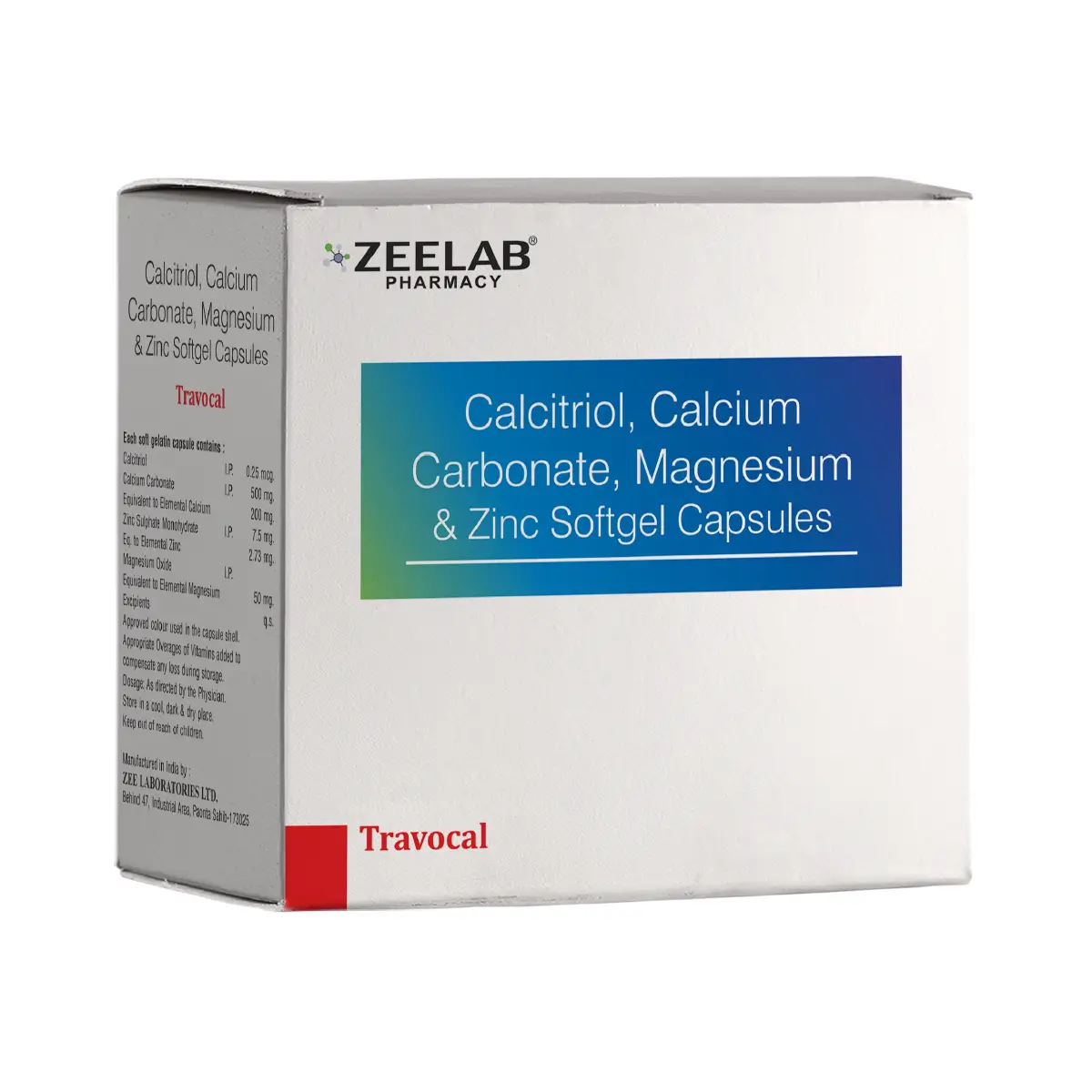
Calcitriol (0.25mcg) + Calcium Carbonate (500mg) + Zinc (7.5mg) + Magnesium (50mg)
10 Softgel Capsules in 1 Strip

Lycopene (2000 mcg) + Beta Carotene (6 mg) + Vitamin C (50 mg) + Vitamin A (1200 IU) + Vitamin E (1 IU) + Vitamin D3 (50 IU) + Vitamin B1 (0.5 mg) + Vitamin B2 (0.5 mg) + Vitamin B6 (0.5 mg) + Vitamin B12 (0.00025 mg) + Calcium Pantothenate (5 mg) + Niacinamide (5 mg) + Calcium (75 mg) + Phosphorus (58 mg) + Folic Acid (0.025 mg) + Copper (0.045 mg) + Iodine (0.075 mg) + Potassium (2 mg) + Magnesium (3 mg) + Manganese (0.5 mg) + Molybdenum (0.1 mg)
15 Capsules In 1 Strip
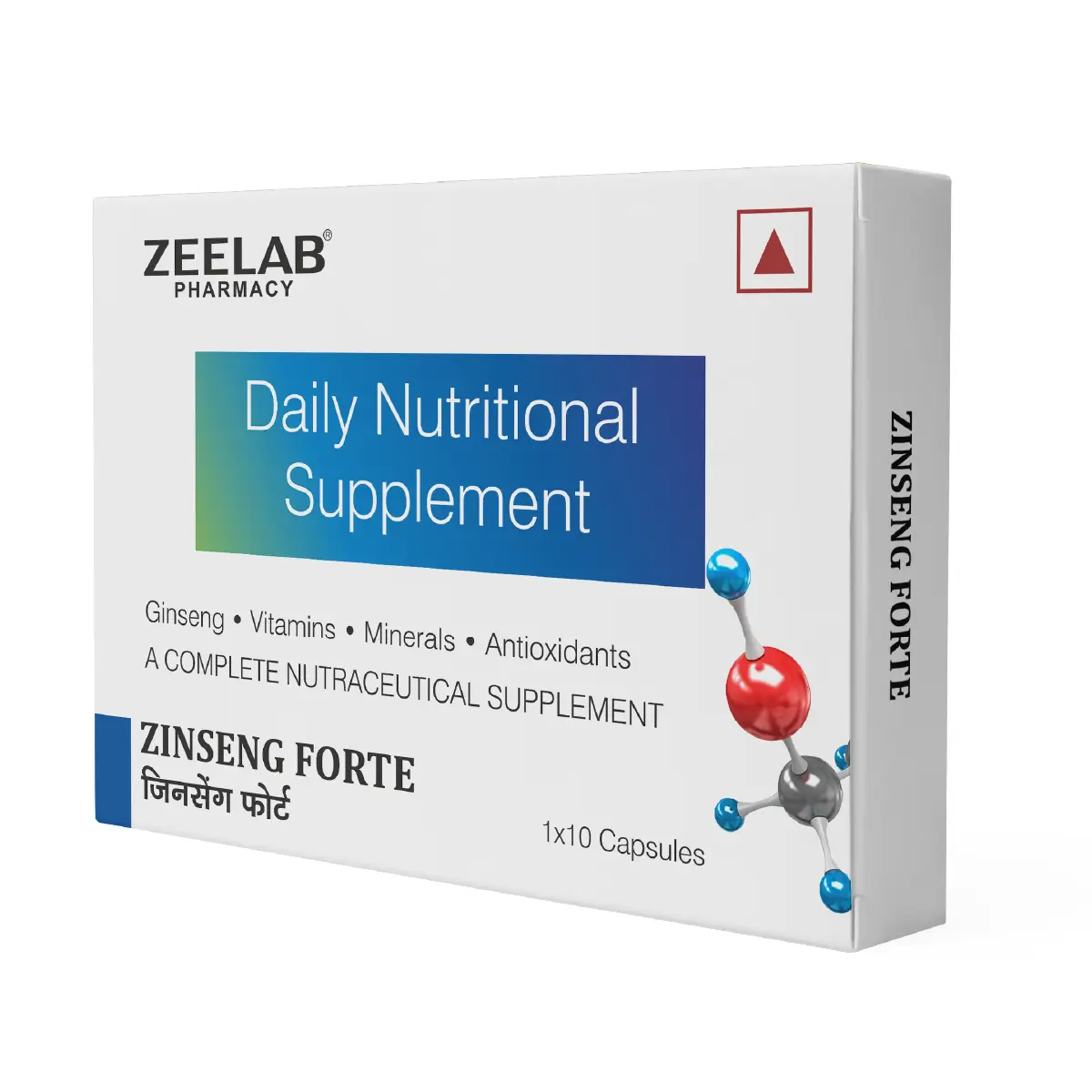
Ginseng Extract Powder (42.5 mg) + Vitamin A (750 mcg) + Vitamin B1 (1 mg) + Vitamin B2 (1.5 mg) + Vitamin B6 (1 mg) + Vitamin B12 (1 mcg) + Vitamin C (50 mg) + Vitamin D3 (5 mcg) + Vitamin E (5 mg) + Folic Acid (150 mcg) + Vitamin B3 (10 mg) + Vitamin B5 (5 mg) + Calcium (75 mg) + Phosphorus (58 mg) + Copper (0.5 mg) + Iodine (0.1 mg) + Ferrous Fumarate (30 mg) + Magnesium (3 mg) + Manganese (0.5 mg) + Potassium (2 mg) + Zinc (10 mg)
10 Capsules in 1 strip
Whey Protein (5 gm) + Vitamin B2 (0.1 mg) + Vitamin B12 (0.13 mg) + Folate (8 mg) + Iron (2.9 mg) + Phosphorus (30 mg) + Magnesium (20 mg) + Manganese (0.1 mg) + Arginine (50 mg) + Ashwagandha (50 mg) + Mushroom (50 mg) + Taurine (25 mg) + Flax Seeds (30 mg) + Proanthocyanidin (75 mg) + Ginger Powder (20 mg) + Green Tea Powder (30 mg) + Olive Extract (30 mg) + Raspberry Fruit Powder (30 mg) + Grape Seed Extract (30 mg) + Giloy Extract (30 mg) + Walnut Extract (30 mg) + Pumpkin Seeds (30 mg) + Cashew (30 mg) + Chia Seeds (30 mg)
300gm Powder in 1 jar

Ginseng Extract (42.5 mg) + Vitamin A (2500 IU) + Vitamin B1 (1 mg) + Vitamin B2 (1.5 mg) + Vitamin B3 (10 mg) + Vitamin B5 (5 mg) + Vitamin B6 (1 mg) + Vitamin B12 (0.001 mg) + Vitamin C (50 mg) + Vitamin D3 (200 IU) + Vitamin E (5 mg) + Folic Acid (0.15 mg) + L-Arginine (25 mg) + Calcium (75 mg) + Phosphorus (58 mg) + Ferrous Fumarate (30 mg) + Zinc (10 mg) + Magnesium (3 mg) + Potassium (2 mg) + Manganese (0.5 mg) + Copper (0.5 mg) + Iodine (0.1 mg) + Carbohydrate (100 mg) + Protein (20 mg) + Fat (380 mg) + Energy (4.23 kcal)
15 Capsules in 1 strip

Ginseng Extract (42.5 mg) + Vitamin A (2500 IU) + Vitamin B1 (1 mg) + Vitamin B2 (1.5 mg) + Vitamin B3 (10 mg) + Vitamin B5 (5 mg) + Vitamin B6 (1 mg) + Vitamin B12 (0.001 mg) + Vitamin C (50 mg) + Vitamin D3 (200 IU) + Vitamin E (5 mg) + Folic Acid (0.15 mg) + L-Arginine (25 mg) + Calcium (75 mg) + Phosphorus (58 mg) + Ferrous Fumarate (30 mg) + Zinc (10 mg) + Magnesium (3 mg) + Potassium (2 mg) + Manganese (0.5 mg) + Copper (0.5 mg) + Iodine (0.1 mg) + Carbohydrate (100 mg) + Protein (20 mg) + Fat (380 mg) + Energy (4.23 kcal)
15 Capsules in 1 strip
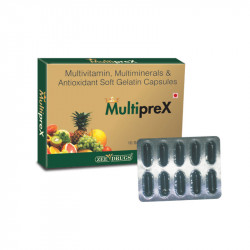
Vitamin A (1600 IU) + Vitamin E Acetate (1 IU) + Vitamin D3 (100 IU) + Vitamin B1 (1 mg) + Vitamin B2 (1 mg) + Vitamin B6 (0.5 mg) + Vitamin B12 (0.0005 mg) + Calcium Pantothenate (1 mg) + Niacinamide (15 mg) + Calcium (75 mg) + Phosphorus (58 mg) + Folic Acid (0.05 mg) + Copper Sulphate (0.045 mg) + Iodine (0.075 mg) + Potassium (1 mg) + Magnesium (1 mg) + Manganese (0.5 mg) + Sodium Molybdate (0.1 mg)
10 Capsules in 1 Strip
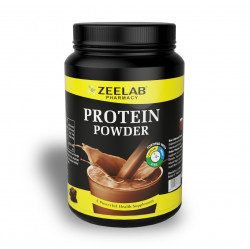
Protein Hydrolysate (16.67 gm) + Dibasic Calcium Phosphate (750 mg) + Phosphorous (580 mg) + Pyridoxine Hydrochloride (1.67 mg) + Cyanocobalamin (3.33 mcg) + Vitamin D3 (333.33 IU) + Niacinamide (50 mg) + Calcium Pantothenate (16.67 mg) + Folic Acid (1 mg) + Zinc Sulphate Monohydrate (1.67 mg) + Ferric Ammonium Citrate (25 mg) + Manganese Sulphate (5 mcg) + Magnesium Oxide (13.33 mg) + Anhydrous Copper Sulphate (8.33 mg) + Chromium Chloride (83.33 mcg) + Selenium Dioxide Monohydrate (66.67 mcg) + Potassium Chloride (16.67 mg) + Sodium Chloride (110 mg) + Potassium Iodide (333.33 mcg) + Excipients (q.s.)
500gm in 1 jar
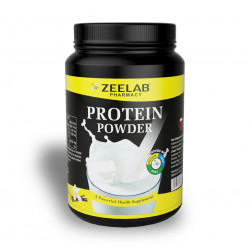
Protein Hydrolysate (16.67 gm) + Dibasic Calcium Phosphate (750 mg) + Phosphorous (580 mg) + Pyridoxine Hydrochloride (1.67 mg) + Cyanocobalamin (3.33 mcg) + Vitamin D3 (333.33 IU) + Niacinamide (50 mg) + Calcium Pantothenate (16.67 mg) + Folic Acid (1 mg) + Zinc Sulphate Monohydrate (1.67 mg) + Ferric Ammonium Citrate (25 mg) + Manganese Sulphate (5 mcg) + Magnesium Oxide (13.33 mg) + Anhydrous Copper Sulphate (8.33 mg) + Chromium Chloride (83.33 mcg) + Selenium Dioxide Monohydrate (66.67 mcg) + Potassium Chloride (16.67 mg) + Sodium Chloride (110 mg) + Potassium Iodide (333.33 mcg) + Excipients (q.s.)
500gm in 1 jar
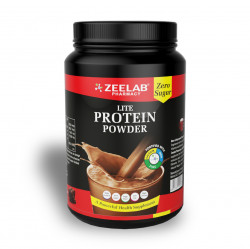
Protein Hydrolysate (16.67 gm) + Dibasic Calcium Phosphate (750 mg) + Phosphorous (580 mg) + Pyridoxine Hydrochloride (1.67 mg) + Cyanocobalamin (3.33 mcg) + Vitamin D3 (333.33 IU) + Niacinamide (50 mg) + Calcium Pantothenate (16.67 mg) + Folic Acid (1 mg) + Zinc Sulphate Monohydrate (1.67 mg) + Ferric Ammonium Citrate (25 mg) + Manganese Sulphate (5 mcg) + Magnesium Oxide (13.33 mg) + Anhydrous Copper Sulphate (8.33 mg) + Chromium Chloride (83.33 mcg) + Selenium Dioxide Monohydrate (66.67 mcg) + Potassium Chloride (16.67 mg) + Sodium Chloride (110 mg) + Potassium Iodide (333.33 mcg) + Excipients (q.s.)
500gm in 1 jar

Omega 3 Fatty Acids (EPA 90 mg + DHA 60 mg) + Green Tea Extract (10 mg) + Ginseng (42.50 mg) + Ginkgo Biloba Extract (10 mg) + Grape Seed Extract (15 mg) + Glutathione (10 mg) + Lactic Acid Bacillus (500 Lacs Spores) + Citrus Bioflavonoids (20 mg) + Natural Mixed Carotenoids (11.33 mg, 10%) + Vitamin D3 (200 IU) + Wheat Germ Oil (25 mg) + Vitamin K1 (10 mcg) + Vitamin B6 (1 mg) + Vitamin B12 (1 mcg) + Thiamine (1.4 mg) + Niacinamide (18 mg) + Ascorbic Acid (40 mcg) + Folic Acid (120 mcg + 30 mcg) + Choline Hydrogen Tartrate (25 mg) + Lutein (250 mcg, 10%) + Piperine (5 mg) + Calcium (20 mg) + Phosphorous (15.45 mg) + Iron (10 mg) + Zinc (12 mg) + Iodine (120 mcg) + Magnesium (30 mg) + Manganese (1.5 mg) + Copper (0.5 mg) + Chromium (50 mcg) + Molybdenum (25 mcg) + Selenium (20 mcg) + Potassium (4 mg) + Chloride (3.6 mg)
15 Capsules in 1 strip
Recent Blogs






Disclaimer : Zeelab Pharmacy provides health information for knowledge only. Do not self-medicate. Always consult a qualified doctor before starting, stopping, or changing any medicine or treatment.
Related Products






 Added!