

Best Medicine for Migraine in India: Pain Relief Medicine Names & Treatment Options

If you are suffering from a migraine or have ever had one, you will know that it is different from a normal headache. Migraine is a very common neurological condition that can cause moderate to severe, often one-sided headache pain and affect more than 1+ billion people worldwide.
The right medicine is chosen according to pain severity, frequency, the patient’s age, other symptoms and ongoing medications. While some may feel better with over-the-counter pain medicines, others may require specialised migraine medicines.
Ibuprofen, naproxen, and sumatriptan are the best commonly used medicines for migraine pain relief.
In this blog, we will discuss the best migraine medications in India, how they work, their benefits, migraine tablet names, common medicines for migraine headache, and migraine treatment options.
What is a Migraine?
Migraines are more than just headaches. A migraine is a common neurological condition that can cause moderate to severe, often one-sided head pain along with symptoms such as nausea and increased sensitivity to light and sound.
Common symptoms of migraine include:
- Moderate to severe headache
- Nausea and vomiting
- Sensitivity to light and sound
- Dizziness or vertigo
- Tiredness or fatigue
What Causes Migraine?
You may get a migraine headache due to a combination of several factors; they can be genetic, neurological, or external factors. Certain factors can also act as migraine triggers and may increase the risk of a migraine attack.
Common causes and triggers of migraine include:
- Stress & anxiety
- Changes in sleep patterns/sleep deprivation
- Skipping meals
- Not drinking sufficient water
- Too much coffee
- Hormonal fluctuations
- Exposure to bright lights or loud sounds
- Specific meals or particular dietary triggers
- Being mentally or physically drained
Common Medicines for Migraine Headache Relief
Based on the symptoms and severity, migraine medicines are used to manage migraine headache and pain.
Some commonly used migraine medicine names in India include:
|
Medicine |
Common Use |
|
Ibuprofen |
Relieves mild to moderate migraine pain |
|
Naproxen |
Reduces pain and inflammation related to migraine |
|
Sumatriptan |
A triptan for moderate to severe migraine attacks |
|
Rizatriptan |
Relieves migraine pain and other related symptoms |
|
Rimegepant |
Lowers migraine attacks and prevents future migraines in adults |
List of Best Migraine Tablet Names in India
The best migraine tablets are the ones that help reduce discomfort related to one-sided pain and headache with minimum side effects.
Zeelab Pharmacy offers a range of migraine medicines at affordable prices. Always use migraine medicines according to the product information or a healthcare professional's advice.
Ibuprol 400 Tablet
Ibuprol 400 is an ibuprofen-containing tablet for migraine pain treatment. As its active component belongs to the NSAID group, this tablet can lower the production of chemicals that cause pain and inflammation.
- Composition: Ibuprofen 400 mg
- Benefits: Helps manage migraine-related headache pain and inflammation.
Naprozee DM 250 Tablet

Naprozee DM 250 is formulated with a combination of naproxen and domperidone. This makes it one of the best tablets for migraine pain, as it also addresses nausea and vomiting that often come with migraine.
- Composition: Naproxen Sodium 250 mg + Domperidone 10 mg
- Benefits: Helps manage migraine pain along with associated nausea and vomiting.
Naprozee 250 Pain Relief Tablet
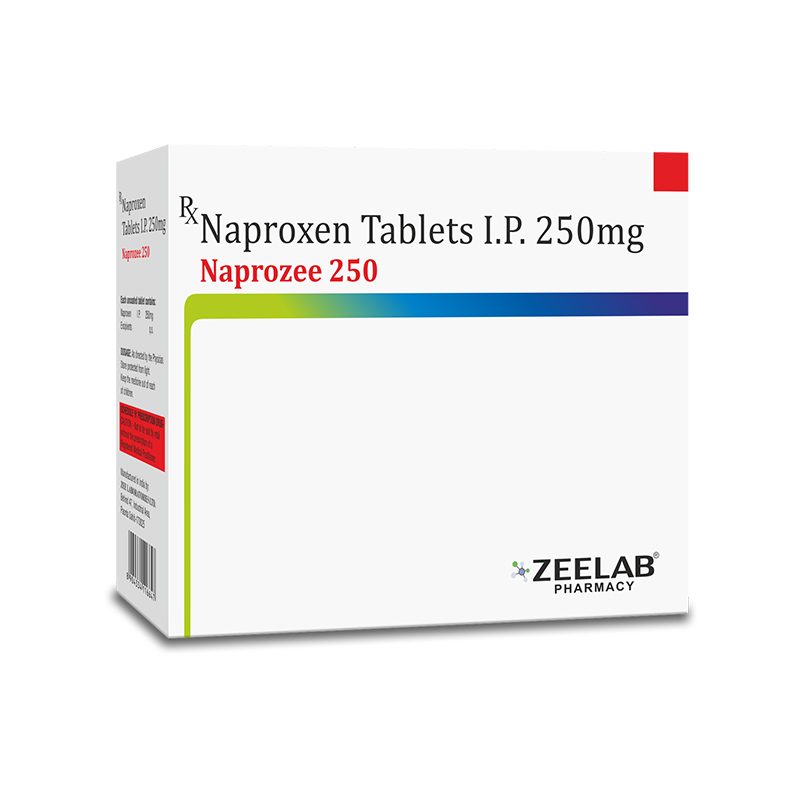
Naprozee 250 is often used as a migraine relief tablet. It is formulated with 250 mg of naproxen, an NSAID which blocks prostaglandins involved in pain and inflammation,
- Composition: Naproxen 250 mg
- Benefits: Helps manage migraine-related pain and inflammation.
How Do Migraine Medicines Work?
Migraine medicines work differently depending on the type and purpose of treatment. They may help relieve pain during an attack or reduce future migraine episodes.
- NSAIDs: Ibuprofen and naproxen help reduce pain and inflammation.
- Triptans: Sumatriptan and rizatriptan target migraine-related pathways to relieve an attack.
- Preventive medicines: These are taken regularly to reduce the frequency and severity of future migraine attacks.
Side Effects of Migraine Medicines
Every person reacts differently to medications. Migraine medicines may cause side effects depending on the medicine, dose, and individual health condition.
Common side effects may include:
- Nausea or stomach discomfort
- Dizziness or tiredness
- Headache or weakness
- Heartburn or indigestion
- Dry mouth
- Tingling or unusual sensations
- Sleepiness
Lifestyle Tips and Remedies for Migraine Relief
Migraine medicines are only one part of migraine management. Along with treatment, healthy lifestyle habits can help manage symptoms and may reduce the risk of future migraine attacks.
The following tips may help you:
- Sleep in a dark and quiet room during a migraine attack.
- Drink enough water throughout the day.
- Have regular meals and avoid skipping meals.
- Maintain a regular sleep schedule.
- Limit excessive caffeine.
- Engage in exercise as tolerated.
- Try to manage stress using relaxation techniques.
- Identify and avoid your personal migraine triggers.
Explore these foods for migraine relief that may help manage migraine triggers and support overall well-being.
How to Prevent Migraine Attacks?
There is no single way to prevent every migraine attack, but identifying triggers and maintaining healthy routines can help reduce the frequency and severity of migraine episodes.
Consider the following:
- Keep a migraine and symptom diary.
- Follow a regular sleep schedule.
- Do not regularly skip meals.
- Stay hydrated.
- Manage stress.
- Avoid known personal triggers.
- Take preventive medicines only as prescribed.
When Should You See a Doctor for Migraine?
If you experience migraine attacks frequently, they affect your daily routine, or over-the-counter medicines do not provide adequate relief, consult a doctor for proper evaluation and treatment.
Seek immediate medical attention if you experience:
- A sudden and extremely severe headache.
- A headache that occurs after a brain injury.
- Weakness or numbness on one side of the body.
- Speech problems, confusion, or loss of vision.
- A seizure or high fever with a severe headache.
- Headache symptoms that are significantly different from your usual migraines.
Conclusion
The right medicine for migraine in India depends on the severity and frequency of attacks, symptoms, medical history, and individual health condition.
NSAIDs such as ibuprofen and naproxen may be used for mild to moderate migraine pain, while doctors may prescribe triptans such as sumatriptan for moderate to severe migraine attacks.
Lifestyle changes, adequate hydration, regular sleep, and avoiding personal migraine triggers can also help manage and prevent migraine attacks.
Use migraine medicines and tablets as directed, and consult a doctor if your migraines become more frequent, severe, or different from your usual symptoms.
Frequently Asked Questions (FAQs)
Ans.Ibuprofen, naproxen, and sumatriptan are commonly used medicines for migraine relief. The appropriate migraine medicine depends on the severity of the attack, symptoms, medical history, and individual response.
Ans.Migraine usually causes moderate to severe throbbing pain, often with nausea and sensitivity to light or sound, unlike many regular headaches.
Ans.A migraine attack can last from 4 to 72 hours without effective treatment, although duration varies between individuals and attacks.
Ans.Migraine medicines may start providing relief within 30 to 60 minutes, depending on the medicine, dosage, formulation, and severity of symptoms.
Ans.Rest in a quiet, dark room, drink water, avoid known triggers, and take your prescribed or recommended migraine medicine early.
Ans.Yes, stress can trigger migraine attacks in some people. Poor sleep, anxiety, and changes in routine may also increase migraine risk.
Ans.Yes, paracetamol may help relieve mild migraine pain in some people, particularly when taken early during an attack as directed.
Ans.People with certain stomach, kidney, liver, heart, or blood-pressure conditions, pregnancy, or medicine allergies should seek medical advice before taking migraine tablets.
Ans.Migraine injections may be used for severe or prolonged attacks when oral medicines are ineffective, unsuitable, or difficult to take due to vomiting.
Ans.Most acute migraine medicines should not be taken daily because frequent use can cause medication-overuse headaches and may require preventive treatment.
Ans.Medicines cannot permanently cure migraine, but acute and preventive treatments can reduce symptoms, attack frequency, and migraine-related disruption when used appropriately.
Ans.See a doctor for frequent, severe, worsening, or unusual migraines, especially sudden severe headaches or symptoms such as weakness, confusion, seizures, or vision loss.
Naproxen (250 mg)
10 Tablets In 1 Strip
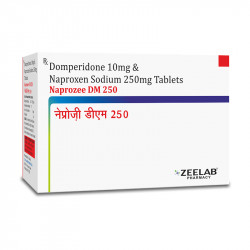
Naproxen Sodium (250 mg) + Domperidone (10 mg)
10 Tablets In 1 Strip
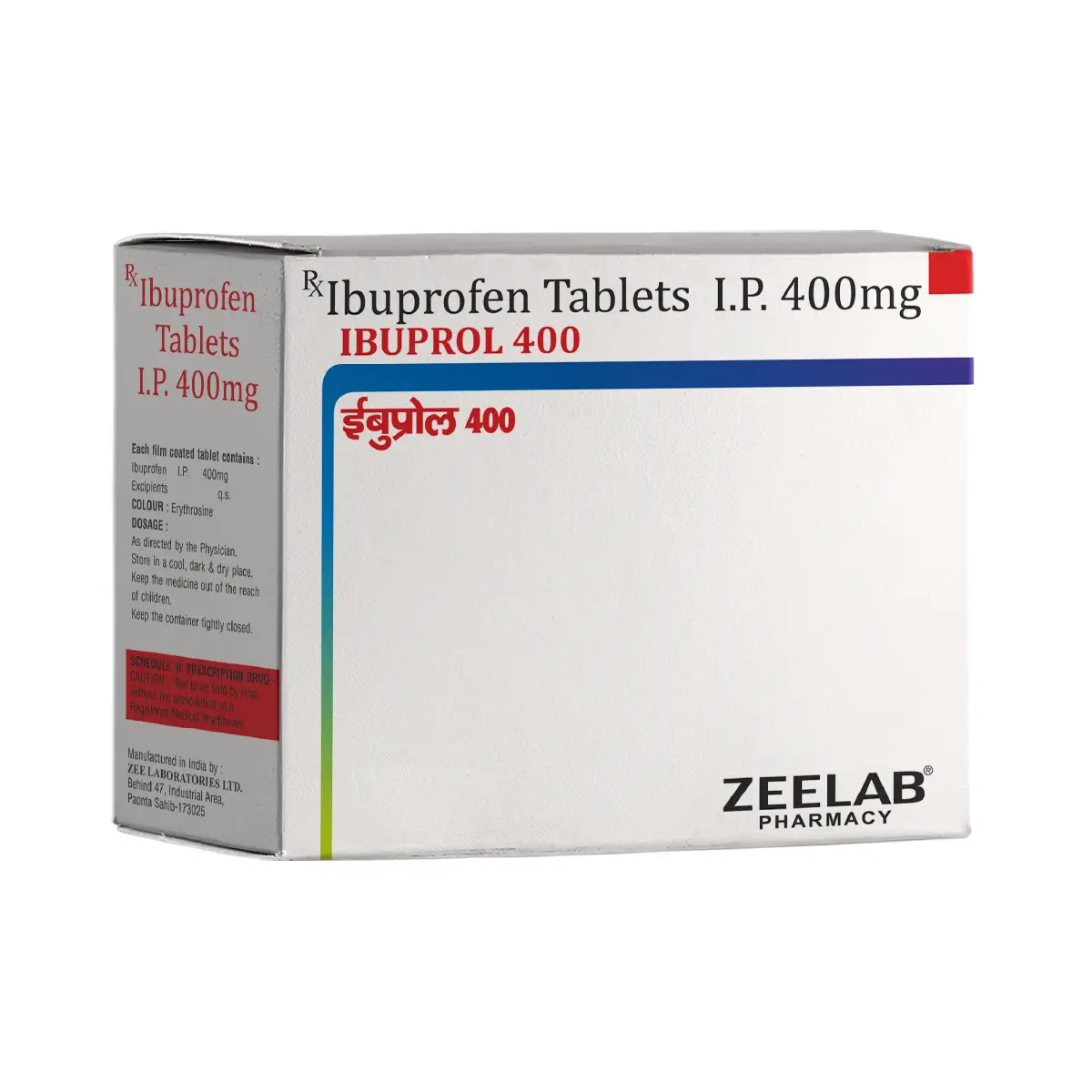
Ibuprofen (400mg)
10 Tablets In 1 Strip
References
Recent Blogs






Disclaimer : Zeelab Pharmacy provides health information for knowledge only. Do not self-medicate. Always consult a qualified doctor before starting, stopping, or changing any medicine or treatment.
Related Products


₹ 0
0
Items added
Quick Links
Categories
Our Policies

Our Socials


Subscribe

2026 Copyright By © Zeelab Pharmacy Private Limited. All Rights Reserved
Our Payment Partners

 Added!