

Best Medicines for Vaginal Itching in Women: A Complete Treatment Guide

Vaginal itching and irritation are common in women and can occur due to yeast or bacterial infections, allergies, hormonal changes, or irritation from personal care products.
If the itching is mild, hygiene measures are usually enough to provide relief, but if the condition is severe and keeps worsening, consulting a gynaecologist becomes important.
Clotrimazole, miconazole, and oral fluconazole are some of the best medicines for vaginal itching caused by yeast infections. The right medicine depends on the underlying cause and severity, so consult a gynaecologist for appropriate treatment.
In this blog, we will talk about the best treatment for itching in women’s private parts, including topical creams and oral medications.
What is Vaginal Itching?
Vaginal itching is an uncomfortable feeling of irritation in a woman’s intimate area that causes a constant urge to scratch.
Vaginal itching affects the inside of the vagina, while vulvar itching affects the external genital area.
Depending on the cause, you may also experience redness, burning, swelling, unusual discharge, or an unpleasant smell.
What Causes Vaginal Itching and Irritation?
Vaginal itching and irritation can occur for several reasons, ranging from allergies and irritation caused by personal care products to infections and hormonal changes.
The most common causes include:
- Fungal or yeast infections
- Bacterial vaginosis (BV)
- Sexually transmitted infections (STIs)
- Skin irritation or allergic reactions
- Hormonal changes
- Irritation from soaps or intimate hygiene products
- Certain skin conditions
What are the Symptoms of Vaginal or Vulvar Itching?
Vaginal or vulvar itching may occur alongside other symptoms. Identifying these symptoms can help a gynaecologist determine the cause and recommend the right medicine for itching in private parts for females.
- Soreness
- Redness or swelling
- Burning sensation
- Unusual vaginal discharge
- Vaginal dryness
- Pain or burning while urinating
- Pain during sexual intercourse
- Unpleasant vaginal odour
- Cracked or irritated skin around the vulva
Common Medicines for Vaginal Itching and Irritation
The best medicine for vaginal itching depends on the underlying cause, such as a yeast infection, bacterial infection, or skin irritation.
A gynaecologist can recommend the appropriate treatment based on your symptoms and diagnosis.
Commonly used medicines for itching in private parts for females include:
|
Medicine |
Commonly used for |
|
Vaginal yeast infections |
|
|
Miconazole |
Vaginal yeast infections |
|
Fluconazole |
Certain vaginal yeast infections |
|
Metronidazole |
Bacterial vaginosis and trichomoniasis |
|
Bacterial vaginosis |
|
|
Tinidazole |
Trichomoniasis and bacterial vaginosis in appropriate treatment regimens |
- Clotrimazole: An antifungal drug that is often used to treat Candida-related yeast infections of the vagina.
- Miconazole: This is an antifungal medication useful in controlling Candida and treating yeast-induced vaginal infections.
- Fluconazole: An oral antifungal medicine used to treat certain Candida infections, including some vaginal yeast infections.
- Metronidazole: An antibiotic and antiprotozoal medication used to treat bacterial vaginosis and trichomoniasis.
- Clindamycin: An antibiotic and antiprotozoal medication used to treat bacterial vaginosis and trichomoniasis.
- Tinidazole: An antibacterial and antiprotozoal drug used for several types of vaginal infection, including bacterial vaginosis and trichomoniasis.
List of Best Vaginal Itching Cream in India
At Zeelab Pharmacy, you can explore creams used to manage certain causes of itching and irritation in the private parts of females.
The right vaginal itching cream depends on whether the symptoms are caused by a fungal infection, skin irritation, or another condition.
Consult a healthcare professional to choose a suitable treatment.
Clozex Antifungal Cream

Clozex is considered the best topical antifungal cream for vaginal itching. Containing clotrimazole 1%, it is used for fungal skin infections that may cause itching, redness, burning, and irritation.
- Composition: Clotrimazole 1% w/w
- Benefits: Helps manage fungal infections and relieve itching around the vaginal area.
List of Best Tablets for Vaginal Itching in India
The right tablet for vaginal itching depends on its underlying cause, such as a yeast infection or a bacterial infection.
A healthcare professional may recommend an appropriate antifungal or antimicrobial medicine after evaluating your symptoms and confirming the likely cause.
Flucozee 150 Tablet
Flucozee 150 is formulated with 150 mg of fluconazole. This fluconazole antifungal tablet can be used for treating vaginal itching caused by fungal infections.
- Composition: Fluconazole 150 mg
- Benefits: Helps treat certain vaginal yeast infections and related symptoms when prescribed appropriately.
Metrozee 400 Tablet

Metrozee 400 is often used as a medicine for private part itching in women. Formulated with 400 mg metronidazole, it has both antibacterial and antiprotozoal properties that help with vaginal irritation and unusual discharge.
- Composition: Metronidazole 400 mg
- Benefits: Helps treat certain bacterial or protozoal vaginal infections when prescribed by a healthcare professional.
Clearbet 300 mg Capsule

Clearbet 300 mg tablet is an antibiotic containing clindamycin 300 mg, used for certain bacterial infections that may be associated with vaginal irritation.
- Composition: Clindamycin 300 mg
- Benefits: Helps manage susceptible bacterial infections when used under medical supervision.
Clearbet M Capsule

Clearbet M is a combination medicine containing clindamycin and miconazole, formulated for certain vaginal infections involving bacterial and fungal organisms.
- Composition: Clindamycin 100 mg + Miconazole 200 mg
- Benefits: Helps address certain mixed vaginal infections when prescribed appropriately.
Tinizox 500 Tablet

Tinizox 500 is an antibacterial and antiprotozoal medicine containing tinidazole 500 mg, used for certain infections that can cause vaginal itching and irritation.
- Composition: Tinidazole 500 mg
- Benefits: Helps treat certain bacterial and protozoal infections when used under medical guidance
Side Effects of Vaginal Itching Medicines
Medicines for vaginal itching may cause side effects depending on the medicine used and your individual response.
Common side effects may include:
- Mild stinging or irritation with some topical antifungals
- Nausea or stomach upset with certain oral medicines
- Allergic reactions, although these are uncommon
Safety Tips While Using Vaginal Itching Medicines
To treat vaginal itching safely and reduce the risk of side effects, follow these precautions when using any medicine for itching in private parts for females:
- Use the appropriate medicine after identifying the likely cause.
- Follow the prescribed dosage and treatment duration.
- Avoid self-medicating for recurring or persistent itching.
- Consult a healthcare professional before using medicines during pregnancy.
- Stop using a product and seek medical advice if you experience severe irritation or an allergic reaction.
What Should You Avoid When You Have Vaginal Itching?
Vaginal itching can get worse if you unknowingly keep making the following mistakes.
- Using soaps, sprays, or intimate washes that contain artificial scent.
- Washing the inside of the vagina or douching.
- Scratching the irritated area.
- Applying steroid or combination creams without a doctor's advice.
- Ignoring persistent or worsening symptoms.
- Wearing tight or synthetic underwear.
- Not using a condom during intercourse.
How Can You Prevent Recurrent Vaginal Itching?
Simple daily habits can help reduce recurring vaginal or vulvar itching and irritation.
- Clean the external genital area with plain water or a mild, unscented cleanser.
- Wear breathable cotton underwear and keep the area dry.
- Avoid scented intimate washes, sprays, and fragranced sanitary products.
- Use prescribed medicines as directed.
- Identify and avoid products that trigger itching or irritation.
Also Read: How to Stop Vaginal Itching Immediately at Home
When Should You See a Gynaecologist for Vaginal Itching?
Consult a gynaecologist if vaginal or vulvar itching persists, worsens, or keeps returning. Seek medical advice if you experience any of the following:
- Persistent or recurrent itching
- Unusual vaginal discharge or an unpleasant odour
- Significant redness, swelling, or pain
- Pelvic pain, fever, chills, or feeling unwell
- Vaginal itching during pregnancy or after menopause
Conclusion
Vaginal itching and irritation can be uncomfortable, but the right treatment can help relieve symptoms and address the underlying cause.
The appropriate medicine for itching in private parts depends on whether the cause is a yeast infection, bacterial infection, or skin irritation. A healthcare professional may recommend a suitable antifungal cream or oral medicine after evaluating your symptoms.
Along with treatment, avoiding irritants and following good intimate hygiene practices can help reduce discomfort and prevent recurring irritation.
Frequently Asked Questions (FAQs)
Ans.Clotrimazole, miconazole, and oral fluconazole are some of the best medicines for private part itching in women. The right use depends on personal condition and doctor's advice.
Ans.Clozex Antifungal Cream from Zeelab Pharmacy is the best vaginal anti-itch cream formulated with Clotrimazole. You must use it only if a doctor prescribes it for a possible fungal infection.
Ans.Vaginal itching and irritation can result from yeast infections, bacterial vaginosis, STIs, allergies, hormonal changes, dryness, or irritating personal-care products.
Ans.Yes, vaginal itching can occur without infection due to allergies, scented products, skin conditions, dryness, hormonal changes, or irritation.
Ans.Yes, scented soaps, feminine washes, sprays, and other fragranced products can irritate sensitive vulvar skin and may worsen itching or burning.
Ans.Vaginal itching affects the inside of the vagina, while vulvar itching affects external genital skin, including the labia and surrounding area.
Ans.Common signs of vaginal thrush include intense itching, redness, soreness, burning, and thick white discharge that usually does not smell strongly.
Ans.Yes, vaginal itching is a common yeast infection symptom, often accompanied by redness, soreness, burning, and thick white vaginal discharge.
Ans.You may feel an increased urge to itch at night because of increased warmth, sweating, dryness, skin irritation, or greater awareness of discomfort while resting.
Ans.Quick treatment depends on the cause. Avoid irritants, keep the area dry, and use appropriate antifungal or other treatment after proper evaluation.
Ans.Yes, clotrimazole can treat vaginal yeast infections, but use a vaginal formulation as directed. External skin cream should not be inserted into the vagina.
Ans.Yes, antibiotics such as metronidazole or clindamycin can treat certain bacterial infections causing vaginal symptoms, but they do not treat yeast infections.
Ans.Simple measures such as avoiding irritants and keeping the area dry may provide comfort, but persistent or infection-related itching may require appropriate medicine.
Ans.Avoid scented products, douching, harsh soaps, scratching, tight clothing, and self-medicating with antibiotics or antifungals without identifying the underlying cause.
Ans.See a doctor for severe, persistent, recurrent, or unusual itching, especially with abnormal discharge, foul odour, sores, fever, pelvic pain, or pregnancy.
Ans.Topical azole antifungals, such as clotrimazole, are generally recommended for vaginal yeast infections during pregnancy for seven days; consult your doctor before treatment.
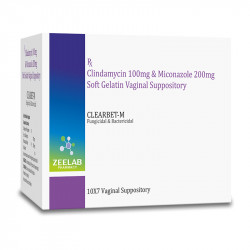
Clindamycin (100mg) + Miconazole (200mg)
7 Capsules In 1 Strip
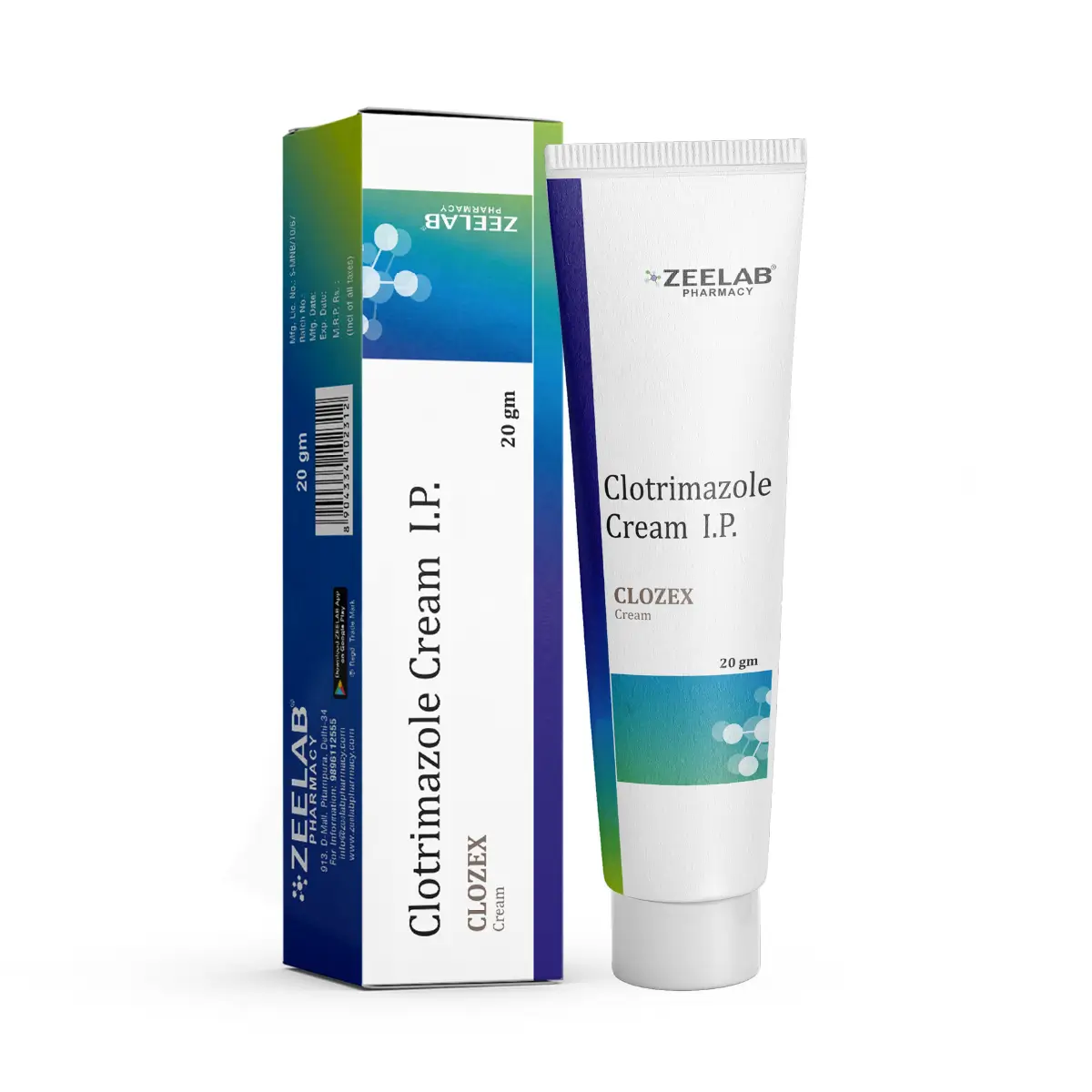
Clotrimazole (1% w/w)
20gm In 1 Tube
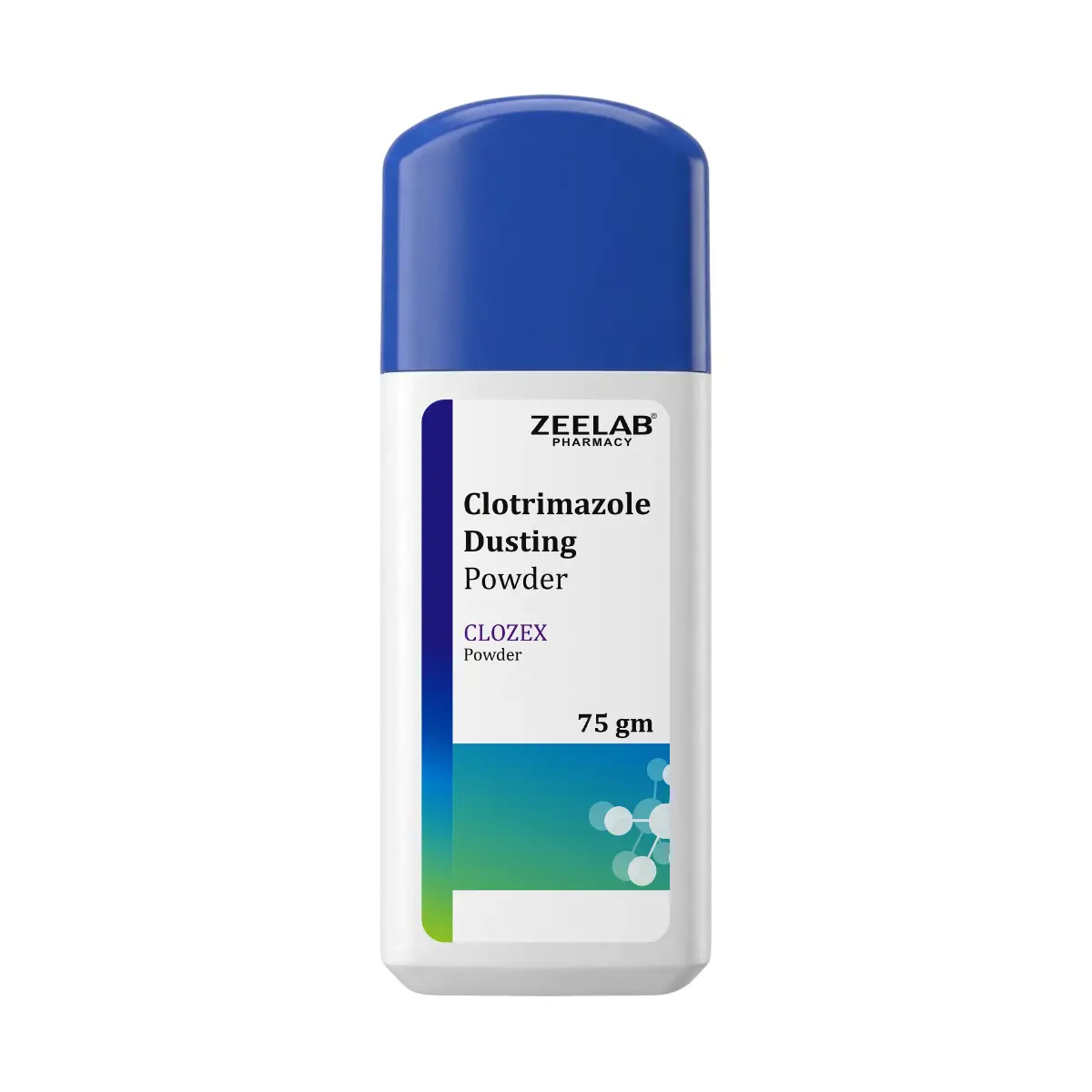
Clotrimazole (1% w/w)
75gm In 1 Bottle
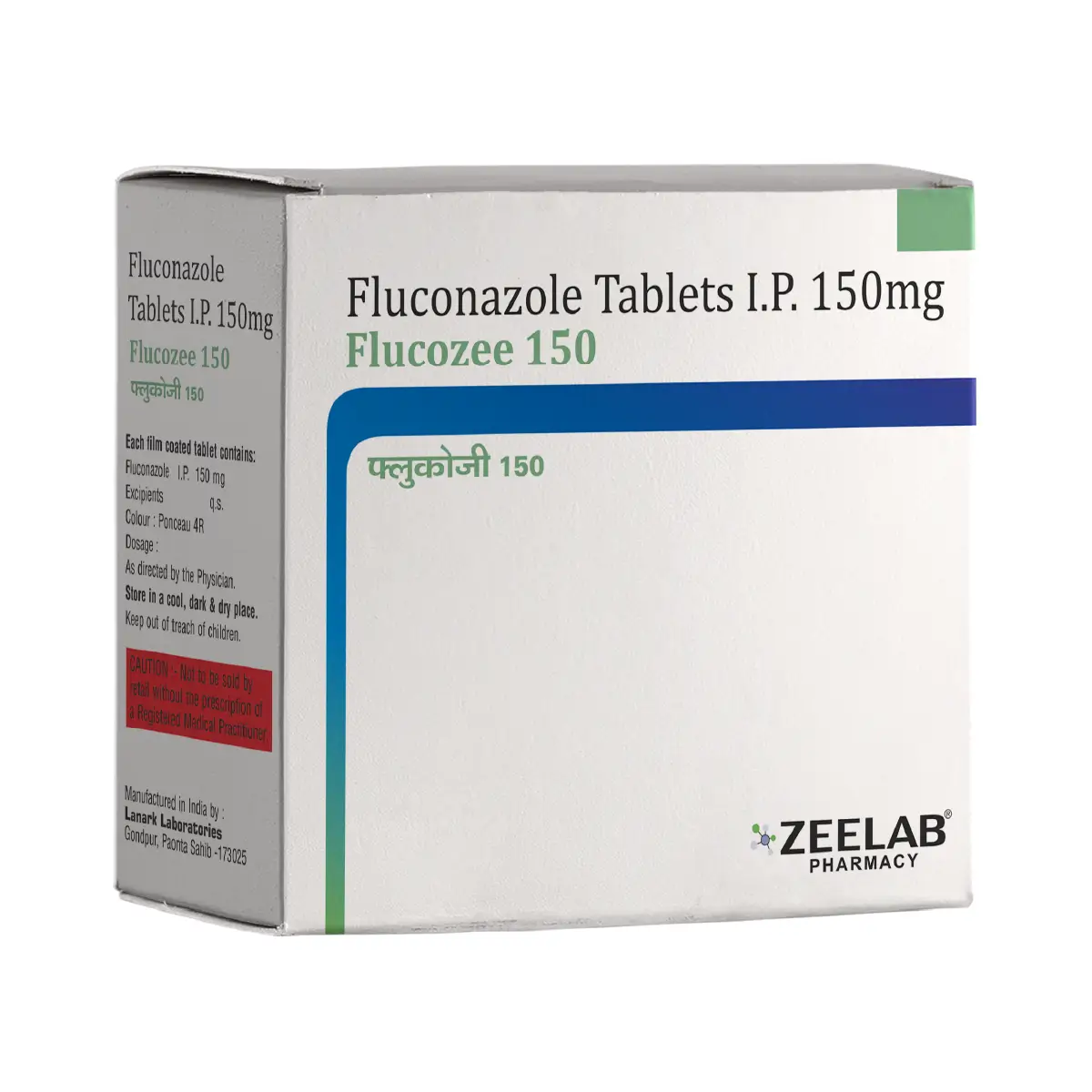
Fluconazole (150mg)
1 Tablet In 1 Strip
References
Recent Blogs






Disclaimer : Zeelab Pharmacy provides health information for knowledge only. Do not self-medicate. Always consult a qualified doctor before starting, stopping, or changing any medicine or treatment.
Related Products


₹ 0
0
Items added
Quick Links
Categories
Our Policies

Our Socials


Subscribe

2026 Copyright By © Zeelab Pharmacy Private Limited. All Rights Reserved
Our Payment Partners

 Added!