
Patha Herb (Cissampelos Pareira): Velvet Leaf Uses, Benefits, Dosage & Side Effects
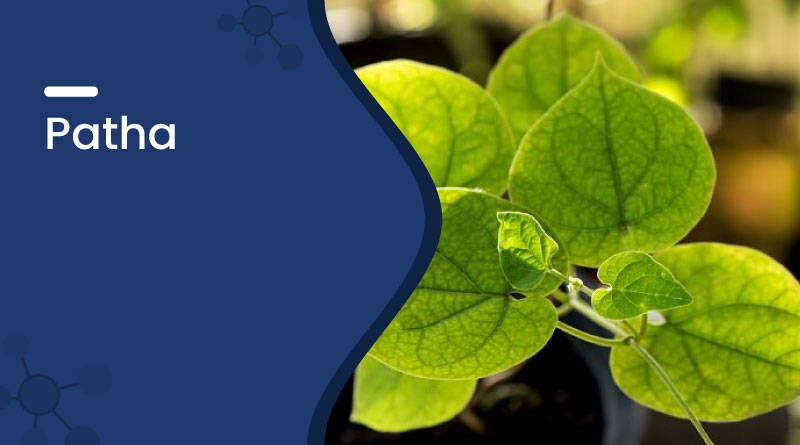
Patha herb (Cissampelos pareira), also known as Laghupatha or Velvet leaf, is a well-known medicinal plant used in Ayurveda and traditional herbal medicine for centuries.
It is valued for its potential role in supporting digestion, managing infections, and promoting overall wellness. The roots and leaves of the Patha plant are commonly used in herbal remedies due to their natural therapeutic properties.
Traditionally, Patha has been used to help manage fever, inflammation, urinary issues, and gastrointestinal problems.
With growing interest in natural and plant-based healthcare, Patha herb is gaining renewed attention for its potential health-supporting properties and traditional medicinal uses.
What is Patha Herb (Cissampelos Pareira)?
Patha herb (Cissampelos pareira), locally known as Laghupatha or Velvet leaf, is one of the most recognised medicinal herbs, particularly in traditional medicine, including Ayurvedic medicine. Velvet leaf has been recognised for centuries for its potential role in the maintenance of digestive health, infections, and overall wellness.
Patha roots and Patha leaves are usually used in traditional medicine because of their natural properties. Traditionally, the Patha herb has been used to manage and control infections such as fever, urinary problems, inflammation, and gastrointestinal problems.
Today, the herb is recognised for its pharmacological properties, including antimicrobial, anti-inflammatory, and antioxidant effects. With the rising popularity of plant-based medicine and natural healthcare, the Patha herb has regained its place in the field of herbal medicine.
Scientific Classification of Patha
Patha herb is scientifically known as Cissampelos pareira and belongs to the Menispermaceae family. It is a medicinal climbing herb widely used in Ayurveda and traditional medicine because of its natural therapeutic properties.
Other Names of Patha Herb (Regional & Ayurvedic Names)
Patha herb is known by different names in traditional medicine and regional languages. It is commonly called Laghupatha in Ayurveda and Velvet leaf in English. These names are widely used in herbal medicine practices and traditional healing systems.
Ayurvedic Properties of Patha
In Ayurveda, Patha is valued for its ability to support digestion, detoxification, and overall body balance. Ayurvedic texts describe herbs according to specific properties that govern their interactions with the body.
The Ayurvedic properties of Patha include:
- Rasa (Taste): Tikta (bitter) and Kashaya (astringent)
- Guna (Quality): Laghu (light) and Ruksha (dry)
- Virya (Potency): Ushna (heating effect)
- Vipaka (Post-digestive Effect): Katu (pungent after digestion)
Because of these properties, Patha is traditionally used in Ayurveda to support digestion, help manage inflammation, and maintain balance in the body's doshas.
Also Read: Best Digestive Syrup For Adults
Botanical Profile of Patha Herb
The Velvet leaf, scientific name Cissampelos pareira, or locally called Laghupatha, is a medicinal climbing herb of the Menispermaceae family. It has been traditionally used in Ayurveda and local folk medicine to manage digestive problems, fever, and inflammatory diseases.
Plant Appearance and Characteristics
The Patha plant has slender stalks, heart-shaped leaves, small greenish-yellow flowers, and thin woody roots. Different parts of the plant, particularly the roots and leaves, are commonly used in traditional medicine because of their medicinal properties.
Active Compounds Found in Patha
Patha herb contains various phytoconstituents such as alkaloids, flavonoids, tannins, and glycosides. These compounds are believed to contribute to its potential antioxidant, anti-inflammatory, and antimicrobial activities, which support many of its traditional medicinal uses.
Where Does Patha Grow?
Cissampelos pareira is commonly found in tropical and subtropical regions, including India, Sri Lanka, Southeast Asia, Africa, and parts of South America. It grows naturally in these regions and has long been used in Ayurvedic medicine and traditional herbal practices to support health and treat various ailments.
Nutritional / Phytochemical Composition of Patha
Patha herb (Cissampelos pareira) contains several bioactive compounds that contribute to its traditional medicinal value. These natural phytochemicals are believed to support their antioxidant, antimicrobial, and anti-inflammatory activities.
Some of the key compounds found in Patha include:
- Alkaloids: Known for their potential antimicrobial and therapeutic properties.
- Flavonoids: Help provide antioxidant support and may assist in reducing inflammation.
- Tannins: Traditionally associated with digestive support and antimicrobial activity.
- Glycosides: Plant compounds that may contribute to overall medicinal effects.
These phytochemicals are thought to play an important role in many of the traditional uses of Patha herb in Ayurvedic and herbal medicine.
Traditional Uses of Patha in Ayurveda
Patha (Cissampelos pareira) has been traditionally used in herbal medicine for various health concerns because of its natural bioactive compounds. Some of the uses of Velvet leaf include:
- Fever and Infections: It has traditionally been used to manage fever and aid the body during certain infections.
- Liver and Kidney Health: May support liver function and promote healthy kidney and urinary activity.
- Respiratory Conditions: Traditionally employed in herbal remedies to help relieve coughs and other mild respiratory complaints.
- Menstrual Disorders: Sometimes used to help manage menstrual irregularities.
- Digestive Disorders: May help support digestion and relieve issues like indigestion or diarrhoea.
Top Health Benefits of Patha Herb in Ayurveda
If you still wonder whether Patha is good for you? Yes, definitely. Cissampelos pareira, commonly known as velvet leaf, has been traditionally valued for its potential health-supporting properties. These are the known Cissampelos pareira or velvet leaf benefits.
In Ayurveda, Patha is valued for its detoxifying, anti-inflammatory, and digestive-supporting properties. It has traditionally been used to support urinary health, digestion, skin wellness, and overall immunity. The table below outlines some of the commonly described health benefits of Patha.
- Antipyretic and Anti-inflammatory Properties: May help reduce fever and support the body in managing inflammation.
- Antimicrobial and Antiviral Effects: Contains compounds that may help fight certain bacteria and viruses.
- Hepatoprotective and Renal Benefits: Believed to support healthy liver and kidney function.
- Patha for Immunity Support: May help strengthen the body’s natural immune response.
- Potential Cardiovascular Support: Some studies suggest it may contribute to maintaining heart health.
Recommended Dosage of Patha Herb
The appropriate dosage of Patha (Cissampelos pareira) depends on the form, the individual’s health condition, and advice from practitioners.
It is recommended that an individual seek advice from a healthcare expert before consuming any herbal supplements.
|
Form of Patha |
Typical Adult Dosage |
Duration of Use |
|
Patha Powder (Churna) |
About 1-3 grams, once or twice daily with water or honey |
Often taken in short courses, 2-4 weeks |
|
Capsules/Tablets |
Usually 250–500 mg, 1–2 times daily depending on formulation |
Duration may vary based on the health condition |
|
Decoction (Herbal Patha Tea) |
About 30–50 ml of prepared decoction once or twice daily |
Normally taken in limited courses, depending on one’s health conditions |
|
Herbal Extracts |
Dosage depends on the extract strength and formulation |
Follow product instructions or practitioner advice |
Pediatric Considerations: The use of Patha in children is to be taken cautiously. The dosage adjustment is based on the age of the patient, the weight of the patient, and the health condition. It is to be used under the guidance of a healthcare professional.
Who Should Avoid Patha Herb?
Though Patha/Cissampelos pareira has a long history of traditional use, some precautions must be taken into account before using this herb.
- Pregnancy and Breastfeeding: The use is not well established; hence, it is advisable to use it under medical supervision only.
- Existing Health Conditions: People with liver, kidney, or chronic illnesses should consult a healthcare professional before use.
- Medication Interactions: May interact with certain medicines, so medical advice is recommended.
- Possible Allergic Reactions: The herb may cause some allergic reactions, such as digestive upsets.
- Avoid Overuse: Excessive or long-term use without guidance should be avoided.
Possible Side Effects of Patha Herb
Patha or Cissampelos pareira is generally considered safe if taken in proper amounts. However, like all herbal products, Patha may cause some side effects in some people.
- Mild stomach upsets or nausea.
- Abdominal discomfort
- Skin rashes or itching in sensitive people
- Headache or light dizziness
- Low blood pressure (rare)
- Changes in liver function with prolonged or excessive use (rare)
If any unusual symptoms develop after taking Patha, it would be advisable to stop using the herb and consult a doctor. Most symptoms will clear up on their own if the herb usage is stopped.
How to Use Patha Herb Safely?
Using Patha (Cissampelos pareira) safely involves following proper preparation methods and recommended dosages.
- The herb can be consumed in different forms such as powder, decoction, capsules, or herbal extracts.
- You can prepare a Patha recipe according to traditional guidelines, such as boiling the roots to make a decoction or using standardised formulations, which may help ensure consistent and safe use.
- Excessive use of the herb should be avoided, and the dosage should be as recommended by a qualified doctor.
If you are going to mix Patha with other herbal products or other medicines, stay cautious, as the use of this herb is best achieved by consulting a doctor when taking other medicines or supplements.
Scientific Research on Patha Herb
Several studies have investigated the pharmacological activity of Patha (Cissampelos pareira), and the results of these studies indicate that the herb may have anti-inflammatory, antimicrobial, antioxidant, and hepatoprotective activities. These activities support many medicinal uses of the herb.
However, human clinical studies are still limited, and more research is necessary to establish its efficacy and safe dosage range.
Conclusion
Patha (Cissampelos pareira), or commonly called Velvet Leaf, has been used for centuries in traditional medicine for its wide range of therapeutic properties.
From aiding digestion and immunity to relieving fever and inflammation, patha herb benefits highlighted in both traditional practices and emerging studies show its potential role in natural healthcare.
The many Velvet leaf medicinal uses make this herb an important component in Ayurveda and folk medicines. As interest in plant-based remedies continues to grow, Patha in herbal medicine remains a promising area for further research and responsible therapeutic use.
Frequently Asked Questions
Q. What is Patha or Cissampelos pareira?
A. Patha, scientifically known as Cissampelos pareira, is a medicinal climbing herb used in Ayurveda and traditional medicine. It is valued for supporting digestion, managing infections, and promoting overall wellness through its natural bioactive compounds.
Q. Is Velvet leaf poisonous?
A. Velvet leaf, or Cissampelos pareira, is generally not considered poisonous when used in recommended amounts. However, excessive intake or improper use may cause mild side effects, so it should be taken under professional guidance.
Q. Can Patha or Velvet leaf help to detox the body?
A. Patha is traditionally believed to support natural detoxification by promoting healthy liver and kidney function. These organs help remove toxins from the body, which may contribute to improved metabolic and digestive health.
Q. What are the traditional uses of Patha (Cissampelos pareira)?
A. In traditional medicine, Patha has been used to help manage fever, digestive problems, urinary issues, inflammation, and certain infections. It is also valued in Ayurveda for supporting overall health and body balance.
Q. Can Patha interact with modern medications?
A. Yes, Patha may interact with certain medications, particularly those affecting blood pressure or liver function. People taking prescription medicines should consult a healthcare professional before using this herb.
Q. How quickly does Patha show results?
A. The effects of Patha may vary depending on the condition being addressed and the individual’s health status. In traditional use, it is often taken for several days or weeks to observe noticeable benefits.
Q. How does Cissampelos pareira affect the body?
A. Cissampelos pareira contains bioactive compounds such as alkaloids and flavonoids that may support anti-inflammatory, antimicrobial, and antioxidant activity, helping the body manage infections, inflammation, and certain digestive concerns.
Q. Is Patha herb good for digestion?
A. Yes, Patha herb has traditionally been used to support digestive health. It may help relieve indigestion, diarrhoea, and stomach discomfort by promoting better digestion and supporting overall gastrointestinal function.
Q. What part of the Patha plant is used medicinally?
A. The roots of the Patha plant are most commonly used for medicinal preparations. In some cases, the leaves and other plant parts are also used in traditional herbal remedies.
Q. Can Patha herb help with weight loss?
A. Patha herb may support weight management by improving digestion, supporting metabolism, and helping the body eliminate excess toxins. However, it should be combined with a balanced diet and regular physical activity.
Recent Blogs






Disclaimer : Zeelab Pharmacy provides health information for knowledge only. Do not self-medicate. Always consult a qualified doctor before starting, stopping, or changing any medicine or treatment.


₹ 0
0
Items added
Quick Links
Categories
Our Policies

Our Socials


Subscribe

2026 Copyright By © Zeelab Pharmacy Private Limited. All Rights Reserved
Our Payment Partners

 Added!