

Best Loose Motion Medicine Name List in India: Complete Guide to Diarrhoea Medicine
Loose motion is one of the most common digestive issues, characterised by watery stools. It may be triggered by food intolerance, water, stress, hygiene, and infections. It can cause dehydration, weakness and interfere with daily life if not addressed on time.
Some of the commonly used loose motion medicines available in India include loperamide, racecadotril, and probiotics, which are used depending on the underlying cause, such as infection, gut imbalance, or intestinal irritation.
The right medicine for loose motion may vary depending on the cause and severity of symptoms.
This blog provides you with a list of the best medicines for loose motion for adults, including commonly used loose motion tablets and other treatment options that may help manage conditions from mild diarrhoea to infectious gastroenteritis.
What is Loose Motion?
Loose motion, also known as diarrhoea, is a digestive condition in which a person passes loose or watery stools more frequently than usual. It can occur due to infections, contaminated food or water, food intolerance, certain medications, or other digestive issues.
Causes of Loose Motion
Some common loose motion causes may include:
- Consuming contaminated food or water
- Bacterial or viral infections
- Poor sanitation and hygiene
- Food intolerance or sensitivity
- Stomach or intestinal infections
- Stress and changes in the digestive system
- Side effects of certain medications
Loose motion is often temporary and may improve within a few days. However, frequent or severe loose motion can cause dehydration, weakness, and loss of fluids and electrolytes. Proper hydration and appropriate care can help manage symptoms and support recovery.
Symptoms of Loose Motion
The main symptom of loose motion is passing loose or watery stools more frequently than usual, often three or more times a day. Other common loose motion symptoms may include:
- Loose, watery, or liquid stools
- Stomach or abdominal pain
- A frequent and sudden urge to use the bathroom
- Nausea or vomiting
- Fever
- Bloating
Types of Medicines Used for Diarrhoea Treatment
Loose motion tablets are classified according to their mode of action, such as slowing down bowel movements, reducing fluid loss, restoring gut bacteria, or preventing dehydration, to ensure safer and more effective treatment.
- ORS: Helps replace fluids and electrolytes lost through diarrhoea and helps prevent dehydration.
- Antimotility Medicines: Slow down bowel movements and may help reduce the frequency of stools in selected patients.
- Antisecretory Medicines: Help reduce the amount of fluid secreted into the intestines, which may decrease watery stools.
- Probiotics: Strains such as Saccharomyces boulardii and Lactobacillus rhamnosus may help support the balance of beneficial bacteria in the gut and may be useful in some cases of acute diarrhoea.
- Antibiotics: Antibiotics are not routinely needed for loose motion. They should be used only under medical advice when a bacterial infection is suspected or confirmed, and antibiotic treatment is appropriate.
Common Medicines for Loose Motion
Different medicines may be used to manage loose motion depending on its cause, severity, age, and individual health condition.
ORS is an important part of diarrhoea management because it helps replace lost fluids and electrolytes, while medicines such as loperamide or racecadotril may be considered in selected cases.
Other treatments, including antibiotics, are used only when medically appropriate.
|
Medicine name |
Common purpose |
|
Zinc |
Supports diarrhoea management, particularly in children |
|
Loperamide |
Helps reduce stool frequency in selected adults |
|
Racecadotril |
Helps reduce intestinal fluid secretion |
|
Saccharomyces boulardii |
May support intestinal microbial balance in selected cases |
|
Azithromycin |
Used only for certain bacterial infections |
List of Best Loose Motion Tablets and Capsules in India
Choosing a suitable medicine for loose motion depends on the cause, severity of symptoms, age, and individual health condition.
Below are some commonly used loose motion tablets and capsules available from Zeelab Pharmacy.
Loperazee 2 Capsule
Loperazee 2 Capsule contains loperamide, an antimotility medicine that works by slowing the movement of the intestines. This can help reduce the frequency of loose stools and manage diarrhoea symptoms in selected adults.
- Composition: Loperamide (2 mg)
- Benefits: Helps reduce the frequency of loose stools and improve stool consistency.
Racotril 100 Capsule
Racotril 100 Capsule contains racecadotril, an antisecretory medicine that helps reduce excessive fluid secretion in the intestines during acute diarrhoea. This may help reduce the frequency and severity of watery stools.
- Composition: Racecadotril (100 mg)
- Benefits: Helps reduce watery stools and is used alongside rehydration therapy for acute diarrhoea.
Enterolor 100 Tablet
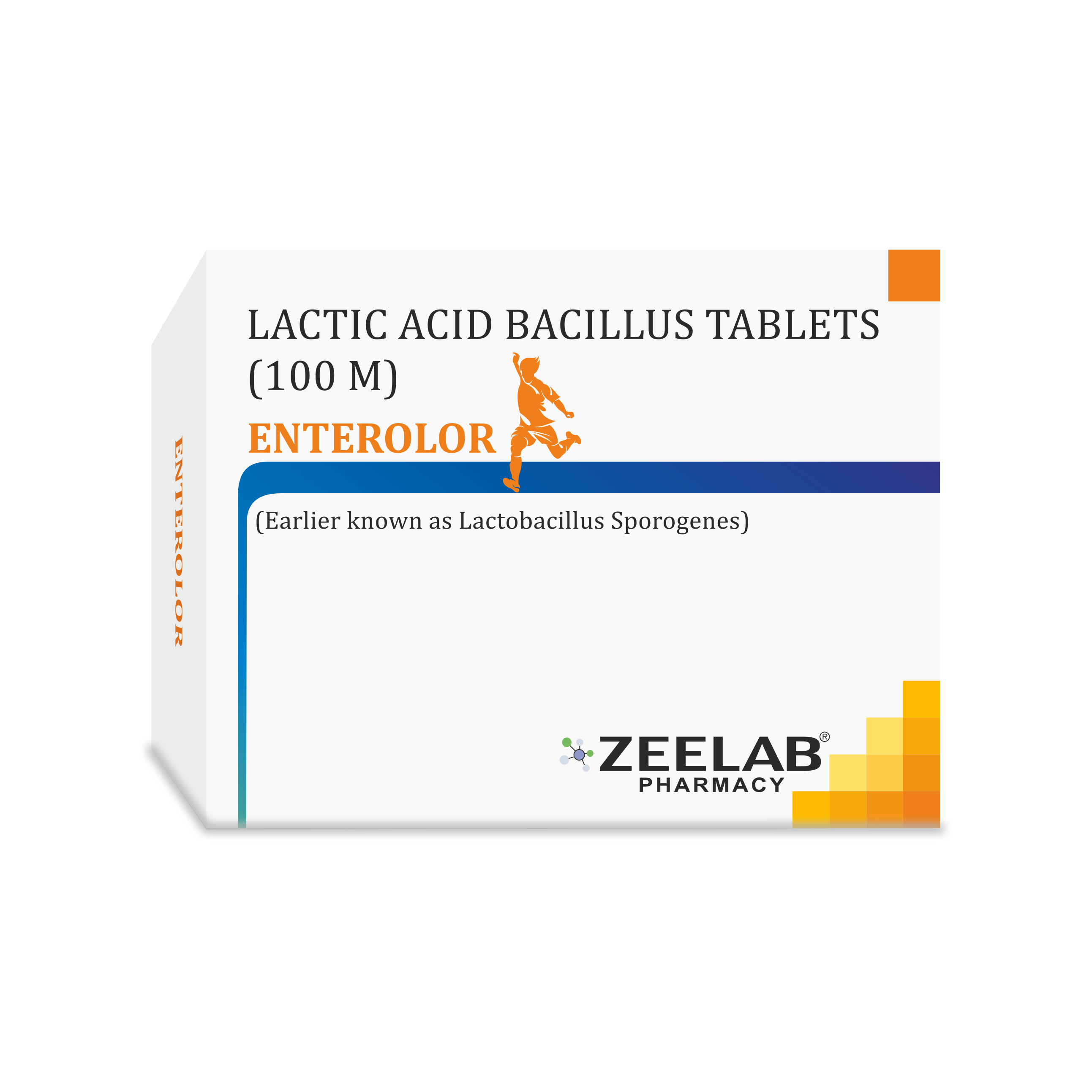
Enterolor 100 Tablet is a probiotic used to support loose motion management. It contains Lactobacillus sporogenes, which helps support a healthy balance of beneficial bacteria in the intestines and may help manage diarrhoea symptoms.
- Composition: Lactobacillus Sporogenes (100 million spores)
- Benefits: Helps support intestinal microbial balance during diarrhoea and digestive disturbances.
Bioticas Prebiotic & Probiotic Capsule
Bioticas Prebiotic & Probiotic Capsule contains a combination of prebiotics and probiotics that helps with diarrhea relief by supporting a healthy balance of beneficial microorganisms in the intestines. It may help support gut health during digestive disturbances, including loose motion.
- Composition: Lactobacillus acidophilus (0.48 billion) + Lactobacillus rhamnosus (0.48 billion) + Bifidobacterium longum (0.48 billion) + Bifidobacterium bifidum (0.48 billion) + Saccharomyces boulardii (0.1 billion) + Streptococcus thermophilus (0.48 billion) + Fructo Oligo Saccharide (300 mg)
- Benefits: Supports healthy gut flora and may be used during loose motion and other digestive disturbances.
Benefits of Loose Motion Medicines
Loose motion symptoms can be very uncomfortable and lead to serious complications if there is no proper treatment. Taking the right loose motion medication can:
- Replace lost fluids and electrolytes
- Reduce the frequency of loose stools
- Reduce excessive intestinal fluid loss
- Support recovery
- Manage specific bacterial or inflammatory causes when treatment is appropriate
What to Avoid During Loose Motions
Along with taking medicine for loose motion, be mindful of what you eat, as certain foods can worsen digestive symptoms.
- Oily, spicy, and very heavy foods
- Alcohol
- Foods that worsen your symptoms
- Unclean or untreated drinking water
- Self-medication with antibiotics
- Taking antidiarrhoeal medicines when you have blood in the stool or high fever without medical advice
When Should You See a Doctor for Loose Motion?
Loose motion usually improves with proper hydration and basic treatment, but certain warning signs should not be ignored. Consult a doctor immediately if you notice any of the following:
- Blood or black stools
- Severe abdominal pain
- High fever
- Signs of dehydration, such as severe thirst, dizziness or very little urine
- Frequent or severe diarrhoea
- Diarrhoea that persists or keeps returning
- Loose motion in a very young child, older adult, or person with significant health problems
Conclusion
Loose motion is a common digestive problem. Selecting the right treatment, along with adequate hydration and nutrition, is important for managing symptoms and preventing dehydration and other complications.
Medicines such as loperamide, racecadotril, Saccharomyces boulardii, and certain Lactobacillus strains may be used in selected cases, depending on the cause and individual suitability.
Zeelab Pharmacy offers a range of affordable medicines in India, including antidiarrhoeal medicines, probiotics, and ORS solutions.
Frequently Asked Questions (FAQs)
Ans.Loperamide, racecadotril, probiotics, and ORS are commonly used as loose motion medicines to help manage loose motion and diarrhoea, depending on the cause, age, severity, and individual suitability.
Ans.There is nothing that guarantees instant relief from loose motion; as support, you can drink ORS frequently, stay hydrated, eat light foods, and avoid spicy or oily meals. Consult a doctor for effective medicines that may help stop loose motions.
Ans.No, only drinking ORS for loose motion treatment might not be enough, as it just helps prevent dehydration by replacing lost fluids and electrolytes. ORS may not treat the underlying cause of loose motion.
Ans.Simple habits include staying hydrated, drinking ORS, switching to a BRAT diet for loose motion, and avoiding oily, spicy, or junk foods can help in faster recovery.
Ans.Choose light, easily digestible foods such as rice, bananas, toast, khichdi, curd, and boiled potatoes while avoiding spicy or fatty foods.
Ans.Not all loose motion medicines require a doctor’s prescription; many over-the-counter medicines can help in curing loose motion as well.
Ans.Children may need ORS and zinc syrup for loose motion, while other liquid medicines should only be given after consulting a paediatrician.
Ans.Probiotics may support gut health and help some people recover from diarrhoea, but their benefits vary depending on the cause and individual.
Ans.ORS is generally important for preventing dehydration, but pregnant women should consult a doctor before taking any medicine for loose motion.
Ans.Acute loose motion often improves within a few days with proper hydration and supportive care, although duration depends on the underlying cause.
Ans.See a doctor if watery loose motion persists, becomes severe, or you see blood in stool, high fever, severe abdominal pain, repeated vomiting, or dehydration.

Lactobacillus acidophilus (0.48 billion) + Lactobacillus rhamnosus (0.48 billion) + Bifidobacterium longum (0.48 billion) + Bifidobacterium bifidum (0.48 billion) + Saccharomyces boulardii (0.1 billion) + Streptococcus thermophilus (0.48 billion) + Fructo Oligo Saccharide (300 mg)
10 Capsules In 1 Strip

Bacillus Clausii 2 billion per 5 ml.
5ml In 1 Bottle
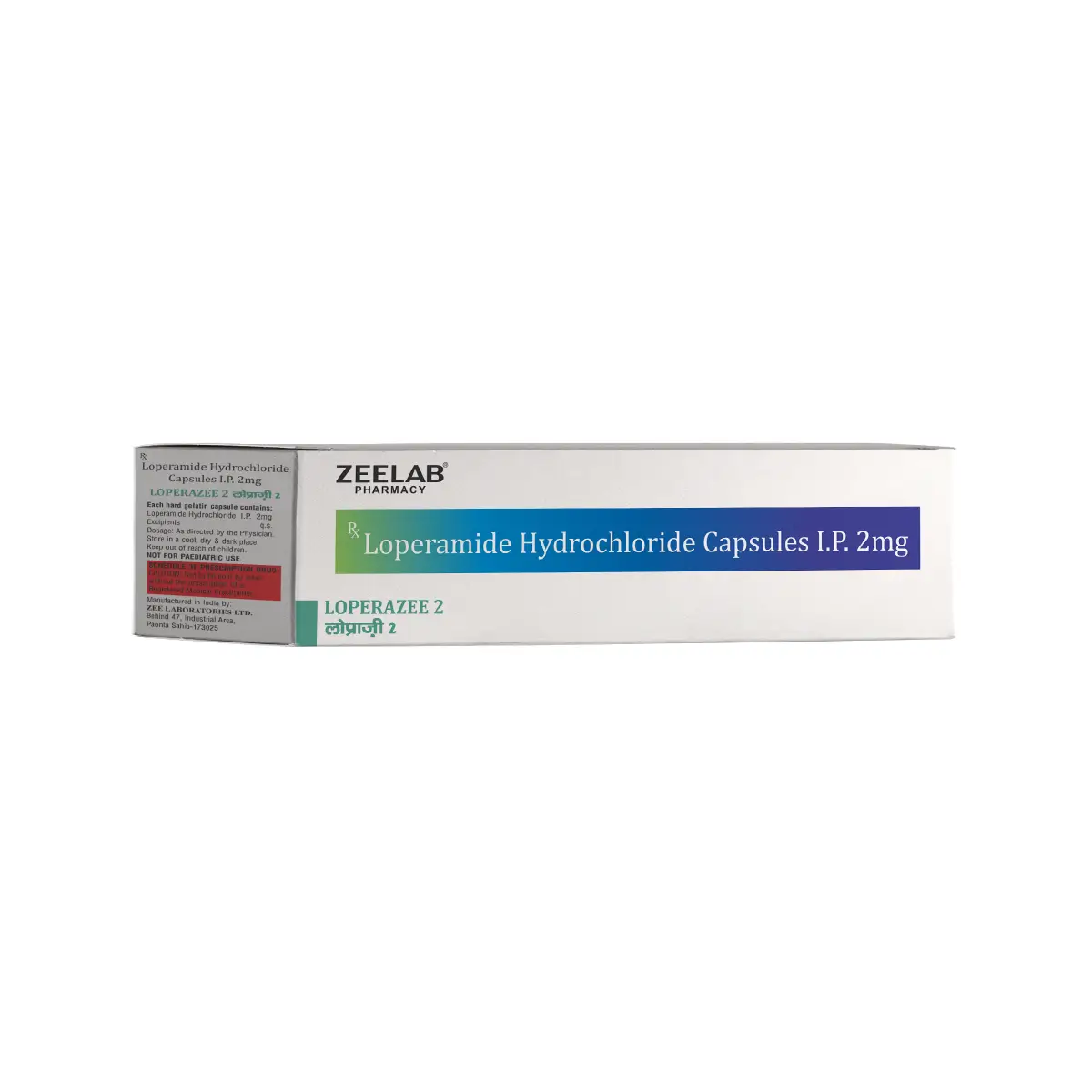
Loperamide (2mg)
10 Capsules In 1 Strip
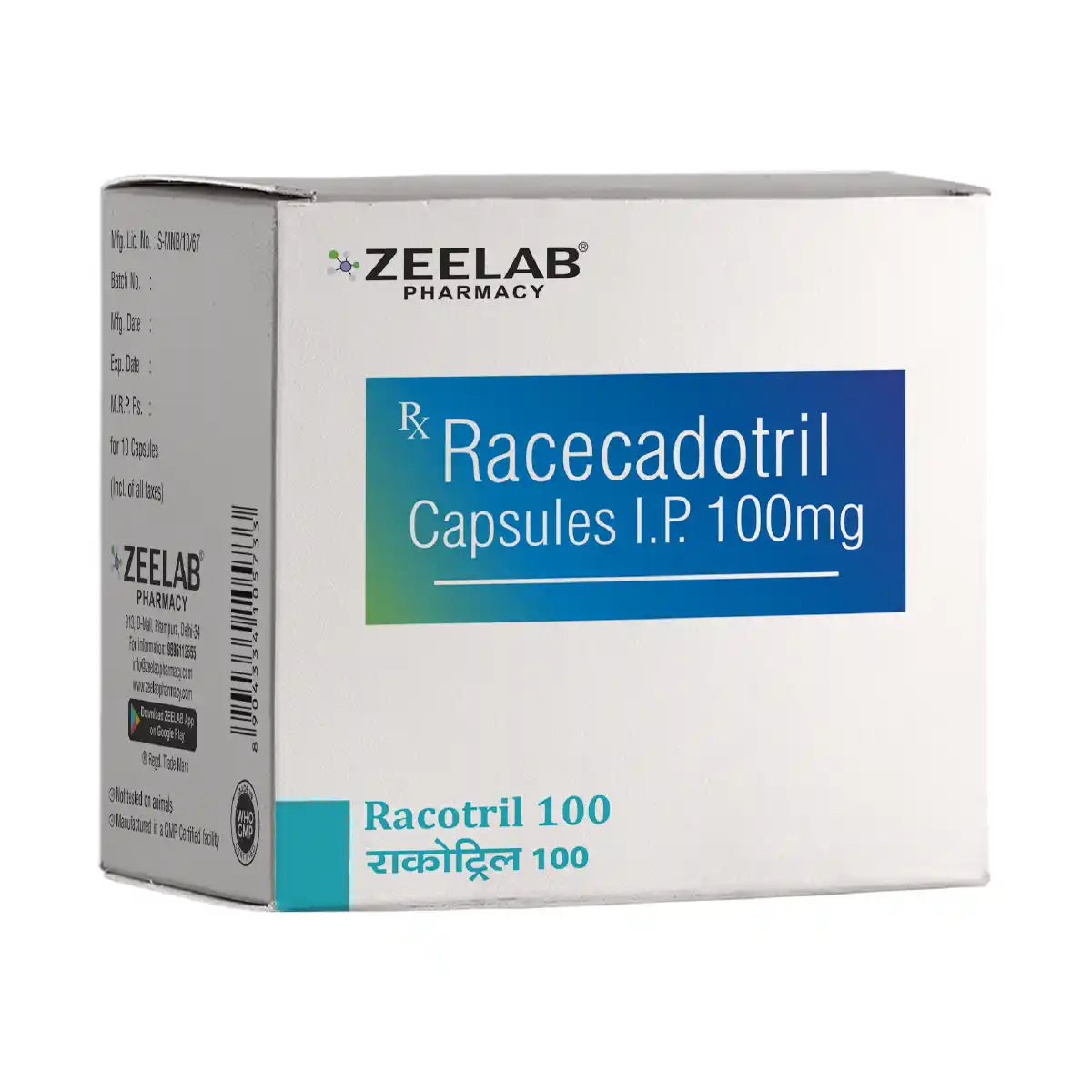
Racecadotril (100mg)
10 Capsules In 1 Strip
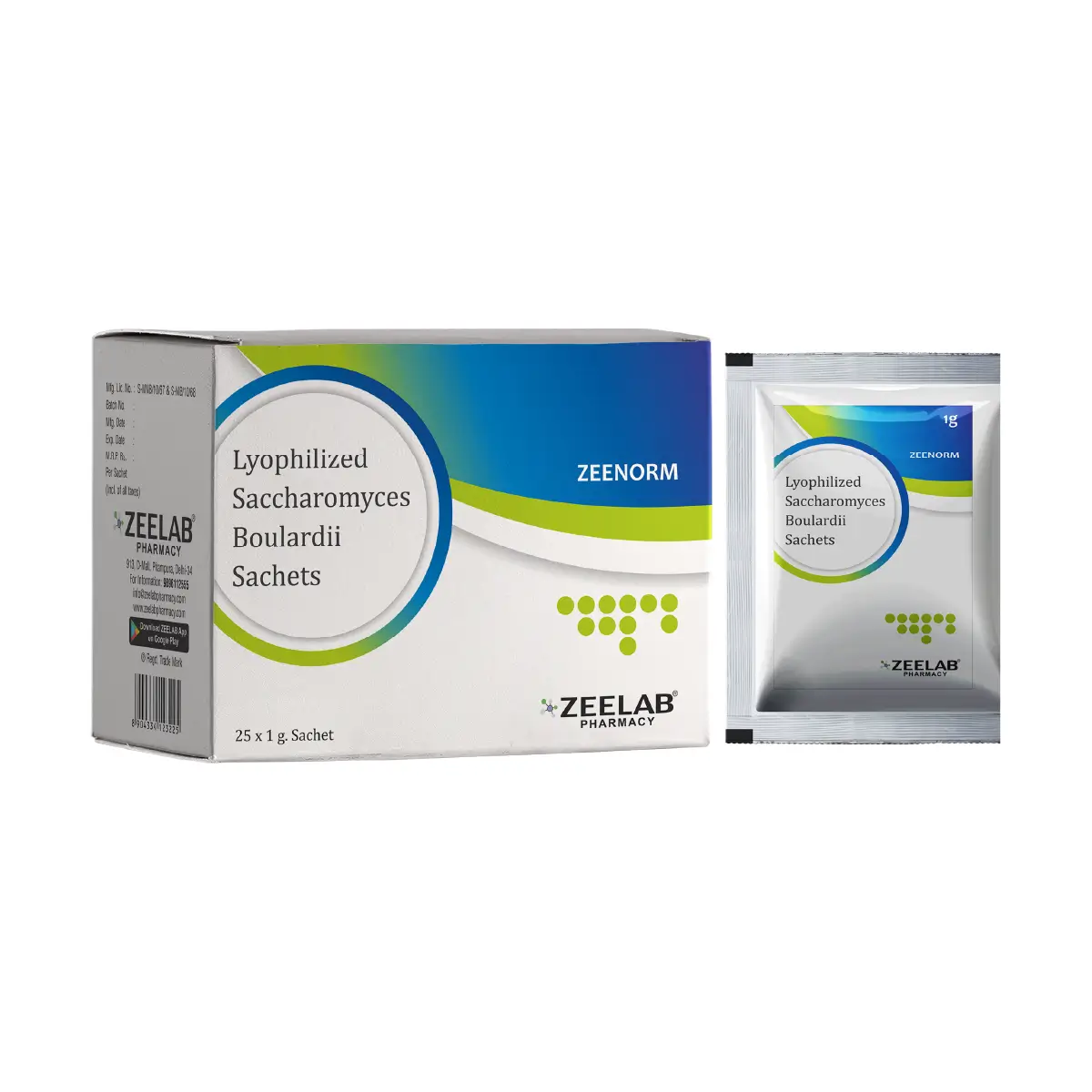
Lyophilized Saccharomyces Boulardii Sachet (282.5mg)
1gm powder in sachet
Lactobacillus Sporogenes (100 Million spores)
20 Tablets In 1 strip
References
Recent Blogs






Disclaimer : Zeelab Pharmacy provides health information for knowledge only. Do not self-medicate. Always consult a qualified doctor before starting, stopping, or changing any medicine or treatment.
Related Products


₹ 0
0
Items added
Quick Links
Categories
Our Policies

Our Socials


Subscribe

2026 Copyright By © Zeelab Pharmacy Private Limited. All Rights Reserved
Our Payment Partners

 Added!