

Tranexamic Acid for Pigmentation and Hyperpigmentation: A Complete Guide to Brighter Skin
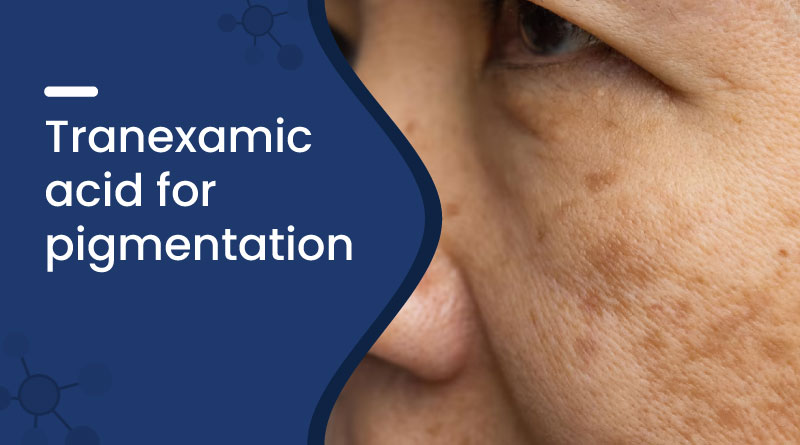
Pigmentation refers to the natural colour of your skin, which is determined by melanin (a pigment produced by specialised skin cells). However, when melanin is produced unevenly or in excess, it leads to hyperpigmentation.
Though these dark spots are not harmful, they can largely impact one's confidence and lower self-esteem. The main types include melasma, post-inflammatory hyperpigmentation (PIH), and Sunspots. All of these issues arise due to different factors.
Treating hyperpigmentation can be challenging because it’s rarely caused by just one factor. Sunlight, hormones, genetics, skin type, and inflammation can all play a role in triggering or worsening it.
This is where Tranexamic acid came as a promising solution. Tranexamic acid's mechanism of action includes interfering with pathways involved in melanin production, ultimately leading to gradual lightening of dark patches.
In this blog, we will explore the difference between hyperpigmentation and pigmentation, the uses of tranexamic acid, whether tranexamic acid is good for pigmentation issues, and much more.
What is Pigmentation and Hyperpigmentation?
Pigmentation is the natural colour of your skin, which comes from a pigment called melanin. Melanin protects your skin from sun damage. Hyperpigmentation happens when your body makes too much melanin, causing some areas of your skin to become darker than others.
Hyperpigmentation can also be caused by factors like sun exposure, hormonal changes, inflammation, acne, or skin injuries. Some common types include melasma, post-inflammatory hyperpigmentation, and sun spots. These conditions can make the skin look uneven, with dark patches or an uneven tone over time.
What is Tranexamic Acid?
Tranexamic acid is a synthetic derivative of the amino acid lysine, originally developed for medical use to help control excessive bleeding. It works by stabilising blood clots and is commonly prescribed for conditions such as heavy menstrual bleeding (menorrhagia), bleeding after surgery or dental procedures, nosebleeds, traumatic injuries, and certain bleeding disorders.
Over time, researchers discovered that tranexamic acid also affects key pathways involved in inflammation and melanin production in the skin. This finding led to its growing use in dermatology.
When used topically or under medical supervision, tranexamic acid helps reduce excess melanin formation, making it effective for treating hyperpigmentation, melasma, and post-inflammatory dark spots.
How Does Tranexamic Acid Work for Pigmentation?
Tranexamic acid helps improve hyperpigmentation by targeting the underlying processes that trigger excess melanin production. It works by interfering with the interaction between skin cells and inflammatory signals that can overstimulate pigment-making cells (melanocytes).
This is especially helpful in conditions like melasma and post-inflammatory hyperpigmentation, where inflammation and UV exposure play key roles.
Tranexamic acid helps to calm these mechanisms to prevent the development of new hyperpigmentation while also working to reduce existing discolouration.
It is also gentler on the skin compared to other depigmenting agents, making it ideal for long-term use as part of a comprehensive skin care routine.
Also Read: Best serum for hyperpigmentation
Benefits of Tranexamic Acid for Skin Pigmentation
Tranexamic Acid for Skin is becoming a popular and effective solution for dealing with stubborn pigmentation issues, including dark spots, melasma, and uneven skin tone.
Widely recognised in modern dermatology, tranexamic acid for skin pigmentation goes beyond its medical origins to support a clearer, more even-looking complexion. Its gentle and well-tolerated nature makes it suitable for long-term use, helping improve skin brightness while minimising the risk of irritation.
- Reduces the appearance of dark spots and skin discolouration
- Helps to fade melasma and post-inflammatory hyperpigmentation
- Calms skin pathways associated with inflammation-induced pigmentation
- Suitable for long-term use when used as directed
- Generally well tolerated, including by sensitive skin types
- Can be used in combination with other skincare ingredients for better results
- Contributes to a brighter, more balanced-looking complexion over time
Tranexamic Acid for Different Hyperpigmentation Conditions
Tranexamic acid is widely used in dermatology to help manage different types of hyperpigmentation, especially those linked to inflammation, UV exposure, and hormonal factors. Its targeted mechanism makes it useful for several common pigmentation conditions.
- Melasma: Tranexamic acid is often recommended for melasma, a hormonally influenced condition characterised by symmetrical dark patches. It helps regulate pigment-triggering pathways and may reduce recurrence when used consistently.
- Post-inflammatory hyperpigmentation (PIH): It helps fade dark marks left behind by acne, irritation, or skin injury by reducing excess melanin production triggered by inflammation.
- Sun-induced hyperpigmentation: Regular use may help improve sunspots and uneven tone caused by prolonged UV exposure, especially when combined with daily sunscreen.
Clinical observations and dermatological use have shown tranexamic acid to be a well-tolerated option, making it a preferred choice for long-term pigmentation management in suitable individuals.
Also Read: Best Serum for Melasma in India
Types of Tranexamic Acid Products Available
Tranexamic acid is available in several skincare and medical formats, allowing treatment to be tailored to different skin types, concerns, and levels of pigmentation. Each option offers unique benefits in how it delivers results and supports overall skin clarity.
|
Product Type |
Best For |
Main Benefit |
|
Serums |
Skin with dark spots or discolouration |
Delivers concentrated tranexamic acid to help fade pigmentation effectively |
|
Creams & Lotions |
Dry or sensitive skin |
Provides hydration and protection to the skin while fading pigmentation |
|
Gels |
Oily or acne-prone skin |
Lightweight texture that helps treat discolouration without heaviness |
|
Combination Formulas |
Persistent pigmentation and dullness |
Enhances brightening when used with ingredients like kojic acid, niacinamide or vitamin C |
|
Oral (Prescription) |
Moderate to severe melasma (under medical advice) |
Works internally to help control pigmentation triggers |
Best Topical Tranexamic Acid Product Recommendation from Zeelab Pharmacy
For individuals looking to include tranexamic acid in their skincare routine, Zeelab Pharmacy offers a topical option designed to support pigmentation care. This recommendation may help improve skin clarity when used consistently alongside proper sun protection and skincare practices.
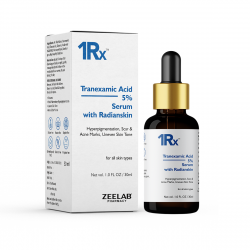
1Rx Tranexamic Acid 5% Face Serum
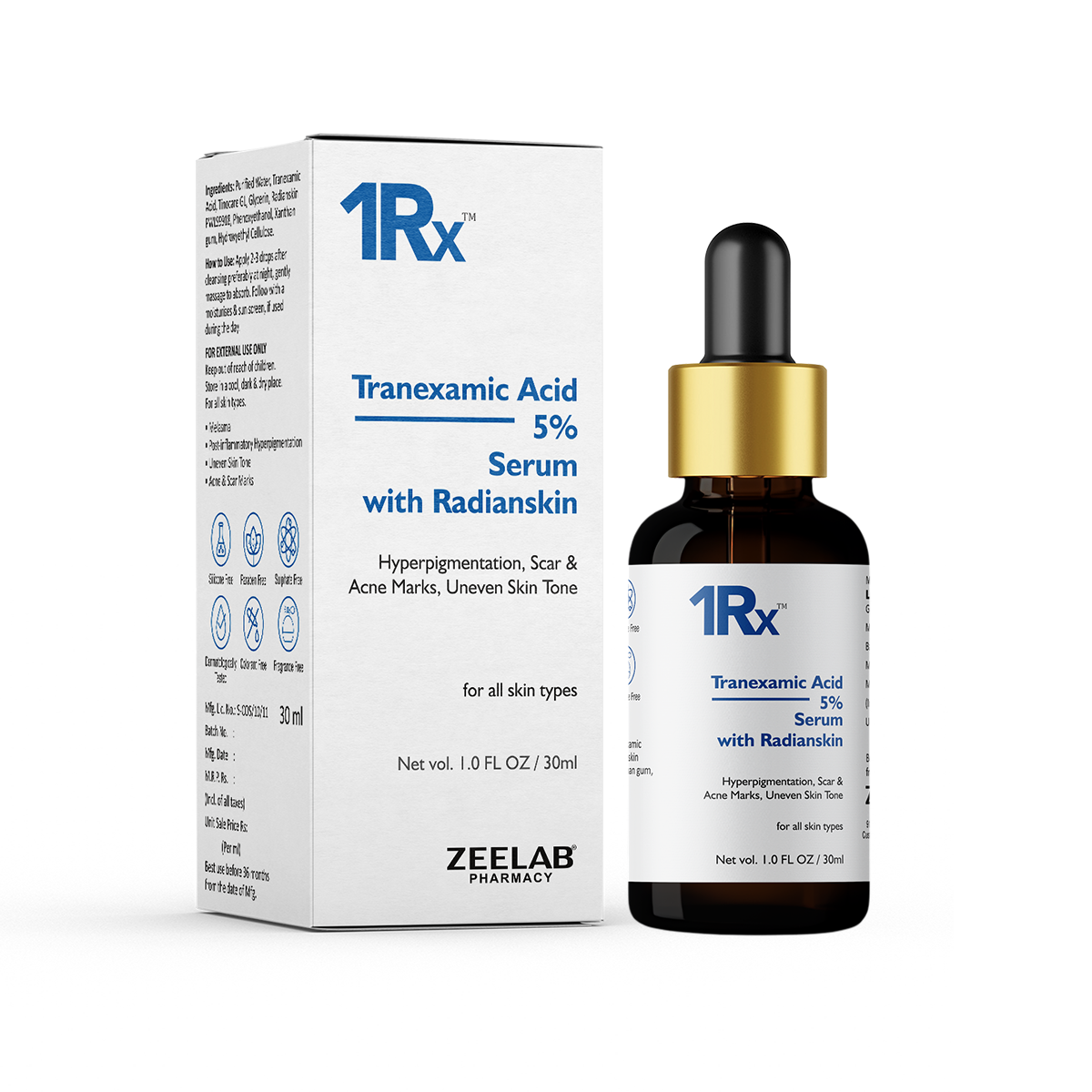
Tranexamic Acid 5% Face Serum is a targeted skin-brightening serum designed to help manage common skin problems related to pigmentation. With a 5% tranexamic acid formula, it supports clearer, more even skin over time.
- Composition: Tranexamic Acid 5%
- How it works: Tranexamic acid serum works by inhibiting excess melanin production, helping reduce dark spots, pigmentation, and uneven skin tone.
- Benefits: Brightens skin, fades pigmentation, supports even tone, is gentle on sensitive skin, and improves clarity and radiance.
How to Use Tranexamic Acid for Best Results?
Applying the correct dose of tranexamic acid for hyperpigmentation can help enhance outcomes while reducing irritation. A regular skincare routine and sun protection are essential for managing pigmentation.
- Choose the right strength: Typically, 2-5% tranexamic acid is used in topical formulations, which is thought to be effective yet non-irritating enough for daily use.
- Apply after cleansing: Use after washing your face and before heavier creams to allow better absorption.
- Start gradually: Begin with once-daily application, then increase frequency slowly if your skin tolerates it comfortably.
- Combine with supportive ingredients: Niacinamide, hyaluronic acid, and mild moisturisers can enhance results while keeping the skin barrier balanced.
- Use sunscreen daily: Applying a broad-spectrum sunscreen with SPF can protect the skin from UV-induced hyperpigmentation and help maintain the benefits of your skincare routine.
Tranexamic Acid for Different Skin Types
Tranexamic acid is a versatile ingredient that can be used across many skin types when the formulation and routine are chosen carefully. It supports pigmentation care while generally being gentle on the skin barrier.
|
Skin Type |
How Tranexamic Acid Helps |
Usage Tip |
|
Oily / Acne-Prone Skin |
Helps fade post-acne marks and uneven tone without feeling heavy or greasy |
Opt for lightweight serums or gel-based formulas |
|
Dry Skin |
Aids gradual brightening while allowing inclusion of moisturising ingredients |
Use cream-based products and follow with a rich moisturiser |
|
Sensitive Skin |
Often better tolerated than harsher depigmenting agents |
Start with lower strengths and apply once daily at first |
|
Combination Skin |
Helps balance uneven tone across both oily and dry facial areas |
Choose light textures and moisturise drier zones separately |
|
Safe for Darker Skin Tones |
Helps treat pigmentation with a lower risk of irritation-related darkening |
Use consistently with sunscreen to prevent recurrence of discolouration |
Who Should Use Tranexamic Acid?
Tranexamic acid is helpful for people dealing with stubborn or uneven skin pigmentation. It is often chosen as a gentle option to support clearer, more even-looking skin.
- People with melasma or hormone-related facial pigmentation
- Those with post-acne dark spots or marks left after skin inflammation
- Individuals with sunspots or UV-related discolouration
- People looking for a milder alternative to stronger skin-lightening treatments
- Those with sensitive skin who cannot tolerate harsh active ingredients
- Individuals with darker skin tones are prone to pigmentation after irritation
Anyone considering oral tranexamic acid or treating severe pigmentation should first speak with a qualified healthcare professional.
Also Read: Tranexamic Acid for Melasma
Possible Side Effects of Tranexamic Acid
Tranexamic acid is normally safe to use in skin care, but it is not possible for everyone to react to the ingredient in the same way. Using it correctly and paying attention to your skin’s response helps ensure safer results.
- Mild skin irritation, redness, or itching, especially during the first few weeks
- Dryness or peeling, especially when used with other strong active ingredients
- Breakouts may occur in rare cases if the product formulation feels too heavy for your skin
How Long Does Tranexamic Acid Take to Show Results?
Tranexamic acid takes time to show visible effects on hyperpigmentation. Results vary depending on skin type, severity of pigmentation, sun exposure, and how regularly the product is used.
|
Time Frame |
What You May Notice |
What’s Happening in the Skin |
|
2–4 weeks |
Skin may look slightly more even and calmer |
Early reduction in inflammation-linked pigment stimulation |
|
6–8 weeks |
Hyperpigmented areas may start to look lighter |
Melanin production is gradually being regulated |
|
8–12 weeks |
More noticeable fading of pigmentation |
Pigment pathways are being controlled to help brighten the skin |
|
3+ months |
Improved overall skin tone and clarity |
Continued use helps maintain results and prevent recurrence |
Can Tranexamic Acid Be Combined With Other Actives?
Yes, tranexamic acid can be combined with several other skincare ingredients to further boost efficacy, especially when targeting hyperpigmentation and uneven skin tone. But some combinations need a more careful approach to avoid irritation.
Safe Ingredient Combinations
- Niacinamide: Helps to improve the skin barrier and boost brightening effects.
- Hyaluronic acid: Hydrates the skin, preventing dryness and irritation during the treatment of pigmentation
Ingredients to Use With Caution
- Retinoids: Helpful to promote skin renewal, but may cause increased sensitivity when combined with multiple ingredients.
- Exfoliating acids (AHAs/BHAs): Can improve absorption, yet overuse may irritate skin and worsen pigmentation
Can Tranexamic Acid Be Used Long-Term?
Tranexamic acid can typically be used on the skin long-term if no irritation occurs.
- Many people use it consistently for several months to manage pigmentation, followed by a maintenance phase with reduced frequency.
- Once the desired improvement is achieved, the application may be continued a few times weekly to help prevent recurrence.
It is best to stop using it if irritation, redness, or sensitivity occurs. Patients taking oral tranexamic acid or using it for severe melasma should be under the care of a physician.
Morning vs Night Routine: When and How to Use Tranexamic Acid
Tranexamic acid can be applied in the morning and night routine, depending on your skin type and the product formulation. Consistency and proper layering help maximise its benefits for hyperpigmentation.
|
Morning Routine |
Night Routine |
|
Apply after cleansing and before moisturiser |
Apply after cleansing and before heavier night creams |
|
Use a lightweight serum texture that is comfortable to wear during the day |
Can be layered with richer treatments that support overnight repair |
|
Always follow with a broad-spectrum sunscreen to prevent further pigmentation |
No sunscreen is required, and you can focus on treatment and skin repair |
|
Helps to control daily triggers such as UV-induced pigmentation |
Helps to fade dark spots during the skin’s natural repair cycle |
Common Mistakes to Avoid While Using Tranexamic Acid
Using tranexamic acid correctly is important to achieve the best results while minimising the risk of irritation. Even though its use is considered safe, but from our end we should avoid some mistakes like:
- Using too much product, which may increase irritation without improving results
- Combining too many strong activities at the same time
- Skipping daily sunscreen, allowing UV rays to worsen pigmentation
- Starting with frequent application instead of introducing it gradually
- Expecting instant results and stopping use too early
- Ignoring signs of irritation like redness, burning, or persistent dryness
Conclusion
Tranexamic acid has proven to be an effective ingredient in pigmentation care. The action of tranexamic acid targets major pathways responsible for the overproduction of excess melanin, making it an effective ingredient for dealing with stubborn dark spots.
Currently, tranexamic acid uses for hyperpigmentation range from topical serums to medically guided treatments, depending on the individual’s needs.
Understanding how to use tranexamic acid for pigmentation, with the right concentration, consistent routine, and daily sun protection, plays a major role in achieving visible results. With patience and proper use, it can support a clearer, more even-looking complexion over time.
Frequently Asked Questions (FAQs)
Ans.Yes, tranexamic acid can help improve hyperpigmentation by targeting inflammation and pigment-producing pathways in the skin. With regular use and proper sun protection, it may gradually lighten dark patches and promote a more even complexion.
Q. Does tranexamic acid really work for hyperpigmentation?
Ans.Yes, tranexamic acid can usually be used daily if your skin tolerates it well. Many products are designed for once or twice daily use, but starting slowly and monitoring for irritation is recommended.
Q. Can I use tranexamic acid every day?
Ans.Tranexamic acid products for hyperpigmentation include topical serums, creams, gels, and combination formulas for direct skin application. Oral tablets may be prescribed under medical supervision for more persistent pigmentation concerns.
Q. What are the types of tranexamic acid products available for treating hyperpigmentation?
Ans.Most people start noticing visible improvements in pigmentation after 6 to 8 weeks of consistent use. Full results may take up to 12 weeks or longer, depending on skin type, severity of pigmentation, and daily sun protection habits.
Q. How long does tranexamic acid take to work?
Ans.Topical products typically contain 2% to 5% tranexamic acid, which is considered effective yet gentle for regular use. Higher strengths should only be used under professional guidance.
Q. What tranexamic acid percentage is considered safe for hyperpigmentation management?
Ans.Yes, tranexamic acid can be combined with vitamin C. Together, they help improve skin brightness, reduce dark spots, and provide antioxidant protection against environmental damage.
Q. Can tranexamic acid be used with vitamin C?
Ans.Oral tranexamic acid tablets may be prescribed for stubborn hyperpigmentation or melasma in some cases. However, they should only be taken under medical supervision due to the need for proper evaluation and monitoring.
Q. Can I take tranexamic acid tablets to reduce body hyperpigmentation?
Ans.Pigmentation may return if underlying triggers such as sun exposure or hormonal changes persist. Continued sunscreen use and maintenance of skincare can help reduce the risk of recurrence.
Q. Does pigmentation come back after stopping tranexamic acid?
Ans.Pregnant women should avoid using tranexamic acid without medical advice. Topical use may be discussed with a dermatologist, but oral tranexamic acid is generally not recommended during pregnancy.
Q. Can pregnant women use tranexamic acid?
Ans.Tranexamic acid and hydroquinone work differently. Tranexamic acid is generally gentler and better tolerated by sensitive skin, while hydroquinone is stronger but may cause irritation. Suitability depends on individual skin type and professional guidance.
Q. Is tranexamic acid better than hydroquinone for managing pigmentation?
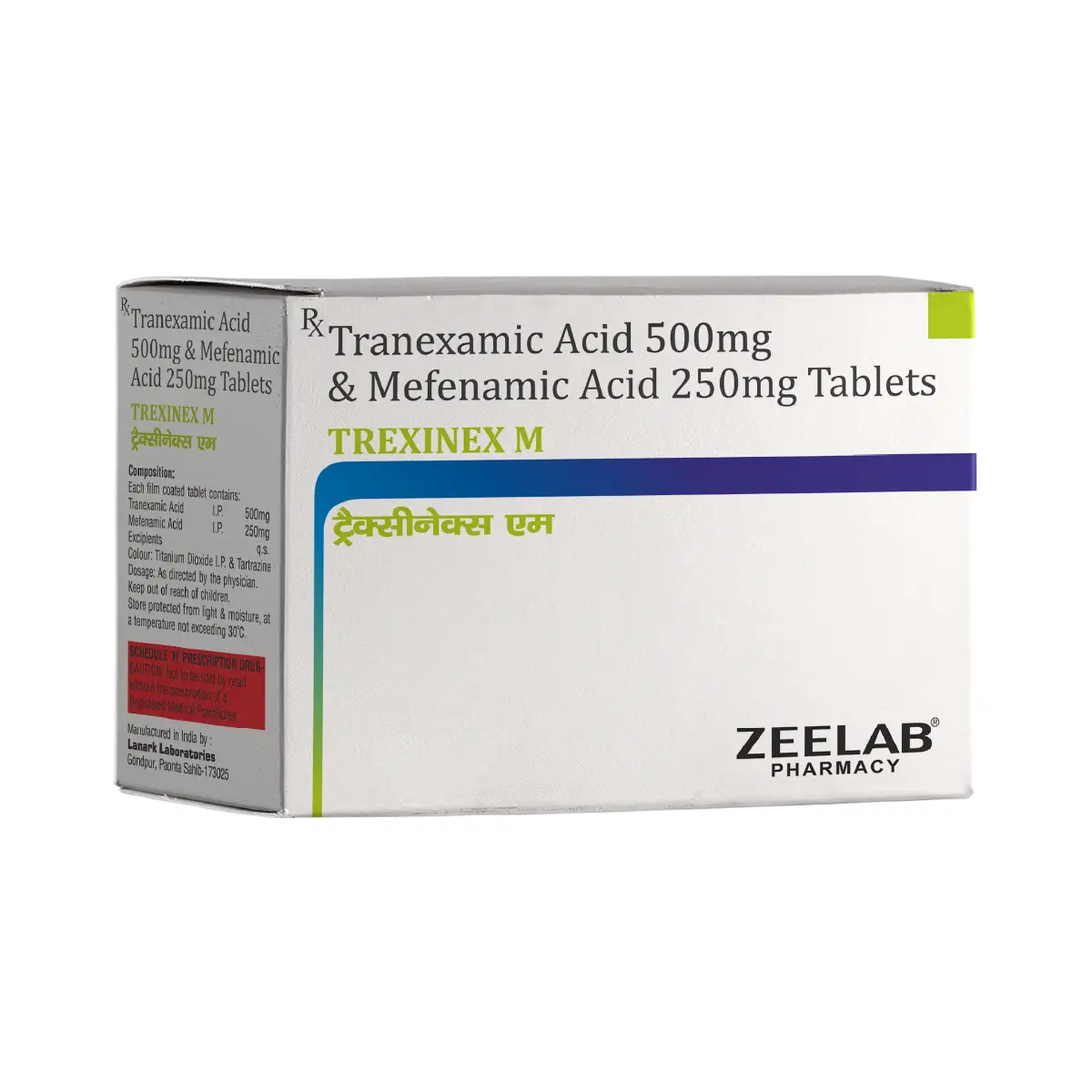
Tranexamic Acid (500mg) + Mefenamic Acid (250mg)
10 Tablets In 1 Strip
Tranexamic Acid 5%
30ml In 1 Bottle
Recent Blogs





Disclaimer : Zeelab Pharmacy provides health information for knowledge only. Do not self-medicate. Always consult a qualified doctor before starting, stopping, or changing any medicine or treatment.
Related Products


₹ 0
0
Items added
Quick Links
Categories
Our Policies

Our Socials


Subscribe

2026 Copyright By © Zeelab Pharmacy Private Limited. All Rights Reserved
Our Payment Partners

 Added!