
Smart Medicine Comparison
Recommended Substitute
You Searched

Glimefide 3mg Tablet
82% More Savings
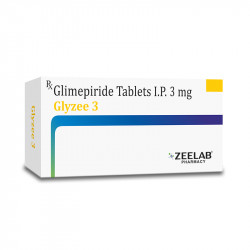
Why Choose our Glyzee 3 Tablet ?
Save ₹ 47.13 - Enjoy up to 82% More Savings
Same Salt, Dosage & Strength as Glimefide 3mg Tablet
Crafted in a WHO-GMP Certified Facility
President Award Winner - Trusted by Millions


Detail Comparison
| Parameter | Glimefide 3mg Tablet | Glyzee 3 Tablet |
|---|---|---|
| Composition | Glimepiride 3mg Tablets | Glimepiride (3mg) |
| Quantity | 10 tablets | 10 Tablets in 1 strip |
| Price | ₹ 57.13 High Price |
₹ 10 Save 82% |
| Prescription required | Yes | Yes |
Download India's most affordable pharmacy app
- Compare with medicine prices
- Save upto 90% on your medicine bills
COMPOSITION:
Glimepiride 3mg TabletsDESCRIPTION:
Introduction
Glimefide 3mg Tablet contains **Glimepiride (3mg)**, a medication primarily used in the treatment of type 2 diabetes. It helps control blood sugar levels by increasing insulin release from the pancreas and improving the body's sensitivity to insulin. Glimefide is often used alongside a healthy diet and exercise to manage diabetes and prevent complications.
Uses of Glimefide 3mg Tablet
- Type 2 Diabetes: Helps in controlling blood glucose levels in patients with type 2 diabetes.
- Diabetes Management: Used as part of a broader treatment plan, including diet and exercise, to maintain healthy blood sugar levels.
- Prevention of Complications: Helps reduce the risk of diabetes-related complications, such as heart disease, nerve damage, and kidney problems.
How Glimefide 3mg Tablet Works
**Glimefide 3mg Tablet** works by stimulating the pancreas to release insulin and by increasing the body's sensitivity to insulin. This helps lower blood sugar levels, making it an effective treatment for managing type 2 diabetes.
Benefits of Glimefide 3mg Tablet
- Controls Blood Sugar: Effectively lowers blood glucose levels, helping manage type 2 diabetes.
- Improves Insulin Sensitivity: Enhances the body's response to insulin, improving overall blood sugar regulation.
- Prevents Complications: Reduces the risk of long-term diabetes-related complications such as nerve damage and heart problems.
- Convenient Administration: Taken once a day, making it easy for patients to adhere to their medication schedule.
How to Take Glimefide 3mg Tablet
Dosage: The typical starting dose is 1-2mg daily, which may be adjusted depending on your doctor’s recommendation and blood sugar levels.
Administration: Take the tablet with food, usually once a day with breakfast. Swallow the tablet whole with a full glass of water.
Side Effects of Glimefide 3mg Tablet
- Common Side Effects: Nausea, headache, dizziness, and low blood sugar (hypoglycemia).
- Severe Side Effects: Severe hypoglycemia, allergic reactions (rash, itching, swelling), liver dysfunction, and yellowing of the skin or eyes. Seek immediate medical help if these occur.
Safety Advice
- Monitor Blood Sugar: Regular monitoring of blood glucose levels is essential to prevent low or high blood sugar.
- Alcohol: Limit alcohol consumption as it can increase the risk of hypoglycemia.
- Pregnancy and Breastfeeding: Consult your doctor before using Glimefide during pregnancy or while breastfeeding.
- Kidney and Liver Problems: Inform your doctor if you have any history of kidney or liver issues as dose adjustments may be required.
Frequently Asked Questions (FAQs)
Q: What is Glimefide 3mg Tablet used for?
A: Glimefide 3mg Tablet is used to manage blood sugar levels in people with type 2 diabetes and helps prevent diabetes-related complications.
Q: How does Glimefide 3mg Tablet work?
A: Glimefide increases insulin release from the pancreas and enhances the body's sensitivity to insulin, lowering blood glucose levels.
Q: Can I take Glimefide with other medications?
A: Yes, but you should inform your doctor about all other medications you are taking, especially other diabetes medications, to avoid potential interactions.
Q: What should I do if I miss a dose of Glimefide?
A: Take the missed dose as soon as you remember, unless it is almost time for your next dose. Do not take two doses to make up for a missed dose.
Q: Are there any dietary restrictions while taking Glimefide?
A: It is essential to maintain a balanced diet while taking Glimefide. Avoid alcohol and consult your doctor for a personalized dietary plan.






 Added!