
Smart Medicine Comparison
Recommended Substitute
You Searched

Glyree 3 Tablet
92% More Savings
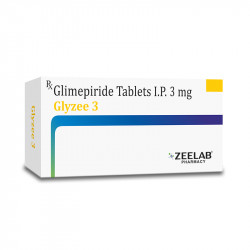
Why Choose our Glyzee 3 Tablet ?
Save ₹ 122.6 - Enjoy up to 92% More Savings
Same Salt, Dosage & Strength as Glyree 3 Tablet
Crafted in a WHO-GMP Certified Facility
President Award Winner - Trusted by Millions


Detail Comparison
| Parameter | Glyree 3 Tablet | Glyzee 3 Tablet |
|---|---|---|
| Composition | Glimepiride 3mg | Glimepiride (3mg) |
| Quantity | 10 Tablets in 1 strip | 10 Tablets in 1 strip |
| Price | ₹ 132.6 High Price |
₹ 10 Save 92% |
| Prescription required | Yes | Yes |
Download India's most affordable pharmacy app
- Compare with medicine prices
- Save upto 90% on your medicine bills
COMPOSITION:
Glimepiride 3mgDESCRIPTION:
Introduction
Glyree 3 Tablet, containing Glimepiride 3mg, is a trusted medication used to manage type 2 diabetes. It belongs to the sulfonylurea class of drugs and works by controlling blood sugar levels, preventing complications associated with diabetes. This tablet is prescribed alongside a healthy diet and regular exercise, making it an integral part of diabetes management for many patients.
Uses of Glyree 3 Tablet
Glyree 3 Tablet is primarily prescribed for:
- Controlling high blood sugar in adults with type 2 diabetes.
- Reducing the risk of long-term complications such as nerve damage, kidney issues, and eye problems.
- Improving overall glycemic control when combined with other antidiabetic medications or insulin.
How Glyree 3 Tablet Works
Glyree 3 Tablet works by stimulating the pancreas to release more insulin, a hormone that helps lower blood sugar levels. It also enhances the body’s sensitivity to insulin, ensuring better glucose utilization and management of type 2 diabetes.
Benefits of Glyree 3 Tablet
Using Glyree 3 Tablet offers the following benefits:
- Effective blood sugar control for type 2 diabetes patients.
- Reduces the risk of diabetes-related complications.
- Convenient once-daily dosage.
- Can be used in combination with other treatments for enhanced glycemic control.
How to Take Glyree 3 Tablet
Take Glyree 3 Tablet exactly as prescribed by your doctor. Usually, it is taken once daily with breakfast or the first main meal of the day. Swallow the tablet whole with water, without crushing or chewing. Follow your doctor’s instructions on diet and exercise to achieve optimal results.
Side Effects of Glyree 3 Tablet
Common side effects of Glyree 3 Tablet include:
- Low blood sugar (hypoglycemia) symptoms like dizziness, sweating, and hunger.
- Headache and nausea.
- Weight gain in some cases.
Severe side effects are rare but may include allergic reactions, liver dysfunction, or severe hypoglycemia. Consult your doctor if you experience any concerning symptoms.
Safety Advice
Before using Glyree 3 Tablet, keep the following precautions in mind:
- Inform your doctor if you are allergic to sulfonylureas or any ingredients in the tablet.
- Not recommended for type 1 diabetes or diabetic ketoacidosis.
- Pregnant or breastfeeding women should consult their doctor before use.
- Avoid alcohol, as it may increase the risk of low blood sugar.
- Regularly monitor your blood sugar levels while on this medication.
Frequently Asked Questions (FAQs)
Q: Can I stop taking Glyree 3 Tablet if my blood sugar levels are normal?
A: Do not stop taking Glyree 3 Tablet without consulting your doctor. Even if your blood sugar levels are controlled, discontinuing the medication abruptly may cause a spike in glucose levels.
Q: What should I do if I miss a dose of Glyree 3 Tablet?
A: If you miss a dose, take it as soon as you remember. If it is almost time for your next dose, skip the missed one. Do not double your dose to make up for the missed one.
Q: Can Glyree 3 Tablet be taken with other diabetes medications?
A: Yes, Glyree 3 Tablet can often be combined with other diabetes medications or insulin as directed by your doctor. However, close monitoring of blood sugar levels is essential to avoid hypoglycemia.
Q: Is Glyree 3 Tablet safe for elderly patients?
A: Glyree 3 Tablet is generally safe for elderly patients, but they may require a lower dose due to an increased risk of low blood sugar. Your doctor will determine the appropriate dosage based on your condition.






 Added!