
Smart Medicine Comparison
Recommended Substitute
You Searched

Glimenorm 3mg Tablet
67% More Savings
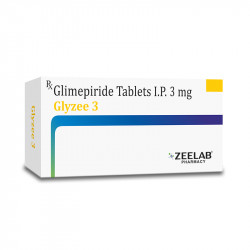
Why Choose our Glyzee 3 Tablet ?
Save ₹ 20.72 - Enjoy up to 67% More Savings
Same Salt, Dosage & Strength as Glimenorm 3mg Tablet
Crafted in a WHO-GMP Certified Facility
President Award Winner - Trusted by Millions


Detail Comparison
| Parameter | Glimenorm 3mg Tablet | Glyzee 3 Tablet |
|---|---|---|
| Composition | Glimepiride 3mg Tablets | Glimepiride (3mg) |
| Quantity | 10 Tablets in 1 Strip | 10 Tablets in 1 strip |
| Price | ₹ 30.72 High Price |
₹ 10 Save 67% |
| Prescription required | Yes | Yes |
Download India's most affordable pharmacy app
- Compare with medicine prices
- Save upto 90% on your medicine bills
COMPOSITION:
Glimepiride 3mg TabletsDESCRIPTION:
Glimenorm 3mg Tablet contains Glimepiride, an oral medication used to manage blood sugar levels in individuals with type 2 diabetes. It works by stimulating the pancreas to release insulin and improving the body's response to insulin. Glimenorm is commonly prescribed when diet and exercise alone are not enough to control blood sugar levels, helping to prevent complications associated with diabetes such as kidney damage, nerve issues, and cardiovascular problems.
Uses of Glimenorm 3mg Tablet
Glimenorm 3mg Tablet is primarily used for:
- Managing blood sugar levels in type 2 diabetes patients
- Controlling high blood glucose in conjunction with diet and exercise
- Reducing the risk of diabetes-related complications, including kidney, nerve, and heart problems
How Glimenorm 3mg Tablet Works
Glimenorm 3mg Tablet contains Glimepiride, a sulfonylurea medication. It works by stimulating the pancreas to release more insulin and by increasing the body’s sensitivity to insulin. This helps to lower blood glucose levels and maintain overall blood sugar control in patients with type 2 diabetes.
Benefits of Glimenorm 3mg Tablet
The key benefits of Glimenorm 3mg Tablet include:
- Effectively controls blood sugar levels in type 2 diabetes
- Reduces the risk of complications such as kidney damage and nerve problems
- Helps to maintain optimal blood glucose levels when combined with a healthy diet and exercise
How to Take Glimenorm 3mg Tablet
Glimenorm 3mg Tablet should be taken as prescribed by your doctor, usually once daily with breakfast. The tablet should be swallowed whole with water. Do not chew or crush it. It is important to follow your doctor’s instructions regarding the dosage and to regularly monitor your blood sugar levels to ensure effective management of your condition. Do not exceed the prescribed dosage.
Side Effects of Glimenorm 3mg Tablet
Common side effects of Glimenorm 3mg Tablet may include:
- Hypoglycemia (low blood sugar)
- Headache
- Feeling dizzy or lightheaded
- Upset stomach, nausea, or vomiting
Severe side effects are rare but may include:
- Severe hypoglycemia (confusion, seizures, or loss of consciousness)
- Allergic reactions such as rash, swelling, or difficulty breathing
Safety Advice
Before taking Glimenorm 3mg Tablet, keep in mind the following precautions:
- Do not take Glimenorm if you are allergic to Glimepiride or other sulfonylureas
- Inform your doctor about any other medications you are taking, especially those for diabetes, blood pressure, or cholesterol
- Regularly monitor your blood sugar levels to avoid hypoglycemia
- Avoid alcohol consumption as it can increase the risk of low blood sugar
- Consult your doctor before using Glimenorm if you are pregnant, breastfeeding, or planning to become pregnant
Frequently Asked Questions (FAQs)
Q: Can I take Glimenorm 3mg Tablet with other diabetes medications?
A: Yes, Glimenorm can be used with other diabetes medications, but you should always consult your doctor for the right combination to avoid complications like hypoglycemia.
Q: How long will it take for Glimenorm 3mg Tablet to show results?
A: You may notice an improvement in your blood sugar levels within a few days to a week, although it might take longer for full effects to be seen.
Q: What should I do if I miss a dose of Glimenorm 3mg Tablet?
A: If you miss a dose, take it as soon as you remember, unless it’s almost time for your next dose. Do not take two doses at once.
Q: Can Glimenorm 3mg Tablet be used in type 1 diabetes?
A: No, Glimenorm 3mg Tablet is specifically for type 2 diabetes and should not be used for type 1 diabetes, which requires insulin therapy.
Q: Is it safe to drive while taking Glimenorm 3mg Tablet?
A: If you experience dizziness or hypoglycemia while taking Glimenorm 3mg Tablet, avoid driving or operating heavy machinery. Always monitor your blood sugar levels to stay safe.






 Added!