

Smart Medicine Comparison
Recommended Substitute
You Searched
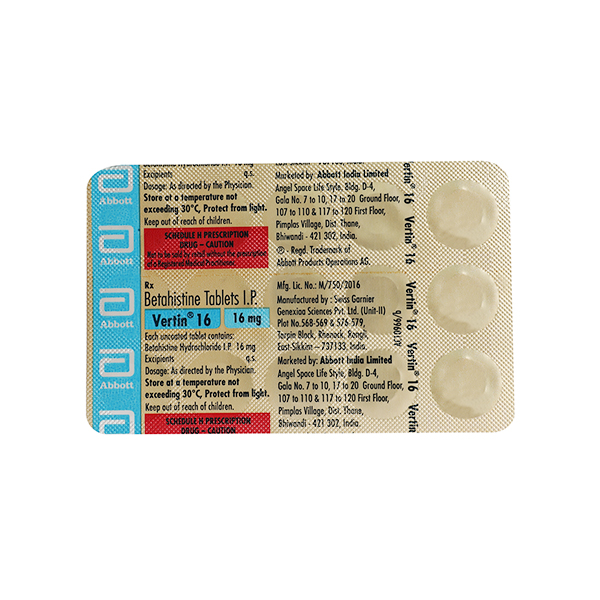
Vertin 16 Tablet
86.45% More Savings
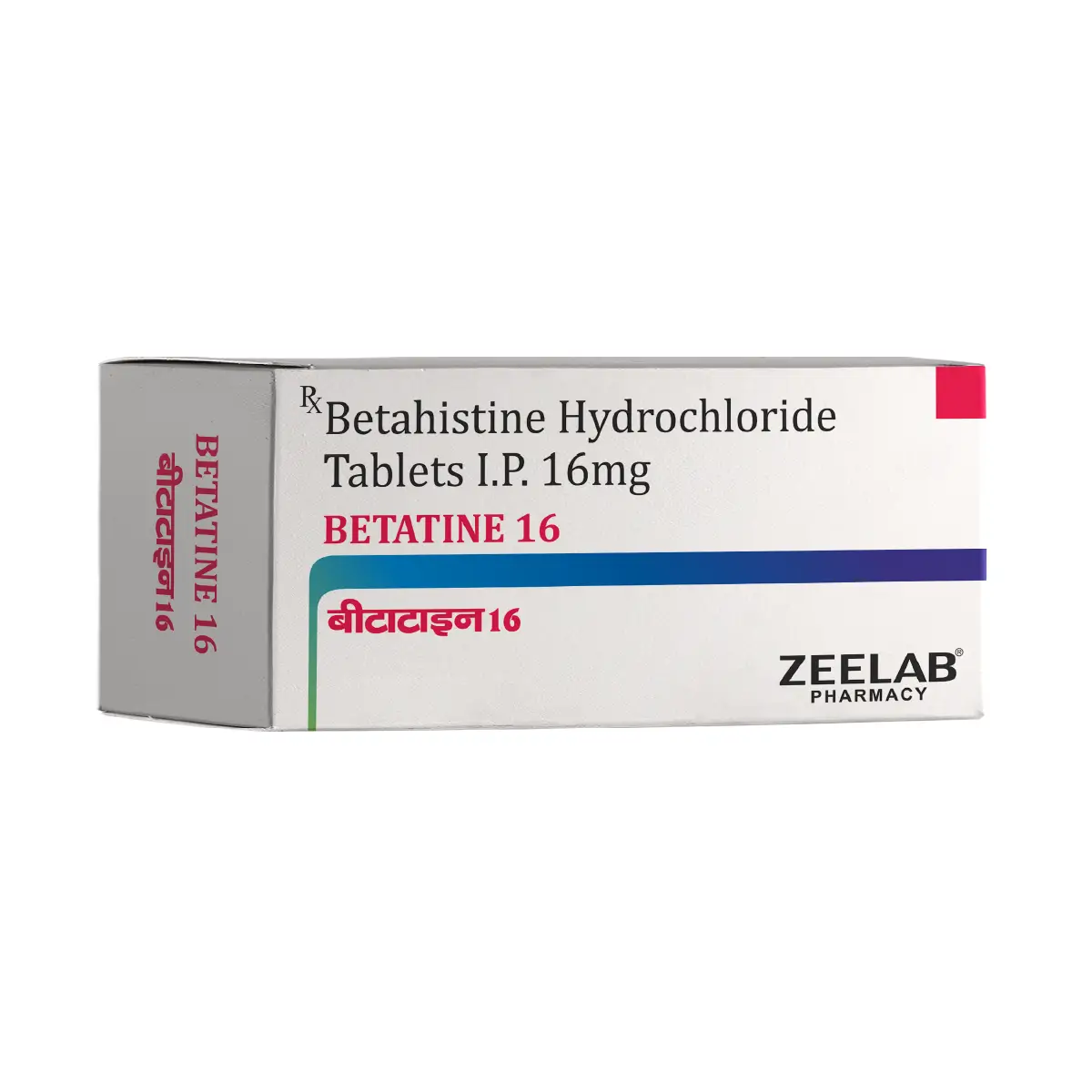
Why Choose our Betatine 16 | Betahistine 16mg Tablet | Strip of 10 Tablets ?
Save ₹ 319 - Enjoy up to 86.45% More Savings
Same Salt, Dosage & Strength as Vertin 16 Tablet
Crafted in a WHO-GMP Certified Facility
President Award Winner - Trusted by Millions


Detail Comparison
| Parameter | Vertin 16 Tablet | Betatine 16 | Betahistine 16mg Tablet | Strip of 10 Tablets |
|---|---|---|
| Composition | Betahistine (16mg) | Betahistine (16mg) |
| Quantity | 15 tablets in 1 strip | 10 Tablets In 1 Strip |
| Price | ₹ 369 High Price |
₹ 50 Save 86.45% |
| Prescription required | Yes | Yes |
Download India's most affordable pharmacy app
- Compare with medicine prices
- Save upto 90% on your medicine bills
COMPOSITION:
Betahistine (16mg)DESCRIPTION:
Vertin 16 Tablet is a prescription medicine that contains betahistine. Vertin 16 mg tablet is used in the treatment and management of symptoms associated with Ménière’s disease. It may help in an inner ear condition that can cause vertigo, dizziness, ringing in the ears, nausea, balance problems, and hearing-related symptoms.
It works by improving blood flow in the inner ear and may help to reduce symptoms of vertigo and balance problems. Take Vertin 16 Tablet only at the dose and duration prescribed by your doctor.
Uses of Vertin 16 Tablet
Vertin 16 Tablet is used to manage vertigo and symptoms associated with Ménière’s disease. It may help to reduce -
- Vertigo or a spinning sensation
- Dizziness
- Tinnitus or ringing in the ears
- Nausea associated with vertigo
- Balance problems
- Hearing-related symptoms associated with Ménière’s disease
How Does Vertin 16 Tablet Work?.
Vertin 16 Tablet works by increasing blood flow to the inner ear, reducing fluid pressure, and improving balance and hearing. It helps stop vertigo, dizziness, ringing in the ears, and nausea by keeping the inner ear healthy and balanced.
Benefits of Vertin 16 Tablet
The benefits of Vertin 16 Tablet are to treat and manage symptoms associated with Ménière’s disease and vertigo. It may help to reduce dizziness, spinning sensations, ringing in the ears, and balance problems caused by inner ear disorders.
- Helps manage vertigo: It may reduce the frequency and severity of vertigo or spinning sensations.
- May reduce dizziness: Vertin 16 Tablet can help manage dizziness and balance problems associated with inner ear conditions.
- Helps with tinnitus: It may help reduce ringing or buzzing sounds in the ears associated with Ménière’s disease.
- Supports better balance: By helping manage inner ear-related symptoms, it may improve stability during daily activities.
- Helps manage Ménière’s disease symptoms: It may provide relief from symptoms such as vertigo, dizziness, nausea, and tinnitus.
The effect of Vertin 16 Tablet can vary from person to person. Take it only in the dose and duration prescribed by your doctor.
Vertin 16 Tablet Dosage and How to Take It
Take Vertin 16 Tablet as directed by your doctor. Do not change the dose or stop taking the medicine without medical advice. Swallow the tablet whole with water. Consistency in dosing helps achieve the best results in managing vertigo symptoms.
- Take as directed: Take one Vertin 16 tablet as directed by your doctor, following instructions carefully for effective management of vertigo symptoms daily.
- Prescription Dosage: Vertin 16 dosage per day is usually one to three times, depending on your doctor’s prescription and the severity of vertigo.
- Take With Food: Take medicine with food to minimise stomach discomfort, ensuring better absorption and tolerance during daily treatment.
- Swallow Whole With Water: Take the tablet whole with a glass of water; do not crush or chew to maintain proper effectiveness.
- Consistency Is Key: Consistent use helps maintain stable medicine levels in your body for optimal vertigo symptom control.
Vertin 16 Tablet Side Effects
Vertin 16 tablet common side effects may include headache, nausea, indigestion, stomach discomfort, or bloating.
- Headache
- Nausea or stomach discomfort
- Bloating or mild digestive issues
- Allergic reactions (rare)
If any side effects persist or worsen, especially severe allergic reactions like rash or difficulty breathing, seek medical attention promptly.
Safety Advice
Consult your doctor before using Vertin 16 Tablet if you have asthma, stomach ulcers, or a history of allergic reactions. Pregnant or breastfeeding women should use this medication only if prescribed by a healthcare provider. Avoid alcohol, as it may worsen dizziness. Regular check-ups are advised during treatment.
Who Should Be Careful While Taking Vertin 16 Tablet?
Tell your doctor before taking Vertin 16 Tablet if you have:
- Asthma
- A stomach or peptic ulcer
- Low blood pressure
- A history of allergy to betahistine or any ingredient in the medicine
People with certain medical conditions may need additional monitoring or a different treatment.
Can Vertin 16 Tablet Interact With Other Medicines?
Yes. Some medicines may affect how Vertin 16 Tablet works.
Tell your doctor or pharmacist about all medicines you take, including:
- Prescription medicines
- Over-the-counter medicines
- Allergy medicines
- Vitamins
- Herbal supplements
Do not start or stop any medicine without medical advice.
Frequently Asked Questions
Q: How long does it take for the Vertin 16 Tablet to start working?
A: Vertin 16 Tablet usually starts working within a few hours, though full symptom relief may take several days. Consistent use as prescribed by your doctor ensures optimal effectiveness, especially for vertigo or balance-related conditions.
Q: Can I stop taking the Vertin 16 Tablet once I feel better?
A: Do not stop taking the Vertin 16 Tablet suddenly without consulting your doctor. Even if symptoms improve, sudden discontinuation may cause recurrence. Always follow medical guidance when tapering or stopping to avoid complications and ensure safe recovery.
Q: Is Vertin 16 Tablet safe for long-term use?
A: Vertin 16 Tablet can be used safely for long-term management of chronic vertigo or Ménière’s disease under medical supervision. Regular check-ups help monitor effects and adjust dosage, ensuring treatment remains effective without unwanted side effects.
Q: What are the common side effects of the Vertin 16 Tablet?
A: Some people may experience mild nausea, headache, drowsiness, or stomach discomfort. Serious side effects are rare but require immediate medical attention. Report any unusual symptoms to your doctor promptly for evaluation and adjustment of treatment.
Q: Can Vertin 16 Tablet be taken with other medications?
A: Vertin 16 Tablet may interact with other medications. Always inform your doctor about all prescriptions, over-the-counter drugs, and supplements you take to prevent adverse interactions. Professional guidance ensures safe and effective combined therapy.
Q: Are there any foods or drinks I should avoid while taking Vertin 16 Tablet?
A: Generally, Vertin 16 Tablet can be taken with or without food. Avoid excessive alcohol and consult your doctor regarding caffeine or certain high-sodium foods, especially if managing Ménière’s disease, as they may reduce treatment effectiveness.
Q: Can I drive or operate machinery while taking Vertin 16 Tablet?
A: Vertin 16 Tablet may cause drowsiness or dizziness in some patients. Avoid driving, operating heavy machinery, or performing tasks requiring alertness until you know how the medication affects you. Safety precautions are important during treatment.
Q: What should I do if I miss a dose of Vertin 16 Tablet?
A: If you miss a dose, take it as soon as you remember. If it is almost time for your next dose, skip the missed one. Do not double the dose to make up for it to avoid side effects.
Q: Can Vertin 16 Tablet be used during pregnancy or breastfeeding?
A: Use Vertin 16 Tablet during pregnancy or breastfeeding only if prescribed by your doctor. Your healthcare provider will weigh potential benefits against risks and monitor you closely to ensure safety for both mother and child.
Q: What is the recommended dosage of Vertin 16 Tablet?
A: The usual dosage is one 16 mg tablet taken orally two or three times daily, depending on the condition and your doctor’s advice. Do not adjust the dose on your own; follow medical instructions carefully for safe and effective results.
Q: Which is the most affordable substitute or alternative of Vertin 16 Tablet available in India?
A: Betatine 16 Tablet is a more affordable alternative to Vertin 16 Tablet. Both of these medicines contain Betahistine (16mg) and are equally effective.
Q: What is Vertin 16 Tablet Used For?
A: Vertin 16 Tablet is mainly used to manage vertigo and symptoms associated with Ménière’s disease. It may help reduce dizziness, spinning sensations, ringing in the ears, nausea, and balance problems.











 Added!