

Dry Cough vs Pollution Cough: Key Differences, Causes & Best Treatments in India
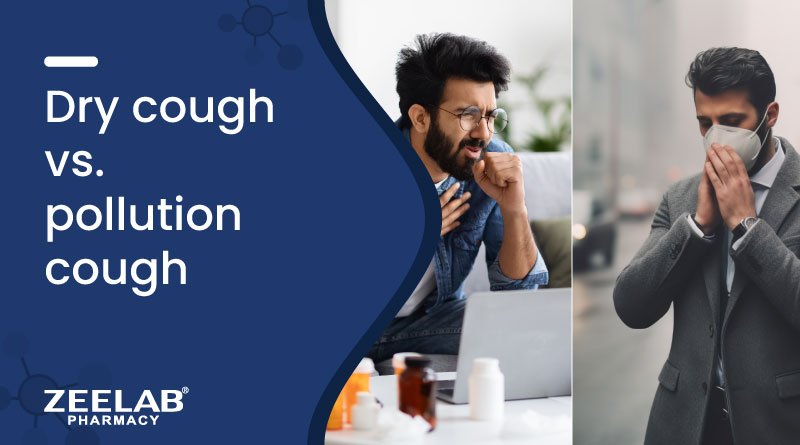
Many people struggle with coughs, especially in cities where air pollution becomes terrible in winter. Many people cannot distinguish between a dry cough vs a pollution cough, which means they may not receive the necessary help right away.
Knowing the difference between a dry cough and a pollution cough can help you understand the best way to treat it, prevent it from happening, and choose the right medicine.
Air pollution caused by tiny particles called PM 2.5, car exhaust and smog can be bad. These things can irritate your lungs, cause respiratory inflammation and trigger throat irritation, allergies, and trouble breathing.
On the other hand, a dry cough is usually caused by cold weather, viruses or just a dry throat. This blog explains the symptoms, causes, treatment, prevention and best medicines available in Zeelab pharmacy.
What is a Dry Cough?
A dry cough is when you cough without producing any mucus. It usually makes your throat ticklish and irritated, leading to constant coughing fits. Often, it's caused by allergies, viral infections, or the dryness of winter. Conditions such as cold weather, dust, and sensitive airways can trigger it.
People often seek ways to manage a dry cough, particularly when it persists or keeps them up at night. Recognising the symptoms and taking medication immediately can quickly reduce discomfort, reduce swelling and prevent the condition from worsening.
Typically, a dry cough improves with the use of warm drinks, steam, humidifiers, and over-the-counter or prescription medications, depending on the underlying cause.
Common Causes of Dry Cough
Dry coughs usually occur due to common things we deal with every day. Breathing in dry air can cause your throat to dry, leading to irritation. When the seasons change quickly, your breathing can become more sensitive, and that can cause you to cough for a while.
Additionally, the common cold can cause inflammation of your airways, leading to a dry cough, in which you do not cough up anything. Allergies to substances around you or in food can also bother your throat and cause coughing without mucus.
Knowing these common reasons can help you determine how to treat your cough more effectively and prevent it from worsening.
Dry Cough Due to Winter
A dry cough due to winter is prevalent during winter as the air is drier. This can make your throat feel scratchy and inflamed. Chilly winds, lack of moisture in the air, and the use of heaters inside can dry out your airways, leading to coughing.
Additionally, More people get sick with viruses in the winter, leading to an increase in sore throats. Dirty air, smog, and dust can significantly impact your breathing when the air is cold.
Understanding winter cough causes and treatment helps individuals manage symptoms effectively. Drinking enough water, using a humidifier, staying away from the cold, and finding effective cough drops can help soothe your throat and feel better during winter.
What is Pollution Cough?
Pollution cough occurs when dirty substances in the air irritate your respiratory system, causing you to cough a lot, but no mucus comes out with the cough. This is often related to excess smog, harmful gases and tiny PM 2.5 particles that can penetrate deep into your lungs.
Poor air quality can increase your chances of getting a sore throat, chest tightness, and trouble breathing. Unlike a viral cough, a cough due to air pollution is caused by environmental pollutants rather than infection.
Continuous exposure may lead to respiratory inflammation, long-term lung sensitivity, and chronic irritation. Knowing what a pollution cough is can help you take steps to prevent it.
Try wearing a mask, avoiding crowded times, and using an air purifier inside to keep your lungs healthy.
Causes of Pollution-Related Cough
The causes of pollution-related cough mainly include PM2.5, PM10, smoke, dust and airborne chemicals, which cause cough due to smog and dust.
- Breathing polluted air, especially PM2.5 particles, can make you cough. These tiny particles penetrate deep into your lungs and airways, causing your throat to feel scratchy, making it hard to breathe, and leading to a cough that just won't quit, even without any phlegm.
- Breathing in PM10 particles all the time can really sensitise your lungs, causing a pollution-related cough, especially if you live in a busy city.
- Smoke and dust from cars and factories can cause you to cough. This dirty air affects your lungs and dries out your throat and nose.
- VOCs floating in the air from sources such as paint, gases, and chemicals are a secret reason why people cough more than they do due to pollution. They also spoil the air inside our homes.
- Seasonal pollution causes excessive coughing due to smog and dust, irritating the nasal passages and leading to a persistent, uncomfortable, dry cough for an extended period.
Pollution Effects on Lungs and Throat
The effects of pollution on the lungs and throat lead to persistent irritation, difficulty breathing, inflammation and increased sensitivity to everyday environmental factors.
- Continuous exposure triggers pollution effects on lungs and throat, causing swelling, breathlessness, and persistent coughing that worsens with prolonged urban smog levels.
- Severe lung irritation from pollution leads to burning sensations, dryness, and discomfort, especially when inhaling toxic particles during high-smog conditions.
- Pollution effects on lungs and throat include heavy mucus formation as the body attempts to trap pollutants entering the respiratory system daily.
- Breathing polluted air can really damage your lungs. If this happens repeatedly, it damages the lining of your airways. This makes them more sensitive, so you cough more and have difficulty breathing during exercise or everyday activities.
- Long-term pollution effects on lungs and throat weaken immunity, making the respiratory tract vulnerable to infections, allergies and chronic breathing difficulties.
Dry Cough vs Pollution Cough: Key Differences
A Dry cough is usually caused by infection or allergy, while pertussis cough is caused by smog, dust and poor air quality.
|
Factors |
Dry Cough |
Pollution Cough |
|
Difference between dry cough and pollution cough |
Caused by viruses, cold air, or allergies, with a dry tickling sensation |
Triggered by dust, smog, vehicle fumes, and poor air quality, which affects breathing |
|
Triggers |
Viruses, cold air, seasonal allergies |
Dust, smog, vehicle fumes, and poor air quality |
|
Pollution cough symptoms |
Tickling sensation in throat, no mucus, mild irritation |
Burning throat, chest congestion, breathing difficulty, continuous coughing |
|
Symptoms |
Dry, scratchy throat without mucus build-up |
Irritated throat, blocked chest, heavy breathing |
|
Severity |
Intermittent and usually improves indoors |
Persistent and worsens outdoors due to pollution exposure |
Other Similar Cough Types to Identify
There are other types of cough as well. For example, you may have an allergic cough caused by allergies, or perhaps an asthmatic cough that causes wheezing.
Smokers may cough due to airway irritation, and some may cough up mucus. Determining the type of cough you have is crucial to receiving the right treatment.
Pollution Cough vs Allergy Cough
Knowing whether you are experiencing a cough from pollution or allergies is the key to getting the right treatment. Pollution coughs usually come from cough due to smog and dust, bad air, breathing problems, and lung irritation from pollution, which can burn your throat.
This may result from a persistent cough due to air pollution or even a chronic cough caused by pollution. On the other hand, an allergic cough starts when you are around something you are allergic to, and is not the same as a cough caused by pollution.
Winter weather can also cause a dry cough; it’s essential to take care of it and seek the right help, especially in a country like India.
Difference Between Viral and Pollution Cough
Find out if a virus or pollution is causing your cough. It depends on the symptoms you have and what triggers them. If it's a virus, you probably caught something and might have a fever or body aches. But if it's pollution, it usually starts when the air quality is bad.
To determine how to know if my cough is due to pollution or dryness, see if it gets worse when you're outside. A lot of people ask how to know if a cough is from pollution, mainly if it worsens when they're around cars or smog.
Why does the cough get worse in winter? Pollution is due to cold air trapping pollutants. Yes, air pollution can cause a dry cough, even one that keeps you up at night.
If you experience constant irritation, it may be from poor air quality, and in some cases, it may be accompanied by chest pain. This shows how pollution damages lungs and causes a cough.
Symptoms You Should Not Ignore
A cough caused by pollution can get worse fast! This can irritate your throat, make it difficult to breathe, and hurt your chest. Therefore, it is important to catch it early so that you can get the right treatment quickly.
- Smog-related cough symptoms often include throat discomfort and difficulty breathing, which become worse during peak hours of pollution.
- A persistent cough due to air pollution may continue daily, especially when exposed to polluted outdoor environments.
- Dry cough with chest pain causes. Feeling like your chest is tight? This could mean that your lungs are getting irritated, so get it checked soon.
- Symptoms of throat infection due to pollution. High AQI days can bring irritation, dryness, soreness and trouble swallowing.
- If you keep seeing these signs together, especially after being outside, it could mean that pollution is irritating your lungs, and you should get it checked out by a doctor.
Why Cough Gets Worse in Winter and High Pollution Months
Cough often intensifies during colder months because it is linked to dry air, smog, and restricted airflow. Poor Cough due to cold weather and pollution. It's cold, and pollution gets stuck near the ground, which can make your throat sore and hard to breathe.
Cold air is also dry, so that makes inflammation worse and can cause you to cough a lot. If there's not enough fresh air coming in, things like dust, smoke, and allergens hang around longer and make things even worse.
Air quality and respiratory issues. Winter weather and bad pollution together make it easier to develop a cough that is difficult to get rid of and quite annoying.
Is Pollution Cough Harmful?
Yes, pollution cough can be harmful because it can be a real pain, as breathing dirty air for too long can damage your lungs and cause problems down the road.
Knowing how pollution damages lungs and causes cough is essential for prevention. Things like PM 2.5 particles can irritate your airways, causing you to cough frequently a sore throat and have trouble breathing over time.
If you can distinguish between a regular seasonal cough and a cough caused by pollution, it can help you make the right moves. Can air pollution cause coughing fits at night or during the daytime?
Either way, breathing that stuff day after day can cause a cough with chest pain, so you need to protect yourself.
How to Know if My Cough is Due to Pollution or Dryness?
Look for symptoms: A dry, hacking cough indicates dryness, while a burning sensation in the throat, chest congestion indicates a pollution-related cough.
Signals to Identify Pollution Cough
If your throat becomes scratchy, you cough a lot, and your chest feels tight, especially when you're outside or in dirty air, it might be a pollution-induced cough. Pay attention to when these symptoms occur and if you've been exposed to smog or dust.
Can Pollution Cause Dry Cough at Night?
Yes, pollution can give you a dry cough at night. This often happens because the tiny PM 2.5 particles hang around inside, and the air doesn't move much. When your throat becomes dry cough at night treatment in India can lead to increased coughing.
To feel better, try opening the windows, using an air purifier, or taking some cough drops or medicines. Determining the cause means you can treat it right.
Cleaning regularly, staying away from dusty spots, and consulting a doctor can all lower irritation, help you sleep well, and keep breathing problems from getting worse. Keeping an eye on your indoor air is also a good idea.
Treatments & Remedies for Dry and Pollution Cough
It is essential to take medicine to treat a dry cough in India, especially a cough made worse by air pollution. Try taking steam, drinking more water, and avoiding things that irritate your throat, such as tiny PM 2.5 particles. This will help you feel better faster.
Dry Cough Treatment in India
- Dry cough treatment in India includes OTC cough syrup, steam inhalation, and soothing herbal teas daily.
- Vitamin C supplements support immunity, enhancing dry cough due to winter recovery naturally.
- Avoid cold air exposure and use humidifiers to reduce throat irritation and persistent cough.
- Stay hydrated to ease a dry cough at night treatment in India, helping reduce airway dryness.
- Consult doctors for dry cough symptoms and medicines to prevent chronic irritation and complications.
Air Pollution Cough Treatment
- Air pollution cough treatment focuses on avoiding PM 2.5 particles, and wearing N95 masks benefits outdoors.
- Use OTC cough medicine for pollution cough and prescribed medications like Montelukast and Levocetirizine online.
- Maintain indoor air quality with air purifiers to reduce lung irritation from pollution.
- Hydration and warm fluids soothe the burning sensation in the throat due to pollution.
- Limit outdoor activities during poor Air Quality Index (AQI) days to prevent worsening cough.
Home Management Tips
- Steam can help you breathe easier and reduce swelling in your airways, which can soothe both dryness and coughs you get from pollution.
- Gargling with warm salt water feels good on your throat and can stop infections from spreading.
- Honey and herbal teas can really help with a dry cough, the natural way.
- Keep some moisture in the air inside; this will stop dry coughs caused by winter and irritation.
- Stay away from smoke and air pollution to prevent harm to your lungs and throat.
Best Zeelab Pharmacy Medicines for Dry & Pollution Cough in India
Here are some of the best medicines in India available at Zeelab Pharmacy at affordable prices. Most preferred and dermatologist-approved products, as well as similar affordable ranges, are safe and effective. Additionally, Zeelab Pharmacy products are WHO-GMP, ISO and FDA certified.
Best Syrup for Dry Cough
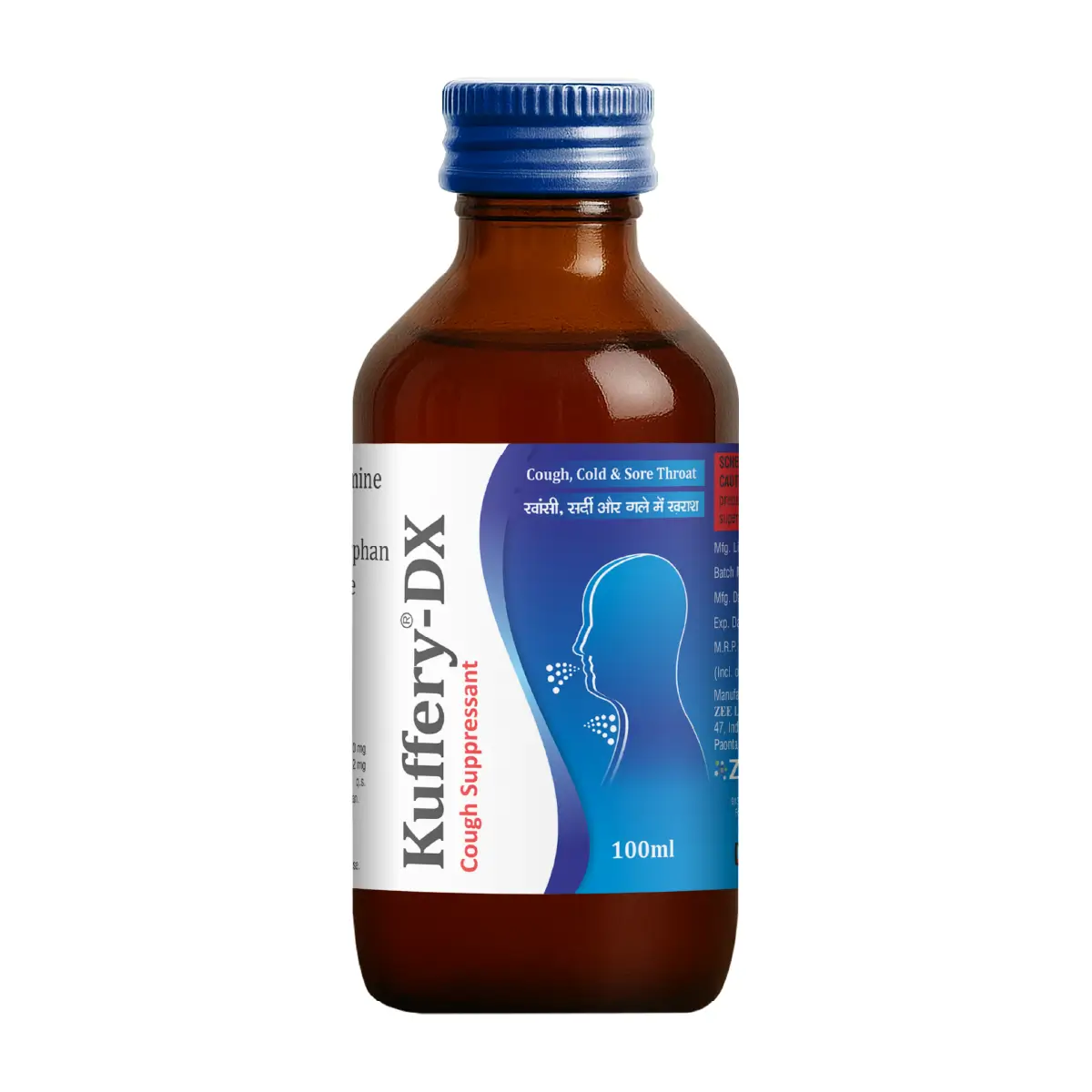
Kuffery DX Dry Cough Syrup 100 ml
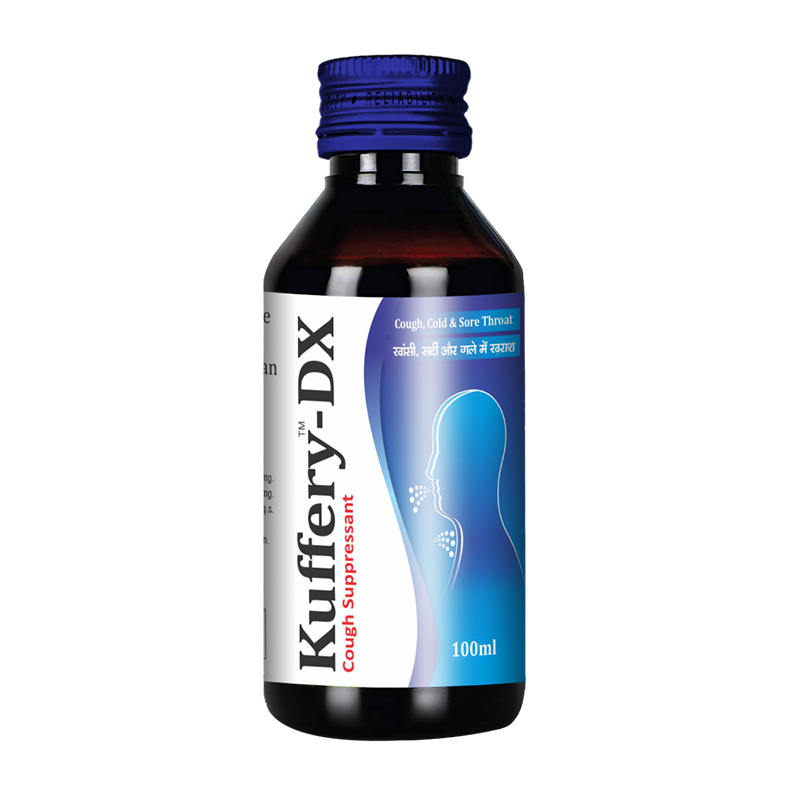
Kuffery DX Dry Cough Syrup is a medicine that can help with dry coughs. It works well to calm your cough by quieting the part of your brain that makes you cough. Basically, it has Dextromethorphan Hydrobromide, which is great at making you feel like you don't need to cough as much.
- Composition: Chlorpheniramine Maleate (2mg) + Dextromethorphan Hydrobromide (10mg)
- What it does: Kafri DX provides relief from persistent dry cough, soothes throat irritation, reduces tickling sensation, and helps soothe airways caused by infection or environmental pollutants.
- How to use: Take the syrup as directed by a doctor, usually 5–10 ml two to three times daily, preferably after meals for effective relief.
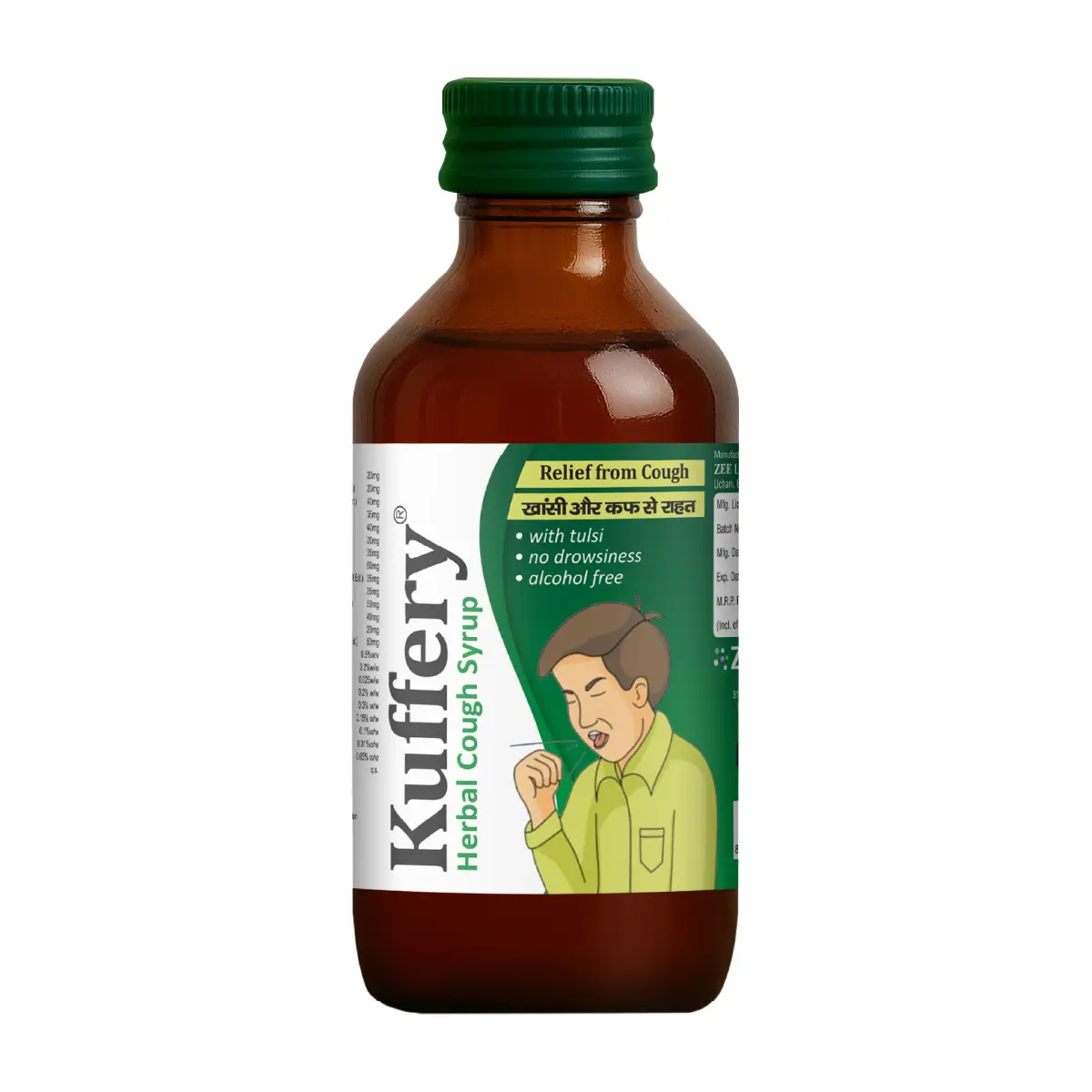
Kuffery Herbal Wet Cough Syrup 100ml
Kuffery Herbal Wet Cough Syrup (100 ml) is a WHO-GMP certified, gentle, alcohol-free herbal remedy formulated to relieve wet cough and support respiratory health.
- Composition: Talisa (Abies webbiana) (20 mg) + Hirabol (Commiphora myrrha) (20 mg) + Kantkari (Solanum surattense) (40 mg) + Saunth (Zingiber officinale) (35 mg) + Yashtimadhu (Glycyrrhiza glabra) (40 mg) + Lwanga (Syzygium aromaticum) (20 mg) + Pippali (Piper longum) (35 mg) + Vasa (Adhatoda vasica) (60 mg) + Karkatshringi (Pistacia integerrima) (35 mg) + Kali Mirch (Piper nigrum) (50 mg) + Bharangi (Clerodendrum serratum) (40 mg) + Tulsi (Ocimum sanctum) (20 mg) + Kulanjan (Alpinia galanga) (35 mg) + Shudh Nausadar (Ammonium chloride) (50 mg) + Pudina Satv (Mentha spicata) (q.s.)
- What it does: It helps relieve a wet cough by loosening mucus, soothing throat irritation, reducing chest congestion and aiding easier, more comfortable breathing using natural herbal ingredients.
- How to use: For use, take the recommended dose as advised, usually 2 teaspoons two to three times daily, preferably after meals, and shake well before each use.
Kuffery Cough Syrup
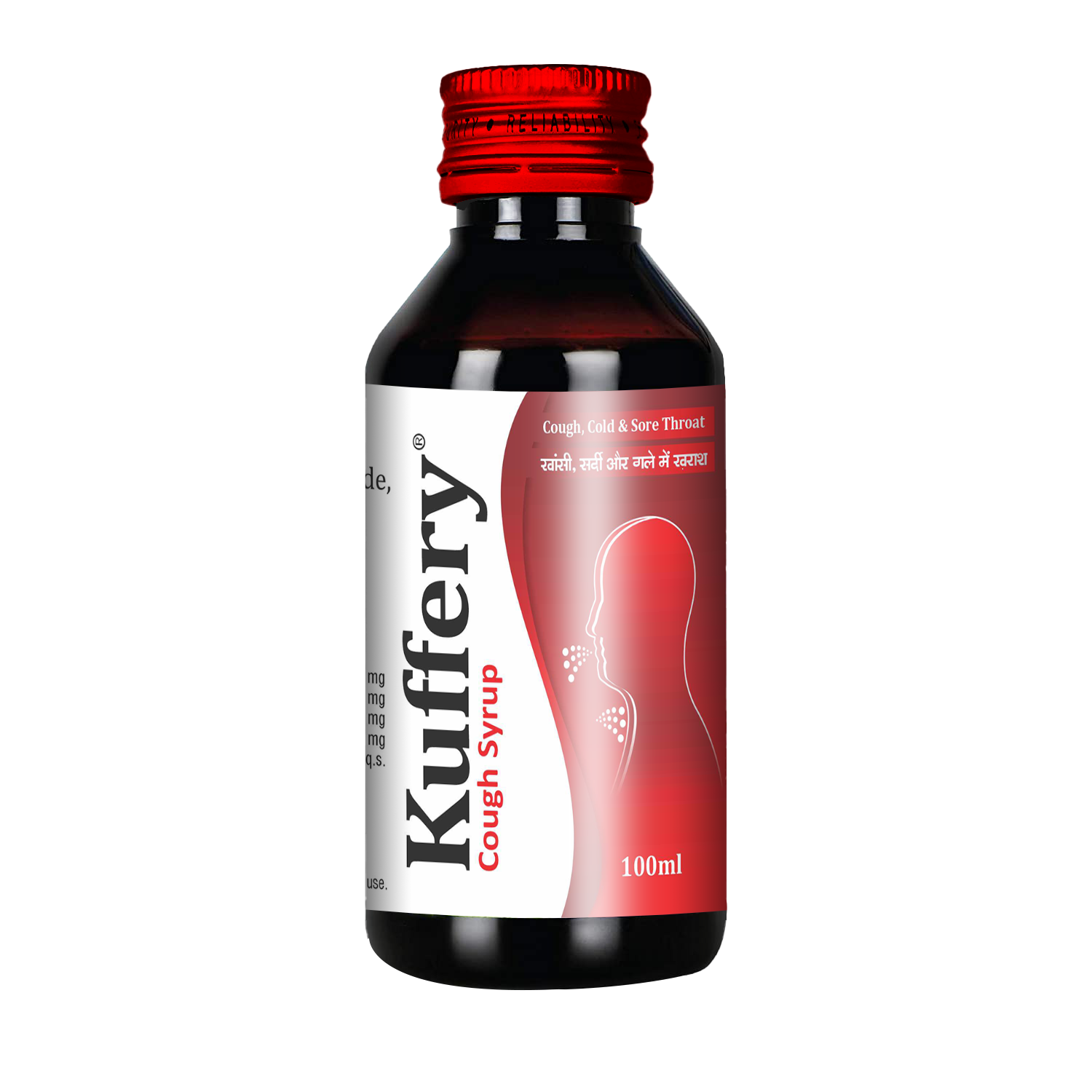
Kuffery Cough Formula is helpful in the effective treatment of cough. This medicine helps to thin the mucus in the nose and windpipe, making it easier to cough out. Kuffery Cough Formula is efficient in relieving the allergic symptoms like runny nose, watery eyes, sneezing and throat irritation.
- Composition: Diphenhydramine (14.08mg) + Ammonium Chloride (150mg) + Sodium Citrate (57.03mg) + Menthol (1.14mg)
- What it does: Kuffrery Cough Syrup relieves throat irritation, relieves dry or hacking cough, reduces mucus production, and helps improve breathing comfort during cough effectively.
- How to use: Take the syrup as directed by the doctor using a measuring cup for accuracy, usually 5-10 ml two to three times daily, preferably after meals.
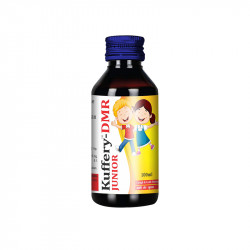
Kuffery DMR Junior Syrup
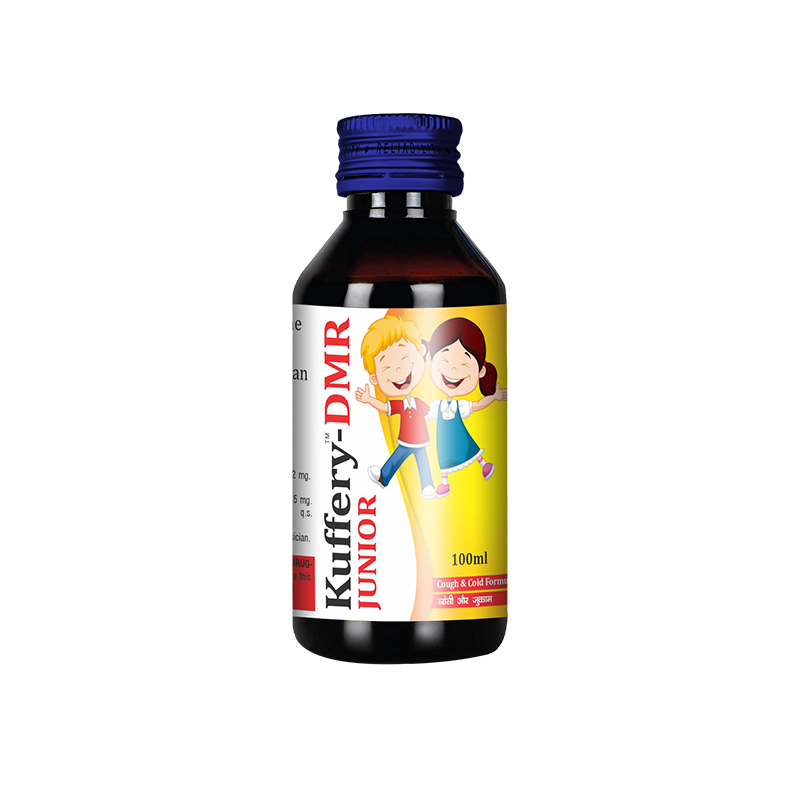
Kuffery DMR Junior Syrup is a combination medicine used in the treatment of dry cough syrup for kids. It works by reducing the activity of the cough centre in the brain. It also relieves allergic symptoms like a runny nose, watery eyes, sneezing, and throat irritation.
- Composition: Chlorpheniramine Maleate (2mg/5ml) + Dextromethorphan Hydrobromide (5mg/5ml)
- What it does: Kuffery DMR Junior Syrup helps to provide relief from cough, soothe throat irritation, loosen mucus and soothe respiratory discomfort in children, breathing easier and faster recovery naturally.
- How to use: Give the syrup to children as per the dosage prescribed by the doctor, usually the dose is measured by a teaspoon, ensuring regular intervals and proper administration for effective relief from cough.
Best Syrups and Tablets for Pollution Cough
Kuffery AX Productive Cough Syrup
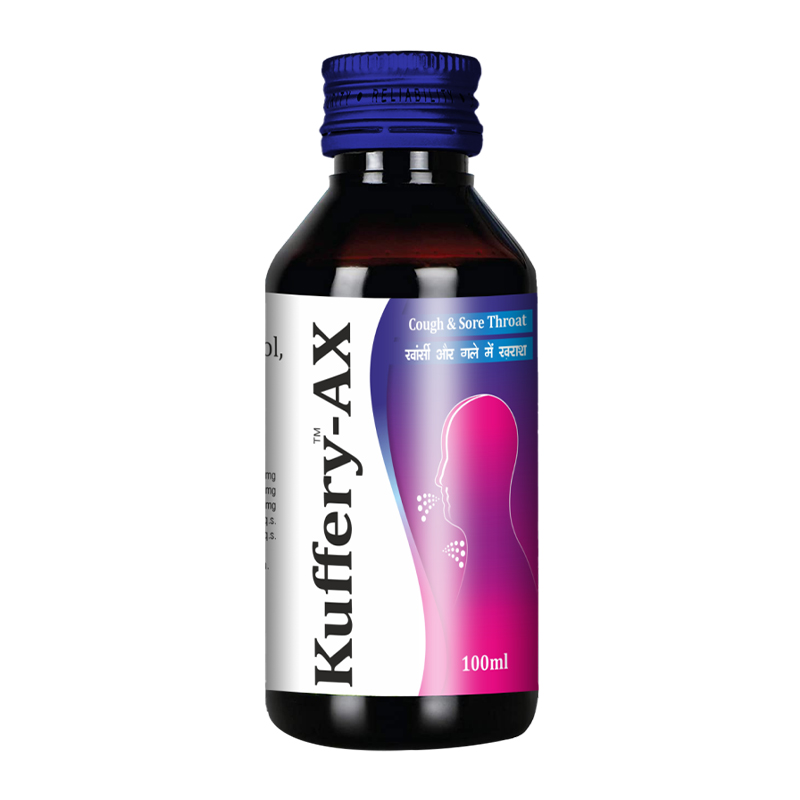
Kuffery AX Syrup is a combination medicine used for treating cough with mucus. It thins mucus in the respiratory tract, making it easier to cough out. This syrup also relieves symptoms like sneezing, a runny nose, itching, and watery eyes.
- Composition: Ambroxol (30mg) + Levosalbutamol (1mg) + Guaiphenesin (50mg)
- What it does: Kuffery AX helps relieve chest congestion by loosening mucus, making coughs more effective, soothing throat irritation, and aiding breathing during respiratory distress.
- How to use: Take the recommended dosage as directed by your doctor or according to label instructions, usually two teaspoons two to three times a day, preferably after meals.
Saliride Nasal Spray
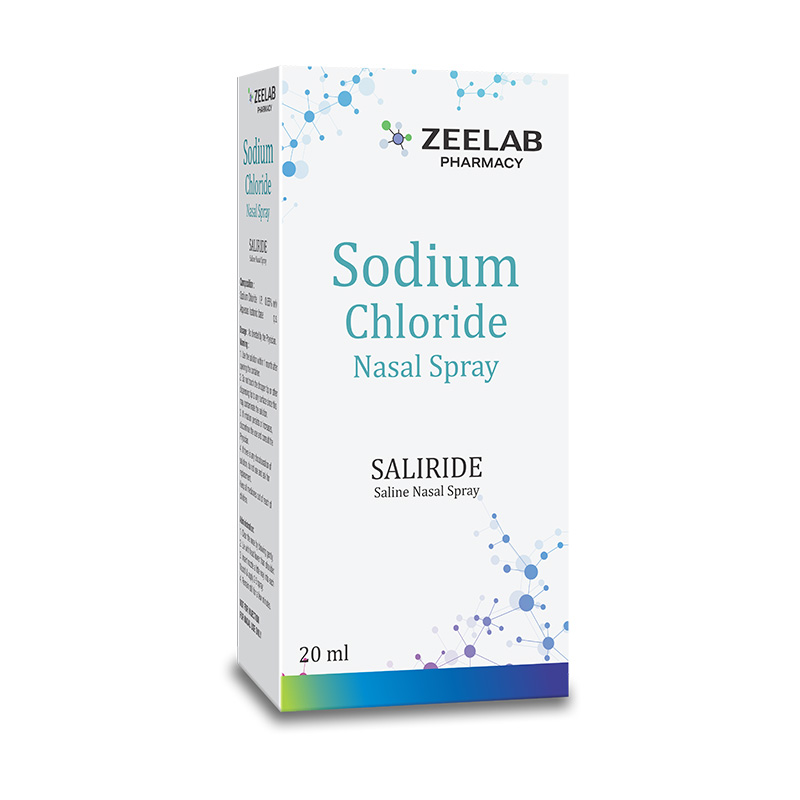
Saliride is a nasal spray containing sodium chloride 0.65%, a simple saline that is used primarily to relieve nasal congestion (blocked nose) caused by allergic infections such as the common cold, flu, and hay fever.
- Composition: Sodium Chloride 0.65% Nasal Spray
- What it does: Saliride Nasal Spray is used to relieve nasal congestion, allergies, and irritation by reducing inflammation and opening the nasal passages, making breathing easier and more comfortable during symptoms.
- How to use: To use Saliride Nasal Spray, gently blow your nose, shake the bottle, tilt your head slightly forward, insert the nozzle, and spray as directed by your doctor.
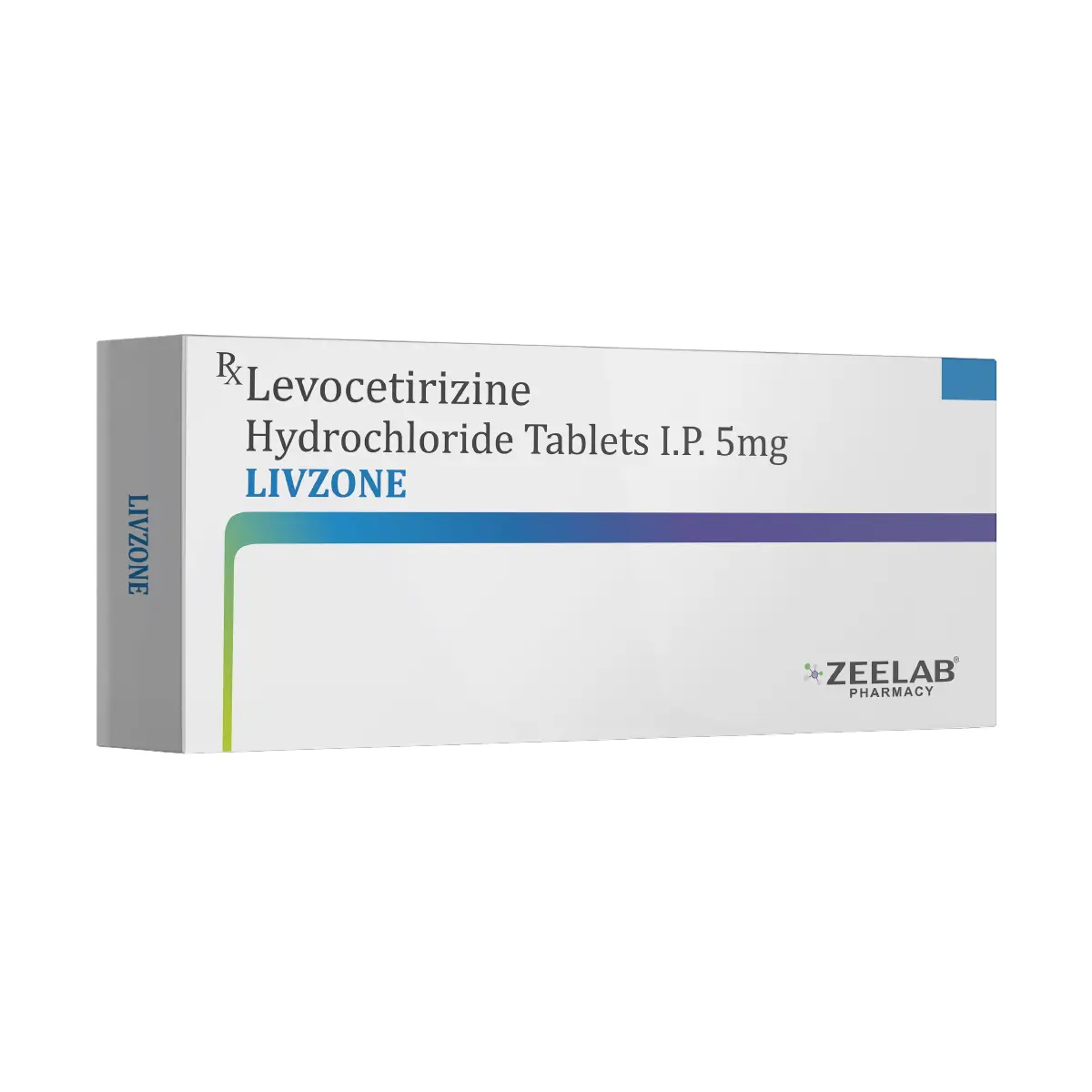
Livzone Tablet
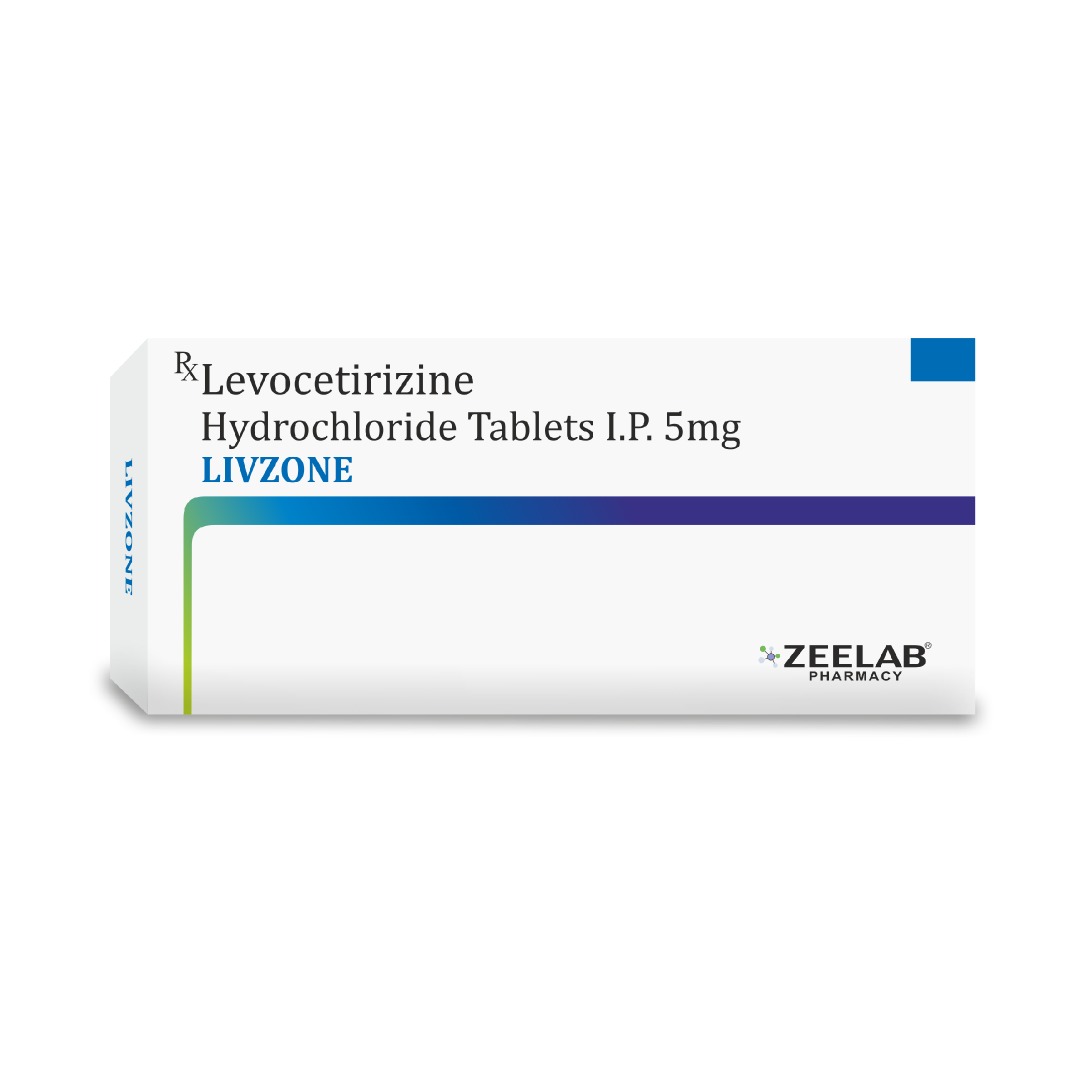
Livzone Tablet is helpful in the effective treatment of various allergic conditions, such as hay fever, conjunctivitis, some skin reactions, such as eczema, hives, and reactions to bites and stings. This medicine belongs to a group of medicines known as antihistamines.
- Composition: Levocetirizine (5mg)
- What it does: Livzone Tablets support liver health by promoting detoxification, improving digestion, reducing liver inflammation and enhancing overall metabolic and enzymatic functions naturally.
- How to use: Take one tablet twice daily after meals with a glass of water, or as directed by your healthcare professional for optimal liver support.
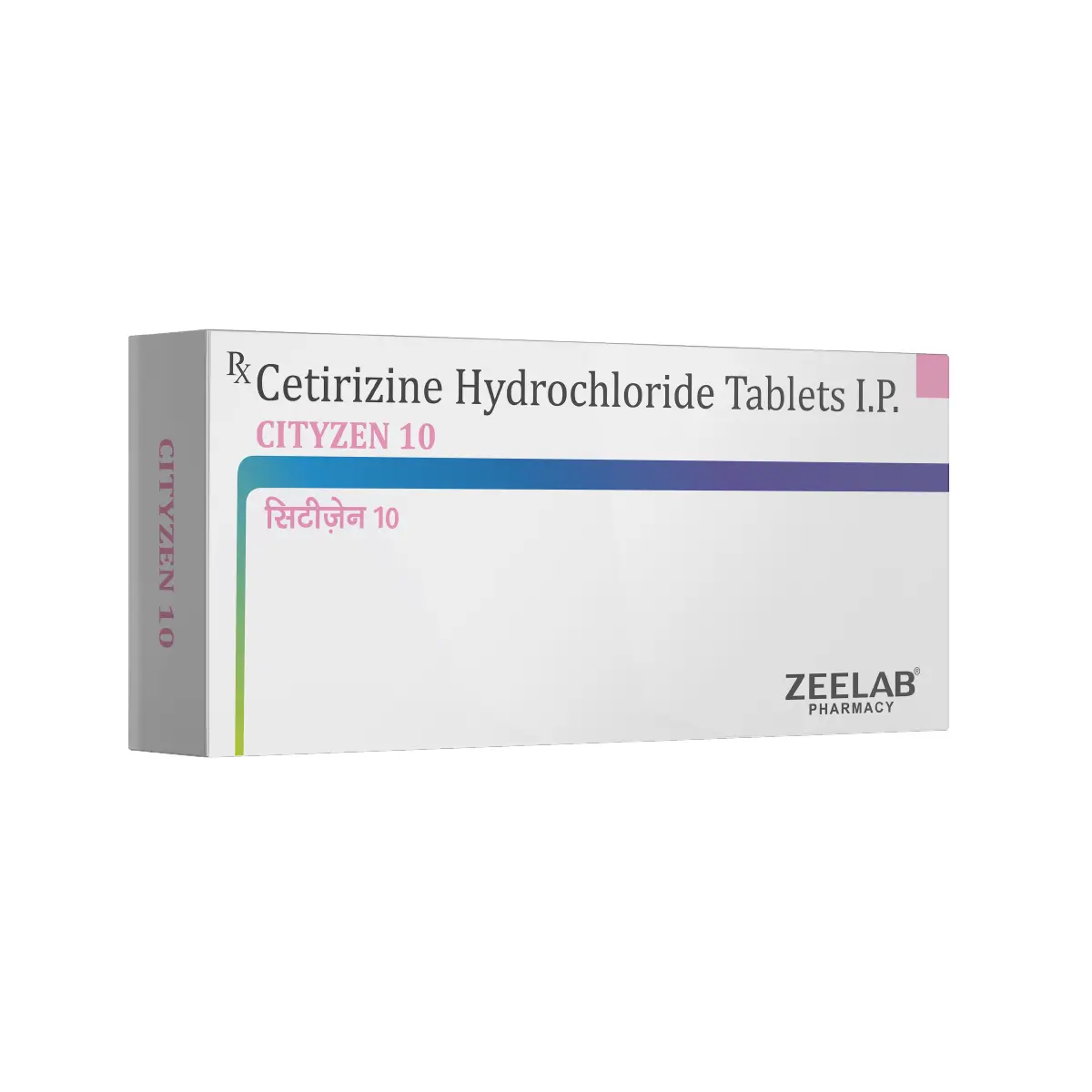
CITYZEN 10 Tablet
Cityzen 10 Tablet is a WHO-GMP-certified medicine formulated with Cetirizine 10 mg, a well-known and trusted antihistamine. Cetirizine is commonly used to relieve symptoms of allergies such as sneezing, runny nose, watery eyes, itching and skin rashes.
- Composition: Cetirizine (10mg)
- What it does: It helps manage high blood pressure by relaxing blood vessels, improving blood flow and supporting heart health, reducing the risk of cardiovascular complications.
- How to use: Take one tablet daily after meals or as prescribed by your doctor, preferably at the same time each day, and avoid skipping doses for consistent blood pressure control.
When to See a Doctor?
If you experience a persistent cough, it may signal underlying issues like infection, asthma, or prolonged pollution exposure. Seek medical attention immediately if you also notice chest pain, which could indicate lung irritation, inflammation, or more serious conditions.
Difficulty in breathing or breathing issues—such as shortness of breath, wheezing, or tightness in the chest—requires prompt evaluation. Watch out for symptoms like a really high fever, blood when you cough, or if you're just not getting better even with home treatment.
Seeing a doctor early can help figure out what's wrong, keep things from getting worse, and get you the right treatment. This is super useful for issues caused by pollution, colds, or long-term breathing problems.
How to Prevent Dry and Pollutant Cough
To keep cough caused by dryness and pollution at bay, try to stay away from dirty particles, build your immune system, wear a mask and make sure you ventilate your space every day.
- Avoid Pollutants: When pollution is bad, stay inside. Stay away from smoke, dust and chemical odours.
- Immunity Boosting: Eat nutritious food, drink plenty of water, and include foods that help your body fight disease.
- Wear Masks: When you're outside, use a pollution mask to keep dirty substances out of your lungs.
- Proper Ventilation: Keep moving the air in. Air purifiers can also help deal with dust and pollution.
- Healthy Habits: Avoid smoking, get some exercise, and keep things clean to avoid coughing.
Conclusion
It is important to know the difference between a dry cough and a pollution cough, so that you can treat it properly and avoid respiratory problems. Prioritising protective habits like monitoring the Air Quality Index (AQI), wearing a good mask (N95), drinking plenty of water, and taking a steam to soothe your throat.
These things can help with irritation and symptoms caused by PM2.5 particles, smog and dust. If your cough is not improving or has worsened, it is essential to select the right medicine. This is true if pollution is causing inflammation in your airways, or if winter air is drying out everything.
For safe and affordable care, visit Zeelab Pharmacy. They have cough syrups, allergy pills, and supplements to help your immune system. Taking care of yourself, addressing problems early, and using quality medications can get you back to easy, healthy breathing.
Frequently Asked Questions
Q. Does air pollution cause a dry cough?
A. Yes, air pollution can irritate your airways, causing your throat to become dry and scratchy. It can also cause swelling and a cough that doesn't go away, more often when the air is really polluted.
Q. How does pollution damage lungs and cause a cough?
A. Dirty air has bad stuff in it that makes it hard to breathe. It can make your lungs not work so well, make you cough a lot, and just generally be annoying as your body tries to get rid of the junk.
Q. Difference between a viral and a pollution cough?
A. Viral cough is characterised by fever, body ache, mucus, and fatigue; Pollution cough is dry, irritation-based, worse outdoors and improved by clean air.
Q. Is a dry cough a sign of bad air quality?
A. Yes, a worse dry cough usually means you're breathing bad air with smoke, dust and chemicals that irritate your throat and lungs.
Q. Can pollution cause a dry cough at night?
A. Yes, pollution can give you a dry cough at night. This is because indoor dirt gets trapped in the air, your airways become clogged, and you don't get as much fresh air when you're sleeping, which affects your breathing.
Q. What are common pollution cough symptoms?
A. Symptoms include dry cough, throat irritation, chest tightness, airway irritation, difficulty breathing, and worsening of symptoms after external contact.
Q. What are the signs of a dry cough?
A. My throat feels dry and scratchy all the time, but I don't care. It becomes irritable after I talk, and the condition worsens when the air is dry or dirty.
Q. Can a dry cough indicate bad air quality?
A. Yes, a sudden, dry cough that persists often means that you are breathing air polluted with dust, smoke, and other things that irritate and damage your airways.
Q. How do PM2.5 particles affect coughing?
A. PM2.5 goes deep into your lungs, which can irritate your tissues. This can cause your airways to swell, so it becomes harder to breathe easily, and you may have a severe cough, such as a dry or scratchy cough that persists.
Q. Does smog cause chest pain with a dry cough?
A. Yes, smog contains chemicals and fine particles that irritate the lungs, causing symptoms of chest tightness, difficulty breathing and a persistent dry cough.
Cetirizine (10mg)
10 Tablets In 1 Strip
Chlorpheniramine Maleate (2mg) + Dextromethorphan Hydrobromide (10mg)
100ml In 1 Bottle
Levocetirizine (5mg)
10 Tablets In 1 Strip

Ambroxol (30mg) + Levosalbutamol (1mg) + Guaiphenesin (50mg)
100ml In 1 Bottle
Sodium Chloride 0.65% Nasal Spray
20ml In 1 Bottle
Diphenhydramine (14.08mg) + Ammonium Chloride (150mg) + Sodium Citrate (57.03mg) + Menthol (1.14mg)
100ml In 1 Bottle
Chlorpheniramine Maleate (2mg/5ml) + Dextromethorphan Hydrobromide (5mg/5ml)
100ml Per Bottle
Talisa (Abies webbiana) (20 mg) + Hirabol (Commiphora myrrha) (20 mg) + Kantkari (Solanum surattense) (40 mg) + Saunth (Zingiber officinale) (35 mg) + Yashtimadhu (Glycyrrhiza glabra) (40 mg) + Lwanga (Syzygium aromaticum) (20 mg) + Pippali (Piper longum) (35 mg) + Vasa (Adhatoda vasica) (60 mg) + Karkatshringi (Pistacia integerrima) (35 mg) + Kali Mirch (Piper nigrum) (50 mg) + Bharangi (Clerodendrum serratum) (40 mg) + Tulsi (Ocimum sanctum) (20 mg) + Kulanjan (Alpinia galanga) (35 mg) + Shudh Nausadar (Ammonium chloride) (50 mg) + Pudina Satv (Mentha spicata) (q.s.)
100ml In 1 bottle
Recent Blogs






Disclaimer : Zeelab Pharmacy provides health information for knowledge only. Do not self-medicate. Always consult a qualified doctor before starting, stopping, or changing any medicine or treatment.
Related Products


₹ 0
0
Items added
Quick Links
Categories
Our Policies

Our Socials


Subscribe

2026 Copyright By © Zeelab Pharmacy Private Limited. All Rights Reserved
Our Payment Partners

 Added!