

Best Cream for Balanitis for Men: Treatment Options, Uses & How to Apply
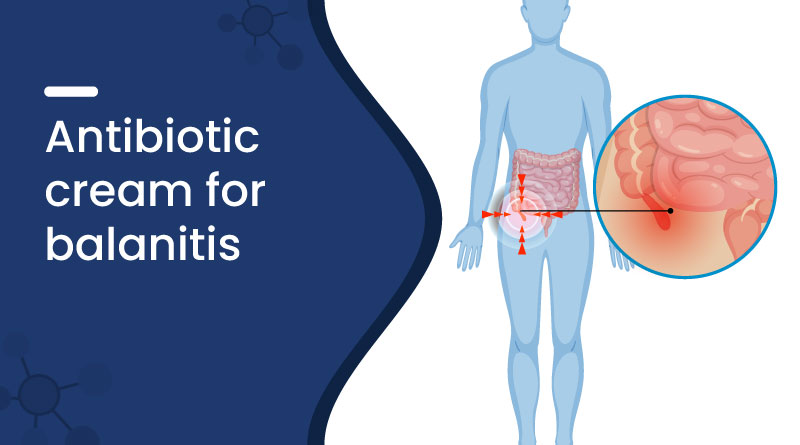
Balanitis can make everyday activities uncomfortable due to symptoms such as itching, redness, swelling, burning and soreness around the tip of the penis. The right balanitis cream or cream for balanitis depends on the underlying cause and is chosen to address the source of the inflammation.
A fungal infection may require an antifungal cream for balanitis, while a bacterial infection may require an antibiotic cream for balanitis recommended by a healthcare professional. Occasionally, balanitis is caused by irritation or an underlying skin condition rather than an infection.
This is why choosing a cream based only on symptoms is not always appropriate. Good cleanliness and avoiding irritating products can also aid the healing process.
In this blog, we explain the common causes and symptoms of balanitis, the types of balanitis relief cream and balanitis treatment creams that may be used, how to apply them safely, and when seeing a doctor becomes necessary.
What is Balanitis?
Balanitis is inflammation of the glans (head) of the penis. It can cause redness, swelling, itching, soreness or irritation. Although it is more common in uncircumcised men, circumcised men can also develop balanitis. Treatment depends on the underlying cause.
Causes of Balanitis
Circumcised men have less risk of balanitis, but those who have an intact foreskin may suffer from it. The condition is usually caused by the following reasons:
- Fungal or Candida infection
- Bacterial infection
- Poor hygiene
- Certain STIs
- Irritation from soaps, shower gels or fragrances
- Allergic reactions (might be due to condoms)
- Diabetes or high blood sugar
- Eczema, psoriasis or lichen sclerosus
Also read: Medicine For Bacterial Infection
What are the Symptoms of Balanitis?
The most common signs of balanitis include a swollen, inflamed foreskin, along with penis itching, redness, irritation, and soreness, which can have various causes, so using a penis itching or infection cream without identifying the underlying cause may not be appropriate.
These symptoms can get more serious with time.
- Redness and swelling of the glans
- Itching, irritation, or a burning feeling
- Soreness or tenderness
- Discharge or unpleasant odour
- Difficulty retracting the foreskin
- Pain or difficulty while urinating
Types of Creams Used for Balanitis
There is no single best cream for balanitis that works for every case. The appropriate balanitis treatment cream depends on whether the cause is fungal, bacterial, inflammatory, allergic or related to another skin condition.
|
Type of Balanitis treatment |
Common Ingredients |
How it may Help |
|
Antifungal cream |
Clotrimazole, miconazole |
Used for certain fungal or Candida infections |
|
Antibiotic cream |
Mupirocin, fusidic acid |
Used for certain bacterial infections when recommended |
|
Corticosteroid cream |
Hydrocortisone and other corticosteroids |
May reduce inflammation associated with certain conditions |
|
Emollient cream |
Petrolatum, glycerin, ceramides |
Helps moisturise and support the skin barrier |
|
Barrier cream |
Zinc oxide, petrolatum, dimethicone |
Helps protect irritated skin from moisture and irritants |
List of Best Balanitis Creams in India from Zeelab Pharmacy
If you are looking for a balanitis cream in India, the appropriate product depends on the underlying cause.
Below are some Zeelab Pharmacy products containing ingredients commonly used for specific fungal or bacterial skin conditions.
Clozex Antifungal Cream
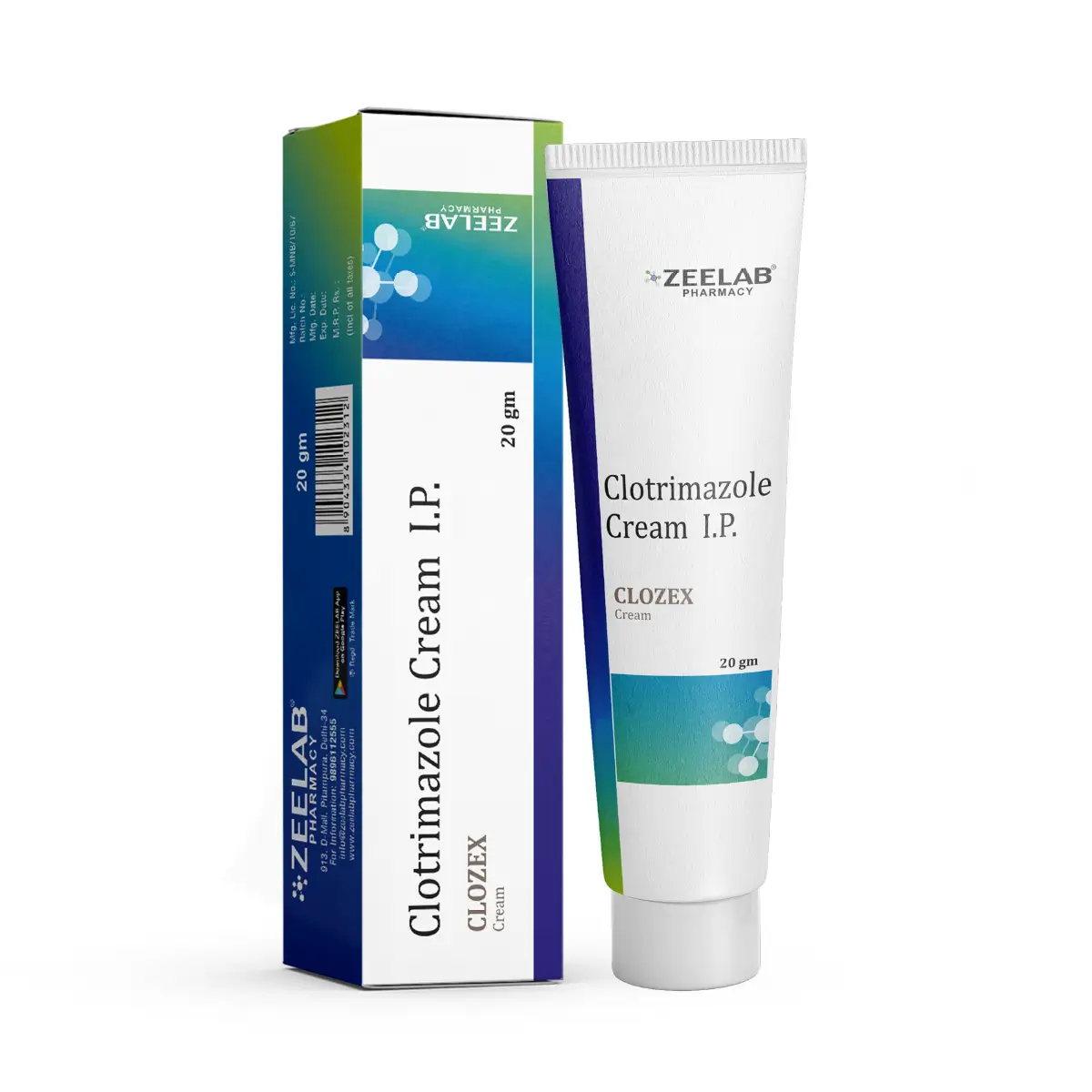
Clozex Cream contains clotrimazole 1%, an antifungal ingredient used for certain fungal skin infections. Clotrimazole cream for balanitis may be appropriate when balanitis is caused by a fungal or Candida infection, but treatment should be based on the suspected cause.
- Composition: Clotrimazole 1% w/w
- Benefits: Helps manage fungal infections and associated itching, redness and irritation.
Mupicin Mupirocin Ointment
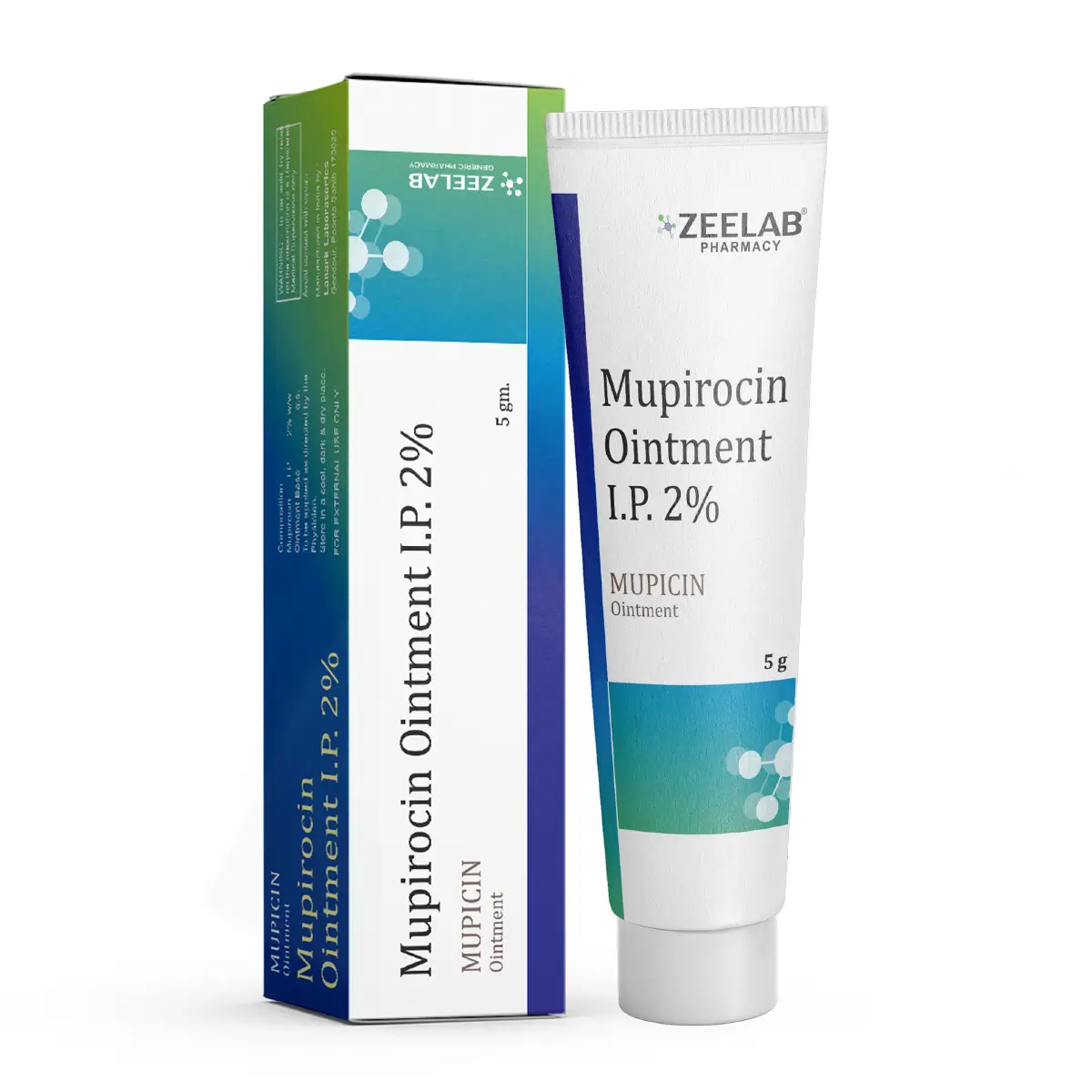
Mupicin Ointment contains mupirocin 2%, a topical antibiotic used for certain bacterial skin infections.
Mupirocin ointment for balanitis may be considered when a healthcare professional determines that bacteria are contributing to the condition.
- Composition: Mupirocin 2% w/w
- Benefits: Helps treat bacterial skin infections and supports the healing of infected skin.
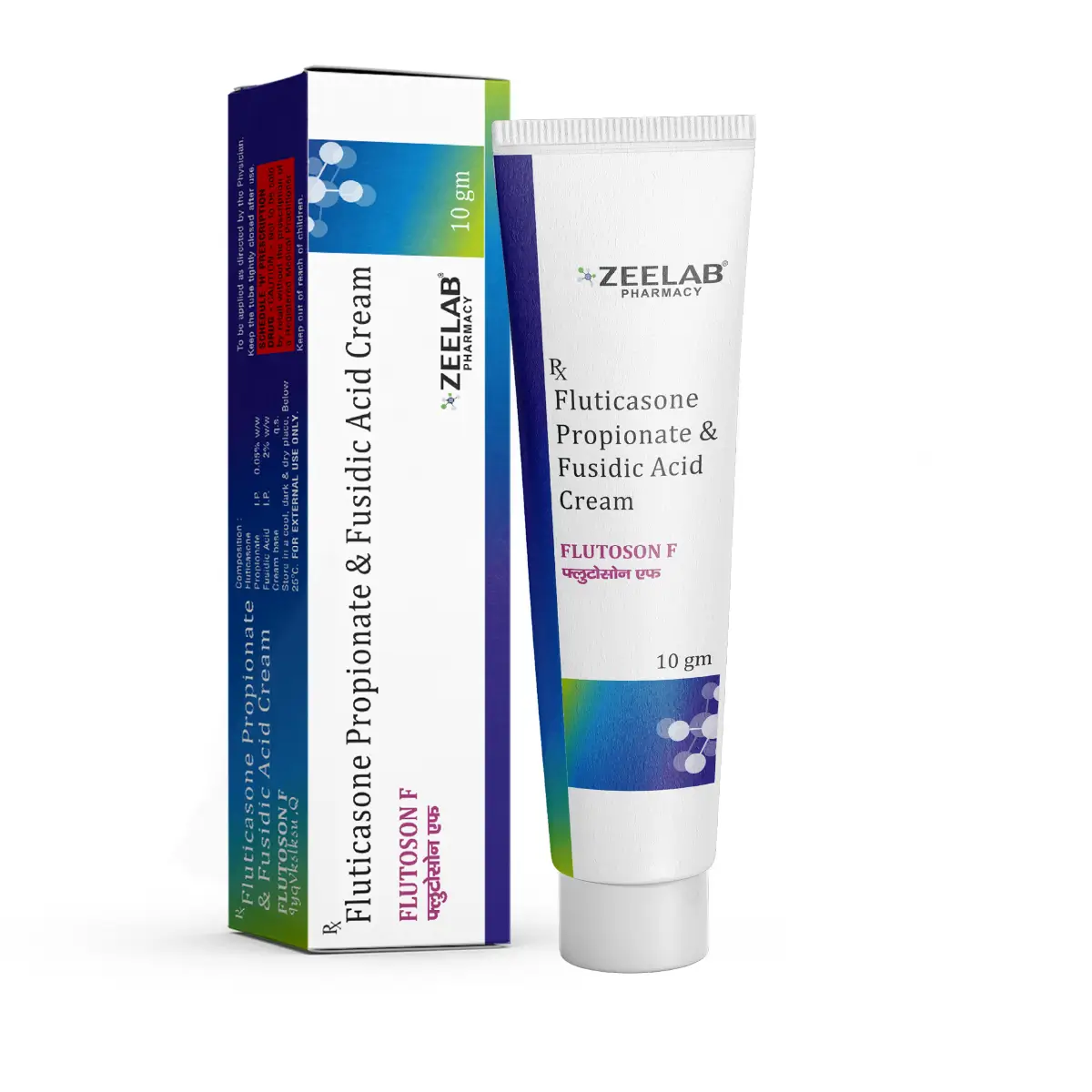
Flutoson F Skin Infections Cream
Flutoson F Cream combines fluticasone propionate and fusidic acid. Because it contains a corticosteroid and an antibiotic, it should not be self-used for unexplained balanitis.
A healthcare professional should determine whether this type of treatment is appropriate.
- Composition: Fluticasone Propionate 0.05% w/w + Fusidic Acid 2% w/w
- Benefits: Helps reduce inflammation and manage bacterial infection when medically appropriate.
How to Apply Cream for Balanitis?
If you are using an ointment for balanitis, follow the specific directions on the product label or those provided by your healthcare professional.
- Wash your hands.
- Gently clean the area with lukewarm water.
- Avoid harsh soaps and fragranced products.
- Carefully dry the area.
- Apply a thin layer of the recommended cream.
- Follow the product label or healthcare professional's instructions.
- Wash your hands again after application.
How Long Does Balanitis Take to Heal?
How long balanitis takes to improve depends on its cause, severity and treatment. Symptoms may improve once the underlying cause is appropriately treated, while persistent or recurrent symptoms may require further medical evaluation.
Sometimes the condition may improve in 2 or 3 days, while sometimes it may take up to 2 weeks.
- For mild cases, symptoms start to improve in 2-3 days.
- Proper hygiene and prescribed treatment can cure most infections within a week.
- If the case is more severe and stubborn, it might take around 2 weeks for complete healing.
Possible Side Effects of Balanitis Creams
The possible side effects of a balanitis cream depend on its active ingredients and formulation.
Possible reactions can include:
- Burning or stinging
- Redness
- Itching
- Irritation
- Dryness
- Allergic reaction
What Should You Avoid When You Have Balanitis?
Avoid anything that may further irritate the inflamed skin or interfere with appropriate treatment.
- Harsh soaps
- Perfumes and fragrances
- Scrubbing the affected area
- Unprescribed steroid creams
- Unnecessary antibiotic creams
- Mixing multiple creams
- Self-medicating without knowing the cause
Using soap, shower gels and other irritants can worsen penile skin irritation.
How to Prevent Balanitis From Coming Back?
Balanitis is not a serious problem and can be avoided by practising good hygiene and simple lifestyle habits. Make sure you follow these:
- Gentle daily hygiene practices
- Wipe the area clean and dry
- Avoid products that irritate
- Wear breathable underwear
- Timely treatment of underlying health issues
- Practise safer sex
- Complete treatment as recommended
- Seek medical advice for frequent infections
When Should You See a Doctor for Balanitis?
If balanitis symptoms do not improve with appropriate care or keep returning, do not simply switch to another balanitis treatment cream or ointment. A healthcare professional can help identify the underlying cause.
- Severe or worsening symptoms
- Significant swelling
- Pus or unusual discharge
- Difficulty urinating
- A foreskin that cannot be retracted normally
- A foreskin that becomes stuck behind the glans
- Recurring symptoms
- Symptoms that do not improve with appropriate treatment
- Possible STI exposure
- A possible underlying health condition such as diabetes
A healthcare professional may examine the area and, when necessary, perform tests for infection or check for conditions such as diabetes.
Conclusion
The best cream for balanitis depends on the underlying cause rather than simply the symptoms. A fungal infection may require an appropriate antifungal cream, while certain bacterial infections may require an antibiotic recommended by a healthcare professional.
If it is caused by a fungal infection, you can consider using Zeelab’s Clozex Antifungal Cream, and for bacterial balanitis treatment, use Mupicin Mupirocin Ointment.
Along with using balanitis treatment creams, maintaining good hygiene and habits can help in preventing recurrence and also promote faster relief.
Frequently Asked Questions (FAQs)
Ans.Zeelab Pharmacy’s Clozex Cream, Mupicin Ointment, and Flutoson F Cream are the best options for treating balanitis. With different formulations, they help to reduce discomfort caused by the infection.
Ans.An antifungal cream may treat balanitis caused by Candida or another fungal infection. Zeelab Pharmacy’s Clozex Cream contains clotrimazole 1% and may help control fungal growth and reduce discomfort due to the infection. The appropriate antifungal and treatment duration should follow medical advice.
Ans.Yes, Clotrimazole creams may be used for Candida-related balanitis. It helps control fungal growth and should be applied according to recommended instructions.
Ans.Antibiotic cream for balanitis may treat balanitis caused by certain bacteria, but it is not suitable for fungal or irritation-related cases and should be used when recommended. Antibiotic creams, including topical antibiotics such as mupirocin, should not be used without appropriate medical advice.
Ans.Steroid cream may reduce inflammation from certain skin conditions or irritation, but it should not be used on your own for unexplained balanitis without healthcare professional guidance. Hydrocortisone cream for balanitis may be recommended in some cases, depending on the cause.
Ans.Gently wash the area with lukewarm water, dry it carefully, and apply the recommended cream as directed. Wash your hands before and after application. Avoid harsh soaps and applying multiple creams together.
Ans.Apply a thin layer of the recommended cream to the affected area as directed on the product label or by your healthcare professional. Do not apply more than recommended, as using extra cream does not necessarily speed up healing and may increase irritation.
Ans.An ointment for balanitis may be recommended depending on the cause and the active ingredient. Balanitis ointment or balanitis treatment ointment should be used according to the product label or healthcare professional’s instructions. The best ointment for balanitis may vary depending on the underlying condition.
Ans.Some mild cases may improve with appropriate cream and gentle hygiene, but treatment depends on the cause. Balanitis treatment may require different medicines depending on whether it is caused by an infection, skin condition or irritation. Recurrent balanitis may require medical evaluation.
Ans.If balanitis is left untreated, symptoms such as redness, swelling, itching, irritation, soreness or discharge may persist or become worse. Persistent or recurrent symptoms may also lead to foreskin problems. Seek medical advice if symptoms do not improve or become severe.
Ans.Healing time varies depending on the cause, severity and treatment. Symptoms should improve with appropriate care, but persistent or worsening balanitis requires medical evaluation.
Ans.Balanitis cream does not always prevent recurrence. Identifying the underlying cause, maintaining gentle hygiene, avoiding irritants and managing health conditions can help reduce repeated episodes.
Ans.See a doctor for severe, worsening or recurrent symptoms, discharge, significant swelling, difficulty urinating, foreskin problems, possible STI exposure or symptoms that do not improve.
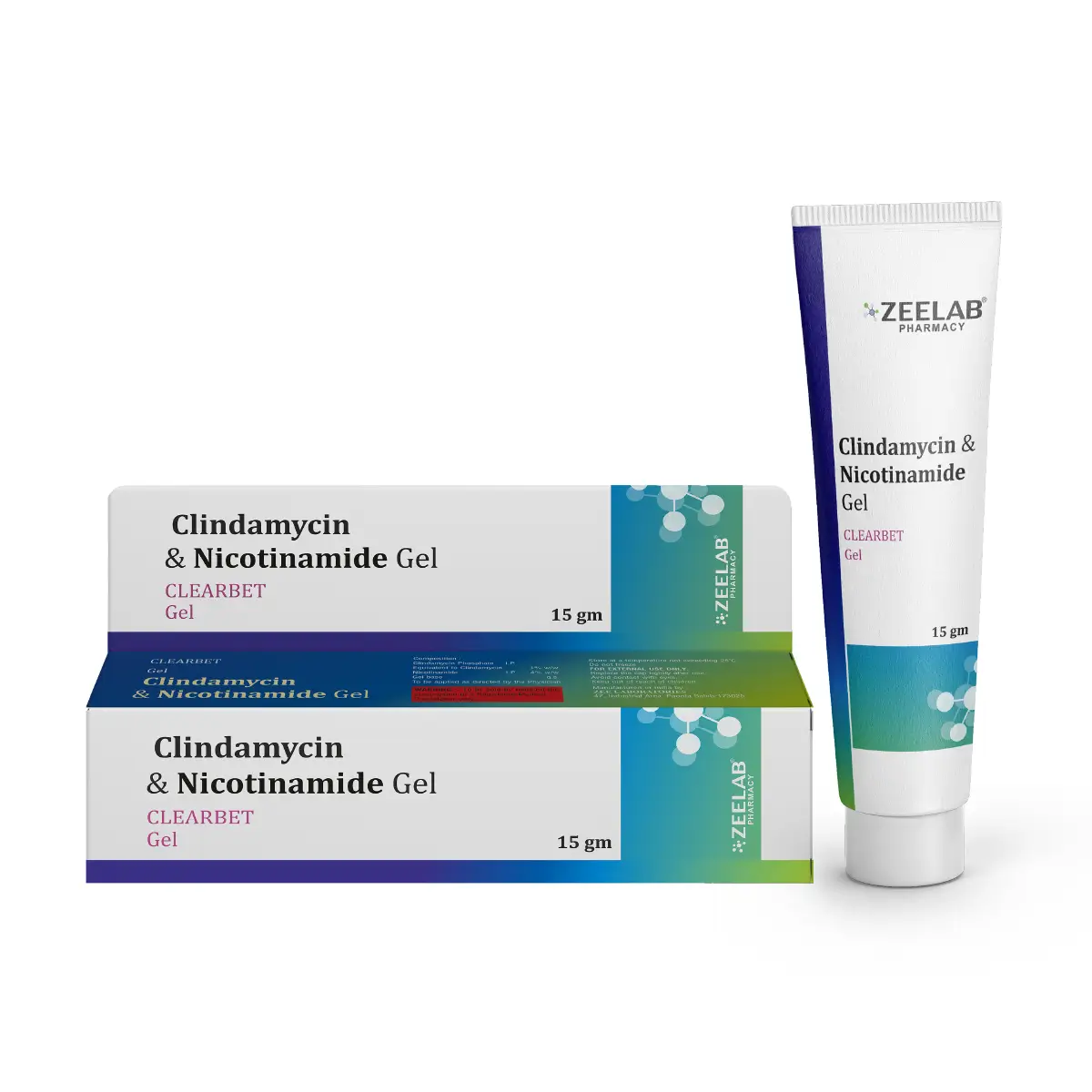
Clindamycin (1% w/w) + Nicotinamide (4% w/w)
15gm In 1 Tube
Fluticasone Propionate (0.05% w/w) + Fusidic Acid (2% w/w)
10gm In 1 Tube
Bacitracin (400IU) + Neomycin (3400IU) + Polymyxin B (5000IU)
15gm In 1 Tube
Recent Blogs





Disclaimer : Zeelab Pharmacy provides health information for knowledge only. Do not self-medicate. Always consult a qualified doctor before starting, stopping, or changing any medicine or treatment.
Related Products


₹ 0
0
Items added
Quick Links
Categories
Our Policies

Our Socials


Subscribe

2026 Copyright By © Zeelab Pharmacy Private Limited. All Rights Reserved
Our Payment Partners

 Added!